
药品

Search documents
广州为医疗器械创新产品开通“绿色通道”
Zhong Guo Xin Wen Wang· 2025-10-11 11:33
Core Insights - Guangzhou has launched a "green channel" for innovative medical device products to expedite their market entry [1] - The collaboration between the Guangzhou Market Supervision Administration and the Bio-Island Laboratory aims to enhance the innovation ecosystem in the life and health industry [1][2] Group 1: Collaboration and Services - The agreement provides comprehensive technical services covering the entire product development and registration process for high-end medical devices [1] - The Bio-Island Laboratory, a key provincial laboratory in Guangdong, focuses on high-end medical devices, scientific instruments, and biomanufacturing [1] - The partnership will facilitate cooperation in key areas such as medical devices, pharmaceuticals, and cosmetics [1] Group 2: Standards and Innovation - The collaboration will strengthen standard-setting and innovation cooperation in the pharmaceutical sector, including participation in international standard formulation [1] - A joint effort will be made to establish a "cosmetic raw material research laboratory" to focus on critical raw material technologies [1] Group 3: Intellectual Property and Funding - The partnership will explore the establishment of a knowledge property innovation consortium and a life and health industry fund [2] - The aim is to build a collaborative innovation system involving government, industry, academia, and medical sectors [2]
美国经济撑不住了?噩耗已至,中国早有预料,特朗普高兴不了多久
Sou Hu Cai Jing· 2025-10-04 10:05
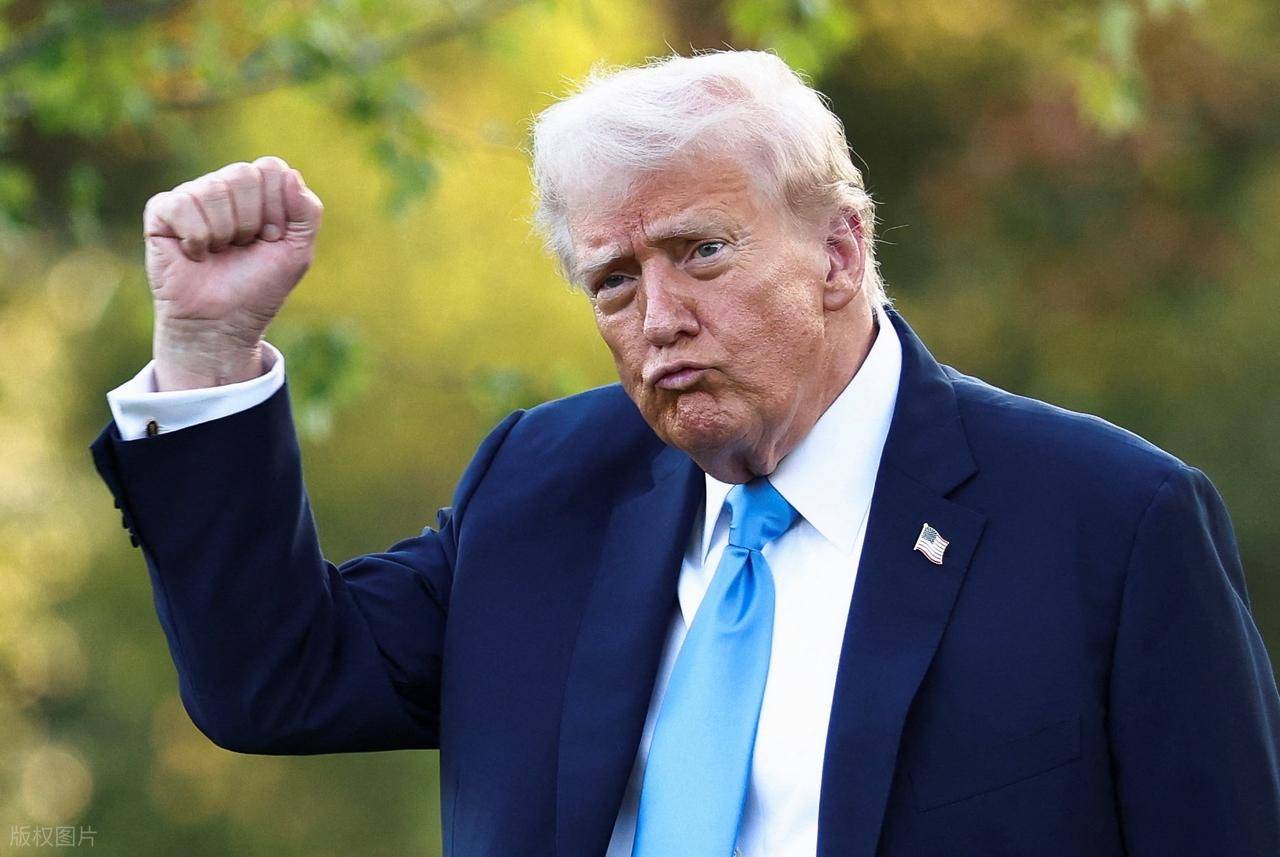
Core Points - Trump's tariff policy has backfired, harming the U.S. economy rather than benefiting it as intended [1][3][14] - China had previously warned that a tariff war would lead to negative consequences for the U.S. economy [3][14] Tariff Implementation - Starting October 1, Trump announced significant tariffs on various essential goods: 25% on heavy trucks, 50% on kitchen and bathroom cabinets, 30% on soft furniture, and 100% on pharmaceuticals [4] - To avoid tariffs, Trump proposed that companies invest in U.S. manufacturing [4] - The U.S. Department of Commerce initiated "national security investigations" into industries like medical devices and robotics, likely to justify further tariffs [4] Economic Impact - The financial markets reacted negatively, with major U.S. stock indices losing over $1 trillion in value [4] - The U.S. dollar index and Treasury yields also declined, indicating a lack of confidence in the tariff policy [4] Employment Concerns - The U.S. labor market is showing signs of rapid cooling, with only 73,000 new jobs added in July 2025, significantly below expectations [6] - Job data for May and June was revised downwards, indicating a total loss of 258,000 jobs over those two months [6] - Manufacturing jobs have decreased by approximately 12,000 in August 2025, totaling a loss of 42,000 jobs since April [8] Consumer Price Pressure - Tariffs are leading to rising prices for imported goods, which consumers will ultimately bear [11] - The implementation of a 100% tariff on pharmaceuticals will increase healthcare costs for families [11] - Prices for furniture, cabinets, and trucks are expected to rise, increasing living costs and logistics expenses [11] Business Sentiment - Approximately 20% of businesses believe tariffs will affect their hiring plans, while 25% think it will impact investment decisions [13] - This uncertainty is likely to suppress future economic vitality and could weaken U.S. innovation and competitiveness [13] Long-term Economic Forecast - The OECD predicts U.S. economic growth will slow to 1.8% in 2025 and further to 1.5% in 2026 [13] - The effective tariff rate has reached 19.5%, which is expected to drive inflation up to 3% by 2026 [13] - Compared to the U.S., the EU and some Asian economies are projected to maintain growth rates above 2% due to stable internal demand [13]

特朗普再次出手,加征100%关税,企业回流美国面临三大核心问题!
Sou Hu Cai Jing· 2025-09-30 14:16
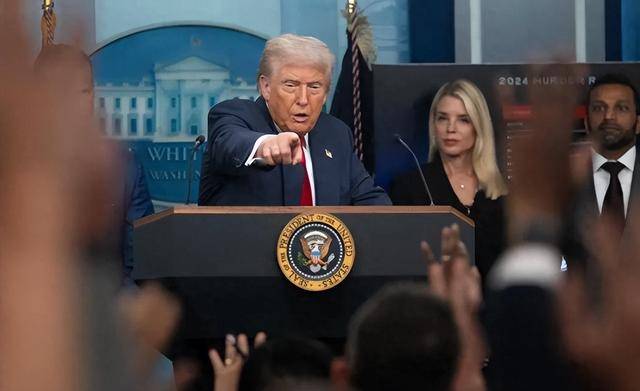
Core Viewpoint - Trump's imposition of a 100% tariff on films not produced in the U.S. represents a significant escalation of his "America First" policy, but companies face substantial challenges in relocating operations back to the U.S. [1][3] Cost Issues - The cost of relocating manufacturing to the U.S. is a major barrier, with U.S. manufacturing workers earning an average of $43,000 per year, which is 3 to 6 times higher than their Asian counterparts [5][17] - Even with the new tariffs, total production costs in China remain 15% to 30% lower than in the U.S. [7] - U.S. infrastructure, such as outdated power grids and ports, exacerbates cost pressures, making it difficult to support large-scale manufacturing [9] Supply Chain Challenges - Rebuilding global supply chains is nearly impossible, as critical materials for industries like electric vehicle batteries are still predominantly sourced from Asia [11] - The film industry also suffers from supply chain issues, as requiring all production steps to occur in the U.S. could increase costs by 30% to 50% [13] Policy Instability - Frequent changes in tariff policies create uncertainty, discouraging long-term investments from companies [15] - The U.S. faces a talent shortage in manufacturing, with 58% of projected semiconductor jobs by 2030 likely to remain unfilled due to a lack of qualified candidates [17][19] Talent Shortage - The U.S. education system is not aligned with industry needs, resulting in a significant skills gap in manufacturing [17] - Immigration policies further restrict the influx of high-skilled talent, with only 85,000 H-1B visas issued annually despite high demand [19] Long-term Implications - The unilateral approach to tariffs is undermining the post-World War II multilateral trade system, leading to retaliatory measures from traditional allies [23] - A survey indicated that 65% of companies believe rebuilding supply chains in the U.S. would cost at least double current expenses, with 61% preferring to relocate to countries with lower tariffs [21] Potential Solutions - Increased investment in infrastructure and vocational education is necessary, with the Biden administration's CHIPS and Science Act providing $52.7 billion, but only $13.2 billion allocated for talent development [25] - Reforming immigration policies to ease restrictions on STEM talent could help alleviate the skills shortage [25] - Leveraging technological innovations in areas like AI and quantum computing may provide a pathway to regain competitive advantages in manufacturing [27]
中国同北欧国家经贸合作保持良好发展势头
Xin Hua She· 2025-09-29 14:57
Core Points - China and Nordic countries have maintained a strong economic and trade cooperation, with trade volume steadily expanding and bilateral investment remaining active [1] - In 2024, trade volume between China and the five Nordic countries is projected to reach $53.17 billion, representing a year-on-year growth of 8.5% [1] - From January to August 2023, trade volume reached $37.96 billion, with a year-on-year increase of 7.1%, more than double the growth rate of trade between China and Europe during the same period [1] - The structure of bilateral trade is continuously optimizing, with pharmaceuticals and precision machinery being the main exports from Nordic countries to China [1] - Nordic companies have invested over $15 billion in China, with Sweden and Denmark each contributing more than $5 billion, positioning them among the top European investors [1] - The electric vehicle and battery industries have emerged as new hotspots for cooperation, with Nordic regions becoming crucial markets for Chinese electric vehicle and battery companies [1] Event Summary - The 7th China-Nordic Economic and Trade Cooperation Forum is scheduled to be held from October 14 to 16 in Wuhan, Hubei, focusing on high-quality development of economic relations [2] - The forum will feature a main guest country, Denmark, which will organize numerous enterprises and institutions to participate [2] - The event is the first and only long-term mechanism for economic cooperation specifically targeting Nordic countries, co-hosted by the Ministry of Commerce and the Hubei Provincial Government [2]
俄罗斯市场深度解析:制裁下的重构机遇与风险应对指南
Sou Hu Cai Jing· 2025-09-29 08:33
Core Insights - The article highlights the structural changes in the Russian market post the Ukraine conflict, presenting new opportunities for Chinese enterprises to expand into Russia [1][12]. Economic Growth and Structural Changes - Russia's nominal GDP is projected to grow by 4.1% in 2024, marking one of the highest growth rates in the past five years, with an unemployment rate at a historical low of 2.3% [1]. - The growth is characterized by a significant shift towards defense-driven economic growth, with over 35% of industrial output growth in 2024 stemming from military and strategic security orders, while civilian manufacturing output has decreased by 1.2% [3]. - Defense and security spending in the federal budget is expected to rise to 36% in 2024, the highest since the dissolution of the Soviet Union [3]. - Russia's trade dynamics have shifted dramatically, with exports to the EU plummeting by 72%, while trade with China surged, increasing from 17% in 2021 to 35% in 2024 [3]. - Energy export revenues have risen from 39% of the federal budget in 2021 to 52% in 2024, indicating a growing dependency on energy [3]. Investment Opportunities by Sector - **Energy and Resources**: Russia, as a major oil and gas exporter, has seen a 46.6% increase in natural gas supplies to China in 2023, presenting collaboration opportunities for Chinese companies in energy extraction, transportation, and processing [4]. - **High-Tech and IT**: The local software industry is expected to grow at an annual rate of over 25% from 2023 to 2024, supported by tax incentives and the "Digital Sovereignty Law," particularly in areas like basic software and cybersecurity [4]. - **Agriculture and Food Processing**: Russia's wheat exports are projected to reach a record 55.3 million tons in the 2023-2024 agricultural season, accounting for 26% of global wheat exports, making agriculture a resilient sector amid sanctions [4]. - **Consumer and Retail**: The demand for home appliances, furniture, and daily consumer goods is increasing, with a notable rise in electronic products among younger consumers [4]. Government Support and Policy Initiatives - The Russian government is focusing on production-linked incentive programs to boost local industries, particularly in import substitution, with a 40% increase in domestic automotive and machinery manufacturing capacity from 2023 to 2024 [5]. - Infrastructure development remains a priority, with opportunities for Chinese companies to leverage their expertise in transportation, energy, and urban infrastructure [6]. Market Entry and Legal Structure - Foreign investors must navigate the Russian legal framework, which includes options like Limited Liability Companies (OOO) and Joint Stock Companies (AO), with a registration process typically taking 30-45 days [8]. - Companies are advised to establish a local presence through market research, pilot projects, and building local networks to facilitate entry into the Russian market [10][13].

美国新一轮关税政策,将加剧全球贸易体系碎片化 | 国际识局
Sou Hu Cai Jing· 2025-09-29 07:47
Core Points - The U.S. government has announced a new round of tariffs on heavy trucks, furniture, and brand-name pharmaceuticals, citing national security threats under the Trade Expansion Act of 1962, continuing the "America First" trade framework initiated during Trump's presidency [1][3] - The average tariff level in the U.S. has stabilized at around 18%, the highest in over a century, significantly impacting the global free trade system [3] - The new tariff policy emphasizes "forced manufacturing return," particularly in the pharmaceutical sector, where foreign brands building production facilities in the U.S. can receive exemptions from tariffs as high as 100% on imported drugs [3][4] - This tariff structure represents a shift from traditional protectionism to a more aggressive industrial policy, directly influencing multinational companies' investment decisions [3][4] Economic Implications - The U.S. government's narrative suggests that raising tariffs will reduce trade deficits, revitalize manufacturing, and increase federal revenue, but mainstream economic research institutions disagree, predicting significant negative impacts on GDP growth [4][5] - The tariffs effectively act as a tax on U.S. consumers and businesses, leading to higher domestic inflation and reduced real income for households, with the benefits to manufacturing being outweighed by economic costs [5] Social Impact - Tariffs, viewed as a consumption tax, disproportionately burden low-income families who spend a larger portion of their income on essential imported goods, while the tax cuts linked to tariff revenues primarily benefit high-income households and corporations [7] - The combination of tariffs and tax cuts creates a fiscal transfer mechanism that shifts economic burdens onto lower-income groups while providing benefits to wealthier individuals [7] Geopolitical Context - The U.S. government's unilateral tariff threats have successfully fragmented traditional alliances, undermining collective bargaining power among allies and prompting countries to seek individual agreements to protect their economies [8] - The current U.S. trade strategy signals a shift away from the post-World War II multilateral trade system, aiming to establish a new trade network centered around U.S. economic strength, which poses challenges to global trade stability [9]
新疆乌苏市市场监管局开展“双节”前夕专项检查筑牢安全防线
Zhong Guo Shi Pin Wang· 2025-09-28 06:26
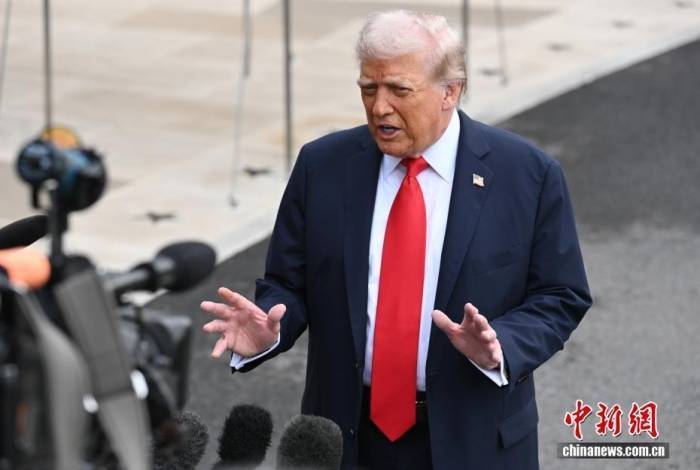
Core Viewpoint - The article emphasizes the proactive measures taken by the Urumqi Market Supervision Administration in Xinjiang to ensure public safety and quality during the upcoming National Day holiday through comprehensive inspections and safety awareness campaigns [1] Group 1: Safety Inspections - The administration has formed inspection teams comprising regulatory, technical, and law enforcement personnel to conduct thorough safety checks across multiple sectors [1] - Five key areas of focus for inspections include industrial product quality, food safety in restaurants, safety in the delivery industry, pharmaceutical safety, and the safety of special equipment [1] Group 2: Industrial Product Quality Safety - Inspections target various consumer products such as building insulation materials, hazardous chemicals, special labor protection products, fire safety products, electric bicycles, children's toys, and charging devices to ensure compliance with safety standards [1] - The administration also checks food packaging for mooncakes and tea to prevent illegal production and ensure adherence to national standards [1] Group 3: Restaurant and Delivery Safety - In restaurants, the focus is on the compliance of gas appliances and food safety management in accordance with the Food Safety Law of the People's Republic of China [1] - For the delivery industry, safety regulations regarding traffic, electric bicycle modifications, and food safety are being promoted to enhance the awareness of delivery personnel [1] Group 4: Pharmaceutical and Special Equipment Safety - The administration conducts random checks on pharmacies, medical institutions, and cosmetic businesses, ensuring any issues found are rectified promptly [1] - Special equipment safety is emphasized, with inspections on pressure vessels, boilers, elevators, and forklifts to ensure adherence to safety management protocols [1] Group 5: Future Actions - The administration plans to intensify safety regulation efforts during the holiday period, streamline complaint channels, and strictly investigate any violations to protect consumer and operator rights [1]
特朗普拉长关税清单
Guo Ji Jin Rong Bao· 2025-09-27 06:49
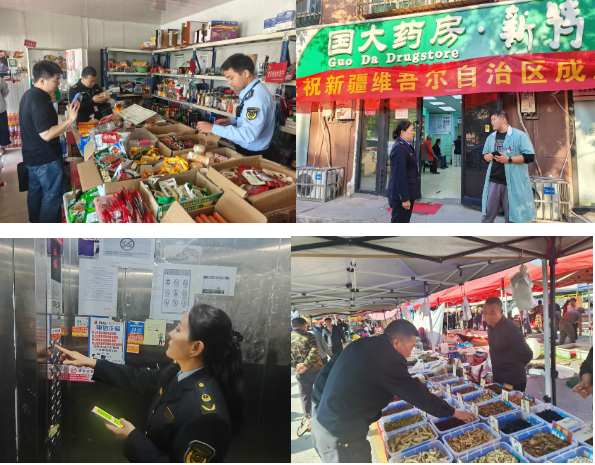
Core Viewpoint - The effectiveness of trade policies, particularly tariffs, is being questioned even among Trump's supporters, who are beginning to recognize that job losses are more attributable to automation than to trade policies. The logic of free trade remains relevant despite the challenges it faces [1][10]. Tariff Measures - Trump's administration has raised the average tariff level in the U.S. from less than 2% to 17.7%, with specific tariffs on steel, aluminum, and copper reaching 50%, and most auto imports facing a 25% tariff. New investigations targeting robots, industrial machinery, and medical supplies may lead to further tariffs [2][3]. - Starting October 1, new tariffs will be imposed on various imported products, including 50% on kitchen cabinets and bathroom sinks, 30% on imported furniture, and 100% on patented and branded drugs [2]. Trade Agreements and Reactions - The U.S. has reached trade agreements with several major partners, including the EU, Japan, and South Korea, but skepticism about Trump's trade logic persists. Countries like South Korea are experiencing significant export declines due to high tariffs [4][5]. - Japan's former central bank governor criticized Trump's high tariff policies as misaligned with U.S. economic realities, while the EU has faced criticism for perceived concessions under U.S. pressure [5]. Geopolitical Implications - Trump's tariffs have led to geopolitical shifts, with Canada experiencing a 1.6% economic contraction due to export declines and a rising unemployment rate. Canada is now seeking to reduce its dependency on the U.S. [6]. - The EU is accelerating trade diversification efforts and increasing defense investments to reduce reliance on the U.S. for security commitments [6]. - Australia and New Zealand are also reassessing their diplomatic ties with the U.S. due to trade tensions, which could impact intelligence cooperation [7]. Global Trade Dynamics - Despite the challenges posed by Trump's protectionism, countries are recognizing the benefits of reducing tariffs. Indonesia has reached a free trade agreement with the EU, and other nations are pursuing similar agreements to mitigate the impact of U.S. tariffs [9]. - The WTO's multilateral trade system is under threat, with a decline in global trade share and increased unilateral measures by major economies, leading to fragmentation of the trade system [11]. Future Trade Frameworks - There are calls for the WTO to reform and better facilitate global cooperation amid the current trade turmoil. China has expressed its commitment to not seeking special treatment in future negotiations [12]. - Analysts suggest forming multiple alliances among like-minded countries to create a flexible network that can promote trade integration while ensuring supply chain security [13].
冠通期货早盘速递-20250925
Guan Tong Qi Huo· 2025-09-25 10:20
Report Summary 1. Report Industry Investment Rating No relevant content provided. 2. Core Viewpoints - China announces new climate targets, aiming to reduce greenhouse gas net emissions by 7% - 10% from the peak by 2035, increase non - fossil energy consumption to over 30%, and achieve other goals [2] - Six departments jointly issue a work plan for the building materials industry, targeting green building materials revenue to exceed 300 billion yuan in 2026 [2] - The US and the EU finalize a tariff agreement, with a 15% tariff on EU cars and parts from August 1st and some EU products on the tariff exemption list from September 1st [2] - Zhengshang Institute and Shangqi Institute adjust trading margin standards and price limit ranges for multiple futures contracts from September 29th [3] 3. Summaries by Related Catalogs Hot News - China's new climate targets include reducing greenhouse gas emissions, increasing non - fossil energy use, and more by 2035 [2] - The building materials industry work plan aims to boost green building materials revenue and control traditional capacity [2] - The US - EU tariff agreement involves tariffs and exemptions on various products [2] - Futures exchanges adjust trading margins and price limits for multiple contracts [3] Key Focus - Focus on commodities such as urea, Shanghai copper, polysilicon, crude oil, and PP [4] Night - session Performance - Different commodity futures sectors show various night - session performance, with precious metals up 33.25%, non - metallic building materials up 2.66%, etc. [4] Plate Holdings - The chart shows the changes in commodity futures plate holdings in the past five days [5] Major Asset Performance - Different asset classes have different daily, monthly, and annual returns. For example, the Shanghai Composite Index has a daily increase of 0.83%, an annual increase of 14.97%, etc. [7] Main Commodity Trends - The report presents the trends of major commodities through various charts, including the BDI index, WTI crude oil, London spot gold, etc. [9]
欧盟统计局:中国成欧盟高科技产品最大供应国
Yang Shi Xin Wen· 2025-09-24 09:32
Core Insights - China is the largest supplier of high-tech imports to the EU, accounting for 30% of the total in 2024, which amounts to €141 billion, surpassing the US at 23% or €111 billion [1] Group 1: Trade Statistics - In 2024, the EU's high-tech imports from China will reach €141 billion, making it the largest source of high-tech goods [1] - The US follows as the second-largest supplier, contributing €111 billion, which is 23% of the EU's high-tech imports [1] - Other significant sources include Switzerland (6%, €31 billion), Vietnam (5%, €24 billion), and the UK (4%, €21 billion) [1] Group 2: Product Categories - Electronic and telecommunications products represent the largest segment of high-tech imports to the EU, making up 36% of the total, with China being the dominant supplier [1] - Computers and office equipment account for 18% of high-tech imports, while pharmaceuticals represent 15%, with major contributions from China and the US respectively [1]