涤纶

Search documents
油价涨了,冲锋衣要危险了
36氪· 2026-03-26 04:35
Core Viewpoint - The article discusses the impact of rising oil prices on the cost of various consumer goods, particularly focusing on the relationship between oil prices and the price of clothing items like jackets, highlighting that the increase in oil prices can lead to higher production costs for synthetic fibers used in these garments [5][63]. Group 1: Oil Price Impact on Consumer Goods - The recent conflict in the Middle East has led to a significant increase in oil prices, which in turn raises the costs of imports and fuel in China [5][7]. - The article draws parallels between the price of pork affecting the cost of down jackets and the rising oil prices potentially increasing the price of jackets [9][11]. - The relationship between oil prices and clothing costs is attributed to the reliance on synthetic fibers, which are derived from petroleum [20][52]. Group 2: Synthetic Fibers and Their Importance - Synthetic fibers account for nearly 62% of global fiber consumption, with polyester contributing over 52% of that figure [23][24]. - The article emphasizes that synthetic fibers, particularly those derived from oil, are widely used in the textile industry due to their low cost and high durability [22][28]. - The main materials used in jackets, such as polyester and nylon, are heavily reliant on oil, making them sensitive to fluctuations in oil prices [31][45]. Group 3: Market Dynamics and Brand Responses - The rising costs of raw materials are expected to be passed down to consumers, although this process may not be immediate due to existing inventory [54][70]. - Brands with lower profit margins, particularly mid-tier and smaller brands, may face more significant challenges in absorbing these costs compared to high-end brands [57][60]. - There is speculation that if raw material prices continue to rise, prices for new collections in the fall/winter of 2026 may increase [61][62].


中东战局升级,终于开始影响普通人的生活了
吴晓波频道· 2026-03-22 00:52
Core Viewpoint - The escalation of the Middle East conflict has led to a significant increase in oil prices, which has a direct impact on the costs of travel, commuting, shopping, and dining for ordinary people [2][6]. Group 1: Oil Price Impact on Travel - The tourism market is particularly affected, with rising fuel surcharges leading to increased travel costs. For example, Spring Airlines announced a fuel surcharge increase of over 50% for certain routes [10][15]. - Specific routes have seen fuel surcharges rise from 200 CNY to 312 CNY, indicating a substantial increase in travel expenses [11]. - Predictions suggest that domestic fuel prices may rise again, with 92 and 95 octane gasoline expected to increase by 1.60 CNY and 1.69 CNY per liter, respectively [17][18]. Group 2: Broader Economic Effects - The rise in oil prices is expected to trigger a price increase across various sectors, including textiles, construction materials, and consumer goods [26][30]. - The price of polyester, a key material in outdoor clothing, surged by 67.56%, with some textile companies already announcing price hikes [27][28]. - Construction materials are also seeing price increases of 5% to 10%, affecting items like waterproofing and paint, which are derived from petroleum [30][32]. Group 3: Agricultural Sector Implications - The agricultural sector is facing rising costs for fertilizers and pesticides, which are heavily reliant on oil derivatives. Fertilizer prices have already increased by 30% to 40% [43]. - The Chinese government has paused fertilizer exports to ensure domestic supply during the critical spring planting season, reflecting the tight global fertilizer market [42]. - Predictions indicate that if the conflict continues, prices for major agricultural products like wheat and corn may rise significantly, with wheat projected to reach 6.5 USD per bushel [43]. Group 4: Long-term Outlook and Policy Response - Despite the current volatility, China's policy toolbox for stabilizing prices is considered robust, with mechanisms in place to prevent excessive price increases [51]. - China's oil reserves are estimated to support consumption for 110 to 140 days, providing a buffer against supply disruptions [51]. - The diversification of energy sources in China, including a strong renewable energy sector, is expected to enhance resilience against future shocks [52].

“亲肤棉”“水洗棉”……添置新衣,别被这些名字忽悠
Ren Min Ri Bao· 2026-02-09 00:55
Core Viewpoint - The article emphasizes the importance of understanding fabric names and their actual composition, warning consumers against misleading marketing terms like "skin-friendly cotton" and "washed cotton" which do not necessarily indicate the presence of cotton fibers [1][2]. Group 1: Fabric Composition and Misleading Terms - Terms like "skin-friendly cotton" and "washed cotton" are considered non-standard expressions in the textile fiber naming system and do not guarantee the presence of cotton fibers [1][2]. - Many retailers use these terms to enhance market appeal, misleading consumers into associating these products with the qualities of natural cotton [1][2]. - Proper labeling of fiber content is mandated by national standards, but some businesses exploit ambiguous terminology to attract buyers [1][2]. Group 2: Characteristics of Various Fabrics - Different synthetic fibers such as spandex, nylon, polyester, and acrylic have distinct properties and applications, with spandex being known for elasticity, nylon for durability, and polyester for wrinkle resistance [2]. - New fabric types like "ice silk," "milk velvet," and "graphene" are introduced, each with unique characteristics, but some may be mere marketing gimmicks [2]. - Consumers are advised to check product labels for fiber composition to avoid being misled by fancy names [2]. Group 3: Methods for Identifying Fabric Types - Consumers can initially assess fabric characteristics by touch, noting that cotton feels soft while synthetic fibers may feel different [3]. - A burning test can be conducted on small fiber samples to identify fabric types based on their burning characteristics and odors, although this should be done cautiously [3]. - The burning characteristics of various fibers, such as cellulose fibers burning quickly with a paper-like smell, can help in identifying the material [3].
涤纶不躺平!海利得:靠车用丝,走出传统化纤的稳健增长曲线
市值风云· 2026-02-04 10:16
Core Viewpoint - Hailede (002206.SZ) is expected to achieve a profit of 500 million to 540 million in 2025, representing a year-on-year growth of 21.78% to 31.53%, which is impressive given the overall pressure in the chemical industry [3]. Group 1 - The company is not in a trendy sector like lithium batteries or semiconductors, but is a traditional chemical fiber company primarily known for polyester [3]. - Polyester, as the largest synthetic fiber in global production, is often perceived as a bulk and conventional product, leading to a notion of "involution" in the market [3]. Group 2 - The significant profit growth and scale achieved by Hailede stand out particularly in the context of the current challenges faced by the chemical industry [3].

周期全面进攻,化工&建材买什么?
2026-01-30 03:11
Summary of Conference Call on Chemical and Building Materials Industry Industry Overview - The conference focused on the chemical and building materials industry, emphasizing the investment opportunities in midstream leading companies despite market adjustments [1][2]. Key Points and Arguments 1. **Investment Strategy**: The company remains committed to recommending core midstream leading stocks, especially in the chemical sector, as they believe these stocks will perform well even during market adjustments [1]. 2. **Price Trends**: Some chemical products are experiencing price increases, but the current market is more about capital allocation rather than a price-driven rally [2]. 3. **Global Demand**: The demand for chemicals is increasingly global and diversified, making it a more stable investment compared to real estate, which has uncertain demand [2]. 4. **Supply Dynamics**: There has been a significant exit of overseas production capacity, particularly in Europe due to high energy prices and increased labor costs, which has strengthened domestic companies' confidence [2]. 5. **Capital Expenditure Trends**: Domestic capital expenditure in the basic chemical sector is expected to decline by approximately 16% year-on-year in 2024, with a smaller decline of 5-6% in the first three quarters of 2025, indicating a downward trend [3]. 6. **Government Policies**: The government's focus on "anti-involution" reflects an awareness of low product prices, which may lead to adjustments in operating rates to balance supply and demand [3][4]. 7. **Carbon Neutrality Initiatives**: The upcoming carbon neutrality policies will significantly impact the chemical industry, with expectations for peak carbon emissions by 2030, which will drive changes in production practices [5]. 8. **Market Recovery**: The chemical market is expected to recover as supply contracts and demand stabilizes, with a focus on leading companies that dominate domestic production [6][7]. 9. **Stock Recommendations**: Specific companies such as Wanhua, Hualu, and others in the polyester and organic silicon sectors are highlighted for their potential growth in production capacity and profitability [8][9]. 10. **Profitability Projections**: The profitability of leading companies is projected to improve significantly, with expectations that earnings could return to historical midpoints, even if product prices do not reach previous highs [10][11]. 11. **Valuation Metrics**: Current valuations for leading companies are considered attractive, with expected price-to-earnings ratios around 15-17 times under neutral performance expectations [28]. Additional Important Insights - **Sector Performance**: The chemical sector has underperformed for several years, contrasting with the metals sector, which has seen price increases [6]. - **Investment Timing**: The timing of investments in leading companies is crucial, as they are expected to benefit from market recovery and improved pricing power [27]. - **Emerging Opportunities**: There are emerging opportunities in agricultural chemicals, particularly in phosphate and potash sectors, which are expected to see volume growth despite price stability [13][31]. - **Regulatory Changes**: Recent regulatory changes regarding PVC production may lead to increased capital expenditures and potential industry consolidation, optimizing supply-demand dynamics [14]. This summary encapsulates the key discussions and insights from the conference call, providing a comprehensive overview of the current state and future outlook of the chemical and building materials industry.



成本需求双轮驱动,化工品价格大涨迎盈利修复;关注化工行业ETF易方达(516570)
Sou Hu Cai Jing· 2026-01-27 05:16
Group 1 - The core viewpoint of the articles highlights the current performance and outlook of the chemical industry, particularly in relation to the impact of geopolitical events on oil prices and subsequent effects on chemical product prices [1][2]. - The China Chemical Industry ETF, E Fund (516570), has seen significant capital inflows, totaling over 180 million in the last five days and over 270 million in the past 20 days, indicating strong investor interest [1]. - The recent rise in international oil prices, driven by geopolitical tensions, has supported the prices of various chemical products, improving the profit expectations for related companies [1]. Group 2 - According to China Galaxy Securities, capital expenditure in the chemical industry is expected to decline in 2024, but the demand for chemical products is anticipated to grow due to the "14th Five-Year Plan" focusing on expanding domestic demand [2]. - The supply side is expected to contract as outdated overseas capacities are eliminated, leading to a potential turning point for the chemical industry by 2026, characterized by valuation recovery and earnings growth [2]. - The E Fund Chemical Industry ETF offers a low-cost investment option for investors looking to gain exposure to leading companies in the petrochemical sector, with a total management and custody fee of only 0.2% per year [3].
周观点:中国纺织品出口12月再次回落,澳洲羊毛复拍大涨-20260119
INDUSTRIAL SECURITIES· 2026-01-19 09:30
Investment Rating - The industry investment rating is Neutral (maintained) [1] Core Insights - In December 2025, China's textile product exports weakened again, with yarn, fabrics, and products amounting to USD 12.58 billion, down 4.2% year-on-year; clothing and accessories exports were USD 13.41 billion, down 10.2%; and footwear exports were USD 3.91 billion, down 17.4% [2] - The recent stability of the RMB exchange rate has alleviated concerns about rapid appreciation, suggesting a focus on quality OEM companies such as Huali Group, leading auxiliary material supplier Weixing Co., and steadily expanding Kai Run Co. [2] - The report highlights a significant increase in wool auction prices due to strong demand, with the Eastern Market Index (EMI) for Australian wool rising by 107 Australian cents/kg [2] - The report suggests monitoring companies like New Australia Co. and Baolong Oriental, which have high dividend intentions, as well as Taihua New Materials, which may benefit from anti-involution policies in the chemical industry [2] Summary by Sections Section 1: Market Review - The textile and apparel sector underperformed against the CSI 300 index, with the Jiangsu textile index declining by 0.82% compared to a 0.57% drop in the CSI 300, resulting in a 0.25 percentage point underperformance [9] Section 2: Major Raw Material Prices and Industry Tracking (1) Major Raw Material Price Trends - As of January 16, 2026, cotton prices were at CNY 16,002/ton, with a week-on-week increase of 0.09%; polyester POY was CNY 6,700/ton, up 2.29%; and nylon POY remained stable at CNY 11,600/ton [21][23] (2) Export Data Tracking - In December 2025, China's textile exports were USD 12.58 billion, down 4.2% year-on-year; clothing exports were USD 13.41 billion, down 10.2%; and footwear exports were USD 3.91 billion, down 17.4% [29][31] - Vietnam's textile exports in December 2025 reached USD 3.65 billion, up 8.4% year-on-year, while footwear exports were USD 2.20 billion, up 4.3% [35][37] (3) Domestic and Overseas Apparel Consumption Tracking - In November 2025, China's retail sales growth was 1.3%, with apparel and footwear sales growing by 3.5% [39] - In October 2025, U.S. apparel wholesale inventory was USD 28.04 billion, with a stock-to-sales ratio of 2.04 [40]
恒逸石化(000703) - 000703恒逸石化投资者关系管理信息20260108
2026-01-08 10:32
Group 1: Company Overview - Hengyi Petrochemical is a leading integrated enterprise in the "refining-oil-chemical-fiber" industry chain, focusing on a strategic positioning of "one drop of oil, two threads" [2][3] - The company has established a unique dual-main business model of "polyester + nylon" through the Brunei refining project, creating a closed-loop from crude oil processing to chemical fiber products [2][3] Group 2: Financial Performance - In the first three quarters of 2025, the company achieved an operating income of CNY 83.885 billion and a net profit attributable to shareholders of CNY 231 million, with a year-to-date net profit growth of 0.08% [4] - As of September 30, 2025, total assets amounted to CNY 1115.10 billion, and net assets attributable to shareholders were CNY 24.458 billion [4] Group 3: Market Insights - Southeast Asia is projected to be the largest net importer of refined oil due to insufficient infrastructure investment, despite having rich oil and gas resources [4][5] - The region's oil demand is expected to increase from 5 million barrels per day to 6.4 million barrels per day by 2035, accounting for 25% of global energy demand growth in the next decade [5] Group 4: Polyester Industry Outlook - The company holds a leading position in polyester production, with a diverse range of products including long filaments, short fibers, and chips [5][6] - Domestic retail sales in China grew by 5% year-on-year, with apparel and textile categories increasing by 3.1% [5][6] Group 5: Project Developments - The Qinzhou project aims for an annual production capacity of 1.2 million tons of caprolactam and nylon, with the first phase successfully entering trial production [7][8] - The project integrates advanced proprietary technologies, optimizing energy consumption and production costs, and is expected to significantly enhance the company's competitive position in the nylon market [8] Group 6: Corporate Governance - The company decided not to adjust the conversion price of Hengyi convertible bonds due to various market factors affecting stock prices, ensuring the protection of investor interests [9][10]

纺织服饰行业深度报告:品牌端以产品力破局,制造端把握龙头复苏节奏
Capital Securities· 2025-12-30 07:36
Investment Rating - The report rates the textile and apparel industry as "Positive" [1] Core Insights - The textile and apparel sector has underperformed the market, with a year-to-date increase of 12%, lagging behind the CSI 300 index by 4.1 percentage points, ranking 18th among 31 first-level industries [4][10] - The apparel and home textile segment has seen an 11.3% increase, while the textile manufacturing segment rose by 9.6%, and the accessories segment outperformed with a 17.4% increase [4][10] - The report highlights a potential recovery in demand for textile manufacturing due to stable domestic consumption and a resilient export market, particularly in the U.S. [4][19] - The sleep economy is expanding rapidly, driven by increasing health awareness and consumer spending on sleep-related products [4][63] - The gold and jewelry sector faces short-term demand suppression due to rising gold prices, but consumer spending on gold jewelry remains strong [4][63] Summary by Sections Market Overview - The textile and apparel sector has a TTM price-to-earnings ratio of 27.48, above the historical average since January 2020 [4][14] - The apparel and home textile segment has a TTM P/E ratio of 29.07, while the textile manufacturing segment stands at 23.9, and the accessories segment at 30.27, all above historical averages [4][14] Textile Manufacturing - Raw material prices are at historical lows, with cotton and synthetic fiber prices declining, while Australian wool prices have recently increased [4][19] - Domestic retail sales are showing steady growth, with apparel sales experiencing a slight recovery [4][30] - Export performance is affected by fluctuating tariffs and weak external demand, with a 4.4% year-on-year decline in apparel exports from January to November [4][43] Apparel and Home Textiles - The sleep economy is projected to grow significantly, with the market size expected to exceed 500 billion yuan in 2024, driven by increased consumer awareness and spending on sleep health products [4][66] - The outdoor sports market is also expanding, with a trend towards specialization and segmentation, supported by rising consumer income levels [4][63] Gold and Jewelry - Gold prices have surged over 50% this year, temporarily suppressing demand for gold jewelry, but overall consumer budgets for gold jewelry are increasing [4][63] - The report notes that consumer preferences are shifting towards lighter and more innovative gold products, with a focus on craftsmanship and cultural connections [4][63] Investment Strategy - The report recommends investing in leading companies with strong barriers in production capacity, technology, and customer relationships within the textile manufacturing sector, such as Shenzhou International and Huayi Group [4][63] - For the apparel and home textile sector, it suggests focusing on high-growth segments related to the sleep economy and outdoor sports [4][63]

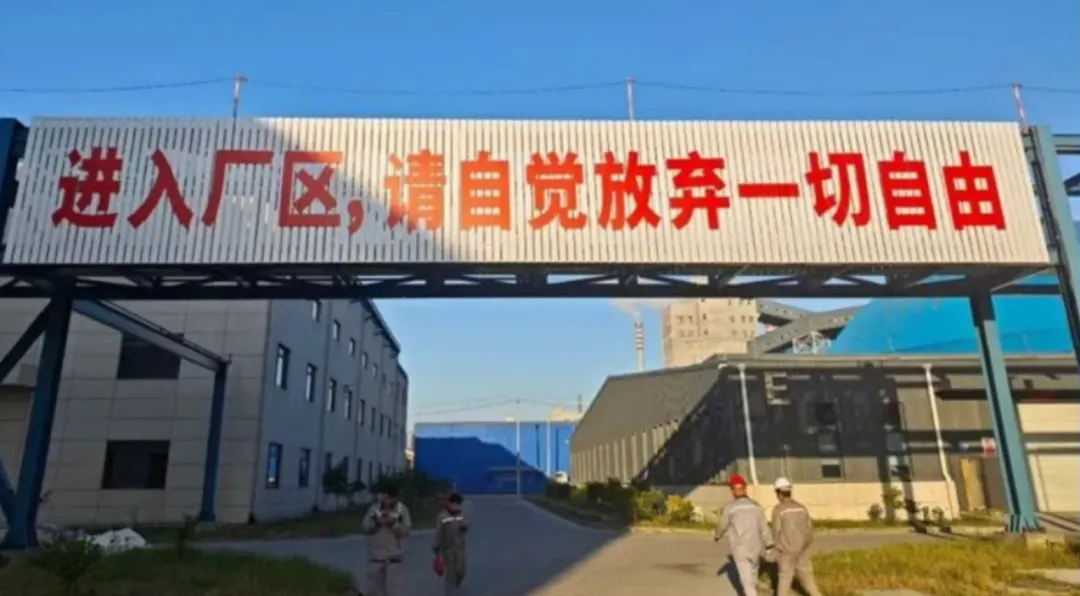
员工加杠杆买公司股票亏惨:20亿元买入,14亿卖给大股东!人数或多达4000,此前子公司“放弃一切自由”标语引发争议
Mei Ri Jing Ji Xin Wen· 2025-12-17 10:40
Core Viewpoint - Hengyi Petrochemical's recent share buyback announcement and the subsequent stock price drop raise questions about market sentiment and investor confidence despite the positive news [3][6]. Group 1: Share Buyback Details - On December 15, 2025, Hengyi Petrochemical announced that its controlling shareholder, Zhejiang Hengyi Group, and its concerted parties increased their holdings by approximately 1.22 billion shares for about 10 billion yuan, while another party, Hangzhou Hengyi Investment, acquired about 478.4 million shares for 3.94 billion yuan [4][5]. - The total increase in shareholding represents 4.72% of the company's total share capital, raising the combined holding of Hengyi Group and Hengyi Investment from 50.28% to 55.00% [4][5]. Group 2: Stock Price Reaction - Following the announcement, Hengyi Petrochemical's stock price fell significantly, with a maximum intraday drop of over 9%, closing down 8.02% [6][11]. - The stock's poor performance despite the buyback announcement may be attributed to the context of previous large block trades, where significant shares were sold from the company's employee stock ownership plan [6][7]. Group 3: Employee Stock Ownership Plan - The fourth phase of the employee stock ownership plan sold approximately 114 million shares at a significant loss, with the average purchase price being 12.25 yuan per share, while the recent sale price was around 8.23 yuan [11][12]. - The total investment in the fourth phase was close to 1.39 billion yuan, and the total loss from the sale is estimated to be around 30% or more, indicating a substantial financial impact on the employees involved [11][12]. Group 4: Financial Performance Context - Hengyi Petrochemical has experienced fluctuating financial performance, with net profits exceeding 3 billion yuan annually from 2019 to 2021, but showing losses of 1.08 billion yuan in 2022 and modest profits of 4.35 billion yuan and 2.34 billion yuan in 2023 and 2024, respectively [17].