
Zhong Guo Qi Che Bao Wang

Search documents
与众07公示,金标大众“智电”化提速
Zhong Guo Qi Che Bao Wang· 2025-10-09 13:38
Core Insights - The launch of the Volkswagen ID.7 marks a significant step in the company's strategy to localize its electric vehicle offerings in China, showcasing advanced technology tailored for the Chinese market [1][3][10] Group 1: Product Overview - The ID.7 is the first electric sedan from the Volkswagen brand specifically designed for the Chinese market, representing a forward-thinking approach to smart technology [1][3] - With dimensions of 4853mm x 1852mm x 1566mm and a wheelbase of 2826mm, the ID.7 combines dynamic aesthetics with spaciousness, targeting urban young consumers [3][4] Group 2: Technological Advancements - The vehicle features a new electronic and electrical architecture developed exclusively for the Chinese market, enhancing data processing capabilities and network security [4][10] - This architecture supports advanced driver assistance systems (ADAS) and enables over-the-air (OTA) updates, positioning the ID.7 as one of the most intelligent models from Volkswagen in China [4][10] Group 3: Brand Philosophy and Market Strategy - The ID.7 embodies Volkswagen's commitment to quality, safety, and reliability, inheriting the brand's German engineering legacy while focusing on innovative technology [9][10] - The introduction of the ID.7 is part of a broader strategy to launch three new models by 2026, including SUVs and sedans, to create a comprehensive localized product lineup [10]


试驾跨越星光 不止于“能装”
Zhong Guo Qi Che Bao Wang· 2025-10-09 11:43
Core Viewpoint - The launch of Changan's new commercial vehicles, the "Xingta" and "KuaYue Xingguang," emphasizes a blend of user needs and cutting-edge technology, marking a significant advancement in the company's product lineup [1] Group 1: Product Features - The "KuaYue Xingguang" is designed as a versatile vehicle for both commercial and family use, focusing on six key dimensions: space, intelligence, safety, energy replenishment, comfort, and handling [3] - The vehicle is available in 7/9-seat passenger versions and a 3-seat cargo version, targeting urban logistics and short-distance transportation, particularly for high-frequency loading and unloading scenarios [4][6] - The exterior design features a "mecha ark" aesthetic, combining geometric lines with futuristic lighting, reflecting both mechanical strength and advanced technology [4][6] Group 2: Space and Utility - The cargo space of the "KuaYue Xingguang" boasts a leading volume of 8 cubic meters and a high loading rate of 41%, making it suitable for various cargo types [7] - The vehicle includes multiple storage compartments for small items, and the rear seats can be adjusted to balance passenger and cargo needs, enhancing its multifunctionality [9] - The design incorporates a 1200mm wide side sliding door and a 270° double-opening tailgate, facilitating efficient loading and unloading, especially in urban delivery scenarios [9] Group 3: Performance and Efficiency - The vehicle features a range of 300 to 470 km, powered by batteries from Yiwei and CATL, meeting the daily urban delivery needs without requiring recharging [10] - The "KuaYue Xingguang" is equipped with a high-efficiency motor and fast charging capabilities, allowing for a 20% to 80% charge in just 18 minutes, with a low energy consumption of 13.95 kWh per 100 km [10] - The pricing starts at 77,900 yuan, making it accessible for users while offering high configurations without the associated high costs [13] Group 4: Market Positioning - The "KuaYue Xingguang" is positioned to meet the practical needs of entrepreneurs and families seeking a multifunctional vehicle, focusing on balanced product characteristics rather than extreme performance in any single area [15] - The vehicle aims to provide reliable solutions for users, enhancing their operational efficiency and comfort, thus appealing to a broad market segment [15]
打造价值新标杆 长安跨越“星塔”破局而来
Zhong Guo Qi Che Bao Wang· 2025-10-09 11:36
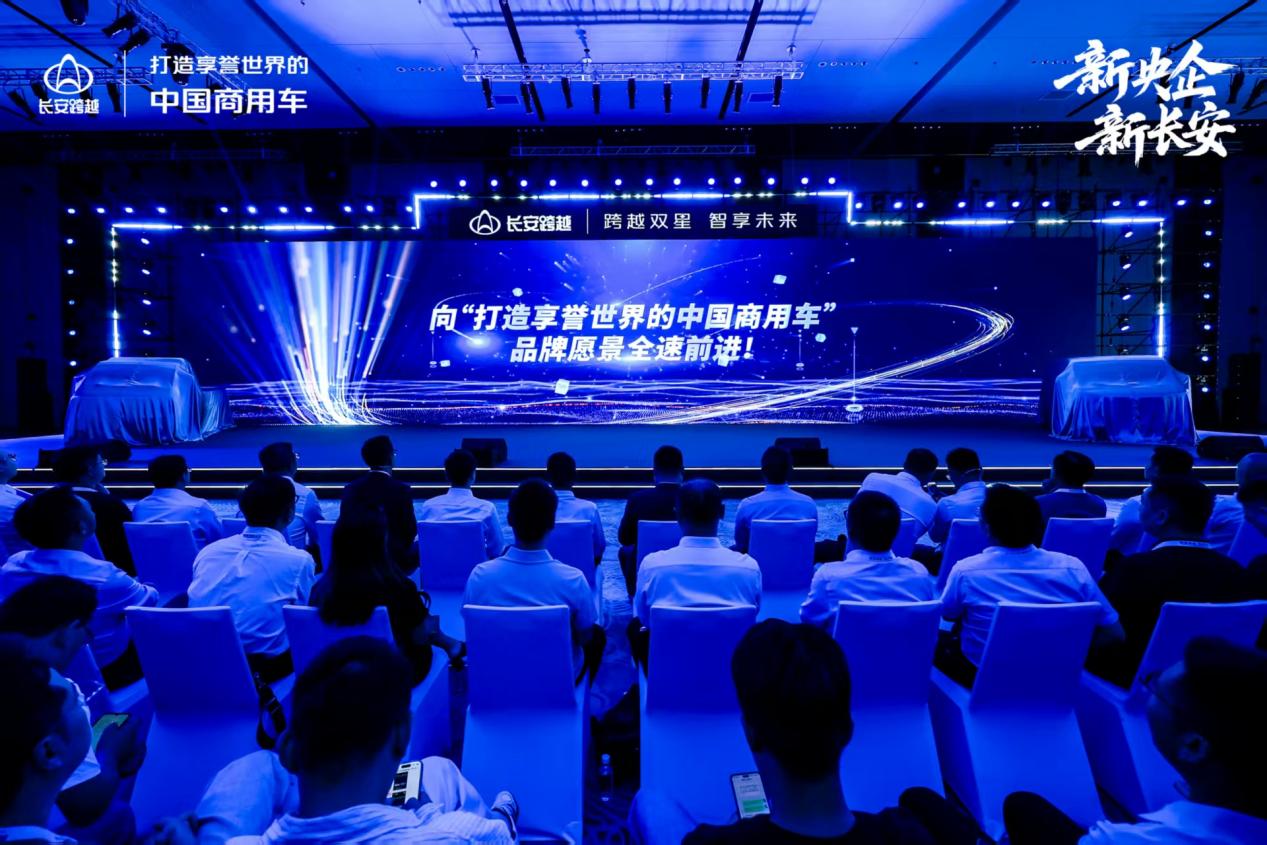
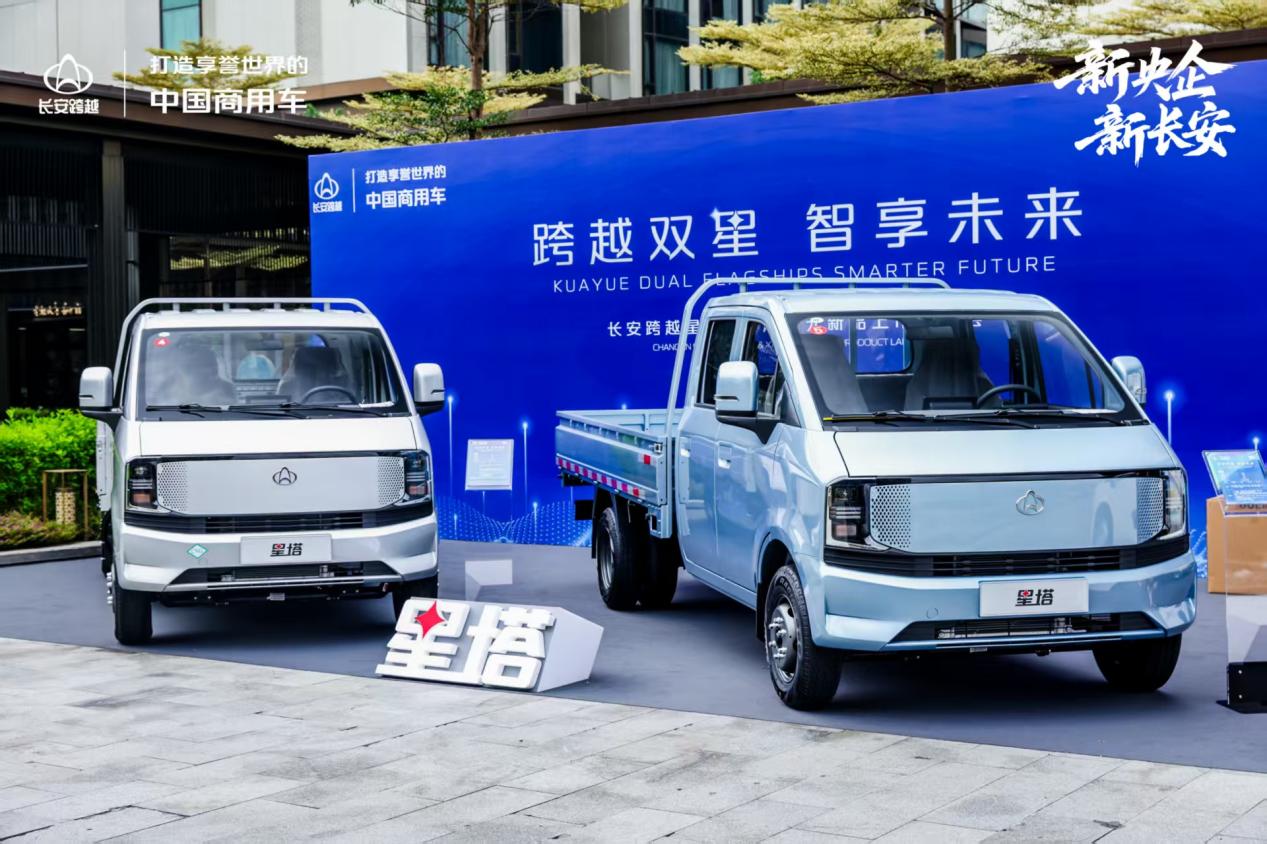
在消费升级与物流行业规范化发展的双重趋势下,用户对商用车的需求正在从"单纯便宜"向"综合价值"转变。9月29日,长安跨越的旗舰之作"星塔"正 式上市,星塔小卡精准地把握了这一趋势,以其均衡的产品力和精准的定价策略,有望在小卡市场占据一席之地,成为价值型用户的新选择。 初看星塔,其策略清晰得几乎透明。从名字内涵、产品谱系到设计理念,我们可以全面读懂这款承载着战略野心与用户期待的产品。"星"是希望,是荣 耀,是光明与指引,是用户全家生计的希望;"塔"是靠山,象征着稳固力量和安全,是用户的生活靠山。当"星"与"塔"相遇,这不仅是两个字的结合,更是 长安跨越对产品、对用户的双重承诺。 首先从外观来看,长期以来,商用车在人们的印象中往往是方方正正、颜色单调、缺乏设计感,与时尚和科技的词汇完全绝缘。而星塔则打破了这一呆 板的印象,在外观设计和空间上说实现了双突破,车身大曲面极简线条,流线型造型,重新定义了商用车的颜值与实用性。值得一提的是,星塔采用了子弹 头式驾驶舱设计,A柱倾斜角低至32.7度,结合车顶和车机盖连接结构,星塔从车头到车尾呈现出优美的流线型,有效的降低风阻10%。此外星塔还采用了 半隐藏式门把手设计,不仅 ...
三轮遴选、六维赋能,第二届智能网联汽车隐形冠军成长计划近日启动
Zhong Guo Qi Che Bao Wang· 2025-10-09 08:47
作为CAICV联盟重点打造的产业生态培育项目,本届"隐形冠军"聚焦智能网联汽车软硬件平台与人工智能、智驾基础技术、智能座舱、车路云一体化、 安全与测试及智驾解决方案六大关键领域,首次采用网络投票、专家初评与终评相结合的三轮遴选机制,综合考察企业的技术创新、细分领域专注度、市场 拓展潜力及组织管理水平,从中筛选出具备关键突破力和成长潜力的企业。 同时,CAICV联盟将为入围企业提供六方面维度的赋能服务,包括政策咨询与战略指导、标准建设支持、技术合作赋能、产业资源对接、人才培养指 导和品牌影响力建设。通过精准对接与全流程陪伴,助力企业在成长过程中突破发展瓶颈,加速成长。 2025年9月25日,第二届"智能网联汽车隐形冠军成长计划"(以下简称"隐形冠军成长计划")正式启动。隐形冠军成长计划由中国智能网联汽车 产业创新联盟(以下简称"CAICV联盟")主办,有中关村中汽智能网联汽车产业创新联盟承办。本届计划重点遴选并培育在关键技术领域具备核心 竞争力和发展潜力的创新企业,推动我国智能网联汽车新型产业生态持续发展。 据了解,2024年,首届"隐形冠军"成长计划遴选并赋能15家创新企业,部分企业实现了技术落地与市场突破, ...

众多车企竞逐的“再制造”,究竟是什么“秘密武器”?
Zhong Guo Qi Che Bao Wang· 2025-10-09 08:22
Core Insights - Remanufacturing is emerging as a "secret weapon" for cost reduction and efficiency enhancement in the automotive industry, with companies like Scania integrating reusable components into their production lines [3][4] Group 1: Definition and Process of Remanufacturing - Remanufacturing involves a systematic process of "industrial rebirth" for used automotive parts, which includes disassembly, deep inspection, and technical reconstruction to restore and enhance performance [4][5] - The remanufactured engine can achieve over 95% of the performance of a new one, with the same warranty standards, showcasing the high quality of remanufacturing technology [4] Group 2: Comparison with Traditional Methods - Unlike traditional repairs that focus on fixing specific faults, remanufacturing aims for functional reuse of components, achieving higher resource utilization [5] - The remanufacturing process for gearboxes can recover over 80% of materials and reduce energy consumption by 60%, while cutting carbon emissions by 50% [5] Group 3: Global Market Trends - In the U.S., a market-driven approach has led to a complete remanufacturing industry chain, with around 12,000 dismantling companies and 20,000 remanufacturing firms, achieving an 80% reuse rate for entire vehicles [6] - Japan's regulatory framework mandates vehicle manufacturers to establish recycling channels, resulting in a 35% penetration rate of remanufactured parts in the aftermarket, with costs 40% lower than new parts [7] - Germany focuses on high-end remanufacturing technologies, achieving a 98% yield rate for remanufactured parts through advanced automation and AI [9] Group 4: Strategic Value for Companies - Remanufacturing is becoming a crucial profit growth point for automotive companies, contributing 15%-20% of after-sales profits, with remanufactured motors costing only 50% of new ones but yielding a 35% gross margin [11] - The remanufacturing sector is positioned as a solution to resource utilization challenges, significantly increasing material recovery rates and reducing reliance on natural resources [10][11] - As the automotive industry shifts from growth to sustainability, remanufacturing is seen as a key strategy for companies to enhance their competitive edge and contribute to a greener economy [11]

北方开始降温,热管理技术如何为新能源车提供保障?
Zhong Guo Qi Che Bao Wang· 2025-10-09 07:28
Core Insights - The rapid drop in temperatures in northern regions has raised concerns among electric vehicle (EV) owners regarding battery performance and driving range in cold weather [4][5] - Low temperatures significantly affect lithium batteries, leading to increased internal resistance and reduced charging and discharging efficiency, which directly impacts the driving range of EVs [5][6] - The heating requirements in winter for EVs, which rely on electric heating elements, further exacerbate battery consumption and reduce overall driving range [6] Battery Performance Challenges - Lithium batteries are highly sensitive to temperature changes, with internal resistance increasing by approximately 15% for every 10°C drop in temperature, resulting in a substantial decrease in battery efficiency and driving range [5] - Charging times for EVs can extend from 1-2 hours in normal conditions to 4-5 hours or longer in cold weather, with risks of lithium dendrite formation that can lead to battery failure and safety hazards [5] Importance of Thermal Management Systems - Thermal management systems are crucial for maintaining optimal operating temperatures for batteries, motors, and electronic control systems, ensuring efficient performance and safety [7][8] - These systems can quickly dissipate excess heat from batteries and provide necessary heating in cold conditions, enhancing charging efficiency and extending battery life [7][8] Future Trends in Thermal Management Technology - Future advancements in thermal management technology will focus on integrating heating and energy recovery systems to create efficient energy cycles, improving overall energy utilization [9] - System integration will reduce the number of components and thermal losses, enhancing efficiency and reliability while optimizing vehicle design [9] - Intelligent thermal management systems will leverage advanced sensors and algorithms to adapt to environmental conditions and vehicle performance, improving energy distribution and vehicle stability [10]

阿维塔加入中央广播电视总台“品牌强国工程”
Zhong Guo Qi Che Bao Wang· 2025-10-09 06:44
Core Insights - Avita has officially joined the "Brand Strong Nation Project" as a high-end brand under the new central enterprise, marking a significant recognition of its brand strength at the national level [1][3] - The partnership with CCTV will enhance Avita's global brand influence by leveraging the media's integrated communication advantages [3] Group 1: Brand Recognition and Market Performance - Avita has achieved over 10,000 units in sales for seven consecutive months, demonstrating robust market performance and comprehensive market competitiveness [3] - The company has passed stringent selection criteria set by CCTV, showcasing its strategic layout and solid system capabilities [3] Group 2: Strategic Goals and Global Expansion - Under the guidance of "Avita Strategy 2.0," the company plans to launch a total of 17 new models by 2030 and expand into over 80 countries with more than 700 distribution channels [3] - Avita aims to accelerate its transition into a leading global luxury smart electric vehicle brand by enhancing its products, technology, services, and globalization efforts [3]

油擎破晓燃中原,群英聚首启新程 | 2025中国大学生方程式汽车大赛在郑州开幕
Zhong Guo Qi Che Bao Wang· 2025-10-09 05:43
Core Insights - The 2025 "Geely Cup" China University Formula Car Race has commenced in Zhengzhou, co-hosted by the China Society of Automotive Engineers and the Zhengzhou Municipal Government, marking a significant event in automotive engineering education [1] - The competition has attracted 70 teams from five countries, including China, Kazakhstan, Bangladesh, Russia, and Japan, with over 2,000 participants including team members, judges, volunteers, and industry representatives [3] - Since its inception in 2010, the event has trained over 60,000 top engineers, contributing to the transformation of China's automotive industry from a major player to a strong contender on the global stage [3] Industry Development - The event serves as a vital platform for nurturing automotive talent in China, enhancing students' skills in design, manufacturing, cost control, and marketing through various static and dynamic projects [3] - The automotive industry in Zhengzhou is currently experiencing rapid growth, and hosting the event provides valuable learning and exchange opportunities for students, injecting fresh talent into the future of China's automotive sector [5] - The competition has evolved into an important bridge for international automotive engineering education exchange, with participation from renowned institutions like Togliatti State University and Ufa State Technical University, fostering deep cultural exchanges in automotive engineering [7]

零部件巨头瘦身 “为每一分钱而战”
Zhong Guo Qi Che Bao Wang· 2025-10-09 03:45
Core Insights - The automotive parts industry is undergoing significant upheaval, with major companies like ZF, Bosch, Continental, and Aptiv making strategic adjustments such as layoffs, leadership changes, spin-offs, and asset sales to adapt to the rapid transition towards electrification and automation [2][3][4][5][8] Business Restructuring and Asset Sales - Business spin-offs and asset sales are key strategies for major automotive parts companies to optimize their structures and focus on core areas. Continental's spin-off of its automotive division, which has struggled financially, is a notable example [3][4] - Continental's automotive division, despite being the largest revenue generator, had a low adjusted EBIT margin of 2.3% in 2024, compared to 6.2% for its ContiTech division and 13.7% for its tire division. The automotive division had incurred losses for four consecutive years until 2023 [3][4] - Aptiv is also shifting its strategy by potentially selling its Electrical Distribution Systems (EDS) business, which has a lower profit margin compared to its other operations [5] - Other companies like Faurecia and Thyssenkrupp are also restructuring by divesting non-core assets and focusing on their main business areas [5][7] Leadership Changes - Frequent leadership changes are occurring in the automotive industry as companies respond to market pressures and seek to optimize governance. ZF's CEO will step down amid declining revenues and high debt levels [8][9] - Faurecia's leadership transition appears to be more routine, with a new CEO taking over to ensure continuity in operations [9][10] Cost-Cutting Measures - Cost reduction is critical for automotive parts companies to maintain profitability amid slowing market growth and geopolitical uncertainties. Bosch plans to cut 13,000 jobs by 2030 to save billions [11][12] - Other companies, including Schaeffler and Faurecia, are also implementing significant layoffs and restructuring efforts to improve profit margins and reduce debt [12][13] Future Investments and Growth Strategies - Despite current challenges, companies are investing in future growth areas. Bosch plans to invest over €2.5 billion in artificial intelligence by 2027, anticipating significant revenue from AI-driven solutions [14][15] - Schaeffler is exploring new business opportunities in robotics and defense, while Mahle is expanding into non-automotive sectors [15] - Overall, the adjustments in the automotive parts industry reflect both immediate responses to market pressures and long-term strategic positioning for sustainable growth [14][15]

乘联分会:“十五五”中国汽车年销量将突破4000万辆
Zhong Guo Qi Che Bao Wang· 2025-10-09 03:14
本报讯 日前,中国汽车流通协会乘用车市场信息联席分会(简称"乘联分会")发布预测,"十五 五"期间中国汽车市场销量有望突破4000万辆。 乘联分会秘书长崔东树表示,中国车市呈现波动增长的特征。自从中国加入世界贸易组织以来,农民工 收入大幅增长,推动各行业的消费走强。"十五"和"十一五"是中国汽车高速发展期,随后"十二 五"和"十三五"进入低速增长期,"十四五"期间中国车市走出低谷,实现了年均6%的爆发式增长,增长 动力主要是新能源车拉动的乘用车内需和汽车出口。 崔东树表示,"十五五"期间,驱动汽车市场突破4000万辆主要有以下几个因素:首先,市场将向中西 部、小城市及县乡市场下沉,这些地方的汽车普及速度或将逐步高于北京、上海等中心大城市;其次, 电动化提速使得汽车保有周期缩短,包括芯片和电池的有效寿命预计在10年左右,很难与燃油车18年使 用寿命相比。因此如果在保有量不变的情况下,新能源汽车的需求将大幅增长;第三,海外市场份额将 逐步提升。中国是世界工厂,全球化打开了中国汽车出口的巨大增长空间,会有更多人乐于购买性价比 高的中国制造新车,而不是其他地区的低价二手车,其中东南亚、非洲、欧盟等地区将有较大的潜在增 ...