
Zhong Guo Qi Che Bao Wang

Search documents
工信部公开征求意见!汽车门把手强标要来了(附专家解读)
Zhong Guo Qi Che Bao Wang· 2025-09-25 03:14
Core Viewpoint - The Ministry of Industry and Information Technology (MIIT) is soliciting public opinions on the mandatory national standard for "Automotive Door Handle Safety Technical Requirements," aimed at enhancing the safety and performance of automotive door handles to protect public safety and property [3][9]. Group 1: Background and Industry Issues - The development of the standard is driven by the increasing use of electric hidden door handles and the need to address new safety requirements and technological advancements in the automotive sector [5][10]. - The MIIT organized the National Automotive Standardization Technical Committee to create this standard, focusing on improving the safety of door handles and addressing common industry issues [5][7]. Group 2: Technical Requirements of the Standard - The standard outlines technical requirements and testing methods for door handles, including definitions, structural types, layout positions, redundancy design, and strength [6][8]. - Key aspects include ensuring operational space for door handles, mechanical redundancy for emergency access, and clear visibility and identification of door handles to reduce user errors [6][10]. Group 3: Research and Development Process - The standard's development involved extensive research, including surveys of over 230 vehicle models and consultations with more than 100 industry experts [7][8]. - The process included multiple rounds of technical validation and the establishment of safety performance standards based on real-world accident scenarios [7][8]. Group 4: Implications for Consumers and Industry - The standard aims to enhance the safety performance of door handles, addressing consumer pain points related to usability and safety in electric hidden door handles [10][11]. - It is expected to guide the healthy development of the door handle industry, improve occupant escape and rescue safety, and contribute to the high-quality development of the automotive industry [10][11].


奇瑞港股上市,市值近2000亿港元!
Zhong Guo Qi Che Bao Wang· 2025-09-25 03:14
Group 1 - Chery Automobile officially listed on the Hong Kong Stock Exchange on September 25, with a stock code of 9973, opening at HKD 34.2 per share, up 11.22%, and achieving a market capitalization of HKD 197.2 billion [2] - The company’s IPO was highly successful, with a subscription rate exceeding 238 times and a total subscription amount of nearly HKD 220 billion [3] - Chery's IPO raised HKD 9.14 billion by offering 297 million H-shares at the upper limit of the price range, marking the largest IPO for an automotive company in the Hong Kong market since 2025 [3] Group 2 - Chery's financial performance has shown steady growth, with projected revenues of CNY 92.618 billion, CNY 163.205 billion, and CNY 269.897 billion for 2022, 2023, and 2024 respectively, alongside net profits of CNY 5.806 billion, CNY 10.444 billion, and CNY 14.334 billion [4] - In Q1 of this year, Chery reported a revenue increase of 24.25% year-on-year to CNY 68.223 billion and a net profit increase of 90.87% to CNY 4.726 billion [4] - The company has five brands under its umbrella, including Chery, Jetour, Exeed, iCAR, and Zhijie, with Zhijie being a high-end brand developed in collaboration with Huawei [4] Group 3 - Chery's gross margins are projected to be 13.8%, 16.0%, and 13.5% for 2022, 2023, and 2024 respectively, with a gross margin of 12.4% reported in Q1 of this year [5] - The company's debt-to-asset ratio decreased from 93% in 2022 to 88% in Q1 of this year, although it remains high compared to industry standards [5] - The funds raised from the IPO will be allocated to expanding the passenger vehicle product line, developing next-generation vehicles and advanced technologies, promoting global strategies, upgrading the Wuhu production base, and supplementing working capital [5]

墨拟大幅加税 中国汽车如何应对?
Zhong Guo Qi Che Bao Wang· 2025-09-25 03:14
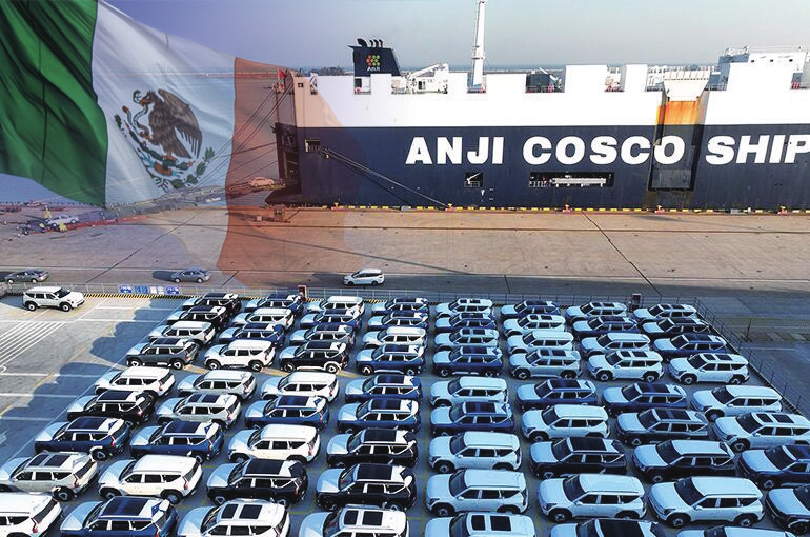
Group 1 - Mexico plans to raise import tariffs on key goods from countries without trade agreements, aiming to boost local industries and reduce reliance on Asian imports [2][3] - The proposed tariff increase includes a rise in import duties on automobiles to a maximum of 50%, significantly impacting Chinese automotive manufacturers [3][6] - The tariff adjustments will affect over 1,400 product categories, with an estimated total import value of $52 billion [3] Group 2 - The new tariffs are seen as a response to U.S. pressure and are intended to protect the Mexican economy, particularly the automotive sector [4][9] - Mexican officials emphasize that the tariffs will be implemented within World Trade Organization (WTO) guidelines, aiming to safeguard local jobs [3][4] - The tariffs are expected to have a substantial impact on Chinese electric vehicle manufacturers, such as BYD and Tesla, while U.S. automakers with local production will not be affected [8][9] Group 3 - The increase in tariffs may hinder the strategy of Chinese manufacturers to use Mexico as a base for exporting to the U.S. market [8][9] - Local production and compliance with USMCA regulations are seen as essential for Chinese companies to remain competitive in Mexico [9][10] - Challenges for Chinese companies include establishing a robust supply chain, after-sales service networks, and overcoming market barriers [9][10]

日产汽车推进复苏计划,多地区进行裁员
Zhong Guo Qi Che Bao Wang· 2025-09-25 02:50
Group 1 - Nissan Motor's CEO Ivan Espinosa announced a comprehensive restructuring plan in April, which includes a reduction of approximately 15% of the workforce [1] - The company is currently negotiating with employee representatives regarding layoffs at its European regional office in Montigny-le-Bretonneux, which employs around 560 staff [1] - Nissan also plans to implement layoffs at its only European factory located in Sunderland, UK, as part of the recovery plan aimed at streamlining its European operations [1] Group 2 - These measures are intended to optimize the business structure and enhance overall operational efficiency to better respond to market challenges and achieve sustainable development [1]

智绘新声境,共铸新基石——2025汽车NVH研讨会勾勒产业升级新路径
Zhong Guo Qi Che Bao Wang· 2025-09-25 02:36
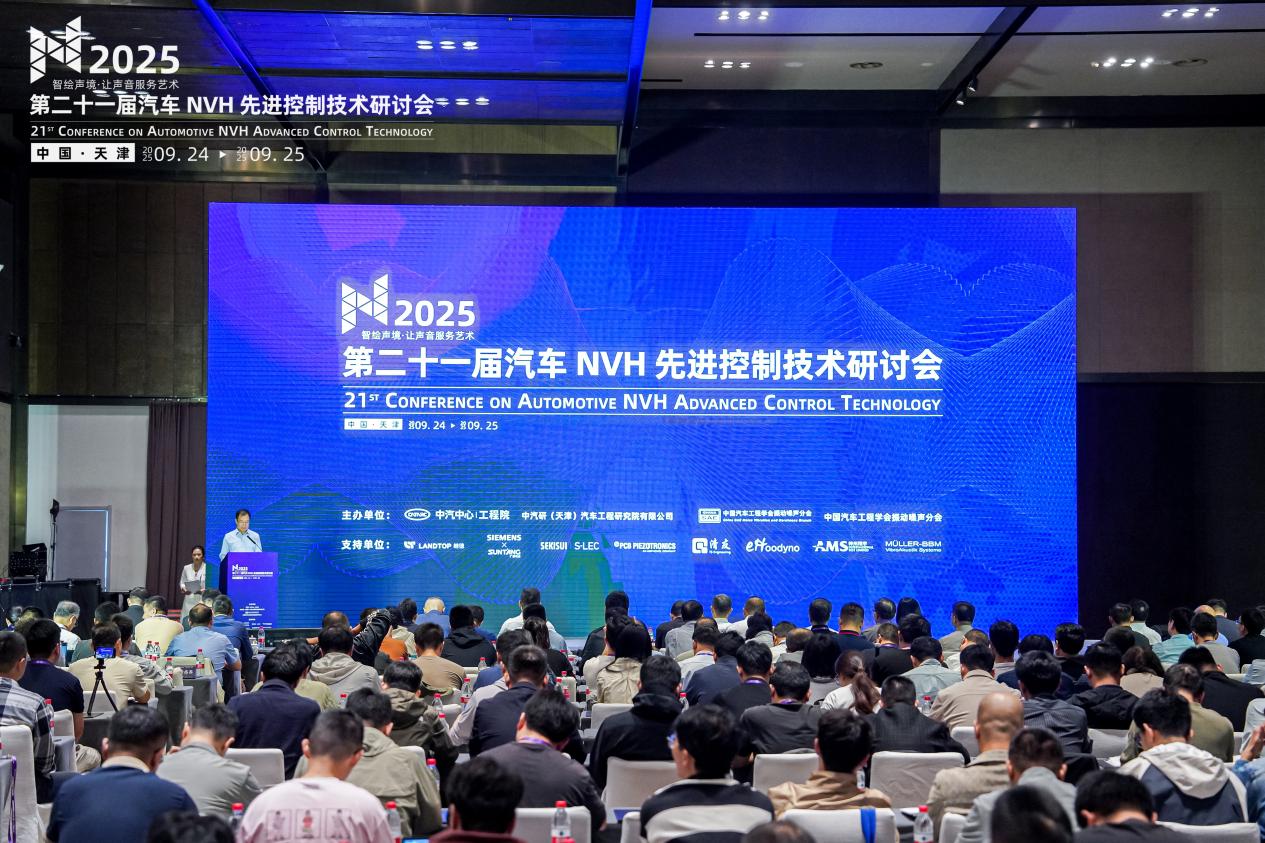
9月24日-25日,由中汽中心工程院、中国汽车工程学会振动噪声分会共同主办的"2025年第二十一届汽车NVH先进控制技术研讨会"在天津举 行。大会以"智绘声境·让声音服务艺术"为主题,设置了主题演讲、专题研讨、互动沙龙、沉浸式路演等多种活动形式,全方位展现了NVH控制技术 的最新动态。来自全国的各汽车厂商、零部件企业、科研机构和高等院校等120余家单位的500多名专家、学者和工程师参加会议。 中汽中心工程院党委书记、董事长张志国也指出,汽车产业正经历一场由"智能"与"新能源"驱动的深刻变革。这场变革不仅重塑了汽车的动力系统和交 互方式,更在重新定义NVH的内涵与价值。过去,行业更多地关注如何"消除"不悦的声音;而今天,大家的任务已经升级为如何为智能座舱"管理"和"设 计"声音,如何将NVH从一个减法问题,转变为一个融合了声学设计、软件算法、电子工程乃至心理声学的加法艺术。 中汽中心党委委员、副总经理李洧 中汽中心工程院党委书记、董事长张志国 中国传媒大学音乐与录音艺术学院党委副书记、听觉艺术博士李洋红琳指出,我们早已生活在被精心设计的"情感音景"中,汽车正从交通工具进化 为"车轮上的智能空间",用户需求从功能 ...
奔驰携手Momenta打造新一代智能辅助驾驶,首车CLA今秋上市
Zhong Guo Qi Che Bao Wang· 2025-09-25 02:20
Core Insights - Mercedes-Benz and Momenta have announced a collaboration to develop an intelligent driving assistance system based on Momenta's large model, which will debut in the new all-electric CLA model launching this autumn [1][3] - The system will provide advanced driving assistance capabilities, enabling intelligent driving from parking space to parking space in various scenarios including highways and urban areas [1][3] Group 1: Collaboration and Development - Mercedes-Benz became the first international car manufacturer to invest in Momenta in 2017, marking the beginning of a strategic partnership focused on intelligent driving systems [3] - The new system is tailored to Chinese traffic conditions and driving scenarios, developed through collaboration between Chinese and German teams to meet Mercedes-Benz's standards [3][5] - The collaboration aims to integrate Mercedes-Benz's engineering legacy with Momenta's cutting-edge AI technology, enhancing the driving experience for Chinese customers [3][5] Group 2: System Features and Testing - The intelligent driving system utilizes local Chinese data and incorporates experiences from seasoned drivers to better meet the needs of Chinese customers [5] - Extensive testing has been conducted, including real-world road tests in high-traffic urban areas and advanced simulation tests, ensuring the system's reliability and performance [5][6] - The system prioritizes safety, featuring measures such as not forcing through yellow lights and preemptive deceleration at intersections to prevent collisions [6]

“天工屏”横空出世,高端OLED开启感官体验新纪元
Zhong Guo Qi Che Bao Wang· 2025-09-25 01:56
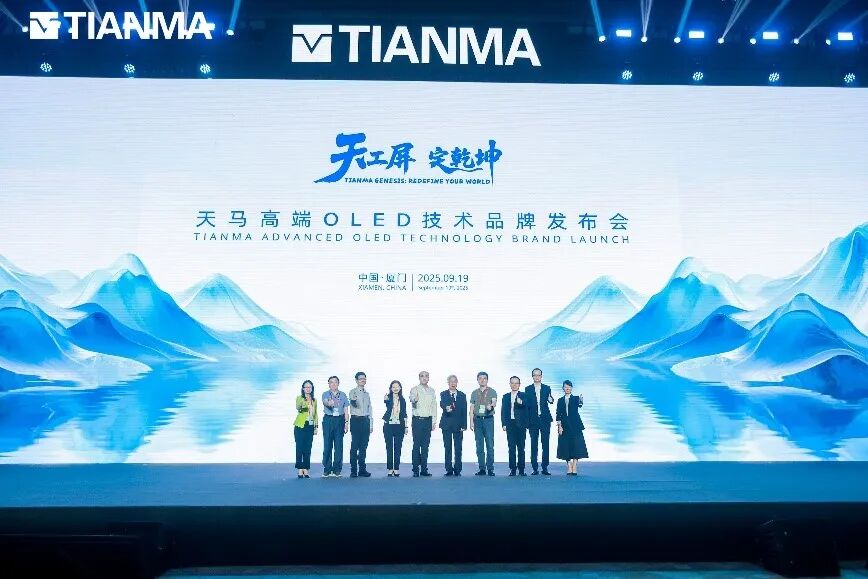
Core Viewpoint - Tianma Microelectronics has launched a new high-end OLED technology brand called "Tiangong Screen," aiming to redefine high-end display standards and expand its market presence beyond mobile phones into automotive and IT sectors [2][7]. Group 1: Product Features - The "Tiangong Screen" emphasizes visual health with features such as flicker-free technology, 1nit brightness for eye protection, low blue light emission at 4.7%, and adaptive ambient light sensing [3]. - It boasts a peak brightness of 8000nits and a global brightness of 2500nits, ensuring clear visibility even in bright sunlight, with a refresh rate supporting up to 240Hz for smooth operation [5]. - The product has received the "S++ level" certification for visual health from the China Quality Certification Center, indicating its commitment to user well-being [5]. Group 2: Strategic Shift - The launch of "Tiangong Screen" marks a strategic upgrade for Tianma, transitioning from a low-profile screen manufacturer to a high-end brand creator, focusing on co-creating brand value with customers [7]. - The company plans to systematically expand the "Tiangong Screen" brand into automotive and IT display markets, creating a synergistic high-end brand matrix [7]. Group 3: Automotive Display Innovations - Tianma has established a strong foundation in the automotive display sector, focusing on enhancing driving safety and user interaction rather than just technical specifications [8]. - The company has developed various innovative technologies for automotive displays, including ultra-wide high-definition projection and dynamic flexible displays that adapt to user preferences [8][11]. - Tianma's automotive OLED products, such as the dual 13-inch curved OLED display, integrate seamlessly into vehicle interiors, showcasing the company's commitment to innovation in the automotive display market [9]. Group 4: Market Performance - In 2024, Tianma's global automotive display panel shipments are projected to grow by 25%, with revenue increasing over 40%, significantly outpacing industry averages [13]. - The company has maintained its position as the global leader in automotive TFT-LCD and instrument display shipments for five consecutive years, with its products featured in 95% of global automotive brands [13]. - Tianma's automotive displays have been adopted by high-end brands such as McLaren and Ferrari, underscoring its technological strength and brand influence in the premium automotive market [13].

多家企业发文预祝小米17系列发布成功
Zhong Guo Qi Che Bao Wang· 2025-09-25 01:42
9月24日晚,比亚迪汽车、东风汽车、东风日产、长安汽车、深蓝汽车、理想汽车、智己汽车、京 东、天猫等企业预祝小米17系列发布成功。 ...
六部门出拳 狠刹汽车业网络歪风
Zhong Guo Qi Che Bao Wang· 2025-09-25 01:12
Core Viewpoint - A nationwide special action is being launched in the automotive industry to address various online irregularities that disrupt fair competition, as mandated by multiple government departments [4][6]. Group 1: Background and Rationale - The automotive industry has been facing unhealthy competition characterized by malicious rumors, online disputes, and sensationalism, which threaten the development and innovation of the sector [5][9]. - The rapid development of China's automotive industry has led to increased competition, resulting in negative behaviors such as unfair competition and internal strife [5][6]. Group 2: Objectives of the Special Action - The special action aims to strengthen regulation and guide the industry towards a good competitive order and social discourse environment [6][7]. - It will involve self-inspection by automotive companies, establishing reporting channels, and analyzing issues to enhance the handling of online irregularities [7][11]. Group 3: Key Areas of Focus - The action will target behaviors such as manipulating evaluation accounts, conducting false or non-standard assessments, and using media influence for commercial gain [8][11]. - It will also address the creation of false data and rankings, as well as the use of new technologies to generate fake content and trends [11][12]. Group 4: Industry Response and Collaboration - Industry leaders emphasize the need for rational competition focused on technological innovation and quality improvement, rather than engaging in malicious practices [10][12]. - Companies like Changan and NIO advocate for a collaborative approach involving government, platforms, and the public to create a fair competitive environment [12][13]. Group 5: Long-term Vision - The initiative is seen as a critical step towards establishing a sustainable competitive ecosystem and a positive online environment for the automotive industry [13].

直击病灶 三方受益 车诊云给出汽车智诊AI解决方案
Zhong Guo Qi Che Bao Wang· 2025-09-25 01:12
Core Insights - The 2024 automotive after-sales service customer satisfaction survey indicates that authorized service centers are struggling with low customer satisfaction due to market saturation, service homogenization, and slow digital transformation [2] - Despite efforts to improve institutional frameworks and professional capabilities, customer satisfaction has only seen a slight increase [2] - A significant issue identified is the low satisfaction regarding "first-time fix capability" and "problem diagnosis capability," primarily due to technicians' inability to accurately diagnose vehicle issues [3][4] Group 1: Industry Challenges - The traditional fault diagnosis and repair model is flawed, leading to low first repair rates and a lack of data closure in the "diagnose-repair-match" supply chain [3] - As the automotive industry moves towards electrification and intelligence, the proportion of electronic and electrical architecture in vehicles is expected to rise from 30% to 75%, exacerbating after-sales service conflicts [3] - The prevalence of "small repairs leading to large fixes" reflects a systemic issue where technicians can read fault codes but struggle to diagnose the underlying problems accurately [4] Group 2: Technological Solutions - The company has developed a patented intelligent diagnosis technology that utilizes a knowledge graph to analyze fault codes, providing precise diagnostics within 120 seconds [4][5] - This technology allows for real-time, remote diagnostics that can be applied universally across different brands and models, enhancing the efficiency of service centers [5][6] - The implementation of this technology has resulted in a 92% increase in first repair rates, a 91% reduction in after-sales disputes, and an 89% increase in service conversion rates [7] Group 3: Market Opportunities - The automotive after-sales market generates three times the profit of vehicle sales, indicating a significant opportunity for companies that can innovate in this space [9] - The intelligent diagnosis technology is being rapidly adopted across regions, with interest from both domestic and international markets, including East Asia and Europe [9] - The technology not only benefits repair shops but also enhances the relationship between manufacturers and customers by providing standardized technical solutions and improving service quality [8][9]
