
Zhong Guo Qi Che Bao Wang

Search documents
动力电池“出海”,如何避开雷区
Zhong Guo Qi Che Bao Wang· 2025-09-04 10:28
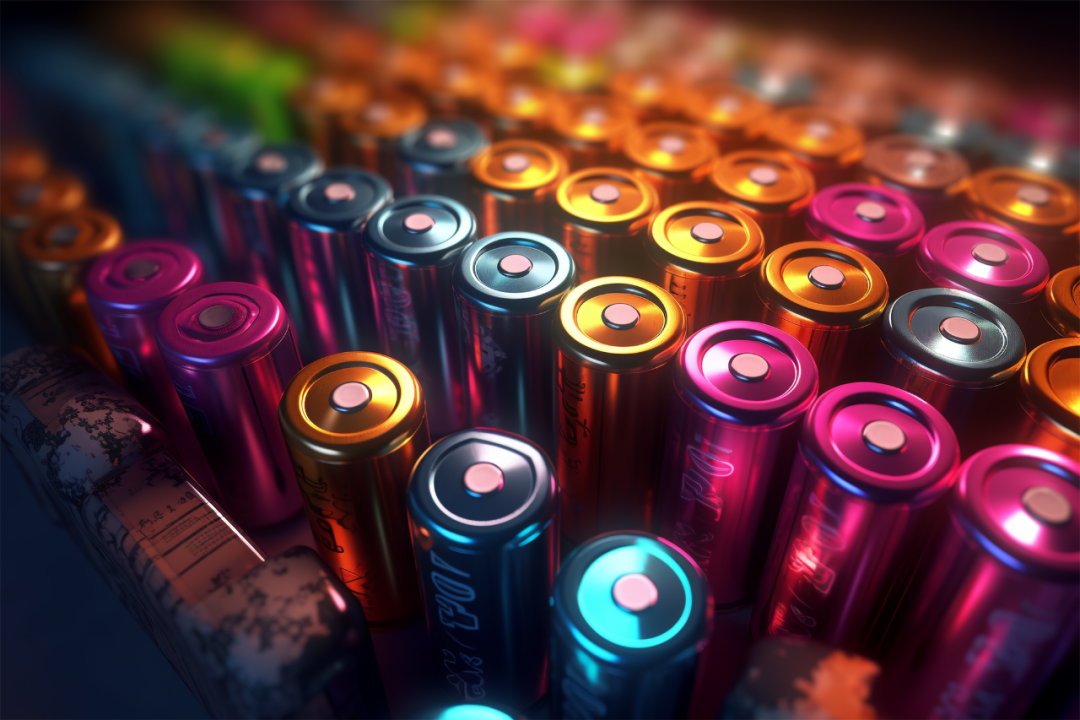
Core Viewpoint - The Chinese power battery industry is facing dual challenges of market pressure and intellectual property barriers as it seeks to expand internationally, particularly in the context of recent competitive moves by South Korean companies and legal setbacks for domestic firms [2][8]. Group 1: Market Dynamics - The international market is becoming the next battleground for the Chinese electric vehicle supply chain, with overseas investments projected to reach $16 billion in 2024, surpassing domestic investments of $15 billion for the first time [3]. - Leading Chinese battery manufacturers, such as CATL, are accelerating their overseas expansion, with significant investments in factories across Europe and Southeast Asia [3][4]. - By mid-2025, Chinese companies are expected to occupy six of the top ten global power battery manufacturers, holding a combined market share of 68.7% [4]. Group 2: Competitive Landscape - Chinese companies are leveraging their complete supply chain and cost control advantages to compete effectively in the mid-to-low-end market, while also investing in technology research and development [5]. - Despite the rising market share of Chinese firms, established international players like LG Energy and Panasonic still maintain advantages in high-end technology and brand recognition [5]. Group 3: Challenges in International Expansion - Chinese battery companies face significant policy barriers and intellectual property risks when entering international markets, particularly in the U.S. and Europe [8][9]. - The U.S. has implemented restrictive policies that limit the participation of Chinese suppliers in its market, while European policies are more cautious, leading to slower expansion for Chinese firms [8][9]. - Legal challenges, such as the patent dispute involving XINWANDA and LG Energy, highlight the vulnerabilities of Chinese companies in navigating international intellectual property laws [8][9]. Group 4: Strategic Recommendations - To overcome these challenges, Chinese battery companies need to seek national support to address discriminatory policies and create a fair competitive environment [11]. - Companies should focus on markets with favorable policies, such as Southeast Asia and countries involved in the Belt and Road Initiative, to build operational experience and expand their presence [12]. - Continuous investment in technological innovation, particularly in next-generation technologies like solid-state batteries, is essential for maintaining a competitive edge and achieving a transition from "product export" to "technology export" [13].


市场蓬勃发展下盈利难题待解 充电运营:“冰”与“火”的淬炼
Zhong Guo Qi Che Bao Wang· 2025-09-04 08:32
Core Insights - The electric vehicle charging infrastructure in China is experiencing rapid growth, with a total of 16.696 million charging points expected by July 2025, representing a 53% year-on-year increase [2] - The industry is witnessing a surge in investment, with over 803,000 charging-related enterprises registered, and a peak of 168,000 new registrations anticipated in 2024 [2][3] - Despite the growth, many charging operators are facing significant profitability challenges, leading to a competitive environment characterized by both new entrants and exits [2][6] Industry Growth and Investment - As of July 2025, China's charging infrastructure has increased tenfold compared to the end of the 13th Five-Year Plan, establishing the largest electric vehicle charging network globally [3] - Major state-owned enterprises, including Sinopec and China National Petroleum, are entering the charging sector, while private companies are also actively participating, enhancing market dynamism [3][4] - The rapid expansion of the electric vehicle market, with projected sales of 16 million units in 2023, is expected to further drive the growth of the charging infrastructure [5] Challenges and Competition - The charging operation sector is experiencing intense competition, leading to price wars that threaten the viability of many small and medium-sized enterprises [6][7] - High initial investment costs and long payback periods for charging stations are significant burdens, with costs for fast charging stations ranging from 100,000 to 300,000 yuan [7][9] - The uneven distribution of charging stations, with many located in high-demand areas while underserved regions remain neglected, exacerbates the industry's challenges [11] Market Dynamics and Trends - The industry is undergoing a consolidation phase, with a trend towards fewer but larger operators dominating the market, as evidenced by the top four operators holding 58% market share [12] - Companies are increasingly focusing on service differentiation rather than price competition, with initiatives to improve service quality and operational efficiency [13][15] - The potential for specialized services in specific vehicle segments, such as heavy-duty electric trucks, presents new growth opportunities for charging operators [14] Future Outlook - The charging operation industry is at a critical juncture, requiring a shift from quantity-focused expansion to enhancing operational efficiency and service quality [15] - Collaborative efforts among government, enterprises, and technological innovations are essential for sustainable growth and to overcome the current challenges faced by the industry [15]

韩国上半年电动汽车销量同比飙升42%,究竟有何缘由?
Zhong Guo Qi Che Bao Wang· 2025-09-04 08:24
Core Insights - The South Korean electric vehicle (EV) market is experiencing a significant recovery, with sales reaching 92,235 units in the first half of the year, marking a year-on-year increase of 42.4% [2] - The government is actively promoting EV adoption through substantial subsidies and infrastructure development, with a budget of 780 billion KRW allocated for purchase incentives [3][5] - Domestic brands are gaining market share, while imported brands like Tesla are seeing a decline, indicating a structural shift towards local dominance in the EV market [4][6] Group 1: Market Growth and Sales Data - In 2024, new electric passenger car sales in South Korea are projected to reach 122,528 units, reflecting a 5.8% year-on-year growth [3] - In May 2025, South Korea's EV sales surpassed 20,000 units for the first time in 14 months, indicating a strong upward trend [3] - The market share of electric vehicles in new registrations was only 8.9% last year, suggesting room for growth despite current increases [4] Group 2: Government Policies and Support - The South Korean government has implemented a comprehensive policy framework combining subsidies, infrastructure development, and long-term planning to stimulate EV demand [5] - The purchase subsidy includes a 20% discount for first-time buyers and additional benefits for families with children, enhancing affordability [3][5] - By the end of this year, the number of fast-charging stations in South Korea is expected to increase to 4,400, improving charging accessibility [4] Group 3: Domestic Industry Dynamics - Local automakers are expanding their electric vehicle product lines, which is a key driver of market recovery [3][5] - The localization of the supply chain, particularly in battery production, is providing domestic manufacturers with a competitive edge, with a projected 75% localization rate by 2025 [6] - Korean automakers maintain an average profit margin of 18%, allowing for continued investment in R&D and competitive pricing strategies [6] Group 4: Lessons and Future Outlook - The success of the South Korean EV market illustrates the importance of a multi-faceted approach that includes a diverse product matrix and robust infrastructure [7][8] - The government's strategy of combining immediate subsidies with long-term planning has effectively stimulated consumer confidence and market growth [7] - The experience of South Korea serves as a model for other countries, emphasizing the need for a complete policy ecosystem to support EV adoption [8][9]

新一代帕里斯帝欲重塑旗舰SUV市场认知
Zhong Guo Qi Che Bao Wang· 2025-09-04 07:32
Core Insights - The new generation of the Parisi is officially launched for pre-sale at a starting price of 293,800 yuan, targeting the competitive mid-to-large SUV market in China [1][8] - The vehicle emphasizes three main product pillars: hybrid technology, spaciousness, and luxury configuration, aiming to redefine the concept of a "family flagship SUV" [3][7] Product Logic - The new Parisi features significant upgrades in its configuration, including a new power system and enhanced safety features, with a performance improvement of 30% compared to the previous generation [3][8] - The vehicle's maximum torque reaches 460 N·m, catering to diverse driving scenarios typical for SUVs [3][5] Space and Comfort - The dimensions of the new Parisi are 5060 mm in length, 1980 mm in width, and 1765 mm in height, with a wheelbase of 2970 mm, highlighting the practicality of the third row [5] - The third-row seats come with heating, electric adjustment for backrest angle and position, and can slide electrically for easier access and luggage space adjustment [5][7] Luxury Features - The brand adopts an "entry-level luxury" strategy, ensuring that all consumers experience a well-equipped third-row space, with features like zero-gravity seats in the front and comprehensive safety configurations [7][8] - The vehicle includes 10 airbags and 13 active and passive safety features, emphasizing that safety is the foundation of luxury [7] Market Opportunities - Priced at 293,800 yuan, the new Parisi is positioned between the family and luxury markets, targeting users aged 40-50 who value performance and practicality, while also appealing to younger families [8][9] - The rapid growth of the mid-to-large hybrid SUV market presents new opportunities, especially among consumers considering high-end new energy SUVs [8][9] Global Strategy - The new Parisi is launched simultaneously in China and the U.S., reflecting the brand's commitment to localizing global models [9] - Modern Automotive has not set specific sales targets for the new model in China but remains open to adjusting strategies based on user feedback [9] After-Sales Service - The company has established parts warehouses in Beijing and Shanghai, ensuring that 95% of commonly used parts are readily available, with most parts delivered within three days to authorized service centers [10] - The after-sales network now covers 110 cities, significantly enhancing service capabilities compared to previous offerings [10] Brand Image and Performance - Modern Automotive aims to rebuild its high-end image through performance vehicles, with the N brand gradually establishing a presence in the Chinese market [12] - The company believes that true performance is not just about specifications but also about precision handling, stability, and durability [12] - The new Parisi represents a strategic move to optimize products around family users' actual usage scenarios, rather than merely increasing configurations or lowering prices [12][13]

赛力斯:一家传统车企的转型经验
Zhong Guo Qi Che Bao Wang· 2025-09-04 06:47
Core Insights - The rise of Seres in the Chinese automotive industry exemplifies a successful transformation from a traditional manufacturing enterprise to a modern player in the electric vehicle market [1][2] - Seres has demonstrated strategic foresight by investing heavily in technology and innovation, even amidst financial losses, leading to significant growth in revenue and market presence [2][3] Company Development - Founded in 1986, Seres began as a small spring manufacturer and transitioned into the automotive sector in 2003 through a partnership with Dongfeng Group [1] - The company's major transformation occurred in 2016 when it entered the new energy vehicle market and partnered with Huawei, culminating in the launch of the AITO M5 SUV in 2021 [1][2] Financial Performance - Seres' revenue surged from 14.30 billion yuan in 2020 to 145.18 billion yuan in 2024, with a compound annual growth rate of 78.49% [2][16] - The company turned a net loss of 1.73 billion yuan in 2020 into a profit of 5.95 billion yuan in 2024, showcasing its resilience during market fluctuations [16] Technological Innovation - Seres has adopted a dual technology strategy of range-extended and pure electric vehicles, becoming a pioneer in range-extended technology since 2016 [4] - The introduction of the Seres Super Range Extender System in 2024 achieved a thermal efficiency of 44.8% and a fuel consumption reduction of 15% [4] Manufacturing Excellence - Seres operates three state-of-the-art smart factories in Chongqing, recognized as benchmarks for intelligent manufacturing in the automotive industry [9][10] - The factories utilize over 5,000 robots and achieve 100% automation in key processes, significantly improving production efficiency and quality [11] Strategic Partnerships - The collaboration with Huawei has redefined traditional automotive partnerships, integrating technology and manufacturing to create a comprehensive solution for smart vehicles [12] - This partnership has led to rapid product development, with the AITO M5 achieving over 10,000 sales in just 87 days, setting industry records [13] Market Impact - The AITO series has disrupted the high-end electric vehicle market, with cumulative deliveries exceeding 750,000 units by August 2025 [3][16] - The AITO M9 has become the best-selling luxury vehicle in its category, with a single vehicle price exceeding 500,000 yuan, surpassing traditional luxury brands in customer satisfaction [16] Industry Influence - Seres' approach has contributed to the mainstream adoption of range-extended technology, increasing its market penetration from less than 2% in 2020 to 18% in 2024 [19] - The company's model serves as a reference for traditional automakers seeking to transition into the electric vehicle space, emphasizing the importance of technology ownership and ecosystem collaboration [18][24]

宝马新世代首款量产车型BMW iX3将于9月5日全球首发,中国专属版车型年内推出,续航突破900公里
Zhong Guo Qi Che Bao Wang· 2025-09-04 05:56
Group 1 - BMW Group announced the global debut of the new generation BMW iX3 on September 5, 2025, ahead of the IAA Mobility in Munich [2] - The new generation represents BMW's most forward-looking strategic project, marking significant advancements in design, technology, and user experience [2][4] - The new generation BMW iX3 is built on a new electric-exclusive platform (NCAR) and integrates groundbreaking technologies, including a new intelligent electronic architecture and revolutionary cylindrical battery [4] Group 2 - BMW plans to launch over 40 new models globally by 2027, with more than 20 new BMW models specifically for the Chinese market between 2026 and 2027 [4] - The Chinese market plays an increasingly strategic role in BMW's global innovation landscape, with local R&D teams deeply involved in the development of new generation models [6] - The new generation BMW iX3 for China is tailored to local consumer preferences, featuring enhancements in space, comfort, and intelligent driving assistance [6] Group 3 - The automotive industry in China is entering a new phase driven by technological innovation, with BMW collaborating with local partners to embrace a win-win cooperation model [7] - AI technology is widely adopted in China, and BMW is partnering with leading tech companies to seamlessly integrate cutting-edge innovations into the new generation models [7]

九三阅兵这些中国车震撼亮相!
Zhong Guo Qi Che Bao Wang· 2025-09-04 03:30
Group 1 - The event on September 3rd commemorated the 80th anniversary of the victory in the Chinese People's Anti-Japanese War and the World Anti-Fascist War, showcasing military and domestic automobile brands [1][25] - The Red Flag CA7601J, manufactured by FAW, served as the inspection vehicle, continuing a tradition of using Red Flag vehicles in major parades since 1958 [4][3] - Dongfeng participated with 115 vehicles, including 89 official review vehicles, marking its seventh participation in national parades since 1984 [6] Group 2 - Beijing Off-road showcased 61 BJ80 vehicles as artillery towing and news support vehicles, highlighting the brand's technological advancements and national confidence [10] - BYD contributed 23 pure electric sanitation vehicles, fulfilling sanitation support duties for the event, marking its third time in such a role [13] - North Benz Heavy Trucks deployed 28 vehicles equipped with radar and satellite jamming for electronic warfare, participating in the parade for the fifth consecutive time since 2009 [16] Group 3 - Yutong provided over 1,000 support vehicles, the largest fleet from a single brand, with nearly 200 high-end T7 models for core transportation tasks [23] - FAW Liberation, China National Heavy Duty Truck Group, and Shaanxi Automobile Heavy Truck also showcased various models, demonstrating China's industrial strength [23]





金旅客车光荣护航九三阅兵,以卓越品质守护国家盛事
Zhong Guo Qi Che Bao Wang· 2025-09-04 02:54
此次阅兵,金旅客车超千台车辆参与服务保障,包含领航者、考斯特、锦程、凯歌在内的多款主力车型,凭借稳定的动力性能、优异的安全配置与舒适 的乘坐体验,承担起人员接送的关键任务。这些车型覆盖了不同场景需求,无论是核心区域506台保障车辆的精准调度,还是外围中转约500台车辆的高效运 转,从前期演练至正式阅兵,所有金旅车辆运行平稳有序,未发生一起因车辆质量或服务延迟影响任务执行的情况。金旅客车的产品性能与服务机制再次经 受住了国家级重大活动的全面检验。 能够在如此高规格、高要求的重大活动中脱颖而出,源于金旅客车数十年如一日对产品品质的极致追求。作为国家级高新技术企业,金旅客车始终以技 术创新为核心驱动力,在新能源客车研发、智能网联技术应用、安全性能优化等领域持续突破,构建起覆盖客运、旅游、公交、团体等多领域的完整产品矩 阵。此次参与阅兵保障的车型,均经过严苛的性能测试与环境适应性验证,从动力系统到车身结构,从智能控制系统到安全防护配置,每一个细节都彰显着 金旅客车对"可靠"二字的坚守,也印证了中国客车制造从"中国制造"向"中国智造"迈进的坚实步伐。 2025年9月3日,为纪念中国人民抗日战争暨世界反法西斯战争胜利80 ...

汽车早餐 | 安徽将免收高速清障服务费;通用汽车CEO抛售其所持公司股票的40%;保时捷停售燃油版Boxster和Cayman
Zhong Guo Qi Che Bao Wang· 2025-09-04 01:11
Domestic News - Anhui Province will waive towing and lifting fees for highway rescue services starting September 20, 2025, to enhance road network efficiency and public satisfaction [2] - Chongqing City has allocated an additional budget of 135 million yuan for vehicle and electric bicycle trade-in subsidies, with specific allocations for scrapping and replacing vehicles [3] - In August, China's new energy vehicle retail sales reached 1.079 million units, a year-on-year increase of 5% and a cumulative retail of 7.535 million units for the year, up 25% [4] International News - The labor committee of Volkswagen Group is pressuring CEO Oliver Blume to relinquish his dual leadership role as both CEO of Volkswagen and Porsche, a concern since Porsche's IPO in 2022 [5] - General Motors CEO Mary Barra sold 370,000 shares of the company, cashing out approximately $21.67 million, which represents 40% of her holdings, raising investor concerns about the company's future performance [6] - The Korea Exchange reported that all top ten corporate groups in South Korea, including Samsung and Hyundai, have submitted plans to enhance corporate value [7] Corporate News - Wang Xiaofei has been appointed as the new Executive Vice President of Changan Ford, succeeding Yang Dayong [12] - NIO's CEO Li Bin announced a target of 50,000 monthly deliveries in Q4 2025, with specific production targets for the L90 and new ES8 models [13] - China Export & Credit Insurance Corporation has insured a $285 million project for a nickel material production line in Morocco, marking the successful launch of Africa's first new energy materials base [14] - EVE Energy has officially opened its solid-state battery production base in Chengdu, with an annual capacity of nearly 500,000 cells, targeting high-end applications [15]


推动中国汽车向新、向优、向上——记2025中汽人年会
Zhong Guo Qi Che Bao Wang· 2025-09-04 01:11
Group 1 - The Chinese automotive industry is experiencing intensified market competition and continuous technological innovation, particularly in AI, reshaping the industry chain [2][5] - The "14th Five-Year Plan" period has seen significant growth in the automotive sector, with production and sales exceeding 15 million units for the first time, and new energy vehicles (NEVs) accounting for 44.3% of total sales [3][5] - Talent is recognized as a key driver for the automotive industry's development, necessitating a strategic focus on cultivating high-quality professionals to support the industry's transformation [3][4] Group 2 - The automotive industry is transitioning towards electric vehicles, with NEVs becoming the dominant market force, laying a solid foundation for becoming a global automotive powerhouse [5][6] - The market structure is expected to undergo rapid changes, with a coexistence of new energy and traditional vehicles due to product characteristics and resource distribution [5][6] - AI technology is significantly impacting the automotive sector, necessitating a transformation in talent requirements and organizational structures to adapt to new demands [7][8] Group 3 - The integration of AI into the automotive industry is seen as a marathon, requiring a gradual approach to implementation, starting with small-scale applications [8][9] - The dual impact of AI on the workforce includes the potential replacement of certain jobs while simultaneously creating demand for specialized roles in AI and machine learning [8][9] - The industry must embrace AI and innovation while maintaining a long-term strategic focus, viewing AI as an essential element of the ecosystem rather than a speculative investment [9]
