Zhong Guo Qi Che Bao Wang

Search documents
法拉第未来:FX超级一号计划于第二季度在美国正式发布
Zhong Guo Qi Che Bao Wang· 2026-01-08 09:35
Group 1 - The core point of the article is that Faraday Future's FX Super One plan is set to be officially launched in the United States in the second quarter [1] Group 2 - The FX Super One plan represents a significant step for the company in its efforts to establish a presence in the electric vehicle market [1] - The launch is anticipated to enhance the company's visibility and competitiveness within the industry [1] - This initiative aligns with the growing trend of electric vehicle adoption and innovation in the automotive sector [1]

崔东树:汽车行业内卷降价现象明显减弱,行业运行压力改善
Zhong Guo Qi Che Bao Wang· 2026-01-08 09:27
Core Viewpoint - The promotional pressure for conventional fuel vehicles and hybrid vehicles in 2025 is expected to be relatively low, while the promotion for new energy vehicles is more intense, indicating a shift in market dynamics towards electric and hybrid models [1] Group 1: Promotional Trends - In December, the promotion for plug-in hybrid vehicles increased by 3.9 percentage points year-on-year but decreased by 0.4 percentage points month-on-month [1] - The promotion for extended-range vehicles increased by approximately 4.5 percentage points compared to December 2024 [1] - The promotion for pure electric vehicles increased by around 1.1 percentage points compared to December 2024, with a month-on-month increase of about 0.4 percentage points [1] Group 2: Market Dynamics - The "old-for-new" policy has had a significant positive effect, leading to increased market sales and a noticeable reduction in price competition [1] - The operational pressure in the industry has improved, with the profit margin of the automotive industry rising to 4.4% in the first eleven months, reflecting a good performance in terms of industry scale and stabilization of price promotions [1]
极氪9X亮相CES完成海外首秀
Zhong Guo Qi Che Bao Wang· 2026-01-08 09:27
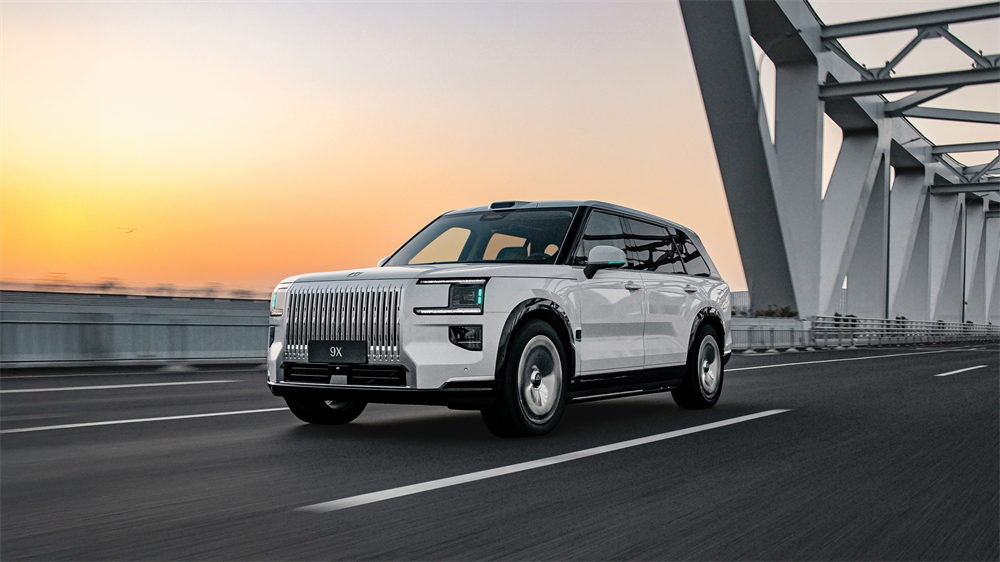
Core Insights - Zeekr showcased its luxury flagship models, Zeekr 9X and 009 Glorious Collection, at CES 2026, marking their debut overseas [1] - The Zeekr 9X, as a newly launched vehicle, achieved over 10,000 deliveries in December, with an average price per vehicle reaching 538,000 yuan [1] - Both models incorporate Geely's technological advancements, including the Haohan-S luxury hybrid architecture and Haohan AI digital chassis [1] - Zeekr has expanded its presence to over 50 countries and regions, with more than 640 global stores [1] - After rebranding under Geely, Zeekr is focusing on the luxury segment, aiming to promote Chinese manufacturing on the global stage [1]
2025年CCC Digital Key™认证大幅攀升,进一步强化全球车辆安全接入标准影响力
Zhong Guo Qi Che Bao Wang· 2026-01-08 07:56
致力于通过标准化、安全、便捷的车联解决方案提升消费者体验的权威组织CCC全球车联联盟(Car Connectivity Consortium®),其旗 下CCC Digital Key™ 认证计划在2025年迎来爆发式增长,实现重要突破。过去一年中,CCC全球车联联盟累计为全球主流车企及零部件供 应商的115款产品授予认证。随着数字钥匙从早期创新迈向成为车辆访问与共享的核心组成部分,这一进展正深刻影响着汽车产业的未来 格局。 认证数量的快速增长,反映出该技术已在2025年覆盖全球各区域与不同制造商。 新获认证的整车品牌包括: · 奥迪 · 宝马 · 捷尼赛思 · 现代 · 银基 · 起亚 · 路特斯 · 领克 · Mahindra & Mahindra · 梅赛德斯-奔驰 · 蔚来 · 极星 · smart · 沃尔沃 · 小鹏汽车 · 极氪 新获认证的模块企业包括: · 泰雷兹 如需查看完整认证产品名单,可访问CCC认证产品展示页( CCC Certified Products Showcase)。 此次认证成果建立在2024年初步突破的基础上——当时宝马集团与NXP率先完成产品认证。2025年3月,CCC ...

创下重要里程碑!比亚迪在智利公共交通系统中投运电动巴士数量达950辆
Zhong Guo Qi Che Bao Wang· 2026-01-08 07:24
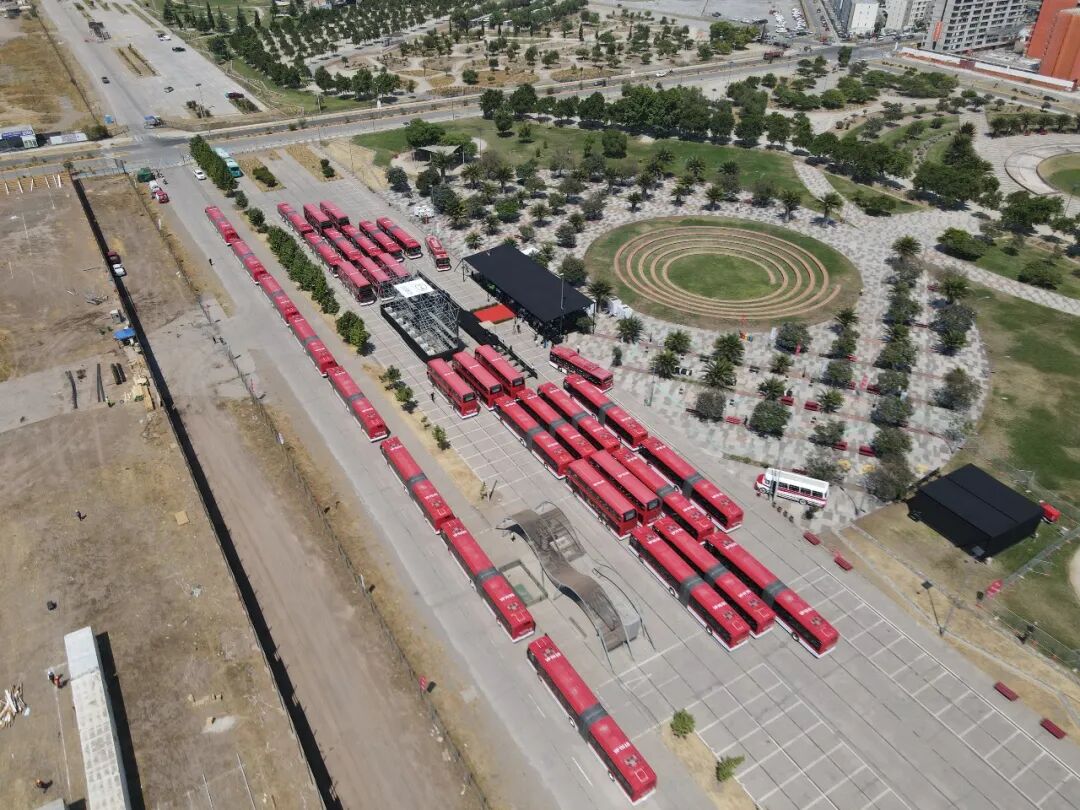
活动中还通过一辆传统柴油铰接式公交车的"告别仪式",象征性展示了在比亚迪与运营商推动下,公共交通技术不断演进、加速迈向电动化和零排放 的进程。 比亚迪智利近日完成新一批电动巴士交付,新增双层电动巴士及铰接式电动巴士,至此在智利公共交通系统中投入运营的比亚迪零排放电动巴士总数 已达到950辆。 比亚迪智利携手当地运营商Metbus,正式完成圣地亚哥公共交通系统Red Movilidad中950辆100%纯电动公交车的更新工作。这一重要成果进一步巩固 了圣地亚哥在全球零排放公共交通领域的标杆地位。 此次里程碑的达成,源于新一批比亚迪电动巴士车队的顺利到港与投运。该批车队共包括94辆铰接式电动巴士和30辆双层电动巴士,主要服务于首都 地区客流量较高的核心公交线路。相关信息在一场由比亚迪与Metbus联合举办的活动中正式对外发布。 活动现场嘉宾包括智利交通与电信部长Juan Carlos Muñoz,前交通部长、现任大都会公共交通局局长Paola Tapia,前交通部长Gloria Hutt,比亚迪智 利国家经理Tamara Berríos,以及国际公共交通协会(UITP)的多位代表。 智利圣地亚哥比亚迪纯电动巴士车 ...

盘点2026年部分车企销量目标
Zhong Guo Qi Che Bao Wang· 2026-01-08 07:15
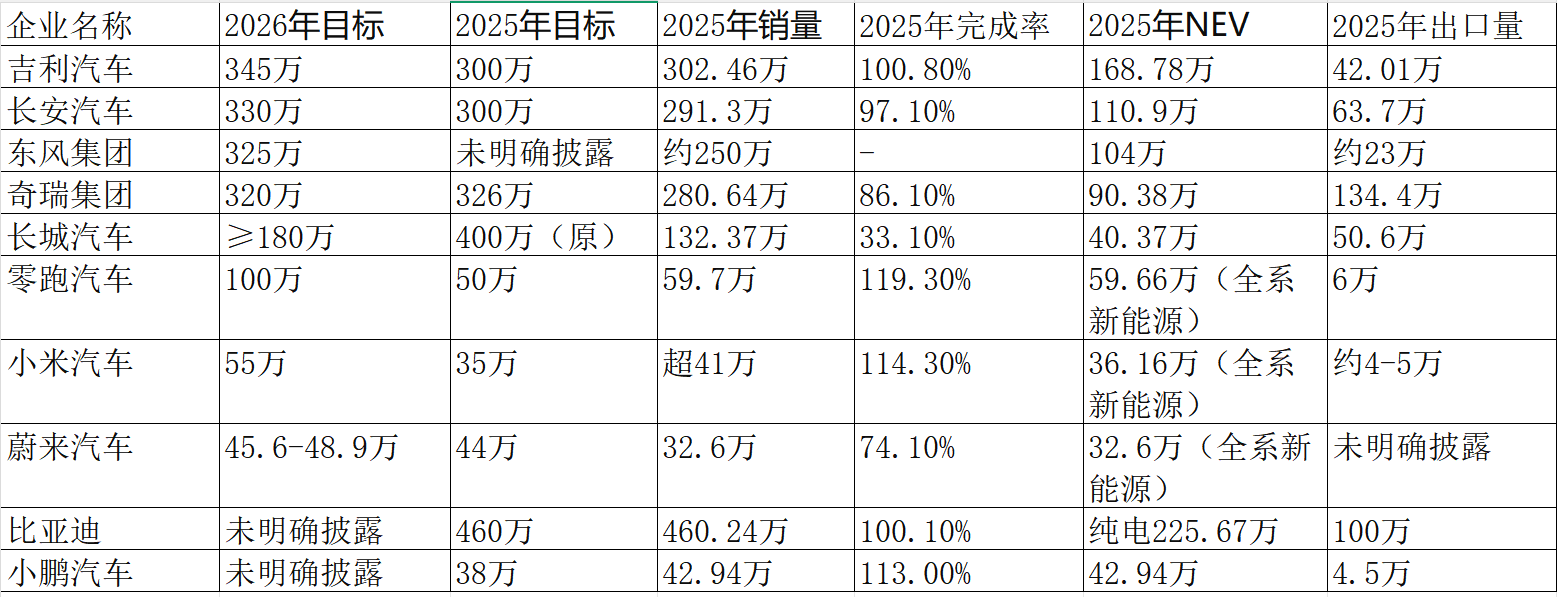
Core Viewpoint - Several automotive companies have announced their sales targets for 2026, and an analysis of their 2025 performance reveals the potential challenges they may face in achieving these goals [3]. Group 1: Company Performance and Targets - Geely Automobile aims for a target of 3.45 million units in 2026, having achieved 3.0246 million units in 2025, exceeding its target of 3 million units with a completion rate of 100.8% [3] - BYD's actual sales in 2025 reached 4.6024 million units, surpassing its adjusted target of 4.6 million units, with a significant pure electric sales figure of 2.2567 million units, ranking first globally [5] - Leap Motor set a target of 1 million units for 2026, achieving 597,000 units in 2025, exceeding its target of 500,000 units with a completion rate of 119.3% [8] - Changan Automobile has a target of 3.3 million units for 2026, with 2025 sales of 2.913 million units, achieving a completion rate of 97.1% [12] - Chery Group aims for 3.2 million units in 2026, having sold 2.8064 million units in 2025, with a completion rate of 86.1% [15] - NIO targets between 456,000 and 489,000 units for 2026, with 2025 sales of 326,000 units, achieving a completion rate of 74.1% [20] Group 2: Challenges Faced by Companies - Geely faces challenges such as EU anti-subsidy investigations and changes in Brazil's tax policies affecting exports [3][4] - BYD needs to improve sales in the high-end market, particularly for its luxury models, and address rising overseas transportation costs, which increased by 47% [6][7] - Leap Motor must compete in the 100,000-150,000 yuan market against Geely and Changan, while its gross margin is only 12%, below the industry average of 15% [10] - Changan's challenges include competition in the new energy market with BYD and Tesla, and reliance on Middle Eastern and Southeast Asian markets for exports, which are subject to geopolitical risks [14] - Chery's domestic market faces low new energy penetration at 32%, necessitating a faster transition, while its exports are vulnerable to currency fluctuations and trade barriers [15] - Great Wall Motors has significantly reduced its target from 4 million to 1.8 million units, indicating a strategic contraction, and faces delays in its new energy transition [18][19] - NIO's sales target increase of 40-50% requires monthly sales of 38,000-41,000 units, while its average monthly sales in 2025 were only 27,000 units, alongside ongoing financial losses [22] Group 3: Industry Trends and Insights - The competition in the automotive market is intensifying, with many companies having gross margins below the industry average of 15%, limiting their operational flexibility [23] - The price volatility of lithium carbonate, a key component for batteries, is expected to negatively impact cost reduction efforts for automotive companies in 2026 [23] - The automotive industry is entering a phase of "technology-driven + globalization" competition, requiring companies to balance scale, profit, and technology to achieve their 2026 targets [25]





吉利汽车获杭州全域L3级自动驾驶测试牌照
Zhong Guo Qi Che Bao Wang· 2026-01-08 05:47
Core Viewpoint - The successful approval of the Zeekr 9X for L3 autonomous driving testing in Hangzhou highlights Geely's technological strength in advanced autonomous driving and showcases Hangzhou's strategic positioning in the intelligent connected vehicle industry [2] Group 1: Approval and Testing Scope - The Zeekr 9X has officially obtained the L3 autonomous driving road testing license covering an area of 9,224 square kilometers in Hangzhou, making it the largest in terms of area and longest in terms of mileage for L3 testing in China [2] - The testing range includes over 1,500 kilometers of dual-direction expressways, allowing for comprehensive scenario capability validation for the Zeekr 9X [2] Group 2: Data Integration and Analysis - During the testing period, the vehicle will connect to traffic data from over 7,000 intersections in Hangzhou, covering various scenarios including urban roads and expressways [2] - The collection and analysis of vast amounts of real-world traffic data will enable a thorough refinement of the Zeekr 9X's autonomous driving system [2] Group 3: Industry Implications - The approval of the Zeekr 9X not only reflects Geely's capabilities in the high-level autonomous driving sector but also serves as an important practical example for the development of the regional autonomous driving industry [2]
31.98万元起,“AI全场景家庭旗舰MPV”吉利银河V900开启预售
Zhong Guo Qi Che Bao Wang· 2026-01-08 05:42
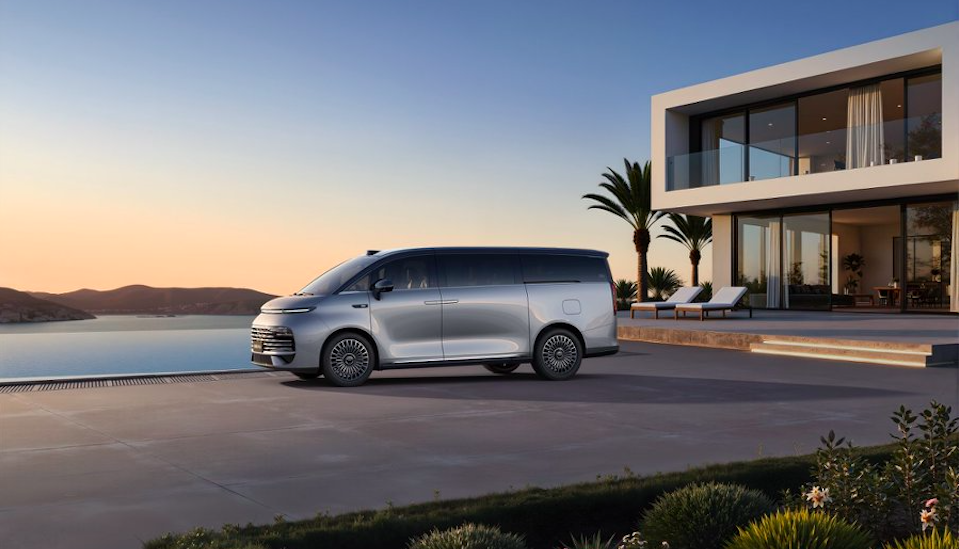
Core Viewpoint - The launch of the Geely Galaxy V900, an AI-powered luxury MPV, aims to redefine the standards of family travel in China, offering a combination of spaciousness, luxury, safety, and advanced AI technology with a price range of 319,800 to 389,800 yuan [1]. Group 1: Product Features - The Geely Galaxy V900 offers a spacious interior with a 91.8% usable space rate, providing more room than competitors, including over 1000mm of legroom in the second and third rows and a trunk capacity exceeding 1000L [6]. - The vehicle features luxury elements such as cloud-like SPA seats with heating, ventilation, memory, and massage functions, along with a 27-speaker Flyme Sound system for an immersive audio experience [8]. - The V900 is equipped with a smart dual-motor four-wheel drive system, delivering a peak power of 340kW and a torque of 523N·m, ensuring strong performance across various driving conditions [10][11]. Group 2: Safety Features - The V900 includes 11 airbags, the highest in the industry, and features a full-metal backrest for the second-row seats, enhancing safety for all passengers [13]. - The vehicle has passed rigorous safety tests, including a unique triple collision test, demonstrating its structural integrity and safety for third-row passengers [13]. Group 3: AI Technology - The Geely Galaxy V900 incorporates advanced AI technology with the Galaxy Flyme Auto 2 system, providing seamless interaction and emotional recognition capabilities through the AI assistant Eva [15]. - It features a comprehensive driving assistance system with 27 sensing units for 360-degree awareness, enabling advanced parking functionalities and high success rates in various parking scenarios [17]. Group 4: Market Positioning - The Geely Galaxy V900 is positioned as a high-value choice for mainstream families, combining comfort, safety, intelligence, and control, which is expected to reshape the luxury MPV market [19].
黑芝麻智能五赴CES,三大领域最新突破推动智能全维进化
Zhong Guo Qi Che Bao Wang· 2026-01-08 03:37
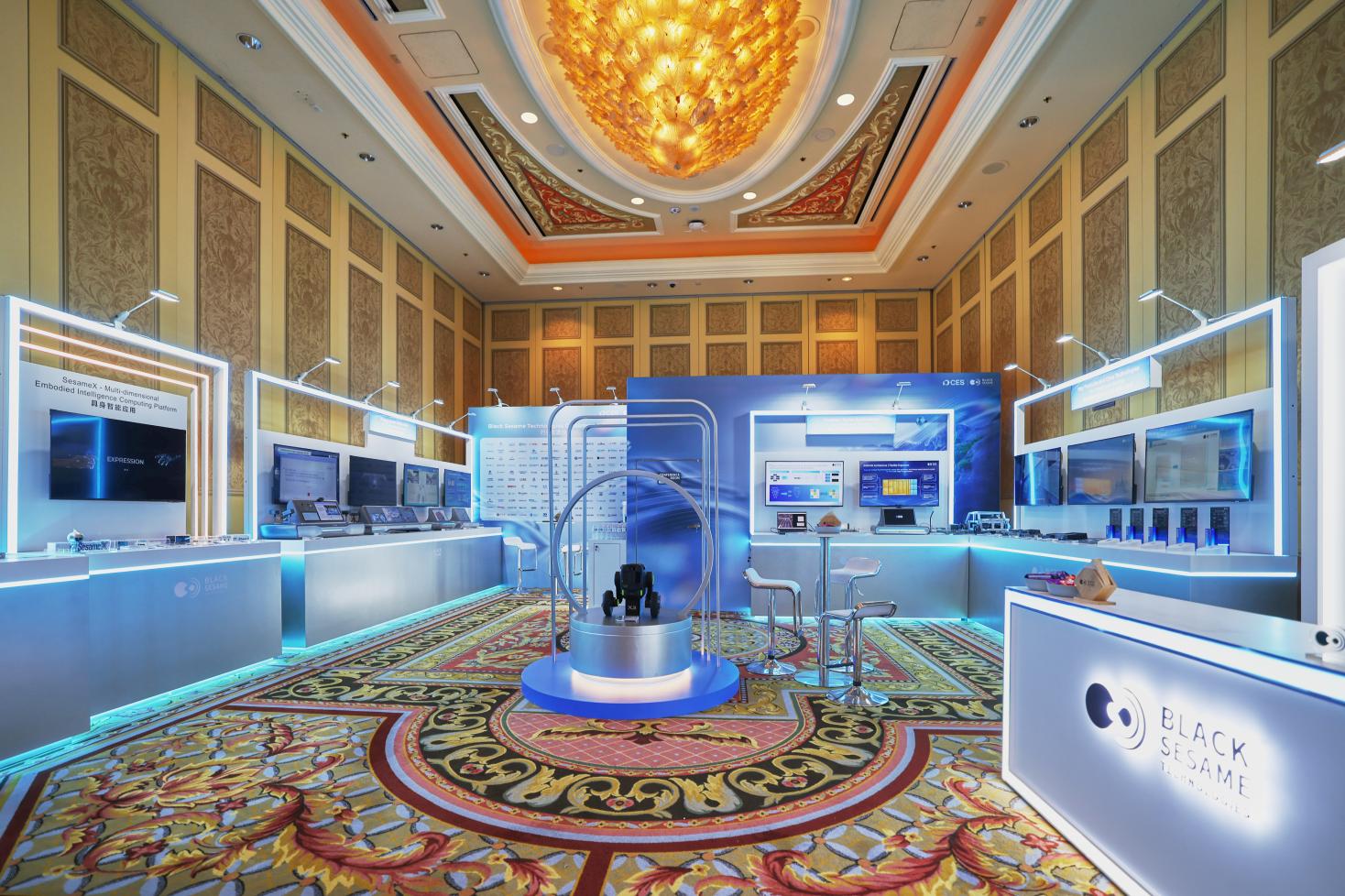
Core Insights - Black Sesame Intelligence showcased its latest achievements in assisted driving, embodied intelligence, and consumer electronics at CES 2026, marking its strategic shift from "driving assisted driving" to "promoting intelligent evolution" [1] Group 1: Assisted Driving Technology - The A2000 all-scenario general-purpose assisted driving demonstration platform made its debut, focusing on providing high-performance, reliable full-stack solutions for the smart automotive industry [3] - The Huashan A2000 chip has gained widespread recognition in the industry, with collaborations established with major automotive companies like Dongfeng, Geely, Hongqi, and JAC, successfully integrating assisted driving technology into mass-produced vehicles [4] - The Huashan A2000 chip, featuring a large-core architecture and algorithmic collaboration design, has been optimized for performance, comparable to the highest-performing smart driving chips globally [4] Group 2: Cross-Domain Integration - The Wudang C1296 integrated cockpit solution made its overseas debut, developed in collaboration with Dongfeng Motor and Junlian Smart, utilizing a single C1296 chip for digital dashboards, smart cockpits, and assisted driving functions [6] - The Wudang series chips are pivotal in advancing automotive electronic and electrical architecture towards cross-domain integration, with high-integration mass production solutions launched by partners like Dongfeng, Continental Group, and Zebra Smart Mobility [6] Group 3: Embodied Intelligence - The SesameX multidimensional embodied intelligence computing platform made its first overseas appearance, aimed at providing an open, scalable, and mass-producible intelligent computing foundation for robots [7] - The SesameX platform includes three series—Kalos, Aura, and Liora—catering to various complexities and forms of robotic needs, promoting the large-scale industrial deployment of embodied intelligence [7] Group 4: Consumer Electronics - Black Sesame's AI imaging solutions have been widely adopted in consumer electronics, with over 500 million devices globally equipped with these technologies [10] - The recent strategic acquisition of Yizhi Electronics enhances Black Sesame's capabilities in low-power, cost-effective AI SoC chips, showcased at CES [10] - The AI imaging solutions cover a range of products, including smartphones, tablets, cameras, and AI glasses, providing enhanced user experiences through deep integration of chips and algorithms [10]

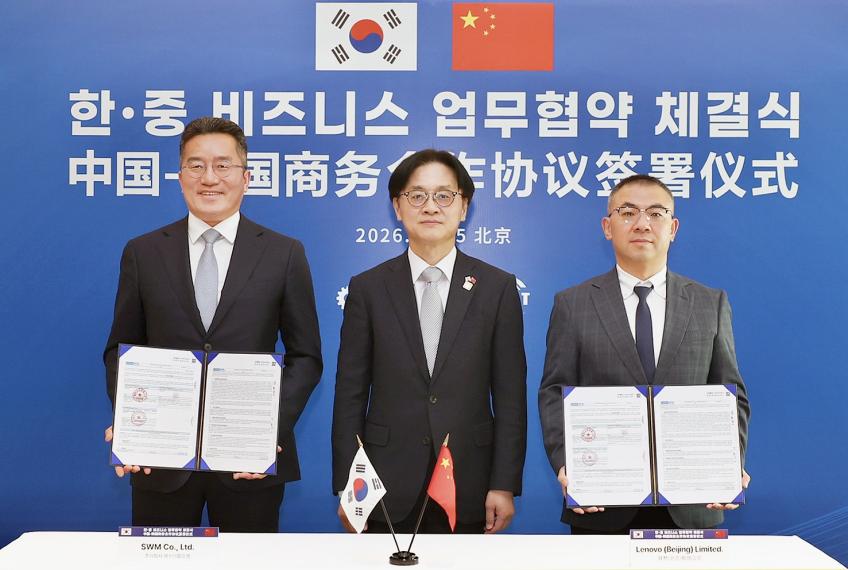
联想车计算与SWM达成战略合作
Zhong Guo Qi Che Bao Wang· 2026-01-08 02:07
Core Insights - Lenovo and SWM have announced a strategic partnership to advance the development and deployment of next-generation L4 autonomous taxis (Robotaxi) during CES 2026 [1][10] - The collaboration aims to enhance safety and efficiency in smart mobility solutions, marking a significant step towards large-scale deployment of autonomous driving technology [1][10] Group 1: Partnership Details - The strategic cooperation was formalized through a Memorandum of Understanding (MOU) signed in the presence of key officials during a visit by the South Korean president to China [1] - SWM's "AP-700" autonomous driving platform is built on Lenovo's "L4 Autonomous Driving Domain Controller AD1," powered by NVIDIA DRIVE AGX Thor, providing over 2,000 TFLOPS of AI computing power [2][3] Group 2: Technology and Safety Standards - The AP-700 platform meets the highest safety and reliability standards in the automotive industry, including ISO 26262 ASIL-D and AEC-Q100 certifications [6] - The platform is optimized for advanced algorithms, enabling millisecond-level responses in complex urban traffic scenarios while ensuring system safety and stability [6] Group 3: SWM's Achievements and Future Plans - Since its establishment in 2017, SWM has focused on autonomous driving technology and achieved significant commercial success, including the first fully autonomous taxi service in Seoul's Gangnam area [7] - SWM aims to expand its autonomous driving services globally, starting with regions like Japan, Southeast Asia, and the Middle East, leveraging the partnership with Lenovo and NVIDIA [7][8] Group 4: Industry Implications - The collaboration exemplifies how NVIDIA DRIVE Hyperion platform empowers scalable and safety-validated autonomous taxi systems, indicating a shift from technology validation to large-scale deployment [8][10] - The global L4 autonomous driving technology is entering a new phase, with various applications like Robotaxi and Robobus moving towards mass production and deployment [10]