
Zhong Guo Qi Che Bao Wang

Search documents
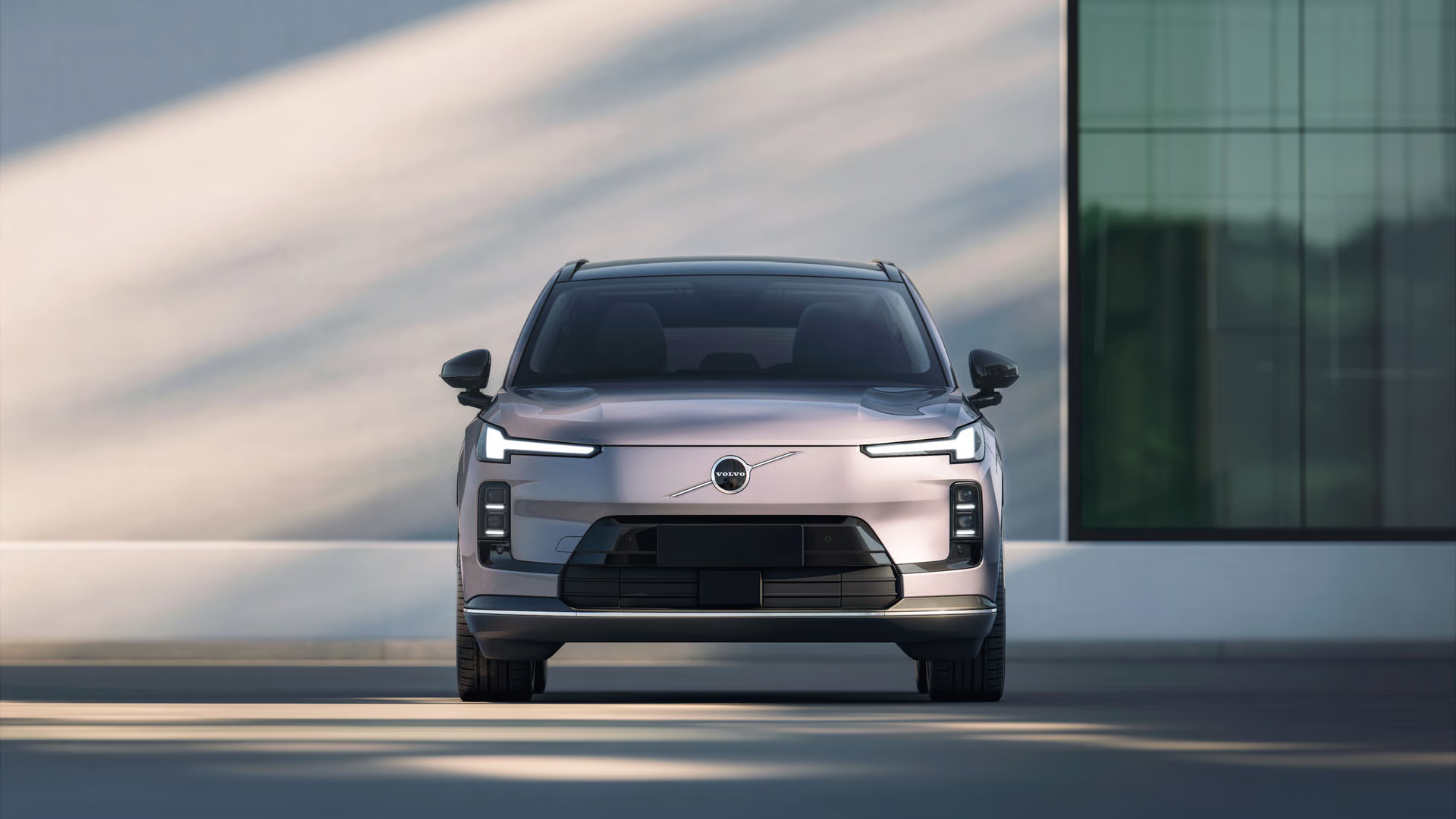
佛瑞亚海拉为沃尔沃XC70打造极具未来感的雷神之锤前照灯
Zhong Guo Qi Che Bao Wang· 2026-01-07 07:01
Core Viewpoint - The collaboration between Faurecia Hella and Volvo has resulted in the development of a futuristic "Thor's Hammer" headlight for the new XC70 model, emphasizing safety, technology, and design as part of Volvo's electrification strategy [2][5]. Group 1: Product Features - The new headlight features a matrix adaptive lighting system composed of multiple independently controllable LED sources, providing broader illumination, better brightness, and precise light distribution adjustments based on speed, steering angle, traffic conditions, and road curvature [3]. - The headlights can dynamically adjust to focus on distant objects during high-speed driving and expand coverage for near-field visibility at low speeds, ensuring optimal driver visibility [3]. - The system can automatically adjust the headlight height to maintain focus on the road, preventing glare for oncoming vehicles and adapting to different driving regulations based on the vehicle's delivery region [4]. Group 2: Recognition and Collaboration - Faurecia Hella's successful mass production of the XC70 headlight system highlights its expertise in advanced lighting technology and the strong partnership with Volvo [5]. - Volvo awarded Faurecia Hella the Outstanding Supplier Award, recognizing the contributions of the Jiaxing headlight factory and the Nanjing R&D center team in developing and producing the innovative headlight [5]. - This recognition underscores Faurecia Hella's commitment to quality and innovation, aiming to shape safer and smarter mobility solutions [5].

冰博会硬核亮相!吉利醇氢解锁寒区绿色发展新范式
Zhong Guo Qi Che Bao Wang· 2026-01-07 06:29
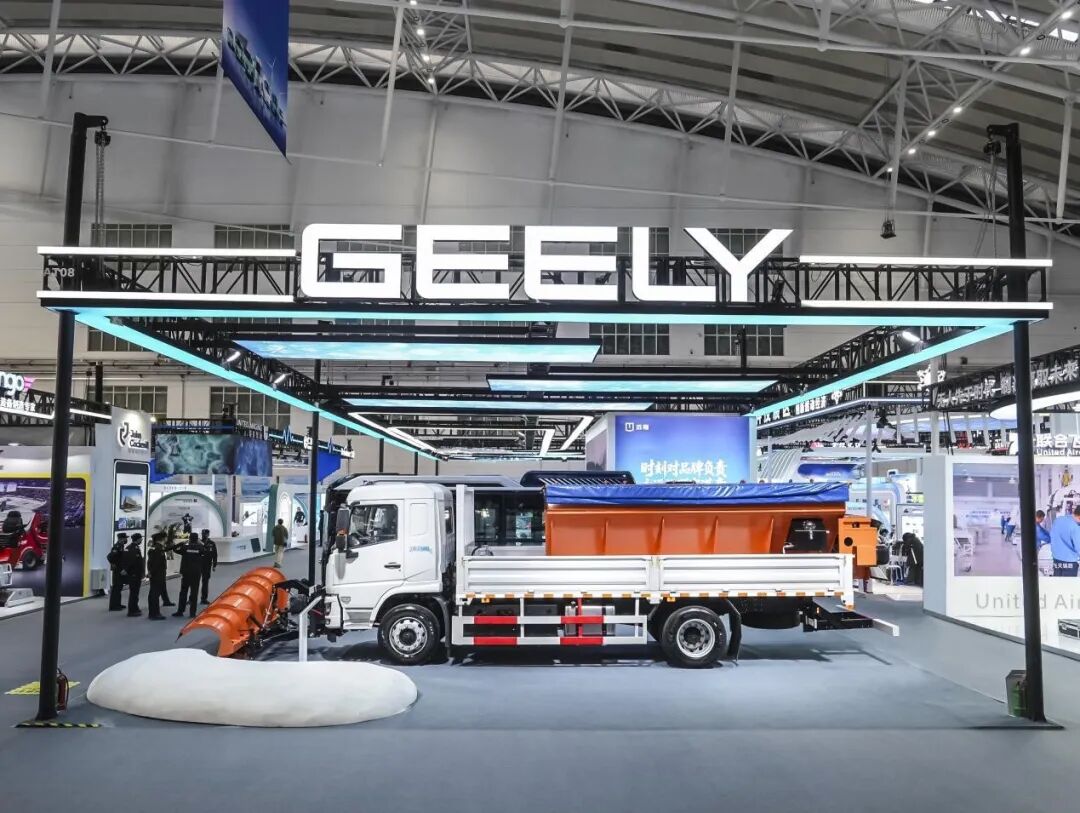
Group 1 - The Harbin International Ice and Snow Economic Expo, themed "Ice Chain World, Snow Dance Future," showcases global ice and snow industry resources, with Geely Holding Group presenting its full-scenario methanol-hydrogen electric product matrix and industry chain ecological solutions [2] - Geely has invested over 20 years in the methanol economy, becoming a core driver of industry development, with over 50,000 methanol-hydrogen electric vehicles in operation and a total mileage exceeding 23 billion kilometers [7] - The methanol economy is entering a golden period, supported by over 70 policy documents from national and local governments, promoting methanol vehicle applications and establishing a comprehensive policy support system [4][5] Group 2 - Methanol's unique advantages in energy security and carbon neutrality position it as a trillion-level emerging industry, with the potential to produce approximately 6 million tons of green fuel from 10% of China's annual CO2 emissions [5] - Geely's methanol-hydrogen electric technology has achieved a thermal efficiency of 50.3%, making it economically viable and reliable for commercial operation [7] - The methanol fuel's freezing point of -97.6°C allows it to operate effectively in extreme cold environments, making it a preferred solution for green transportation in northern regions [9] Group 3 - Geely's methanol-hydrogen electric buses and snow removal vehicles are designed for urban public and ice and snow industry operations, with the buses achieving over 600 kilometers of range in low temperatures and significant cost savings compared to pure electric models [11] - The company has established over 900 methanol refueling stations nationwide, with plans to increase this number to 4,000 by the end of 2027, facilitating convenient methanol refueling [15] - The collaboration between Geely and Heilongjiang province is expected to boost the development of the methanol-hydrogen electric industry, leveraging the region's renewable energy resources and the growing demand from the ice and snow economy [16]

安波福安波福亮相CES 2026:智能边缘解决方案赋能智能驾驶等多领域智能升级
Zhong Guo Qi Che Bao Wang· 2026-01-07 03:46
Core Insights - The article highlights the significant presence of Aptiv at CES 2026, showcasing its core capabilities in smart edge solutions that leverage advanced computing and AI technologies for real-time perception, decision-making, and execution across various critical sectors such as transportation, robotics, and aerospace [1][3]. Automotive Innovations - Aptiv introduced a next-generation end-to-end AI-powered Advanced Driver Assistance Systems (ADAS) platform aimed at enhancing L2++ level hands-free driving performance in both highway and urban scenarios, utilizing AI for comprehensive optimization of perception, fusion, and behavior planning [3][4]. - The platform is supported by Aptiv's eighth-generation radar series, which offers industry-leading detection range, resolution, and target recognition accuracy, combined with advanced machine learning algorithms to provide reliable technical support for diverse driving scenarios [4][5]. Digital Cockpit Enhancements - Aptiv unveiled its latest digital cockpit technology solutions focused on improving safety and user experience in both passenger and commercial vehicles, ensuring efficient collaboration between drivers and vehicles during hands-free driving scenarios [6]. - The Driver Monitoring System (DMS) and Cabin Monitoring System (CMS) utilize advanced visual and radar sensing technologies to accurately assess the status of cabin occupants, providing reliable data for critical safety decisions [6][7]. Connectivity and Ecosystem Development - The collaboration between Aptiv and Verizon to explore the potential of Cellular Vehicle-to-Everything (C-V2X) technology is a key highlight, aiming to enhance road safety through the integration of 5G connectivity, edge computing, and automotive innovations [8]. - The LINC™ platform, designed for complex real-time embedded functions, serves as a modular solution that supports software-defined vehicles, offering diverse functionalities such as communication middleware and edge intelligence [8]. Cross-Industry Applications - Aptiv's showcase included diverse hardware and software solutions for robotics and aerospace, demonstrating its strategic expansion from the automotive sector to multi-terminal markets [9][10]. - Key exhibits featured AI collaborative robots and next-generation autonomous mobile robots, leveraging Aptiv's expertise in real-time perception and decision control to provide high-reliability and high-performance support for critical applications across various industries [10].


禾赛科技:CES 2026重磅官宣:年产能翻倍至400万台泰国新工厂加码全球布局
Zhong Guo Qi Che Bao Wang· 2026-01-07 03:46
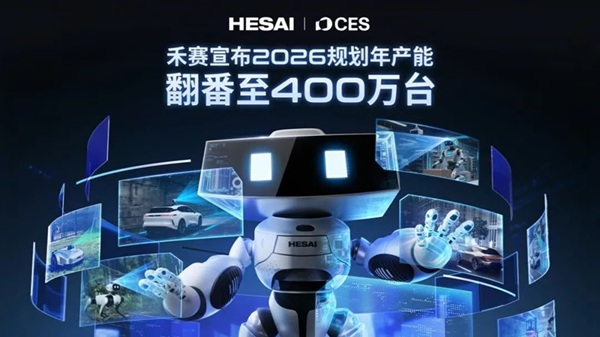
Core Insights - Hesai Technology announced a significant capacity expansion plan at CES 2026, aiming to double its annual production capacity from 2 million units in 2025 to 4 million units in 2026 to meet the surging demand in the ADAS and robotics sectors [1][3] - The new "Galileo" factory in Bangkok, Thailand, is progressing steadily and is expected to commence production in early 2027, enhancing the company's global capacity layout [1] Production and Delivery Milestones - Hesai has achieved several industry milestones, including the production of its 1 millionth lidar unit in September 2025 and cumulative deliveries exceeding 2.4 million units to date [3] - The company has maintained a consistent annual delivery growth rate, with over 1.6 million units delivered in 2025 and a peak monthly delivery exceeding 200,000 units [3] - The ADAS product line accounted for approximately 1.4 million units, while the robotics segment contributed over 200,000 units, with the ATX product achieving over 1 million units in its first year [3] Manufacturing Capabilities - The core support for Hesai's capacity doubling is its strong in-house manufacturing capabilities, featuring a fully automated production line that can produce a lidar unit every 10 seconds [3] - The company has developed proprietary ASIC chips, enabling rapid product iteration and high reliability, which are essential for large-scale production [3] New Product Launches - At CES, Hesai launched a new L3-level automotive lidar solution, including the ETX long-range lidar and the FTX solid-state near-range lidar, designed to enhance vehicle safety and simplify integration [4] - The ETX lidar can be flexibly installed behind the windshield or inside the vehicle, while the FTX lidar is specifically designed for short-range blind spot monitoring, together creating a comprehensive 360° safety perception network [4] Market Penetration and Client Base - The safety value of lidar technology is recognized in the market, with vehicles equipped with lidar reducing the risk of fatal accidents by 90% and conventional traffic accidents by 30% [5] - Hesai has secured over 120 model production contracts with 24 major OEMs, including top European manufacturers and leading domestic brands such as Li Auto, Xiaomi, Changan, and Geely [5] - The company has locked in partnerships with its top two ADAS clients for 2026, ensuring 100% standardization across their entire model range [5] Expansion into Robotics and AI - Beyond the ADAS market, Hesai's lidar technology is empowering the AI-driven robotics industry, providing stable and precise environmental perception for robots transitioning from controlled to diverse real-world scenarios [6] - In the Robotaxi and autonomous trucking sectors, Hesai has become a key player, with several innovative companies selecting its lidar products for their fleets, some models planning to use up to 8 units [6] - The JT series mini 360° lidar has seen widespread adoption in various applications, with cumulative shipments exceeding 200,000 units, showcasing its utility in lawn mowing robots, companion robots, and 3D spatial digitization devices [6]

蜂巢能源:与中汽信科签署战略合作协议 共建技术品牌联合实验室
Zhong Guo Qi Che Bao Wang· 2026-01-07 03:46
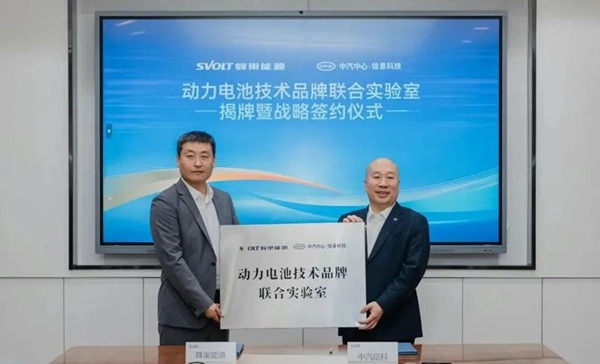
Core Viewpoint - The strategic cooperation between Honeycomb Energy Technology Co., Ltd. and China Automotive Information Technology (Tianjin) Co., Ltd. aims to enhance brand value and industry influence through a joint laboratory focused on technology integration and marketing [1][3]. Group 1: Strategic Cooperation - Honeycomb Energy and China Automotive Information will establish a "Technology Brand Joint Laboratory" to facilitate deep collaboration in four key areas: integrated marketing of technology brands, comprehensive safety verification systems, collaborative innovation in intellectual property, and overseas risk response [3]. - The partnership leverages China Automotive Information's authoritative industry platform and expertise in big data analysis, combined with Honeycomb Energy's strengths in core technologies like fast-charging and dragon scale batteries [3]. Group 2: Brand Development - Honeycomb Energy's senior vice president emphasized that transforming technological strength into brand value is crucial for long-term development [3]. - The chief engineer of China Automotive Information expressed commitment to supporting Honeycomb Energy's brand enhancement strategy by providing comprehensive professional service guarantees [3]. Group 3: Industry Impact - This collaboration represents an important move for Honeycomb Energy to integrate high-end industry resources and promote brand strategy upgrades [3]. - Both companies plan to deepen their cooperation to strengthen technology brand construction and jointly lead the high-quality development of the power battery industry [3].
智驭科技成立:北汽地平线强强联手深耕车载智能
Zhong Guo Qi Che Bao Wang· 2026-01-07 03:32
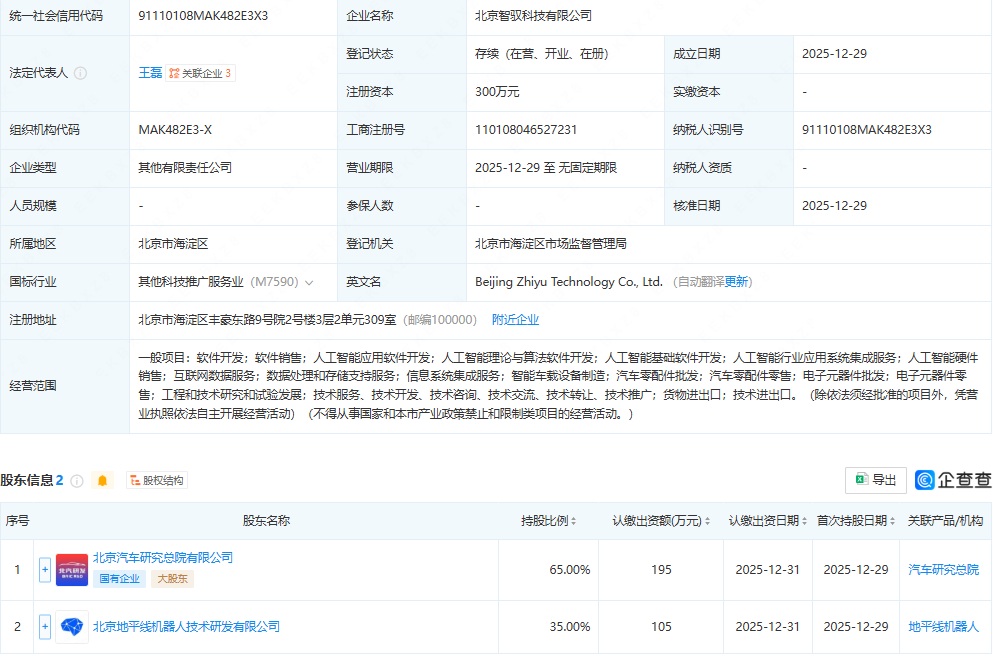
Group 1 - Beijing Zhiyu Technology Co., Ltd. has been officially established with a registered capital of 3 million yuan, focusing on artificial intelligence application software development and smart automotive hardware [1] - The company is jointly owned by two major entities: Beijing Automotive Group Co., Ltd.'s wholly-owned subsidiary, Beijing Automotive Research Institute Co., Ltd. (holding 65%), and Beijing Horizon Robotics Technology R&D Co., Ltd. (holding 35%) [1][3] - The business scope includes the manufacturing of smart vehicle-mounted devices, wholesale and retail of automotive parts, and various artificial intelligence-related services [1][2] Group 2 - The company is registered in Haidian District, Beijing, and its business activities are set to continue indefinitely [2] - The establishment date of the company is December 29, 2025, with a focus on the smart automotive sector [2][3] - The registered address is located at No. 9, Fengshu East Road, Building 2, 3rd Floor, Unit 309, Beijing [2]
亿纬锂能:与洛希能源签署 20GWh 储能电池合作协议 大电芯技术路线获市场深度认可
Zhong Guo Qi Che Bao Wang· 2026-01-07 03:24
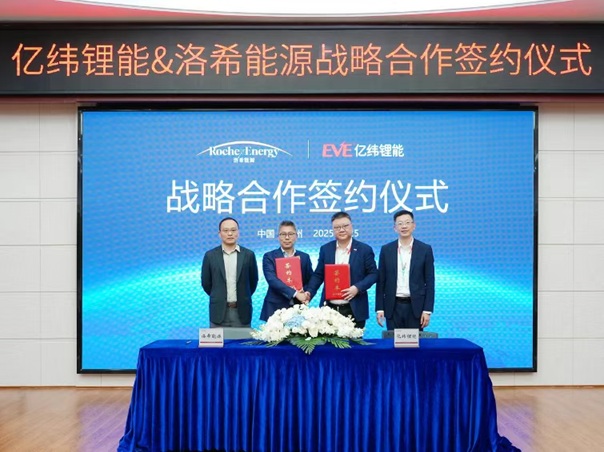
Core Viewpoint - EVE Energy and Shanghai Shinyi Luoxi Energy Technology Co., Ltd. have signed a strategic cooperation framework agreement for a three-year plan to collaborate on 20GWh of energy storage batteries, marking a significant step in EVE Energy's capabilities in large-scale energy storage battery delivery and recognition of its large cell technology route [1][3] Group 1: Partnership Details - The agreement includes 10GWh of 628Ah/588Ah energy storage batteries and another 10GWh of 314Ah cells, showcasing EVE Energy's strong delivery capabilities in the energy storage sector [1] - The partnership aims to leverage both companies' strengths in supply chain collaboration, product iteration, project development, and power trading, creating a comprehensive ecosystem from core cell R&D to energy storage operations [3] Group 2: Technological Advancements - The 628Ah energy storage battery has undergone rigorous testing by Luoxi Energy, demonstrating exceptional safety, cycle life, and energy efficiency, making it one of the few 600Ah+ cell products in mass production [3] - EVE Energy's forward-looking layout has established a significant competitive advantage in the large-capacity cell market, while Luoxi Energy brings strong R&D design and lifecycle management capabilities [3] Group 3: Industry Impact - This collaboration is expected to enhance the market competitiveness and delivery efficiency of energy storage solutions, contributing to a more efficient, intensive, and sustainable direction for the energy storage industry [3] - The partnership is seen as a catalyst for accelerating the global energy structure transition, following EVE Energy's successful 2.2GWh energy storage project in Australia [3]

东软睿驰:与舍弗勒达成战略合作 共推软件定义汽车解决方案落地
Zhong Guo Qi Che Bao Wang· 2026-01-07 03:08
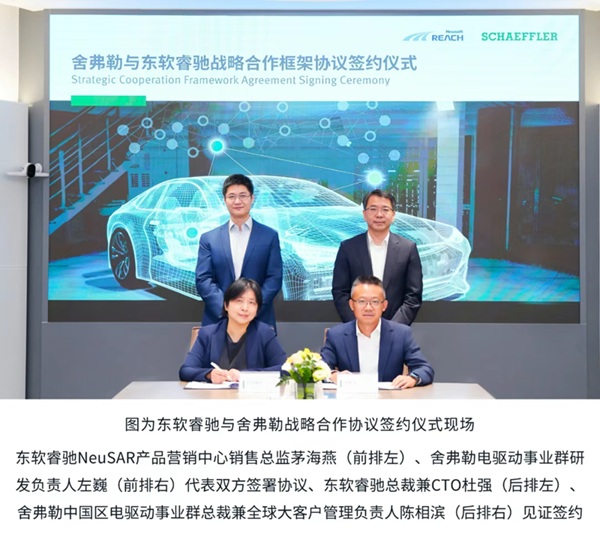
Core Viewpoint - Neusoft Ruichi and Schaeffler have signed a strategic cooperation framework agreement focusing on software-defined vehicles (SDV), aiming to integrate Neusoft's software platform technology with Schaeffler's hardware ecosystem to create competitive integrated controller products and services for automotive companies globally [1][2]. Group 1: Strategic Cooperation - The cooperation is based on a strong consensus regarding SDV technology and platform development, following multiple phases of technical validation and collaborative engineering practices [2]. - The partnership will focus on joint R&D of foundational software, middleware, and AI software development platforms, aiming to build a mature SDV software platform for automotive companies [2][5]. - Both companies will deepen collaboration in exploring cutting-edge technologies, innovative application scenarios, and iterating business models to expand market opportunities in the global automotive industry [2]. Group 2: Technological and Product Synergy - Schaeffler has a complete product ecosystem and hardware strength in centralized vehicle electrical architecture and SDV, including core products like functional domain controllers and central controllers [5]. - Neusoft Ruichi possesses mature innovation capabilities in vehicle software platforms, which will enhance the deep collaboration between software and hardware to meet local customer needs in delivery cycles, cost control, and service response [5]. - The collaboration aims to establish a new ecological synergy model that is deeply rooted in the Chinese market while promoting Chinese solutions globally [5]. Group 3: Future Outlook - The partnership will continue to innovate in intelligent automotive software platforms and systems, promoting the large-scale implementation of SDV solutions across various products and application scenarios [5]. - Both companies will explore technological breakthroughs and application scenarios in frontier areas such as digital twins, artificial intelligence, and AI-defined vehicles, contributing to the automotive industry's transition towards smarter, more efficient, and sustainable development [5].
黄仁勋与现代汽车会长在CES会展间隙进行会谈
Zhong Guo Qi Che Bao Wang· 2026-01-07 03:00
据业内消息人士称,韩国现代汽车集团会长郑义宣当地时间周二在 2026 年国际消费电子展(CES)的 间隙与英伟达CEO黄仁勋在拉斯维加斯的枫丹白露酒店进行了一次闭门会谈。此次会面发生在英伟达发 布其全新的AI自动驾驶平台Alpamayo一天之后,引发了人们对于两家公司可能在自动驾驶技术领域展 开合作的期待。 ...

长安汽车回应取消年终奖为不实信息
Zhong Guo Qi Che Bao Wang· 2026-01-07 03:00
刚刚,长安汽车不实举报中心发布声明,针对近期网络上出现的"长安汽车取消年终奖"等不实信息,具 体声明如下:2025年,长安汽车整体经营态势稳健,公司已根据年度经营实绩,按照激励标准制定并 推进相应激励计划,切实保障员工权益,助力企业可持续发展。 ...
