Tai Mei Ti A P P

Search documents
前首富陈天桥AGI豪赌:高薪挖角清华大牛,剑指下一个Deepseek?
Tai Mei Ti A P P· 2025-08-25 11:04
Core Insights - Chen Tianqiao, the former richest man in China, is making a significant return to the tech industry, focusing on artificial intelligence (AI) and brain science, marking a bold second gamble in his career [2][3][4] - The establishment of a new AGI startup led by Dai Jifeng, a prominent AI figure from Tsinghua University, signifies a shift towards foundational research in AGI rather than just application [3][4][6] Group 1: Company Developments - Chen Tianqiao's new AI company will allocate half of its profits to the team and reinvest the other half into research, indicating a strong commitment to innovation and talent retention [4] - The new company's research will focus on three main areas: AI-driven business decision-making, breaking the "information cocoon" of algorithm recommendations, and developing AI services for aging populations and youth [4][5] - The "Big Round Mirror Science Popularization" project, which utilizes AI-generated short videos to explain complex brain science concepts, has garnered over 20 million views across various platforms, showcasing the potential for AI in educational outreach [5][8] Group 2: Industry Context - Chen Tianqiao's previous investments in brain science, including the establishment of the Tianqiao Brain Science Research Institute with a $1 billion investment, highlight a long-term commitment to understanding mental health, aging, memory, and consciousness [7][12] - The recent advancements in brain-computer interface technology, such as the successful dual decoding of language and movement in a clinical application, position Chen's initiatives at the forefront of neuroscience [7] - The strategic integration of AI and brain science aims to create a feedback loop where research informs AI development, and AI tools address complex scientific questions, representing a dual-driven approach to innovation [7][8]
比RoboTaxi更疯狂,无人物流车的“极限战场”
Tai Mei Ti A P P· 2025-08-25 11:04
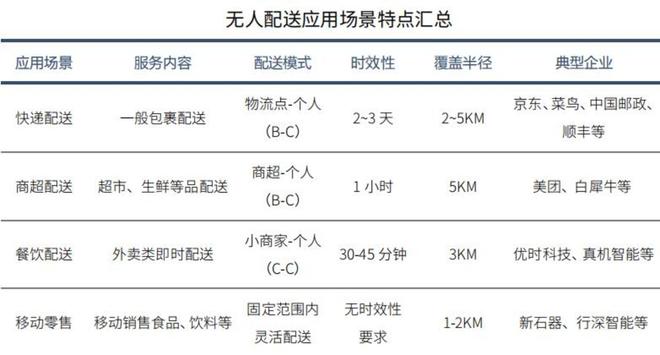
Core Viewpoint - The autonomous delivery vehicle sector is experiencing significant investment and growth, particularly in the logistics and freight delivery space, as evidenced by various funding rounds and strategic partnerships [1][2][4]. Investment and Financing - Notable investments include New Stone's completion of a 1 billion yuan C+ round in April, and Jiuyuan Intelligence's B3 round financing of 100 million USD, totaling nearly 300 million USD in B round financing [1]. - In August, White Rhino secured its second round of financing this year, accumulating nearly 500 million yuan in B round financing [1]. - Despite a cooling investment climate, capital continues to flow into the unmanned logistics delivery vehicle sector, indicating a consensus on reaching a "scale profitability threshold" [1]. Policy Support - The policy environment has evolved to support the development of unmanned delivery vehicles, with the issuance of road licenses and pilot programs since 2021 [3]. - By June 2025, over 100 cities in China had opened road rights for unmanned delivery vehicles, facilitating their large-scale deployment [3]. - The State Post Bureau has emphasized the promotion of AI technologies and products in the logistics sector, indicating strong governmental support for unmanned delivery vehicles [3]. Market Growth and Projections - The year 2025 is anticipated to be a "breakout year" for unmanned logistics delivery vehicles, with expectations of explosive market growth over the next three years [4]. - The market for unmanned delivery vehicles is projected to reach 2.634 trillion yuan by 2030, which is 5.4 times the expected market size in 2025 [5]. Cost Reduction and Efficiency - The logistics industry is facing intense price competition, leading to a significant drop in average delivery prices, which fell by 8.2% year-on-year in the first five months of 2025 [7]. - The introduction of unmanned delivery vehicles can reduce labor costs significantly, with examples showing a 70% reduction in per-item costs when using unmanned vehicles [8][9]. - Unmanned delivery vehicles can operate at double the efficiency of traditional delivery methods during peak periods, such as "Double Eleven" and the Spring Festival [9]. Application Scenarios - The primary application of unmanned delivery vehicles is in the last-mile delivery segment, particularly in urban areas [10][12]. - Various delivery scenarios include express delivery, supermarket delivery, and mobile retail, with different service contents and timeframes [5]. Technological Advancements - The cost of unmanned delivery vehicles has decreased significantly, with some models dropping from 200,000 yuan to 70,000 yuan between 2018 and 2023 [14]. - The shift from high-cost hardware solutions to more cost-effective visual-based systems has contributed to the reduction in overall costs [16][17]. Industry Dynamics - Major logistics companies are adopting different strategies, with some integrating technology suppliers deeply into their operations, while others rely on a more fragmented deployment approach [17]. - The logistics sector is expanding its focus from ground to aerial delivery, creating a comprehensive unmanned delivery system that includes drones and ground vehicles [17].




【生态环境周观察】六部委召开光伏“反内卷”座谈会;特朗普称将不再批准光伏、风电项目
Tai Mei Ti A P P· 2025-08-25 11:02
Policy - The meeting held by six ministries aimed to regulate the photovoltaic industry and promote sustainable development, emphasizing the importance of maintaining a fair competitive order [3] - The China Photovoltaic Industry Association (CPIA) issued an initiative to resist malicious competition below cost and called for optimizing bidding rules to prioritize technical evaluation over price [3] Industry Development - Chongqing's hydrogen station development plan aims to establish 10 hydrogen stations by 2027 with a daily hydrogen supply capacity of 15 tons, increasing to 30 stations and 70 tons by 2035 [4] - The establishment of a national hydrogen vehicle industry measurement testing center has been approved to enhance the competitiveness of the hydrogen vehicle industry [5] Market Events - Trump's comments on renewable energy projects have negatively impacted the solar sector, causing stock price declines for companies like Sunrun and First Solar after a previous surge [6] - China's new energy storage installations have surpassed 100GW, marking a 110% year-on-year increase, with projections of reaching 236.1GW by 2030 under conservative estimates [6] Corporate Developments - T1 Energy, a U.S. solar manufacturer partly owned by Trina Solar, signed a supply agreement with Corning to provide silicon wafers for solar cell production starting in 2026 [8] - Google signed a power purchase agreement with Kairos Power for nuclear energy to supply its data centers, with plans to increase the power output of the Hermes 2 nuclear plant [9]

对话盛趣游戏CEO彭程:当一个“盛斗士”再次决定去战斗|独家
Tai Mei Ti A P P· 2025-08-25 10:37
Core Insights - The article discusses the historical significance of Shengda Network and its transformation into Shengqu Games, highlighting the emotional connection of the "Sheng Warriors" to the company's legacy and their aspirations for its future [1][4][6]. Group 1: Company History and Transformation - Shengda Network, founded by Chen Tianqiao, acquired the rights to the game "The Legend of Mir 2" in 2001, which significantly changed the company's trajectory and reshaped entertainment for Chinese youth [2][4]. - The success of games like "Bubble Hall" and "Adventure Island" led to Shengda's IPO on NASDAQ in 2004, establishing it as a major player in the gaming industry [4][6]. - The rebranding of Shengda Games to Shengqu Games in 2019 marked a formal separation from Shengda Network, although it retained significant brand value and user base [5][6]. Group 2: Leadership and Vision - Peng Cheng's return as CEO of Shengqu Games in 2024 is seen as a symbolic "Sheng Warrior return," aiming to revive the company's former glory and complete unfinished business [1][6]. - Peng Cheng emphasizes the need for a cultural and strategic shift within the company, focusing on innovation and revitalizing old IPs to drive growth [6][24]. Group 3: Financial Performance - Century Huatong's mid-year performance forecast indicates a revenue increase of approximately 83% to around 17 billion yuan, with a projected net profit growth of 107% to 159% [6][24]. - Shengqu Games has maintained a positive growth trajectory by refining gameplay and content, successfully rejuvenating the popularity and commercial value of its legacy IPs [6][24]. Group 4: Challenges and Strategies - The company faces challenges such as an aging workforce and the need for talent rejuvenation, with plans to lower the average age of employees while retaining experienced staff [18][19]. - Peng Cheng's strategy includes consolidating operations and focusing on core competencies, particularly leveraging existing IPs before exploring new product lines [24][25]. Group 5: Market Trends and Future Outlook - The gaming industry is evolving, with a focus on "evergreen games" and the challenge of reviving classic IPs while appealing to modern players [28][29]. - The company aims to balance nostalgia with contemporary gaming preferences, ensuring that new versions of classic games resonate with both old and new audiences [28][29].

MLED产业长坡厚雪,诺瓦星云强者恒强|看财报
Tai Mei Ti A P P· 2025-08-25 10:22
Core Viewpoint - Nova Star Cloud's stock price has surged by 9.95% over two days, driven by its latest mid-term performance report and dividend plan, showing strong growth potential in the LED display market [2] Financial Performance - In the first half of 2025, Nova Star Cloud achieved revenue of 1.533 billion yuan and a net profit of 294 million yuan, with a proposed cash dividend of 50.736 million yuan [2] - The company reported a revenue of 1.182 billion yuan from the domestic market, a decrease of 7.20% year-on-year, while overseas revenue reached 351 million yuan, an increase of 21.31% [4] Market Growth - The global LED display market is projected to grow from $6.093 billion in 2021 to $8.176 billion in 2023, with an expected CAGR of 13.78% from 2021 to 2026 [3] - Nova Star Cloud's revenue is forecasted to grow from 1.584 billion yuan in 2021 to 3.280 billion yuan in 2024, with net profits increasing from 212 million yuan to 593 million yuan during the same period [3] Global Expansion - The company has established a global layout centered around Xi'an, Beijing, and Shenzhen, effectively covering major domestic cities and key overseas regions, serving over 4,000 clients globally [5] R&D and Innovation - Nova Star Cloud maintains a strong focus on R&D, with expenses projected at 319 million yuan, 442 million yuan, and 540 million yuan from 2022 to 2024, representing 14.67%, 14.47%, and 16.46% of revenue respectively [6] - The company holds 1,222 domestic patents and 34 international patents, showcasing its technological leadership in the industry [7] MLED Technology Development - The company is actively developing MLED technology, which is expected to drive significant market growth, with the global MLED penetration rate projected to rise from 5% to 10% by 2027 [14] - MLED technology is anticipated to expand its application from outdoor to indoor markets, with new products like conference all-in-one machines and transparent screens emerging [12][14] Industry Trends - The COB technology is becoming a key direction for small-pitch LED displays, with domestic manufacturers increasingly focusing on this technology to enhance pixel density and reduce costs [12][13] - The ultra-high-definition video industry is transitioning from 2K to 4K, with significant potential for 8K and 16K developments, indicating a growing demand for advanced display technologies [15]

33年经典,康师傅背后的“创新哲学”
Tai Mei Ti A P P· 2025-08-25 09:05
Core Insights - The recent nostalgia wave in the consumer market highlights the enduring appeal of classic brands, as evidenced by the success of established names like Kang Shifu, which has maintained its relevance over 33 years through consistent quality and innovation [2][3][15] - In a competitive landscape characterized by rapid brand turnover, consumers are increasingly gravitating towards trusted, long-standing brands that embody stability and reliability [2][4] Product Innovation - Kang Shifu has launched several new products to cater to evolving consumer tastes, including the "Fresh Q Noodles" and regional flavor offerings, demonstrating a commitment to quality and innovation [4][6][9] - The introduction of the "Specially Fresh Instant Noodles," recognized for its unique cooking method, aims to redefine consumer expectations of instant noodles [8][12] - The "He Mian" product line offers a premium dining experience at an affordable price, addressing the demand for quality meals in a fast-paced lifestyle [10][11] Market Positioning - Kang Shifu's strategy includes targeting various consumer segments, from the Z generation seeking emotional value to older consumers prioritizing affordability, showcasing its adaptability in a K-shaped consumption era [4][12] - The brand's focus on high-quality ingredients and innovative packaging, such as the "premium cup" noodles, aligns with the growing consumer demand for convenience and quality [9][11] Technological Integration - The company leverages advanced food technology, including aerospace patents and freeze-drying techniques, to enhance product quality and safety, positioning itself as a leader in the instant noodle market [12][14][15] - Kang Shifu's investment in research and development, including a dedicated team of experts, underscores its commitment to continuous improvement and consumer trust [12][15] Brand Legacy - With 33 years of experience, Kang Shifu has established a strong brand identity that resonates with consumers, transforming instant noodles into a culturally significant food choice [14][15] - The brand aims to create a lasting legacy by integrating traditional culinary techniques with modern food science, ensuring its products remain relevant and cherished by consumers [14][15]


18天出师,汽车销售大模型陪练“学、练、考、评”一站式解决 | 创新场景
Tai Mei Ti A P P· 2025-08-25 08:24
Core Viewpoint - The automotive industry faces unprecedented challenges for sales personnel due to prolonged customer decision cycles, complex product parameters, and high demand for competitive comparisons, rendering traditional sales methods ineffective [1] Group 1: Solutions - Zhongguancun Kejin has developed an intelligent training system that integrates advanced technologies such as large models and multimodal AI analysis to enhance the efficiency of product knowledge learning for automotive sales [2] - The system features a dynamic knowledge base that synchronizes real-time product information, providing sales personnel with organized guidance on complex queries [4] - It simulates various customer interaction scenarios to help sales personnel address diverse customer needs effectively [6] Group 2: Challenges in Sales Training - Rapid knowledge iteration and high learning thresholds make it difficult for sales personnel to keep up with frequently updated product parameters and competitive comparisons [5] - Sales personnel often struggle to translate theoretical knowledge into practical responses during real customer interactions, especially when faced with informed customers [5] Group 3: Real-time Feedback and Data Utilization - The system monitors key performance indicators such as communication logic and demand understanding, generating data-driven evaluation reports to provide targeted improvement suggestions [7] - It leverages consultation dialogue data from various marketing platforms to inform product optimization and market insights, allowing brands to respond swiftly to changing customer interests [7] Group 4: Effectiveness - The intelligent training system offers a comprehensive solution encompassing learning, practice, assessment, and evaluation, significantly reducing the training cycle for new hires and improving their ability to handle complex inquiries [8] - After implementing the system, a new automotive company reported a reduction in training time from 45 days to 18 days and a 67% increase in the response rate to difficult questions [8]

MR头显的vivo答案,下一个十年持续进化的密码
Tai Mei Ti A P P· 2025-08-25 06:14
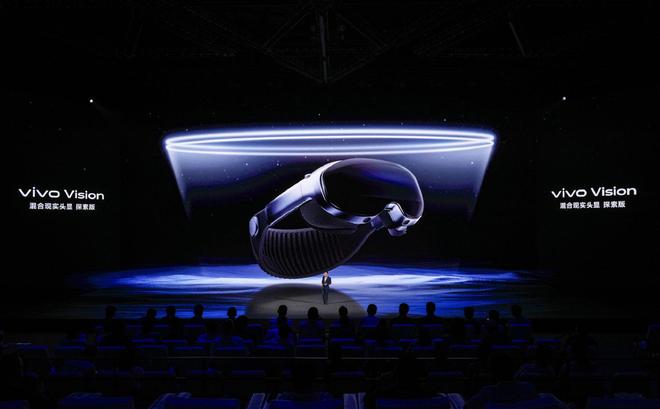
Core Insights - The launch of vivo's first mixed reality (MR) device, vivo Vision Explorer Edition, marks a significant entry into the spatial computing field, positioning the company as a pioneer among domestic smartphone manufacturers [1][3][24] - The MR market is projected to grow substantially, with global market size expected to reach $72.4 billion in 2024 and $290.8 billion by 2028, indicating a strong potential for widespread adoption [5][24] - vivo aims to redefine user experience in MR by focusing on practical applications and user comfort, contrasting with Apple's Vision Pro, which has struggled in the market [7][10][12] Company Strategy - vivo's approach to MR is rooted in a 30-year legacy of technological accumulation, emphasizing the importance of user-centric design and functionality [1][16] - The company has established a "human factors laboratory" to optimize the comfort and usability of the vivo Vision Explorer Edition, ensuring it meets the needs of Chinese consumers [12][22] - vivo's strategy includes not only hardware development but also the creation of a diverse content ecosystem, aiming to integrate MR with future robotics applications [21][24] Market Context - The MR industry is at a pivotal moment, with the potential to transition from niche applications to mainstream consumer products, similar to the evolution of PCs and smartphones [4][18] - The current MR landscape is characterized by a lack of compelling consumer applications, which vivo aims to address by offering high-frequency use cases such as immersive video, gaming, and multitasking capabilities [8][10] - The competition in the MR space is intensifying, with vivo positioning itself to lead the charge in the domestic market, challenging the perception that Chinese brands are merely alternatives to Apple [7][24] Future Outlook - vivo envisions the vivo Vision Explorer Edition as a stepping stone towards integrating MR technology with household robotics, addressing the growing demand for smart home solutions [18][21] - The company is committed to a long-term vision of technological evolution, focusing on user needs and pain points as the driving force behind its product development [22][24] - As the MR market matures, vivo's strategic initiatives are expected to contribute to the overall advancement of China's technology landscape, fostering innovation and collaboration across the industry [24]
中国AI创业只是少数人的游戏
Tai Mei Ti A P P· 2025-08-25 06:01
Core Insights - The AI landscape in China is experiencing a surge of entrepreneurial activity, but underlying challenges persist, particularly regarding monetization and user payment habits [2][3][6] - The disparity in payment habits between China and North America is significant, with Chinese consumers showing much lower willingness to pay for AI services [3][4][6] - Despite a growing number of AI startups, the barriers to entry remain high, with access to quality data and resources being critical for success [9][11][12] - Chinese tech giants are lagging in AI investment compared to their American counterparts, impacting the overall ecosystem and innovation potential [13][14] - The hardware sector in China presents unique advantages, with a strong supply chain and increasing investment, positioning it as a potential growth area for AI innovation [15][16][17] Payment Habits - Payment habits in China are notably poor, with consumer payment rates for AI services ranging from 3% to 13%, compared to 15% to 40% in the U.S. [3][4] - The annual recurring revenue (ARR) for leading AI companies in China is significantly lower than in the U.S., with differences ranging from 5 to 100 times [4][5] - A developer's experience highlights the stark contrast, where a product in China gained thousands of users but had fewer than 10 paying customers, while a similar product overseas achieved substantial revenue quickly [4][6] Investment Landscape - The number of AI startups globally is increasing, with approximately 5,000 new companies expected in the first half of 2025, including 1,380 from China [9][10] - Investment in AI startups has surged, with global funding reaching around $140 billion in the first half of 2025, doubling from the previous year [9][10] - However, the AI entrepreneurial environment in China is not as accessible as during the internet boom, with high hidden barriers to entry [9][11] Challenges for Tech Giants - Chinese tech giants are investing significantly less in AI compared to U.S. companies, with a reported investment of 630 billion RMB against 1.7 trillion RMB from U.S. firms [13] - The focus of Chinese companies appears to be on short-term gains rather than long-term AI infrastructure development, leading to a generational gap in AI model capabilities [13][14] - The reluctance to fully open resources to external developers stifles innovation and growth within the AI ecosystem [13][14] Hardware Opportunities - China has a strong advantage in AI hardware, with leading companies like DJI and Xiaomi contributing to a robust supply chain [15][16] - The number of AI hardware companies in China is growing, with 1,180 operational firms and significant investment activity in the sector [15][16] - The unique development path of AI hardware in China, leveraging its manufacturing base, may provide a competitive edge in the global market [17]




三年磨一剑,企业微信5.0如何用“全局最优解”破局AI办公?
Tai Mei Ti A P P· 2025-08-25 05:48
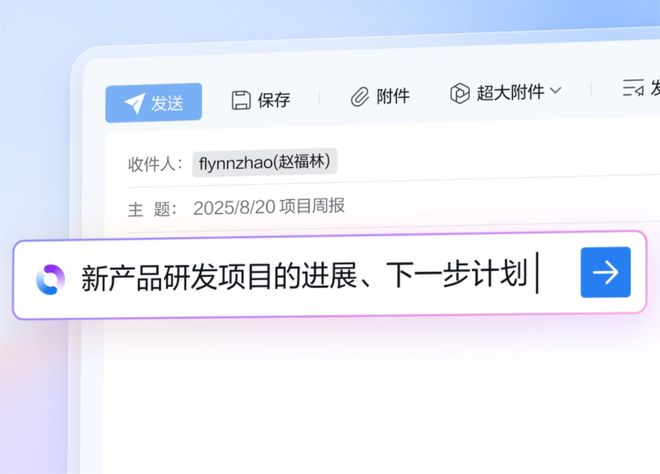
Core Insights - The core viewpoint of the article emphasizes the launch of WeChat Work 5.0, which focuses on integrating AI into practical office applications rather than showcasing flashy technology [2][3][15] Group 1: Version Update and User Growth - WeChat Work 5.0 is the first major update in over three years since the release of version 4.0, highlighting a user-centric approach to solving real problems [2][3] - The number of connected enterprises increased from 10 million to 14 million since the launch of version 4.0, while the number of WeChat users reached 750 million daily from 500 million [3][5] Group 2: AI Integration and Features - The update includes six major AI features: intelligent search, intelligent summary, intelligent robots, intelligent forms, intelligent service summary, and intelligent email writing [4] - WeChat Work 5.0 enhances interoperability with WeChat, allowing for automatic synchronization of customer data and service summaries, improving efficiency in customer management [5][6] Group 3: Social Collaboration and Efficiency - The platform aims to deepen relationships rather than just broaden reach, exemplified by a case study of a furniture brand that improved real-time data updates and communication through dedicated customer groups [7][12] - The integration of AI into daily tasks is designed to enhance efficiency without requiring users to change their existing workflows, focusing on solving practical issues [13][14] Group 4: One-Stop Office Experience - WeChat Work 5.0 promotes an integrated office experience, allowing users to perform all tasks on a single platform, which enhances data accessibility and operational efficiency [9][10] - The platform's design supports social collaboration, connecting consumers and partners, which is crucial for modern business operations [10][12] Group 5: Value Creation through AI - The article discusses the shift from tool-based collaboration to value-based collaboration, where the depth of intelligence and breadth of connections determine platform value [15] - AI is positioned as the "nerve center" of social collaboration, enabling precise communication with clients and agile cooperation within the supply chain [15]