
Tai Mei Ti A P P

Search documents
方建华:相比对固态电池等远期概念的过热追捧,资本和产业更应关注安全、降本、增效方面的微创新
Tai Mei Ti A P P· 2025-11-24 04:42
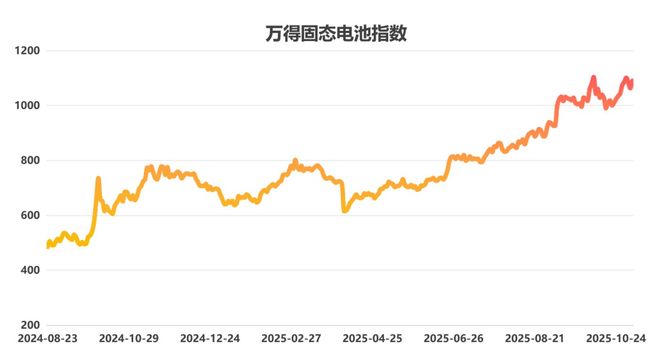
Core Insights - The keynote speech at the 10th International Summit on Power Battery Applications highlighted the "two fires" phenomenon in the power battery industry, emphasizing the need for caution against speculative trends and the importance of innovation and capital interaction [1][3][5] Group 1: Current Industry Status - China's power battery industry holds over 67% of the global market share, showcasing a complete industrial chain and leading technology, currently transitioning from scale expansion to high-quality development [3][6] - From January to September 2025, China's lithium battery sales reached 1067.2 GWh, reflecting a year-on-year growth of 55.8%, indicating strong market demand and robust supply capacity [6] Group 2: Key Drivers of Industry Leadership - The success of China's power battery industry is attributed to five key factors: policy guidance, market drive, supply chain integration, innovation support, and capital assistance [7][8] - National subsidies, amounting to approximately 200 billion yuan by 2021, played a guiding role, but the market's driving force became evident as subsidies began to decline [7] Group 3: Core Challenges Facing the Industry - The industry faces three main challenges: safety, cost reduction, and efficiency [9] - Safety concerns are critical, as incidents involving electric vehicles have raised public awareness and consumer apprehension [5][10] - Cost control is essential for achieving scalable profitability, with traditional cost-cutting methods becoming less effective [12][13] Group 4: Innovation and Technological Solutions - Incremental innovations, such as high-quality nanocellulose materials and new cooling liquids, are crucial for addressing safety issues within the industry [11][10] - The application of green technologies, like infrared heating, can significantly reduce energy consumption and enhance production efficiency [14] Group 5: The Role of Capital - Embracing capital is vital for innovation, with the capital market playing a significant role in the development of the power battery industry [8][19] - The industry must guide capital towards areas that require support, avoiding misallocation of resources [20][21] Group 6: Caution Against Speculation - There is a warning against the excessive speculation surrounding solid-state batteries, which may not reach large-scale commercialization for another 5 to 8 years [17][18] - The industry should not rely solely on solid-state batteries to solve safety issues, as manufacturing defects can lead to failures across all battery types [18]

AI巨头们的万亿美元债务去哪了?
Tai Mei Ti A P P· 2025-11-24 04:42
Core Insights - Meta plans to invest $60 billion in AI despite reporting a net profit of $37 billion in the first three quarters of 2025, highlighting the financial challenges faced by tech giants in the AI arms race [1][2] Financing Challenges - The need for massive funding for AI infrastructure, including expensive AI chips and data centers, poses a dilemma for tech giants on how to secure funds without negatively impacting their financial statements [2][3] - Morgan Stanley estimates that "invisible debt" could reach $800 billion by 2028, representing significant liabilities that do not appear on the balance sheets of these companies [2] SPV Financing Method - The Special Purpose Vehicle (SPV) financing method allows tech giants to isolate debt and optimize their financial reports by transferring the debt to a separate entity [3][4] - This method involves creating an SPV to borrow money using the parent company's credit, allowing the SPV to purchase assets and lease them back to the parent company, thus keeping the debt off the parent company's balance sheet [4] Examples of SPV Utilization - Meta successfully utilized this SPV method to increase its debt by $30 billion on its balance sheet while leveraging it to acquire $60 billion in computing assets [4] - Google has adopted a similar strategy by providing credit guarantees to weaker companies, allowing them to secure loans for data center assets, which are then leased back to Google [5] Circular Financing - The concept of circular financing allows companies to create a closed loop of capital flow among related parties, enhancing financial efficiency [7] - For instance, xAI established an SPV to raise $20 billion for purchasing NVIDIA chips, with minimal direct debt risk, showcasing the flexibility of this financing model [7] Industry Dynamics - Major tech companies are forming strategic alliances to create a tightly-knit capital community, which can amplify their financial capabilities and market influence [9][10] - Recent collaborations among giants like OpenAI, NVIDIA, and Oracle have resulted in over $1 trillion in infrastructure and chip agreements, indicating a trend towards deeper integration in the AI sector [9] Scaling Law and Market Sentiment - The pursuit of Scaling Law drives exponential growth in computing demand, benefiting companies like NVIDIA, which has seen significant revenue increases [15] - However, industry leaders express caution regarding potential irrational exuberance in AI investments, with warnings about the risks of a bubble [15][16] Capital Market Movements - Notable investors are shifting their strategies, with significant sell-offs in NVIDIA stock while simultaneously investing in AI applications and models, indicating a transition in focus from hardware to software [16][17] - This shift suggests that while financing challenges may be temporarily addressed, the competition in the AI landscape is just beginning, with a more intense focus on applications and models ahead [17]


AI会取代人类客服吗?
Tai Mei Ti A P P· 2025-11-24 04:22
Core Insights - The article discusses the transformative potential of large language models (LLMs) in enhancing e-commerce customer service, particularly through AI-driven chatbots that can understand complex user queries and provide personalized responses [1][2][9]. Group 1: Evolution of AI Customer Service - The initial attempts to improve e-commerce customer service through AI began in the early 2000s, using rule-based engines and later incorporating machine learning and natural language processing, but results were often unsatisfactory [2][4]. - Traditional chatbots struggled with understanding complex user intents and providing a satisfactory user experience, often leading to frustration [2][4]. Group 2: Advantages of Large Language Models - LLMs significantly enhance the ability of AI customer service to comprehend complex and ambiguous user requests, maintain conversation history, and recognize user emotions [2][3]. - The generative capabilities of LLMs allow for more natural and fluid conversations, enabling deeper engagement through multi-turn dialogues [2][3]. - LLMs can offer highly personalized service by analyzing user data such as browsing history and past interactions to generate tailored recommendations [2][3]. Group 3: Economic Impact - The potential economic benefits of replacing human customer service agents with AI are substantial, with estimates suggesting that the total labor cost for customer service in e-commerce could reach hundreds of billions [3][9]. - The cost of AI-driven customer service interactions is significantly lower, with estimates around 0.2 yuan per interaction, which is about 15% of the cost of human agents [3][9]. Group 4: Current Limitations and Challenges - Despite the potential, the adoption of LLMs in e-commerce customer service is still limited, with less than 30% of sampled merchants utilizing these technologies [4][9]. - Building and maintaining a comprehensive knowledge base is crucial for LLMs to function effectively, which poses challenges, especially for small and medium-sized businesses [4][5]. - The integration of LLMs with existing systems (e.g., order management, logistics) is complex and requires significant development efforts from e-commerce platforms [4][5]. Group 5: Future Prospects - As LLMs evolve, there is potential for them to take on more complex tasks beyond simple dialogue, including proactive engagement and decision-making in customer service [6][7]. - The shift from reactive to proactive customer service could significantly enhance user experience and operational efficiency in e-commerce [7][8]. - The role of customer service is expected to transform from a cost center to a core touchpoint for user engagement and transaction opportunities [8][9].
【数智产业周报】普京:俄应在生成式人工智能领域掌握全套自主技术;美银调查:超半数基金经理认为AI股票已经处于泡沫状态;阿里全力进军AI to C市场,千...
Tai Mei Ti A P P· 2025-11-24 04:08
Group 1 - UBS maintains an overweight rating on Chinese stocks, citing a healthy microeconomic environment and low leverage among companies investing in AI [2] - UBS predicts that AI stocks will see over 20% earnings growth per share in 2026, with AI beneficiaries in emerging markets contributing over 42% to returns by 2025 [2] - Jeffrey Gundlach warns of speculative behavior in the US stock market, particularly in AI and data center investments, calling the current market conditions unhealthy [3] Group 2 - Anthropic's CEO warns that generative AI could eliminate half of entry-level white-collar jobs, potentially raising unemployment rates to 10%-20% [4] - Elon Musk emphasizes that the real bottleneck in AI development is not funding or algorithms, but rather computing power and electricity [5] - NVIDIA's CEO states that the company will use its substantial cash flow for growth, stock buybacks, and investments, while also noting that the AI bubble is not present [6] Group 3 - Baidu reports Q3 revenue of 31.2 billion yuan, with AI business revenue growing over 50% year-on-year [14] - Kingsoft Cloud achieves Q3 revenue of 2.48 billion yuan, with a 31% year-on-year increase and its public cloud revenue growing by 49% [14] - OceanBase launches its first AI database, seekdb, designed for rapid AI application development [14] Group 4 - The Chinese low-altitude economy market is expected to reach 1.5 trillion yuan by 2025, driven by rapid growth in low-altitude equipment [28] - The first cross-city test flight of a 2-ton eVTOL aircraft in Guizhou marks a significant milestone in low-altitude logistics [29] - Over 1,200 5G factories have been built in China, with investments exceeding 50 billion yuan, showcasing the integration of 5G and industrial internet [30]

“豪赌”储能,1400亿光伏巨头,全面突围
Tai Mei Ti A P P· 2025-11-24 00:48
Core Viewpoint - The photovoltaic industry has entered a new phase as the storage sector experiences rapid growth, prompting leading companies like Longi Green Energy to diversify into energy storage [1][2]. Group 1: Longi Green Energy's Strategic Shift - Longi Green Energy plans to acquire Suzhou Jingkong Energy Technology Co., Ltd., marking its entry into the electrochemical energy storage sector [1]. - Previously, Longi Green Energy focused on hydrogen energy, establishing a subsidiary for hydrogen production in March 2021, but has now shifted its strategy due to the lack of significant progress in hydrogen business [6][9]. - The company's stock has rebounded significantly, with a nearly 20% increase year-to-date and over 60% since late June [2]. Group 2: Market Dynamics and Demand - Global demand for energy storage is expected to surge, with a projected 30% increase in battery shipments by 2026, reaching approximately 770 GWh [2]. - Morgan Stanley has revised its lithium market outlook from surplus to shortage, raising its 2026 lithium price forecast from 70,000 RMB/ton to 90,000 RMB/ton, with current prices exceeding 100,000 RMB/ton [2]. - The energy storage market is anticipated to grow significantly, particularly in China, which is expected to have 1,473 operational energy storage stations by the end of 2024, with a total installed capacity of 62.13 GW/141.37 GWh [11]. Group 3: Competitive Landscape - The energy storage sector is highly competitive, with established players like CATL, BYD, and Sungrow leading the market [12]. - Longi Green Energy's acquisition of Jingkong Energy is seen as a strategic move to quickly enter the energy storage market amid increasing competition and price wars [13]. - Jingkong Energy, founded in 2015, has a production capacity of 31 GWh and ranks third in global energy storage system shipments [13].

长视频重提生态
Tai Mei Ti A P P· 2025-11-24 00:39
Core Insights - The strategic value of ecosystem construction is increasingly emphasized by long video platforms, marking a shift towards practical implementation in response to industry challenges and the need for new growth paths [1][25] - Long video platforms are leveraging their accumulated IP resources to differentiate themselves from short video platforms, focusing on ecosystem building as a strategic upgrade [1] Tencent - Tencent Video's ecosystem is built on solid IP reserves and various industry ecosystems, emphasizing the need for quality content and meaningful brand communication [2] - The platform is transitioning from single project development to a systematic approach, exemplified by the "Tail Fish Universe" project, which aims for content interlinking and user retention [2][3] - Tencent Video has successfully created "small ecosystems" that influence both online and offline markets, as seen in the synergy between online content and offline events like stand-up comedy tours [5] iQIYI - iQIYI aims to establish a long-term ecosystem, evolving from the "apple tree" concept to the "apple orchard," encompassing various business areas like video, ticketing, and gaming [9] - The company has made significant strides in IP derivatives, achieving over 100 million yuan in sales for its self-operated card business in the first half of the year [11] - iQIYI is actively exploring offline experiences, such as immersive theaters and theme parks, to enhance the value of its IP and drive local economic development [13][15] Mango TV - Mango TV's ecosystem is uniquely centered around nurturing and operating "people" as core assets, leveraging its media roots and star-making system [16] - The platform has successfully monetized its IP through merchandise, with the "Yuanren" IP generating over 100 million yuan in sales [19] - Mango TV's new strategies focus on creating personal IP studios and fostering collaboration among creators, artists, and hosts to maintain influence across various platforms [21] Youku - Youku is prioritizing content system construction, expanding its production capabilities and focusing on original series to enhance content quality [22][24] - The platform is implementing a systematic talent development approach, including various support programs for writers and directors to ensure sustainable content output [24] - Youku's strategy reflects a phased approach, currently solidifying its content foundation while preparing for future ecosystem collaboration [24][25]




创新药10年冰火淬炼:千亿BD交易背后的繁荣和挑战(上)丨2025·大复盘
Tai Mei Ti A P P· 2025-11-24 00:06
Core Insights - The Chinese innovative pharmaceutical industry is experiencing significant transformation, marked by substantial licensing deals and a shift towards global leadership in quality over quantity [2][3][6] - The total amount of License-out upfront payments has surpassed that of the primary market for the first time, indicating a shift in funding dynamics within the industry [13][31] - Despite the growth, there are underlying challenges such as a lack of clinical development capabilities and the undervaluation of early-stage pipelines, leading to a phenomenon of "selling seedlings at a discount" [16][20][24] Group 1: Industry Growth and Transactions - In 2025, the total amount of License-out transactions in China is expected to exceed that of the U.S. by 3.2 times, reflecting a rapid acceleration in drug approvals and a surge in innovative drug development [3][6] - The total amount of BD transactions in the Chinese pharmaceutical sector has surpassed $100 billion, with a significant increase in both the number of deals and transaction values [8][11] - Major transactions include a $125 billion collaboration between Hengrui Medicine and GSK, a $114 billion partnership between Innovent Biologics and Takeda, and a $61.5 billion deal between 3SBio and Pfizer, positioning these deals among the largest in global innovative drug licensing [9][10] Group 2: Challenges and Market Dynamics - The industry faces a stark divide, with leading companies achieving profitability while smaller biotech firms struggle with funding and development risks, leading to a survival of the fittest scenario [28][31] - The proportion of License-out transactions for late-stage clinical projects has only slightly increased, indicating ongoing challenges in clinical development capabilities [16][20] - The gap in clinical trial design and execution between Chinese companies and multinational corporations (MNCs) remains significant, impacting the ability of domestic firms to retain control over late-stage assets [19][21][24] Group 3: Financial Performance and Market Reactions - Innovative drug companies in China reported a revenue increase of 22.1% year-on-year in the first three quarters of 2025, with a notable reduction in net losses [28][31] - The market is becoming more discerning, focusing on clinical value and commercialization potential rather than short-term trading excitement, leading to a more cautious approach to BD transactions [32][33] - The capital market's response to BD transactions has been mixed, with significant deals not necessarily translating into sustained stock price increases, highlighting the need for long-term value realization [32][33]



今年广州车展,一堆“豆包”上车了 | 巴伦精选
Tai Mei Ti A P P· 2025-11-23 08:04
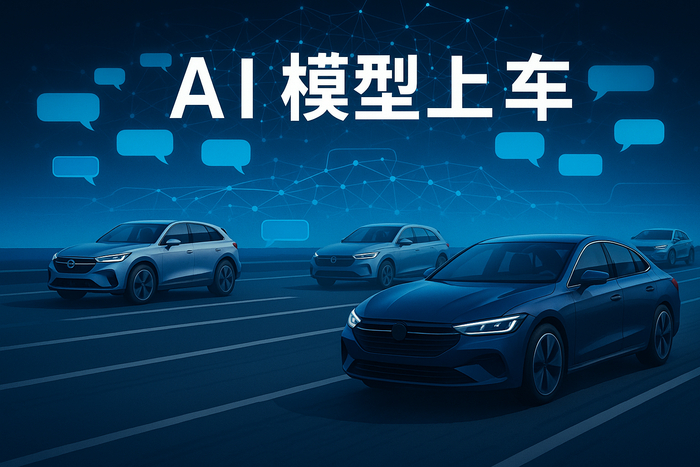
Core Insights - The competition in the smart car industry is shifting from hardware capabilities to the sophistication of AI models, with the "Doubao" model leading in adoption among new mass-produced vehicles set to launch in 2025 [2][3][9] - The integration of large models into vehicles is moving from a novelty to a necessity, with companies focusing on the usability and effectiveness of these AI systems rather than just their presence [3][9] Industry Trends - The 2023 Guangzhou Auto Show highlighted a significant increase in the deployment of AI models in vehicles, with the "Doubao" model being integrated into a wide range of cars from luxury brands like Mercedes and Audi to mainstream models from Roewe and Changan Mazda [2][3][5] - The shift in power dynamics within the automotive industry is evident, as companies now prioritize the robustness of their AI model foundations and the real-world data they can leverage over traditional hardware specifications [3][7] Product Innovations - The "Doubao" model enhances user interaction in vehicles, exemplified by its implementation in the Mercedes-Benz EQ CLA, which improves interaction efficiency by 50% and can recognize four emotional states [5][6] - Other models, such as the Roewe M7 DMH, utilize the "Doubao" model for complex command execution, demonstrating the ability to understand nuanced language and perform multiple actions in response to a single command [6][7] Strategic Partnerships - Fire Mountain Engine has expanded its partnerships with major automotive brands, including Mercedes, BMW, and Volkswagen, integrating its AI capabilities into various aspects of vehicle operation and customer engagement [7][8] - The collaboration with Mercedes illustrates a comprehensive approach, extending beyond in-car systems to include digital marketing and customer lifecycle management [7][8] Future Outlook - The competitive landscape for AI in vehicles is still evolving, with the true measure of success lying in the ability to deeply integrate AI models into practical use cases and continuously iterate based on real-world data [9][10] - The challenge for Fire Mountain Engine will be to maintain its leading position while allowing automotive companies to retain brand identity and control over their technology [10]
PayPal成立广告部门一年了,现在怎么样了?
Tai Mei Ti A P P· 2025-11-23 04:44
Core Viewpoint - PayPal has made significant strides in developing its advertising business, transforming it into a standalone business unit with a comprehensive product line, indicating a shift from skepticism to recognition of its potential profitability [2][3][20]. Group 1: Development of PayPal Ads - Over the past year, PayPal has established its advertising business as a complete business unit, led by Mark Grether, and has introduced various advertising products including Onsite Ads, Offsite Ads, and Ads Manager [2][5][7]. - The Brand Experiences segment, which includes advertising, contributed 2 percentage points to revenue growth in PayPal's Q2 2025 financial report, comparable to contributions from established services like P2P and Venmo [2]. Group 2: Market Context and Growth Potential - The retail media advertising sector is experiencing rapid growth, with projected revenues of approximately $53.7 billion in the U.S. for 2024, reflecting a 23% year-over-year increase [8]. - eMarketer forecasts that U.S. retail media ad spending will approach $59 billion in 2025 and reach $69.3 billion by 2026, indicating a strong market opportunity for PayPal [8]. Group 3: Competitive Landscape - PayPal's advertising strategy leverages its extensive transaction data, which is a competitive advantage over traditional retailers and content platforms that lack such comprehensive data [10][12]. - Other companies, including JPMorgan Chase and Uber, are also entering the advertising space, highlighting the competitive nature of this emerging market [9][10]. Group 4: Limitations and Challenges - Despite its advantages, PayPal's advertising business faces limitations due to the lack of a high-frequency entry point or a strong content ecosystem, which are critical for driving significant ad revenue [16][20]. - The advertising products currently offered do not create new traffic sources but rather optimize existing ones, making it challenging for PayPal to establish itself as a major player in the advertising market [17][20]. Group 5: Future Outlook - While the advertising business is expected to provide a stable source of profit, it is unlikely to transform PayPal's overall business model or valuation framework significantly [20][21].

*ST沐邦的3年,“破产速成班”
Tai Mei Ti A P P· 2025-11-23 04:40
Core Insights - The case of *ST Muban illustrates the risks of blind cross-industry investments, particularly in the capital-intensive photovoltaic sector, leading to bankruptcy restructuring within three years of entering the market [1][2][6] Group 1: Company Overview - *ST Muban, originally a toy company, transitioned into the photovoltaic industry in 2022 amid declining growth in its core business, driven by a speculative mindset [2][3] - The company aimed to focus on monocrystalline silicon rod and wafer production but failed to deliver competitive technological results, struggling to keep pace with rapid industry advancements [2][3] Group 2: Financial Challenges - Since entering the photovoltaic sector, *ST Muban's capital expenditures surged, with interest-bearing debt increasing over 300% compared to pre-transition levels, while revenue growth lagged significantly [4][5] - The company faced a cash flow crisis due to a mismatch between investment and returns, leading to investigations for financial data misrepresentation and subsequent debt crisis [4][5] Group 3: Industry Context - The photovoltaic industry is characterized by rapid technological evolution and significant capital requirements, making it challenging for new entrants without established technical expertise [6][7] - The case of *ST Muban reflects a broader trend where numerous companies entering the photovoltaic market face operational difficulties, with many already exiting the sector [6][7] Group 4: Future Outlook - The restructuring process for *ST Muban may not guarantee recovery, as the company must find strategic investors and viable plans within a competitive and oversupplied market [6][7] - Successful companies in the photovoltaic sector, such as Trina Solar and JinkoSolar, continue to expand by leveraging technological advantages and maintaining a focus on core competencies, contrasting sharply with *ST Muban's approach [7]
