汽车商业评论

Search documents
岚图泰山,与时代脊梁共“争峰”
汽车商业评论· 2025-11-19 23:08
Core Viewpoint - The article highlights the launch of the new Lantu Taishan model by Lantu Automotive, marking a significant step into the luxury SUV market, aiming to challenge established brands and showcase China's advancements in automotive technology [5][7][9]. Product Launch and Market Positioning - Lantu Taishan was officially launched on November 18, with four models priced between 379,900 to 509,900 yuan, including a limited edition "Black Warrior" model set to release in Q1 next year [5]. - The launch signifies Lantu's ambition to penetrate the luxury SUV market, particularly the 500,000 yuan segment, and represents a milestone for Chinese automotive brands in the high-end market [7][9]. Competitive Landscape - The luxury six-seat SUV market is experiencing intense competition, with the number of key models increasing from 4 to nearly 20 within three years, indicating a significant growth in sales volume [11]. - Lantu Taishan aims to compete with models like Li Auto L9, AITO M9, and Zeekr 9X, leveraging its strong product capabilities to establish itself as a flagship model [9][11]. Technological Innovations - Lantu Taishan features China's first three-chamber air suspension system, previously exclusive to high-end brands like Rolls-Royce and Porsche, showcasing a significant technological advancement for domestic brands [13]. - The vehicle is equipped with Huawei's latest intelligent driving system, achieving a milestone in autonomous driving capabilities, which enhances its competitive edge in the market [16][17]. Sales Performance and Growth - Lantu Automotive has achieved a remarkable growth trajectory, reaching a cumulative delivery of 300,000 vehicles, with an 82% year-on-year increase in deliveries from January to October this year [26][28]. - The company has established a comprehensive product lineup across various segments, including sedans, SUVs, and MPVs, positioning itself as one of the most complete high-end new energy brands in China [28][29]. Future Prospects - Lantu plans to go public on the Hong Kong Stock Exchange by August 2025, marking a significant milestone for the company and the broader industry, as it aims to redefine the luxury automotive landscape in China [31]. - The launch of Lantu Taishan is seen as a pivotal moment for the company, setting a benchmark for state-owned enterprises in the new energy vehicle sector and demonstrating the potential for rapid transformation and innovation [31].


雷诺,打不过就加入中国队
汽车商业评论· 2025-11-19 23:08
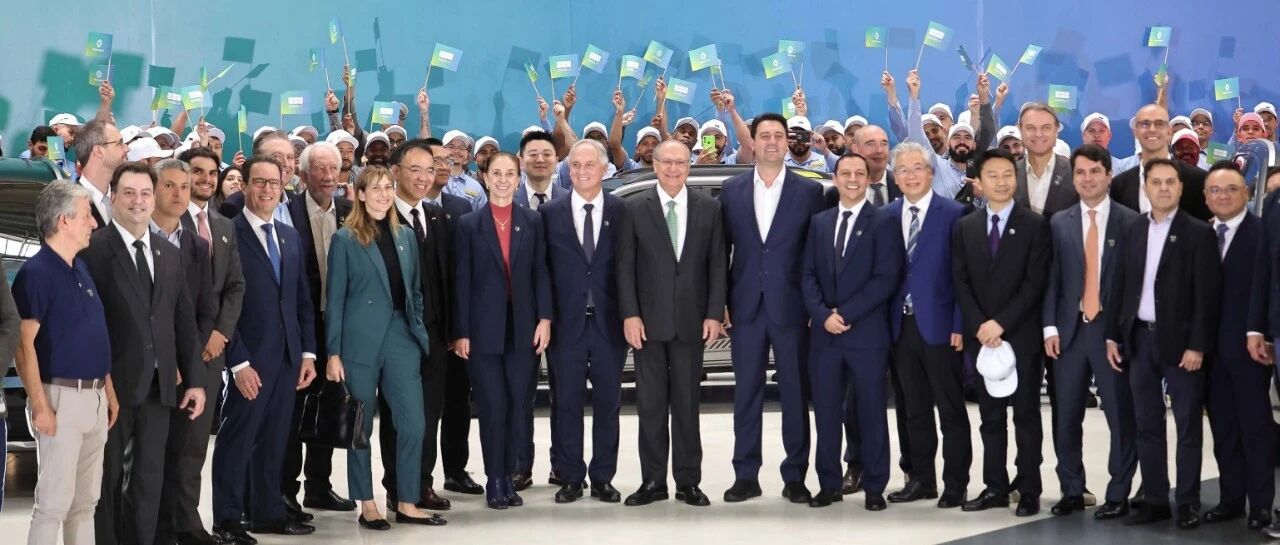
Core Viewpoint - The collaboration between Geely and Renault in Brazil represents a strategic move to enhance their positions in the South American automotive market, focusing on electric and low-emission vehicles while leveraging each other's strengths in distribution and technology [4][5][17]. Investment and Development - Geely and Renault announced a joint investment of 3.8 billion Brazilian Reais (approximately 714 million USD) to establish a new industrial park in Brazil for developing new vehicle models [4][8]. - Part of the investment will support the development of Geely's new zero-emission and low-emission vehicle platform, with mass production expected in the second half of 2026 [8]. - The remaining funds will be used to upgrade existing Renault models and launch another new model by 2027 [9]. Strategic Partnership - Geely will acquire a 26.4% stake in Renault's Brazilian operations, while Renault will maintain control, allowing Geely to integrate Renault's established distribution and local R&D resources [9]. - This partnership aims to enhance local production, supply chain operations, sales, and after-sales service capabilities to support long-term market development [14]. Market Dynamics - The collaboration is seen as a response to the increasing competition from Chinese brands in the automotive sector, with Renault aiming to expand its business beyond Europe into South America [17]. - Brazil is identified as a key market for both companies, with significant potential for growth, especially in the electric vehicle segment, which saw a doubling of exports from China last year, reaching 152,000 units [18]. Historical Context and Future Outlook - This partnership builds on previous collaborations, including a framework agreement signed in January 2022 and a stake acquisition in Renault Korea, which has already shown positive results in sales growth [20][22]. - The establishment of a new powertrain technology company, HORSE Powertrain Limited, is expected to generate nearly 15 billion Euros in annual revenue, further solidifying the partnership's technological foundation [24]. Industry Trends - The collaboration reflects a broader trend where international brands are increasingly seeking partnerships with Chinese manufacturers to gain competitive advantages in electric vehicle technology [28][29]. - The shift in dynamics indicates that Chinese companies are now seen as leaders in technology and efficiency, prompting traditional automakers to explore joint ventures for market entry and technological exchange [29].

最后一块电动车新大陆,中国先上岸
汽车商业评论· 2025-11-18 23:08
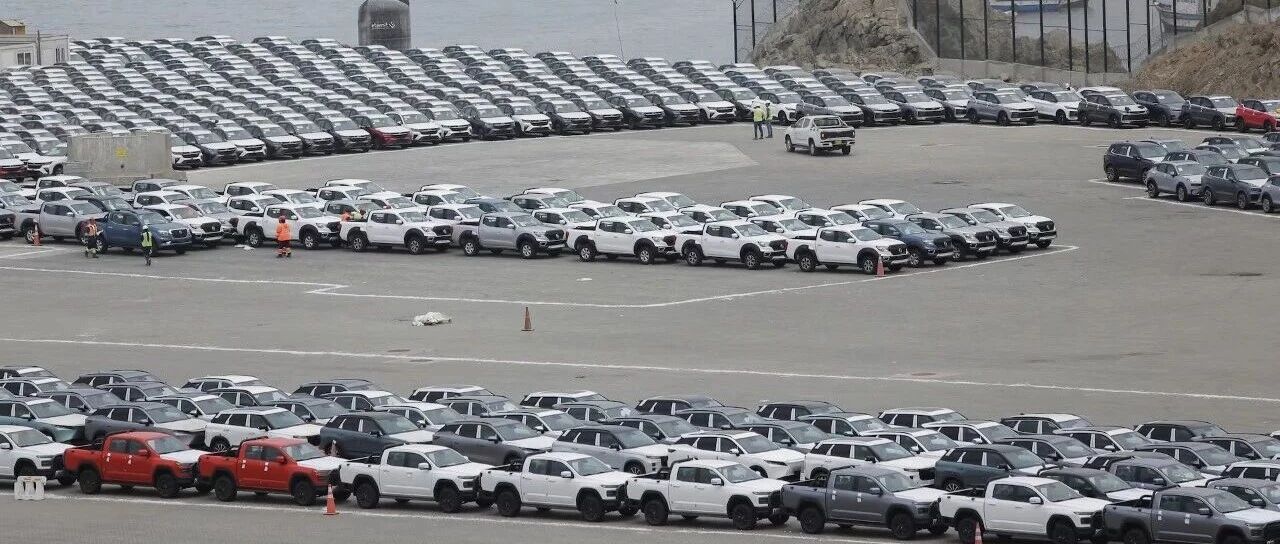
Core Viewpoint - The electric vehicle (EV) market in South America is experiencing rapid growth, with a significant increase in market penetration and a shift in consumer preferences away from traditional fuel vehicles, despite the absence of Tesla as a major player in the region [4][21]. Group 1: Market Growth and Trends - The electric vehicle penetration rate in Latin America has doubled from approximately 2% to 4% in 2024, significantly outpacing the global average [4][5]. - Brazil remains the largest automotive market in Latin America, with EV sales exceeding 125,000 units in 2024, accounting for over 6% of the local passenger car market [7]. - Countries like Uruguay, Costa Rica, and Colombia have seen EV penetration rates surpassing 10% [7]. - Chile recorded a 10.6% share of EVs in new car registrations by September 2025, while Brazil reached 9.4% in August of the same year [7]. Group 2: Consumer Behavior and Cost Structure - The shift in consumer behavior towards EVs is driven by changes in cost structures, with local electric vehicles priced at about 60% of Tesla's models [8]. - Increased awareness of operational cost advantages, such as lower charging and maintenance costs, is influencing consumer decisions [8][9]. - The practicality of EVs as a commuting option is becoming more appealing as purchase and usage costs are clarified [9]. Group 3: Supply Chain and Local Manufacturing - The opening of the Chancay Super Port in Peru has halved the shipping time for vehicles from Asia, facilitating the entry of foreign brands into the South American market [12]. - Brazil's government is reinstating higher import tariffs on EVs, prompting companies to ramp up local manufacturing and import volumes before the tax increase takes effect [13]. - Companies like Great Wall Motors are establishing local factories, indicating a strategic shift towards local production to enhance competitiveness in the region [15]. Group 4: Competitive Landscape - Tesla's market presence in South America is minimal, with the company lacking official import channels in countries like Peru, allowing other brands to fill the void [18]. - Chinese brands, including BYD, are leading in EV sales across several South American countries, while traditional automakers are adapting by introducing hybrid and electric models [19]. - The competitive landscape is evolving, with new entrants leveraging pricing and distribution advantages to challenge established brands [21].

汽车企业的终局
汽车商业评论· 2025-11-18 23:08
Core Viewpoint - The article discusses the transformative changes in the Chinese automotive industry post-2020, highlighting the rise of new energy vehicles and the entry of tech companies into the automotive space, which poses significant challenges to traditional automakers [4][5]. Group 1: Industry Transformation - The penetration rate of new energy smart connected vehicles is rapidly increasing, while the traditional fuel vehicle market is shrinking [4]. - New entrants like NIO, Xpeng, and Li Auto, along with tech giants such as Huawei and Xiaomi, are reshaping the competitive landscape with an "ecosystem + technology" approach [5]. - GAC Group is initiating comprehensive reforms starting from the end of 2024, focusing on an integrated strategy called "Panyu Action" to address the challenges of transformation [6]. Group 2: GAC Group's Strategic Moves - GAC Group's product head, Zhang Xiong, emphasizes the need for automotive companies to understand their ultimate purpose in the industry [7]. - GAC has re-established and deepened its partnership with Huawei to create a new high-end smart electric vehicle brand called "Qijing," which will focus on the market above 300,000 yuan [10]. - The new collaboration with Huawei adopts an "embedded cooperation" model, where GAC handles manufacturing and service, while Huawei provides comprehensive smart solutions [10]. Group 3: Product Development and User-Centric Approach - GAC is reforming its product development process to be more user-centric, moving away from engineer-led definitions to a model that closely aligns with user needs [15]. - The company is actively engaging with users to gather feedback and improve products, demonstrating a commitment to listening to consumer voices [15]. - GAC is also repositioning its product lines to better meet the diverse and personalized demands of consumers [15]. Group 4: Future of Automotive Technology - The article discusses the critical role of battery technology in the automotive industry, with LFP batteries currently dominating the market due to their cost advantages [19]. - GAC is investing heavily in solid-state battery technology, which is seen as the next breakthrough in power batteries, although it faces challenges in industrialization [21]. - The integration of AI and smart manufacturing is highlighted as essential for the future of automotive companies, with GAC focusing on becoming a "technology-driven automotive group" [18]. Group 5: Autonomous Driving and AI Integration - GAC is making significant strides in autonomous driving, with plans to commercialize L3 and L4 level technologies, aiming for a large-scale rollout by 2026-2027 [27]. - The company is also working on integrating large models into vehicle systems to enhance user experience and operational efficiency [26]. - The future of automotive mobility is expected to shift towards more intelligent and shared transportation solutions, fundamentally changing traditional business models [28].


这两款现象级车,我们没想到
汽车商业评论· 2025-11-17 23:07
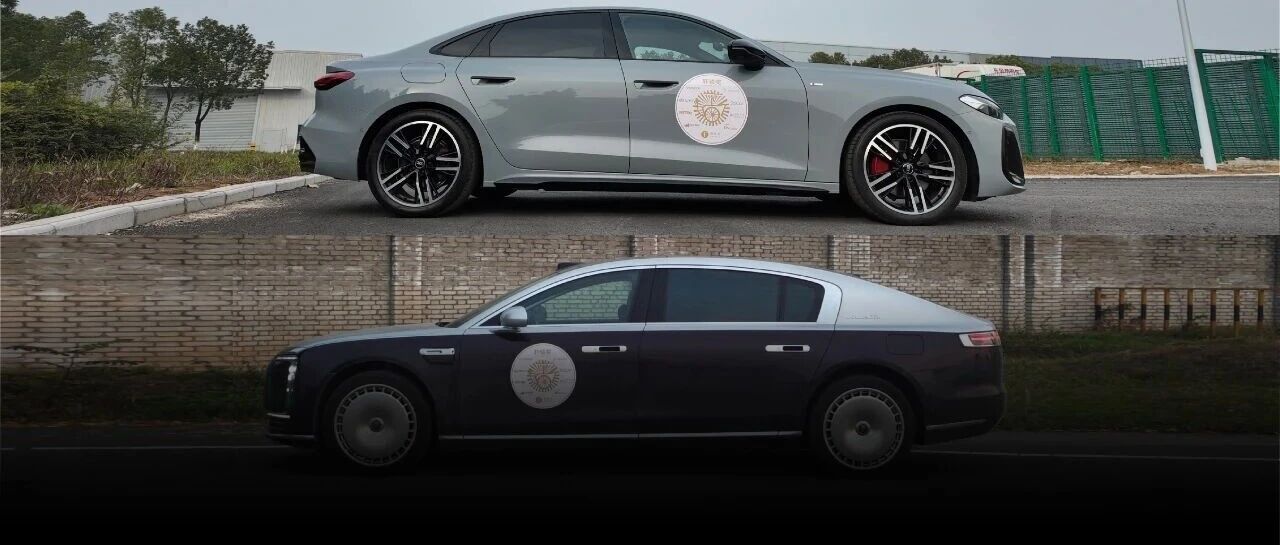
Group 1: Core Insights - The article discusses the impressive market performance of two vehicles: the Zun Jie S800 and the new Audi A5L, highlighting their significance in understanding market trends [4][6]. - The Zun Jie S800 redefines ultra-luxury by integrating Huawei's advanced technology and smart ecosystem, offering an unprecedented sensory experience [7][9]. - The pricing strategy of the Zun Jie S800, reaching around 1 million yuan, allows for the use of premium materials and craftsmanship, enhancing its luxury appeal [7][9]. Group 2: Zun Jie S800 Analysis - The Zun Jie S800 is positioned not as a competitor to traditional luxury cars like the Mercedes S-Class or BMW 7 Series, but as a complementary option for affluent buyers seeking a unique addition to their collection [11][12]. - The vehicle has achieved nearly 3,000 monthly sales, indicating a shift from competition to a new value space in the market [11]. - The demand for intelligent features among high-end consumers is evident, with the Zun Jie S800 focusing on delivering a compelling smart experience [11][12]. Group 3: Audi A5L Analysis - The new Audi A5L, including its sister model A5 L Sportback, has achieved a remarkable monthly sales figure of 8,000 units, despite the shrinking market for fuel vehicles [14][16]. - By integrating the A4 and A5 product lines, Audi has effectively positioned the A5L at a price point similar to the A4 (approximately 350,000 to 450,000 yuan), providing an upgrade without additional cost [16]. - The A5L's design and driving experience emphasize a return to pure driving pleasure, which is increasingly rare in a market focused on acceleration performance [18][19].
85人团队叫板特斯拉,“日本小鹏”估值狂奔
汽车商业评论· 2025-11-17 23:07
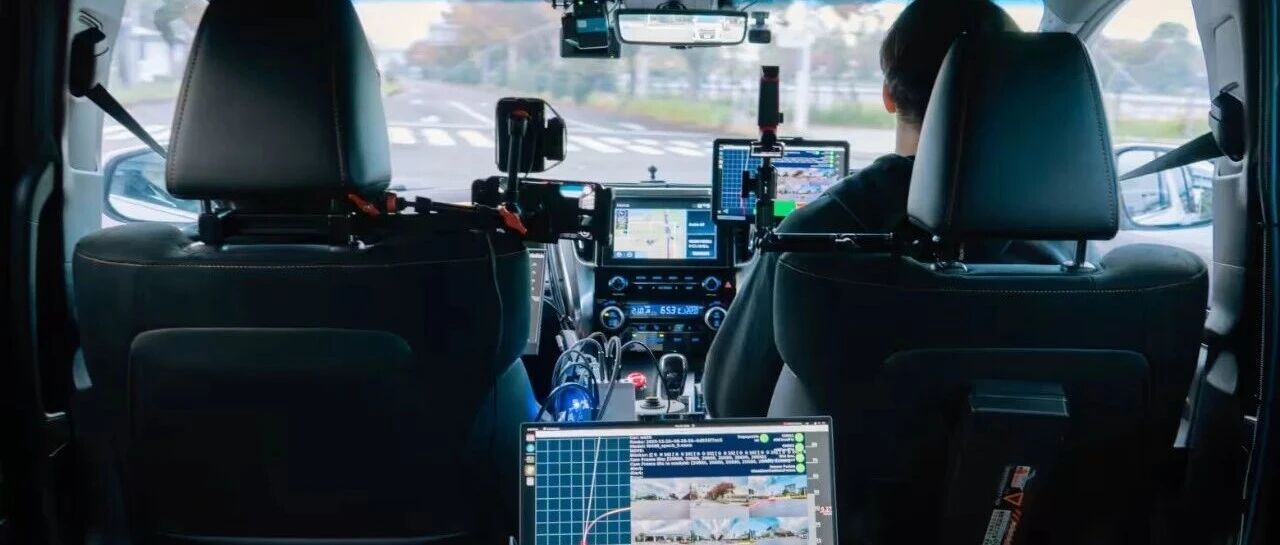
Core Insights - Turing, a Japanese autonomous driving startup, has completed a Series A funding round of approximately 15.3 billion yen (about 63 million USD), with investors including Toyota Group and Denso, leading to a valuation of nearly 388 million USD, quadrupling in a year [4][7][14] - The partnership between Turing and Denso marks a significant step in Japan's autonomous driving landscape, combining AI innovation with traditional automotive supply chains [4][9][19] Funding and Investment - The Series A funding includes a 5.5 billion yen syndicated loan, aimed at algorithm development, computational infrastructure, and mass production validation [7][8] - Turing's investor lineup includes traditional automotive giants and tech firms, indicating a broadening of its influence across various industry sectors [7][8] Technological Approach - Turing's strategy focuses on an end-to-end deep learning model for autonomous driving, relying solely on camera data without high-definition maps, contrasting with the incremental ADAS improvements favored by many Japanese automakers [8][12] - The company aims for Level 5 fully autonomous driving by 2029, with ongoing projects like the Tokyo30 initiative to demonstrate continuous autonomous driving in urban settings [12][14] Market Context - Japan's regulatory environment has evolved to support autonomous driving, with recent laws enabling Level 4 autonomous services, yet traditional automakers remain cautious in their adoption [17][18] - Turing's collaboration with Denso could serve as a model for integrating AI-driven solutions into existing automotive frameworks, potentially accelerating the deployment of autonomous vehicles in Japan [19][20] Strategic Implications - The partnership is seen as a strategic move for Denso to maintain relevance in a rapidly evolving automotive landscape, where software-defined vehicles are becoming increasingly important [9][19] - Turing's unique positioning as a "vehicle manufacturer born in the Reiwa era" emphasizes its ambition to redefine the automotive experience through AI, setting it apart from traditional Japanese projects [13][14]

特斯拉向死对头低头了
汽车商业评论· 2025-11-16 23:07
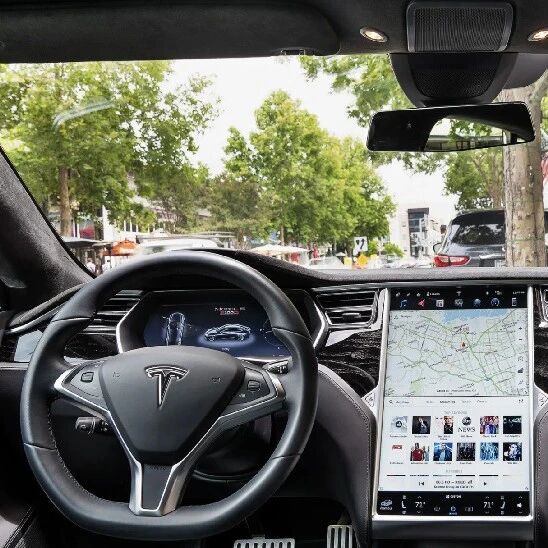
Core Viewpoint - Tesla, once a staunch opponent of CarPlay, is now testing its integration, indicating a shift in strategy driven by market pressures and user demands [4][6][13]. Group 1: Market Pressures - Tesla faces intensified competition, declining vehicle demand, and the expiration of government EV subsidies, which are compressing profit margins [6]. - The company is exploring various strategies, including launching lower-priced models and entering the car rental market, to navigate these challenges [6][13]. Group 2: User Demand - Tesla's refusal to support CarPlay and Android Auto has been a significant pain point for users, particularly in the U.S. market, where Apple holds nearly half of the smartphone share [16]. - Research indicates that about one-third of car buyers would abandon a vehicle lacking CarPlay or Android Auto, highlighting the critical nature of these features [16][19]. Group 3: Strategic Shift - Tesla's decision to adopt CarPlay, albeit in a limited capacity, reflects a calculated strategic pivot rather than a capitulation [20]. - The integration of CarPlay could attract consumers who prioritize smartphone connectivity, providing Tesla with a unique competitive advantage [23]. Group 4: Industry Dynamics - Other automakers are moving away from CarPlay to promote their subscription services, indicating a broader industry trend [21]. - Despite the resistance from competitors, Tesla's acceptance of CarPlay could set a precedent, challenging other manufacturers to justify their stance against it [23][24].

汽车销售进入“混搭”时代
汽车商业评论· 2025-11-16 23:07
Core Insights - The article highlights the challenges faced by traditional car dealers in China, with a significant increase in losses and a decline in the number of dealerships, indicating a tough market environment for them [4][5][6] - It discusses the shift towards new sales models, including direct sales and online platforms, as traditional manufacturers and new players explore innovative ways to connect with consumers [5][6][34] - The article emphasizes the importance of user-centric strategies and the need for traditional car manufacturers to adapt their sales channels to meet changing consumer preferences [28][34][56] Group 1: Traditional Dealers' Challenges - In the first half of 2025, 52.6% of car dealers reported losses, with only 29.9% achieving profitability, highlighting a dire situation for traditional dealerships [4] - A staggering 74.4% of dealers experienced price discrepancies, with 43.6% facing price drops exceeding 15% [4] - The number of 4S dealerships in China decreased by 1.9% in the first half of 2025, totaling 4,419 closures in 2024 [4] Group 2: Shift in Sales Models - The launch of the "Auto Home Mall" by Auto Home, featuring 15 brands, signifies a move towards online sales platforms [5] - The introduction of the Aion UT super by JD.com, in collaboration with GAC Group and CATL, reflects a new model for car sales and after-sales services [5] - Traditional manufacturers are increasingly open to new sales channels, indicating a shift away from the historically strong ties with dealers [5][6] Group 3: Direct Sales and User Engagement - Great Wall Motors' transition to a direct sales model for its WEY brand marks a significant change in its sales strategy, focusing on user engagement [6][8] - The "Long Wall Smart Choice" initiative aims to enhance user experience by establishing a direct connection between manufacturers and consumers [12][14] - The need for a user-centric approach is emphasized, with manufacturers urged to adapt their organizational structures and decision-making processes to better serve consumers [34][35] Group 4: New Players and Hybrid Models - New energy vehicle brands like NIO and Firefly are exploring hybrid sales models, combining direct sales with authorized dealerships to enhance market reach [42][48] - Xiaopeng Motors has initiated a "Jupiter Plan" to expand its dealer network, indicating a shift towards a more flexible sales strategy [50] - Leap Motor has established a channel strategy that balances direct sales and dealership networks, achieving significant sales growth [53]


这一次,中国年度汽车如何评选?
汽车商业评论· 2025-11-15 23:06
Core Viewpoint - The article discusses the successful conclusion of the 13th Xuanyuan Award evaluation, emphasizing the importance of independence in the automotive industry amidst increasing competition and diverse technological routes [5][7][12]. Group 1: Xuanyuan Award Overview - The 13th Xuanyuan Award evaluation took place over ten days of testing and two days of final review, with the winners to be announced on December 20 in Beijing [4][12]. - The award aims to recognize the "Chinese Car of the Year" and serves as a platform for discussing future automotive trends [12]. Group 2: Evaluation Process - The evaluation process adhered to three principles of independence, ensuring that it remains free from commercial influence, relationships, and power [5][7]. - A total of 40 nominated models were selected for testing, which included static and dynamic assessments conducted by professional teams [16][13]. - The testing covered various aspects such as dynamic control, assisted driving, intelligent cockpit experience, and scenario adaptability [14][29]. Group 3: Expert Involvement - The evaluation involved a diverse panel of experts, including professors and industry veterans, who contributed to the assessment of the nominated vehicles [20][42]. - The final review included detailed reports from five specialized testing teams, focusing on different evaluation dimensions [23][40]. Group 4: Results and Future Directions - The first round of voting identified the sole "Chinese Car of the Year," while further discussions determined the final spot for the "Top 10 Cars of the Year" [46][48]. - The evaluation concluded with a total meeting duration of ten hours, highlighting the thoroughness of the process [52]. - Experts expressed intentions to enhance the evaluation process in the following year, indicating a commitment to continuous improvement [54][57].
通用要求供应商“去中国化”
汽车商业评论· 2025-11-14 23:06
Core Viewpoint - General Motors (GM) is instructing thousands of suppliers to eliminate reliance on the Chinese supply chain by 2027, aiming to enhance supply chain resilience and reduce dependency on China for critical components [4][5][16]. Group 1: General Motors' Strategy - GM has been working on increasing supply chain resilience for years, focusing on local sourcing of components [5]. - The company has initiated efforts to secure domestic semiconductor supply chains, evidenced by a long-term agreement with GlobalFoundries to reserve capacity for critical chips [10]. - GM is investing in local resources for battery raw materials, including a nearly $950 million joint venture with Lithium Americas to develop a lithium mine in Nevada [11][13]. - The company is also establishing partnerships for cobalt and nickel supplies, aiming to build a reliable supply chain within North America and allied nations [11][13]. - GM's strategy includes reducing reliance on Chinese processed materials, particularly in rare earth elements, which are crucial for electric vehicles [13][14]. Group 2: Ford's Position - Ford's electric vehicle battery technology heavily relies on Chinese suppliers, including a partnership with CATL for LFP battery technology in Michigan [18][19]. - Regulatory scrutiny has arisen regarding Ford's collaboration with CATL, prompting the company to seek additional partnerships with North American lithium suppliers [24][25]. - Ford's sales in China have decreased, with 2024 projections showing a drop to 440,000 units, while still achieving $600 million in profit due to exports [36][37]. Group 3: Market Dynamics and Trends - Both GM and Ford have not increased investments in China like their Japanese and German counterparts, with GM's market share in China declining from 12-13% pre-pandemic to 8-9% in 2023 [30][32]. - The ongoing U.S.-China trade tensions are reshaping the automotive supply chain, pushing companies to localize production while still relying on Chinese components due to cost advantages [41][44]. - The evolving international landscape will have significant implications for global automotive supply chains and corporate strategies in the coming years [44].