汽车商业评论

Search documents
不止突破当下,上汽聚焦下一个增长引擎
汽车商业评论· 2025-06-08 10:37
Core Viewpoint - The automotive industry is undergoing significant changes as companies like Geely, NIO, and BYD are consolidating brands and focusing on strategic adjustments to survive in a highly competitive market [4][6]. Group 1: Strategic Focus and Transformation - SAIC Motor Corporation has initiated a comprehensive transformation strategy termed "resource focus, grip into a fist" to tackle market challenges, which began in mid-2024 [6][8]. - The new management team, led by Chairman Wang Xiaoqiu and President Jia Jianxu, is focusing on user-oriented transformation and building an SAIC ecosystem [8]. - The merger of the Roewe and Feifan brands marks the beginning of resource integration, which involves a systematic change across personnel, resources, and processes [9][10]. Group 2: Implementation of the "Large Passenger Vehicle" Strategy - By the end of 2024, SAIC plans to implement a comprehensive reform plan that includes five strategic tasks and key measures, emphasizing the importance of self-owned brands [12]. - The establishment of the "Large Passenger Vehicle" segment aims to optimize resource allocation and enhance efficiency, allowing for rapid market response and dynamic adjustments [13][14]. - The integration of R&D resources is expected to break down barriers between brands, leading to faster product development cycles, with a 30% reduction in development time for new energy vehicles [25][26]. Group 3: Market Performance and Growth - From January to May 2024, SAIC achieved a wholesale volume of 1.687 million vehicles, a year-on-year increase of 10.5%, with a notable 62.8% increase in domestic sales in May [30]. - The sales of SAIC's self-owned brands reached 1.081 million units, representing a 21.9% increase, and accounted for 64% of total sales, up 6 percentage points from the previous year [30]. - The implementation of the resource focus strategy has led to a significant increase in operational efficiency, with a 75% commonality rate in parts, reducing production costs and streamlining processes [31][33]. Group 4: Profitability and Future Outlook - In Q1 2025, SAIC reported a net profit of 3.02 billion yuan, reflecting an 11.4% year-on-year increase, demonstrating the effectiveness of the resource focus strategy [34]. - The growth in sales and improved cost management have provided a solid financial foundation for further investments in technology and market expansion, enhancing the company's competitive edge [34].


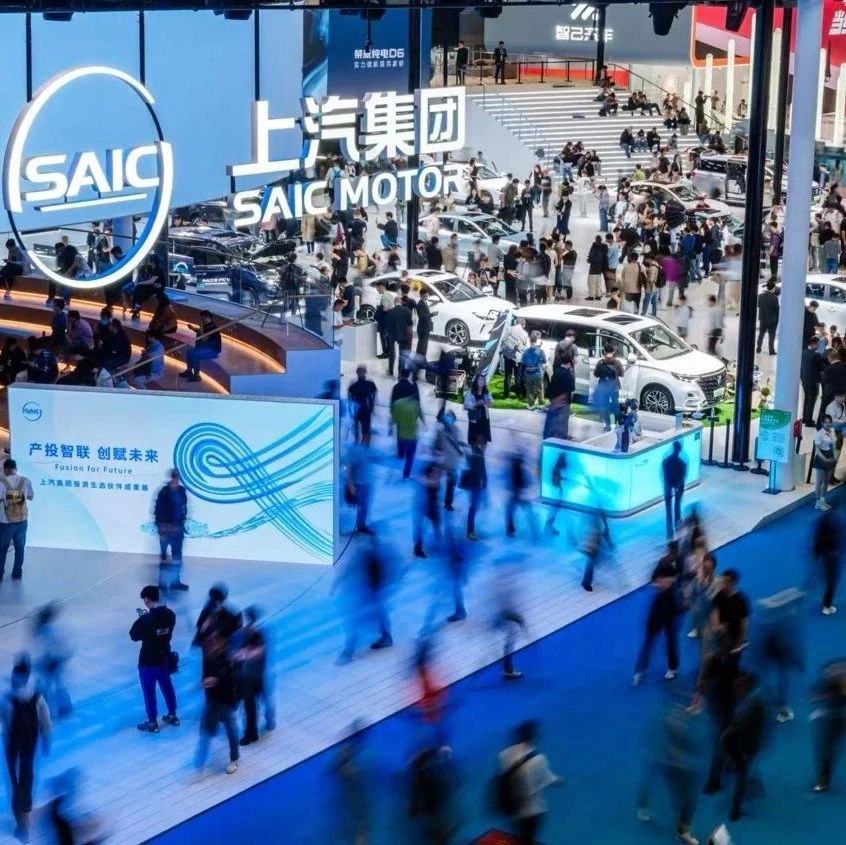
撕破脸!重庆论坛另类“天时地利人不和”
汽车商业评论· 2025-06-08 10:37
Core Viewpoint - The article discusses the challenges and competitive dynamics within the Chinese automotive industry, highlighting the detrimental effects of "involution" and the need for a shift towards innovation and quality over price competition [4][5][8]. Group 1: Industry Competition and Challenges - The Chinese automotive industry is experiencing a significant price war, with over 200 models expected to see price reductions in 2024, and more than 60 models already reduced in the first four months of 2025 [8]. - The average profit margin in the industry has dropped below 4%, indicating a severe impact on profitability due to aggressive pricing strategies [8]. - Industry leaders are calling for a return to fair competition and innovation, emphasizing that excessive price cuts and blind technological competition could harm product quality and long-term sustainability [10][12]. Group 2: Calls for Innovation and Quality - Executives from various automotive companies stress the importance of focusing on core technological innovation rather than engaging in destructive competition [10][12][14]. - Companies like Chery and Geely advocate for a long-term approach to development, emphasizing the need for high-quality products and responsible competition [14][29]. - The article highlights the necessity for the industry to adhere to safety and quality standards, with calls for maintaining ethical business practices and avoiding misleading marketing [28][29]. Group 3: Learning from Other Industries - The success of the Jiangsu Super League ("Su Super") is presented as a model for the automotive industry, showcasing how healthy competition can drive engagement and innovation [5][33]. - The article suggests that the automotive sector should adopt a similar spirit of collaboration and competition as seen in the Su Super, moving away from harmful practices and focusing on technological advancements and user value [33]. Group 4: Global Market Considerations - As domestic competition intensifies, many automotive companies are looking to expand into international markets for growth opportunities [31]. - Executives emphasize the importance of maintaining a positive brand image abroad and adhering to local regulations to avoid damaging the reputation of Chinese automotive brands [32]. - The article concludes that the industry must leverage its technological advancements and policy support to overcome internal challenges and succeed globally [33].





宝马和奔驰的电车跑得比EPA预估里程更远
汽车商业评论· 2025-06-07 14:35
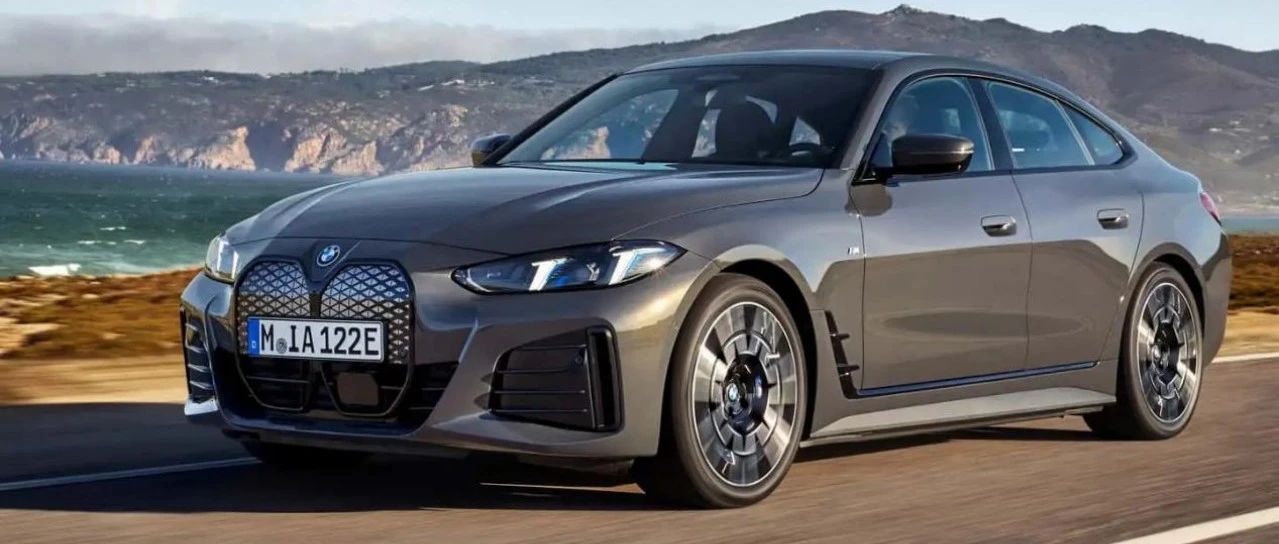
Core Insights - The article highlights the significant discrepancies between the advertised and actual range of electric vehicles (EVs), emphasizing that various factors such as temperature, tire condition, and driving speed can affect performance [4][6][10] - Consumer Reports (CR) conducted tests showing that over half of the 30 EVs tested had lower highway range than their EPA estimates, with some models falling short by as much as 50 miles (approximately 80 kilometers) [10][12] - The article calls for a modernization of the EPA's testing standards to provide more accurate and practical information for consumers regarding EV range [17] Testing Methodology - CR performed highway range tests by driving fully charged vehicles at a constant speed of 70 mph (approximately 112 km/h) until the battery was depleted [7][9] - The tests revealed that many vehicles could still travel additional miles even after the range indicator showed zero [9][10] - The testing conditions were controlled to ensure optimal performance, including temperature regulation and tire pressure adjustments [22][21] Findings from Tests - Among the tested vehicles, 18 models (60%) did not meet their EPA estimated range, with the Ford F-150 Lightning showing a 50-mile (approximately 80 kilometers) shortfall [12][16] - Some models exceeded their EPA estimates, such as the BMW iX, which achieved a range of 370 miles (approximately 595 kilometers) compared to an EPA estimate of 309 miles (approximately 497 kilometers) [14] - The Mercedes EQS 580 was noted as the top performer, achieving 380 miles (approximately 611 kilometers) on the highway, slightly exceeding its EPA estimate [14] Charging and Performance Evaluation - CR's evaluation also included assessments of charging speed and convenience, focusing on both AC slow charging and DC fast charging capabilities [24][26] - The ease of use of charging interfaces and the availability of navigation features to locate charging stations were also considered important factors in the overall assessment [25][26] - The article emphasizes that the charging experience is critical for consumers, as they may interact with charging interfaces more frequently than with traditional fuel pumps [26]
贾可:两年了,是时候决断了!
汽车商业评论· 2025-06-07 14:35
Core Viewpoint - The article discusses the ongoing issues of "involution" and unhealthy competition within the Chinese automotive industry, emphasizing the need for legal compliance and industry self-discipline to ensure sustainable development [11][42][43]. Group 1: Industry Competition and Involution - The Chinese automotive industry has rapidly developed under the banner of "four transformations" but has recently faced severe damage due to unhealthy price wars and involutionary competition [11][18]. - Long-term pressure from price wars has led to increased costs for manufacturers, with estimates of an additional 500-1000 yuan per vehicle due to compliance issues [13]. - The article highlights the importance of collaboration among companies with shared missions and values, advocating for a focus on innovation rather than short-term gains [13][18]. Group 2: Legal and Regulatory Framework - The need for a robust legal framework is emphasized, with calls for strict enforcement of laws to ensure fair competition and protect the industry's integrity [41][42]. - The article references the "Dieselgate" scandal involving Volkswagen, which resulted in over 32 billion euros in losses, as a cautionary tale for the industry [16]. - Industry leaders are urged to adhere to legal standards and maintain transparency to foster a healthier competitive environment [42][43]. Group 3: Responses from Industry Leaders - Key figures in the industry, such as Yang Xueliang from Geely and Wei Jianjun from Great Wall Motors, have publicly criticized the current state of competition, calling for rationality and ethical practices [18][26]. - The article notes that the backlash against leaders advocating for anti-involution measures has been significant, highlighting the challenges faced by those promoting change [20][21]. - The need for collective action and accountability among automotive companies is stressed, with a focus on mutual respect and fair competition [43][44]. Group 4: Future Outlook - The article suggests that the automotive industry is at a critical juncture, where the survival of brands will depend on strategic decisions made in 2025 [45]. - There is a growing consensus that without addressing the issues of involution and unethical practices, the industry risks facing a crisis similar to that of Evergrande in real estate [30][45]. - The upcoming automotive forums are seen as pivotal for discussing the future direction of the industry and the necessary reforms to ensure its health and sustainability [45].

某白宫官员:马斯克如今在特朗普政府中几乎找不到同情者
汽车商业评论· 2025-06-06 15:39
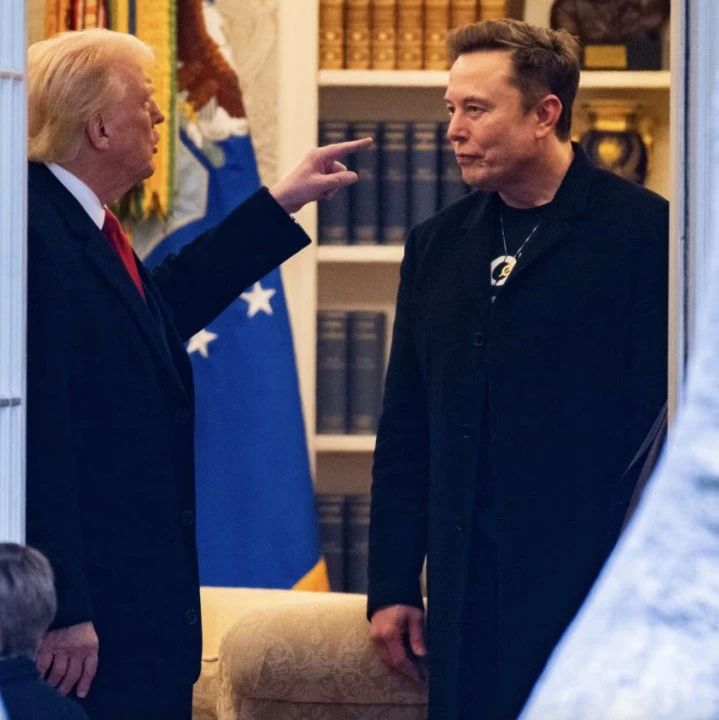
Core Points - The dramatic fallout between Trump and Musk poses significant risks for both parties involved, particularly regarding government contracts and legislative agendas [23][24][32] - Musk's criticism of Trump's legislative agenda could jeopardize Trump's key policy initiatives, while Trump's threats to terminate contracts with Musk's companies could impact Musk's business empire [24][32] Group 1: Conflict Overview - The relationship between Trump and Musk has deteriorated rapidly, with public exchanges escalating to threats and accusations [6][7][14] - Musk's criticism of Trump's policies, particularly regarding tariffs and government contracts, has led to a significant backlash from Trump, who has publicly labeled Musk as "crazy" [6][16] - The conflict has resulted in a notable drop in Tesla's stock price, which fell by 14%, marking the largest single-day decline since 2020 [8] Group 2: Key Issues - The primary points of contention between Trump and Musk include NASA personnel appointments and tariff policies, with Musk expressing anger over the withdrawal of a NASA nomination for a close associate [11][12] - The internal dynamics within the White House have shifted, with Musk's former chief assistant now working for him, indicating a fracture in their previously supportive relationship [12] Group 3: Financial Implications - Trump's threats to cancel government contracts with Musk's companies could have severe financial repercussions, potentially affecting SpaceX's contracts with NASA and the Department of Defense [23][31] - Musk's companies, including Tesla and SpaceX, rely heavily on government contracts and regulatory support, which are now at risk due to the escalating conflict [26][28] Group 4: Political Ramifications - The fallout may weaken Trump's legislative agenda, particularly a significant bill that Musk has publicly opposed, which could increase the federal deficit by $2.5 trillion [32][34] - Musk's influence and financial backing could sway Republican lawmakers, potentially leading to a shift in support away from Trump if the conflict continues [34][35]

重磅!2025第十七届轩辕汽车蓝皮书论坛公布最新议程
汽车商业评论· 2025-06-06 15:39
Core Viewpoint - The 17th Xuanyuan Auto Blue Book Forum, renamed from the China Auto Blue Book Forum, will take place from June 13 to 15, 2025, in Guangzhou, focusing on the critical strategies and actions necessary for survival in the competitive Chinese automotive industry [4][5]. Group 1: Event Overview - The forum will last for three days and will cover ten major topics including strategy, joint ventures, mobility, embodied robotics, overseas expansion, driving skills, design, scenarios, marketing, and AI+ [5]. - The theme for the 2025 forum is "Decisions," reflecting the current competitive elimination phase in the Chinese automotive sector, where the survival of brands hinges on fundamental strategies and key measures taken in 2025 [5]. Group 2: Agenda Highlights - The forum will feature numerous keynote speeches and discussions, including opening remarks from prominent figures such as the chairman of Xuanyuan Auto Blue Book Forum, Dr. Jia Ke, and leaders from major automotive companies [7][8]. - The first day will include sessions on driving skills and overseas expansion, with discussions on topics like human-machine co-driving and strategies for global market entry [9][10]. - The second day will focus on design and scenarios, featuring discussions on the aesthetics of Chinese automotive brands and the future of automotive design [12][13].
中国稀土引发全球车企或将关闭产线
汽车商业评论· 2025-06-05 23:40
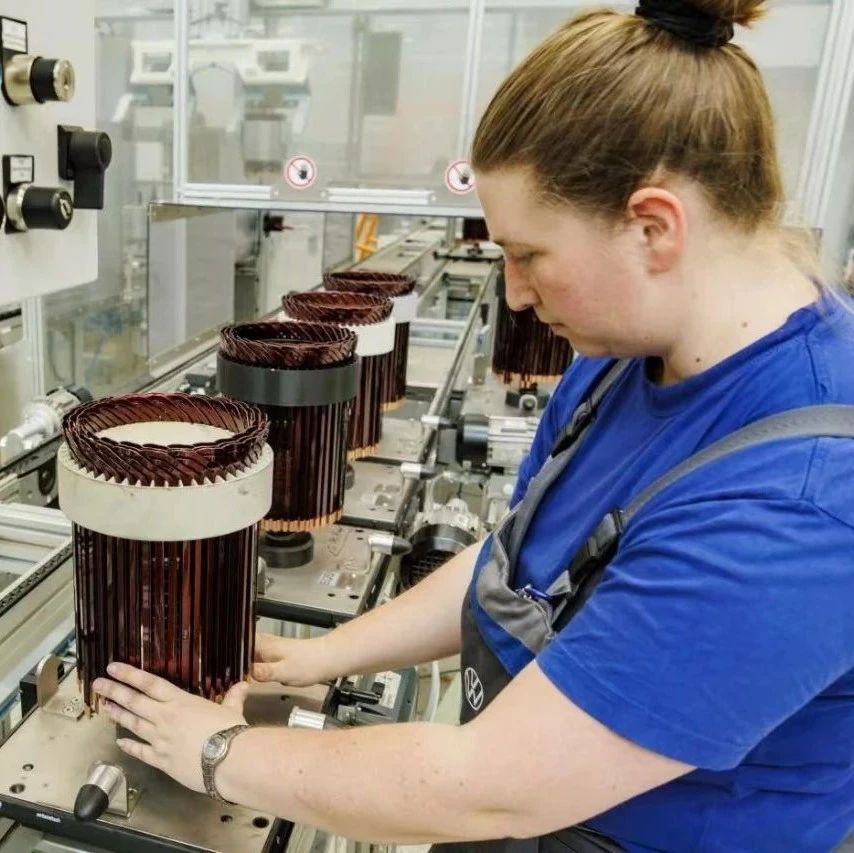
编 译 / 张霖郁 设 计 / 琚 佳 来 源 / Wa l l S t r e e t J o u r n a l 随着中国在稀土等关键矿产领域实施出口管制,全球四家车企正竞相寻找突破办法,因为他们担心 因"缺稀"将导致几周内关闭部分汽车生产线。 据华尔街日报报道,知情人士称,一些传统车企和部分新势力企业以及供应商正考虑将部分汽车零 部件生产转移到中国,以避免工厂关闭。 今年5月,代表大多数主要汽车制造商和零部件供应商的行业组织告诉特朗普政府,如果没有更多 来自中国的稀土零部件,汽车生产可能会减产或立即停止。 将未完成的部件运送到半个地球之外去安装一块巧克力大小的磁铁,将增加制造成本和时间,但这 些公司认为,这或许是关闭部分生产线之外的唯一选择。但此举可能会让汽车制造商面临额外的关 税,尽管如此,行业高管认为,这总比停产关门要好。 汽车公司也正寻找欧洲和亚洲的磁铁替代来源。一位公司高管表示,这些来源都无法提供足够的磁 铁来满足美国汽车行业的需求。 目前汽车行业正考虑的几种方案显示了美国在这一磁铁方面对中国的依赖程度。中国控制着几乎所 有将稀土原料转化为可用形态的精炼能力,分析人士表示,中国拥有从周围岩石中分 ...
大哥“向下”,兄弟们迎难而上
汽车商业评论· 2025-06-05 23:40
Core Viewpoint - The article discusses the divergent attitudes of major automotive players towards solid-state batteries, highlighting the varying levels of commitment and technological advancements among different companies in the industry [4][8]. Group 1: Major Automotive Companies' Developments - Toyota has shifted focus from solid-state batteries to hybrid vehicles and new-generation engines, believing hybrids are more aligned with current market demands [4]. - BMW has begun road testing a modified i7 with Solid Power's sulfide solid-state battery [5]. - BYD announced a solid-state battery technology capable of charging in 12 minutes for a range of 1500 kilometers, with an energy density of 400Wh/kg [5]. - Changan Automobile showcased a solid-state battery with an energy density of 400Wh/kg at the Shanghai Auto Show [5]. - Mercedes-Benz has been testing a sulfide solid-state battery in a modified EQS since February [5]. Group 2: Battery Manufacturers' Progress - Guoxuan High-Tech has established a pilot line for sulfide solid-state batteries and plans to produce 2GWh annually [10][12]. - The company has achieved significant advancements in materials, with a single cell capacity of 70Ah and an energy density of 350Wh/kg [15]. - The solid-state battery has passed various safety tests, indicating readiness for mass production [16]. Group 3: Market Outlook and Challenges - The commercial viability of solid-state batteries is still uncertain, with industry experts predicting a clearer picture in five years [8]. - The current cost of solid-state battery cells is approximately ten times that of lithium-ion batteries, posing a significant barrier to widespread adoption [19]. - The article notes that while solid-state batteries show promise, they require substantial time and development to reach mass production levels [19]. Group 4: Alternative Battery Technologies - Companies are also exploring semi-solid state batteries, with several firms planning to launch these products in the near future [21][24]. - Guoxuan High-Tech is developing both semi-solid and solid-state battery technologies, with plans for a 12GWh production line for semi-solid batteries [25]. - Sodium-ion batteries are being commercialized, with applications in commercial vehicles and plans for passenger vehicles by the end of the year [30][33].


长安汽车发布:独立为中央企业
汽车商业评论· 2025-06-05 01:01
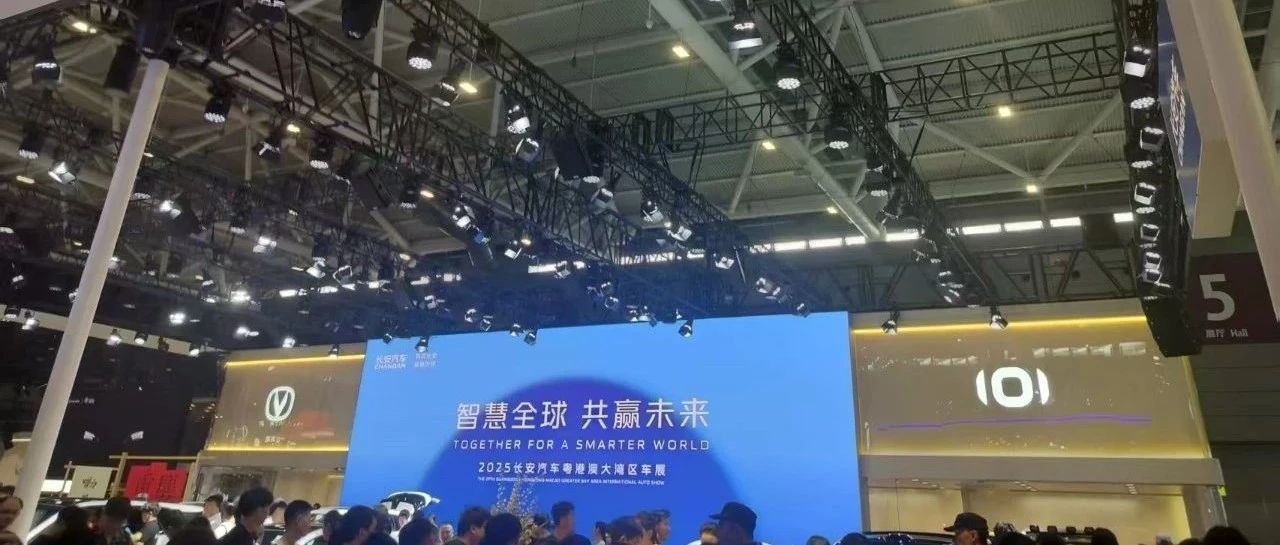
长安汽车发布:独立为中央企业 汽车国家队重组的新版本 il ic 47 AUTO BUSINESS REVIEW 推 汽 动 新 车 向 进 前 撰文 / 牛跟尚 0 智慧全球 共赢 未来 FOR 2025长致汽车等股票大 设计 / shelly 6月5日,重庆长安汽车股份有限公司(简称长安汽车)董事会发布关于中国兵器装备集团有限公司 重组进展情况的公告。 2025年6月4日,本公司接到兵器装备集团通知,兵器装备集团收到国务院国有资产监督管理委员会 (以下简称"国务院国资委")通知,经国务院批准,对兵器装备集团实施分立。其汽车业务分立为 一家独立中央企业,由国务院国资委履行出资人职责;国务院国资委按程序将分立后的兵器装备集 团股权作为出资注入中国兵器工业集团有限公司。 本次分立后,本公司间接控股股东将变更为汽车业务分立的中央企业,实际控制人未发生变化。 分立重组不会对本公司正常生产经营活动构成重大影响。 为保证及时、公平地披露信息,维护广大投资者利益,现予以公告。后续,本公司将严格按照信息 披露要求,持续关注有关进展情况,并根据相关法律法规的要求及时履行信息披露义务。 分立重组尚需按照法律规定履行相应程序,有 ...

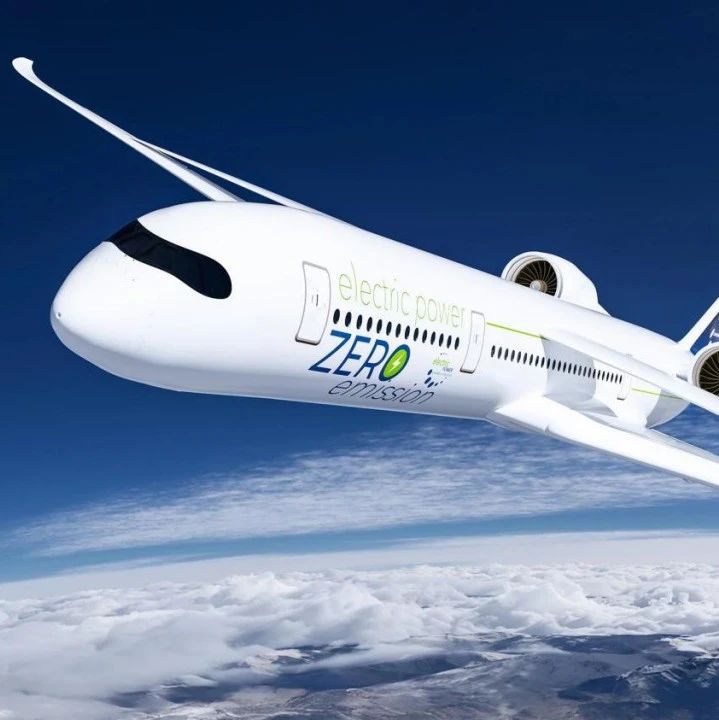
1700瓦时/千克,未来飞机可能靠它飞
汽车商业评论· 2025-06-03 15:09
Core Viewpoint - MIT's new sodium-air fuel cell technology presents a revolutionary solution for energy storage in electric transportation, particularly in aviation, rail, and maritime sectors, addressing the limitations of traditional lithium-ion batteries [4][5][6]. Group 1: Technology Overview - The sodium-air fuel cell utilizes liquid sodium metal and air, separated by a solid ceramic layer, allowing for rapid fuel replenishment and high energy density [5][8]. - This technology can potentially achieve energy densities three times that of current lithium-ion batteries, making electric flight feasible [8][11]. - The system operates at moderate temperatures (110-130°C), making it suitable for use in aircraft and ships [11][19]. Group 2: Environmental Impact - The byproduct of the sodium-air fuel cell is sodium oxide, which can react with moisture to form sodium hydroxide, ultimately leading to sodium bicarbonate, a compound that can help reduce ocean acidity and capture CO2 [18][19]. - This process is self-sustaining and does not produce CO2 emissions, providing an environmentally friendly energy solution [18][19]. Group 3: Safety and Cost Efficiency - The design of the sodium-air fuel cell enhances safety by isolating the fuel from air until energy is needed, reducing the risk of uncontrolled reactions [21][19]. - Sodium is abundant and inexpensive, making it a viable alternative to lithium for large-scale energy applications [21][19]. Group 4: Future Developments - The research team plans to commercialize the technology through a company called Propel Aero, with initial tests for drone applications expected next year [22][23]. - The project has received funding from various organizations, indicating strong support for its development and potential market impact [23].