投中网

Search documents
从湖南到河南,新消费顶流易主了?
投中网· 2025-06-25 07:23
Core Viewpoint - The article discusses the transformation of the new consumption market in China, highlighting how brands from Henan province, once considered "local" or "rural," are now emerging as significant players, overtaking previously dominant brands from Hunan province [3][5][18]. Group 1: Market Dynamics - The new consumption market is witnessing a shift in leadership, with Henan brands like Mxue Ice City and Banu Hotpot gaining prominence [5][16]. - Mxue Ice City has expanded to 46,479 stores globally by the end of 2024, becoming the largest tea drink brand in the world [15][16]. - Banu Hotpot's revenue reached 2.307 billion yuan in 2024, with a net profit of 123 million yuan, ranking third in the Chinese hotpot market [17]. Group 2: Historical Context - In 2013, Hunan brands like Wenheyou and Chayan Yuese began to dominate the new consumption market, while Henan brands were still developing [6][9]. - Over the years, Hunan brands faced challenges, with Wenheyou and others experiencing store closures and financial difficulties [11][12][15]. Group 3: Brand Strategies - Henan brands have focused on product quality and cost-effectiveness rather than aggressive marketing and external financing [20][24][40]. - Mxue Ice City and Banu Hotpot emphasize strong supply chain management and product integrity, which have contributed to their success [40][41]. - The article notes that the shift in consumer preferences towards value and quality has favored Henan brands over Hunan brands, which relied heavily on marketing [35][38]. Group 4: Consumer Behavior - The article highlights a return to rational consumption, where consumers prioritize product quality and value over marketing gimmicks [38][39]. - The changing consumer landscape has led to a decline in the fortunes of Hunan brands, which were previously successful due to their marketing strategies [39][40]. Group 5: Future Challenges - As Henan brands gain visibility, they face scrutiny and challenges related to maintaining product integrity and managing public perception [43][44]. - The ability to balance growth with a commitment to quality will be crucial for the sustained success of these emerging brands [44].


泡泡玛特离不开狂欢者
投中网· 2025-06-24 05:16
Core Viewpoint - The article discusses the rapid rise and subsequent decline of the popularity of Pop Mart's Labubu blind boxes, highlighting the role of scalpers in driving prices and market dynamics, as well as the company's need to adapt to changing consumer expectations and market conditions [5][8][29]. Group 1: Market Dynamics - The price of Labubu blind boxes surged from an original price of 99 yuan to over 200 yuan in the secondary market, with hidden variants reaching prices above 1,000 yuan [5][7]. - Pop Mart's stock price has seen a significant increase, reaching approximately 270 HKD per share by June 16, 2023, nearly tripling since its IPO, although it has recently experienced a decline [8][29]. - The market for Pop Mart's products has been heavily influenced by scalpers, who have created a secondary market that drives up prices and creates a sense of urgency among consumers [11][12][22]. Group 2: Consumer Behavior - Consumers have shown a willingness to pay inflated prices for Labubu blind boxes, with some live-streaming platforms selling them at prices significantly above retail, indicating a strong demand despite the risks [17][20]. - The introduction of promotional activities by various banks and apps, such as offering Labubu blind boxes as rewards for deposits or rides, has further fueled consumer interest and engagement [24]. - The perception of owning Labubu has become a social currency, with many consumers eager to participate in the trend despite the inflated prices [8][24]. Group 3: Company Strategy and Challenges - Pop Mart's inventory turnover days have decreased from 156 days in 2023 to 102 days in 2024, indicating improved operational efficiency and cash flow management [27]. - The company faces challenges in maintaining its market position, as the reliance on a few successful IPs (Intellectual Properties) like Labubu, Molly, and SKULLPANDA accounts for 58.3% of total sales, highlighting the need for diversification [30]. - The marketing expenses for Pop Mart have nearly doubled to 568 million yuan in 2024, while the contribution per user has only marginally increased, suggesting that rising costs are not being matched by proportional revenue growth [31]. Group 4: Future Outlook - The article suggests that for Pop Mart to sustain its market position, it must focus on continuous IP development, product quality, and creating a sustainable business model, especially in light of increasing competition and market scrutiny [35][34]. - The recent market volatility and the significant drop in market capitalization, with a loss of approximately 20 billion HKD, indicate a potential shift towards a more rational market environment [29][28]. - The company has attempted to address scalper issues through measures like purchase limits and facial recognition technology, but these efforts have had mixed results [34].

腾讯不“拆”了
投中网· 2025-06-24 05:16
Core Viewpoint - Tencent is shifting from a phase of divestment ("拆") to a new phase of investment and consolidation ("合"), as evidenced by its recent acquisitions of Himalaya and Wanda Plaza, indicating a strategic expansion of its business footprint [4][12][46]. Group 1: Recent Acquisitions - In mid-June, Tencent Music announced a full acquisition of the online audio platform Himalaya for approximately 20.5 billion RMB, consisting of $1.26 billion in cash and up to 5.1986% of Tencent Music's stock [5][6]. - Earlier, Tencent participated in a joint venture to acquire 48 Wanda Plaza projects across major cities, further solidifying its investment in traditional retail [8][9]. - These acquisitions mark a significant shift in Tencent's strategy, moving from divesting stakes in companies like JD.com and Meituan to actively pursuing new investments [10][12]. Group 2: Historical Context - From 2021 to 2022, Tencent focused on divesting its stakes in major companies, reducing its holdings in JD.com from 17% to 2.3% and in Meituan from 17% to less than 2% [10][13]. - The company faced a challenging regulatory environment and declining stock prices, prompting it to distribute shares of JD.com and Meituan to shareholders as a means to reassure investors [28][30]. - By 2023, Tencent's stock price began to recover, leading to a renewed focus on investment rather than divestment [30][34]. Group 3: Strategic Shift - Tencent's recent investments reflect a broader strategy to enhance its ecosystem and combat competition, particularly in the AI and gaming sectors [46]. - The acquisition of Himalaya, despite its modest financial performance, is seen as a move to tap into new user bases and bolster Tencent Music's growth [39][41]. - Tencent's approach now emphasizes acquiring third-party platforms to drive user engagement and reduce customer acquisition costs, contrasting with its previous divestment strategy [42][43]. Group 4: Market Dynamics - The podcast industry, represented by Himalaya, faces challenges such as slow growth and limited commercial viability, yet Tencent's acquisition suggests a strategic bet on diversifying its content offerings [39][40]. - Tencent's user growth has stagnated, making external acquisitions a necessary strategy to maintain its competitive edge in a rapidly evolving market [40][46]. - The competitive landscape in the tech industry has intensified, necessitating a shift in Tencent's strategy from divestment to consolidation to enhance its operational capabilities [45][46].

县城富豪,把海底捞炒成了理财产品
投中网· 2025-06-24 05:16
Core Viewpoint - The article discusses the cautious yet strategic approach of Haidilao in opening its franchise model, emphasizing the high standards and selective criteria for potential franchisees, particularly targeting the lower-tier markets in China [5][10][11]. Summary by Sections Franchise Conditions - Haidilao has set stringent franchise conditions, requiring potential franchisees to invest at least 10 million yuan (approximately 1.4 million USD) without loans, and to possess financial capabilities for multi-store development and local property resources [6][10]. - The company conducts multiple rounds of qualification assessments to ensure alignment with its corporate culture and long-term vision [7][27]. Franchise Application Process - Out of over 20,000 applications received, more than 10,000 have completed the evaluation process, but only 13 franchises have been finalized, with 10 being transfers of existing stores [8][10]. - The application process includes several stages: initial online assessments, interviews focusing on business plans and brand understanding, and final evaluations by senior management [23][25]. Target Market and Strategy - Haidilao aims to penetrate lower-tier markets, with 70% of franchise applicants coming from third-tier cities and below, where the company sees significant growth potential [11][29]. - The company’s revenue from second and third-tier cities has reportedly exceeded that from first-tier cities, indicating a strategic shift towards these markets [29][32]. Market Dynamics - The lower-tier market represents a vast consumer base, accounting for nearly 70% of China's population and contributing significantly to retail consumption [29][32]. - The competition for prime locations in these markets is intense, with limited commercial centers available, making the selection of franchisees crucial [32][36]. Operational Control - Haidilao employs a "strong management" model for its franchises, meaning that while franchisees own the stores, they have limited control over daily operations, which are managed by Haidilao [37][39]. - This model aims to maintain brand consistency and quality across all locations, ensuring that franchisees can benefit from the established operational framework without the burden of daily management [39][40]. Investment Perspective - The investment in a Haidilao franchise is viewed as a long-term opportunity rather than a quick return, appealing to wealthy individuals in lower-tier cities who seek stable returns [40][41]. - The company positions itself as a competitive investment option in the market, attracting affluent individuals who recognize the brand's value and operational success [41].


高瓴收购星巴克的表层逻辑
投中网· 2025-06-24 05:16
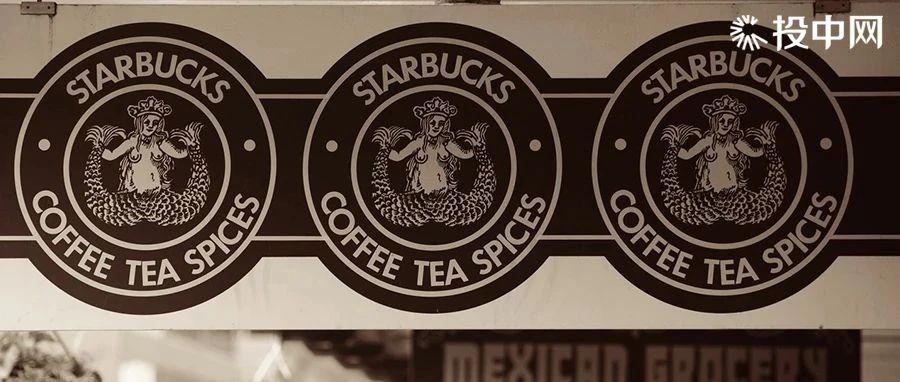
Core Viewpoint - Hillhouse Capital has joined the bidding war for Starbucks' China operations, indicating strong interest from multiple investment firms in acquiring the business [1][2][3]. Group 1: Bidding Process and Participants - Hillhouse Capital participated in a reverse management roadshow for Starbucks China, signaling its interest in acquiring the business [2][4]. - Other interested parties include Carlyle Group, Xincheng Capital, China Resources Holdings, KKR, Fangyuan Capital, PAG, and Meituan, indicating a competitive bidding environment [2][10]. - The estimated valuation for Starbucks China is between $5 billion to $6 billion (approximately 36 billion to 43 billion RMB) [3]. Group 2: Starbucks' Current Strategy and Market Position - Starbucks' CEO expressed that the company has received significant interest in selling its China operations, reflecting a strategic shift [3][5]. - The company is currently evaluating the best way to capture future growth opportunities while focusing on revitalizing its business in China [5][20]. - Starbucks has recently implemented price reductions on several products, marking a significant shift in its pricing strategy to remain competitive in the market [19]. Group 3: Hillhouse Capital's Competitive Advantage - Hillhouse Capital manages over 600 billion RMB, providing it with strong bargaining power in the bidding process [12]. - The firm has a history of successful investments in the food and beverage sector, including notable companies like Mijia and Heytea, which enhances its credibility in the industry [13]. - Hillhouse has prior experience in the coffee sector, having supported the growth of Peet's Coffee in China, which positions it well for a potential acquisition of Starbucks [14]. Group 4: Market Implications and Future Outlook - The ongoing bidding for Starbucks China reflects broader trends in the consumer market, where foreign brands are increasingly being considered for acquisition by domestic capital [20]. - The competitive landscape suggests that the era of foreign brands dominating the market may be shifting, as local players gain more influence [20].

融到D轮的深圳明星公司,要IPO了
投中网· 2025-06-23 02:23
Core Viewpoint - The article highlights the success story of a Shenzhen-based company, Basic Semiconductor, which is set to go public in Hong Kong, showcasing its unique capabilities in silicon carbide (SiC) chip design and manufacturing, and its significant growth in revenue and valuation [4][10]. Company Overview - Basic Semiconductor is the only company in China with comprehensive capabilities in SiC chip design, wafer manufacturing, module packaging, and gate driver design and testing [4]. - The company was founded by Dr. Wang Zhihan, who has a strong academic background from Tsinghua University and Cambridge University, and has focused on the domestic semiconductor industry since its inception [6][7]. Financial Performance - Basic Semiconductor reported revenues of 1.17 billion in 2022, which increased to 2.21 billion in 2023, and is projected to reach nearly 3 billion in 2024 [9]. - The company has accumulated over 6 billion in revenue over three years [3][8]. Market Position - According to Frost & Sullivan, Basic Semiconductor ranks seventh globally and sixth in China for SiC power modules, and third among Chinese companies in this market [10]. - The global SiC power device market is expected to grow from 4.5 billion in 2020 to 22.7 billion in 2024, and reach 110.6 billion by 2029, presenting a significant opportunity for Basic Semiconductor [10]. Investment and Valuation - Basic Semiconductor has successfully raised multiple rounds of funding, achieving a valuation of 5.16 billion [11][13]. - The company has received investments from various notable firms, including Lihe Technology, Bosch Venture Capital, and others, indicating strong investor confidence [12][13]. Product Focus - The company specializes in SiC power devices, including discrete devices, automotive-grade and industrial-grade power modules, and gate drivers, serving industries such as electric vehicles, renewable energy systems, and industrial control [9]. R&D and Innovation - Basic Semiconductor has invested over 200 million in R&D from 2022 to 2024, resulting in 163 patents, including 63 invention patents [10]. - The company operates three production bases, with plans to expand packaging capacity in Shenzhen and Zhongshan [10].

宇树科技,估值120亿了
投中网· 2025-06-23 02:23
Focus Review - The hard technology sector sees significant financing in semiconductors, with Shenzhen Chip Vision completing approximately 600 million RMB in Pre-A round financing led by Chuangdong and Eucalyptus Capital [3][22]. - In the smart automotive sector, Ouyue Semiconductor announced the completion of a B3 round financing of 100 million RMB, led by Sunny Optical Technology's strategic fund [3][23]. - The health sector is witnessing early investment hotspots in precision medicine, with single-cell sequencing company Xiaolu Bio completing tens of millions of USD in angel round financing [3][33]. - Gene editing company Shanmu also completed a new round of tens of millions in Pre-A+ financing [3][38]. Internet Sector - Investment in computing infrastructure is heating up, with memory tensor technology completing nearly 100 million RMB in angel round financing [4][42]. - Softcom Intelligence, a full-stack intelligent computing service provider, completed over 100 million RMB in A round financing [4][43]. Health Sector - Chu Dong Technology completed its third round of financing with support from multiple investors [29][30]. - Yingsi Intelligent, a clinical-stage biopharmaceutical company, exceeded its target by raising approximately 123 million USD in E round financing [31]. - Xiaolu Bio completed tens of millions of USD in angel round financing [33]. Other Notable Financing - Zhidai Technology completed several million RMB in financing [11]. - Shiok Burger, a Southeast Asian burger brand, successfully completed Pre-A round financing [8]. - Nanjing Nengli Chip Technology announced nearly 100 million RMB in financing [26].

白酒挤泡沫,压垮经销商
投中网· 2025-06-23 02:23
Core Viewpoint - The white wine industry is experiencing a significant downturn, with prices collapsing and inventory piling up, indicating a major market correction and a shift in consumer behavior [11][49][50]. Group 1: Market Conditions - The wholesale market for white wine is facing severe challenges, with merchants reporting late opening hours and insufficient logistics to meet demand [6][7]. - High-end wines like Moutai and Wuliangye have seen drastic price drops, with Moutai's price falling below 2000 yuan and Wuliangye's "Pu Wu" dropping below 800 yuan per bottle [9][10]. - The overall white wine market, valued at 700 billion yuan, is undergoing a "multi-layer collapse," affecting both high-end and mass-market products [10][11]. Group 2: Inventory and Sales Challenges - Merchants are struggling with unsold inventory, with some reporting losses of up to 30,000 yuan daily due to stagnant sales [14][18]. - The impact of previous alcohol bans and regulations has led to a significant reliance on non-market consumption, which is now being challenged [20]. - Many distributors are facing pressure to return unsold stock as online prices undercut offline sales, leading to widespread losses [45]. Group 3: Historical Context and Industry Evolution - The white wine industry previously thrived on a "spiral of income and consumption," with consistent price increases and high demand, but this has changed dramatically post-pandemic [22][26]. - The influx of new players during the industry's boom years has led to overproduction and excessive inventory, creating a precarious situation for many distributors [23][25]. - The pandemic has exacerbated existing issues, with a decline in production and increasing inventory levels among listed companies [28]. Group 4: Consumer Behavior and Future Outlook - There is a perception that younger consumers are moving away from traditional white wine, but this may be a misunderstanding of their preferences for quality over quantity [52][56]. - The aging management of wine companies is failing to adapt to changing market dynamics, leading to outdated marketing strategies [60][62]. - The industry is witnessing a shift from speculative buying to genuine consumption, indicating a potential return to more sustainable market practices [49][50].



多支基金并进,上海黑马VC,2年新募超20亿
投中网· 2025-06-23 02:23
Core Viewpoint - The continuous innovation in the integrated circuit industry presents ongoing investment opportunities, with domestic funds gaining ground against USD funds through strategic investments in semiconductor companies [1][26]. Group 1: Investment Strategies and Fundraising - New Micro Capital has invested in over 100 integrated circuit-related companies since its establishment in 2010, significantly contributing to the listing of 12 enterprises, thus acting as a "capital engine" for the integrated circuit industry in Shanghai and nationwide [3][4]. - The newly launched New Micro Huixin Fund aims for a total scale of 2 billion RMB, with over 1.4 billion RMB already subscribed, focusing on semiconductor chips, equipment, materials, and extending into smart vehicles and renewable energy [4][6]. - New Micro Capital has successfully raised over 2 billion RMB across multiple new funds in the past two years, including the Anhui New Micro Zhike Fund and the Chongqing New Micro Chengyu Fund [5][10]. Group 2: Ecosystem and Industry Positioning - New Micro Capital's investment approach is centered around creating an ecosystem by identifying "pivot" companies in the integrated circuit sector, which allows for systematic investments in upstream and downstream enterprises [19][20]. - The firm has strategically invested in key materials and equipment suppliers to enhance the domestic supply chain, such as Glory Electronics and Zhi Cheng Semiconductor, addressing critical dependencies on imports [20][21]. - In the commercial aerospace sector, New Micro Capital has invested in companies like Yuanxin Satellite and Zhongke Aerospace, demonstrating its strategy of building an ecosystem around pivotal enterprises [22][23]. Group 3: Market Challenges and Future Outlook - The current investment climate is challenging, with a shift from a scenario where 10% of projects could yield success to one where only 1% may be profitable, necessitating a more discerning investment strategy [26][27]. - Despite the competitive landscape in the semiconductor industry, there remains significant growth potential for Chinese companies, as leading firms like Nvidia and ASML have yet to emerge domestically [27][28]. - New Micro Capital emphasizes the importance of understanding technological, industrial, and corporate development trajectories to accurately position projects for future success [28][29].

67岁创始人套现12亿离场
投中网· 2025-06-22 03:22
Core Viewpoint - The article discusses the recent acquisition activities in the semiconductor industry, highlighting a notable case where a private equity/venture capital firm, Zhineng Gongdian, is acquiring a controlling stake in Zhongying Electronics, a leading MCU company in China, as part of a broader trend of consolidation in the sector [2][4][6]. Group 1: Acquisition Details - Zhongying Electronics announced that its controlling shareholder, Weilang International, and Win Channel Ltd. will transfer a total of 14.20% of the company's shares to Zhineng Gongdian at a price of 25.677 yuan per share, totaling approximately 1.245 billion yuan [5][11]. - After the transaction, Zhineng Gongdian will control 23.4% of the voting rights in Zhongying Electronics, while the original founder, Fu Qiming, will exit the company [12][13]. - The acquisition price represents a 20% premium over Zhongying's last trading price before suspension, indicating a smooth transition in governance [14]. Group 2: Company Background - Zhongying Electronics, founded by semiconductor veteran Fu Qiming, has been facing declining revenues and profits, with projected revenues of 16.02 billion yuan in 2022, dropping to 13 billion yuan in 2023, and 13.43 billion yuan in 2024 [18]. - The company's net profit has also decreased significantly, with a projected decline of 42.32% in 2023 and 28.01% in 2024 [18]. - The main revenue source for Zhongying Electronics comes from industrial MCUs for white goods, which account for 81% of its revenue, but this market is saturated, limiting future growth potential [18][20]. Group 3: Zhineng Gongdian's Profile - Zhineng Gongdian was established in December 2020 and has invested in at least seven semiconductor companies, focusing on industrial and automotive chip sectors [21][28]. - The company reported a revenue of 206 million yuan in 2024, but its main business is currently operating at a loss, indicating it is still in a development phase [24]. - Zhineng Gongdian's investment strategy has led to a significant portfolio of appreciating assets, although its investment income has decreased from nearly 200 million yuan in 2023 to 72 million yuan in 2024 [25]. Group 4: Industry Trends - The article notes a trend where private equity and venture capital firms are increasingly taking control of industrial platforms to facilitate mergers and acquisitions in the semiconductor sector, a strategy not commonly seen before [8][39]. - The approach allows these firms to become long-term operators, enhancing their influence in the semiconductor investment landscape [8][42]. - The involvement of prominent investment firms like Wuyuefeng, which has managed over 50 billion yuan in funds and invested in over 200 companies, underscores the growing interest in semiconductor consolidation [36].