晚点Auto

Search documents
告别极客浪漫,小鹏逼近季度盈利丨一分钟财报
晚点Auto· 2025-08-19 15:27
Core Viewpoint - Xiaopeng Motors aims to achieve its first quarterly profit in Q4 of this year, supported by strong performance in Q2, with significant reductions in operating and net losses [4][11]. Financial Performance - In Q2, Xiaopeng reported an operating loss of 930 million yuan, a year-on-year decrease of 41.9%, and a net loss of 480 million yuan, down 62.8%, marking the best performance since its IPO [4]. - Total gross profit for the quarter reached 3.17 billion yuan, a year-on-year increase of 1.8 times, with the automotive business contributing 2.42 billion yuan, up 4.6 times [4][5]. - The sales and management expense ratio improved to 11.9%, a decrease of 7.5 percentage points year-on-year [4]. Sales and Production - Xiaopeng's monthly sales are expected to stabilize above 40,000 units starting in September, driven by the launch of new models [3][5]. - The average selling price per vehicle decreased to 153,000 yuan in Q1 due to the introduction of lower-priced models, but rebounded to 164,000 yuan in Q2 as sales of these models declined [5]. Cash Flow and Financial Health - Xiaopeng achieved a free cash flow of over 2 billion yuan in Q2, with cash reserves increasing by 2.29 billion yuan to a historical high of 47.57 billion yuan [10]. - The company has delivered over 30,000 units for eight consecutive months, improving its cash flow situation [10]. Future Outlook - For Q3, Xiaopeng anticipates new vehicle deliveries between 113,000 and 118,000 units, representing a year-on-year growth of 142.8% to 153.6%, with total revenue projected between 19.6 billion and 21 billion yuan, up 94% to 107.9% [11]. - The introduction of the extended-range version of the X9 and advancements in AI-assisted driving technology are expected to enhance gross and net margins [11]. - Xiaopeng's collaboration with Volkswagen is seen as a strategic move to dilute initial high costs and improve overall performance [11]. Strategic Focus - The company is shifting its focus from merely pursuing high-profile models to strengthening its foundational capabilities in product quality, management, sales, and supply chain [12].


车市大变,零跑小胜丨一分钟财报
晚点Auto· 2025-08-18 15:31
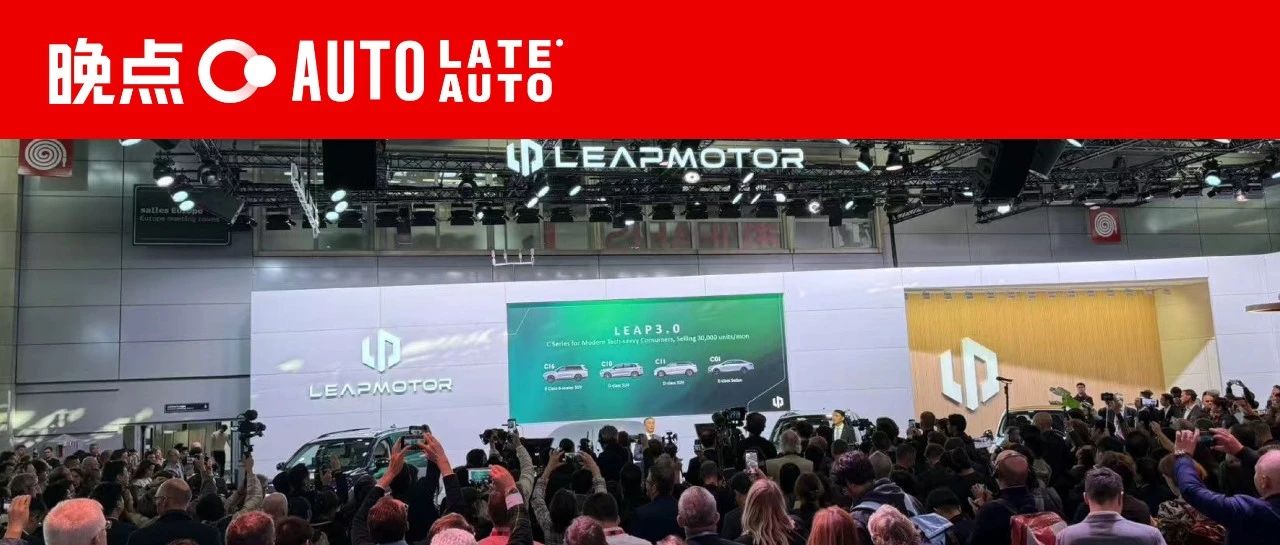
Core Viewpoint - Leap Motor has demonstrated aggressive growth expectations by raising its annual sales target to 650,000 units, driven by a significant increase in sales and achieving its first half-year profit of approximately 33 million yuan [2][3][4]. Financial Performance - In the first half of the year, Leap Motor achieved a sales growth of 155.7%, with total revenue reaching approximately 24.25 billion yuan, outpacing sales growth [3][4]. - The gross margin improved from 1.1% in the same period last year to 14.1%, with expectations to further increase to around 15% in the second half of the year [4][3]. - Operating efficiency has improved significantly, with revenue increasing by 15.37 billion yuan while R&D, marketing, and administrative expenses only rose by 1.53 billion yuan [4][3]. Strategic Initiatives - Leap Motor's strategy focuses on platform-based vehicle production and high parts commonality, with 88% parts commonality in its B series, enhancing procurement power and cost amortization [7][4]. - The company emphasizes cost control through a dedicated committee and aims to minimize inefficiencies, particularly in R&D spending [7][8]. - The introduction of the D series, targeting the 200,000-250,000 yuan price range, is planned for release in October, with the potential to replicate its cost-effective strategy in higher-end markets [8][4]. Market Context - The Chinese automotive market is experiencing intense competition, with many companies adopting conservative growth expectations, contrasting with Leap Motor's aggressive stance [3][9]. - The rapid evolution of technology and price competition is reshaping the market dynamics, leading to a high-risk environment for all players [9][10].

那些买爆雷车的年轻人
晚点Auto· 2025-08-18 13:40
Core Viewpoint - The article discusses the phenomenon of young consumers purchasing "exploded" electric vehicles at significantly discounted prices, highlighting a shift in consumer perception towards automotive purchases and the impact of recent market dynamics on pricing and value perception [9][28]. Group 1: Market Dynamics - The electric vehicle industry has seen several companies, including HiPhi, Jidu, and Neta, face financial difficulties, leading to a significant drop in prices for their inventory and second-hand vehicles [7][28]. - The ongoing price war in the new car market has prompted manufacturers like BYD to offer substantial discounts, further influencing consumer behavior [7][8]. - The competitive landscape has resulted in electric vehicles being offered with high-end configurations at lower price points, making them attractive to budget-conscious consumers [14][27]. Group 2: Consumer Behavior - Young consumers are increasingly willing to purchase vehicles from companies that have faced financial difficulties, viewing the discounted prices as an opportunity rather than a risk [23][28]. - The perception of vehicles has shifted from being long-term investments to more disposable assets, with consumers now expecting to change cars every 3 to 5 years [25][28]. - Many consumers prioritize product features and specifications over brand loyalty, leading them to compare vehicles based on their configurations rather than the reputation of the manufacturer [28]. Group 3: Purchase Process - The process of purchasing "exploded" vehicles often involves navigating non-official channels, with consumers needing to verify the condition and legitimacy of the vehicles [21][22]. - Consumers have reported varying experiences in securing financing and insurance for these vehicles, often facing challenges due to the lack of official support from the manufacturers [20][21]. - The article highlights the importance of thorough research and due diligence when purchasing these vehicles, as many buyers are taking risks in hopes of securing a good deal [23][24]. Group 4: Future Outlook - Despite the challenges faced by companies that have "exploded," many are still operational and seeking restructuring, indicating a potential for recovery in the market [26][28]. - The article suggests that the evolving consumer mindset and competitive pricing strategies may continue to shape the electric vehicle market, leading to further innovations and changes in consumer purchasing behavior [27][28].

车企承诺 “60天内付款” 满期调查:兑现有限,压力仍在转移
晚点Auto· 2025-08-15 10:17
Core Viewpoint - The automotive industry is experiencing significant changes in payment terms, with many companies reducing payment periods to 60 days, but the actual cash flow remains uncertain for suppliers [4][6][7]. Group 1: Payment Terms and Supplier Impact - Many suppliers are only receiving promissory notes or documents instead of cash after the 60-day period, indicating a lack of real cash flow improvement [4][6]. - Smaller suppliers are seeing their payment terms shortened to 60 days, while larger suppliers may experience longer payment cycles, creating a disparity in cash flow management [6][8]. - The implementation of the "60-day payment term" is seen as a significant move against internal competition in the automotive industry, but skepticism remains regarding its effectiveness [5][9]. Group 2: Industry Dynamics and Competition - The automotive industry is under pressure from regulatory bodies to investigate pricing and costs, aiming to curb illegal price reductions by manufacturers [5][14]. - Despite the push for shorter payment terms, many industry players doubt that self-regulation will effectively resolve the competitive pressures within the market [5][9]. - The competition is shifting from a supplier-manufacturer dynamic to a larger supplier versus smaller supplier dynamic, as larger suppliers are pressured to support smaller ones [8][9]. Group 3: Regulatory Environment and Future Outlook - The implementation of the "Regulations on Payment to Small and Medium Enterprises" aims to protect smaller suppliers from forced acceptance of commercial bills, indicating a shift towards more equitable treatment [7][10]. - The Ministry of Industry and Information Technology has initiated investigations into automotive costs and pricing, signaling a move towards more structured regulations in the industry [14][15]. - Historical parallels are drawn with Japan's automotive industry, suggesting that government intervention and support for technological advancement could help alleviate current competitive pressures [15][16].

独家丨理想撤销五大战区架构,任命新的销售业务负责人
晚点Auto· 2025-08-14 02:24
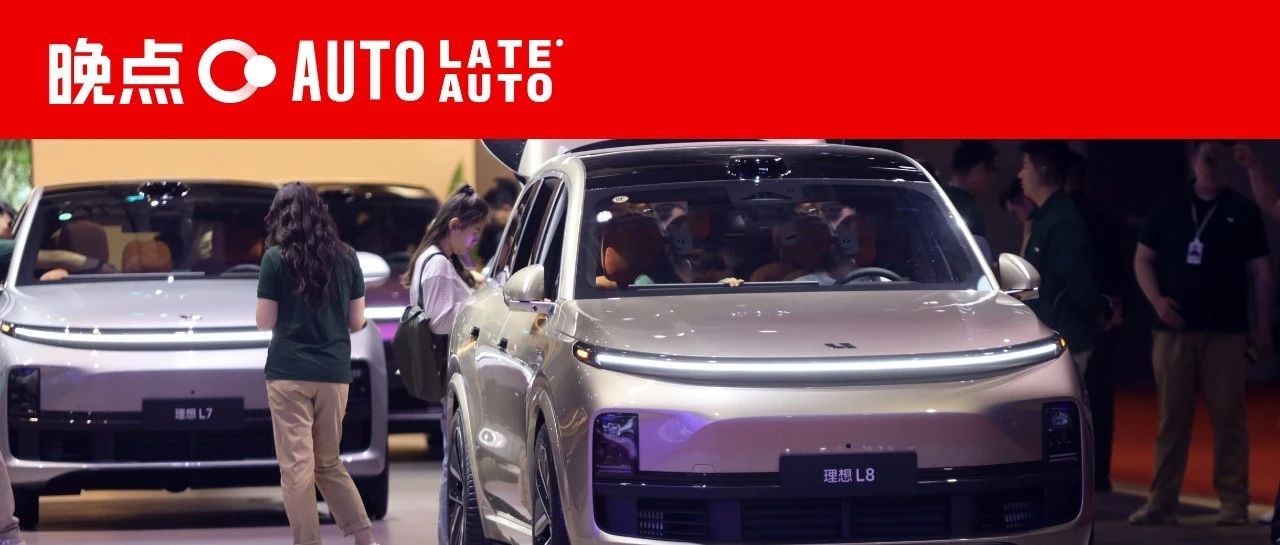
Core Viewpoint - Li Auto is restructuring its sales and service system to enhance support for frontline experts and improve user operation capabilities centered around stores [3][5]. Group 1: Organizational Changes - The previous "Five Major War Zones" structure has been abolished, and the company will now be directly managed by headquarters across 23 regions [3][5]. - The new sales business head, Han Xi, will report directly to Li Auto's president, Ma Donghui [3][5]. - The sales and service system will adopt a "large area + war zone" management model, similar to the previous provincial management system [5]. Group 2: Sales Performance - In 2023, Li Auto delivered approximately 372,000 vehicles, representing a year-on-year growth of over 180% [5]. - The restructuring aims to allocate resources more precisely to frontline sales, with a focus on local market demands and competitive landscapes [5][6]. Group 3: New Departments and Leadership - New departments for marketing and sales service operations have been established to support the new structure, with leadership appointed from within the company [6]. - Zhai Shaohui will lead the service business department, while Lv Renming will head the sales support department [6].

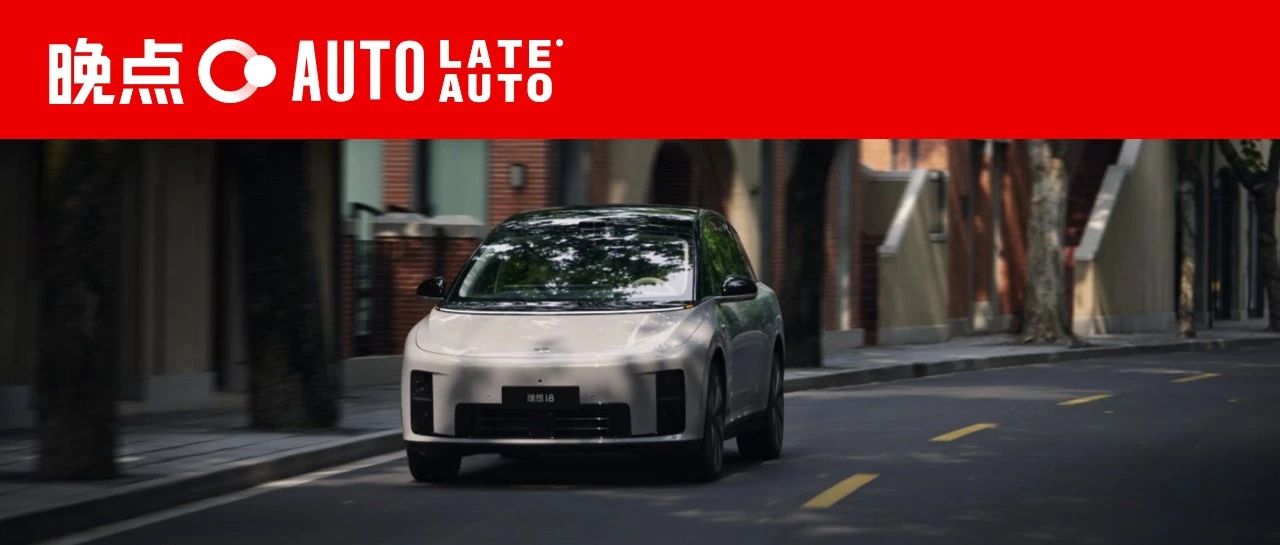
独家丨上市不到一周,理想 i8 将改为单一配置
晚点Auto· 2025-08-05 03:52
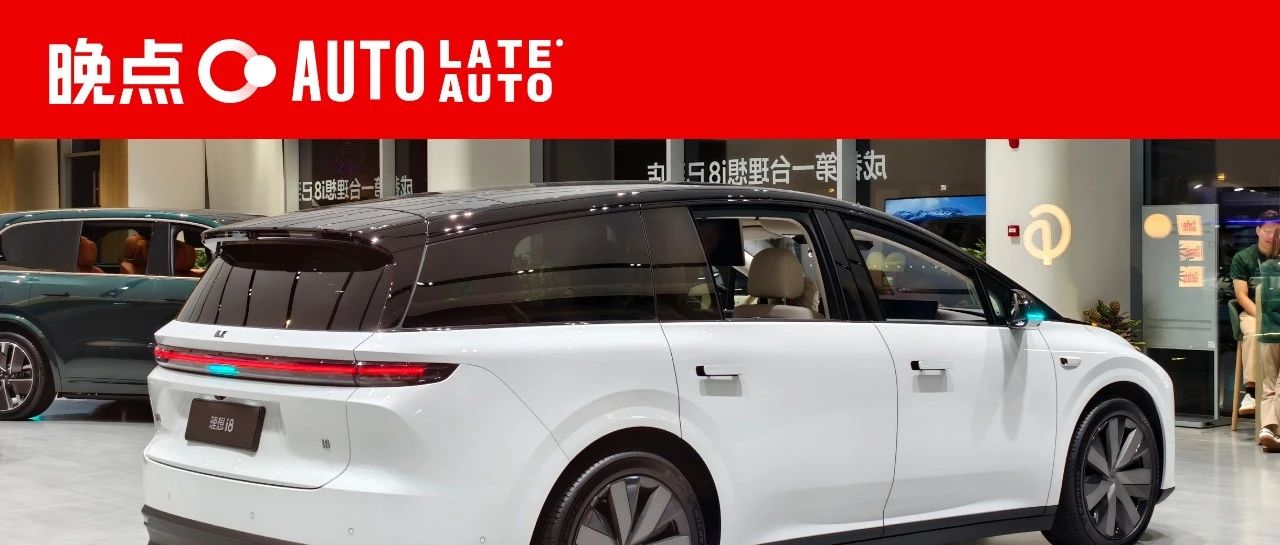
Core Viewpoint - The company is adjusting the configuration and pricing strategy of the newly launched i8 model, moving towards a single configuration approach similar to the earlier model, the理想 ONE, to better meet consumer expectations and enhance perceived value [3][7]. Configuration and Pricing Strategy - The i8 was initially launched with three versions: Pro, Max, and Ultra, priced between 321,800 and 369,800 yuan. However, the configuration did not meet user expectations, leading to a decision to simplify to a single configuration with optional features, including a standard car refrigerator [3][5]. - The starting price of the i8 will be lowered to below 350,000 yuan after the adjustment [3]. User Demographics and Market Positioning - The target users for the i8 are primarily existing electric vehicle owners, whose expectations differ significantly from those of traditional fuel vehicle users. This demographic prefers core features to be standard and desires more customization options [6]. - The previous configuration strategy aligned with the L8 model, which catered to a different user base that was more familiar with traditional multi-version configurations [5][6]. Market Strategy Reflection - The CEO of the company reflected on past mistakes in market strategy, indicating that the i8's launch should have been approached with a more pragmatic mindset, acknowledging the complexities of the electric vehicle market [6]. - The return to a single configuration strategy for the i8 is seen as a move to rebuild consumer trust and clarity regarding the product's value, similar to the successful approach taken with the理想 ONE during its initial market entry [7].
30 个销售阻击小米 YU7 的话术
晚点Auto· 2025-08-04 14:19
Core Viewpoint - The article discusses the competitive landscape in the electric SUV market following the launch of Xiaomi's YU7, highlighting how various brands are responding to its impact on consumer behavior and sales strategies [4][5][6]. Group 1: Market Response to YU7 - Xiaomi's YU7 has seen a significant drop in foot traffic after an initial surge, attributed to long delivery times and low sales incentives for staff [4][5]. - The YU7's delivery times range from 42 to 60 weeks, leading to a backlog of orders that has created opportunities for competitors to capture overflow demand [4][5]. - The YU7's entry into the 200,000 to 300,000 yuan SUV market has prompted a collective response from various brands, as they seek to intercept potential customers [5][6]. Group 2: Competitive Strategies - Competitors like Tesla, NIO, and others have implemented deposit compensation policies to attract YU7 customers, with some offering cash back or equivalent points [8][9]. - Sales strategies from various brands emphasize their own vehicle advantages over the YU7, focusing on aspects like space, battery type, and advanced driving capabilities [10][11]. - Many sales representatives acknowledged the YU7's strengths but highlighted that its success is largely due to Xiaomi's marketing prowess [9][12]. Group 3: Product Comparisons - The YU7's interior space is perceived as limited compared to competitors, which has been a focal point in sales discussions [11]. - The battery technology used in the YU7 has been critiqued, with competitors promoting their own battery systems as superior [11][12]. - Brands like Tesla and Xiaopeng emphasize their advanced driver assistance systems as a key differentiator from the YU7 [12][14]. Group 4: Market Dynamics - The YU7's launch has stimulated overall market interest in electric SUVs, with competitors reporting increased foot traffic and inquiries from potential buyers [17][18]. - The competitive landscape has shifted, with some brands benefiting from the YU7's presence by converting its customers into their own [17][18]. - As the initial excitement around the YU7 wanes, some brands have begun to retract their aggressive strategies, indicating a shift in focus to other models [19].

乐道 L90 上市,蔚来如期交付也许比四季度盈利更重要
晚点Auto· 2025-08-01 08:55
Core Viewpoint - NIO's recent launch of the L90 model has generated significant market interest, leading to a nearly 30% increase in its stock price, despite the vehicle's sales and deliveries not yet commencing [4][5][6] Group 1: Product Features and Market Position - The L90 model offers a spacious interior with dimensions close to other vehicles in the 500,000 RMB price range, featuring a length of 5145mm and a wheelbase of 3110mm [5] - The L90 is priced competitively, with a starting price of 265,800 RMB and a BaaS version starting at 179,800 RMB, which is lower than the pre-sale price [5][6] - The vehicle's BaaS discount rate is 30.7%, significantly higher than the 14-23% range of existing NIO models, indicating a strategic pricing approach to attract customers [7] Group 2: Sales and Profitability Goals - NIO aims to achieve a monthly sales target of 25,000 units for the L60, L90, and L80 models combined by Q4 2025, which is crucial for the company's profitability goals [5][6] - The company has adjusted its pricing strategy to ensure competitiveness while maintaining a reasonable profit margin, indicating a focus on long-term sustainability [9][12] Group 3: Management and Operational Efficiency - NIO's management emphasizes the importance of operational efficiency and execution, with plans to improve these areas to regain investor confidence [12] - The company has made preparations to meet production demands for the L90, with supply chain partners already ramping up production [10][11]

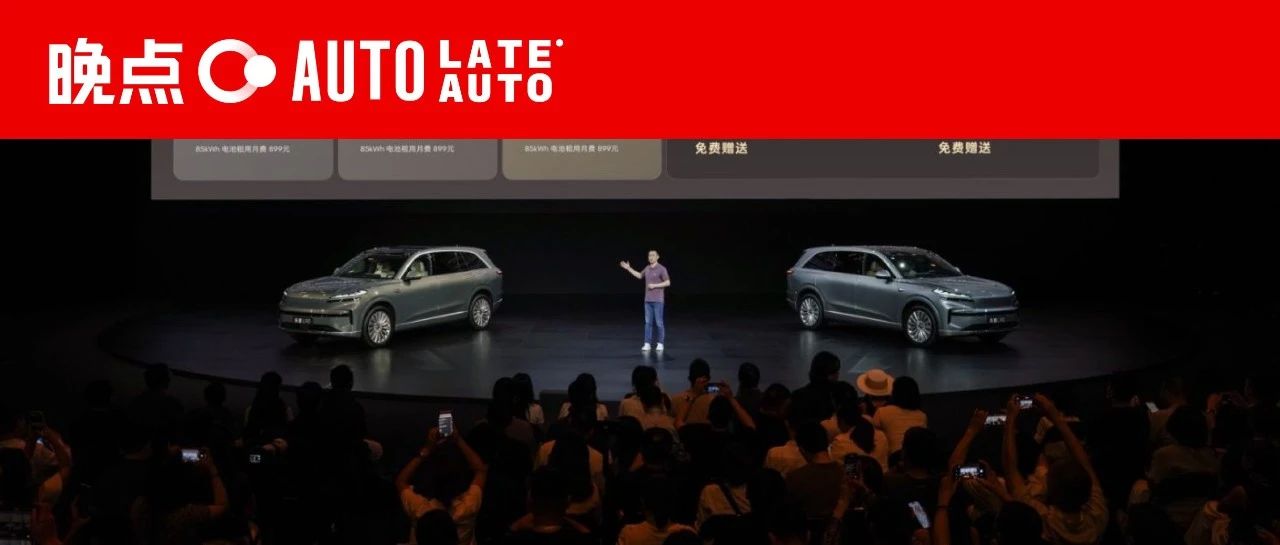
独家丨智界 “双 7” 改款 9 月上市,鸿蒙智行迎来产品大月
晚点Auto· 2025-07-31 05:57
Core Viewpoint - The article discusses the upcoming launch of five new vehicles from Hongmeng Zhixing in September, highlighting the challenges faced by the Zhijie brand and the performance of the Wanjie series, which significantly influences the overall sales trajectory of Hongmeng Zhixing [2][4][7]. Group 1: Upcoming Vehicle Launches - Hongmeng Zhixing will launch five new models in September, including the all-new Wanjie M7, Xiangjie S9T, Shangjie H5, and updated Zhijie R7 and S7 [2][3]. - The updated Zhijie R7 is expected to align its intelligent driving hardware with the Wanjie M8, featuring Huawei ADS 4 and zero-gravity seats for both front seats [3][4]. Group 2: Sales Performance and Challenges - The Zhijie brand has faced fluctuating sales, with the Zhijie R7 experiencing a peak monthly sales of 16,000 units in December last year, but dropping to around 2,000 units by June this year [4]. - In June, Hongmeng Zhixing achieved a record monthly delivery of 52,700 vehicles, with Wanjie accounting for over 80% of sales at 46,000 units, while both Xiangjie and Zhijie sold less than 5,000 units each [4][11]. Group 3: Wanjie Series Performance - The Wanjie series, particularly the M8 and M9, has shown a rebound in sales after model updates, with the M8 pure electric version set to launch in August [7][8]. - The new Wanjie M7, based on the Seres Magic Cube platform, will feature a family design language and is expected to offer both pure electric and range-extended versions [8][9]. Group 4: New Model Features and Market Positioning - The upcoming Xiangjie S9T will be the first travel car from Hongmeng Zhixing, launching both pure electric and range-extended versions simultaneously, with a focus on high-end features [11]. - The Shangjie H5 is positioned as the lowest-priced model in the Hongmeng Zhixing lineup, expected to be priced between 150,000 to 250,000 yuan, and will feature the latest ADS 4 driving assistance system [12].
理想 i8 产品故事:延期一年的新车,要打一场输不起的仗
晚点Auto· 2025-07-30 02:42
Core Viewpoint - The launch of the Li Auto i8 is seen as a critical moment for the company, as it aims to recover from previous setbacks and establish a strong position in the electric vehicle market amidst increasing competition from tech companies like Huawei and Xiaomi [1][2][26]. Group 1: Product Development and Strategy - The i8 serves as a test for Li Auto's ability to transition from range-extended vehicles to fully electric models, reflecting the company's product methodology [2][26]. - The i8 was initially planned for production in August 2024, but adjustments were made to its design and strategy following the underperformance of the MEGA model [6][8]. - Li Auto's management underwent significant restructuring to enhance collaboration and adapt to the competitive landscape, with experienced executives leading the i series development [2][7][10]. Group 2: Market Positioning and Expectations - The i8 is priced between 321,800 to 369,800 yuan, targeting a market segment that values spaciousness and fast charging capabilities [2][26]. - The company aims to achieve a significant increase in sales, with a target of 1.6 million annual deliveries by 2025, despite acknowledging the complexities of consumer demand in the automotive market [28][29][31]. - The i8's design emphasizes maximizing interior space by sacrificing front trunk capacity, aiming to provide a comfortable experience for all six passengers [16][17]. Group 3: Competitive Landscape - The i8 faces challenges similar to past crossbreed vehicles, where success depends on clear product positioning and understanding consumer needs [19][26]. - The automotive market is becoming increasingly competitive, with other brands like Tesla and Aito launching new models around the same time as the i8's pre-sale [34][35]. - Li Auto's cautious approach to the i8's pre-sale reflects a desire to gauge market acceptance before committing to aggressive sales targets [31][32].