晚点Auto

Search documents
独家丨湛逸飞将出任理想人形机器人业务负责人
晚点Auto· 2026-02-13 07:43
Core Viewpoint - Li Auto has established a new humanoid robot department, appointing Zhan Yifei, a senior algorithm expert from the autonomous driving team, as the head, indicating a strategic shift towards robotics following advancements in autonomous driving technology [4][6]. Group 1: Organizational Changes - Zhan Yifei will oversee the research and product development of the humanoid robot department, while the previous head, Lang Xianpeng, will be leaving the company [6]. - The new humanoid robot team has begun to establish its software and hardware technology since its formation in January [4][6]. - The restructuring of the autonomous driving department involved splitting it and merging parts with the intelligent space department, leading to the creation of the humanoid robot department [7]. Group 2: Technological Expertise - Zhan Yifei has a background in key technologies such as BEV (Bird's Eye View) algorithms and world model algorithms, which are crucial for autonomous driving systems [6]. - The BEV algorithm, which converts multiple camera images into a unified bird's-eye view, has been pivotal in advancing Li Auto's autonomous driving capabilities [6]. - The world model approach enhances AI's understanding and prediction of physical world dynamics, improving decision-making capabilities in autonomous systems [6]. Group 3: Strategic Direction - Li Auto's CEO, Li Xiang, has emphasized that embodied intelligence is a significant direction for AI development, with humanoid robots expected to be a major product form following smart vehicles [6]. - The company aims to leverage its accumulated algorithm capabilities, data assets, and engineering experience from autonomous driving to the humanoid robot sector [7]. - The transition to humanoid robotics aligns with the company's long-term vision of integrating advanced AI technologies into various product forms [6][7].


内存紧缺,被压了三年价的供应商替车企扛住第一波冲击
晚点Auto· 2026-02-12 11:37
Core Viewpoint - The demand for memory chips, driven by AI training and inference, has surged over the past two years, leading to price increases and supply shortages that are impacting the automotive supply chain. The shortage is expected to persist for one to two years, with limited space for domestic alternatives [3][4]. Group 1: Supply Chain Dynamics - The automotive industry is facing a significant supply gap of approximately 30% for memory chips, with suppliers unable to meet the demand from multiple clients simultaneously [5]. - Major memory manufacturers like SK Hynix, Samsung, and Micron have shifted their production focus from traditional DRAM to higher-margin HBM chips due to strong AI demand, resulting in a price increase of over 300% for DDR5 and over 150% for DDR4 since September 2025 [9][10]. - The automotive sector accounts for less than 10% of the global DRAM market, and memory chips only represent about 1% of the total BOM cost for vehicles, leading manufacturers to prioritize higher-paying clients [9][10]. Group 2: Competitive Landscape - Companies that secured memory chip capacity in advance are gaining a competitive edge, as they can protect their clients and navigate the crisis more effectively [5][11]. - Some leading automotive companies have begun switching suppliers to secure stable pricing and supply commitments, but this process is complicated by the need for certification and testing [11]. - The reliance on suppliers for inventory and negotiations means that automotive companies are at a disadvantage during supply crises, as suppliers prioritize clients willing to share cost burdens [11]. Group 3: Future Implications - The ongoing memory supply crisis is likely to lead automotive companies to make more strategic decisions regarding memory configurations in their products, potentially reducing specifications for lower-tier models and freezing certain software functionalities [12]. - Domestic manufacturers like Changxin Storage and Yangtze Memory Technologies are expanding their DRAM production, but the delivery timelines have extended significantly, indicating limited immediate relief for the automotive sector [12].


独家丨蔚来李斌最新内部讲话:跑通 CBU 机制,花最小的钱办出最大的事
晚点Auto· 2026-02-10 08:19
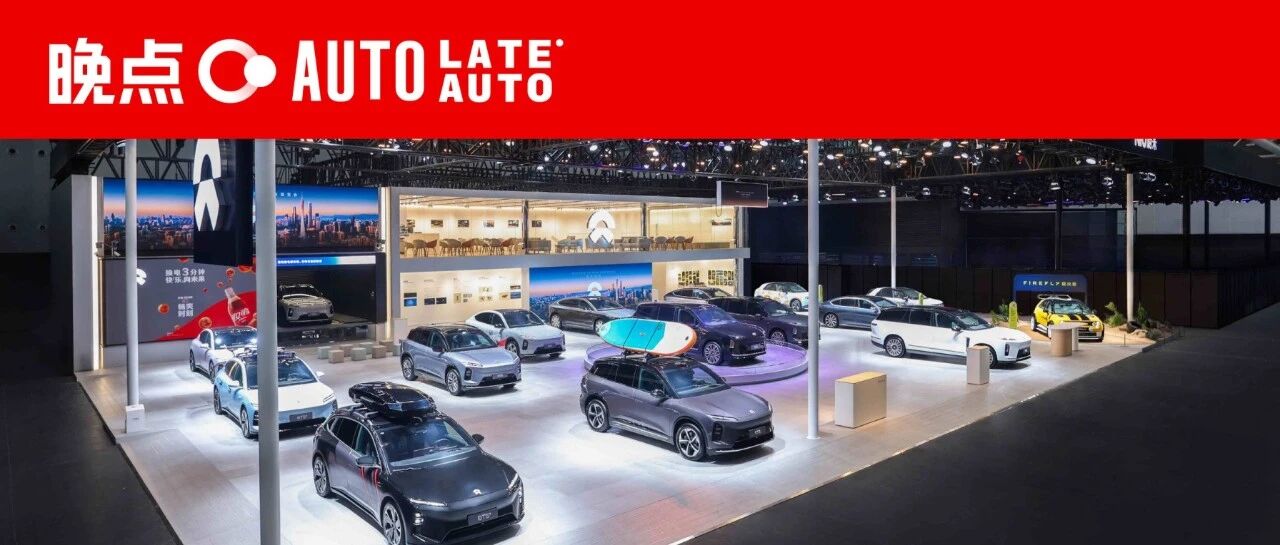
Core Viewpoint - NIO's focus for 2025 and beyond is on maintaining technological and product leadership while ensuring operational efficiency and profitability [2][6][20]. Group 1: Company Achievements and Growth - NIO delivered 60,000 units of the new ES8 model within 134 days, significantly contributing to the company's profitability in Q4 [4][9]. - The company achieved a 47% year-on-year sales growth last year, with over 70% growth in the second half of the year [6][12]. - NIO celebrated the production of its 1 millionth vehicle in January, marking a significant milestone in its growth trajectory [12][13]. Group 2: Product and Technology Development - NIO's "new three key components" include the self-developed smart driving chip NX9031, the SkyOS operating system, and the intelligent chassis, all of which are set to be implemented in 2025 [6][10]. - The NX9031 chip, built on a 5nm process, is highlighted as a major achievement, showcasing NIO's commitment to advanced technology [10][11]. - The company emphasizes the importance of maintaining product competitiveness through efficient R&D investment and prioritizing user value [18][19]. Group 3: Future Goals and Strategies - NIO aims to achieve annual Non-GAAP profitability this year, emphasizing the necessity of reasonable profits for sustainable development [7][20]. - The company plans to continue expanding its battery swap infrastructure, targeting the construction of 1,000 new swap stations this year [14][19]. - NIO's long-term vision includes maintaining a 40%-50% annual growth rate, with a goal of reaching 5 million annual sales by 2035 [20][21].

对话智能房车 Pebble 创始人杨秉锐:怎么用苹果的方式造房车?
晚点Auto· 2026-02-05 06:19
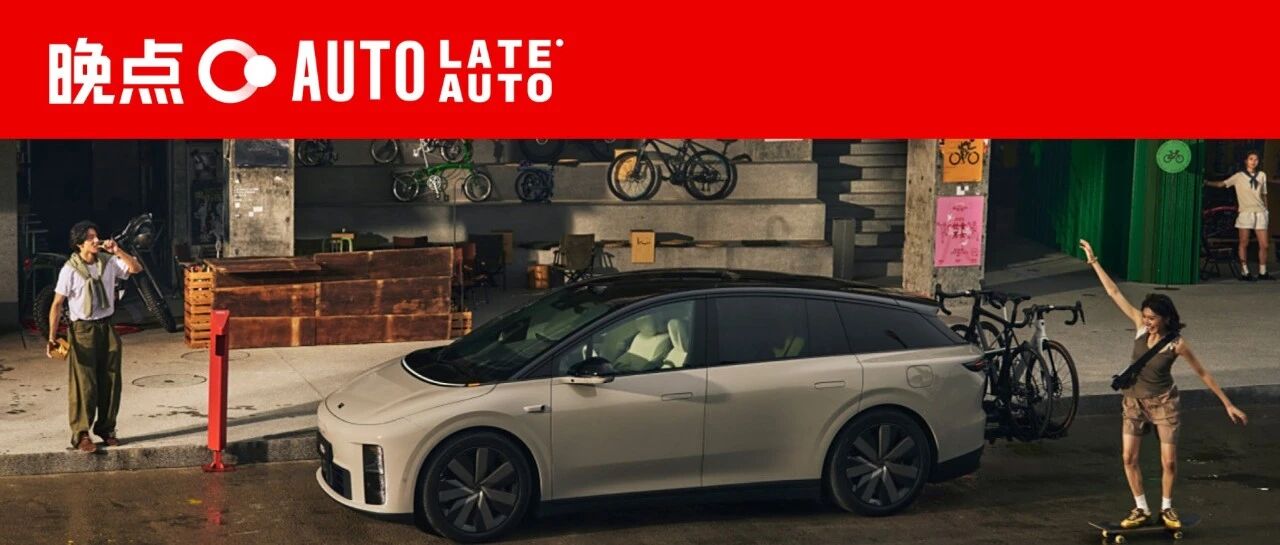
Core Viewpoint - Pebble is the first company to mass-produce and deliver smart RVs, aiming to revolutionize the RV industry by integrating advanced technology and user-friendly features into their products [1][2]. Group 1: Company Overview - Pebble's first product, Pebble Flow, is a fully electric trailer RV equipped with a 45kWh battery and dual motor system, allowing it to operate autonomously and significantly improving user experience [2][5]. - The company has already delivered hundreds of units and is experiencing positive user feedback, particularly regarding its automated features like the Magic Hitch [5][6]. - Pebble aims to establish itself as a high-end brand before expanding into the mass market, similar to Tesla's strategy with its Model S/X [3][10]. Group 2: Market Context - The RV market in the U.S. is valued at approximately $25 billion annually, with only about 10% of American households owning an RV, indicating significant growth potential [3][14]. - Competition is increasing with new entrants like Lightship and KEPLO, but Pebble's first-mover advantage and established user base position it favorably in the market [3][10]. Group 3: Product Features and Innovations - Pebble Flow features a unique design that allows for easy towing and parking, with automated systems that reduce the time and effort required for setup [6][9]. - The RV is designed with a focus on energy efficiency, utilizing a high-voltage battery system that allows for extended use without the need for frequent recharging [7][15]. - The interior design maximizes space efficiency, with multifunctional areas that enhance usability without compromising comfort [9][8]. Group 4: Competitive Advantage - Pebble's team possesses a strong internal drive and commitment to product excellence, which contributes to its rapid production and delivery capabilities [13][30]. - The company leverages a global supply chain, sourcing components from China while maintaining assembly in the U.S., which enhances efficiency and cost-effectiveness [16][17]. - Pebble's focus on user experience and addressing common pain points in traditional RVs sets it apart from competitors who may not prioritize these aspects [6][19]. Group 5: Future Plans - The company plans to expand its product line and develop a comprehensive maintenance network across the U.S. by 2026, while also exploring new product innovations [31][30]. - Pebble's long-term vision is to create a scalable living platform centered around energy and smart technology, moving beyond just selling RVs [31].
独家丨小鹏自动驾驶、智能座舱中心合并,新成立通用智能中心
晚点Auto· 2026-02-03 02:07
Core Viewpoint - The article discusses the restructuring of XPeng Motors, merging its autonomous driving and intelligent cockpit departments into a new General Intelligence Center, led by Liu Xianming, to enhance AI capabilities and streamline operations in the automotive and robotics sectors [2][5]. Group 1: Organizational Changes - XPeng Motors has combined its two primary AI departments—Autonomous Driving Center and Intelligent Cockpit Center—into a General Intelligence Center to create a unified AI platform [2][5]. - Liu Xianming, previously in charge of autonomous driving, will lead the new center, reporting directly to CEO He Xiaopeng [2][5]. - The restructuring aims to centralize AI resources, allowing for more flexible resource allocation and better coordination between intelligent driving and cockpit development [5][6]. Group 2: Strategic Direction - The new General Intelligence Center will support applications across intelligent driving, intelligent cockpit, and robotics, reflecting a shift towards a more integrated approach in AI development [3][5]. - XPeng's strategy emphasizes the convergence of intelligent cockpit and driving technologies, aiming to create a "super intelligent entity" [6]. - He Xiaopeng has articulated a vision for XPeng to evolve into a global physical AI technology company, leveraging a unified AI technology system across various robotic forms, including cars and humanoid robots [6]. Group 3: Market Context - The automotive industry is witnessing similar trends, with companies like Tesla investing heavily in AI and robotics, indicating a broader shift towards integrating AI capabilities within automotive manufacturing [6]. - XPeng's recent vehicle launch included models equipped with advanced AI technologies, showcasing its commitment to innovation in the sector [6]. - In 2022, XPeng delivered 429,000 vehicles, marking a 126% year-on-year increase, highlighting its growth trajectory in the competitive electric vehicle market [6].

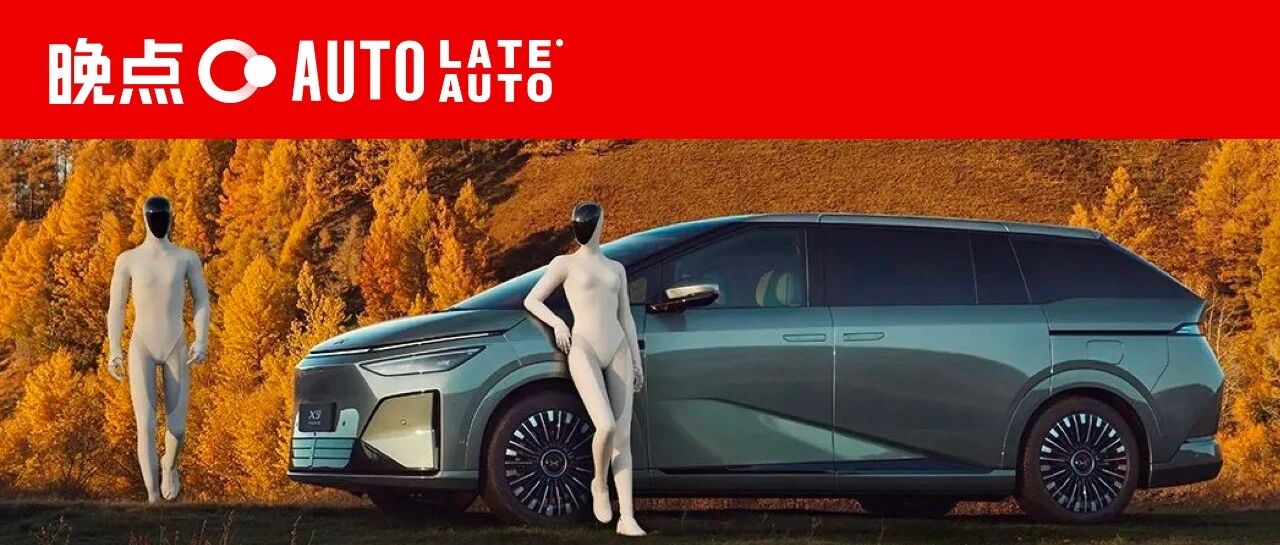
独家丨理想新设人形机器人和软件本体部门,多数自动驾驶员工划入基座模型团队
晚点Auto· 2026-01-30 13:42
Core Viewpoint - Li Auto is undergoing a significant organizational restructuring to enhance its AI strategy, aiming to align with the operational models of leading AI companies and redefine personnel roles for collaborative development of silicon-based life forms [4][6]. Group 1: Organizational Changes - A new software core team has been established, led by Vice President of Intelligent Space, Guo Xiaofei [4]. - A humanoid robot team has been formed, headed by Senior Vice President of Autonomous Driving R&D, Lang Xianpeng [4]. - The base model team will be led by Zhan Kun, with most employees from the autonomous driving department transitioning to this team [4]. Group 2: Leadership Background - Guo Xiaofei previously served as Chief Architect at LeEco Auto and has been involved in key projects at Li Auto, including the intelligent cockpit system for Li ONE [6]. - Lang Xianpeng joined Li Auto in 2018 and has risen from R&D Director to Senior Vice President, previously working at Baidu on various autonomous driving projects [6][7]. - Zhan Kun, who graduated from Beihang University in 2016, has focused on autonomous driving architecture and technology stack deployment since joining Li Auto in 2021 [7]. Group 3: Future Plans and Innovations - Li Auto plans to launch its "end-to-end + VLM" solution by October 2024, aiming to position itself among the top tier in driving experience [7]. - The full rollout of the VLA solution is scheduled for September 2025, with an updated OTA 8.2 version and enhanced VLA driver model expected in January 2026 [7].
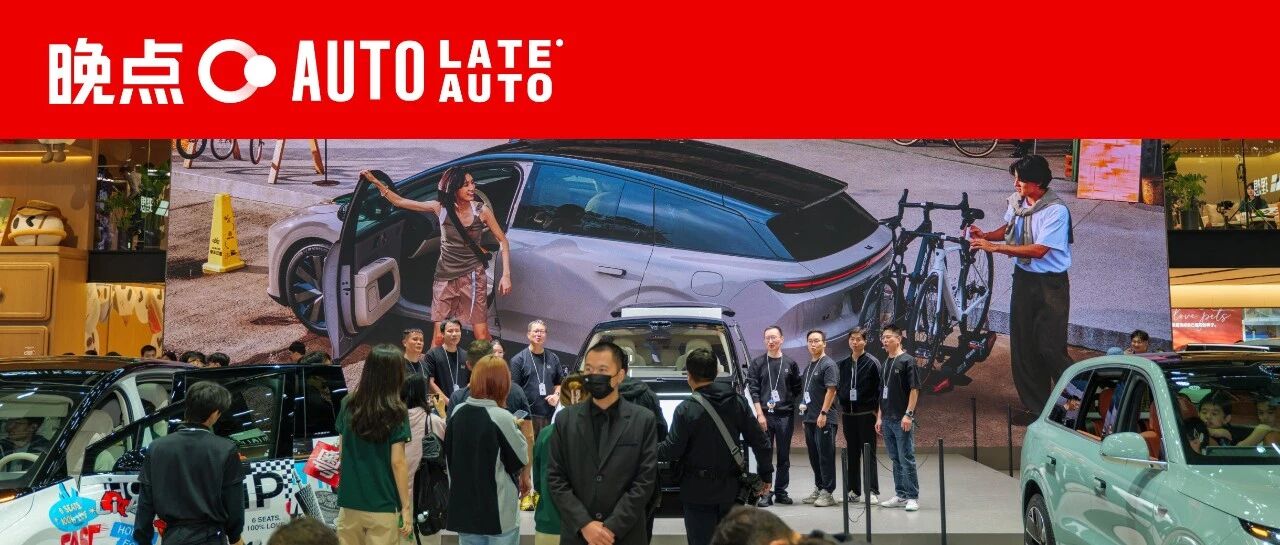
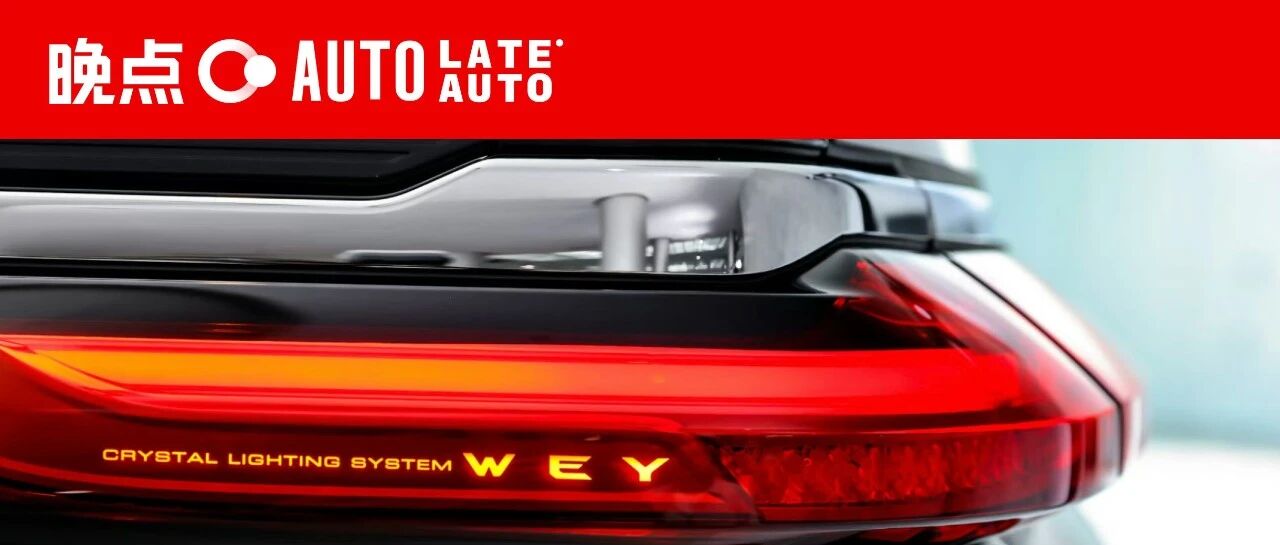
独家丨长城魏牌重回品牌公司,销售渠道将直营、代理并行
晚点Auto· 2026-01-30 12:48
蓝山进入经销商渠道。 文 丨 曾兴 编辑 丨 龚方毅 长城汽车近五年来一直在转型,其中冲击高端化的魏牌尤受关注。去年 12 月初,魏牌 CEO 从 新势力背景的冯复之切换为 "老长城" 赵永坡后,相关的调整还在继续。 我们独家获悉,去年 12 月中旬,长城集团在内部宣布,将魏牌调整至品牌公司并更名为魏品 牌,组织内按车型设置作战单元——高山、蓝山、摩卡和 "DE" 作战单元,以及品牌策划、销 售管理、运营管理等职能部门。魏牌曾在 2024 年底从品牌公司拆出与长城智选整合,并在去 年 5 月对外官宣更名为 "魏牌新能源",相当于独立运营。 渠道端配合着品牌和组织的调整。两位长城渠道人士告诉我们,从 2 月开始,魏牌蓝山车型将进入经 销商渠道,和直营门店同步销售,目前已在向经销商培训。"经销商将用代理模式,和直营店一样在 APP 订车,避免扰乱价格。" 这种模式下经销商不承担库存,用户通过官方渠道下单,厂家可以控制 终端价格稳定。目前小米、极氪均使用代理制。 一位长城渠道侧人士说,"2026 年会减少开商超店,还会开一些综合店或汽车商圈的零售店。" 我们 了解到,关于今年新开门店的数量长城内部还在商讨,目前设定 ...

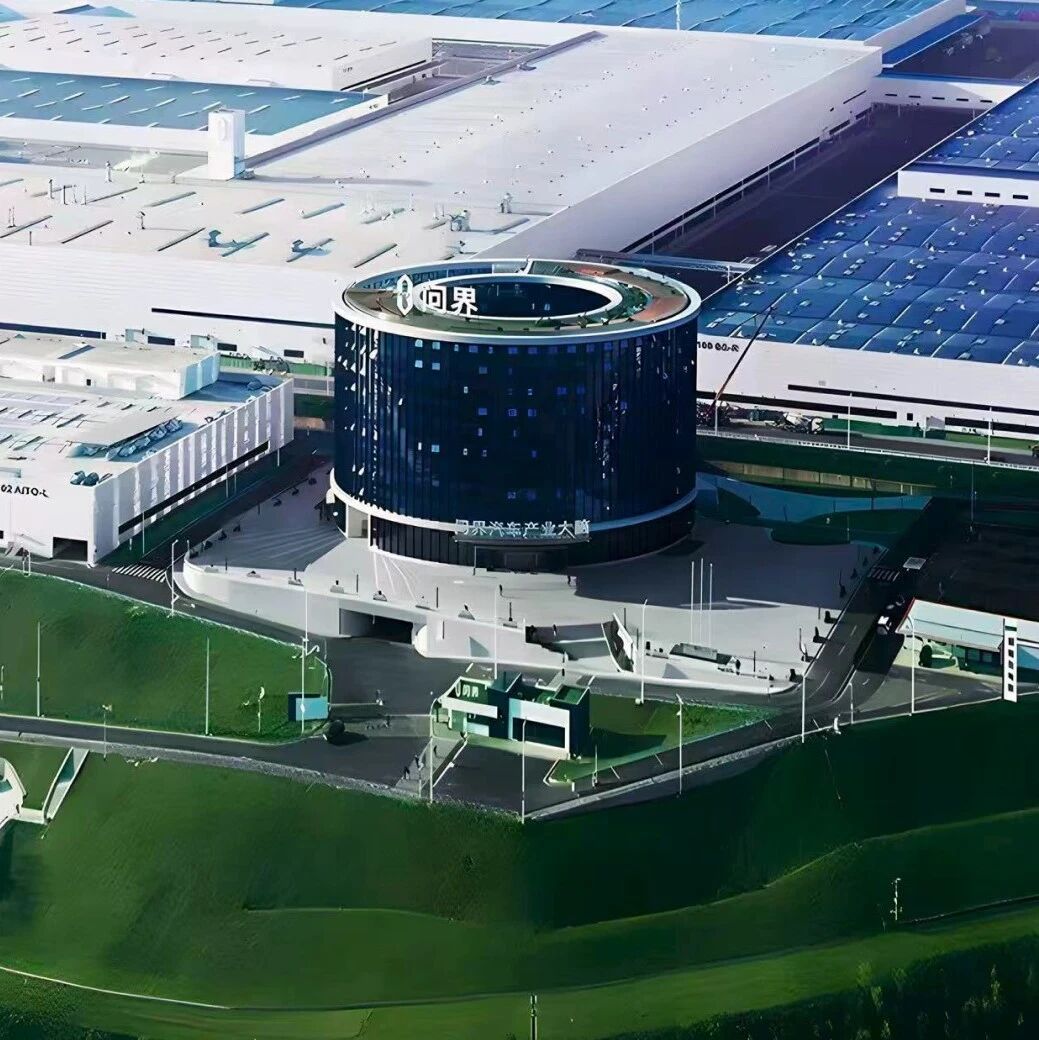
张兴海的造车方法论:向下扎根用户,向外跨界融合
晚点Auto· 2026-01-29 14:51
Core Viewpoint - The achievement of 1 million vehicles by the AITO brand marks a significant milestone in the new car manufacturing model, showcasing a shift from exploration to large-scale implementation [2][3]. Group 1: Milestone Achievement - AITO reached the milestone of 1 million vehicles in just 46 months, setting multiple industry records, compared to Tesla's approximately 12 years [3]. - The average price of AITO vehicles exceeds 400,000 yuan, indicating a clear focus on the high-end market [3]. Group 2: Cross-Industry Collaboration - The collaboration between Seres and Huawei began in 2021, with Seres handling vehicle development and manufacturing while Huawei provided smart cockpit and driving assistance systems [4]. - This partnership has deepened over time, demonstrating that cross-industry collaboration can lead to rapid achievements, as emphasized by Seres' chairman Zhang Xinghai [4]. Group 3: User-Centric Approach - AITO's success is attributed to its user-centric approach, with a focus on serving customers and integrating their feedback into product development [4][6]. - Zhang Xinghai's frequent face-to-face interactions with users have allowed the company to gather valuable insights, which are directly incorporated into product iterations [6][8]. Group 4: Brand Development and Market Position - AITO has achieved the highest Net Promoter Score (NPS) in the automotive industry for three consecutive times, reflecting strong user loyalty and brand confidence [9]. - The brand's NPS remains high even as it undergoes product updates, indicating a stable user base [9]. Group 5: Innovation and Future Goals - The shift towards electric vehicles has changed the luxury car landscape, with AITO leveraging its partnership with Huawei to enhance its software capabilities [11]. - AITO aims to deliver another 1 million vehicles in the next two years, showcasing its ambitious growth targets [15].

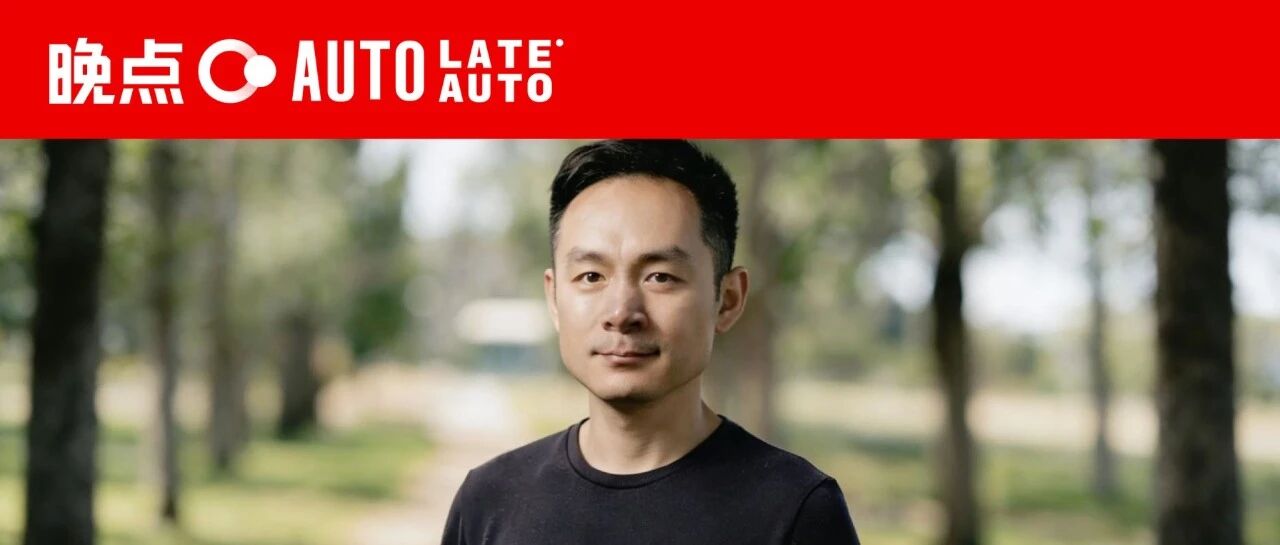
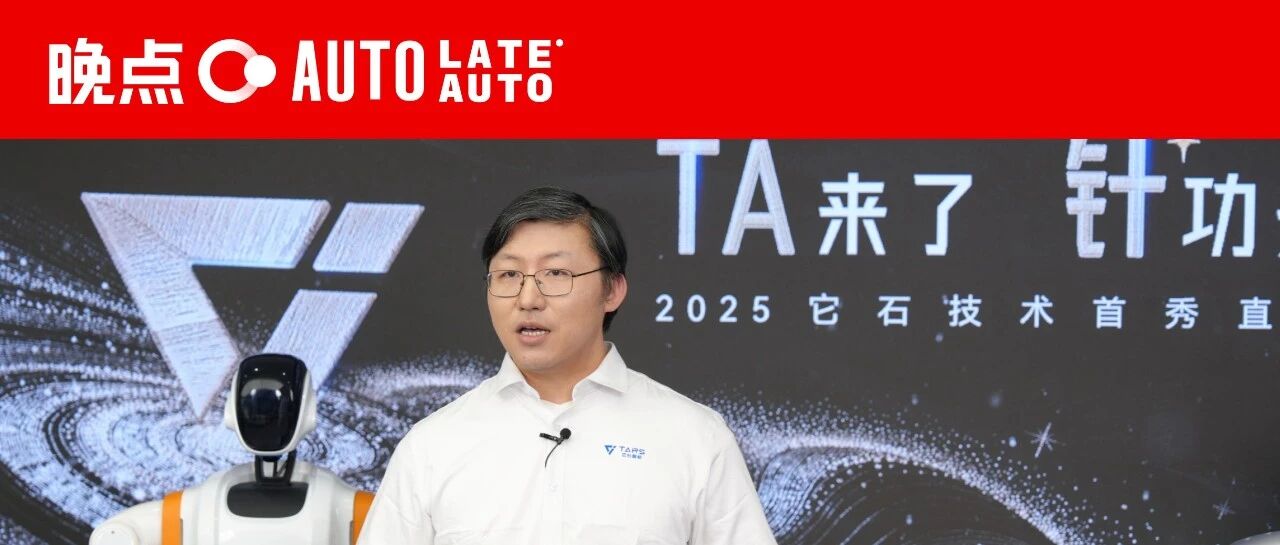
对话它石智航陈亦伦:不做 VLA,不仿真,一家具身智能公司的非主流判断
晚点Auto· 2026-01-29 14:51
Core Viewpoint - The article discusses the emergence of a new company, It Stone, founded by Chen Yilun, focusing on embodied intelligence and its unique approach to data collection and model development, diverging from mainstream methods like VLA (Vision-Language-Action) [4][38]. Group 1: Company Overview - It Stone has raised a record $1.2 billion in angel funding, marking a significant milestone in China's embodied intelligence sector [4]. - The company aims to develop its own model, AWE (AI World Engine), which emphasizes the expression of physical quantities and world information rather than relying on visual and language models [4][38]. Group 2: Data Collection Strategy - It Stone has developed wearable devices for data collection, allowing workers to gather real-world task data without the high costs associated with remote operation methods [5][24]. - The company has already collected approximately 100,000 hours of data, with plans to significantly increase this volume in the coming year [31]. Group 3: Technical Insights - Chen Yilun emphasizes that the current bottleneck in embodied intelligence is data acquisition, which is challenging and expensive compared to the vast amounts of data available for language models [15]. - The company’s approach to data collection is designed to be more efficient and scalable, aiming for a foundational scale of at least 10 million hours of data for effective training [27][28]. Group 4: Market Position and Future Outlook - It Stone is positioning itself to address complex tasks in industrial manufacturing, particularly in areas like wire harness assembly, which traditional robots struggle to perform [41]. - The company believes that the embodied intelligence sector is on the verge of significant advancements, with expectations for scaling and performance improvements in the coming years [40].
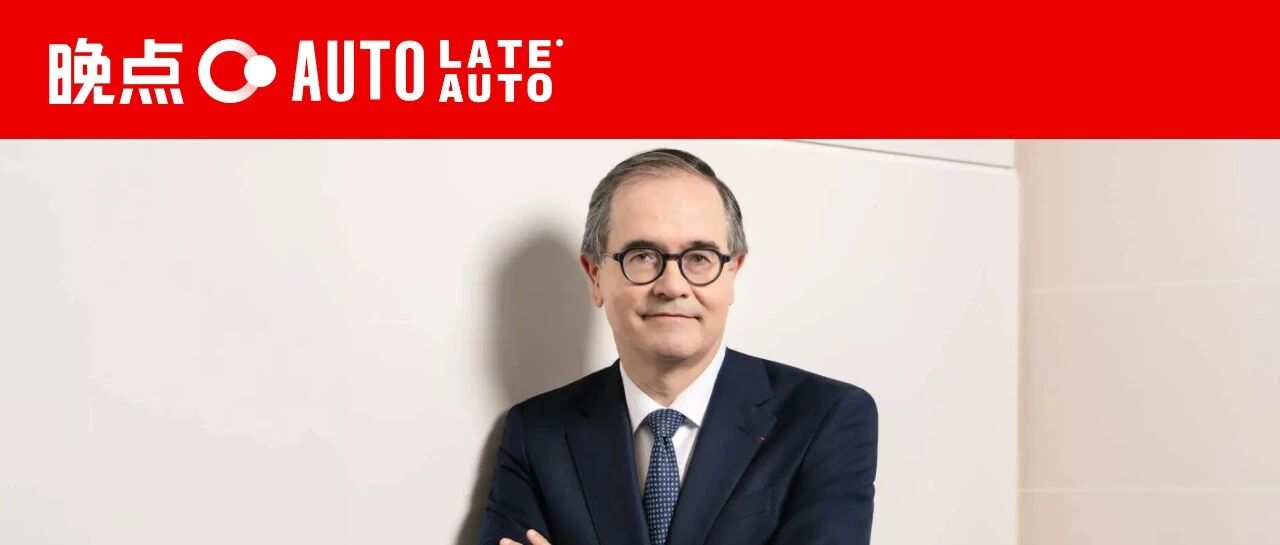
对话雷诺集团 CEO 福兰:短期内不会重返中国卖车,但用中国供应链把车卖到全世界
晚点Auto· 2026-01-23 07:52
Core Viewpoint - The traditional automotive business model based on scale and volume is ending, and companies must learn from China's speed to enhance efficiency in global projects [3][4][22]. Group 1: Old Business Model and New Strategies - The old model of automotive business relied on developing a platform to maximize global production and sales, exemplified by the Renault-Nissan-Mitsubishi alliance [4]. - The CEO of Renault emphasized the need for European companies to adopt the rapid decision-making pace seen in China, where projects can move from concept to production in significantly shorter timeframes [4][10]. - Renault's Twingo E-Tech project was developed in just 21 months, compared to the typical three years for European automakers [4][10]. Group 2: Collaboration and Partnerships - Renault's strategy includes viewing "partnerships" as a key pillar, alongside product development, operational excellence, and talent capital [6][11][24]. - The company is focusing on building win-win relationships with Chinese suppliers, leveraging their desire to expand internationally [20][25]. - Renault's collaboration with Geely in various markets, including Korea and Brazil, is seen as a model for mutual benefit, allowing both companies to leverage each other's strengths [9][23]. Group 3: Innovation and R&D - The establishment of the ACDC (Advanced China Design Center) in 2024 aims to utilize China's supply chain efficiency to support Renault's global product offerings [10][19]. - ACDC is expected to drive the company's technological transformation and enhance its product development speed [20][24]. - The center will focus on three main goals: understanding the Chinese automotive ecosystem, building collaborative models with suppliers, and exporting efficient R&D paradigms globally [20]. Group 4: Market Dynamics and Future Outlook - The CEO expressed confidence that deep ties with the Chinese supply chain will not dilute Renault's brand value, as the company has been an early investor in electric vehicles [11][14]. - The competitive landscape in China is shifting, with a strong demand for larger vehicles, while European markets are moving towards more compact models [22]. - Renault aims to adapt to these market changes by focusing on customer needs and minimizing resource investment through partnerships [16][22].