36氪

Search documents
哪吒汽车破产后,它留下了哪些天坑?
36氪· 2025-09-16 13:35
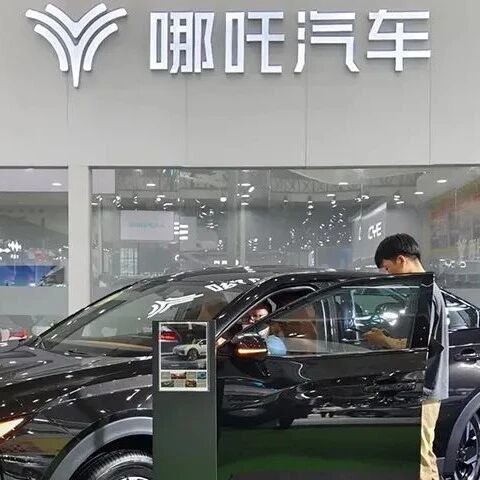
Core Viewpoint - The bankruptcy restructuring of Nezha Auto has resulted in significant negative consequences for its stakeholders, particularly for car owners who are now facing a loss of smart services and potential financial burdens due to the company's failure to maintain its operations [5][7]. Group 1: Impact on Car Owners - The closure of Nezha Auto has severely affected the rights of approximately 460,000 car owners, who now possess vehicles that lack ongoing support and updates for their smart systems [9][11]. - Electric vehicles are characterized by their reliance on continuous updates and smart technology, which distinguishes them from traditional fuel vehicles. The failure of a manufacturer leads to a complete halt in these essential services [7][9]. - Car owners are now required to pay for data services that were previously included in the vehicle price, leading to additional costs for services such as navigation and remote control [11]. Group 2: Financial Liabilities - Nezha Auto is facing a total debt of 26 billion, with only 5.1 billion confirmed as collectible, indicating a severe financial crisis [13]. - The company has only 15 million in cash reserves and 9.3 billion in accounts receivable, raising concerns about the recovery of these debts [13]. - Additionally, Nezha Auto owes 4.6 billion in wages to over 5,000 employees, which poses a significant challenge for those affected [13]. Group 3: International Implications - Nezha Auto has exported 25,000 vehicles, primarily to Thailand and Indonesia, leaving these overseas customers without support or recourse [15]. - The current state of the electric vehicle market emphasizes the importance of sustainable smart technology, rather than just electric capabilities, as a critical factor for consumers [15].

获IDG、安克投资,深圳智能办公家居大卖年收超5亿美元|Insight全球
36氪· 2025-09-16 13:35
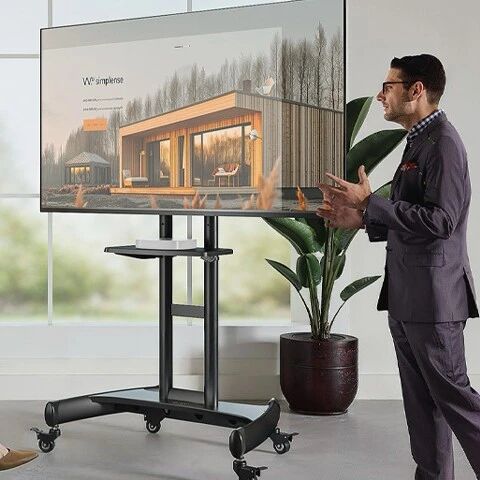
Core Viewpoint - The article highlights the success of Beisiqi, a Chinese company specializing in ergonomic home and office products, which has achieved over $500 million in sales in 2024 and competes effectively with established overseas brands [5][16]. Group 1: Company Background and Growth - Beisiqi was founded by engineer Lv Yaqi, who focused on product optimization during the early days of cross-border e-commerce, rather than quick profits from white-label products [6][11]. - The company launched an ergonomic TV mount in 2017, which quickly became a best-seller on Amazon, achieving monthly revenues of up to $800,000 [7][11]. - Beisiqi has expanded its product line from TV mounts to monitor stands and height-adjustable desks, achieving category leadership on Amazon [13][15]. Group 2: Market Insights and Strategy - The global office furniture market is projected to reach $57.51 billion in 2024, with significant growth expected in the U.S. market, driven by demand for ergonomic and modern office solutions [18]. - Beisiqi aims to address unmet user needs in seemingly mature categories by offering innovative designs and smart features, such as voice-controlled TV mounts [9][19]. - The company has received investments from IDG Capital and Anker Innovations, which have accelerated its global expansion and product development [16]. Group 3: Future Directions and Innovations - Beisiqi is focusing on creating smart ergonomic products that enhance user experience, with plans to integrate AI and voice control into its offerings [22]. - The company targets a 20% market demand for smart features in the future, which is expected to contribute significantly to industry profits [22]. - Beisiqi's growth strategy includes continuous double-digit growth, product smartification, high-end differentiation, and deepening offline channels [22].
十年拿了西贝6000万,「华与华」为何陷入争议
36氪· 2025-09-16 09:51
Core Viewpoint - The article discusses the ongoing conflict between the branding consultancy company Huayi Huayi and entrepreneur Luo Yonghao regarding the use of pre-prepared dishes in the restaurant industry, highlighting the implications for brand strategy and market positioning [4][6][8]. Group 1: Company Overview - Huayi Huayi, founded in 2002 by brothers Hua Shan and Hua Nan, specializes in brand consulting, marketing planning, and strategic design, with a unique methodology called "Super Symbol" [12][13]. - The company has served notable clients such as Haidilao, Mixue Ice City, and Xibei, and has been working with Xibei since 2013, significantly contributing to its brand development [13][14]. Group 2: Financial Aspects - Over ten years, Huayi Huayi has earned over 60 million yuan in consulting fees from Xibei, with future expectations of 100 million yuan for the next decade [14]. - The company is also linked to the publicly listed company Dook Culture, which has seen a decline in revenue and net profit in its latest financial report [15]. Group 3: Industry Dynamics - The article outlines the competitive landscape of brand consulting in China, identifying four main schools of thought, with Huayi Huayi representing the design school and others like Traut representing the positioning school [16][18]. - The ongoing debate between Huayi Huayi and the positioning school reflects a struggle for dominance in the branding consultancy market, with Huayi Huayi aiming to redefine industry standards [18][19].

都说iPhone 17「又丑又土」,怎么你还是抢不到?
36氪· 2025-09-16 09:51
Core Viewpoint - The article discusses the launch of the iPhone 17 series, highlighting the initial consumer skepticism followed by overwhelming demand, showcasing Apple's strong brand influence and market strategy [4][5][43]. Group 1: Product Launch and Consumer Response - The iPhone 17 series faced initial criticism for its design but quickly saw high demand during the pre-sale, indicating a shift from consumer skepticism to eagerness to purchase [5][8]. - On the launch night, various platforms experienced slow loading times due to high traffic, with terms like "iPhone 17 sold out" trending on social media [8][9]. - Consumers expressed a willingness to purchase the iPhone 17 series, particularly noting the competitive pricing and storage options compared to previous models [9][10]. Group 2: Product Features and Upgrades - The iPhone 17 standard version features significant upgrades, including a 120Hz display, improved battery life, and a starting storage of 256GB at the same price as the previous generation [18][20]. - The introduction of the iPhone 17 Pro Max with a 2TB option marks a new pricing milestone for Apple, priced at 17,999 yuan [9][21]. - The iPhone Air, while thinner and lighter, raises concerns about its market positioning and battery life due to the removal of the SIM card slot [24][30]. Group 3: Market Strategy and Future Outlook - Apple's strategy appears to focus on maintaining high average selling prices (ASP) and exploring new product categories, such as the iPhone Air, which aims to create a new high-end non-Pro segment [30][31]. - The article suggests that Apple's future product roadmap includes significant innovations, such as a foldable iPhone and a fully glass iPhone, indicating a long-term vision for product development [30][31]. - Despite the strong sales of the iPhone 17, concerns remain about Apple's lack of significant AI advancements compared to competitors, which could impact its long-term market position [42][43].


前字节产品设计师创业「AI宠物」,再获数千万元融资
36氪· 2025-09-16 09:51
Core Viewpoint - The article discusses the emergence of AI companionship products, particularly focusing on the company Ropet and its founder's personal experiences with loneliness, which inspired the creation of an AI pet that provides emotional support rather than traditional conversation [4][6][10]. Group 1: Company Overview - Ropet is an AI companionship robot company founded by He Jiabin, who has a background in major tech companies like Microsoft and Baidu [7][15]. - The company aims to address the loneliness experienced by urban populations through its product, which simulates a living being that requires care, thus providing emotional value to users [10][11]. Group 2: Product Design Philosophy - Ropet's design philosophy is counterintuitive; instead of focusing on conversation, it emphasizes the emotional connection through caregiving, allowing users to find satisfaction in nurturing [10][12]. - The product is designed to resemble a small cat, featuring a soft surface and temperature control, and it responds to human touch with expressions and sounds, enhancing the sense of companionship [12][35]. Group 3: Market Response and Performance - Ropet successfully raised 26.87 million yen (approximately 1.3 million RMB) on the first day of crowdfunding in Japan, indicating strong market interest [13][15]. - The company has completed a multi-million A1 round of financing, led by the Beijing Artificial Intelligence Industry Investment Fund, showcasing investor confidence in the product's potential [15][16]. Group 4: User Insights and Target Demographics - Extensive research involving over 1,000 samples revealed that the target demographic, particularly urban women aged 20-40, do not necessarily seek verbal interaction with AI pets, challenging common assumptions about companionship [34][36]. - Users reported emotional attachment to Ropet, treating it as a pet and expressing a desire for its data to be restored if lost, indicating a deep emotional investment [42][43]. Group 5: Future Outlook and Strategy - The company plans to prioritize overseas markets for initial sales to gather diverse user feedback before launching domestically, with a version expected in November [47][48]. - Ropet aims for a sales target of 10,000 to 15,000 units in the following year, emphasizing the importance of genuine market demand over aggressive marketing strategies [54][55].

穿过AI迷雾,企业如何从「+AI」奔向「AI+」?
36氪· 2025-09-16 09:51
Core Viewpoint - The article emphasizes the need for companies to transition from a "+AI" mindset, which merely adds AI tools to existing processes, to an "AI+" approach that fundamentally integrates AI into business strategies and operations [3][6][12]. Group 1: Current State of AI Adoption - Many companies are investing in AI but are struggling to realize its full potential, with 95% of organizations seeing no return on their GenAI investments [8]. - The primary reason for this stagnation is the lack of a systematic framework for AI application, leading to a focus on technology rather than practical integration into business [9][12]. - A significant portion of companies (50%) adopt AI out of "insecurity," lacking a clear understanding of how to leverage AI effectively [3][4]. Group 2: AIM² Model Introduction - The AIM² model, developed by Shanghai Jiao Tong University and various industry partners, aims to provide a structured approach for companies to assess and enhance their AI maturity [4][15]. - This model consists of a "five-level six-dimensional" framework that guides companies from using AI as a tool to making it a core component of their business strategy [15][17]. - The six dimensions include strategy, organization, data, technology, application, and business, promoting a holistic view of AI integration [17]. Group 3: Transitioning to "AI+" - The transition to "AI+" requires companies to embed AI deeply into their operations, transforming it from a tool into a driving engine for innovation [12][13]. - Successful examples include China Pacific Insurance, which integrates AI into its healthcare and insurance services, and Ant Group's AI health manager that connects various resources in the medical ecosystem [12][13]. - Companies must focus on creating a complete solution that clearly defines the measurable value AI brings to their operations [9][12]. Group 4: Industry-Specific Applications - In the financial sector, companies like Shanghai Bank are using AI for risk management, optimizing credit assessments through machine learning [18]. - The healthcare industry is leveraging AI to enhance service delivery, as seen with Meinian Health's upgrades to its health management systems [18]. - Retail companies like L'Oréal are adapting AI technologies to local markets, enhancing their competitive edge through localized data platforms [19]. Group 5: Future Outlook - The future of AI in business lies in its ability to evolve into an intrinsic capability that drives long-term competitive advantage through ecosystem development rather than short-term technological gains [13][22]. - Companies that successfully implement the AIM² model will not only improve their current operations but also position themselves strategically for future industry shifts [22].

罗永浩,能帮预制菜上户口吗
36氪· 2025-09-16 00:09
Core Viewpoint - The article discusses the ongoing debate between the founder of Xibei, Jia Guolong, and entrepreneur Luo Yonghao regarding the use of pre-prepared dishes in restaurants, highlighting the need for transparency and consumer rights in the food industry [5][12][25]. Group 1: Industry Context - The recent controversy surrounding Xibei's kitchen practices has drawn significant public attention, with many influencers and food bloggers visiting to verify claims about the use of pre-prepared dishes [7][9]. - The lack of a national standard for pre-prepared dishes in China has led to consumer distrust and confusion, as the industry has been growing rapidly without clear regulations [16][18]. - The Chinese government has issued a notification to promote the use of pre-prepared dishes while ensuring consumer rights, although it currently lacks legal enforcement [20][21]. Group 2: Company Practices - Xibei has faced scrutiny over its kitchen practices, with claims of using pre-prepared ingredients that have long shelf lives, leading to public skepticism about the freshness of their offerings [11][26]. - Jia Guolong has publicly denied the use of pre-prepared dishes, asserting that Xibei's food is freshly made, despite evidence suggesting otherwise [8][29]. - The pricing strategy of Xibei has been questioned, with consumers feeling that the prices do not reflect the quality of the food, especially in lower-tier cities [26][28]. Group 3: Consumer Sentiment - Consumers are increasingly aware of the presence of pre-prepared dishes in restaurants and are demanding transparency regarding their use [25][38]. - Many consumers are willing to accept pre-prepared dishes as long as they are informed about their use, preferring to make informed choices about their dining experiences [40]. - The perception of pre-prepared dishes varies, with some consumers associating them with convenience and affordability, while others express concerns about quality and freshness [30][36].

8点1氪:西贝官方发布致歉信,罗永浩宣布“停战”;海南航空回应“乘客向工作人员下跪求助”事件;小米跳过16系列直接官宣小米17
36氪· 2025-09-16 00:09
Group 1 - The core viewpoint of the article revolves around the conflict between Luo Yonghao and Xibei, with Luo deciding to abandon further pursuit of Xibei but continuing with a collective lawsuit regarding the use of pre-prepared dishes [3][5][16] - Xibei issued an apology letter on September 15, promising to adjust multiple dishes to be made fresh in-store instead of using pre-prepared ingredients [5][17] - Luo Yonghao expressed dissatisfaction with Xibei's handling of the situation, stating that he would have sought justice if he had pursued the matter further [5][16] Group 2 - Xibei's apology letter was initially deleted and then reissued, with a notable change in the wording of a quote from its founder, which included the term "abuse" in quotation marks [5] - Multiple Xibei locations confirmed they received notifications about the adjustments, with some already implementing changes such as using non-GMO oil and fresh vegetables [17] - Luo Yonghao mentioned that the marketing consulting firm, Hua Yu Hua, which has worked with Xibei for 10 years, has apologized to him, indicating a resolution to that part of the conflict [16]





五星级酒店纷纷摆地摊,它们怎么了
36氪· 2025-09-16 00:09
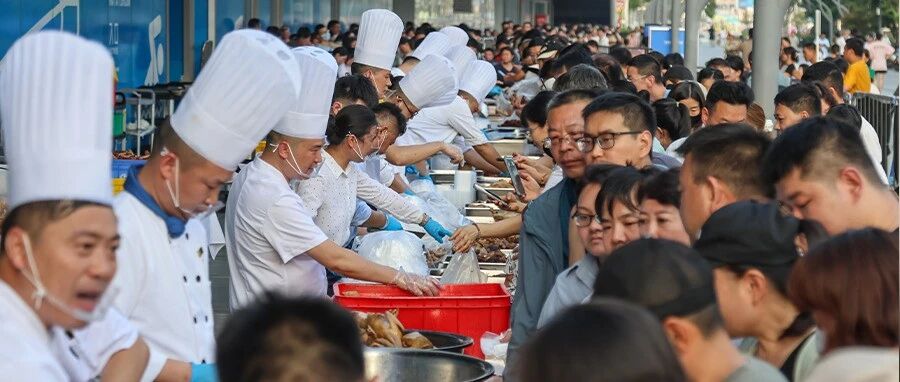
Core Viewpoint - The article discusses the recent trend of five-star hotels in China setting up street stalls to attract new customer segments amid declining business, reflecting the industry's struggle to adapt to changing consumer behavior and economic conditions [6][9][48]. Group 1: Street Stall Trend - Five-star hotels across major cities in China have started setting up street stalls to sell affordable food items, ranging from 3 to 80 yuan, attracting local residents [6][12][24]. - The initiative aims to create a more approachable image for luxury hotels, which traditionally had high service standards and pricing [8][24]. - The Guangzhou Baiyun Hotel and Changsha Meixi Lake Hotel are examples of hotels successfully implementing this strategy, with the latter generating around 25,000 yuan in daily revenue from street food sales [23][20]. Group 2: Declining Business Environment - The hotel industry is facing a downturn, with Morgan Stanley reporting an 8% year-on-year decline in RevPAR (Revenue per Available Room) during the summer peak season [28][31]. - The trend of "high-frequency, low-consumption" tourism has emerged, leading to reduced hotel occupancy rates and lower spending by travelers [30][31]. - The number of five-star hotels in China has decreased from 845 in 2019 to 736 by the third quarter of 2024, indicating a significant contraction in the market [49]. Group 3: Changing Consumer Preferences - The traditional business model of five-star hotels, heavily reliant on high-end business travelers, is being challenged as companies cut travel expenses and reduce the frequency of business trips [36][38]. - Consumers are increasingly prioritizing hygiene and quality over star ratings, with many opting for personalized experiences and local dining options [58][59]. - The shift in consumer behavior has prompted hotels to explore alternative revenue streams, such as street food sales and creative dining options like "leftover blind boxes" [60][61].
红杉种子领投的关节模组公司,成立18个月拿下半数具身智能整机厂客户丨早起看早期
36氪· 2025-09-16 00:09
Core Viewpoint - The article discusses the emergence of a new industrial revolution driven by AI, focusing on the company's innovative joint module products and their market strategies in the robotics sector [2]. Financing Progress - The company has completed two rounds of financing, Pre-A and Pre-A+, raising several tens of millions of yuan. The Pre-A round was led by Sequoia Seed, with follow-on investments from Honghui Fund and Xingniu Capital, while the Pre-A+ round was exclusively invested by Honghui [9][10]. Product and Business - The company offers integrated joint module products, including the flagship RobStride series and the upcoming EduLite developer series. The product strategy focuses on standard product shipments rather than customized deliveries [11][12]. - The RobStride series features joint modules with torque ranging from 1.5N.m to 120N.m, while the EduLite series aims to support the developer ecosystem with open-source hardware products [13][14]. - Since its establishment, the company has launched seven mass-produced joint modules, averaging one new product release per quarter, with plans to introduce 3-4 new products by the second half of 2025 [15]. Core Barriers - The company's joint module products have three main advantages: reliability, consistency, and a developer ecosystem. The flagship RobStride product is made from alloy steel and aluminum die-casting, ensuring high strength [17][18]. - The core asset is the self-developed POMA technology architecture, which guarantees rapid product iteration and industry-leading reliability, consistency, and production yield [19]. Founder Insights - The company is optimistic about embodied intelligence over a 5-10 year horizon but anticipates potential industry fluctuations in the coming year due to the need for extensive data collection to validate current technologies [21][22]. - The company aims to diversify its client base beyond embodied intelligence, with approximately 30%-40% of total revenue coming from this sector, while also exploring opportunities in electric vehicles, pool robots, and industrial automation [24]. - The EduLite series is designed for individual developers, offering similar performance to flagship products at half the price, with components that support 3D printing and standard materials available online [25][26][28]. Engineering Ecosystem - The company adopts a partnership strategy with engineers, engaging in technical discussions on platforms like GitHub to build a community of young engineers. This approach helps improve product development and fosters a feedback loop for continuous improvement [29][31]. - The evaluation of joint modules is based on parameters such as response time and torque density, but reliability and consistency during mass production are emphasized as critical factors for long-term success [32][33]. Cost Management - The company believes that cost is designed rather than managed, focusing on structural design and process optimization to eliminate redundancies while ensuring reasonable profits for supply chain partners [34][35]. Industry Challenges - The joint module sector faces challenges in customer acquisition, as the industry is still in its early stages. Finding applications in other scenarios is crucial for long-term sustainability [36][37]. - The company recognizes the need to maintain technological leadership through research and development, aiming to find better materials and configurations while building a comprehensive user ecosystem [41].