36氪

Search documents
创想三维冲刺港股IPO,去年出货量不及拓竹六成丨IPO观察
36氪· 2025-08-25 13:31
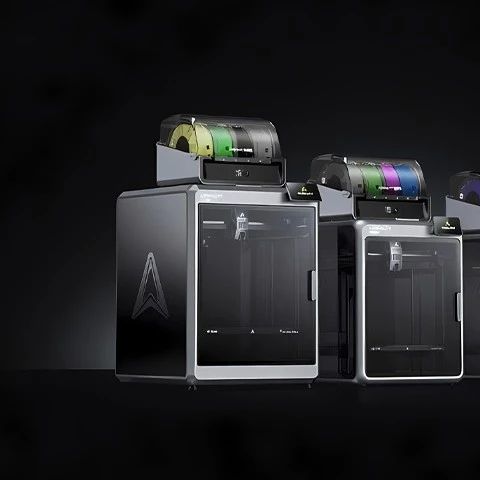
Core Viewpoint - The article emphasizes the intense competition among Chinese hardware companies in the global market, particularly in the 3D printing sector, where domestic players dominate and pose significant challenges to emerging firms [4][10]. Group 1: Company Overview - Creality, founded in 2014, is on the verge of going public in Hong Kong, marking a significant milestone in its journey [6]. - The company has achieved remarkable revenue growth, surpassing 2.288 billion RMB in 2024, with a notable increase from 1.346 billion RMB in 2022 [19][27]. - Creality's market share in the global consumer-grade 3D printer segment is reported at 27.9% based on cumulative shipments from 2020 to 2024, making it a leading player [14]. Group 2: Competitive Landscape - The entry of new competitors like Bambu Lab has reshaped the market dynamics, with Bambu Lab reportedly achieving revenues exceeding 5.5 billion RMB in 2024, overshadowing Creality's 2.288 billion RMB [9][16]. - The article highlights that Creality's shipment volume decreased from 870,000 units in 2023 to 720,000 units in 2024, indicating a shift towards higher-end products [17]. - The competitive environment is characterized by a "Matthew Effect," where leading companies like Bambu Lab and xTool significantly outpace others in revenue and market share [20][34]. Group 3: Financial Performance - Creality's revenue from 3D printing machines has decreased from 81.7% in 2022 to 61.9% in 2024, indicating a diversification in its product offerings [18]. - The company's gross profit margin improved slightly from 28.8% in 2022 to 30.9% in 2024, despite a decline in net profit from 104 million RMB in 2022 to 88.66 million RMB in 2024 [19]. - The revenue contribution from 3D scanning devices has grown rapidly, reaching 208 million RMB in 2024, accounting for 9.1% of total revenue [27]. Group 4: Market Trends - The global consumer-grade 3D scanning market is projected to grow significantly, with a compound annual growth rate of 47.8% from 2020 to 2024 [26]. - Creality's average selling price for 3D scanners dropped from 2,700 RMB in 2022 to 1,700 RMB in 2023, reflecting increased price competition [28]. - The laser engraving machine segment is also competitive, with Creality generating 160 million RMB in revenue from this category in 2024, representing 7.1% of total revenue [32]. Group 5: Strategic Focus - The company is focusing on enhancing its product offerings and expanding its sales channels, with online sales accounting for 47.9% of total revenue in Q1 2024 [36]. - Creality's sales expenses have increased from 8.1% in 2022 to 16.7% in 2024, indicating a growing investment in marketing and sales efforts [38]. - The article suggests that for hardware companies, product quality and innovation are critical for success, as evidenced by the achievements of competitors like Bambu Lab and xTool [37].

海外收入暴涨899%,布鲁可的新故事出现了
36氪· 2025-08-25 09:10
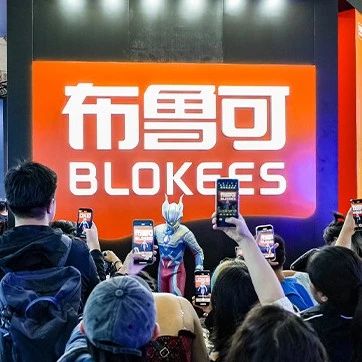
Core Viewpoint - The article discusses the financial turnaround and growth strategies of Blokus, a leading building block toy company in China, highlighting its focus on IP development and international expansion as key drivers for future success [4][6][25]. Financial Performance - Blokus reported a revenue of approximately 1.338 billion yuan in the first half of 2025, marking a year-on-year growth of 27.9%, and transitioned from a loss of 255 million yuan in the same period last year to a profit of 297 million yuan [4][5]. - The adjusted profits for 2023 and the first half of 2024 were 73 million yuan and 292 million yuan respectively, with an adjusted profit margin of 27.92% in the first half of 2024 [4]. Market Dynamics - The revenue growth rate of Blokus in the first half of 2025 slowed compared to previous years, with a significant drop from 56.1% and 47.1% in the same periods of the last two years to 27.9% this year [5]. - The company has successfully penetrated the 9.9 yuan price segment, with a notable product, the Transformers Starry Edition, selling 48.6 million units and generating over 200 million yuan in revenue within seven months [5]. International Expansion - Blokus achieved remarkable growth in overseas markets, with international revenue reaching 110 million yuan in the first half of 2025, a staggering increase of 899% year-on-year, primarily driven by North America and Southeast Asia [6][9]. - The overseas revenue accounted for 8.3% of total revenue, with Indonesia and the United States being the top contributors [9][10]. IP Strategy - The company is focusing on expanding its IP portfolio, having introduced 273 new SKUs in the first half of 2025, which accounted for 53.1% of total revenue [20][21]. - Blokus is reducing its reliance on the Ultraman IP, which contributed 63.5% of total revenue in 2023, down to 49% in 2024, and aims to diversify its IP sources [16][17]. Consumer Engagement - The company is targeting a broader consumer base, including adults and younger female demographics, with products priced between 100 to 200 yuan, resulting in an increase in revenue from consumers aged 16 and above from 10.4% to 14.8% year-on-year [21]. - Blokus emphasizes user experience and creativity, planning to host the BFC Creative Competition across 150 cities to engage consumers and enhance brand loyalty [24]. Competitive Landscape - Blokus operates in a highly concentrated market, competing with established players like Bandai Namco and LEGO, but differentiates itself with a lower price range of 3 to 16 USD [14]. - The company’s distribution strategy relies heavily on a network of over 450 distributors, covering major cities and expanding into lower-tier markets [25].
罗永浩,又缺钱了
36氪· 2025-08-25 09:10
Core Viewpoint - The article discusses the recent ventures of Luo Yonghao, highlighting his transition from technology entrepreneurship to endorsing instant noodles and launching a podcast, indicating a significant shift in his career trajectory at the age of 53 [4][35]. Summary by Sections Instant Noodle Endorsement - Luo Yonghao announced the launch of the TBT project, which turned out to be a box of instant noodles, specifically the "Special Special" noodles from Kang Shifu, after nine years of development [5][10]. - The noodles are priced at 39.9 yuan for four boxes and are marketed as having a unique cooking method that achieves the freshness of boiled noodles [9][10]. - The instant noodle market faces challenges, with a reported decline in consumption by 4 billion packages from 2020 to 2023, and a projected further drop in sales [12][13]. Podcast Launch - Luo Yonghao launched a podcast titled "Luo Yonghao's Crossroads," featuring prominent guests like Li Xiang, CEO of Ideal Auto, and focusing on topics such as technology, culture, and personal choices [14][16]. - The podcast aims to attract high-income audiences, with the potential for monetization through various platforms [16][17]. Financial Pressures - Despite his successful ventures in live streaming and product endorsements, Luo Yonghao continues to face financial pressures, including ongoing legal issues related to his company Smartisan Technology [18][20]. - His previous debts, estimated at 600 million yuan, were reportedly on track to be cleared within three years, but new financial challenges have emerged [20][21]. Entrepreneurial Journey - Luo Yonghao's career has been marked by numerous pivots, from mobile phones to live streaming, AR technology, and now instant noodles and podcasts, reflecting a pattern of chasing trends without finding a stable footing [27][35]. - His controversial public persona and confrontational style have kept him in the spotlight, but they also contribute to the unpredictability of his ventures [29][30]. Future Prospects - The article raises questions about whether Luo Yonghao's new projects will yield financial success, emphasizing that only time will reveal the outcomes of his latest endeavors [36][37].


正式官宣,全城期待!CITYFORCE2025&第三届特昂节
36氪· 2025-08-25 09:10
Core Viewpoint - The article highlights the upcoming CityForce 2025 event, celebrating Shenzhen's 45th anniversary, featuring various activities, themes, and partnerships aimed at promoting local culture and community engagement [2][10][32]. Group 1: Event Overview - CityForce 2025 is an annual urban carnival that includes the Shenzhen Craft Beer Festival and the third Te Ang Festival, showcasing local and international brands [10][66]. - The event will take place from August 29 to August 31, 2025, at the COCO Park in Shenzhen, a prominent shopping and entertainment hub [30][60]. Group 2: Themes and Concepts - The theme for 2025 is "Shenzhen Local" with a concept inspired by fishing ports, honoring the establishment of the Shenzhen Special Economic Zone [32]. - Previous themes included "Urban Farm" for 2023 and "Content Vegetable Market" for 2024, indicating a trend of evolving concepts each year [28][32]. Group 3: Featured Brands and Partnerships - The event will feature a variety of craft beer brands from around the world, including Goose Island (Chicago), Guinness (Ireland), and local brands from Shenzhen [66]. - Partnerships include major media outlets like 36Kr, which will host live broadcasts and award ceremonies during the event [45][49]. Group 4: Activities and Entertainment - The event will host numerous activities, including a beer competition, music performances, and a dance competition, aiming to engage attendees in a vibrant atmosphere [81][82]. - Notable guests and IPs will be announced, with a focus on integrating artistic life into the event [15][17].
「黄金+」:你投资组合的压舱石
36氪· 2025-08-25 09:10
Core Viewpoint - Gold should be viewed as a strategic asset for macro hedging, currency hedging, and obtaining stable long-term returns, rather than a tactical tool for short-term gains [4] Group 1: Long-term Returns - Over the past 20 years, gold has achieved an annualized return exceeding 10% when calculated in RMB, outperforming most mainstream assets over 10 and 5-year periods [8] - The long-term performance of gold is primarily driven by global GDP growth and physical gold demand, including central bank purchases, financial investments, and technological uses [8] Group 2: Currency Hedging - Gold is a globally priced asset that does not rely on any country's or institution's credit backing, making it a hedge against all fiat currencies in the context of global monetary expansion [12] Group 3: Systemic Risk Mitigation - Historical data shows that during market corrections in traditional stock-bond portfolios, gold tends to perform well, providing investors with a buffer against systemic risks [16]

率先布局「AI+两轮电动车」,首驱科技获亿元级天使轮融资|早起看早期
36氪· 2025-08-25 00:11
Core Viewpoint - The article highlights the recent angel round financing of nearly 100 million yuan for Shouqu Technology, which aims to enhance its smart cockpit platform, develop the S-Smart system, and accelerate its global market expansion [6]. Company Overview - Shouqu Technology, established in March 2025, focuses on innovative and reliable two-wheeled electric transportation solutions, with over 70% of its R&D team having experience in leading automotive and component companies [6]. - The company’s technical leader, Dr. Zhang Ying, has a strong background in machine learning and chemical engineering, with significant experience in major automotive firms [6]. Product Offerings - Shouqu Technology's products are categorized into three main series: new national standard electric self-series, pedal series, and cross-riding series, including electric motorcycles, electric bicycles, and off-road motorcycles [6]. - The company targets a younger demographic, particularly those born after 2000, and emphasizes a user-centered business model [6]. Market Insights - The two-wheeled electric vehicle market in China surpassed 400 million units by the end of 2024, with annual sales exceeding 50 million units and a market size exceeding 100 billion yuan [7]. - The global market is expected to exceed 800 billion yuan by 2027, driven by new national standards and growing demand in Southeast Asia and India [7]. Industry Challenges - The industry faces challenges such as price wars affecting profit margins, insufficient charging infrastructure, and the rapid iteration of smart and connected technologies [7]. - Shouqu Technology aims to redefine future riding experiences by establishing competitive advantages in over 100 technical fields [8]. Competitive Advantages - The company prioritizes user experience, focusing on social safety, driving safety, and after-sales service [10]. - Shouqu Technology leverages AI algorithms to enhance battery management, motor performance, and overall vehicle monitoring, achieving significant improvements in efficiency and performance [10]. Future Directions - The company plans to focus on research in smart cockpits, intelligent power systems, and smart chassis [10]. - Shouqu Technology's product positioning is mid-to-high end, with price ranges from 5,000 to over 500,000 yuan, and it has already begun generating revenue despite being newly established [12]. Investment Perspective - Investors believe that the two-wheeled electric vehicle industry is entering a structural upgrade phase, with Shouqu Technology positioned to lead this transformation through its AI-driven applications and compliance with new standards [14].

巨头下场,围猎自助小火锅
36氪· 2025-08-25 00:11
Core Viewpoint - The self-service hot pot market is experiencing significant growth, driven by major players like Haidilao and Yang Guofu entering the space, with a focus on quality and brand reputation rather than price competition [4][9][10]. Group 1: Market Dynamics - The self-service hot pot segment has approximately 51,000 stores nationwide, with many being operated by individual entrepreneurs due to low entry barriers [10][11]. - The average price for self-service hot pot has increased to around 59.9 yuan, compared to the previous range of 20-30 yuan, indicating a shift towards higher quality offerings [9][10]. - The hot pot market is projected to reach a scale of 617.5 billion yuan by 2024, with a year-on-year growth rate of 5.6%, outpacing the overall restaurant industry [10][11]. Group 2: Consumer Preferences - Consumers are increasingly drawn to self-service hot pots for their affordability and the freedom to choose their ingredients, contrasting with traditional hot pot dining experiences [10][12]. - The trend of "one-person meals" has gained traction, particularly during the pandemic, leading to explosive growth in the self-service hot pot sector [15][19]. - The demand for low-priced options is evident, with many new entrants offering promotions as low as 9.9 yuan or 19.9 yuan [10][15]. Group 3: Competitive Landscape - Major brands are strategically positioning themselves in the 50-60 yuan price range, avoiding the pitfalls of a price war while still appealing to cost-conscious consumers [13][22]. - The market is witnessing a consolidation phase, with weaker players being pushed out as competition intensifies [24][32]. - Successful brands are finding a balance between quality and price, with many focusing on unique offerings to differentiate themselves from competitors [22][30]. Group 4: Operational Challenges - Maintaining food quality and freshness is a significant challenge for self-service hot pot operators, with many relying on high customer turnover to ensure ingredient quality [25][26]. - The rise of food delivery services poses a threat to the self-service hot pot market, as consumers increasingly opt for convenience over dining out [32]. - The operational model of self-service hot pot differs from traditional dining, requiring a focus on cost control and efficient supply chain management to remain profitable [24][25].

8点1氪:黄河特大桥发生垮塌事故;大连一高校全员停发工资,被执行超35亿;多地快递费上涨
36氪· 2025-08-25 00:11
Group 1 - The collapse of the Yellow River Bridge resulted in 12 fatalities and 4 missing persons, with China Railway Group initiating emergency response and investigations [4] - Dalian University of Technology faced salary suspension for all staff due to account freezes, with the university promising temporary financial support [5][7] - The logistics industry is experiencing price increases in express delivery services, particularly in Guangdong and Zhejiang, as companies adjust to reduce intense competition [7] Group 2 - The film "Wang Wang Mountain Little Monster" has entered the top four of the 2025 box office rankings with a cumulative box office exceeding 1.239 billion [9] - Xiaomi plans to open over 20,000 stores by the end of the year, with the largest store in Yunnan recently opened [10] - The company Lucky Coffee, under Mixue Group, opened its first overseas store in Malaysia, selling nearly 2,000 cups on the opening day [10] Group 3 - The Shanghai license plate auction results showed a minimum transaction price of 93,300 yuan, with an average price decrease from the previous month [11] - Approximately 60 listed companies are planning to use idle funds for stock investments, with Jiangsu Guotai proposing to invest up to 138 billion yuan [13] - Beijing's urban rail transit will increase the maximum train speed to 120 km/h, effective January 1, 2026 [14] Group 4 - Foreign capital is rapidly buying Chinese stocks, with hedge funds net buying at the fastest pace in seven weeks, indicating a shift in investment sentiment [14] - Coca-Cola is reportedly considering selling its UK coffee chain Costa, having engaged investment banks to evaluate the potential sale [14] - SpaceX plans to conduct the tenth flight test of its Starship rocket, following improvements made after previous test failures [15] Group 5 - The solar industry in China is moving towards sustainable development, with approximately 1.24 million solar-related companies currently registered [21] - The company Tin Industry reported a net profit of 1.062 billion yuan for the first half of the year, a year-on-year increase of 32.76% [18] - The company Asia Optical reported a net profit of 5.38 million yuan for the first half of the year, a year-on-year decrease of 36.21% [19]


扎克伯格,也顶不住了
36氪· 2025-08-25 00:11
Core Viewpoint - Meta has shifted its strategy in the AI talent acquisition race, moving from aggressive hiring to a hiring freeze, indicating a need for organizational restructuring and cost control amidst rising concerns from Wall Street about the sustainability of its AI investments [4][5][21]. Group 1: Hiring Strategy - Meta's approach to AI talent acquisition in early 2025 can be summarized as fast, aggressive, and expensive, with offers reaching up to $300 million over four years for some researchers, and top candidates reportedly being offered as much as $1.5 billion [10][11]. - The company has employed a "reverse acquihire" strategy, targeting key talent from competitors without acquiring entire companies, exemplified by a $14 billion minority stake investment to bring in Scale AI's co-founder as Chief AI Officer [11][12]. - By mid-2025, Meta had successfully recruited at least 50 AI professionals from competitors, with 40% coming from OpenAI and 20% from Google [12]. Group 2: Organizational Changes - Following a series of internal restructuring, Meta has consolidated its AI operations into the "Meta Superintelligence Labs," which will be divided into four teams focusing on AGI research, AI products, infrastructure, and long-term exploration [16][18]. - The recent hiring freeze has been framed as a necessary step for foundational organizational planning, allowing Meta to solidify its new structure before further recruitment [4][17]. Group 3: Market Concerns - Wall Street analysts have raised alarms about the escalating costs associated with AI talent acquisition, questioning whether these investments will yield measurable returns or simply dilute shareholder value [21][22]. - The tech sector has experienced a collective stock price decline due to "AI spending anxiety," with concerns about the return on investment for the billions spent on AI initiatives [23]. - Meta's capital expenditure guidance for 2025 has been raised to a maximum of $72 billion, primarily directed towards AI infrastructure and talent, which has led to investor skepticism regarding profitability [23][24].


「穷鬼迪士尼」,统治中产周末?
36氪· 2025-08-24 13:35
Core Viewpoint - The article discusses the rise of "industrial tourism" as a new trend in the tourism industry, highlighting its appeal to urban workers seeking unique experiences and the potential for significant market growth in this sector [7][10][80]. Summary by Sections Industrial Tourism Emergence - Industrial tourism is gaining popularity as a new form of indoor tourism, especially among working individuals who seek to escape their routine [8][10]. - The concept has evolved from traditional factory tours to more engaging experiences that include hands-on activities and product sampling [16][18]. Attractions and Experiences - Modern industrial tours offer interactive experiences, such as participating in production processes and enjoying complimentary products, making them more appealing [22][28][32]. - Examples include the螺霸王螺蛳粉 factory, where visitors can enjoy a meal after the tour, and元气森林 factory, which provides free drinks and product samples [22][32]. Market Potential - The industrial tourism market is currently valued at approximately 100 billion yuan, with a projected compound annual growth rate of 18% to 22% over the next few years [84][110]. - Major cities like Beijing and Shanghai are actively developing industrial tourism, indicating a growing interest and investment in this sector [85][86]. Visitor Demographics and Motivations - The target audience for industrial tourism includes not only families and children but also adults seeking unique experiences and a sense of participation in the production process [40][52]. - Visitors are drawn to the hands-on experiences and the opportunity to learn about industrial processes, which contrasts with traditional tourism [62][70]. Future Outlook - The article suggests that as industrial tourism continues to grow, more factories will likely adopt this model, creating a competitive landscape [86][112]. - The potential for industrial tourism in China is significant, with current participation rates being low compared to global standards, indicating room for growth [111][112].