半导体芯闻

Search documents
芯片关税,意味着什么?
半导体芯闻· 2025-08-04 10:37
Group 1 - The article discusses the significant changes in trade policies under President Trump's return to the White House, particularly focusing on new tariffs that may become a long-term fixture in the market [2] - Analysts are closely monitoring the semiconductor and pharmaceutical industries for potential tariffs, especially the "232 clause" which may impact chip manufacturers and related equipment [2] - Bernstein analysts indicate that the White House is considering including semiconductors and manufacturing in the new tariff list, which could significantly affect wafer foundries and packaging testing industries, with TSMC being a key supplier [2] Group 2 - The "reciprocal tariffs" policy will impose a 15% tariff on products from major economies like the EU, Japan, and South Korea, while other countries with trade surpluses with the US will face a 10% tariff [3] - Barclays highlights that Singapore, maintaining a 10% tariff rate, is positioned as the biggest winner in Asia, but still faces risks from semiconductor and pharmaceutical tariffs [3] - According to Barclays, Vietnam has the highest exposure to US tariffs with a 2.3% weighted average tariff rate, followed by Thailand, Malaysia, and South Korea, all within the 1.0-1.4% range [3] Group 3 - The article notes that countries like the Philippines, Indonesia, and India have relatively lower exposure to US tariffs, with risk levels at 3.1%, 2.3%, and 2.0% respectively [4] - The data suggests that a significant portion of the economic value in these countries relies on exports subject to US tariffs, indicating they would be heavily impacted if the US expands its tariff list [4]



台积电,再建一座厂
半导体芯闻· 2025-08-04 10:37
Core Viewpoint - TSMC is advancing its 2nm technology with the installation of equipment at its second factory in Kaohsiung, aiming for trial production by the end of the year, while the first factory has already reached mass production [4][5][6]. Group 1: TSMC's 2nm Technology Development - TSMC's second 2nm factory (P2) has begun equipment installation, with expectations to join trial production within 3-4 months [5][6]. - The first factory (P1) has achieved a monthly production capacity of 10,000 wafers, with a combined target of 35,000 wafers per month for both factories this year [4][5]. - TSMC's 2nm process utilizes nanosheet architecture, reportedly achieving a trial yield of 65%, surpassing competitors like Intel and Samsung [7][8]. Group 2: Market Dynamics and Competitors - TSMC's growth is driven by increasing demand from AI-related customers, with expectations to generate $2.5 trillion in terminal product value globally within five years [7][8]. - Competitors such as Intel and Samsung are also making strides in 2nm technology, with Intel focusing on customer commitments for its 14A process [9][10]. - Tesla has signed a $16.5 billion contract with Samsung for its next-generation AI chip, indicating a competitive landscape where TSMC was initially considered for the contract [9][10]. Group 3: Emerging Players and Industry Trends - Japanese chip manufacturer Rapidus has successfully trial-produced 2nm chips and plans to enter mass production by 2027, potentially disrupting the market dominance of TSMC and Samsung [11][12]. - Rapidus's advancements are attributed to its collaboration with IBM, which has provided essential technology and patents for 2nm chip production [11][12]. - The semiconductor industry is witnessing a shift towards self-sufficiency, with Chinese companies like SMIC making significant progress in their own technology development [12][14]. Group 4: TSMC's Future Growth Potential - TSMC's market capitalization is currently around $1.25 trillion, with projections suggesting it could reach $3 trillion, driven by its innovative technologies and strong customer base [15][16]. - The upcoming N2 chip node is expected to significantly improve energy efficiency, with a reduction in power consumption by 25% to 30% compared to 3nm chips [16][17]. - Management anticipates a compound annual growth rate of nearly 20% over the next five years, which could lead to substantial revenue growth and stock price appreciation [17].
又一场RISC-V盛会!聚焦AI、汽车、CPU,ANDES与您相约北京
半导体芯闻· 2025-08-04 10:37
Core Viewpoint - RISC-V is emerging as a key solution across various sectors due to its extensive instruction set, modularity, cost control, and flexible architecture, with significant breakthroughs expected in AI computing, automotive electronics, and high-performance general processing by 2025 [1] Group 1: Industry Trends - The global shipment of RISC-V based SoC chips is projected to reach 20 billion units by 2031, capturing 25% of the global market share [1] - RISC-V architecture has achieved multiple breakthroughs in the CPU field influenced by various technical and commercial factors [1] Group 2: Event Details - Andes Technology will host an annual technical seminar titled "RePioneering the Future" on August 27, 2025, in Beijing, focusing on advancements in AI, automotive electronics, application processors, and information security [2][5] - The seminar will feature multiple industry experts and partners discussing forward-looking technology trends and innovative applications [2] Group 3: Technical Insights - RISC-V is penetrating high-growth areas from AI acceleration to automotive chips, with a focus on hardware-level security solutions to address trust challenges within the RISC-V ecosystem [4] - The development of mature debugging, verification, and development environments is facilitating the transition of RISC-V from design to mass production [4] Group 4: Key Presentations - Presentations will cover topics such as RISC-V's role in driving application acceleration, new pathways for automotive chips, and innovations in AI and application processors [5][6] - A roundtable forum will discuss the advantages and challenges of RISC-V in AI computing acceleration [6]
台积电,史上新高
半导体芯闻· 2025-08-01 10:30
Group 1 - The price gap between TSMC's American Depositary Receipts (ADRs) and its stocks listed in Taipei has surged to the highest level in 16 years, raising concerns about a potential overheat in the AI boom [2][3] - In July, TSMC's ADRs traded at a 24% premium compared to its Taipei-listed stocks, up from 17% in April and 7.4% over the past decade, indicating a significant increase in demand from U.S. market participants [2] - The increase in premium is attributed to TSMC's critical role in the global AI supply chain and the limited supply of ADRs, making conversion operations difficult [2] Group 2 - Since the release of ChatGPT in 2022, TSMC's ADRs have risen over 190%, while its Taipei-listed stocks have increased by less than 140%, with foreign ownership in the latter reaching nearly 74% [3] - Market observers suggest that the widening price gap signals caution, indicating a potential bubble in the U.S. market for popular tech companies' ADRs [3]
全球首颗2nm芯片
半导体芯闻· 2025-08-01 10:30
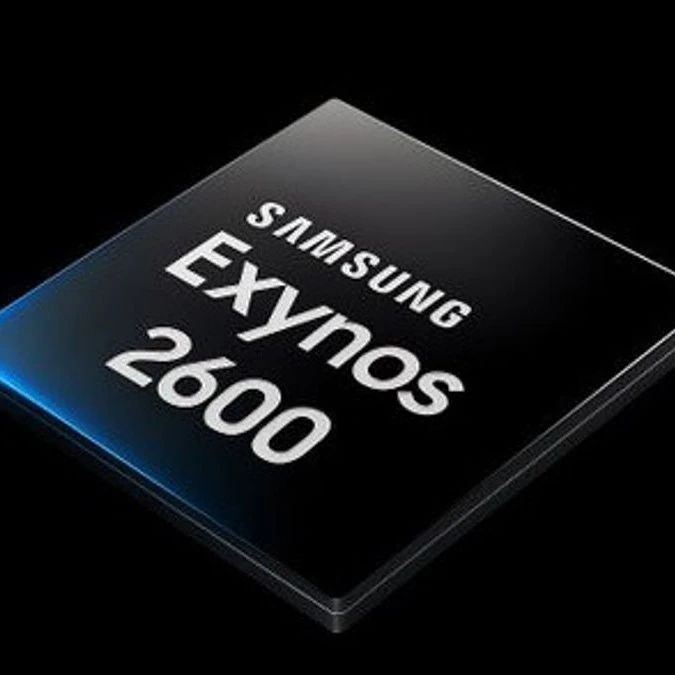
Core Viewpoint - Samsung's quarterly financial report indicates a significant decline in total operating profit by over 50% due to challenges in the semiconductor business, yet it highlights the upcoming Exynos 2600 chip as a key development, which will be the first 2nm chipset on the market [2]. Group 1: Exynos 2600 Chip Details - The Exynos 2600 will be manufactured using Samsung's 2nm Gate-All-Around (GAA) process and is set to launch alongside the Galaxy S26 series [2]. - The chip features a 1+3+6 core configuration with a single-core frequency of 3.55 GHz, performance cores at 2.96 GHz, and efficiency cores at 2.46 GHz [3]. - The Exynos 2600 is expected to include the Xclipse 960 GPU, which is projected to outperform Qualcomm's Adreno 830 by 15% [3]. Group 2: Product Launch and Market Position - The Exynos 2600 is anticipated to debut in the Galaxy S26 Pro and S26 Edge models, while the S26 Ultra will likely continue to utilize Qualcomm's Snapdragon 8 Elite 2 [3].
汽车芯片,竞争激烈
半导体芯闻· 2025-08-01 10:30
Core Insights - The global automotive market is expected to grow at a compound annual growth rate (CAGR) of 2% from 2024 to 2030, with China remaining vibrant while the US and European markets are stable or declining [2] - The automotive semiconductor market is projected to grow five times faster, with the market size expected to increase from $68 billion in 2024 to $132 billion by 2030 [2] - The average value of semiconductor devices per vehicle is anticipated to rise from $759 in 2024 to approximately $1,332 by 2030, with the number of semiconductor devices per vehicle increasing from about 824 to 1,158 [2] Market Dynamics - The shift from internal combustion engines to hybrid and fully electric vehicles is driving demand for power electronics, particularly wide-bandgap switches like SiC and GaN [3] - New safety regulations in Europe and the US are necessitating additional sensors and controllers in even entry-level vehicles, leading to increased adoption of affordable SoCs and image sensors [3] - The evolution of E/E architecture towards more centralized systems and 48V power grids will require advanced MCUs and new PMICs [3] Competitive Landscape - Five companies dominate 50% of the automotive semiconductor market, with Infineon leading at over $8 billion in automotive sales, followed by NXP and STMicroelectronics [6] - The Chinese Ministry of Industry and Information Technology aims for 25% localization of semiconductors by 2025, with companies like Horizon Robotics and BYD Semiconductor filling market gaps [6] - Vertical integration is no longer unique to Tesla, as companies like NIO and BYD are adopting advanced manufacturing processes and designing their own semiconductors [6] Production Capacity - SMIC is building four 12-inch wafer fabs targeting automotive and power customers, while Europe, Japan, and the US are expanding 200mm analog production lines [7] - The competition in advanced nodes below 16nm is dominated by TSMC and Samsung, with significant demand from companies like NVIDIA and Qualcomm for automotive components [7] Technological Advancements - The penetration rate of battery electric vehicles (BEVs) is slowing, but the European market is pushing for more BEVs due to revised emissions regulations [10] - The application of SiC MOSFETs in inverters is increasing, driven by the rapid decline in N-type SiC substrate prices, with BYD launching a 1000V+ automotive platform [10] - Next-generation vehicles are expected to feature advanced SoCs with 5nm technology, enabling high processing capabilities for autonomous driving applications [11][12]

英特尔制造三位资深高管退休
半导体芯闻· 2025-08-01 10:30
Core Viewpoint - Intel is undergoing significant leadership changes and restructuring in its manufacturing division to revitalize its operations and address ongoing challenges in the semiconductor market [2][3]. Group 1: Leadership Changes - Three senior executives in Intel's manufacturing business are set to retire, including Kaizad Mistry and Ryan Russell, as well as Gary Patton, a former IBM executive [2]. - Naga Chandrasekaran, a former Micron Technology executive, leads the manufacturing business and has been tasked with restructuring the team, including layoffs as part of a global reduction plan [2]. Group 2: Workforce Reduction and Investment Strategy - Intel's new CEO, Pat Gelsinger, aims to reduce the total workforce to 75,000 employees by the end of the year, representing a 22% decrease [3]. - The company plans to adopt a more disciplined approach to manufacturing investments, focusing on confirmed customer commitments for its next-generation 14A manufacturing process [3]. Group 3: Manufacturing Process Developments - Intel's 14A manufacturing process development is contingent on securing new, significant customers, with the possibility of pausing or terminating the project if these customers are not obtained [3]. - The 18A process is currently intended for internal products only, with considerations to stop offering it to external clients in favor of focusing on the 14A process [3].


英伟达回应:没后门
半导体芯闻· 2025-08-01 10:30
Core Viewpoint - The article discusses the ongoing tensions between the U.S. and China regarding the export of advanced AI chips, particularly the H20 chip from NVIDIA, highlighting concerns over national security and the implications of export controls [2][3][4]. Group 1: NVIDIA's Response and Security Concerns - NVIDIA's spokesperson emphasized that their chips do not contain any "backdoors" and do not allow remote access or control, addressing concerns raised by China's National Cyberspace Administration regarding security vulnerabilities in the H20 chip [2]. - The National Cyberspace Administration of China has requested NVIDIA to explain the security risks associated with the H20 chip, citing relevant laws on cybersecurity and data protection [2]. Group 2: U.S. Export Controls and National Security - A group of national security policy advisors urged the U.S. government to reinstate export controls on the H20 chip, arguing that the previous ban was justified and necessary for maintaining technological superiority over China [3]. - The H20 chip, designed specifically for the Chinese market, is said to provide critical AI capabilities despite having fewer cores compared to other models, raising concerns about its potential use in advanced AI applications [3]. Group 3: Financial Implications for NVIDIA - The export controls imposed by the Trump administration in April could result in NVIDIA facing losses of approximately $5.5 billion due to costs associated with inventory and procurement commitments [4]. - NVIDIA has applied to the U.S. government for permission to resume sales of the H20 chip in China, which is linked to broader trade negotiations between the two countries [4]. Group 4: Strategic Considerations - The White House's economic advisor defended the decision to allow NVIDIA to sell chips to China, arguing that it is essential for the U.S. to maintain its leadership in the AI sector [5]. - Concerns were raised that reversing the export ban could encourage China to seek additional concessions and create similar situations for other countries requiring export licenses for advanced chips [4].


9月上海,一场关于“工业芯”的深度对话即将展开
半导体芯闻· 2025-08-01 10:30
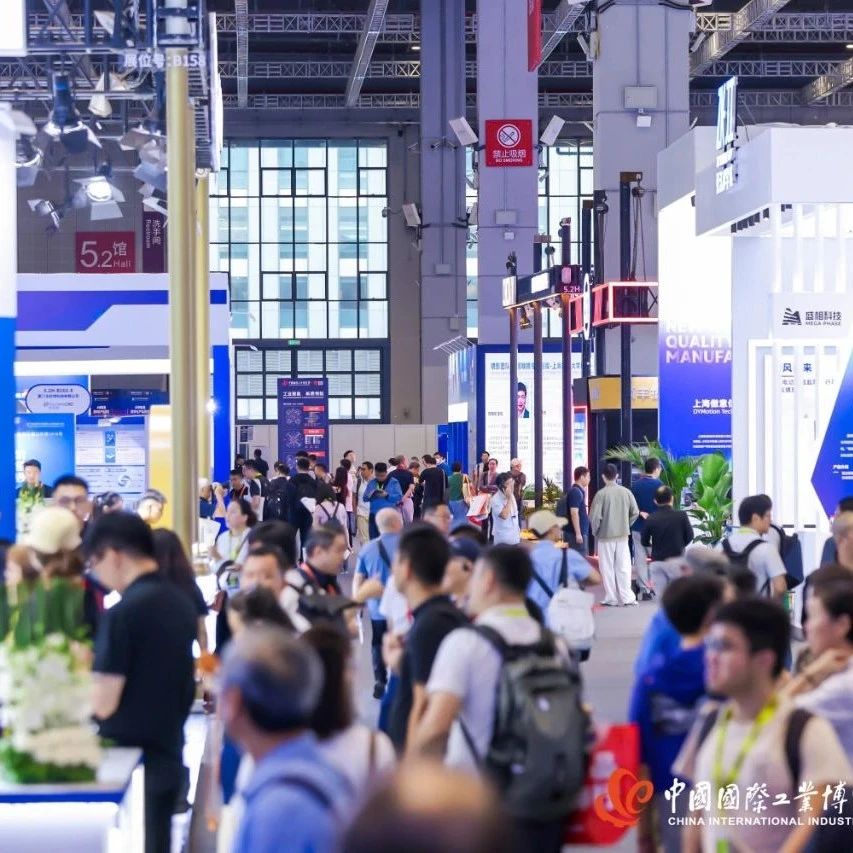
Core Viewpoint - The article emphasizes the significance of the China International Industry Fair as a platform for showcasing advancements in manufacturing and technology, particularly focusing on the integration of computing power and industrial applications [1][20][21]. Group 1: Event Overview - The "Industrial Computing Power 'Chip' Engine Technology Seminar" will be held on September 23, focusing on the potential applications of chips in industrial scenarios and the evolution of computing power [1][5]. - The seminar aims to connect technological innovation, industry demand, and market opportunities, featuring participation from industry experts, scholars, and corporate representatives [5][9]. Group 2: Industry Context - The global landscape is undergoing a technological revolution, with computing power becoming a core productivity driver in the digital age, transforming production methods and industry structures [5][23]. - The industrial sector is experiencing unprecedented digitalization, networking, and intelligence transformation, which imposes high standards on foundational computing power [5][9]. Group 3: Seminar Agenda - The seminar will cover various topics, including: - Storage root technology for data storage in Chinese manufacturing [6]. - Industrial big data from governance to value realization [7]. - Predictive maintenance 2.0 focusing on fault warning and lifespan calculations [7]. - The role of FPGA chips in the "Robot+" era [7]. - Accelerating IIOT solution implementation [7]. - A roundtable forum for discussion [7]. Group 4: Participant Composition - The seminar will feature prominent companies such as Huawei, ZTE, and BYD, alongside international industrial giants like Siemens and Bosch, highlighting the event's professional and international caliber [9][10]. - The diverse participation from various industry organizations and enterprises underscores the strategic importance of industrial computing power across different sectors [10].





索喜利润,暴跌93%
半导体芯闻· 2025-08-01 10:30
Socionext董事兼执行副总裁Masaru Yoneyama解释道:"第一季度,部分通信设备的出货略有延 迟,这部分被推迟到第二季度,因此业绩略低于预期,但上半年累计或全年趋势没有变化。"该公 司 还 维 持 了 此 前 对 全 年 业 绩 的 预 测 , 预 计 销 售 额 同 比 下 降 7.2% 至 1750 亿 日 元 , 营 业 利 润 下 降 44.0%至140亿日元,净利润下降46.4%至105亿日元。 该预测基于1美元=130日元的汇率假设,预计日元兑美元每波动1日元,年销售额将约为10亿日 元,营业利润约为3亿日元。因此,如果基于该汇率敏感性,使用上一年度的汇率(1美元=152.6 日元)计算2025财年的预测,销售额将为1976亿日元,营业利润将为208亿日元,销售额将增加, 利润将减少。 Socionext 将量产的汽车新产品视为第二季度及之后销售的驱动力,尤其是面向中国市场采用 7nm 工艺的高级驾驶辅助系统 (ADAS) 新产品。Yoneyama 解释说:"我们已经接到了订单,所以需求 没有问题。剩下的就是如何顺利启动初期生产并实现量产。良率在我们的预期范围内,但我们会逐 步提高 ...