半导体芯闻

Search documents
树莓派MCU,最新更新!
半导体芯闻· 2025-07-30 10:54
如果您希望可以时常见面,欢迎标星收藏哦~ 来源 :内容来自 eenewseurope 。 Raspberry Pi 已推出其多核 RP2350 微控制器的第三个版本,以解决该芯片的许多性能和安全问 题,并为工业应用添加 5V 支持。 新 版 本 RP2350 A4 同 时 具 有 ARM 和 RISC-V 内 核 , 由 首 席 执 行 官 Eben Upton 在 eeNews Europe Elektor 供应链问题现场圆桌会议上宣布。 RP2350 的首发版本 A2 存在 GPIO 焊盘设计错误,导致焊盘无法正常进入高阻状态,并且存在 RP2350 黑客挑战赛参与者发现的一系列安全问题。这些问题已通过 A4 版本中对金属层的最新改 进得到解决。 Upton 表示:"我们对焊盘宏进行了细微调整,以消除焊盘高端的不良漏电;这种漏电会导致下方 A2 的电流-电压曲线出现较大的负向偏移。因此,不再需要外部电阻来拉低输入,尽管在现有设计 中可以安全地保留它们。" RP2350 黑客挑战赛中发现的 Boot ROM 安全漏洞已在 A4 启动 ROM 中得到修复,此外,还实 施了多种新的防御策略,以降低未来被攻击的可 ...

三星处理器,终于要翻身了?
半导体芯闻· 2025-07-30 10:54
Core Viewpoint - Samsung Electronics is revamping its Exynos application processor (AP) architecture to address long-standing performance and heat issues, with the upcoming Exynos 2600 expected to incorporate a new Heat Pass Block (HPB) component for improved thermal management [1][3]. Group 1: Exynos 2600 Development - The Exynos 2600 will utilize a 2nm process technology, which is more refined than the 3nm process used in its predecessor, the Exynos 2500 [1][3]. - The introduction of HPB aims to mitigate potential heat bottlenecks associated with the advanced 2nm process, enhancing overall performance [2][3]. Group 2: Market Implications - The success of the Exynos 2600 is critical for Samsung's System LSI division, as it is planned for use in the upcoming Galaxy S26 series, which is a flagship product with significantly higher supply volumes compared to other models [3]. - The previous Exynos 2500 was not adopted for the Galaxy S25 series, marking a setback for Samsung, making the upcoming Exynos 2600 a pivotal opportunity for recovery [3]. Group 3: Foundry Business Impact - Samsung Foundry recently signed a contract worth approximately 22.8 trillion KRW (around 120 billion RMB) with Tesla for 2nm advanced process semiconductor supply, laying a foundation for business recovery [4]. - The successful adoption of Exynos 2600 by Galaxy S26 will directly influence the Foundry division's order volume, creating a synergistic growth opportunity for both System LSI and Foundry businesses [5].
英特尔转型,重创设备厂?
半导体芯闻· 2025-07-30 10:54
Core Viewpoint - Intel's latest financial report indicates a potential shift in strategy, with CEO Pat Gelsinger stating that if the next-generation 14A process does not attract "large customers," continued investment in this process may not be economically viable [1] Group 1: Intel's Strategy and Market Impact - Intel is currently pushing forward with the 14A process, but this is contingent on confirming customer commitments; without sufficient external orders and technical collaborations, it will be difficult to recoup investments [1] - Bernstein warns that if Intel abandons the 14A or more advanced processes, it could severely impact the overall wafer fabrication equipment (WFE) market, as Intel accounts for 20% of global logic chip equipment spending and 10-15% of overall semiconductor equipment [1] - The potential exit of Intel from advanced process development could lead to a significant market contraction [1] Group 2: Supply Chain Implications - The EUV equipment supply chain is particularly sensitive, with Japan's Lasertec having about 40% of its unfulfilled orders from Intel, and ASML relying on Intel for 15-20% of its EUV revenue; a halt in Intel's process upgrades could delay the adoption of High-NA EUV equipment [2] - TSMC is expected to be the biggest beneficiary of Intel's potential exit, as it has the capability to take over Intel's orders due to its advanced process technology and yield [2] - The supply chain may undergo restructuring, with HOYA potentially increasing its market share from 70% to 100% if Intel withdraws from the EUV mask substrate supply [2] Group 3: Financial Considerations - Transitioning to a fabless model could theoretically improve Intel's stock price, but if it only halts the 14A process while retaining the 18A process, it would still incur high capital expenditures and potentially lower margins due to outsourcing [2] - Bernstein cautions that this scenario could exacerbate market uncertainties, leading the firm to recommend reallocating funds to other investment opportunities rather than buying Intel stock [2]


独家对话RISC-V International CEO:从嵌入式到高性能,RISC-V的全域进击之路
半导体芯闻· 2025-07-30 10:54
Core Viewpoint - The article discusses the transformative impact of RISC-V, an open instruction set architecture (ISA), on the semiconductor industry, highlighting its potential to reshape the competitive landscape traditionally dominated by a few tech giants [1][2]. Group 1: RISC-V Overview - RISC-V is characterized as an open, public, and royalty-free ISA that allows individuals and organizations to freely use, modify, and expand upon it, contrasting with other ISAs that have higher barriers to entry [5][6]. - The RISC-V International organization plays a crucial role in promoting technical collaboration among member companies and fostering ecosystem development through standardized frameworks and community support [6][18]. Group 2: Market Potential and Growth - According to SHD Group's report, the shipment of RISC-V-based SoC chips is expected to exceed 20 billion units by 2031, with market penetration projected to rise from 5.9% in 2024 to 25.7% [11]. - RISC-V's architecture is being applied across various sectors, including IoT, automotive electronics, and data centers, showcasing its versatility and efficiency [14][16]. Group 3: Technological Advancements - The introduction of the RVA23 specification has unified the core functionalities of 64-bit application processors, accelerating RISC-V's entry into the general computing domain and ensuring software compatibility across different vendors [9][10]. - RISC-V's capabilities in AI are highlighted, with NVIDIA integrating multiple RISC-V cores into its GPUs, and a projected shipment of RISC-V cores reaching 1 billion units in 2024 [14]. Group 4: Community and Innovation - The development of RISC-V is significantly driven by community engagement, with nearly 300 development boards distributed and multiple online training courses offered to foster innovation [18][19]. - The open accessibility of RISC-V specifications lowers the barriers for small and medium-sized enterprises, promoting a vibrant ecosystem of innovation [18]. Group 5: Future Outlook - RISC-V is expected to expand its influence beyond embedded devices into high-performance computing, enterprise AI processors, and even aerospace applications, marking a significant evolution from its academic origins [21][23]. - The upcoming RISC-V Automotive Conference 2025 will focus on the development trends and application prospects of RISC-V in the smart automotive sector [23].
又一家AI芯片企业,获巨额融资
半导体芯闻· 2025-07-30 10:54
Core Viewpoint - Groq, an AI chip startup, is negotiating a new round of financing amounting to $600 million, with a valuation nearing $6 billion, which would represent a doubling of its valuation within approximately one year since its last funding round [1][2]. Group 1: Financing Details - The latest financing round is led by the venture capital firm Disruptive, which has invested over $300 million into the deal [1]. - Groq's previous funding round in August 2024 raised $640 million at a valuation of $2.8 billion [1]. - Groq has raised approximately $1 billion in total funding to date [1]. Group 2: Revenue Adjustments - Groq has reportedly lowered its revenue expectations for 2025 by over $1 billion [2]. - A source indicated that the revenue adjustments made this year are expected to be realized in 2026 [3]. Group 3: Company Background and Product Offering - Groq was founded by Jonathan Ross, a former Google employee involved in the development of Google's Tensor Processing Unit (TPU) chips, and officially entered the public eye in 2016 [3]. - The company designs chips known as Language Processing Units (LPU), specifically tailored for inference rather than training scenarios [3]. - Groq has established exclusive partnerships with major companies, including a collaboration with Bell Canada for AI infrastructure and a partnership with Meta to enhance the efficiency of the Llama4 model [3]. Group 4: Competitive Landscape - In the AI inference chip market, Groq competes with several startups, including SambaNova, Ampere (acquired by SoftBank), Cerebras, and Fractile [3]. - Jonathan Ross highlighted that Groq's LPU does not utilize expensive components like high-bandwidth memory, which are scarce from suppliers, differentiating it from Nvidia's chips [4].

台积电,靠封装赢麻了
半导体芯闻· 2025-07-30 10:54
Core Insights - The article discusses the projected demand for CoWoS wafers, predicting that global demand will reach 1 million pieces by 2026, with TSMC dominating the capacity allocation and Nvidia securing 60% of the CoWoS capacity [1][2]. Group 1: TSMC and CoWoS Technology - TSMC is expected to produce approximately 510,000 CoWoS wafers for Nvidia's next-generation Rubin architecture AI chips, which will account for about 60% of the global market demand [1]. - The CoWoS technology is crucial for enhancing signal transmission efficiency and chip density while reducing power consumption and heat dissipation, making it the standard packaging method for high-end AI chips [3]. Group 2: US Manufacturing Expansion - TSMC plans to build an advanced packaging facility in Arizona, which will include CoWoS, SoIC, and CoW technologies, with 60% of the capacity dedicated to Nvidia [2]. - The establishment of the US facility aims to strengthen the local supply chain, mitigate geopolitical risks, and address the increasing demand for advanced packaging technologies driven by AI and high-performance computing chips [2]. Group 3: Investment and Future Projections - Since Trump's second term, TSMC has announced a total investment plan of up to $100 billion, covering wafer fabs, R&D centers, and advanced packaging facilities [2]. - The anticipated output from Nvidia's chips could reach 5.4 million units by 2026, with 2.4 million units coming from the Rubin platform [1].
韩国厂商,要垄断HBM4
半导体芯闻· 2025-07-30 10:54
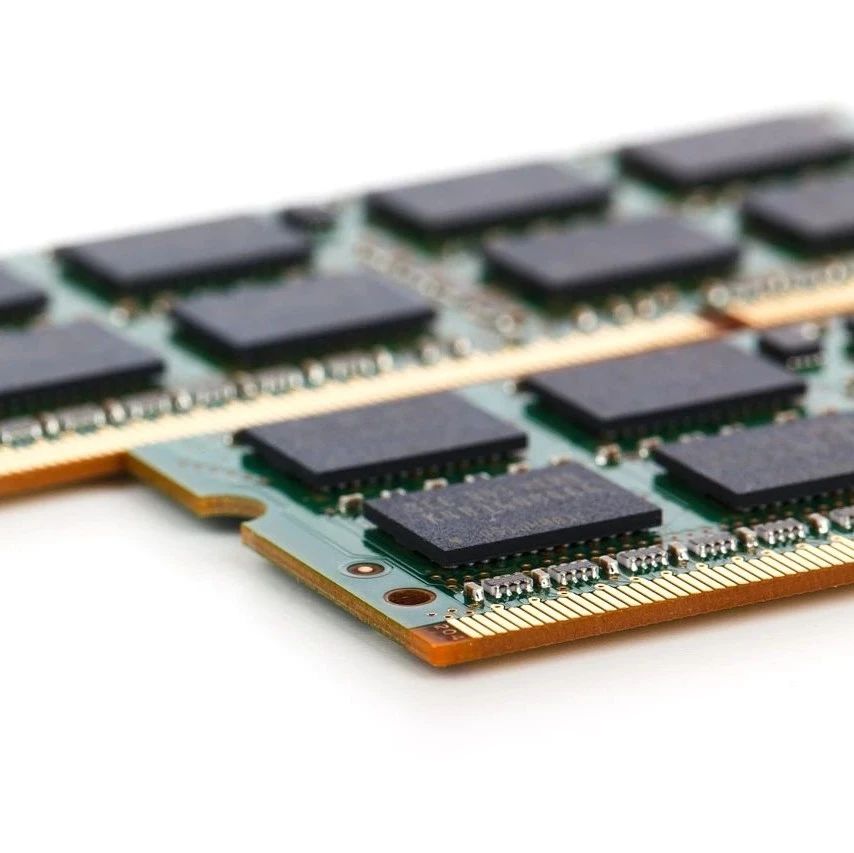
Core Viewpoint - Hanmi Semiconductor is confident in dominating the increasingly competitive HBM4 (High Bandwidth Memory) TC bonding machine market and has received orders for the next-generation Fluxless Bonder, expected to be delivered in the second half of the year [1][2]. Group 1: Company Performance and Market Position - Hanmi Semiconductor reported a projected sales revenue of 180 billion KRW and an operating profit of 86.3 billion KRW for Q2 2025, representing year-on-year growth of 45.8% and 55.7% respectively, with an operating profit margin of 47.9% [2]. - The company anticipates that if the growth trend continues in the second half of the year, total sales for the year could reach between 800 billion and 1.1 trillion KRW [2]. Group 2: Market Strategy and Customer Base - Hanmi Semiconductor aims to secure all major customers' orders for HBM4 TC bonding machines, leveraging long-term partnerships and accumulated mass production experience [3]. - The company is actively expanding its overseas sales of TC bonding machines, with profit margins in international markets being 30-40% higher than domestic ones [3]. Group 3: Technological Advancements - The company is preparing to deliver Fluxless Bonding machines this year, which will reduce bonding gaps and enable thinner HBM packaging structures [4]. - Hanmi Semiconductor is also developing Hybrid Bonding equipment, which does not use bump connections, aiming to further reduce packaging thickness and improve heat dissipation [4]. - A planned investment of 100 billion KRW is set for a new factory to produce next-generation products, with the Hybrid Bonding machine expected to launch in 2027 [4].
AI应用,创新赋能!第四届GMIF2025创新峰会邀请您:金秋9月相聚湾区,共襄盛会
半导体芯闻· 2025-07-29 10:29
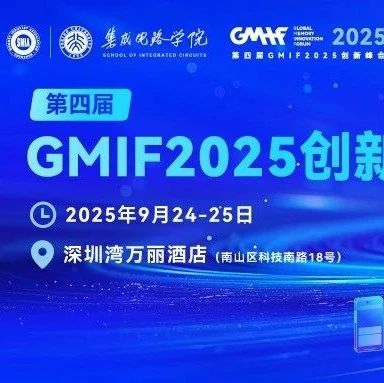
Core Viewpoint - The article emphasizes the significant role of storage technology in the advancement of AI applications, highlighting the need for innovation in storage systems to meet the diverse requirements of AI-driven scenarios [1][2]. Group 1: Event Overview - The Global Memory Innovation Forum (GMIF2025) will be held on September 24-25, 2025, at the Shenzhen Bay Renaissance Hotel, focusing on the themes of storage technology trends, AI application implementation, and industry chain collaboration [2][5]. - The event aims to gather key representatives from various sectors of the storage industry, including AI application companies, storage manufacturers, and equipment suppliers, to discuss innovative paths and ecosystem building in the AI era [2][6]. Group 2: Key Topics of Discussion - The forum will address the trends and iterative paths of storage technology, exploring new opportunities arising from AI application scenarios [6]. - It will focus on the performance, power consumption, capacity, and size requirements of storage systems driven by diverse AI applications such as AI PCs, AI smartphones, and autonomous driving [6]. - Discussions will also cover the restructuring of supply chains in the post-globalization era, emphasizing the need for enhanced collaboration between upstream and downstream players in the storage industry [6]. Group 3: Participant Distribution - The participant distribution includes 30% from end application manufacturers (e.g., servers, AI smartphones), 48% from storage-related manufacturers (e.g., original manufacturers, module manufacturers), 12% from equipment/material/software manufacturers, and 10% from other sectors such as investment institutions and media [11][12]. Group 4: Awards and Recognition - The forum will continue to recognize outstanding companies in the storage industry across five categories: Industry Contribution Award, End Application Award, Solution Award, Technology Innovation Award, and Market Service Award [19][20].
成熟制程,卷疯了
半导体芯闻· 2025-07-29 10:29
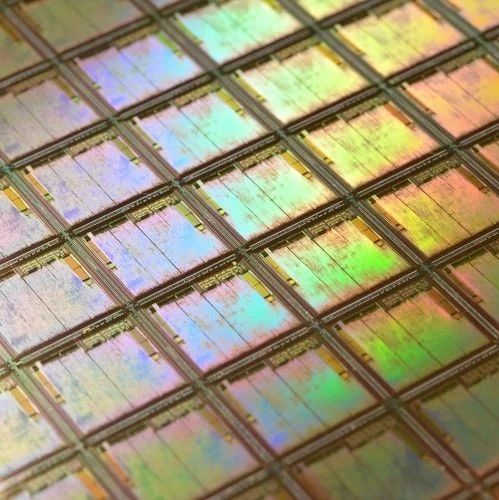
Core Viewpoint - The semiconductor industry is facing significant challenges due to three negative factors: the end of the tariff war's pull-in effect, weaker-than-expected recovery in end-user applications, and continued pressure from the appreciation of the New Taiwan Dollar. [1] Group 1: Market Dynamics - Major IC design companies are expected to significantly reduce wafer foundry production volumes in the second half of the year due to market pressures. [1] - The semiconductor industry is primarily supported by AI demand, with TSMC being the biggest beneficiary, while companies involved in mature process foundries are under considerable pressure. [1] Group 2: Competitive Landscape - The uncertainty surrounding tariffs and China's official subsidy policies have led customers to pull in orders ahead of time, diminishing the benefits of early order placements as the U.S. implements equal tariffs globally starting August 1. [1] - The trend of U.S. restrictions on China remains unchanged, with China actively developing mature processes, increasing competition in mature semiconductors and niche memory sectors. [1] Group 3: Company Strategies - Companies like UMC and GlobalFoundries continue to face competition from China's 12-inch mature processes, leading to cautious order placements and a negative impact on capacity utilization in the second half of the year. [1] - To mitigate geopolitical risks, these companies are establishing new factories overseas and increasing local partnerships, which enhances their competitive capabilities and leads to a moderate increase in orders from de-risking strategies. [1]
三星芯片:过了一关,还有一关
半导体芯闻· 2025-07-29 10:29
Core Viewpoint - Samsung Electronics faces increasing pressure to revitalize its competitiveness in the memory chip market, particularly in high bandwidth memory (HBM), which is crucial for advanced AI computing. Establishing a supply agreement with major buyer Nvidia is essential for Samsung [1][2]. Group 1: HBM Market Dynamics - SK Hynix has dominated the HBM market since 2022, supplying Nvidia exclusively with HBM3, while Samsung has not yet passed Nvidia's stringent certification tests. Analysts predict that by 2025, SK Hynix will hold a 57% market share, followed by Samsung at 24% and Micron at 19% [1]. - Samsung's relative weakness in HBM is a key factor in its declining position in the broader DRAM market, where it lost its leadership to SK Hynix for the first time, with market shares of 34% and 36% respectively [2]. - Samsung is focusing on improving its HBM products and aims to pass Nvidia's certification for HBM3E chips, which could open doors for future orders [2]. Group 2: Semiconductor Business Performance - Samsung's foundry division has secured a significant order from Tesla for next-generation AI chips, which may help offset substantial losses in its memory division [3][4]. - The foundry's 2nm process is reportedly achieving expected yields and production stability, with plans for mass production by the end of the year [4]. - The contract with Tesla is seen as a critical achievement, potentially leading to more orders from other major tech companies and improving Samsung's competitive position against TSMC [5]. Group 3: Future Strategies and Expectations - Samsung plans to implement a dual-track strategy to enhance its existing mature process business while accelerating its pursuit of TSMC [6]. - The foundry's strong performance is expected to positively impact Samsung's overall semiconductor results and help restore its memory competitiveness [6]. - Samsung is working on the next generation of HBM (HBM4) and has submitted its sixth-generation DRAM (D1c) for validation, with production expected to ramp up soon [7].