半导体芯闻

Search documents
日本芯片材料大厂,异军突起
半导体芯闻· 2025-12-22 10:17
如果您希望可以时常见面,欢迎标星收藏哦~ 人工智能的蓬勃发展对日本小型芯片制造材料供应商 Nitto Boseki 来说是一件好事。 日东纺(Nittobo)公司控制着全球高端玻璃纤维布市场约 90% 的份额,这种近乎垄断的地位帮助 公司提高了利润,并使其股价在今年上涨了 55% 以上。 现在,客户和股东们都强烈要求这家总部位于东京的公司扩大产能,以满足不断增长的需求。 但日东纺CEO多田博之表示,公司将继续坚持当初使其取得今天成就的战略:质量重于数量。 "以与市场相同的速度扩张产能是有风险的,"多田告诉《日经亚洲》。"我们不会成为一家拥有庞 大产能、大量生产大宗商品的公司。" 高端玻璃纤维织物是制造芯片基板的关键材料,而芯片基板正是构建中央处理器和图形处理器等先 进芯片的材料。 日东纺几乎生产了世界上所有最优质的这种组件,即低热膨胀系数玻璃。低热膨胀系数玻璃对于英 伟达、AMD、高通、博通和台积电等顶级芯片制造商至关重要。 多田承认,他的公司一直难以满足激增的需求。他表示,人工智能的出现和数据中心建设的热潮, 引发了一场规模超过以往任何周期的繁荣,包括1995年前后的个人电脑热潮和2010年前后的智能 手机 ...


钻石芯片,首次展示
半导体芯闻· 2025-12-22 10:17
Group 1 - Power Diamond Systems (PDS) showcased diamond MOSFETs and evaluation modules at the 2025 International Semiconductor Exhibition in Japan, emphasizing their ability to handle hundreds of volts and ampere-level currents, with plans for commercialization in the 2030s [1] - GaN power devices are increasingly used in high-frequency components for wireless communication systems, with diamond's thermal conductivity being 16 times that of GaN, making it suitable for high-frequency applications [1] - Japanese research teams, including Saga University and Orbray, are making significant advancements in diamond semiconductor technology, with the first diamond power device developed in 2023 and plans for larger diameter substrates [3][4] Group 2 - Ookuma Diamond Device, a startup founded by Hokkaido University and AIST, is constructing a large-scale production facility in Fukushima, expected to operate in the 2026 fiscal year, aimed at handling high-radiation waste from the Fukushima nuclear accident [4] - The commercialization potential of diamond semiconductors is attracting attention from various companies, including JTEC, which develops precision equipment for research institutions [4] - The quality and stable supply of synthetic diamonds are becoming increasingly important, with advancements in production techniques being developed in South Korea to shorten the time required to manufacture synthetic diamonds [5]

国产光刻胶,新突破
半导体芯闻· 2025-12-22 10:17
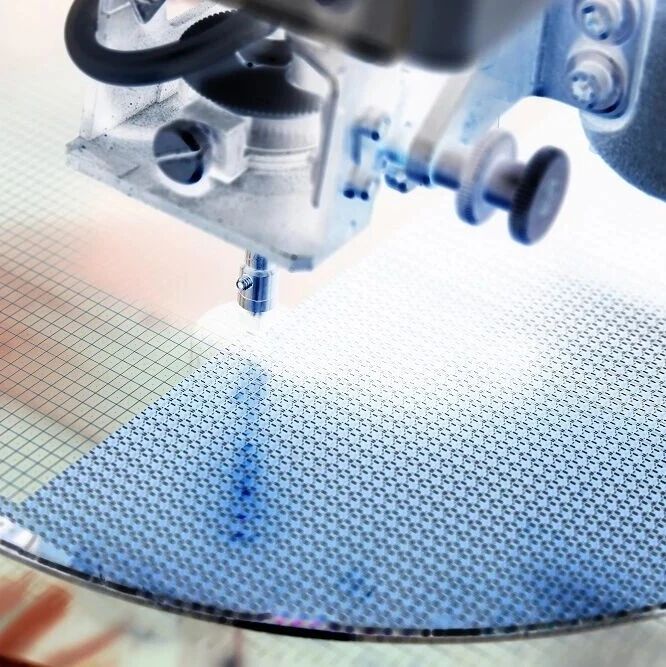
Core Viewpoint - Hubei Xingfu Electronic Materials Co., Ltd. announced the acquisition of proprietary technology and experimental equipment for the preparation of photoinitiators used in photoresists for 46.27 million yuan, which is expected to break the long-standing foreign monopoly in the semiconductor field [1][2]. Group 1: Technology and Market Impact - The acquired technology is crucial for chip and display fields, specifically for photoinitiators that determine the sensitivity and resolution of photoresists [1]. - Currently, the domestic semiconductor industry relies almost entirely on imports from the US, Japan, and South Korea for photoinitiators used in photoresists, which has created significant pressure on production due to supply limitations [1]. - The project represents a response to market demand, with the laboratory addressing challenges posed by semiconductor clients facing supply issues [1]. Group 2: Development and Industrialization - After three years of R&D, a leading photoresist company in Shanghai confirmed that their samples matched the performance of foreign imports [2]. - The technology has reached a stage suitable for industrialization, with plans for the first production line of photoinitiators in Hubei, which will positively impact the development of China's photoresist industry [2].
壁仞科技IPO,募资44亿
半导体芯闻· 2025-12-22 10:17
Core Viewpoint - Shanghai Biren Technology, a Chinese AI chip manufacturer, is seeking to raise up to approximately $623 million (around 4.4 billion RMB) through an IPO in Hong Kong, marking a potential resurgence of AI company listings in the region [1][2]. Group 1: IPO Details - The company plans to issue 247.7 million shares at a price range of HKD 17.00 to HKD 19.60, aiming for a maximum fundraising of HKD 4.85 billion (equivalent to $623 million) [1]. - The expected listing date for the company's shares is January 2 of the following year [1]. - The Hong Kong IPO market is recovering after years of stagnation, and successful listings may encourage more Chinese AI companies to go public, boosting the local stock market [1][2]. Group 2: Market Context - Other AI startups, such as MiniMax Group and Knowledge Atlas Technology, are also accelerating their IPO plans, indicating a trend among Chinese AI companies to leverage capital markets for funding [2]. - The competition in the AI sector is intensifying, prompting these companies to seek public financing despite being in the early stages of commercialization and not yet profitable [2]. - Hong Kong is projected to reclaim its position as the top global IPO market, with total funds raised through IPOs reaching HKD 259.4 billion from January to November 2025, more than triple the amount from the previous year [2]. Group 3: Company Technology and Solutions - Shanghai Biren Technology develops General-Purpose Graphics Processing Unit (GPGPU) chips and intelligent computing solutions essential for AI applications [3]. - The company's proprietary BIRENSUPA software platform, combined with its GPGPU hardware, supports AI model training and inference across various applications, providing a competitive edge in the domestic market [3][4]. - The company has begun generating revenue from its intelligent computing solutions, with 14 clients contributing RMB 336.8 million and 12 clients contributing RMB 58.9 million for the fiscal years ending December 31, 2024, and June 30, 2025, respectively [5]. Group 4: Funding and Investor Support - The company has secured cornerstone investors who have agreed to subscribe for shares worth $372.5 million under certain conditions [6]. - Notable cornerstone investors include 3W Fund Management, Qiming Venture Partners, and several insurance and investment firms, indicating strong institutional interest in the IPO [6].

打不过台积电,怎么办?
半导体芯闻· 2025-12-22 10:17
Core Viewpoint - The global wafer foundry market is experiencing a clear structural shift, with TSMC solidifying its position as the dominant player, while competitors like Intel and Samsung are adjusting their strategies to find their niches in the market [2][3][43]. TSMC's Dominance - TSMC's revenue for Q3 2025 reached $33.063 billion, with a market share of 71%, reflecting its significant lead over competitors [2]. - The overall foundry market is projected to grow, but TSMC is capturing the majority of this growth, showcasing a "magnification effect" of its advantages in advanced processes and capital expenditures [2]. Competitors' Strategies - Other foundries, such as Samsung, are struggling to close the gap in market share, with Samsung's Q3 revenue at $3.184 billion and a market share decline to 6.8% [3]. - Intel is aggressively transforming its strategy, focusing on advanced technology and ecosystem restructuring to regain competitiveness in specific areas [4][43]. Intel's Advanced Process and Packaging - Intel's 14A process node is positioned as a competitive choice for external customers, utilizing High-NA EUV technology, which is expected to enhance power efficiency and chip density [5]. - Intel's EMIB technology is emerging as a viable alternative to TSMC's CoWoS packaging, with significant interest from major clients like Apple and Broadcom [7][9]. Samsung's 2nm Process - Samsung is betting heavily on its 2nm process, which is expected to turn its foundry division profitable by 2027, with a current yield improvement from 50% to a target of 70% [15][16][24]. - The company has secured significant contracts, including a $16.5 billion deal with Tesla for AI6 chips, indicating a strong market position in automotive semiconductors [17][19]. UMC's Differentiation Strategy - UMC is focusing on mature processes and high-value applications, avoiding the advanced process competition while establishing a foothold in advanced packaging and silicon photonics [25][27]. - The collaboration with Qualcomm on advanced packaging is expected to enhance UMC's position in high-performance computing markets [27]. GlobalFoundries' Focus on Specialty Processes - GlobalFoundries is concentrating on mature processes and specialty technologies, with a recent acquisition of AMF to strengthen its position in silicon photonics [34][36]. - The company is also enhancing its capabilities through the acquisition of MIPS, aiming to provide integrated solutions for clients in various high-growth markets [37]. Conclusion - The wafer foundry market is evolving, with companies like Intel, Samsung, UMC, and GlobalFoundries adopting differentiated strategies to navigate the competitive landscape, focusing on their unique strengths and market opportunities [43].


存储巨头,大力扩产
半导体芯闻· 2025-12-22 10:17
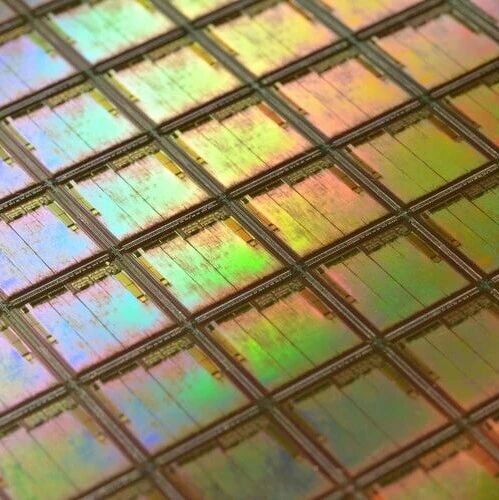
Group 1 - The core viewpoint of the article highlights that Korean chip manufacturers are ramping up production of memory chips to meet the surging demand from AI servers, as competition in the global semiconductor industry intensifies [1] - Samsung Electronics is increasing the utilization of its domestic DRAM and NAND flash production lines while expanding the output of high-end products like High Bandwidth Memory (HBM) [1] - The company has decided to resume the construction of its fifth chip production line in Pyeongtaek, which is expected to be operational by 2028, enhancing its ability to meet the growing demand for advanced storage chips [1] - SK Hynix's new M15X chip manufacturing plant in Cheongju is set to begin production, focusing on DRAM and AI-oriented storage products [1] - The company is also working to complete the construction of its first manufacturing facility in the Yongin semiconductor cluster ahead of schedule, which is equivalent in size to six M15X wafer fabs, with completion expected before the original plan of 2027 [1] Group 2 - According to Omdia's forecast, the global DRAM market size is projected to reach $170 billion by 2026, up from $100 billion in 2024 [2]
华海清科CMP设备:出货800台
半导体芯闻· 2025-12-19 10:25
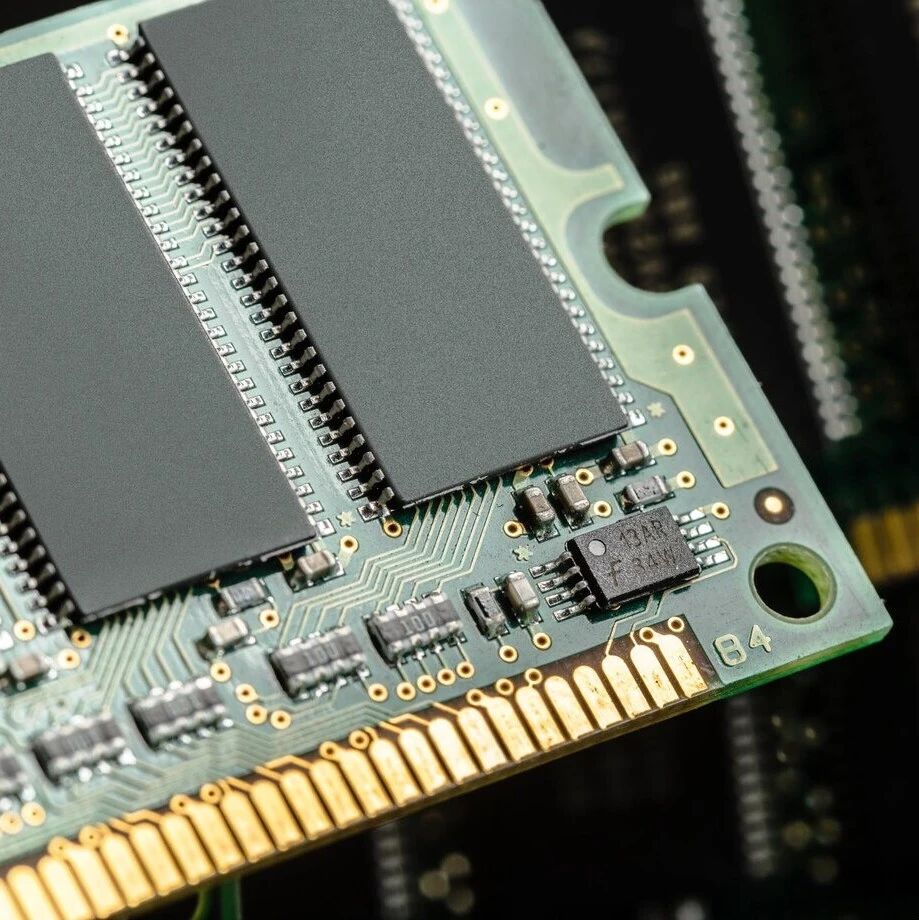
Core Viewpoint - The company, Huahai Qingke, has achieved significant milestones in the Chemical Mechanical Polishing (CMP) equipment sector, with over 800 units delivered, indicating strong market recognition and a leading position in domestic CMP equipment [2]. Group 1: Company Achievements - The company has successfully delivered more than 800 CMP equipment units, including key models like Universal-H300 and Universal-S300, covering major product lines such as logic, 3D NAND storage, and DRAM storage [2]. - The company has penetrated advanced sectors including large wafers, third-generation semiconductors, CIS, MEMS, MicroLED, and advanced packaging, achieving full coverage of domestic integrated circuit manufacturing lines [2]. - The recognition of the company's technology, product maturity, and reliability has enhanced its market influence and solidified its position as a domestic leader in CMP equipment [2]. Group 2: Market Opportunities and Strategies - The advancement of AI technology in algorithm architecture and computing power is creating opportunities for deep development in advanced packaging and chip stacking technologies [3]. - The CMP equipment can synergize with the company's thinning, cutting, and edge polishing equipment, providing comprehensive solutions for advanced packaging and chip stacking, thus expanding future application scenarios [3]. - The company's strategy of "equipment + service" is expected to enhance the volume of key consumables and maintenance services, contributing to stable profit growth [3]. Group 3: Future Directions - The company plans to continue focusing on independent innovation in core technologies and increase R&D investment, targeting breakthroughs in advanced processes and upgrading existing product systems [3]. - The company aims to closely track trends in advanced packaging technologies like HBM and CoWos, promoting product innovation and category expansion to seize opportunities in the integrated circuit industry [3].

又一家GPU厂商,登录港股
半导体芯闻· 2025-12-19 10:25
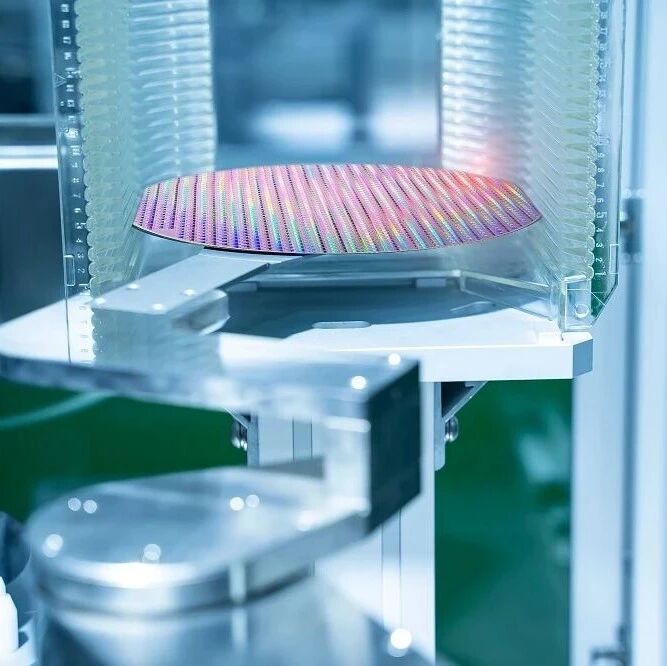
Core Viewpoint - TianShu ZhiXin Semiconductor Co., Ltd. has successfully passed the Hong Kong Stock Exchange hearing and is set to disclose post-hearing materials on December 19, focusing on general-purpose GPU technology and achieving significant milestones in the domestic market [2]. Group 1: Company Overview - Established in 2015, TianShu ZhiXin specializes in general-purpose GPU technology, becoming the first domestic company to achieve mass production of training and inference GPUs [2]. - The company has launched two major product series, "TianGai" and "ZhiKai," creating a comprehensive general-purpose computing power system that meets diverse computing needs from AI model training to edge inference [2]. Group 2: Product Development - The "TianGai Gen1," released in 2021, is China's first mass-produced general-purpose GPU, utilizing a 7nm advanced process, breaking the long-standing foreign monopoly [2]. - The "TianGai Gen2" is set for mass production in Q4 2023, with "TianGai Gen3" expected to be released in Q3 2024 and mass production anticipated in Q1 2026 [2]. Group 3: Market Performance - The "ZhiKai" series, optimized for AI inference, includes "ZhiKai Gen1" and "ZhiKai Gen1X," which were launched in December 2022 and achieved mass production by February 2023 [3]. - The company has successfully deployed its products across various computing scenarios, particularly in enterprise AI deployment and medical imaging analysis [3]. Group 4: Commercialization and Financials - From 2022 to 2024, the number of customers increased from 22 to 181, with over 290 clients served by mid-2025 across multiple sectors [4]. - The shipment of general-purpose GPUs rose from 0.78 million units in 2022 to 1.68 million units in 2024, reflecting strong market recognition [4]. - Revenue figures show growth from 189 million yuan in 2022 to 540 million yuan in 2024, with a compound annual growth rate of 68.8% [4]. Group 5: Funding and Future Plans - TianShu ZhiXin has received support from various notable investment firms and state-owned enterprises [5]. - The funds raised from the IPO will primarily be used for product R&D, sales and marketing, and general corporate purposes [5].
最后1席!6大硬核企业解锁国产化突破
半导体芯闻· 2025-12-19 10:25
Core Viewpoint - The article highlights the significance of the Munich Shanghai Optical Expo as a pivotal event for the global optoelectronics and semiconductor industry, emphasizing the convergence of technology iteration and ecosystem integration [2]. Group 1: Event Overview - The Munich Shanghai Optical Expo will take place on March 18, 2026, at the Shanghai New International Expo Center, featuring over 1,200 leading global companies and attracting hundreds of thousands of professional attendees [2]. - The forum titled "Collaborative Innovation from Devices to Networks" focuses on the synergy between laser optical technology and the entire semiconductor industry chain, impacting various sectors such as industrial interconnection, smart transportation, and digital healthcare [2]. Group 2: Three Core Values - **Policy Alignment**: The forum aligns with the "14th Five-Year Plan," addressing the challenges of domestic production in key areas like compound semiconductors and optical communication chips, and aims to create a collaborative ecosystem through policy, technology, and capital [6]. - **Technical Focus**: The event emphasizes breakthroughs in mass production technologies across the entire industry chain, covering critical areas such as compound semiconductor manufacturing processes and AI-enabled optical chip design, providing actionable technical solutions [7]. - **Demand Precision**: The forum connects supply and demand sides effectively, facilitating a closed-loop system of technology output, demand feedback, and collaborative implementation, with major players from both ends participating [8]. Group 3: Key Participants - Leading companies such as Xizhi Technology, Guoke Guangxin, and Turing Quantum are set to present their advancements in photonic computing, silicon photonics, and high-speed electronic measurement instruments, showcasing their contributions to the industry [10][12][13]. - Major demand-side players include China Mobile, China Unicom, and China Telecom, who will discuss their needs for 6G network architecture and 5G-A deployment, seeking domestic alternatives for core components [14]. Group 4: Sponsorship Opportunities - The article emphasizes the urgency of securing sponsorship opportunities, highlighting the limited availability of slots and the potential for significant networking and exposure benefits at the event [14][16].

高通,完成收购
半导体芯闻· 2025-12-19 10:25
Group 1 - Qualcomm has officially completed the acquisition of Alphawave IP Group plc (Alphawave Semi) on December 18, ahead of the original schedule by about one quarter [1] - The integration of Alphawave Semi's capabilities in high-speed wired connectivity will complement Qualcomm's next-generation Qualcomm Oryon CPU and Qualcomm Hexagon NPU processors, enhancing Qualcomm's product portfolio in AI computing and connectivity solutions [1] - Following the acquisition, Tony Pialis, CEO and co-founder of Alphawave Semi, will lead Qualcomm's data center business, indicating a strategic focus on data center innovation and infrastructure development [2] Group 2 - Alphawave Semi is a significant player in the global high-speed wired connectivity sector, providing custom chips, connectivity products, and chiplet solutions aimed at improving data transmission speed, reliability, and energy efficiency [2] - The company's products are widely used in high-growth areas such as data centers, artificial intelligence, data networks, and data storage, highlighting its relevance in the technology landscape [2]