半导体芯闻

Search documents
台积电又一座晶圆厂,将动工
半导体芯闻· 2025-10-21 10:43
Group 1 - TSMC's second wafer fab in Kumamoto, Japan, has made significant progress with the location agreement set to be finalized on October 24 [1] - The agreement involves TSMC's Japanese subsidiary JASM and local government entities, indicating the official start of construction for the second fab [1] - Kumamoto Governor Kimura expressed joy over the commencement of the second factory's construction, alleviating previous uncertainties regarding the project timeline [1] Group 2 - The construction of the second fab was initially planned to start by March 2025 but has been postponed to before the end of 2025 due to traffic congestion issues [1] - To address the traffic problems affecting the first fab, the Kumamoto government has initiated two key infrastructure projects aimed at improving local transportation and connectivity, expected to be completed by 2028 [2]


存储芯片,太热了
半导体芯闻· 2025-10-21 10:43
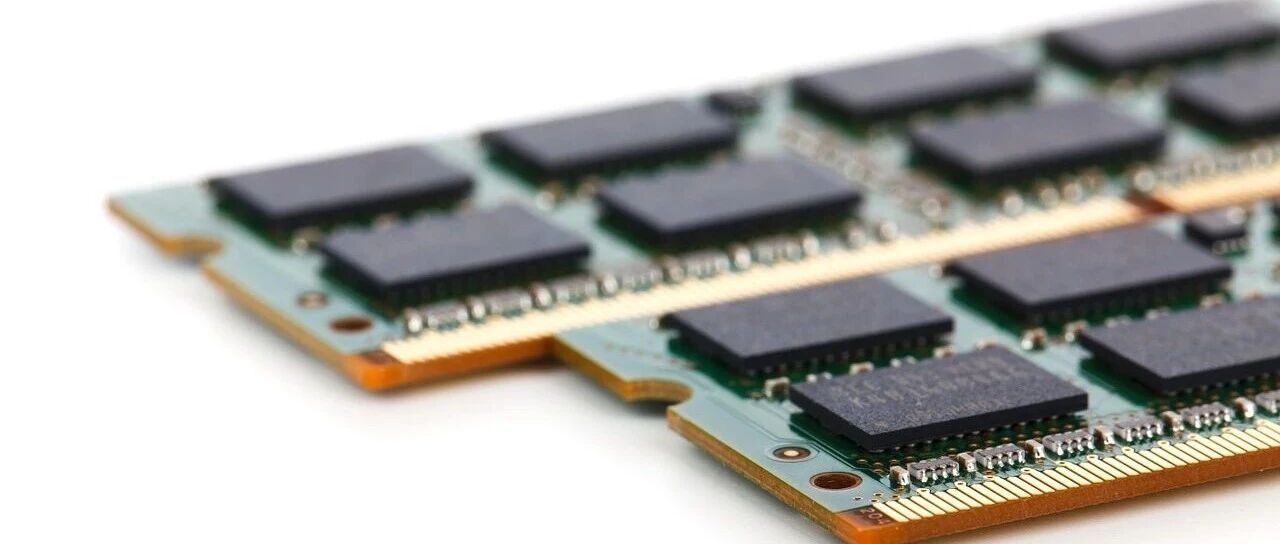
Core Insights - The global chip manufacturers are racing to produce AI chips, leading to a supply crunch for less prominent chips used in smartphones, computers, and servers, causing panic buying and soaring chip prices [1] - The AI boom has unexpectedly boosted memory chip manufacturers like Samsung Electronics, which is lagging behind competitors in advanced AI chip offerings, resulting in a rise in its stock price [1] - Analysts predict that the memory chip industry is entering a "super cycle" due to the intense demand for memory chips driven by equipment manufacturers hoarding them [1] Group 1 - The demand for memory chips has surged in the past couple of months, with orders doubling or tripling, reminiscent of previous shortages [1] - Major tech companies, including Alphabet, Amazon, Meta, Microsoft, and CoreWeave, are expected to invest $400 billion in AI infrastructure this year [2] - The upgrade cycle for traditional data centers and better-than-expected smartphone sales are exacerbating the supply tightness for non-HBM memory chips, driving up their prices [2] Group 2 - The average price of DDR5 server memory modules has skyrocketed, benefiting companies like Micron, SK Hynix, and Samsung [3] - DRAM spot prices have nearly doubled year-on-year as of September, following a 4% increase in April [3] - Samsung's standard DRAM operating profit margin is estimated at around 40%, while HBM's is about 60% for the July to September period [3] Group 3 - The surge in chip prices may pressure consumer electronics and server manufacturers, who are already facing cost increases due to U.S. tariff hikes and potential supply chain disruptions from China's rare earth export restrictions [4] - Some companies are passing on cost pressures to consumers, with Raspberry Pi announcing a price increase due to a 120% rise in memory costs compared to a year ago [5] - The profitability of non-HBM chips is driving up stock prices for memory chip manufacturers, with Samsung's stock rising over 80%, SK Hynix's by 170%, and Micron's by 140% this year [5] Group 4 - There are concerns about the sustainability of the current boom, with some analysts cautioning that the term "super cycle" may be exaggerated, predicting a typical shortage lasting one to two years, followed by a downturn in the chip industry by 2027 [5][6] - Samsung's significant investment in non-HBM chips positions it to benefit from the current trend, but there are cautious sentiments regarding its ability to close the gap with SK Hynix in the HBM sector and TSMC in semiconductor foundry services [5][6]
OpenAI,拿捏芯片巨头
半导体芯闻· 2025-10-21 10:43
Core Insights - The article discusses the significant financial and strategic maneuvers surrounding OpenAI and its partnerships with major tech companies, particularly Nvidia and SoftBank, highlighting the immense scale of investments and the implications for the AI industry [1][2][5]. Group 1: Major Deals and Financial Implications - Nvidia and OpenAI have reached a monumental deal valued at $100 billion, marking it as the largest computing project in history [1]. - The stock prices of Oracle, Nvidia, AMD, and Broadcom surged, collectively adding $630 billion in market value following announcements related to OpenAI [2]. - OpenAI's projected revenue for the year is $13 billion, which is a small fraction of the $650 billion in computing service fees it has secured with Nvidia and Oracle [5][12]. Group 2: Leadership and Vision - Sam Altman, CEO of OpenAI, is portrayed as a visionary leader, emphasizing the transformative potential of AI and aiming for a long-term goal of building 250 gigawatts of computing power by 2033, which could cost over $1 trillion [5][6]. - Altman's confidence in exponential growth is evident, as he believes that increased computing power will lead to significant revenue growth for OpenAI [6][7]. Group 3: Competitive Landscape - Microsoft has shown hesitance in fully committing to Altman's ambitious data center plans, with CEO Satya Nadella expressing concerns about the balance between supply and demand in AI infrastructure [11][12]. - Oracle has capitalized on Microsoft's caution by signing a $300 billion contract with OpenAI, significantly boosting its stock price and market valuation [12]. Group 4: Partnerships and Collaborations - OpenAI is exploring partnerships with various chip manufacturers, including AMD and Broadcom, to secure the necessary computing resources for its ambitious projects [17][18]. - AMD has agreed to provide OpenAI with up to 6 gigawatts of capacity, offering a stake in the company as part of the deal, which led to a 24% surge in AMD's stock price [17]. Group 5: Market Reactions and Future Outlook - The announcement of the partnership between OpenAI and SoftBank led to an 11% increase in SoftBank's stock price, indicating strong market confidence in the potential of these collaborations [9]. - The ongoing negotiations and partnerships are expected to shape the future of AI infrastructure, with significant implications for the tech industry as a whole [10][12].

海思芯片,进军机器人
半导体芯闻· 2025-10-21 10:43
而通过专有的硬件加速架构和AI计算能力,能够在极低功耗下输出高精度、低延时、低噪声的双 目深度数据,为上层算法提供稳定可靠的感知基础。 针对机器人实际应用场景中的挑战,模组对算法进行了深度优化: 如果您希望可以时常见面,欢迎标星收藏哦~ 来源: 内容 编译自海思 。 今天,上海海思发布新闻稿称,具身智能时代已经到来,而让机器人"活"起来的关键之一,在于其 感知世界的能力。作为机器人视觉系统的核心,双目模组承担着为机器提供三维视觉的重要使命。 上海海思芯片双目模组凭借卓越的性能表现,正成为推动机器人技术革新的关键力量。 据介绍,该模组采用Hi3519DV500平台,支持AI双目深度算法,相比传统双目深度算法,深度图 更加稠密。同时可针对痛点场景持续补充数据进行训练,越用越聪明。 据介绍,Hi3519DV500是一颗面向视觉行业推出的超高清智能 SoC。该芯片最高支持四路sensor 输入,支持最高4K@30fps的ISP图像处理能力,支持 2F WDR、多级降噪、六轴防抖、全景拼 接、多光谱融合等多种传统图像增强和处理算法,支持通过AI算法对输入图像进行实时降噪等处 理,为用户提供了卓越的图像处理能力。支持热红 ...

三星2nm,立下军令状
半导体芯闻· 2025-10-21 10:43
Core Viewpoint - Samsung Electronics is optimistic about revitalizing its foundry business, aiming to capture market leadership in the global foundry sector currently dominated by TSMC, leveraging next-generation 2nm technology [1][2]. Group 1: Samsung's Foundry Business - Samsung's foundry division has faced significant losses over the past few years, but recent orders from major clients like Tesla and Apple indicate a potential turnaround [1]. - The 2nm process technology is expected to be a critical turning point for Samsung, enhancing chip performance, power efficiency, and thermal management, which are essential for the AI semiconductor market [2]. - Samsung plans to apply the 2nm process to its next-generation mobile application processor "Exynos 2600" and aims to achieve a production yield of around 70% by the end of this year or early next year [2][3]. Group 2: Industry Context and Competition - The semiconductor industry is entering a boom phase driven by AI investments, with the 2nm technology seen as a key competitive advantage [2]. - Samsung's collaboration with various clients, including AMD and AI semiconductor companies, highlights its efforts to expand its foundry business [3]. - The meeting with government officials and industry leaders emphasized the need for support in technology and talent, with calls for tax incentives and government funding to help Samsung and SK Hynix compete with Taiwanese firms [3].
高通再遭重创,三星转向自研
半导体芯闻· 2025-10-21 10:43
Core Insights - Samsung Electronics is set to begin mass production of its self-developed mobile application processor (AP) Exynos 2600 next month, which will be featured in the Galaxy S26 series, marking the first use of a self-developed AP in the flagship Ultra model in four years [1][2] Group 1: Performance Enhancements - The Exynos 2600's neural processing unit (NPU) performance exceeds that of Apple's A19 Pro by over 6 times, which is crucial for generative artificial intelligence applications [2] - The multi-core performance of the Exynos 2600's central processing unit (CPU) is 15% better than the A19 Pro, while its graphics processing unit (GPU) performance has improved by up to 75% in certain benchmarks [2] - The Exynos 2600 utilizes a 2nm process technology, achieving 85% of its current performance targets [2] Group 2: Market Implications - The application of Exynos 2600 in the Galaxy S series is expected to signal a full recovery for Samsung's system LSI and foundry business units, which have been underperforming [3] - With the anticipated recovery in the memory semiconductor market and the increasing demand for high bandwidth memory (HBM), there are expectations for Samsung's overall performance to surpass previous peaks if the system semiconductor division finds its footing [3] - The introduction of Exynos 2600 is expected to provide a boost to Samsung's efforts to catch up with TSMC in the 2nm process technology, as the foundry industry relies on customer feedback to advance technology [3] Group 3: Strategic Partnerships - The performance improvements of Exynos 2600 have paved the way for Samsung to secure contracts for 2nm process production, including a significant agreement with Tesla for AI6 chip production [4] - Samsung plans to accelerate the development of various application-optimized 2nm derivative processes, designating the 2nm process as a strategic focus [4] - Industry insiders suggest that Exynos has seized an opportunity to reverse its previous lag behind competitors like Apple and Qualcomm, and proving its performance in the Galaxy S26 series could enhance Samsung's smartphone sales [4]

ADI宣布出售工厂,日月光接盘
半导体芯闻· 2025-10-21 10:43
Core Viewpoint - ASE and Analog Devices, Inc. (ADI) have signed a binding memorandum of understanding to establish a strategic partnership, with ASE planning to acquire 100% of Analog Devices Sdn. Bhd. and its manufacturing facility in Penang, Malaysia [1][2]. Group 1: Strategic Partnership - The acquisition aims to expand ASE's global manufacturing capabilities and enhance operational flexibility and scale efficiency [2]. - ASE will provide manufacturing services to ADI under a long-term supply agreement, which is expected to improve the technical level of the Penang facility [1][2]. Group 2: Facility and Investment - The ADI Penang facility, established in 1994, spans over 680,000 square feet and will be further developed to support ADI and other customers [1][2]. - The collaboration is anticipated to create more investment opportunities and better meet the complex demands of customers and supply chains [1]. Group 3: Future Plans - The final agreement is expected to be signed in Q4 2025, with the transaction completion anticipated in the first half of 2026, subject to customary closing conditions and regulatory approvals [2]. - Both companies aim to leverage their expertise to drive growth and innovation at the Penang facility, providing ongoing career development opportunities for employees [2].

美光挖人,年薪百万
半导体芯闻· 2025-10-21 10:43
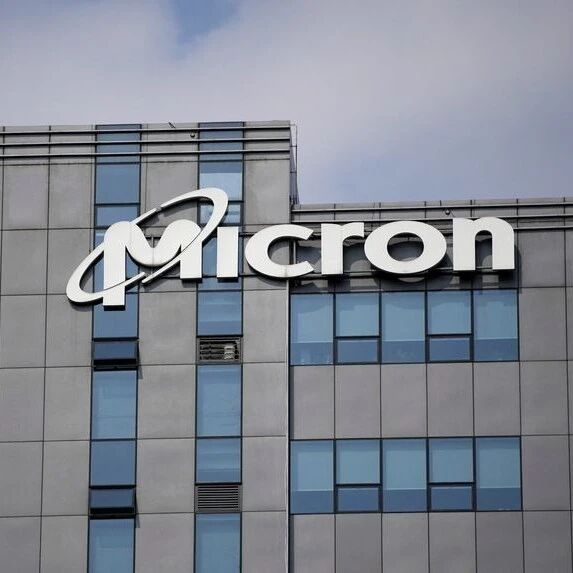
Group 1 - Micron is actively recruiting senior engineers from South Korean semiconductor giants like Samsung and SK Hynix, offering salaries up to 200 million KRW (approximately 1 million RMB) to enhance its DRAM production capacity at its Taichung plant [1] - The Taichung plant is Micron's largest DRAM production base, utilizing the advanced 1-gamma process for mass production of the next-generation HBM4 [1] - Micron's recruitment efforts include both physical and online channels, as well as campus recruitment events in South Korea, indicating the urgency to fill key technical positions for HBM and advanced process development [1] Group 2 - According to Counterpoint Research, SK Hynix is projected to hold a 62% market share in the global HBM market by Q2 2025, making it the largest HBM supplier [2] - Micron is expected to surpass Samsung for the first time with a 21% market share, positioning itself as the second-largest HBM supplier, while Samsung's market share is projected to drop to 17% [2]

三星代工发力,HBM4弯道超车海力士?
半导体芯闻· 2025-10-20 10:40
Core Insights - Samsung Electronics is preparing for final quality testing of NVIDIA's sixth-generation High Bandwidth Memory (HBM4), with its foundry division ramping up production of the logic chips that serve as the "brain" of HBM [1][2] - The logic chips for HBM4 will utilize advanced process technology, with Samsung's foundry achieving over 90% yield for 4nm process logic chips, indicating readiness for mass production [2][3] - The transition to HBM4 marks a significant shift in performance requirements, with the introduction of customized HBM expected to begin with HBM4E, necessitating tailored circuit designs based on customer needs [3][4] Summary by Sections HBM4 Production and Testing - Samsung's foundry division is fully supporting the production of logic chips for HBM4, aligning with the storage division's increased HBM4 output [1] - The foundry is increasing the wafer input for logic chips and aims to maximize yield to establish a stable production system [1] Logic Chip Technology and Yield - The logic chips for HBM4 are critical components that connect stacked DRAM with GPUs in AI semiconductors, providing power supply and data signal control [2] - The yield for 4nm process logic chips has surpassed 90%, meaning that more than 9 out of 10 chips produced are qualified, demonstrating a stable technology for large-scale production [2][3] Industry Trends and Future Outlook - The semiconductor industry is witnessing a shift towards advanced process technologies, with Samsung's 4nm process entering a mature stage and achieving an overall yield exceeding 80% [3] - The upcoming HBM4E is expected to usher in a "customized HBM" era, where HBM development will be optimized based on specific AI semiconductor applications [3][4] - The importance of foundry process technology is anticipated to increase in the next generation of HBM products, as Samsung aims to address previous product shortcomings [4]

英特尔没钱了?转头找沙特投芯!
半导体芯闻· 2025-10-20 10:40
如果您希望可以时常见面,欢迎标星收藏哦~ 来源: 内容 编译自 wccftech 。 沙特虽然在制造业经验上相对有限,但该国以"重金投资"闻名。事实上,英特尔在沙特等国建立芯 片制造设施的构想并非毫无根据——沙特拥有足以支撑此类运营的资源。此前,卡塔尔也曾接洽台 积电(TSMC),希望其在当地建设先进晶圆厂,但遭到拒绝,原因可能是高昂的人力成本与供应 链限制。而英特尔目前急需大规模资金投入,且已与软银展开合作,而软银的基金正由沙特公共投 资基金(PIF)支持。 尽管目前尚属推测阶段,但可以肯定的是,中东地区正努力摆脱传统石油经济模式。随着芯片制造 的重要性与战略地位日益凸显,海湾国家显然也在积极寻求进入这一关键产业。 参考链接 https://wccftech.com/intel-ceo-lip-bu-tan-meets-saudi-official-for-a-potential-chip-partnership/ 点这里加关注,锁定更多原创内容 *免责声明:文章内容系作者个人观点,半导体芯闻转载仅为了传达一种不同的观点,不代表半导体芯闻对该 观点赞同或支持,如果有任何异议,欢迎联系我们。 推荐阅读 10万 ...