半导体芯闻

Search documents
全球首颗!德氪微发布超高耐压毫米波隔离驱动芯片DKV56系列
半导体芯闻· 2025-10-23 09:58
Core Insights - The DKV56 series is the world's first ultra-high voltage millimeter-wave isolation driver chip, integrating advanced wireless isolation technology for various applications including AI data centers and renewable energy systems [1][2] - The chip has entered mass production and demonstrates significant performance improvements over traditional isolation methods, achieving stable operation under extreme conditions [1][2] Group 1: Product Features - The DKV56 series supports five current output combinations, ranging from 2.5A to 30A, enhancing efficiency in driving high-performance devices like SiC [2] - It includes real-time fault detection and reset functions, simplifying circuit design and reducing development costs [2] - The chip operates within a temperature range of -40℃ to 125℃ and is currently seeking safety certifications [2] Group 2: Market Context - The global power semiconductor market has surpassed $30 billion and is projected to grow at a CAGR of 8-10% until 2028, with SiC and GaN driver chips experiencing the fastest growth [2] - The industry is moving towards high-frequency and modular solutions, with the DKV56 series positioning itself as a key player in this transition [2] Group 3: Technological Advancements - Since 2025, the company has been enhancing its millimeter-wave wireless isolation product lineup, recently launching a digital isolation chip capable of transmitting data at 5Gbps under high voltage conditions [3] - The new chip has been validated by several leading companies in the industry and is entering large-scale production [3]


安世荷兰警告客户:中国产芯片无法保证
半导体芯闻· 2025-10-23 02:46
Core Points - Nexperia has warned its customers that it can no longer guarantee the quality of chips produced in its Chinese factories, highlighting an escalating control struggle within the company [1][2] - The warning from Nexperia's European division indicates deep-rooted issues regarding the quality of chips manufactured in China, exacerbated by a recent export ban imposed by China [1] - The intervention of the Dutch Ministry of Economic Affairs and reports that Nexperia's Chinese division is not subject to new Dutch regulations have contributed to the loss of control over production processes in China [1] Industry Impact - The automotive industry, a major customer of Nexperia chips, may face direct consequences from the quality warning, potentially leading to production and reliability issues, recalls, and warranty claims [2] - The situation surrounding Nexperia is not only an internal conflict but also involves political and economic dimensions, reflecting the growing tensions between Europe and China in the technology and economic sectors [2]

台积电,拒绝High-NA!
半导体芯闻· 2025-10-22 10:30
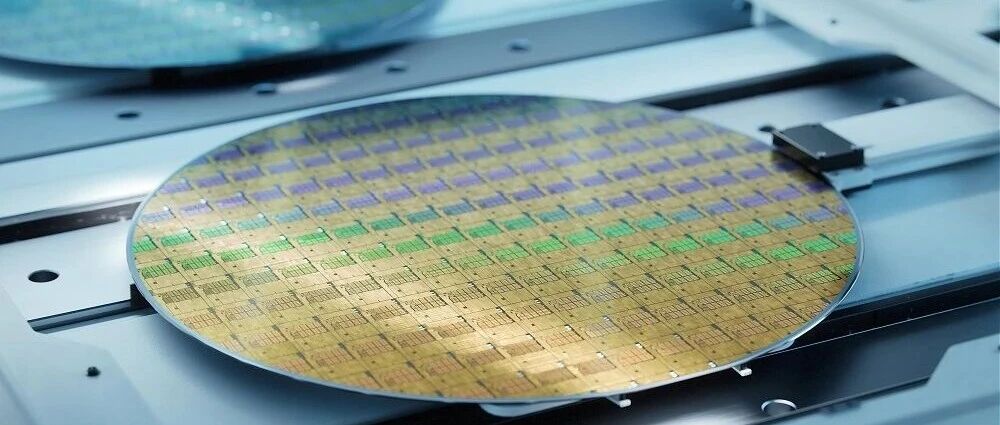
Core Viewpoint - TSMC is advancing to the next generation of semiconductor manufacturing with a focus on 2nm and below processes, opting for cost-effective solutions like photomask pellicles instead of investing in expensive High-NA EUV equipment [1][2][4]. Group 1: Technology and Production Plans - TSMC's 2nm wafers are expected to enter mass production by the end of 2025, followed by the 1.4nm node around 2028, with an investment of NT$1.5 trillion (approximately $49 billion) [1]. - The company has initiated R&D for the 1.4nm process at its Hsinchu facility and has procured 30 standard EUV machines to meet demand from clients like Apple [2][4]. - TSMC's A14 process, which is based on second-generation GAA transistors, is projected to achieve a performance improvement of up to 15% at the same power consumption, or a 25% to 30% reduction in power consumption at the same frequency [4][5]. Group 2: Cost Management and Strategic Decisions - TSMC has chosen not to purchase High-NA EUV equipment, which costs up to $400 million per unit, citing that the cost does not justify the benefits [2][4]. - The use of photomask pellicles is seen as a more cost-effective alternative, despite the challenges it presents in terms of increased exposure steps and potential impacts on yield [2][5]. - TSMC's strategy emphasizes maximizing returns on investment by delaying the adoption of High-NA EUV until it can provide meaningful, quantifiable benefits [6]. Group 3: Competitive Positioning - Unlike Intel, which plans to introduce High-NA EUV in its 14A process around 2027-2028, TSMC does not anticipate using this technology in mass production until at least 2030 [6]. - TSMC's approach allows it to maintain predictable yields and performance characteristics without relying on the latest EUV technology [5][6].

英特尔重磅AI产品,明年发布
半导体芯闻· 2025-10-22 10:30
Core Insights - Intel's Jaguar Shores AI product line is in talks with ASIC design firm Wistron NeWeb Corporation to develop customized AI solutions, with completion expected in the first half of 2026 [1][2] - Intel has shifted its AI strategy to focus on annual product updates and has introduced the Xe3P architecture "Crescent Island" AI chip to enhance its competitive stance in the AI market [1] - Wistron NeWeb Corporation, a fabless ASIC design service provider, is collaborating with Amazon on the Trainium series AI chips, indicating its capability in the ASIC market [2] Group 1 - Intel's AI strategy has evolved from focusing solely on "inference" to a broader approach, responding to the growing AI market [1] - The collaboration with Wistron NeWeb is seen as a strategic move for Intel, leveraging Wistron's expertise in ASIC design and manufacturing to alleviate Intel's development burdens [2] - The Jaguar Shores product line is anticipated to launch in 2026, with a reasonable timeline for mass production suggested for the second half of that year [2] Group 2 - Wistron Neweb plays a dual role as a design and manufacturing partner, outsourcing actual wafer fabrication to companies like TSMC while focusing on critical processes such as chip integration and testing [2] - The partnership with Wistron Neweb is expected to provide Intel with a competitive edge in developing more powerful AI products as the industry matures [2] - The collaboration reflects a trend where established companies like Intel seek partnerships with specialized firms to enhance their product offerings in the rapidly evolving AI landscape [2]


存储巨头,想用FinFET做闪存
半导体芯闻· 2025-10-22 10:30
Core Viewpoint - Samsung Electronics plans to introduce FinFET technology in NAND flash memory, aiming to develop high-performance NAND suitable for AI chipsets, although practical application is expected to take time [1][2]. Group 1: Technology Innovation - FinFET is a key innovation for achieving the required performance and power levels on limited transistor stacking areas [1]. - FinFET technology, characterized by its three-dimensional structure, overcomes the limitations of traditional planar structures, enhancing performance and efficiency [1][2]. - The introduction of FinFET in NAND flash memory is expected to significantly increase integration density, leading to faster signal transmission, lower power consumption, and smaller chip sizes [2]. Group 2: Industry Collaboration - The semiconductor industry must deepen collaboration to reduce unnecessary resource consumption related to diverse semiconductor technologies [2]. - The complexity of technology development has increased, requiring collaboration among more departments than before to achieve innovation [2].
HBM4原型,首次亮相
半导体芯闻· 2025-10-22 10:30
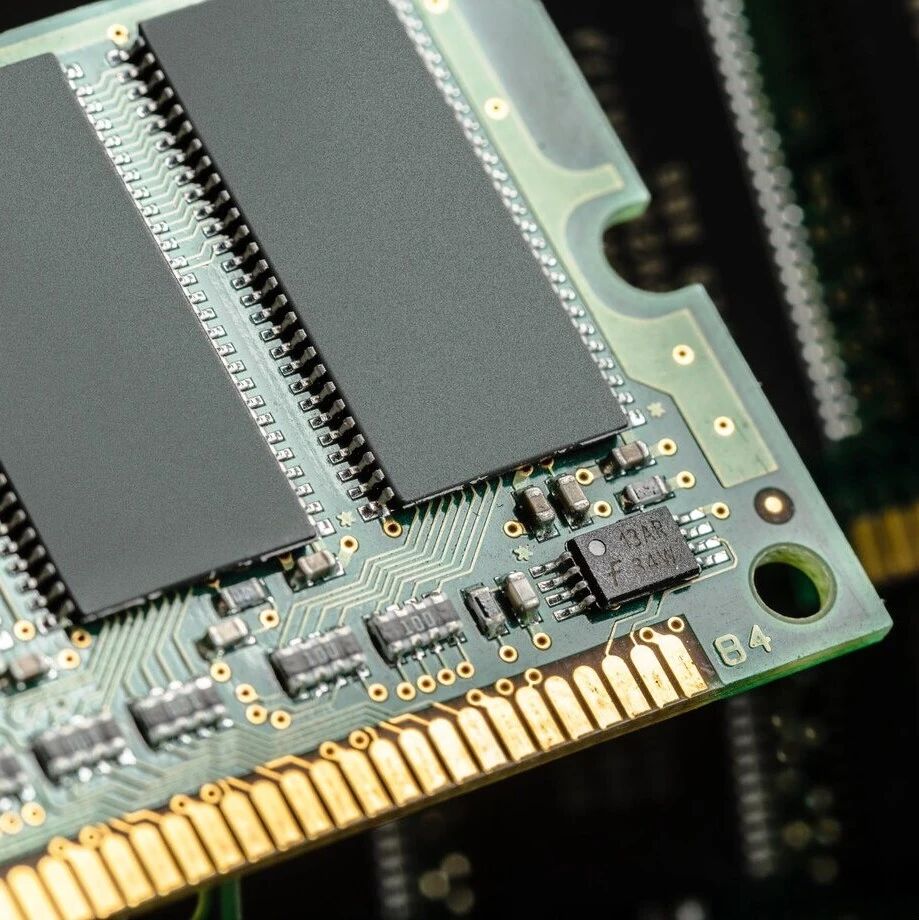
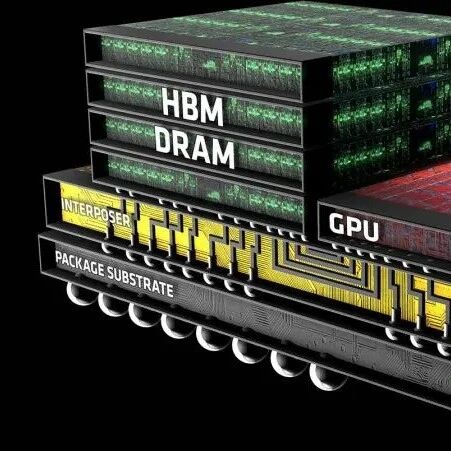
Group 1 - The Korea Semiconductor Industry Association will hold SEDEX 2025 from October 22 to 24 in Seoul, focusing on the theme "Beyond Limits, Connected Innovation" [1] - The main highlight of the exhibition will be the next-generation AI semiconductor roadmap announced by Samsung Electronics and SK Hynix, showcasing a prototype of the 12-layer HBM4 product intended for NVIDIA's next AI accelerator "Rubin" [2] - Samsung Electronics plans to demonstrate its capabilities as a full-solution provider, featuring a product lineup that includes HBM4, the next-generation mobile application processor Exynos 2600 manufactured with a 2nm process, system semiconductors, and wafer foundry products [2] Group 2 - SK Hynix aims to emphasize its vision as an "AI memory full-stack" supplier, with a product portfolio that includes HBM4, high-capacity DDR5 memory, Compute Express Link (CXL), and high-performance enterprise SSDs to meet the explosive data processing demands of the AI era [3] - The core strategy of SK Hynix is to solidify its market leadership by providing a complete set of core memory products required for AI data center operations [3]
机构:车用功率半导体市场有望翻三倍
半导体芯闻· 2025-10-22 10:30
Core Insights - The electric vehicle (EV) power electronics market is projected to grow to $42 billion by 2036, tripling in size despite a slowdown in EV sales growth [1] - The adoption of SiC MOSFETs in plug-in hybrid electric vehicles (PHEVs) is increasing, offsetting the impact of slowing growth in battery electric vehicles (BEVs) [2] - The competition among SiC wafer suppliers is driving down the total cost of SiC MOSFETs, with several companies expanding their production capacity [3] - GaN technology is gaining traction in the automotive sector, with applications in onboard chargers and traction inverters expected to grow significantly [4][5] - Hybrid inverters and embedded power modules are emerging trends that could enhance power density in power electronics [6][7] Market Trends - Despite a slowdown in BEV sales, the market penetration of electric vehicles continues to rise, indicating a robust demand for SiC MOSFETs [2] - Major OEMs like Toyota and Schaeffler are integrating SiC MOSFETs into their PHEV systems, signaling a shift towards market maturity for this technology [2] - The cost of SiC wafers, which can account for up to 50% of the total cost of SiC MOSFET chips, is decreasing due to increased competition among suppliers [3] Technology Developments - GaN technology is being applied in various automotive components, including LiDAR and onboard chargers, with significant improvements in power density [4] - The first application of GaN in an onboard charger is expected in the Chang'an Qiyuan E07 model, set to launch in 2026, showcasing a power density of 6 kW/L [4] - Companies are also developing GaN-based traction inverters, although commercial deployment is anticipated to lag behind onboard chargers [5] Future Directions - Hybrid inverters are seen as a key development for the application of wide bandgap semiconductors in electric vehicles, optimizing performance while reducing costs [7] - Embedded power modules are expected to enhance power density by integrating power semiconductor chips into printed circuit boards, although large-scale production in road vehicles is not yet realized [7]

显示巨头,杀入半导体设备
半导体芯闻· 2025-10-22 10:30
Core Viewpoint - LG Electronics is focusing on developing advanced packaging equipment to meet the increasing semiconductor demand driven by artificial intelligence (AI), aiming to localize production of AI semiconductors and high bandwidth memory (HBM) related equipment [1][2]. Group 1: Market Growth and Strategy - The post-processing equipment market is expected to grow to 43 trillion KRW (approximately 230 billion RMB) by 2030, highlighting the rising importance of advanced packaging [1]. - LG Electronics is not competing directly with existing equipment manufacturers but is instead pursuing a strategy of developing next-generation semiconductor equipment through strategic partnerships with external companies and institutions [2]. Group 2: Equipment Development - LG Electronics is developing several key types of equipment, including: - HBM-related equipment focusing on two core areas: - Hybrid bonding machines for vertical stacking of DRAM chips, with plans for commercialization by 2028 [2]. - Six-sided precision inspection equipment for detecting defects in HBM, which has already been delivered to semiconductor manufacturers [2]. - Other critical equipment includes: - LDI exposure equipment that directly draws circuits on semiconductor substrates without masks, with resolutions ranging from 1.5 to 3 micrometers [3]. - Laser equipment for ultra-precision processing of TGV holes in glass substrates and automatic optical inspection (AOI) equipment for detection [3]. Group 3: Future Outlook - The semiconductor equipment market is anticipated to experience rapid growth due to AI, with LG Electronics committed to enhancing core technologies that impact equipment performance through both domestic and international collaborations [5].

甲骨文,剑指 2250 亿美元营收
半导体芯闻· 2025-10-22 10:30
Core Viewpoint - Oracle is strategically positioning itself to capitalize on the AI era by enhancing hardware flexibility, deepening multi-cloud partnerships, and developing AI agents, with a goal of achieving $225 billion in total revenue by FY2030, representing a CAGR of 31% [1][6]. Revenue Goals - Oracle aims to reach a total revenue of $225 billion by FY2030, with a CAGR of 31% [1]. - The company has achieved $500 billion in remaining performance obligations (RPO) and added approximately $65 billion in total contract value (TCV) for its cloud infrastructure (OCI) in about 30 days [1][2]. AI and Cloud Infrastructure - Oracle has raised its revenue expectations for OCI, projecting significant growth from $18 billion in FY2026 to $34 billion in FY2027, $77 billion in FY2028, $129 billion in FY2029, and $166 billion in FY2030, indicating a CAGR of 75% [6]. - The company emphasizes hardware flexibility and has optimized OCI for various hardware accelerators, aiming to reduce customer network costs [6][7]. AI Applications and Data Utilization - Oracle is helping clients leverage structured and unstructured data for AI applications, resulting in improved operational efficiency and strategic focus [12]. - The company anticipates that revenue from AI databases and platforms will grow from approximately $2.4 billion in FY2025 to around $20 billion by FY2030, with a CAGR of 53% [13]. AI Agents Development - Oracle has developed over 400 AI agents within its Fusions application suite, with applications in various sectors, including healthcare and finance [15]. - The company has expanded its AI Agent Studio, allowing for the creation and deployment of AI agents, enhancing operational efficiency across different business functions [16]. Multi-Cloud Strategy - Oracle has deepened collaborations with major cloud service providers like Microsoft, AWS, and Google, achieving a 16-fold increase in multi-cloud consumption revenue [21]. - The company has launched a new resale partner program, enabling solution providers to offer Oracle databases across multiple cloud platforms [22]. Sales Opportunities and Payment Models - There are significant upsell opportunities in AI, with potential customer spending increasing by 150 times when expanding from a single application to a full suite [24]. - Oracle has introduced a new multi-cloud universal credit licensing model, simplifying payment processes for customers using its AI database and OCI services across different cloud platforms [24].


德州仪器,大跌!
半导体芯闻· 2025-10-22 10:30
Core Viewpoint - Texas Instruments Inc. has provided a weak earnings forecast for the upcoming quarter, raising concerns about the sluggish recovery in the semiconductor industry [1][2]. Financial Performance - The company reported a profit of $1.36 billion, roughly flat compared to the same period last year [1]. - Revenue increased by 14% to $4.74 billion, surpassing analyst expectations of $4.65 billion [1][5]. - Earnings per share were $1.48, slightly below the expected $1.49 [1][5]. - The revenue from the analog segment grew by 16% to $3.73 billion, while the embedded processing segment saw a 9% increase to $709 million [1]. Future Outlook - Texas Instruments forecasts fourth-quarter revenue between $4.22 billion and $4.58 billion, lower than the analyst average expectation of $4.5 billion [1]. - The anticipated earnings per share for the fourth quarter is approximately $1.26, down from a previous expectation of $1.39 [1]. Market Reaction - Following the earnings report, the company's stock price fell by over 8% in after-hours trading, reflecting investor caution regarding the impact of additional tariffs and trade negotiations [2][5]. - Year-to-date, the stock has declined by about 3%, lagging behind the overall semiconductor market [2][5]. Market Dynamics - The CEO noted that the overall semiconductor market is recovering, albeit at a slower pace than previous recoveries, influenced by broader macroeconomic dynamics and uncertainty [2]. - Industrial customers are adopting a "wait-and-see" approach regarding factory expansion plans due to potential tariffs and other governmental actions [2]. Inventory and Production - The company has reached optimal inventory levels and is beginning to slow down production to avoid excess inventory, which may impact short-term profitability [7]. - Texas Instruments has invested heavily in new capacity to enhance resilience and provide more options amid increasing trade barriers [6].