半导体行业观察

Search documents
3D芯片,太热了
半导体行业观察· 2025-11-02 02:08
Core Viewpoint - The article discusses the challenges and considerations in managing thermal and mechanical stress in multi-chip components, particularly in the context of advanced packaging and 3D integrated circuits (3D-IC) [2][4][14]. Group 1: Thermal and Mechanical Stress Management - Understanding the usage and packaging of devices is crucial for managing thermal and mechanical stress, especially as transistor utilization in AI applications increases power consumption from approximately 500 watts to potentially 1000 watts per square centimeter [2]. - The interaction between thermal and mechanical stress is significant, as mechanical stress can affect thermal stress and vice versa, particularly during the assembly process of multi-chip systems [4][5]. - Advanced packaging technologies complicate heat dissipation, necessitating careful modeling and simulation to ensure reliability and performance [5][6][7]. Group 2: Design and Simulation Challenges - The complexity of heat dissipation paths in 3D-ICs requires more sophisticated modeling than previous generations of hardware, as traditional methods are no longer sufficient [6][7]. - Different layers in multi-chip stacks can introduce new thermal sources, necessitating simultaneous electrical and thermal simulations to understand their interactions [7][8]. - The need for accurate data from foundries is emphasized, as it is essential for creating reliable models that account for stress and thermal effects during the design process [5][13]. Group 3: Impact on Device Performance - Variations in temperature and stress across different chips can lead to performance discrepancies, highlighting the importance of modeling these factors during the design phase [12][10]. - The article notes that all forms of stress can impact device performance, necessitating a comprehensive approach to modeling and simulation [12][10]. - The introduction of new cooling methods, such as microfluidic cooling, presents additional factors to consider in thermal management strategies [13]. Group 4: Future Directions and Industry Trends - The semiconductor industry is increasingly focusing on the implications of stress in manufacturing processes, with foundries recognizing the importance of stress and warpage analysis [5][14]. - There is a growing trend towards integrating thermal analysis into the early stages of chip design to prevent issues related to heat management [8][14]. - The role of artificial intelligence in developing tools for stress-aware testing and design optimization is becoming more prominent, indicating a shift towards more advanced methodologies in the industry [13].



微软CEO:不想再买英伟达芯片了
半导体行业观察· 2025-11-02 02:08
Core Insights - Microsoft CEO Satya Nadella highlighted the current limitations in AI GPU deployment due to insufficient space and energy, suggesting a potential "power glut" issue rather than a surplus of computing power [2][3] - Nadella disagreed with NVIDIA CEO Jensen Huang's assertion that there will be no computing power surplus in the next two to three years, emphasizing that the real challenge lies in energy availability [2] - The expansion of computing infrastructure is reaching a new phase where tech giants like Microsoft cannot accommodate more chips in their existing setups, primarily due to the increasing power demands of each new generation of NVIDIA's architecture [2] Group 1 - Nadella stated that the main issue is not a lack of chip supply but rather the inability to integrate these chips into existing systems due to power constraints [2] - The power consumption of NVIDIA's systems is expected to increase significantly, with reports indicating a potential rise of up to 100 times from the Ampere architecture to the upcoming "Kyber" design [2] Group 2 - The industry is facing a bottleneck in energy infrastructure capacity, which is becoming a critical constraint on the deployment of advanced AI chips [3] - Nadella noted that short-term market demand for NVIDIA chips is unpredictable and will depend on supply chain developments and overall energy conditions [3]


台积电,再度涨价!
半导体行业观察· 2025-11-02 02:08
Core Viewpoint - TSMC is set to implement a four-year price increase plan starting in 2026 for advanced processes below 5nm, 4nm, 3nm, and 2nm, in response to strong global AI demand and tight production capacity [2][3]. Group 1: Price Increase Plan - TSMC has begun notifying clients about the price increase plan, which is expected to raise advanced process prices by approximately 5% to 10% starting in 2026 [2][3]. - The price adjustments will vary based on client purchase volumes and relationships, reflecting rising production costs [3][4]. - This marks TSMC's fourth consecutive year of price increases, with previous adjustments being relatively moderate, only in single-digit percentages [4]. Group 2: Revenue and Market Position - In Q3 2024, TSMC's advanced process revenue accounted for 74% of total revenue, with 5nm contributing 37% and 3nm 23%, up from 69% the previous year [3]. - The proportion of advanced processes is projected to rise to around 75% by 2025, indicating strong demand and market position [3]. - TSMC's growth is primarily driven by advanced processes, with significant revenue expected from AI applications, potentially reaching 35% of total revenue by 2028, possibly sooner [4]. Group 3: Client Relationships and Strategy - TSMC emphasizes long-term strategic pricing rather than short-term opportunism, maintaining strong relationships with clients even during challenging market conditions [3][4]. - The company has historically avoided arbitrary price increases, focusing on collaboration with clients to plan capacity and investment in advanced technologies [4].

内含独家福利 | 第106届中国电子展集成电路展区阵容揭晓
半导体行业观察· 2025-11-01 01:07
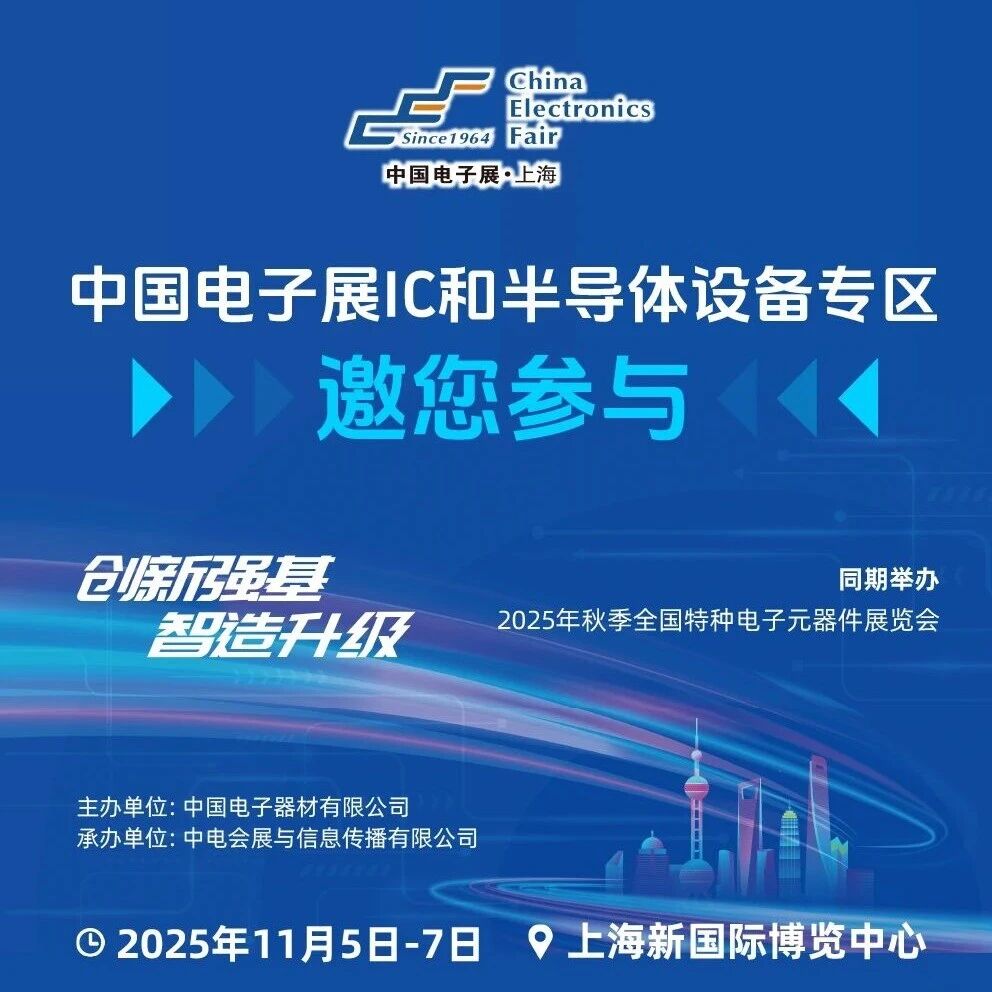
Core Insights - The 106th China Electronics Show will take place from November 5-7, 2025, at the Shanghai New International Expo Center, featuring a 25,000 square meter exhibition area and over 600 participating companies, focusing on the entire electronic industry chain [1] - The event aims to build a collaborative innovation ecosystem and serve as a core platform for the high-quality development of China's electronic information industry [1] Exhibition Highlights - The exhibition will feature dedicated areas for integrated circuits and semiconductor equipment, showcasing key players such as Huada Semiconductor, China Weapon Industry 214 Research Institute, and others, emphasizing systematic breakthroughs and collaborative innovations in advanced design and manufacturing processes [2] - The event is expected to attract around 20,000 professional visitors [1] Forums and Events - Multiple high-end forums and competitions will be held during the exhibition, gathering experts, industry leaders, and technical elites to focus on critical areas such as semiconductor equipment, integrated circuits, automotive electronics, and smart manufacturing [3] - Specific forums include the "2025 Domestic Semiconductor Equipment and Core Components New Progress Forum" and the "8th China IC Unicorn Forum," among others, scheduled across various dates and locations within the exhibition [4][9] Detailed Agenda - The "2025 Domestic Semiconductor Equipment and Core Components New Progress Forum" will cover topics such as challenges and future of domestic ion implantation equipment, advancements in core thin film equipment, and the progress of semiconductor key equipment localization [7][8] - The "8th China IC Unicorn Forum" will feature discussions on next-generation programmable chips, RISC-V architecture, and the results of the 2024-2025 China IC Unicorn selection [9] - The "21st China (Yangtze River Delta) Automotive Electronics Industry Chain Summit Forum" will address topics like automotive chip development and the integration of smart connected vehicles [10]
亚马逊部署100万自研芯片,预言下一代
半导体行业观察· 2025-11-01 01:07
Core Insights - The article discusses the impressive revenue and profit growth of NVIDIA's data center business, highlighting the need for large-scale data center operators and cloud service providers to improve their cost-performance ratio to enhance profitability [2] - Amazon's Trainium AI accelerator is positioned for AI inference and training, indicating a shift in AWS's strategy in the GenAI era [2][3] - AWS's Trainium2 has seen significant demand, with a reported revenue increase of 2.5 times quarter-over-quarter, and is noted for its cost-effectiveness in AI workloads [3][4] Group 1: Trainium Development - Trainium3, developed in collaboration with Anthropic, is set to double the performance of Trainium2 and improve energy efficiency by 40%, utilizing TSMC's 3nm process [3] - AWS has fully booked the capacity of Trainium2, which represents a multi-billion dollar annual revenue stream [3][4] - The majority of tokens processed in Amazon Bedrock are run on Trainium, indicating its central role in AWS's AI offerings [4] Group 2: Project Rainier and Capacity Expansion - Project Rainier, utilizing 500,000 Trainium2 chips, is expected to expand to 1 million chips, significantly enhancing AI model training capabilities [5] - AWS plans to preview Trainium3 by the end of the year, with larger deployments expected in early 2026 [5][6] - AWS has enabled 3.8 GW of data center capacity over the past year, with an additional 1 GW expected in Q4, aiming to double total capacity by the end of 2027 [6] Group 3: Financial Implications and Market Dynamics - The projected spending on AI infrastructure could reach approximately $435 billion over the next two years, driven by the demand for both NVIDIA's GPUs and AWS's Trainium accelerators [6][7] - AWS's anticipated IT spending of $106.7 billion in 2025 will primarily focus on AI infrastructure, indicating a significant shift in capital allocation [7] - The article emphasizes that megawatt-level capacity is becoming insufficient in the current GenAI era, highlighting the rapid evolution of data center requirements [7]

存储芯片,涨疯了
半导体行业观察· 2025-11-01 01:07
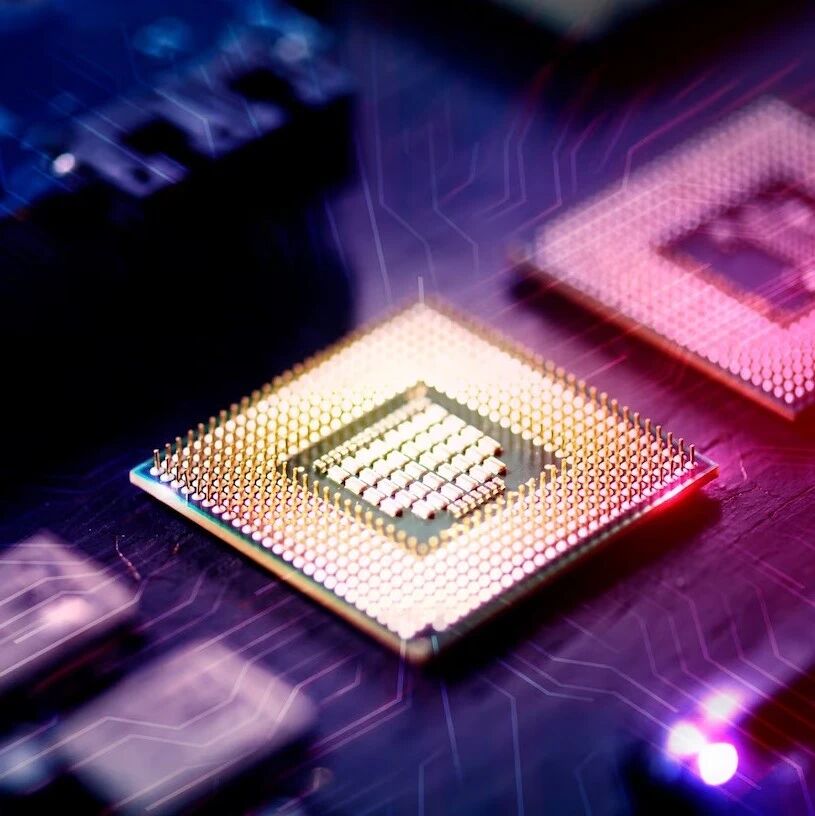
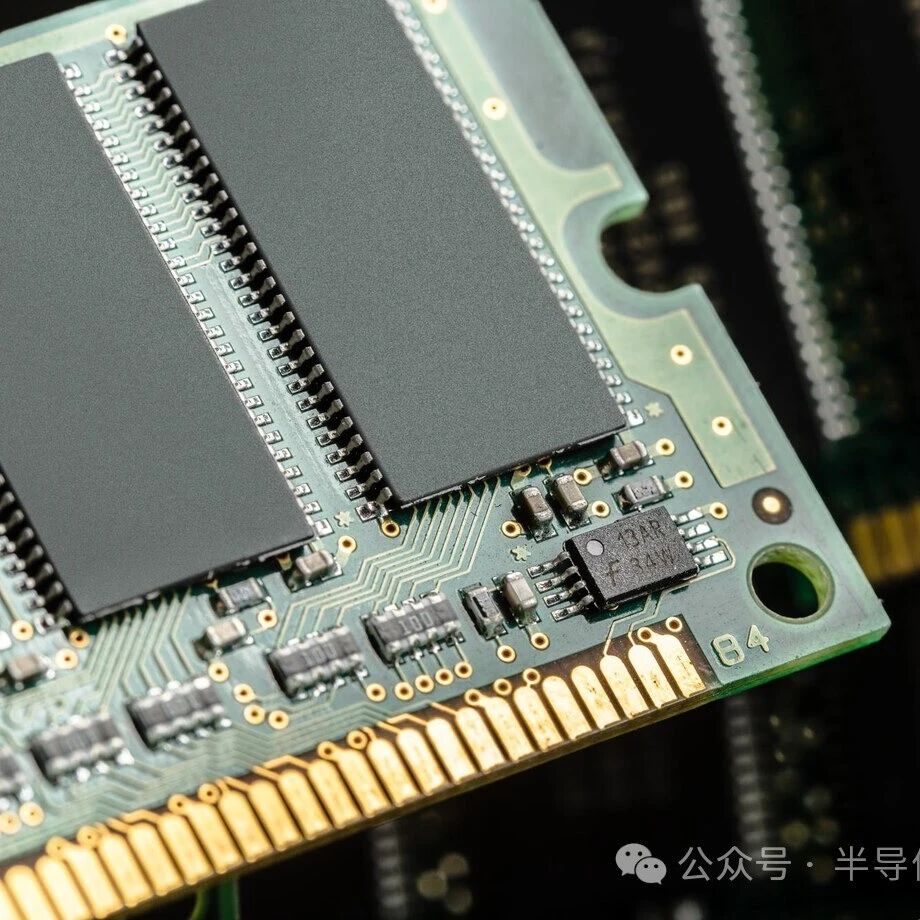
Core Insights - General DRAM prices have been rising for seven consecutive months, with a significant increase in NAND flash prices for ten months, marking the largest growth this year [2][5][6] DRAM Market Summary - The average contract price for DDR4 8Gb (1Gx8 2133MHz) in October reached $7, an increase of 11.11% from $6.30 in September [2][5] - The price increase trend began in April with a 22.22% rise, followed by over 20% increases from May to August, although the growth rate slowed to around 10% in September [5] - PC manufacturers are stockpiling inventory to prepare for supply shortages, while suppliers are shifting production towards server DRAM and reducing PC DRAM supply, exacerbating the supply-demand imbalance [5] - TrendForce predicts a 25-30% increase in PC DRAM contract prices in Q4 compared to the previous quarter, driven by major suppliers adjusting production to focus on high-value products [5] NAND Flash Market Summary - The average contract price for 128Gb (16Gx8) MLC NAND flash reached $4.35 in October, up 14.93% from $3.79 in September, marking the largest monthly increase since 2025 [6] - The price surge is attributed to reduced supply and increased demand from industrial, automotive, and telecommunications sectors [6] - TrendForce forecasts that NAND flash prices may continue to rise in the first half of 2026 due to stable demand from AI servers, industrial equipment, and automotive electronics [6]
黄仁勋盛赞华为芯片:实力强大,低估他们是愚蠢的
半导体行业观察· 2025-11-01 01:07
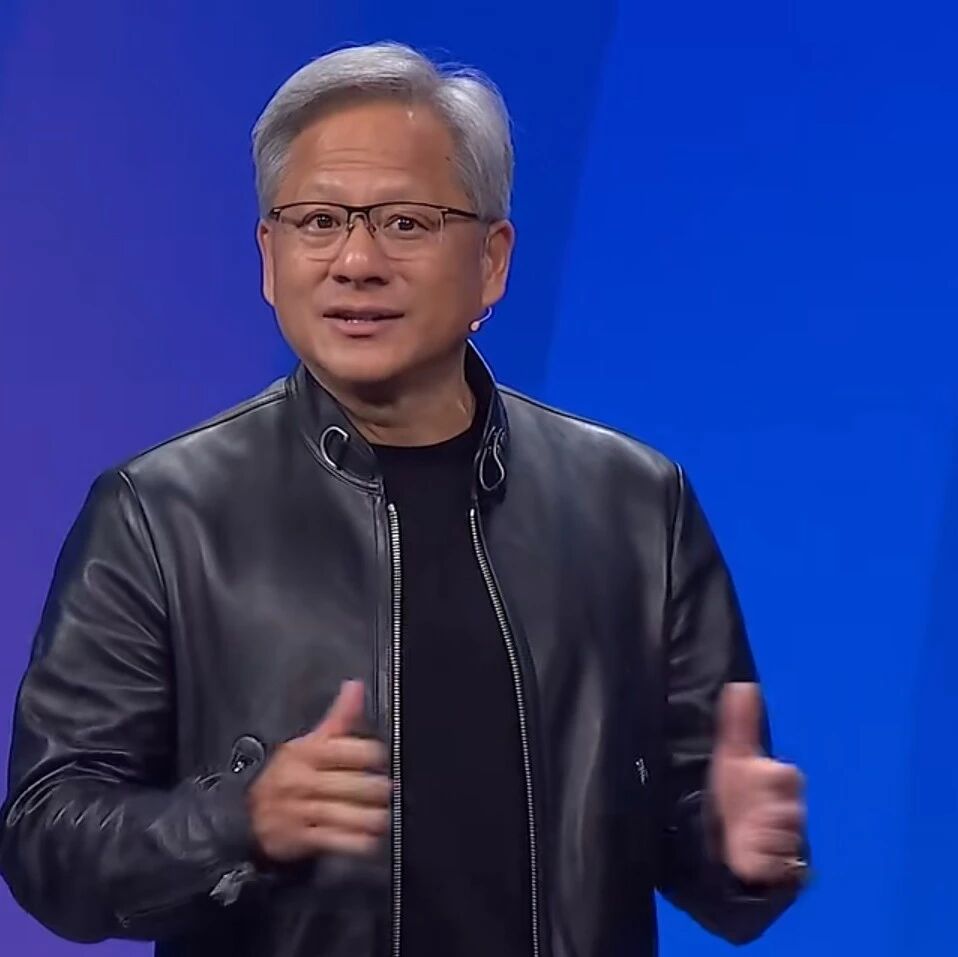
Core Viewpoint - Nvidia's CEO Jensen Huang expresses optimism about re-entering the Chinese market despite U.S. export restrictions, emphasizing the importance of collaboration between U.S. tech companies and China for mutual benefits [2][4]. Group 1: Nvidia's Position on China - Huang has not received updates on discussions regarding the easing of export restrictions but hopes for Nvidia's return to the Chinese market, highlighting its vibrant and innovative environment [2]. - He argues that the U.S. restrictions based on national security concerns are misguided, stating that engaging with the Chinese market aligns with the best interests of both nations [4]. - Huang acknowledges Huawei's growing capabilities in AI chip technology, suggesting that underestimating Huawei is unwise, especially after U.S. sanctions prompted China to enhance its domestic technology [2][4]. Group 2: Nvidia's Collaboration with South Korea - Nvidia plans to maintain long-term partnerships with South Korean semiconductor giants Samsung and SK Hynix, focusing on the development of advanced memory technologies [7]. - The company has signed significant supply agreements with South Korean firms to provide GPUs for AI applications, aiming to address the ongoing GPU supply shortage [9][10]. - Analysts view Nvidia's collaboration with South Korea as a strategic move to compensate for its shrinking market share in China due to U.S. trade tensions [10]. Group 3: Market Dynamics and Concerns - Huang points out that China is capable of producing a substantial amount of AI chips independently, which raises questions about the validity of U.S. national security concerns regarding chip exports [5]. - There are concerns about potential "circular trading," where South Korean companies might use profits from selling memory chips to Nvidia to purchase GPUs, complicating the nature of the transactions [9][11]. - The collaboration with South Korea is seen as a critical opportunity for Nvidia amidst the global demand for AI semiconductors, especially as competition in the market intensifies [10][11].
日本发力1.4nm光刻胶
半导体行业观察· 2025-11-01 01:07
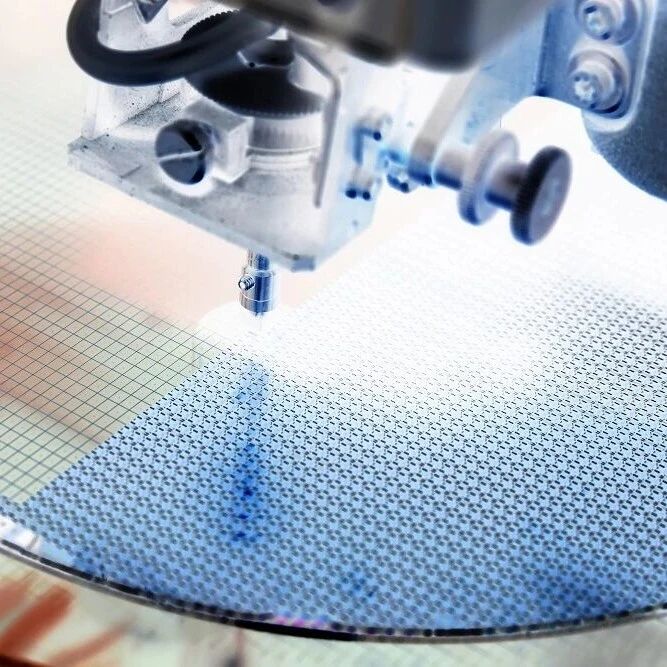
Core Viewpoint - Japanese semiconductor material developers are increasing capital expenditures to support clients preparing for large-scale production of advanced 2-nanometer chips [3] Group 1: Investment and Production Plans - Tokyo Ohka Kogyo Co., Ltd. will invest 20 billion yen (approximately 130 million USD) to build a photoresist factory in South Korea, expected to start production in 2030, increasing its capacity three to four times [3] - Adeka plans to invest 3.2 billion yen to install mass production facilities for new photoresist materials in Ibaraki Prefecture, with operations expected to begin in April 2028 or later [4] - Nitto Denko will build a 15 billion yen factory in Fukushima Prefecture, expected to triple the production capacity of specialty glass materials by 2027 [5] Group 2: Market Trends and Demand - The global semiconductor materials market is projected to reach 97 billion USD by 2030, a 35% increase from 72 billion USD in 2024, driven by strong demand in the artificial intelligence sector [4] - Concerns over raw material shortages are rising as chip demand surges, prompting manufacturers to invest to ensure stable supply [5] Group 3: Technological Advancements - The new metal oxide photoresist (MOR) technology, which utilizes metal-containing compounds for higher resolution, is being developed to support advanced chip manufacturing [4] - JSR is also constructing an MOR factory in South Korea, expected to begin production by the end of next year [4] Group 4: Key Partnerships - Samsung and SK Hynix have signed procurement agreements with OpenAI for data center server memory chips, indicating a strategic collaboration in the semiconductor supply chain [3]
他们抛弃了HBM!
半导体行业观察· 2025-11-01 01:07
Group 1 - The core viewpoint of the article highlights the transformative impact of AI on the storage market, leading to a "super boom cycle" driven by increased demand for computing power, particularly for HBM (High Bandwidth Memory) as a key component in AI servers [2] - Major storage companies like Samsung, SK Hynix, and Micron are experiencing significant profit growth, with Samsung's Q3 net profit increasing by 21%, SK Hynix achieving its highest quarterly profit ever, and Micron's net profit tripling year-on-year [2] - The demand for traditional DRAM and NAND chips is also rising as data center giants like Amazon, Google, and Meta are ramping up purchases to enhance their AI inference and cloud service capabilities, leading to a tight supply across the storage market [2] Group 2 - Qualcomm's new AI200 and AI250 data center accelerators, set to launch in 2026 and 2027, are designed to compete with AMD and NVIDIA by offering higher efficiency and lower operational costs for large-scale generative AI workloads [4][5] - The AI200 system will feature 768 GB of LPDDR memory and utilize direct liquid cooling, with a power consumption of up to 160 kW per rack, marking a significant advancement in power efficiency for inference solutions [7] - Qualcomm's approach of using LPDDR memory, which is significantly cheaper than HBM, indicates a shift in AI storage technology, suggesting that LPDDR could become a viable alternative for inference workloads [8][13] Group 3 - The transition from HBM to LPDDR reflects a broader industry adjustment, as the number of inference workloads is expected to be 100 times greater than training workloads by 2030, highlighting the need for efficient data flow rather than just computational power [11] - LPDDR memory offers a cost advantage over HBM, with a reported 13 times better cost-performance ratio, allowing large language model inference workloads to run directly in memory, resulting in faster response times and lower energy consumption [13] - The introduction of LPDDR6, which promises higher bandwidth and lower power consumption, is expected to further enhance the capabilities of AI applications in mobile devices and edge computing [19][22] Group 4 - The increasing demand for LPDDR memory in data centers could lead to a supply crisis affecting the consumer electronics market, as major suppliers like Samsung, SK Hynix, and Micron may prioritize data center orders over smartphone production [16] - This shift could result in higher memory costs and longer delivery times for smartphone manufacturers, potentially forcing them to compromise on memory configurations or increase prices for mid-to-high-end devices [17] - The competition for LPDDR memory could create a scenario where data centers utilize mobile memory while consumers face shortages and price hikes, illustrating the paradox of technological advancement benefiting enterprise solutions at the expense of consumer interests [27][28]


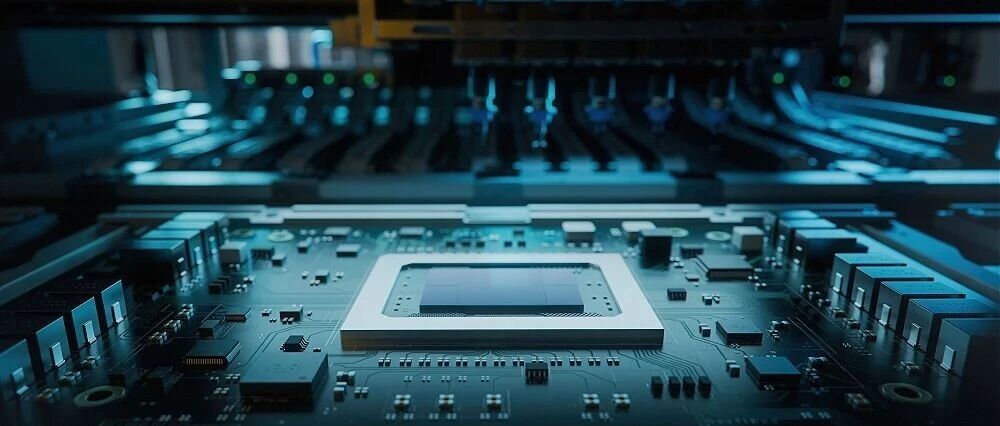
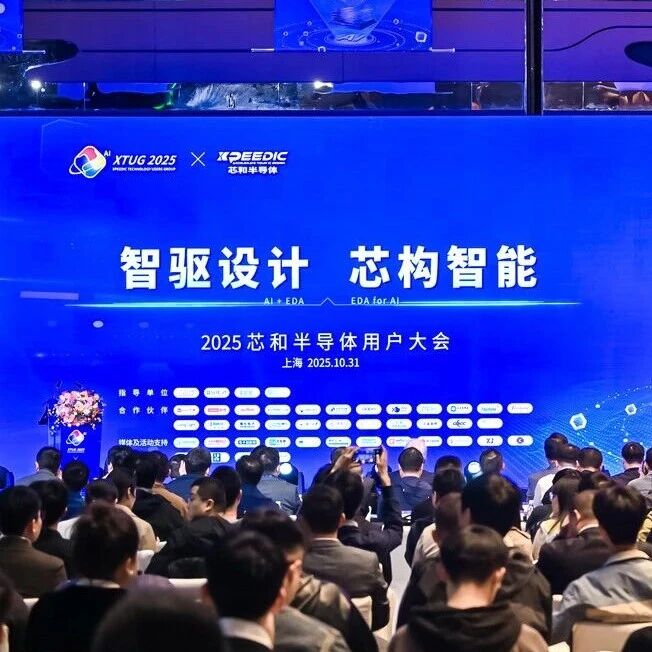
为AI而生,这家EDA做到了什么?
半导体行业观察· 2025-11-01 01:07
Core Viewpoint - The 2025 Chip and Semiconductor User Conference in Shanghai focuses on the integration of AI and EDA, exploring new paradigms for hardware design innovation and ecosystem development in the AI era [1][3]. Group 1: Industry Trends - The semiconductor industry is undergoing comprehensive transformation driven by the demand for AI large model training and the slowdown of Moore's Law, necessitating a shift from single-chip design to packaging-level collaborative optimization [3][5]. - The design of AI data centers has evolved into a complex system engineering challenge, requiring EDA to upgrade from DTCO to a full-link STCO approach, enabling capabilities from chip to system [3][5]. Group 2: Strategic Positioning - Chip and Semiconductor aims to advance its "Born for AI" strategy, focusing on both EDA FOR AI and AI+EDA, leveraging partnerships across the AI hardware ecosystem [5][6]. - The company has established a first-mover advantage in the "full-stack EDA from chip to system" domain, supporting vertical and horizontal expansions of AI computing power [6][9]. Group 3: Product Launch - The Xpeedic EDA 2025 software suite was launched, featuring three core platforms: Chiplet advanced packaging design, packaging/PCB full-process design, and integrated system simulation, addressing challenges in AI hardware design [5][6]. - Six industry solutions were introduced, including advanced packaging, RF, storage, power, data center, and smart terminal solutions, to facilitate comprehensive deployment [5][6]. Group 4: Ecosystem Collaboration - The conference included technical forums on AI HPC and high-frequency interconnects, showcasing collaborative efforts among various industry players to tackle key technology challenges in the semiconductor sector [8][9]. - The EDA ecosystem display area featured partnerships with multiple companies, emphasizing the collaborative advantages in advancing China's integrated circuit industry [8][9].