半导体行业观察

Search documents
史上最强集显,来了?
半导体行业观察· 2025-07-27 03:17
Core Viewpoint - Nvidia's N1X SoC has been revealed through Geekbench OpenCL testing, showcasing its GPU capabilities for the first time, indicating a shift towards consumer-grade ARM SoCs for laptops and potentially desktops [1][2]. Group 1: N1X Specifications and Performance - The N1X chip features a 20-core CPU architecture with two 10-core clusters based on Nvidia's Grace architecture, and includes 48 streaming multiprocessor (SM) units, totaling 6,144 CUDA cores, matching the specifications of the GeForce RTX 5070 [2]. - The early engineering sample of N1X operates at a frequency of 1.05 GHz, achieving an OpenCL score of 46,361, comparable to the RTX 2050, but limited by power and frequency constraints typical of engineering samples [3]. - Despite its current limitations, the integrated GPU of N1X surpasses all mainstream integrated graphics, including Apple's M3 Max and AMD's 890M, which scored around 37,500 in similar tests [3]. Group 2: Market Positioning and Strategy - Nvidia is adopting a hybrid strategy by pairing Blackwell architecture GPU cores with ARM architecture CPU clusters, aiming to balance AI performance, gaming capabilities, and energy efficiency, similar to AMD's Strix Halo and Apple's M series chips [4]. - The N1X is expected to launch in Q1 2026, potentially coinciding with the next wave of AI-driven Windows laptops, although its official release date remains uncertain [4][8]. Group 3: Competitive Landscape - Nvidia's entry into the ARM-based CPU market with the N1X and N1 CPUs could disrupt the current dominance of Intel, AMD, Qualcomm, and Apple in the consumer PC space, promising lighter and more powerful gaming laptops [5][12]. - The N1 series is anticipated to deliver performance comparable to laptops equipped with RTX 4070, while maintaining higher energy efficiency, which could enhance battery life [9][10]. Group 4: Future Outlook - The N1X CPU's performance expectations are high, particularly in ultra-portable laptops, with potential integration of AI technologies for improved energy management [14]. - The first laptops featuring the N1X chip are likely to be gaming-focused, with Dell's Alienware brand expected to lead the way in launching these new devices [12].



WiFi 7,三大错误
半导体行业观察· 2025-07-27 03:17
Core Viewpoint - Wi-Fi 7 has transformative potential for industrial environments, promising ultra-fast and low-latency connectivity, which can significantly accelerate smart manufacturing, predictive maintenance, and AI-driven automation [3][17]. Common Mistakes in Deploying Wi-Fi 7 - **Mistake 1: Treating Wired Backbone as an Afterthought** Many factories still use outdated switches and Cat5 cabling, which cannot meet the high throughput demands of Wi-Fi 7, leading to performance bottlenecks [4][5][6]. - **Mistake 2: Ignoring Power Requirements in Harsh Environments** Wi-Fi 7 access points often require PoE Plus (802.3bt) power, but many industrial sites lack compatible equipment or stable power sources, risking performance degradation or complete failure of access points [7][8][9]. - **Mistake 3: Overlooking Radio Frequency Spectrum Complexity and 6 GHz Band Planning** The industrial environment poses challenges for wireless signals due to metal structures and thick concrete, complicating RF planning and increasing the likelihood of interference and signal attenuation [10]. Best Practices for Successful Deployment - **Foundation Upgrades** Upgrade to robust multi-gigabit switches and shielded Cat6A cabling to create a stable infrastructure. Address power issues through comprehensive power audits and deploying PoE++ switches or industrial-grade power injectors [11]. - **Environmental Challenges** Use IP67-rated Wi-Fi 7 access points and strategically deploy them based on comprehensive RF site surveys to optimize channel planning and reduce interference in metal-dense areas [12]. - **Network Logic Structure Design** Implement a wireless network architecture that isolates IT and OT traffic to ensure business continuity and facilitate fine-grained access control. Continuous monitoring and optimization of infrastructure are essential for maintaining system performance [12]. Security Considerations - **Misconception of WPA3 Security** While WPA3 is a mandatory certification for Wi-Fi 7, relying solely on it for industrial network security is a critical mistake. Compatibility with legacy devices can lead to downgraded connections, compromising overall security [13][14]. - **Security Design Principles** Security strategies should be multi-layered and proactive, using certificate-based authentication, strong network access control mechanisms, and zero-trust policies. Micro-segmentation between IT and OT systems is a key best practice to limit the impact of security incidents [15][16]. Conclusion - Wi-Fi 7 has the potential to be a game-changer in industrial connectivity, but successful deployment requires thoughtful planning, robust infrastructure, and a security-first approach [17].

英特尔又拆分一个业务
半导体行业观察· 2025-07-26 01:17
Core Viewpoint - Intel plans to spin off its networking and communications division into an independent company as part of a strategy to streamline operations and reduce costs under new CEO Lip-Bu Tan [3][4][9]. Group 1: Company Strategy - The new CEO is focusing on divesting non-core assets and reducing significant investments and workforce to cut expenses [3][4]. - Intel is considering the separation of its networking and edge business, previously referred to as NEX, to better position itself for future growth [4][5]. - The company has already sold a majority stake in its Altera programmable chip business to Silver Lake Partners for approximately $8.75 billion, which is about half of what it paid in 2015 [4][11]. Group 2: Financial Performance - Intel reported an unexpected adjusted loss in the second quarter and anticipates that losses in the third quarter will exceed expectations [9][11]. - The networking division is projected to generate $5.8 billion in revenue for 2024, accounting for about 11% of Intel's total sales [6]. - The company's stock price fell by 9% following warnings that it might exit the chip manufacturing business if it cannot secure major customers [4][8]. Group 3: Market Position and Competition - Intel has been struggling to maintain its market share in the personal computer and data center markets, while also facing challenges in the rapidly growing artificial intelligence sector [9][11]. - The company's current valuation is approximately $100 billion, which is less than half of AMD's market cap exceeding $260 billion [11]. - Intel's stock performance has lagged behind competitors like Nvidia and AMD, with year-to-date increases of only 12.8% compared to Nvidia's 30% and AMD's 34% [11].

汽车芯片,痛苦挣扎!
半导体行业观察· 2025-07-26 01:17
Core Viewpoint - The automotive chip market is facing significant challenges, with expectations for recovery in 2025 being overly optimistic. The industry is burdened by high inventory levels and a slow adjustment process following the pandemic-induced supply-demand imbalance [2][17]. Group 1: Texas Instruments - Texas Instruments (TI) has taken a notably pessimistic stance, indicating that the automotive chip market has not yet recovered. While other sectors show signs of recovery, the automotive sector remains stagnant [4][5]. - TI's second-quarter performance may have been artificially boosted by customers placing orders to avoid potential tariffs, suggesting underlying demand weakness [4][5]. - The company maintains a stable capital expenditure outlook for 2025 at approximately $5 billion, but has provided a wide range for 2026, indicating uncertainty about future prospects [5]. Group 2: NXP Semiconductors - NXP's CEO expresses cautious optimism, suggesting that the two-year inventory surplus in the automotive chip sector may finally end this year, with many customers' inventory levels returning to normal [6][7]. - NXP's second-quarter revenue was $2.93 billion, a 6% year-over-year decline, but still exceeded expectations, indicating potential growth in the automotive sector [7][8]. - Despite optimism, NXP's third-quarter revenue forecast suggests a slight decline compared to the previous year, reflecting the ongoing uncertainties in the market [8]. Group 3: STMicroelectronics - STMicroelectronics is experiencing severe challenges, reporting an adjusted operating loss of $133 million in the second quarter, significantly below analyst expectations [10][11]. - The company's revenue fell 14% to $2.77 billion, primarily due to a decline in automotive chip sales, highlighting its over-reliance on the automotive sector [11][12]. - The company is under pressure from shareholders, particularly the Italian and French governments, due to its poor performance, which raises governance concerns [12]. Group 4: Global Market Dynamics - The automotive chip industry's challenges are not uniform globally, with Europe facing weak electric vehicle demand and the U.S. experiencing a surge in EV sales driven by policy changes [14][15]. - In China, intense price competition is affecting order volumes and profit margins, despite ongoing orders from customers [14][15]. - The impact of tariff policies is creating uncertainty in customer orders, with some manufacturers stockpiling chips, potentially leading to further demand declines [15]. Group 5: Future Outlook - The current downturn in the automotive chip industry is seen as a significant turning point, with companies needing to adapt to new market conditions and innovate to maintain competitiveness [17][18]. - The recovery, when it occurs, is expected to reshape the industry landscape, favoring companies that can innovate and manage costs effectively [17][18].



David Patterson 和Raja Koduri,“加盟”闪迪
半导体行业观察· 2025-07-26 01:17
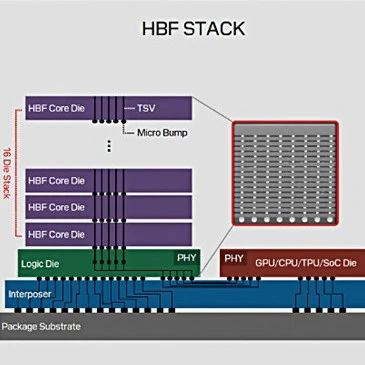
Core Viewpoint - Sandisk is establishing a technology advisory board to guide the development and strategy of its High Bandwidth Flash (HBF) technology, which aims to set a new memory standard in the AI industry [3][5]. Group 1: HBF Technology Overview - HBF technology applies the concept of High Bandwidth Memory (HBM) DRAM to flash memory by stacking NAND chips and connecting them to the main GPU through an interposer, significantly increasing data transfer bandwidth [3][5]. - HBF is designed to provide greater NAND bandwidth compared to traditional SSDs, making it suitable for faster checkpoint storage during AI training [5][6]. Group 2: Advisory Board Composition - The advisory board includes notable figures such as Professor David Patterson and Raja Koduri, who will provide strategic guidance and technical insights as Sandisk prepares to launch HBF [5][6]. - David Patterson is recognized for his contributions to processor design and has been awarded the ACM Turing Award for his work in computer architecture [7]. - Raja Koduri has a strong background in graphics architecture and has led the development of several GPU architectures at AMD and Intel [8]. Group 3: Market Implications - Sandisk's potential customers for HBF are primarily GPU manufacturers and experienced semiconductor packaging system builders, with a focus on the AI ecosystem [9]. - The success of HBF may depend on Nvidia's adoption, as it currently dominates the HBM-GPU connection standards [6][9]. - The absence of Nvidia representation on the advisory board raises concerns about the future of HBF in the competitive landscape of AI memory standards [8][9].
射频行业现状
半导体行业观察· 2025-07-26 01:17
Core Insights - The RF industry is projected to reach a market size of $70 billion by 2030, driven by the demand for integrated RF front-end (RFFE) solutions due to advancements in 5G and future 6G technologies [2][3]. Market Growth - The RF device market is expected to grow from $51 billion in 2024 to $71 billion by 2030, fueled by the increasing demand for high-performance, integrated RF solutions [3]. - RFFE modules are crucial for mobile devices, with their applications expanding significantly, projected to reach billions of units by 2024 [3]. Regional Analysis - The U.S. leads the mobile and consumer RF market, with companies like Qualcomm, Broadcom, Skyworks, and Qorvo dominating the RFFE module and SoC markets [6]. - China is rapidly developing its supply chain with companies like ZTE and HiSilicon to reduce reliance on imports [6]. - In the telecom sector, traditional players from the U.S., Europe, and Japan dominate, but China is advancing with local GaN and LDMOS suppliers [7]. Automotive Sector - Europe is at the forefront of the automotive RF market, with NXP and Infineon providing robust radar and V2X solutions [8]. - RF technology is increasingly important in automotive ADAS, infotainment, and connected vehicle applications [8]. Defense and Industrial Applications - U.S. companies like Qorvo, Macom, and Analog Devices lead in the defense sector, focusing on high-power broadband systems for radar, satellite communication, and electronic warfare [8]. - The industrial and medical RF market is smaller and more fragmented, with a focus on reliability and low power [9]. Semiconductor Technology - RF chips are categorized into silicon-based and compound semiconductors, with silicon-based technologies dominating due to cost and integration [11]. - GaAs is widely used in mobile and Wi-Fi power amplifiers, while GaN is critical for high-power telecom, radar, and satellite systems [11]. Filter Technologies - SAW filters are primarily produced by Japanese manufacturers for lower frequencies, while BAW filters are essential for mid-band 5G and Wi-Fi 6/7, mainly supplied by U.S. and Japanese firms [12].
机器人动力系统芯片“再添新成员”
半导体行业观察· 2025-07-26 01:17
公众号记得加星标⭐️,第一时间看推送不会错过。 2025 年 中 科 无 线 半 导 体 公 司 首 次 发 布 和 提 出 " 具 身 智 能 机 器 人 动 力 系 统 芯 片 " 概 念 , 采 用 了 FPGA+氮化镓ASIC芯片技术,重构了机器人动力系统芯片架构。目前公司已推出基于机器人动 力系统芯片家族系列,其中(包括 :机器人仿生小脑系列、机器人关节系列、机器人智能充电 系列、机器人BMS电池管理系列)"四个系列的定制化ASIC芯片,目前多款芯片已进入规模化 商用。 近日发布的是"机器人智能快充系列",该系列芯片包括了1000W、200W、100W、65W四种规格, 芯片内置了快充协议,为响应1000W超充场景下即时监测电池状态、通过多模态人工智能管理技术对 电子迁移过程,形成全周期充电闭环监控和管理。对电池充电过程的电压、电流、电池热失控、过充 保护、电流突变和劣质电池进行安全监测,降低异常电流引起的电子迁移风险和极端工况下的断充响 应,以降低"高倍率大容量电池"在家庭环境下的充电安全,是专业为家庭机器人、工业机器人、医疗 机器人等高功率、高倍率电池充电应用场景设计的专用智能超充ASIC芯片解 ...
面板级封装的兴起
半导体行业观察· 2025-07-26 01:17
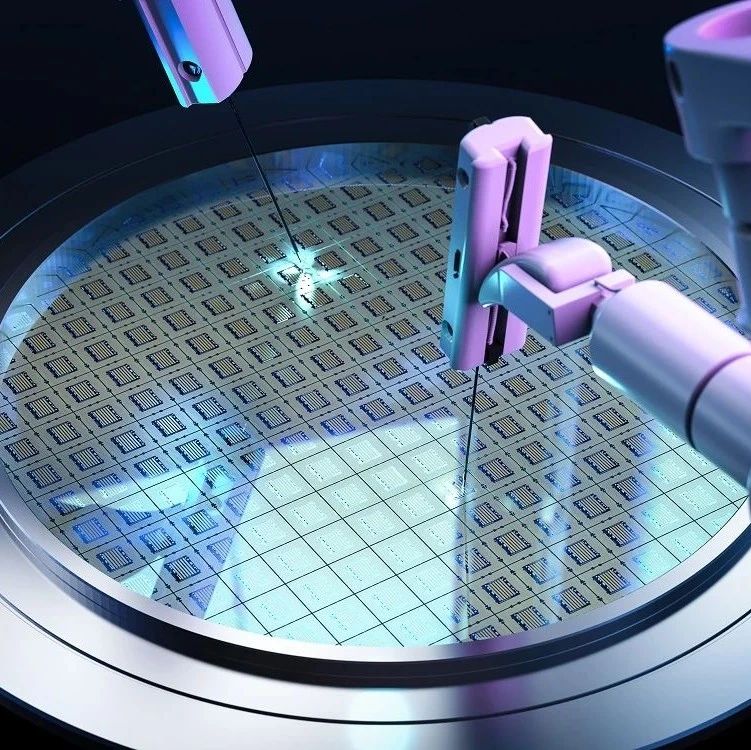
Core Insights - The demand for logic-to-memory integration driven by AI and high-performance computing is propelling advancements in panel-level packaging (PLP), with expectations that PLP will approach 10 times the maximum reticle size in the coming years [2][3] - Fan-out panel-level packaging (FOPLP) is emerging as a cost-effective solution, replacing silicon interposers with organic interposers, which is crucial for accommodating larger chip sizes and higher I/O counts [2][3][20] - The panel-level packaging market is projected to grow significantly, from $160 million in 2024 to $650 million, and nearly tripling to approximately $2.2 billion by 2030 [4] Panel-Level Packaging Developments - The integration of organic interposers and glass substrates is advancing, with companies like TSMC transitioning from wafer-based to panel-based processes for advanced packaging [3][4] - The choice of panel size varies based on application needs, with sizes ranging from 310 x 310 mm to 700 x 700 mm, influenced by existing manufacturing capabilities [5][6] - The utilization efficiency of panel-level packaging improves with larger interposer sizes, significantly reducing waste compared to wafer-level processes [6][10] Manufacturing Techniques and Challenges - Various manufacturing processes are being implemented in fan-out packaging, including chip-first, RDL-first, and mold-first methods, each with its own advantages and challenges [12][14] - Warpage remains a critical issue in fan-out packaging, exacerbated by differences in thermal expansion coefficients between materials, necessitating new materials and process controls to mitigate this risk [16][18][20] - Laser direct imaging and step-and-repeat lithography are both utilized for RDL patterning, with step-and-repeat lithography being more suitable for high throughput [10][20] Future Outlook - The future of panel-level packaging is promising, particularly for AI and HPC devices, as manufacturers seek to achieve yield rates comparable to current fan-out wafer-level packaging processes [20] - The development of new interlayer dielectric materials and molding materials with thermal expansion coefficients closer to silicon will enhance control over chip displacement and warpage [20]

Github呼吁:开源需要资金
半导体行业观察· 2025-07-26 01:17
Core Viewpoint - GitHub, owned by Microsoft, advocates for the establishment of a publicly funded "Sovereign Technology Fund" (EU-STF) in the EU to support the development of the open-source software ecosystem, highlighting the disparity between the importance of open-source software and the funding it receives [3][4]. Funding and Economic Impact - Open-source software is estimated to have a demand-side value of $8.8 trillion globally, contributing between €65 billion to €95 billion ($76.5 billion to $111.8 billion) annually to the EU economy [4]. - GitHub calls for at least €350 million ($412 million) from the upcoming EU multiannual budget to support open-source software maintenance, which is a significant burden on tightening public funds [4]. Comparison with Existing Initiatives - The existing Sovereign Technology Fund in Germany started with €1 million ($1.18 million) and grew to just over €23 million ($27 million), while GitHub's proposal aims for a much larger scale [4]. - The report suggests that funding should come from "industry, national governments, and the EU" rather than relying solely on GitHub or Microsoft [5]. Community and Bureaucracy - The report emphasizes minimizing bureaucracy and maintaining political independence, focusing on community needs [6]. - Daniel Stenberg, founder of the cURL project, supports the funding proposal, stating that current digital infrastructure relies heavily on open-source contributions from underfunded teams [6]. Broader Context and Future Steps - OpenUK's CEO Amanda Brock highlights the importance of a comprehensive approach to funding and infrastructure, advocating for a thorough review to ensure effective use of funds [7]. - OpenUK has proposed similar initiatives to the Sovereign Technology Fund, focusing on funding allocation and innovation management [7].

SK海力士回击高盛,直言HBM前景光明
半导体行业观察· 2025-07-26 01:17
Core Viewpoint - SK Hynix remains optimistic about the future demand for High Bandwidth Memory (HBM), despite recent downgrades from investment banks due to increased competition in the HBM market [1][2]. Financial Performance - In Q2, SK Hynix reported a revenue increase of 35.4% year-on-year, reaching 22.232 trillion KRW, and an operating profit increase of 68.5% to 9.2129 trillion KRW, achieving an operating margin of 41% [1]. - The Q2 results surpassed both the previous quarter's records and the average forecasts from financial analysts [1]. Market Demand and Strategy - The company highlighted a steady growth in demand for AI memory driven by significant investments from major tech companies and the expansion of AI applications [2][4]. - SK Hynix anticipates that the shift towards customized HBM will be beneficial, allowing memory manufacturers to maintain a competitive edge despite increasing competition [2][3]. Production and Investment Plans - SK Hynix plans to increase capital expenditures to meet the rising demand for HBM, with a projected investment of around 20 trillion KRW this year, marking a significant increase from previous years [6][7]. - The company is expanding its production capacity for HBM, with plans to utilize its facilities in Cheongju and continue investments in global production bases [6]. Product Development - SK Hynix is advancing its product line, including the delivery of samples for the sixth generation HBM4 and the development of customized AI chips [3][4]. - The company is also preparing to launch GDDR7 products, expanding memory capacity from 16Gb to 24Gb [3]. Competitive Position - The company asserts that it has established a strong position in the HBM market, benefiting from its customer-oriented culture and collaborative spirit [3]. - SK Hynix has ensured supply predictability for its HBM business, particularly for major clients like NVIDIA, indicating a strong demand outlook [3].