华尔街见闻

Search documents
快手大涨11%!可灵海外出圈,Motion Control玩法刷屏
华尔街见闻· 2026-01-05 11:10
Core Viewpoint - Kuaishou Technology is rapidly realizing its commercial potential in the generative AI sector, driven by its AI video generation model, Kling, and the technological empowerment of its core advertising business [3][7]. Group 1: Financial Performance - Kuaishou's stock surged over 13% during trading, closing up 11%, reflecting strong market sentiment [4]. - The company reported a trading volume of 135 million shares and a market capitalization of 317.9 billion [5]. Group 2: AI Business Growth - The Kling model's daily revenue reached 2.5 times the average level from mid-December 2025, driven by the "Motion Control" feature's popularity in overseas markets [7][9]. - Kuaishou's revenue from the Kling model is projected to exceed $140 million in 2025, with continued growth expected in 2026 due to version iterations and expansion into B-end users [9][16]. Group 3: Advertising Business Enhancement - AI technologies like OneRec and GFRL have significantly improved Kuaishou's advertising efficiency, increasing user engagement by 1-2% and ad revenue by 4-5% [8][14]. - The application of AI has optimized ad loading rates and enhanced eCPM, contributing to steady growth in user engagement and advertising revenue [8][14]. Group 4: Future Outlook and Valuation - Market optimism regarding Kuaishou's profit prospects is supported by projected profits of 20.6 billion RMB and 23.8 billion RMB for 2025 and 2026, respectively, with year-on-year growth rates of 16% and 15% [16]. - The investment logic will focus on the ongoing empowerment of Kuaishou's advertising business by AI technology and the high-frequency data performance of the Kling business [16].


市场对委内瑞拉变局的反应:油价“不涨反跌”,黄金重回4430,银价飙涨4.5%
华尔街见闻· 2026-01-05 11:10
Group 1 - The article discusses the significant market differentiation following the U.S. military action in Venezuela, which included the capture of President Maduro [1] - Investors quickly turned to precious metals for safety, leading to a rebound in gold and silver prices, while the oil market remained relatively calm due to oversupply concerns [2][5] - Gold prices rose above $4,430 per ounce after a previous decline of 4.4%, and silver prices surged nearly 5% to around $76 per ounce [6][8] Group 2 - The geopolitical turmoil triggered immediate reactions in the precious metals market, with investors seeking safe-haven assets [5] - Analysts noted that the fundamental changes in the global oil supply-demand balance have led to a muted response in the oil market despite the geopolitical tensions [14] - The International Energy Agency (IEA) predicts a record oversupply of 3.8 million barrels per day by 2026, which diminishes the impact of Venezuela's situation on global oil prices [18] Group 3 - Venezuela's oil production, currently around 1 million barrels per day, accounts for less than 1% of global supply, which limits its significance in the global market [18] - The U.S. administration has requested major oil companies to invest in Venezuela's oil infrastructure, indicating a long-term interest in revitalizing the country's oil industry [21] - Industry experts express caution regarding the prospects of rebuilding Venezuela's oil fields, citing historical examples where regime changes did not stabilize oil supply quickly [22]

一周重磅日程:“科技春晚”CES、马杜罗或在美受审、美非农、智谱MiniMax港股上市
华尔街见闻· 2026-01-04 05:05
Core Viewpoint - The article highlights significant upcoming economic data releases and events that could impact investment opportunities, particularly focusing on the U.S. and China markets, as well as key technology developments at the CES event. Economic Data and Events - China is expected to release its December CPI and PPI data on January 9, with CPI growth projected to remain at 0.7% year-on-year and PPI decline narrowing to -1.9% from -2.2% [7] - The U.S. will release its December non-farm payroll report on January 9, with expectations of an increase of approximately 55,000 jobs and an unemployment rate holding steady at 4.6% [9] - The CES event will take place from January 4 to 9, featuring major tech leaders like NVIDIA's CEO Jensen Huang and AMD's CEO Lisa Su, who will present on advancements in AI hardware [10][11] IPOs and Market Activity - Several companies are set to launch IPOs in Hong Kong, including: - Zhipu AI, with a pricing of HKD 116.20 per share, expected to start trading on January 8 [15] - MiniMax, with a pricing range of HKD 151-165 per share, expected to start trading on January 9 [17] - Precision Medical, seeking to raise HKD 1.2 billion, expected to start trading on January 8 [18] - TianShu Intelligent Chip, aiming to raise HKD 3.68 billion, expected to start trading on January 8 [19] - GigaDevice Semiconductor, with a pricing range of HKD 162 per share, expected to be priced on January 9 [20] Geopolitical Events - South Korean President Lee Jae-myung is visiting China from January 4 to 7 to strengthen economic cooperation [21] - Venezuelan President Maduro may appear in a U.S. court on January 5, which could have implications for geopolitical stability and market reactions [12] - Ukrainian President Zelensky announced a meeting with U.S. officials on January 6 to finalize security agreements [13] Commodity Market Insights - The Bloomberg Commodity Index (BCOM) will undergo annual weight rebalancing from January 8 to 14, with warnings of potential technical sell-offs in gold and silver due to their overrepresentation in the index [14]




美国“闪击”委内瑞拉:开发全球第一原油储备,有戏吗?
华尔街见闻· 2026-01-04 05:05
美国针对委内瑞拉的"闪击"行动不仅改变了该国的政治格局,更将全球最大原油储备国的能源命运推向了风口浪尖。 据新华社及央视新闻报道,特朗普证实美方已通过军事行动抓获委内瑞拉总统马杜罗,并宣布美国将"管理"委内瑞拉直至实现"安全"过渡。特朗普特别强调, 将让美国大型石油公司投入数十亿美元,以修复该国严重破败的石油基础设施。 委内瑞拉反对派领导人Maria Machado随即表态称"人民主权"已经到来,准备 接管权力。 虽然地缘政治剧变引发关注, 但其对全球原油市场的即时冲击相对有限。 数据显示,委内瑞拉虽然坐拥3030亿桶原油储量,但当前日产量仅约100万桶,约占全球产量的1%。分析人士指出, 由于全球市场目前处于供应过剩状态, 且委内瑞拉产能恢复尚需时日,短期内油价不太可能失控飙升。 另据知情人士透露,虽然加拉加斯及其他地区遭受了一系列美军袭击,但委内瑞拉的关键石油基础设施并未受损。何塞港口、阿穆艾炼油厂以及奥里诺科重油 带的石油产区目前仍处于运营状态, 这意味着短期内的实质性供应中断风险已被降至最低。 市场反应方面,IG Group 运营的一款周末零售交易产品显示,美原油价格一度较周五收盘价上涨近2美元。然而 ...

美国空袭委内瑞拉,特朗普称抓获总统马杜罗及其夫人,即将召开发布会
华尔街见闻· 2026-01-03 10:24
Core Viewpoint - The article discusses the recent military actions taken by the United States against Venezuela, including airstrikes and the capture of President Maduro and his wife, which have significant geopolitical implications for the region and potential impacts on energy markets [1][4][5]. Summary by Sections Military Actions - On January 3, the U.S. conducted airstrikes in Venezuela, targeting military and civilian areas in Caracas and other regions, resulting in multiple explosions and a declaration of "external turmoil" by the Venezuelan government [1][4][5]. - The airstrikes lasted approximately one hour, with reports of at least 10 targets being bombed, including military bases and civilian infrastructure [3][5]. Government Response - The Venezuelan government has strongly condemned the U.S. actions, labeling them as severe military aggression and has initiated a nationwide mobilization to protect its sovereignty [2][5]. - President Maduro has signed a decree to declare "external turmoil" and called for armed resistance against what he describes as imperialist aggression [5]. International Reactions - Colombian President Petro reported on the situation, confirming the extent of the attacks and the impact on Caracas [3]. - Cuban President Díaz-Canel condemned the U.S. actions as terrorism against the Venezuelan people and called for international action against the aggression [10][11].

对冲基金2025龙虎榜:桥水旗舰基金回报34%创纪录,桥水中国排名第三超德邵
华尔街见闻· 2026-01-03 10:24
Core Viewpoint - Hedge funds achieved their highest overall returns in at least five years in 2025, driven by significant gains in the U.S. stock market, particularly in the AI sector, and volatility in the bond and currency markets due to trade tensions [1][3]. Performance Highlights - Bridgewater's flagship fund, Pure Alpha II, recorded a historic return of 34%, marking a significant recovery from annual returns below 3% from 2012 to 2024 [1][2]. - The Melqart Opportunities Fund led the performance with a return of 45.1%, while other notable funds included Bridgewater's Asian Macro Fund at 37% and the All Weather Fund at 20% [4][6]. - D.E. Shaw's flagship multi-strategy fund, D.E. Shaw Composite, achieved an 18.5% return, and its Oculus fund reached 28.2% [2][10]. Strategy Analysis - The strong performance of hedge funds is attributed to the flexibility of event-driven strategies, which capitalize on corporate mergers and restructurings amid increasing trade policy uncertainties [7]. - Multi-strategy funds showed varied performance, with Dymon achieving 18.1% and ExodusPoint at 18.04%, while industry giant Millennium only managed a 10.5% return [12]. - In the long/short equity strategy category, Soroban Opportunities delivered a robust 25% return, significantly outperforming the market [13]. Market Context - The U.S. stock indices recorded double-digit annual gains for the third consecutive year, a trend not seen since 2019-2021, with 14 out of 25 major hedge funds outperforming the S&P 500's 16.7% increase [3][5]. - Bridgewater's assets under management reached approximately $92 billion, reflecting its strategic shift towards AI-driven investment decisions [6][11].

AI与电力、新药研发、中国经济复苏.....一文读懂高盛行研团队2026年十大投资主题
华尔街见闻· 2026-01-03 10:24
Group 1: AI Infrastructure and Investment Trends - AI infrastructure investment is entering a new phase, with traditional leaders like Nvidia, Microsoft, and Amazon seeing stagnant stock prices since last summer, while new entrants like Broadcom are emerging [1][4] - Investors are shifting focus to companies that can support global computing power regardless of chip usage, indicating a significant transformation in AI investment themes [4] - Memory producers like Micron Technology and connector companies such as Amphenol and TE Connectivity are experiencing stock price surges, while utility stocks are stagnating [5] Group 2: Pharmaceutical Sector Developments - The GLP-1 weight loss drug market is undergoing a notable transformation, with Eli Lilly outperforming the market while Novo Nordisk's stock has halved, leading to a 33% downward revision in earnings expectations for 2026 [7][8] - Investment focus is shifting towards new weight loss products awaiting approval, and there is a transition in biopharmaceuticals from obesity drugs to a "Cardiology Renaissance," indicating a potential large product cycle [8] Group 3: Economic Outlook and Global Trade - Goldman Sachs economists predict that China's economic growth will exceed market consensus, driven by technological advancements and a leading export position, even amidst tariff challenges [11] - The recovery of the Chinese economy is expected to significantly impact global trade and technology dynamics in the coming year [11] Group 4: Productivity and Labor Market Dynamics - The potential for a "jobless expansion" is highlighted, as technology-driven productivity gains may support economic growth while facing labor shortages due to immigration restrictions [13] - Long-term productivity improvements are deemed essential to offset the effects of an aging workforce and declining birth rates [13] Group 5: Alternative Investments and Market Trends - The private credit market is expected to outperform private equity in 2025, attracting retail investor interest [15] - The cryptocurrency market is expanding, with companies like Coinbase and Robinhood positioned favorably in the growing sectors of cryptocurrencies and stablecoins [16] Group 6: Defense and Military Investment - The defense sector is experiencing evolving militarization, with the U.S. Space Force favoring innovators in drone and satellite technology [18] - Europe may require up to $160 billion in investments over the next five years to enhance military capabilities in response to Russian threats [19] Group 7: Robotics and Autonomous Vehicles - Advancements in technology are enhancing the capabilities of humanoid robots and autonomous vehicles, which are expected to drive profit growth for industrial tech companies like Tesla [21] - China is actively building capacity in the humanoid robot supply chain and is leading in the autonomous vehicle sector, with projections indicating a $47 billion market for Robotaxi by 2035 [22][23] Group 8: Nuclear Energy and Rare Earth Elements - Nuclear energy is experiencing a revival due to increasing demand for clean power to support the AI revolution, despite past accidents that stalled its development [25] - Rare earth metals are becoming critical components in technology, with China currently dominating this supply chain [25] Group 9: Policy and Market Sentiment - Policy uncertainties, including the Federal Reserve's actions and the Supreme Court's decisions on tariffs, are expected to dominate market sentiment in the first half of 2026 [26] - Current U.S. stock valuations are at their highest levels since the late 1990s, prompting a cautious approach from investors [2][27]

超越特斯拉,比亚迪成为全球最大电动车销售商
华尔街见闻· 2026-01-03 10:24
特斯拉去年的汽车销量下降了8.6%,使其在全球电动车制造商排名中明显落后于中国的比亚迪(BYD)。这意味着马斯克领导的特斯拉在过去十年中凭借普及 插电式电动车所建立起来的领先优势消退。 特斯拉在周五发布的声明中表示,第四季度交付量同比下降16%,至418,227辆,预估为440907辆。特斯拉四季度交付量低于媒体调查的分析师预期以及公司 自身目标。全年来看,特斯拉销量下滑近9%,这是连续第二年出现年度下跌。 相比之下,比亚迪在第四季度和全年电池电动车销量均实现增长,全年交付接近226万辆电动车,而特斯拉为164万辆。 比亚迪在去年进一步拉开了与特斯拉的差距。此前在2024年,比亚迪在整体表现上仅略逊于特斯拉。虽然比亚迪在当年第四季度交付的纯电动车数量已超过特 斯拉,但特斯拉在全年总量上仍保持着微弱领先。此外,比亚迪在过去两年中,每年插电式混合动力车的销量都超过200万辆。 除了在中国市场销售更多电动车——其中一些车型的价格远低于特斯拉最便宜的车型Model 3,比亚迪在欧洲市场的增长势头也十分强劲。在去年前11个月 中,比亚迪在欧洲最大的两个电动车市场德国和英国,注册量均超过特斯拉。同期,特斯拉在欧洲的销量下 ...


壁仞科技:港股GPU第一股的 “价值”
华尔街见闻· 2026-01-02 10:55
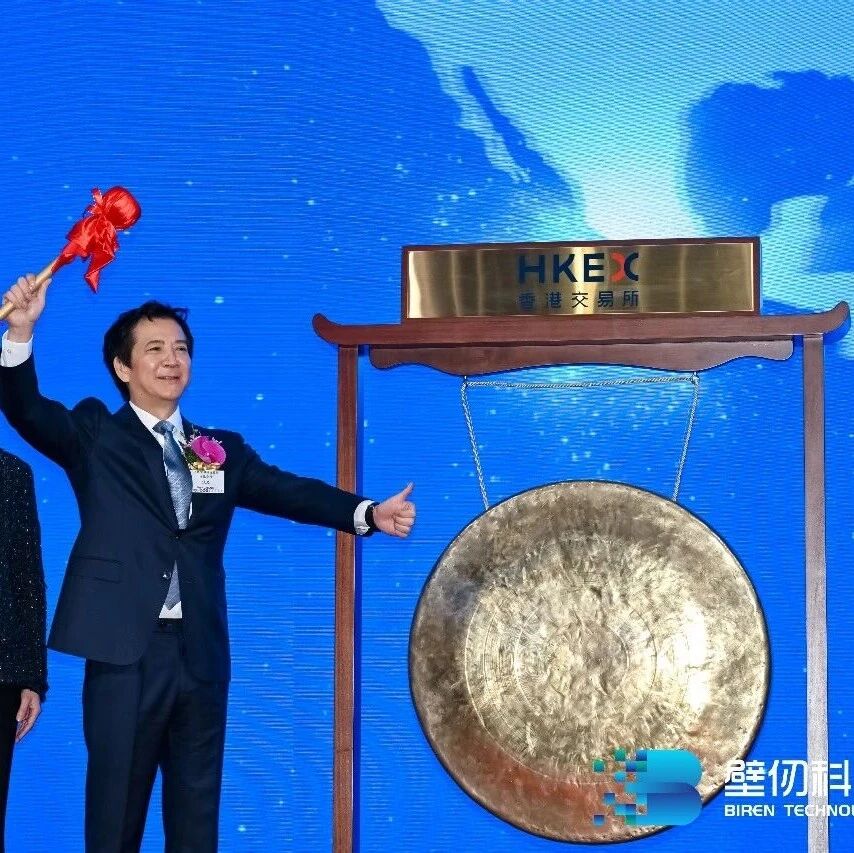
Core Viewpoint - The article discusses the investment potential of Birun Technology, highlighting its unique position in the domestic GPU market and the disparity in valuation between A-share and Hong Kong markets [2][3][20]. Group 1: Market Performance and Valuation - On its first day of trading, Birun Technology's stock price surged to a high of HKD 42.88 per share, representing an increase of over 112.55% from the issue price of HKD 19.6, with a peak market capitalization of HKD 102.7 billion [2]. - In the A-share market, domestic GPU companies are currently in a high valuation range, with companies like Moer Thread and Muxi maintaining market caps in the thousands of billions [2]. - The valuation of Birun Technology in the Hong Kong market is relatively discounted compared to its A-share counterparts, primarily due to differing pricing anchors between the two markets [2][7]. Group 2: Investment Thesis - Birun Technology stands at a critical juncture, embodying both the narrative of a "scarce domestic GPU asset" and the need for a more commercial evaluation [3]. - The past three years have seen the domestic GPU sector transition from "PPT chip design" to "commercialization," with Birun's IPO symbolizing this shift [3]. - The company has a significant order backlog valued at approximately RMB 1.24 billion, nearly four times its projected revenue for 2024, indicating a strong revenue outlook [9]. Group 3: Competitive Advantages - Birun Technology's competitive edge is built on four dimensions: the engineering implementation of Chiplet architecture, the stability of its kilowatt cluster, pragmatic ecosystem compatibility, and a rich product pipeline [12][13]. - The Chiplet technology is crucial for enhancing computing density, allowing Birun to produce high-performance chips while circumventing physical limitations [14]. - The company's kilowatt cluster has demonstrated the ability to operate continuously for over five days without failure, a critical factor for large-scale AI model training [15]. Group 4: Future Prospects - Birun's next-generation flagship product, the BR20X series, is expected to be commercialized in 2026, targeting key pain points in the large model era [19]. - The Chinese government continues to support the AI industry, viewing intelligent computing chips as essential infrastructure, which is expected to drive domestic GPU adoption in key sectors [20]. - The global smart computing chip market is projected to grow significantly, with the Chinese market expected to expand from USD 30.1 billion in 2024 to USD 201.2 billion by 2029, indicating substantial growth potential for domestic GPU manufacturers [20].
百度官宣“昆仑芯港股IPO”,报道称“出货量国产前三”,高盛:百度股权值“30-110亿美元”
华尔街见闻· 2026-01-02 10:55
Core Viewpoint - Baidu has officially initiated the listing process for its AI chip subsidiary, Kunlun Chip, on the Hong Kong Stock Exchange, marking a significant step in the domestic AI chip industry [1][2]. Group 1: Listing Process - Kunlun Chip submitted its listing application to the Hong Kong Stock Exchange on January 1, 2024, through its joint sponsors [2]. - The Hong Kong Stock Exchange has confirmed that Baidu can proceed with the proposed spin-off, although the final details regarding the global offering scale and Baidu's shareholding reduction remain undetermined [2][3]. - The spin-off requires approval from the Hong Kong Stock Exchange's listing committee and completion of filing with the China Securities Regulatory Commission [3]. Group 2: Business Position and Performance - Kunlun Chip is positioned as a leading supplier of AI computing chips and related integrated hardware and software systems, and it is currently a non-wholly-owned subsidiary of Baidu [3][4]. - The company has achieved significant deployment in key industries such as internet, finance, energy, and telecommunications, with 32,000 units of domestic computing clusters already in operation [6][7]. - Kunlun Chip has secured a nearly 1 billion yuan server procurement order from China Mobile, with other major clients including China Merchants Bank [8]. Group 3: Financial Projections and Valuation - Projections indicate that Kunlun Chip's revenue for 2025 could reach approximately 5 billion yuan, a substantial increase from 2 billion yuan in 2024 [9][10]. - Comparatively, leading domestic AI chip manufacturers like Cambricon are expected to generate revenues of 5 to 7 billion yuan in 2025 [9]. - Analysts from Goldman Sachs estimate the value of Baidu's 59% stake in Kunlun Chip to be between 3 billion and 11 billion USD, while Macquarie estimates it at around 16.5 billion USD [14][15]. Group 4: Strategic Rationale for Spin-off - Baidu outlines three main reasons for the spin-off: enhancing the value reflection of Kunlun Chip, attracting a focused investor base, and improving its market position among clients and partners [4][5]. - The spin-off is expected to allow Kunlun Chip to independently access equity and debt capital markets, enabling more effective financial resource allocation for Baidu [5].