吴晓波频道

Search documents
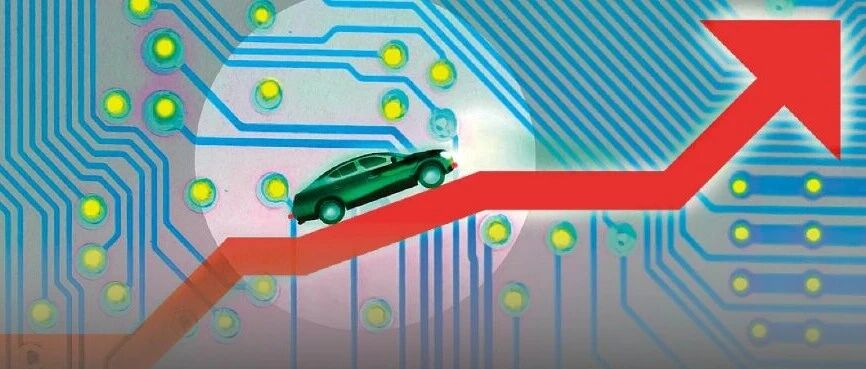
黄金白银蹭蹭涨,新能源车先顶不住了?
吴晓波频道· 2025-10-16 00:21
Core Viewpoint - The rising costs of raw materials and adjustments in vehicle purchase tax policies are likely to trigger a new round of reshuffling in the electric vehicle (EV) industry [2][24]. Group 1: Raw Material Price Increases - Gold prices have surged to $4,200 per ounce, marking a year-to-date increase of over 50% [3]. - Silver has also reached a 45-year high, with industrial demand accounting for 59% of total silver demand, driven by sectors like photovoltaics and electric vehicles [7][9]. - Copper prices have risen nearly 20% this year, with a projected demand of 200,000 tons for EVs by 2025, significantly higher than traditional vehicles [6][10]. Group 2: Impact on Electric Vehicle Manufacturing - The rising prices of silver and copper will have a long-term impact on the manufacturing costs of EVs, with copper usage in electric vehicles being five times that of traditional fuel vehicles [11][10]. - The cost of key battery materials like lithium, cobalt, and nickel is also on the rise, with cobalt prices increasing from 159,000 yuan per ton to 337,000 yuan per ton due to supply restrictions [15][17]. - Aluminum prices have reached over $2,780 per ton, with demand for aluminum in vehicle manufacturing expected to exceed 10 million tons this year [18]. Group 3: Policy Changes and Market Dynamics - The end of the vehicle purchase tax exemption for EVs by December 31, 2025, will increase the final price of vehicles by approximately 5% [24][30]. - The tightening of technical requirements for EVs may lead to the exit of less competitive models from the market, potentially reducing consumer choices in the short term [30][38]. - The combination of rising raw material costs and policy changes may lead to a price increase for EVs, with manufacturers likely to adopt strategies such as reducing features to maintain competitiveness [36][37].

国考报考年龄放宽,白银时隔45年创历史新高 | 财经日日评
吴晓波频道· 2025-10-15 03:37
Group 1 - The issuance of 1.3 trillion yuan of ultra-long-term special government bonds has been completed, providing a strong financial foundation for counter-cyclical adjustment policies in China [2] - The funds from these bonds are allocated to support "two new" policies and "two heavy" project constructions, with 8 billion yuan aimed at supporting project investments and 5 billion yuan for consumption subsidies [2] - The implementation of these policies has led to an uneven economic recovery, necessitating the introduction of more inclusive policies to support various industries [3] Group 2 - The newly revised Anti-Unfair Competition Law has come into effect, specifically targeting unfair competition in the platform economy and enhancing regulations on data and algorithm usage [4] - The law prohibits behaviors such as forced redirection and malicious uninstallation that disrupt competitors' services, as well as the misuse of data and platform rules to undermine competition [4][5] - This law aims to create a fair market environment, encouraging businesses to focus on improving product and service quality rather than engaging in chaotic competition [5] Group 3 - DJI has filed an appeal against the U.S. Department of Defense's decision to classify it as a "Chinese military enterprise," which has restricted its business operations in the U.S. [6][7] - The classification lacks substantial evidence, raising questions about the criteria used by the Department of Defense [6] - The ongoing legal battle may hinder DJI's ability to operate in the U.S. market, reflecting broader challenges faced by Chinese companies abroad [7] Group 4 - The National Civil Service Examination has relaxed age restrictions for applicants, now allowing candidates up to 38 years old, and up to 43 for master's and doctoral graduates [8][9] - This change is seen as a response to the growing calls against age discrimination in the job market, promoting a more inclusive employment environment [9] Group 5 - Samsung Electronics reported a significant increase in operating profit for Q3, reaching 12.1 trillion won (approximately 8.5 billion USD), driven by a recovery in the chip business [12] - The company's sales also grew by 8.7% year-on-year, marking a notable rebound in performance [12] - The demand for DRAM chips has surged, with prices increasing by 171.8% compared to the previous year, contributing to Samsung's strong financial results [12] Group 6 - Silver prices reached a historic high of $53.639 per ounce, driven by various market factors, including increased demand for safe-haven assets amid global uncertainties [14] - The sharp rise in silver prices has been attributed to a "short squeeze" phenomenon, where speculators pushed prices up due to a lack of available physical silver for delivery [15] - The overall market dynamics indicate a volatile environment, influenced by both speculative trading and fundamental supply-demand factors [15] Group 7 - The stock market experienced fluctuations, with the Shanghai Composite Index falling by 0.62% amid a mixed performance across sectors [16] - The market's volatility reflects the ongoing impact of external factors, including U.S.-China trade tensions, which complicate the investment landscape [17] - The rotation of market hotspots has become more pronounced, with new trends emerging at a pace that struggles to keep up with the decline of older ones [17]

关税战的“胆小鬼博弈”,玩不下去了?
吴晓波频道· 2025-10-15 03:37
Core Viewpoint - The essence of the current tariff war is not merely the adjustment of tax rates, but a precise game surrounding the future reshaping of global industrial chains [25]. Group 1: Tariff War Dynamics - The recent escalation in the tariff war has seen Trump threaten a 100% tariff on Chinese goods and restrict software exports to China, prompting a series of countermeasures from China, including actions related to rare earths and shipping fees [2][5]. - Business leaders are adopting a more pragmatic approach, shifting from long-term investments to short-term flexibility in response to the uncertainty created by the tariff war [7][26]. - The current tariff war is characterized as a "chicken game," where both sides are aware that neither can afford to back down completely, leading to a stalemate [26]. Group 2: Trade Data and Market Adjustments - China's exports in September increased by 8.3% year-on-year, surpassing expectations, while the total trade value for the first three quarters of the year reached 33.61 trillion yuan, a 4% increase [30][29]. - Despite a 16.9% year-on-year decline in exports to the U.S. during the first three quarters, exports to ASEAN and the EU have seen significant growth, indicating a shift in trade dynamics [35][37]. - The resilience of Chinese exports is highlighted by a notable increase in exports to Africa, which grew by 27.3% year-on-year, showcasing the potential for market diversification [35][48]. Group 3: Strategic Insights for Businesses - Companies are increasingly recognizing the need to diversify their markets and reduce reliance on a single market, leading to what is termed a "super resilience transformation" [37][48]. - The future of trade will likely see a continued focus on regions such as Southeast Asia, Africa, and Latin America, as companies seek to navigate the complexities of the current geopolitical landscape [48][49]. - The importance of understanding both adversaries and allies in the context of the tariff war is emphasized, as companies need to be well-informed to adapt their strategies effectively [39][40].

为增长而出海:我们决定为出海企业做一件“笨事情”
吴晓波频道· 2025-10-15 03:37
Core Viewpoint - The Huashang Overseas Industry Alliance has rapidly developed since its establishment in 2024, gathering over 2,000 member companies and 200 professional service institutions, aiming to support Chinese enterprises in their overseas expansion through targeted strategies and community engagement [2][4][6]. Group 1: Overview of the Alliance - The alliance has published seven research reports and over 600 articles related to overseas expansion, and has organized nearly 50 offline events and over 50 live sessions to facilitate knowledge sharing among entrepreneurs [2][3]. - The alliance aims to assist Chinese companies in navigating the complexities of international markets, emphasizing the importance of adapting to diverse economic environments and cultural backgrounds [5][9]. Group 2: Strategic Initiatives - Starting in October, the alliance will launch a series of closed-door meetings titled "Going Overseas for Growth," focusing on specific countries, industries, and current trends to provide actionable insights for member companies [7][34]. - The meetings will be limited to 40 participants to foster intimate discussions and encourage sharing of experiences and challenges among attendees [10][11]. Group 3: Market Focus - The alliance recognizes that each international market presents unique challenges and opportunities, and emphasizes the need for companies to identify their niche within these markets [9]. - For instance, in Indonesia, successful companies like BYD have adopted a focused strategy in the electric vehicle sector, leveraging local resources to reduce costs significantly [9][21]. Group 4: Meeting Themes and Topics - Upcoming meetings will cover various themes, including: - Middle East market opportunities under the "2030 Vision" [19][20] - Navigating the complexities of the Indonesian market [21] - Strategies for entering the U.S. market amidst trade tensions [22] - Exploring the manufacturing advantages in Mexico [22] - The alliance plans to adjust the themes and locations of these meetings based on current events and member needs, ensuring relevance and responsiveness to market dynamics [22][34].
谷歌正在成为诺贝尔奖制造机
吴晓波频道· 2025-10-14 00:30
Core Viewpoint - Google has won three Nobel Prizes in two years, producing five laureates, indicating a shift in the dominance of scientific research from traditional academic institutions to large tech companies [2][4][5]. Group 1: Nobel Prize Achievements - The Nobel Prize in Physics was awarded to three physicists for their discovery of macroscopic quantum tunneling effects and energy quantization [2]. - Among the laureates, two are associated with Google: Devorah, the current Chief Hardware Scientist at Google Quantum AI, and Martinez, who previously led Google's quantum hardware team [3][4]. - The 2024 Nobel Prize in Chemistry is expected to be awarded to Hassabis and Jiang, both core members of Google DeepMind, for their work in AI predicting protein structures [3]. Group 2: Shift in Research Dominance - There is a noticeable trend where more scientists with backgrounds in tech companies are receiving Nobel Prizes, contrasting with the historical dominance of university researchers [5]. - This shift suggests that the leadership in scientific research is transitioning from traditional academic institutions to large tech companies [5]. Group 3: Reasons for the Shift - Large companies possess unparalleled financial resources, enabling them to invest billions in foundational research that may not yield immediate returns but has long-term value [6]. - These companies are at the forefront of many applicable foundational research areas, such as AI algorithms and quantum computing, allowing them to leverage their resources to overcome technical challenges [6]. - The cycle of substantial resource investment leading to technological breakthroughs and subsequent commercial returns creates a self-reinforcing "innovation flywheel" within these tech companies [6].


2025诺贝尔经济学奖,解释了为什么要“反内卷”
吴晓波频道· 2025-10-14 00:30
Core Viewpoint - The article discusses the transformative impact of generative AI across various sectors and highlights the concept of "creative destruction" as a driving force for innovation and economic growth, referencing the recent Nobel Prize in Economics awarded to three scholars for their contributions to this field [3][5]. Group 1: Nobel Prize Winners and Their Contributions - The Nobel Prize in Economics was awarded to Philippe Aghion, Peter Howitt, and Joel Mokyr, emphasizing the significance of "innovation-driven growth" [5]. - Aghion and Howitt developed a mathematical model of "creative destruction," transforming Joseph Schumpeter's philosophical ideas into practical insights for economic growth [12][13]. - Their model illustrates that economic growth results from a series of "micro-revolutions," where each innovation enhances productivity while simultaneously phasing out outdated technologies [16]. Group 2: Innovation Dynamics - Aghion and Howitt's research reconciles two prevailing views on innovation: Schumpeter's belief in market power as a driver of innovation and Kenneth Arrow's view that competition fosters innovation [14][15]. - They introduced the "inverted U-shaped curve" to explain the relationship between competition and innovation, suggesting that moderate competition fosters the best environment for innovation [18][23]. - The balance of fear and hope is identified as the core driver of innovation, where moderate competition creates a sense of urgency for existing firms while providing opportunities for challengers [24]. Group 3: Policy Implications - Aghion argues that government should create an environment conducive to growth rather than directly generating it, emphasizing the importance of maintaining competitive tension [25][28]. - The article suggests that antitrust policies should not aim to eliminate large companies but ensure they face competition, while subsidies should distribute innovation risks across society [28][31]. - The integration of industrial and competition policies is essential for fostering innovation, allowing for long-term R&D support alongside open market access [31].

商务部回应美国加征100%关税,9月进出口增速超预期 | 财经日日评
吴晓波频道· 2025-10-14 00:30
Group 1: Trade Relations and Policies - The Chinese Ministry of Commerce responded to the U.S. announcement of a 100% tariff increase, labeling it as a typical "double standard" and emphasizing that China does not wish to engage in a trade war but is not afraid to do so if necessary [2] - Recent measures by China to tighten export controls on rare earths are seen as a retaliatory action against the U.S., indicating a potential escalation in trade tensions [2][3] - The uncertainty in U.S.-China trade policies is affecting global multinational companies, leading to diminished business confidence [3] Group 2: Trade Data and Economic Indicators - In September, China's exports grew by 8.3% year-on-year, reaching a six-month high, while imports increased by 7.4%, the highest in 17 months, indicating resilience in trade performance [4] - The total value of China's goods trade in the first three quarters reached 33.61 trillion yuan, a year-on-year increase of 4%, with exports maintaining growth for eight consecutive quarters [4] - Despite the positive trade data, challenges remain, including the impact of U.S. tariffs on re-exported goods and a shift towards processing trade, which may continue to pressure China's export outlook [5] Group 3: Real Estate Market Trends - Major cities like Beijing, Shanghai, and Shenzhen have seen an increase in real estate transaction volumes, with September data showing significant growth in both new and second-hand housing sales [6] - The overall real estate market remains under pressure, with limited recovery in supply-demand dynamics, indicating a buyer's market [7] Group 4: Corporate Developments - The Dutch government has imposed restrictions on China's Wingtech Technology's subsidiary, Anshi Semiconductor, leading to asset freezes and management changes, highlighting the political risks faced by Chinese companies abroad [8] - Vanke's chairman, Xin Jie, resigned for personal reasons, raising concerns about the company's stability amid liquidity challenges [9][10] Group 5: Aviation and Tourism Industry - Post-holiday, air ticket prices have significantly dropped, with some routes seeing reductions of up to 80%, reflecting a decrease in travel demand following the peak holiday season [13][14] - The entire tourism industry is facing profitability challenges, with airlines struggling to maintain margins as ticket prices align with or fall below high-speed rail costs [14] Group 6: Market Performance - On October 13, the stock market experienced fluctuations, with the Shanghai Composite Index closing down 0.19%, amid ongoing trade tensions between the U.S. and China [15][16] - The market's response to trade policy changes indicates a reduction in panic compared to previous instances, although overall trading volume has decreased, reflecting a cautious investor sentiment [15][16]



从南昌卖鞋仔到“埃塞俄比亚工业之父”丨卓立出海谈
吴晓波频道· 2025-10-13 00:30
Core Insights - The article highlights the entrepreneurial journey of Zhang Huarong, a prominent figure in the Chinese footwear industry, who has successfully expanded his business internationally, particularly in Africa [2][5]. Group 1: Early Life and Entrepreneurial Spirit - Zhang Huarong's early life was marked by poverty and hardship, which instilled in him a strong work ethic and resilience [7][10]. - His military service contributed to his management skills and cultural understanding, which he later applied in his business ventures [9][12]. - He began his entrepreneurial journey in 1983, facing significant challenges but eventually finding success in the shoe industry [10][12]. Group 2: Business Expansion and Industry Leadership - Zhang transitioned from domestic sales to international markets, particularly after facing challenges in the local market due to anti-dumping policies [14][15]. - He built a comprehensive supply chain by establishing various factories, which allowed his company to become a leader in the industry [16][17]. - The company successfully relocated to Jiangxi and later to Gansu, where it continued to thrive due to strong government support and a solid operational model [18][19]. Group 3: Investment in Africa - In 2011, Zhang decided to invest in Ethiopia after being encouraged by the Ethiopian Prime Minister, viewing it as a patriotic duty [21][22]. - The establishment of a shoe factory in Ethiopia marked a significant milestone, as it was one of the first modern manufacturing facilities in the country [24][25]. - The factory's success led to the creation of nearly 2000 shoe factories in Ethiopia, significantly contributing to the local economy [26][28]. Group 4: Challenges and Future Outlook - Zhang faced numerous challenges, including political instability, labor issues, and the impact of the COVID-19 pandemic, but remains optimistic about future growth [28][29]. - Plans for further development include creating a comprehensive industrial city that integrates various sectors beyond manufacturing [30][31].

借力朝鲜、逆袭韩国,这个产业带火了丨一线
吴晓波频道· 2025-10-13 00:30
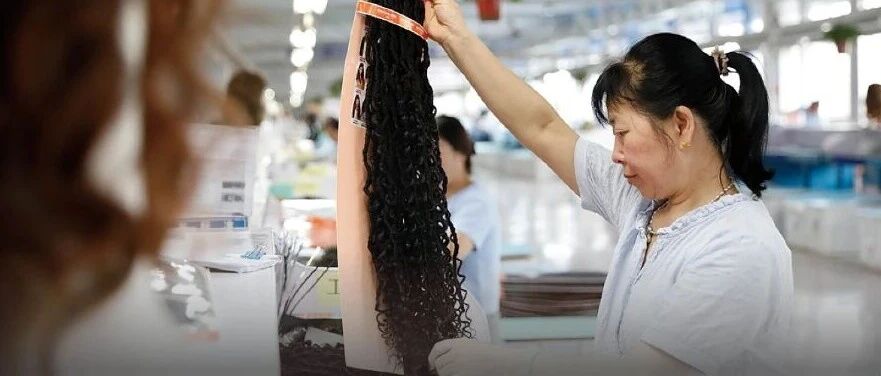
Core Insights - The article highlights the unique industrial ecosystem of wig manufacturing in Xuchang, Henan, which dominates the global market with over 60% market share and an estimated annual sales scale of 500-600 billion yuan [5][18][50] - The growth of the wig industry is driven by both domestic and international demand, particularly from the U.S. and Africa, with a projected global market value of 10.06 billion USD in 2024, growing to 13.28 billion USD by 2026 at a CAGR of 16% [5][18][50] Group 1: Industry Overview - Xuchang is known as the "Wig Capital of the World," with around 4000 wig factories and over 120,000 online stores, employing nearly 400,000 people in the industry [5][18] - The local industry has evolved from historical roots dating back to the Ming and Qing dynasties, significantly influenced by the transfer of technology from South Korean companies in the late 20th century [26][28] - The production process remains labor-intensive, with a high reliance on skilled workers who often inherit their craft from family members [28][29] Group 2: Market Dynamics - The article discusses the challenges faced by local manufacturers, including high entry barriers for outsiders and the need for specialized knowledge in raw material procurement [26][28] - The international supply chain for wig production is robust, with key raw materials sourced from countries like India, Myanmar, and Cambodia, while production processes have shifted to North Korea for cost efficiency [29][30][31] - The rise of cross-border e-commerce has reshaped the market landscape, allowing local brands to gain significant market share and challenge traditional players [32][33] Group 3: Business Models and Trends - Local entrepreneurs like Zhang Zhiyuan and Zhao Longzi have successfully established businesses with annual sales exceeding 10 million yuan, leveraging e-commerce platforms for distribution [10][15][18] - The domestic wig market has seen continuous growth, maintaining over 20% annual growth for six consecutive years, driven by trends such as aging populations and increasing fashion consciousness among younger consumers [18][19] - The article emphasizes the need for local manufacturers to transition from OEM models to building their own brands to regain pricing power and market influence [45][46] Group 4: Future Prospects - Xuchang aims to enhance its position as a global hub for wig production by developing offline trading markets and expanding its e-commerce capabilities [50] - The local industry is witnessing a demographic shift, with a growing number of young entrepreneurs entering the market, indicating a potential for innovation and growth [52][53] - The establishment of professional training programs and collaborative initiatives with beauty salons is seen as a strategy to improve service capabilities and create added value in the market [46][48]

这一届黄牛,话语权很大
吴晓波频道· 2025-10-12 00:29
点击上图▲立即收听 " 试图把现场体验当作商品,你就有可能毁掉这种体验。 " 坊间曾言,人生有三友,医生、律师、保险专家……如今可能要不情不愿改成: "人生有三友:医生、律师和黄牛。" 文 / 巴九灵(微信公众号:吴晓波频道) 欲望无处不在,黄牛亦如是。 就拿刚刚过去的国庆假期来说,景德镇的"鸡排哥"李俊永在被流量层层围住的同时,也成了黄牛的逐利对象。 原价6块一份的鸡排,若是"开摊第一份",将被卖到200元;若只为一口鸡排,黄牛开价30-50元替人排队;若不想排队又想见鸡排哥,150元转让 靠前排队号码…… 看起来虽然很荒唐,但在黄牛眼中,能说会道、擅长制造情绪价值的"鸡排哥"是时下最热的"社交货币"。由此,"见到了鸡排哥"或"吃到鸡排哥的 鸡排"的现场体验,俨然变成了一张张能加价卖出的"演唱会门票"。 如今,我们的生活中,很难不和擅长"捕捉流量"的黄牛发生联结:从一张演唱会的门票、一个热门景区的预约名额、一座知名高校的参观,到一款 不知结果的爆款盲盒、一家网红餐厅的位置、一台新款顶配手机、一次足球比赛、一场大型展会等等。 与此同时,他们的话语权,也变得越来越大了。 —— 阿兰 · 克鲁格(经济学家) 流量 ...