雪球

Search documents
分红奇迹!股息率高达850%,核弹级分红来了!这家公司疫情期间爆赚,净利润大增7571%...
雪球· 2025-06-29 06:45
Core Viewpoint - The article discusses the significant cash dividend announced by Sinovac Biotech, which will distribute $55 per share to shareholders, resulting in an astonishing dividend yield of 850% based on its last trading price of $6.47 before suspension [1][2][8]. Group 1: Dividend Announcement - On June 18, Sinovac Biotech's board announced a special cash dividend of $55 per share to be paid on July 7, along with plans for additional dividends of $19 and a potential third dividend ranging from $20 to $50 per share [4][8]. - The dividend yield of 850% is calculated based on the stock price of $6.47 prior to the suspension, highlighting the extraordinary nature of this payout [2][8]. Group 2: Financial Performance - Sinovac Biotech, a well-known biotechnology and vaccine production company, reported a net profit of $44.92 million in 2019 before the COVID-19 pandemic [11]. - The company saw a dramatic increase in revenue during the pandemic, with total revenue reaching $19.375 billion in 2021, a 3694% increase year-over-year, primarily driven by COVID-19 vaccine sales [13]. - However, post-pandemic, the company's revenue plummeted to $1.5 billion in 2022, a 92% decrease, and it reported a net loss of $99.91 million in 2023, a 187% decline year-over-year [14]. Group 3: Governance Issues - Sinovac Biotech has been embroiled in a seven-year power struggle, which began in 2015 between its founder and a rival shareholder, leading to a series of legal battles and governance disputes [15][17]. - The board's composition was challenged, and a recent ruling by the UK Privy Council replaced several board members, raising questions about the legitimacy of the current board [18]. - The ongoing governance issues have led to speculation that the large dividend payout may be a strategy to weaken potential opposition by depleting the company's cash reserves [18].


当前电力的投资方向
雪球· 2025-06-28 04:55
风险提示:本文所提到的观点仅代表个人的意见,所涉及标的不作推荐,据此买卖,风险自负。 水电这边,一季度表现挺亮眼,主要是上游水库蓄能情况好,像雅砻江两河口电站首次蓄满,高蓄能带动电量增长。水电这东西有点像债券,现金 流稳定,股息率也挺有吸引力,尤其是在现在利率环境下,长江电力这些龙头的股息率比十年期国债收益率高出不少。而且随着机组折旧陆续到 期,未来业绩还有释放空间。水电的稀缺性也在凸显,毕竟大的水电项目开发得差不多了,现有优质资产就成了 "香饽饽",这种防御性板块在市 场波动时更容易获得资金青睐。 作者:安全边际7273 新能源板块现在正处在转型的关键期,136 号文发布后,新能源全面入市,收入结构从 "固定电价 + 补贴" 转向 "市场交易 + 差价补偿 - 调节费 用"。这意味着过去靠规模扩张就能赚钱的日子过去了,现在得拼交易策略、发电预测精度和成本控制能力。可以看到,今年上半年新能源抢装潮 很明显,因为 6 月 1 日是个节点,存量和增量项目政策不一样,但抢装之后,市场化带来的收益波动性会让行业分化加剧,只有那些成本低、技 术强的企业才能在竞争中胜出。行业逻辑从 "跑马圈地" 变成了 "精耕细作",未 ...

普通人自己DIY资产配置方案,比单押主动基金靠谱多了
雪球· 2025-06-28 04:55
Core Viewpoint - The article emphasizes the advantages of DIY asset allocation for ordinary investors, suggesting that it can outperform actively managed funds and benchmark indices, as evidenced by a 6.23% return in the first half of the year [2][4]. Group 1: Advantages of DIY Asset Allocation - **Advantage 1: Unrestricted Investment Scope** DIY asset allocation allows investors to diversify across various asset classes without the constraints faced by mutual funds, which are limited by their contracts [5][6]. This flexibility enables investors to capitalize on different economic cycles and opportunities, such as stocks during economic upturns and bonds during downturns [8]. - **Advantage 2: Flexible Position Adjustment** Investors can adjust their asset allocation more freely compared to mutual fund managers, who face strict position limits. This flexibility allows for better risk management during market volatility [9][10]. - **Advantage 3: Aligned Interests** DIY investors do not face the same pressures as fund managers, such as short-term performance metrics and management fees tied to fund size. This allows for a focus on long-term investment strategies without the need to cater to market trends [11][12]. Group 2: Steps for Asset Allocation - **Step 1: Risk Assessment** The first step involves completing a risk assessment to determine the investor's risk tolerance, expected returns, and investment duration, which informs the optimal asset allocation [13]. - **Step 2: Create a Low-Correlation Asset Allocation Plan** A diversified portfolio should include assets with low correlation to mitigate risk. For example, a combination of bonds, A-shares, Hong Kong stocks, US stocks, and gold can provide a balanced approach [15][18]. - **Step 3: Initiate Regular Investment** After establishing the asset allocation plan, investors should engage in regular investments (dollar-cost averaging) to minimize emotional decision-making and benefit from market averages [23][24]. - **Step 4: Dynamic Rebalancing** Investors can manage their portfolios more dynamically, taking advantage of price discrepancies among low-correlation assets. This involves selling overvalued assets and buying undervalued ones, facilitated by alerts for rebalancing [25][26]. Group 3: Additional Services - The article mentions that using the proposed asset allocation method provides additional services such as monthly reports, real-time asset diagnostics, and personalized support, enhancing the investment experience [29]. Group 4: Investment Philosophy - The "three-part method" promotes a philosophy of long-term investment and asset allocation, focusing on diversification across assets, markets, and timing to achieve a balanced risk-return profile [30].

牛市才刚起,特朗普就开干了:晒图邀功、对加拿大下战书!还怒骂鲍威尔“太蠢了该走人”!英伟达又飙上全球第一!
雪球· 2025-06-28 04:55
美股再次刷新纪录! 标普500收于6173点,纳指站上20273点,双双创出历史新高。英伟达、Meta等科技巨头轮番拉升,连耐克都猛涨15%。 但就在市场沉浸在技术性牛市确认的喜悦时,特朗普突然宣布终止与加拿大的所有贸易谈判,准备重启关税战。与此同时,美联储预期9月降息, 尽管通胀数据还在反弹。 市场短暂震荡后,很快又强势收涨。 01 特朗普晒图 纳指标普齐创新高 标普500强势突破6173点,纳斯达克冲上20273点,双双刷新历史收盘纪录。 根据统计,自从4月上旬跌至熊市边缘(从2月高点回落近20%)以来,标普500指数已累计反弹了约23%,同时市值则大幅回升了逾10万亿美元,这轮 猛烈的升势似乎与当初的跌势一样迅猛。 标普500指数自4月8日阶段低点以来累计涨幅超过20%,这是华尔街公认的牛市标志。从技术面看,美股已确立技术性牛市格局。 瑞银财富管理近期上调了美股预期,将标普500指数年底目标从6000点上调至6200点,并将2026年目标从6400点上调至6500点。该机构认为,AI的 长期发展趋势依然强劲,将带动科技股持续上涨。 美国财长贝森特称赞美股创历史上最快反弹,迅速收复15%的跌幅。此前4月初 ...


经历了3年弯路,3次毒打!我终于凝练出理财的终极答案...
雪球· 2025-06-27 10:34
Core Viewpoint - The article discusses the author's investment journey, highlighting three major pitfalls and the lessons learned from them, ultimately advocating for a disciplined, diversified investment strategy that emphasizes index investing and dynamic rebalancing [2][3][4]. Group 1: Investment Pitfalls - Pitfall One: Speculative Traps - The author experienced significant losses during the "924 market" in 2024, where media hype led to a rush into the market, resulting in immediate losses after chasing high prices [2]. - Pitfall Two: Overestimating and Overinvesting - Initial small gains in U.S. stock investments turned into substantial losses after a major market drop in April 2025, emphasizing the danger of ignoring valuation safety margins [3]. - Pitfall Three: Illusory Diversification - The belief that holding multiple funds equated to risk diversification was proven wrong, as the portfolio was highly correlated, leading to extreme volatility [4]. Group 2: Investment Strategy - The author developed a low-correlation asset allocation strategy after learning about asset correlation theory, which includes a 30% allocation to a bond index as a stabilizing force [4]. - The ultimate investment philosophy distilled from three years of experience is summarized as: "Index investing, all-weather strategy, dynamic rebalancing," which aims to embrace market beta returns while balancing risk [4][5]. - The proposed asset allocation includes 15% in A-share dividend low volatility, 15% in A-share cash flow index, 15% in S&P 500, 15% in NASDAQ 100, 8% in gold ETFs, and 2% in crude oil futures for inflation hedging [4][5].

超级大爆单,1小时大定近29万台!小米股价盘中创历史新高,市值超1.5万亿港元...
雪球· 2025-06-27 04:32
今天上午市场依旧活跃,全市场超3600只个股上涨 。 沪深两市半日成交额9913亿 , 较上个交易日放量138亿 。截至午间收盘 , 沪指跌0.21% , 深成指涨0.85% , 创业板指涨1.16% 。 板块方面,券商股盘中拉升,有色金属大涨;银行 、 保险 、 港口等板块跌幅居前 。 个股上面,今天市场最热的要数小米了,新车订单量爆棚,股价盘中创历史新高。 01 今早港股开盘后,小米股价一度大涨超6%,最高涨至61.45港元,创历史新高,截至发稿有所回落,涨3.43%,总市值超1.5万亿港元。 此外,小米汽车概念股开盘大涨,电工合金20 cm 涨停,模塑科技直线拉涨停,海泰科、凯众股份、德迈仕等跟涨。 | 用工合命 | | | | | | --- | --- | --- | --- | --- | | 300697 休盘中06-27 11:44:12 北京 | | | | | | 13.87 +2.31 +19.98% | | | 1.20万人加自选 图 > > | CN L1 | | 高 13.87 开 12.41 | | 量 44.05万手 | 总市值 60.01亿 | | | 低 12.30 | 换 ...

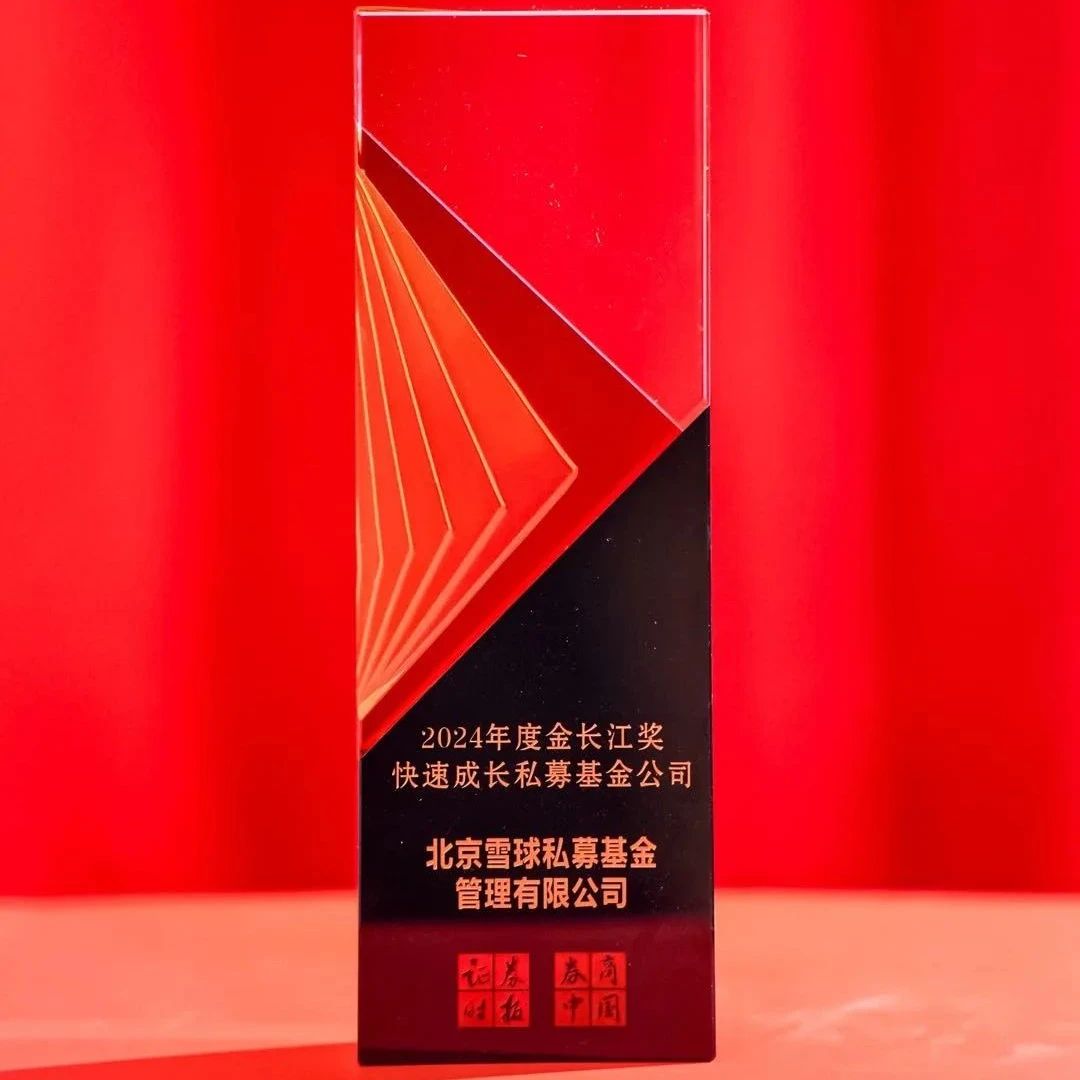
雪球资管荣获中国私募基金金长江奖三项大奖
雪球· 2025-06-27 04:32
Core Viewpoint - The article highlights the recognition of Xueqiu Asset Management at the 2024 Jin Changjiang Awards, showcasing its strong asset allocation capabilities and outstanding product performance, which led to multiple awards in the private equity sector [1][2][4]. Group 1: Company Achievements - Xueqiu Asset Management won three awards at the 2024 Jin Changjiang Awards, including the "Fast-Growing Private Fund Company" and two "Annual Rising Star Private Fund Manager" awards for its managers [1][2][3]. - The company has managed to exceed a total management scale of 10 billion since its inception in 2015, positioning its core strategies among the top in the industry [4][8]. Group 2: Investment Strategies - The macro-hedging strategy led by manager Yang Xinbin focuses on global asset risk-balanced allocation, aiming for long-term stable absolute returns while controlling risk and volatility [5]. - The stock long/short strategy managed by Chen Juntao emphasizes value investment, utilizing a contrarian approach with a focus on high certainty and low valuation, while diversifying investments across different markets to mitigate risks [6][7]. Group 3: Industry Context - The private equity industry is entering a new phase that emphasizes higher quality and sustainable development, with strategy innovation and refinement being key drivers for growth [7][8]. - Strengthening risk control, deepening long-term rational investment philosophies, and enhancing client experience are essential for firms to stand out in the evolving industry landscape [8].
格雷厄姆、施洛斯关注的一个指标,筛选出炉这些基金
雪球· 2025-06-27 04:32
Core Viewpoint - The article discusses the investment strategy focusing on funds with a price-to-book ratio (P/B) between 1.05 and 2.00, highlighting the potential for value investing in this range [3][4]. Group 1: Investment Strategy - The article references Benjamin Graham's investment philosophy, emphasizing that a P/B ratio below 2 indicates a moderate or low valuation risk [3]. - Walter Schloss, a student of Graham, successfully invested in assets with a P/B ratio not exceeding 1.5, achieving notable returns [3]. - The author aims to expand the criteria to include funds with a P/B ratio between 1.05 and 2.00, identifying 1242 funds that meet the initial criteria [4][5]. Group 2: Fund Selection Criteria - The selected funds must be equity-oriented, with a stock allocation greater than 50% and a total fund size exceeding 0.5 billion [5]. - After filtering for fund managers with at least three years of tenure, 595 funds remain, which are further narrowed down to 71 based on their Sharpe ratio over the past three years [5]. - The article provides a detailed ranking of these 71 funds based on their Sharpe ratio, including metrics such as institutional ownership, stock allocation, average P/E and P/B ratios, and historical returns [5]. Group 3: Performance Metrics - The article mentions that the remaining funds are evaluated based on their three-year performance metrics, including maximum drawdown and Calmar ratio [5][8]. - A final selection of 54 funds is made after excluding those with a maximum drawdown greater than -30%, indicating a focus on risk management [8].

一个90后程序员的投资进阶之道:六年试错,通过这种方式破解A股魔咒
雪球· 2025-06-26 08:54
Group 1 - The article discusses the author's journey into investment and financial management, highlighting the transition from casual saving to a more structured investment approach [2][3]. - The author emphasizes the importance of learning from various financial literature and adapting investment strategies over time, particularly during market downturns [4][10]. - The introduction of the "Three-Part Method" for fund investment is presented as a systematic approach to balance risk and return, utilizing a diversified portfolio [7][11]. Group 2 - The "Three-Part Method" consists of three types of funds: a bond fund, a stock fund, and a commodity fund, aimed at achieving a balanced investment strategy [6][7]. - The article provides performance metrics for the investment portfolio, showing a cumulative return of +78.38% compared to the -4.32% return of the CSI 300 Index, indicating superior performance [9]. - The author highlights the significance of data analysis and historical backtesting in refining investment strategies, ensuring that risk and returns are predictable and manageable [10][11].

为什么红利增强基金,很难做出显著超额?
雪球· 2025-06-26 07:51
Core Viewpoint - The article discusses the challenges and performance of dividend-enhanced strategies compared to broader indices, highlighting that achieving excess returns in dividend indices is more difficult than in broader indices like the CSI 2000 [2][4]. Group 1: Dividend Indices Performance - The speaker, Deng Tong, notes that the excess return of the CSI 2000 index can exceed 30%, while the excess return for dividend indices is modest, often just a few percentage points [2][3]. - The article compares three main dividend indices: CSI Dividend, Low Volatility Dividend, and Hong Kong Dividend, revealing significant performance differences among them [9]. - The CSI Dividend index showed a 3-year return of 5.75%, while the Hong Kong Dividend index had a much stronger performance with a 3-year return of 16.97% [9]. Group 2: Active Management of Dividend Strategies - The analysis of several actively managed dividend strategy funds indicates that they do not consistently outperform the Low Volatility Dividend index, supporting Deng's assertion [13]. - The article highlights that if fund managers make poor stock selections, the funds may underperform, as seen with the "Huashang Dividend Preferred" fund [14]. - The "Guangfa Stable Strategy" fund has shown significant excess returns this year, attributed to the use of unique factors like "economic cycle factor" and "price-volume factor" [15]. Group 3: Investment Recommendations - For high Beta indices like the Low Volatility Dividend, it is suggested that investors may achieve better results by directly purchasing ordinary index funds or ETFs rather than relying on randomly selected active funds [15]. - The article emphasizes that the current trend in dividend index funds includes monthly distributions, contrasting with actively managed funds that typically do not distribute dividends [16]. - For lower Beta indices such as the CSI 2000 and CSI 300, it is recommended to prioritize index-enhanced funds to avoid stagnation in long-term performance [16].