雷峰网

Search documents
华为「智驾平权」落地尚界H5,百万年销关键一役
雷峰网· 2025-07-17 13:16
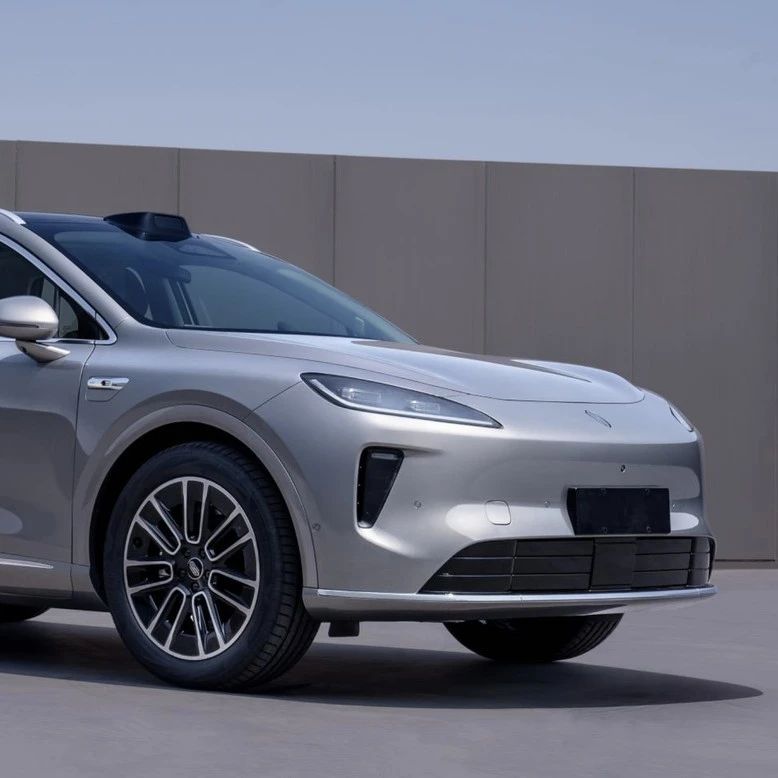
Core Viewpoint - Huawei's Hongmeng Intelligent Driving aims to achieve a sales target of 1 million units in 2025, with the launch of multiple new models including the Shangjie H5, which is positioned in the mid-to-low-end electric vehicle market around 200,000 yuan [2][5]. Group 1: Product Launch and Market Strategy - The Shangjie H5 is a key model in Huawei's strategy, designed to attract mass-market consumers and is expected to contribute significantly to the overall sales target [2][5]. - The model will be available in both hybrid and pure electric versions, utilizing batteries developed in collaboration with CATL and SAIC [7][17]. - The competitive landscape is intensifying with the introduction of new models from competitors like Xiaopeng and Lantu, which may overlap with the target market of the Shangjie H5 [3][4][24]. Group 2: Sales and Distribution Challenges - The sales strategy for the Shangjie H5 will rely heavily on establishing independent sales channels, differing from previous models that utilized Huawei's retail network [23]. - The pricing strategy will be crucial, as the model is positioned in a highly competitive segment where other brands have already established a presence [24][25]. - The market for new energy vehicles in the 150,000 to 200,000 yuan range has shown significant growth, with a year-on-year increase of 16.8% in the first half of the year [22]. Group 3: Technical Specifications and Features - The Shangjie H5 features a size of 4780 * 1910 * 1657 mm and a wheelbase of 2840 mm, with two versions of the pure electric model offering different battery configurations [6][11]. - The vehicle's performance includes a top speed of 200 km/h for the high-end version, with power outputs of up to 180 kW [11][12]. - The model aims to provide advanced driving assistance features at a lower cost compared to competitors, which is seen as a potential differentiator in the market [23].


H20限时返场,降价出售已成必然
雷峰网· 2025-07-17 06:32
Core Viewpoint - The article discusses the complexities surrounding the reintroduction of NVIDIA's H20 chip in China, highlighting the implications for both compliance and market dynamics amid U.S. export regulations [2][5]. Group 1: H20 Chip Overview - NVIDIA announced the resumption of H20 sales in China, with the chip expected to account for 80% of NVIDIA's revenue in China in 2024, translating to sales of $12-15 billion [2]. - The U.S. government had previously restricted NVIDIA from exporting the H20 chip, leading to a $4.5 billion inventory impairment loss in Q1 FY2026, significantly impacting net profit and gross margin [2]. - H20 is specifically designed for the Chinese market, with no demand overseas, making it critical for NVIDIA to manage its inventory effectively [3]. Group 2: Market Dynamics and Demand - Major Chinese companies, including internet firms and financial institutions, have shown strong demand for H20, even during the ban, indicating a robust market for the chip [4][5]. - The lifting of the ban has created competition between compliant distributors and non-compliant resellers, with the latter facing pressure to offload their inventory [6][7]. - The pricing of H20 is relatively low, with a specific model priced around 1.28 million yuan, which may limit the potential for price increases in the market [6]. Group 3: Future Projections and Competitors - Analysts suggest that the reintroduction of H20 could fill a gap in the market until domestic chip suppliers ramp up production, potentially affecting future market dynamics [7][8]. - Upcoming products like the RTX Pro 6000 and B30 are expected to enter the market, but their performance and pricing may not match that of H20, leading to a competitive landscape [8]. - The article notes that the reintroduction of H20 represents a significant shift in the market, with potential implications for the decision-making of distributors and the overall demand for AI chips in China [8].

割草机器人,四大流派的巅峰之战
雷峰网· 2025-07-17 06:32
Core Viewpoint - The lawn mower market is undergoing significant transformation driven by technological advancements, with a shift from traditional models to smart, boundary-less robotic mowers, indicating a potential disruption in the industry [4][6]. Group 1: Market Dynamics - In 2024, approximately 300,000 boundary-less smart lawn mowers are expected to enter the market, marking a significant shift from traditional wired models [4]. - The global lawn mower market is valued in the hundreds of billions, yet the penetration rate of smart devices remains below 2%, with push and ride-on mowers still dominating [4][6]. - The market is characterized by intense competition among new entrants, traditional players, and supply chain transformations, leading to a turbulent environment [6][7]. Group 2: Emerging Brands - The initial optimism in 2022 saw the emergence of numerous startups targeting the smart lawn mower segment, with the market estimated at $20 billion [8]. - Key players include companies like 河森堡, 长曜创新, and 松灵机器人, which are led by founders with backgrounds in major tech firms and robotics [8][9]. - These startups are exploring diverse technological approaches, such as pure vision systems and laser radar, showcasing the industry's innovative spirit [9][10]. Group 3: Challenges for Startups - Startups face significant hurdles in commercialization, including high funding and resource barriers, and must excel in product differentiation to succeed [12][13]. - Many startups struggle to balance R&D costs with operational expenses, leading to financial difficulties and market exits [14][20]. - The complexity of lawn care across different regions poses additional challenges, as seen in the case of 来牟科技, which had to adapt its product for specific grass types in the U.S. [16][17]. Group 4: Established Players - Traditional brands like 富世华 and 宝时得 have been significantly impacted by the rise of smart mowers, facing price wars and technological challenges [40][41]. - These companies are leveraging their established distribution networks and industry knowledge to adapt to the changing landscape, although they are slower to innovate compared to new entrants [42][44]. - Despite facing competition, traditional brands continue to see stable revenue growth and maintain a leading position in mower shipments [46]. Group 5: Supply Chain Dynamics - Supply chain companies are increasingly entering the lawn mower market, driven by the potential for higher margins compared to their previous ODM roles [48][50]. - Companies like 拓邦股份 and 乐动机器人 are transitioning from OEM to brand ownership, reflecting a broader trend in the industry [50][51]. - These supply chain players face the challenge of competing with their former clients while balancing cost and performance in their new product offerings [53][54].



大疆10年技术元老,低调加盟妙动科技
雷峰网· 2025-07-17 00:39
Core Insights - The article discusses the formation of an AI companion robot dream team at Miaodong Technology, led by former DJI core members including Li Haonan and Yang Shuo [1][2]. Group 1: Key Personnel Changes - Li Haonan, a key figure in DJI's flight system technology, has officially left DJI and joined Miaodong Technology to work alongside co-founder and CTO Yang Shuo [1]. - Yang Shuo and Li Haonan have a long-standing friendship, having worked together in DJI's flight control project team since 2015 [1]. - Gao Jianrong, the founder and CEO of Miaodong Technology, also worked with Yang Shuo at DJI, specifically in the Robomaster department [2]. Group 2: Funding and Financial Developments - Miaodong Technology announced it secured tens of millions of dollars in angel round financing in April, with the first round reportedly reaching between $50 million to $60 million [3]. - The company is experiencing significant interest from investors, with a new round of financing estimated to be between $200 million to $300 million [3].

黄仁勋:我很想买一台小米汽车;美团高管回应刘强东只赚5%:大哥,从来没人能赚到5%;小鹏汽车扩招8000人!年内员工规模将达3万
雷峰网· 2025-07-17 00:39
Key Points - Huang Renxun expressed a strong interest in purchasing a Xiaomi car, highlighting the successful collaboration between Nvidia and Xiaomi in the smart driving sector [4][5] - Meituan's CEO addressed the low profit margins in the food delivery industry, stating that no one has ever achieved a 5% profit margin in this sector [8][9] - Xiaopeng Motors announced an expansion plan to recruit 8,000 new employees, aiming to reach a total workforce of 30,000 by the end of the year, focusing on AI and smart driving talent [10] - DJI's veteran engineer Li Haonan has joined Miaodong Technology, indicating a shift in talent within the tech industry [11] - JD's full-time delivery riders have surpassed 150,000, and the company is enhancing rider benefits amid service changes [13] - Nvidia confirmed a surge in orders for its H20 chip from Chinese companies, indicating a strong demand in the AI sector [14] - Tesla's new Model Y L is set to launch with an expected price of around 400,000 yuan, showcasing the company's continued expansion in the electric vehicle market [29][31] - AMD has received approval to resume exports of its MI308 chip to China, marking a significant policy shift from the U.S. government [32] - Ford is recalling nearly one million vehicles in North America due to potential fuel pump issues, raising concerns about quality control [33] - AliExpress reported a 400% increase in sales from its Brazilian overseas warehouse, reflecting the platform's successful local market strategies [35]

从三种裁员,透视微软云中国当下「大变阵」
雷峰网· 2025-07-16 10:29
Core Viewpoint - The article discusses the significant personnel changes and restructuring within Microsoft Cloud China during the transition between fiscal years, highlighting the impact of layoffs, management changes, and departmental reorganizations on the company's business direction and performance [1][2][5]. Group 1: Personnel Changes - Microsoft Cloud China has experienced multiple waves of personnel changes since mid-June, categorized into layoffs due to departmental restructuring, performance-related PIP layoffs, and layoffs following global Microsoft policies [3][5]. - The first wave of changes involved the splitting of the PS team (Public Sector), which was finalized in June. The education segment was retained under the DN (Digital Native) department, while other segments were redistributed to different departments [9][10]. - The restructuring of solution teams aimed to eliminate overlapping functions among various teams, such as ATU and STU, which had been causing inefficiencies [11][12]. Group 2: Performance-Related Layoffs - The second category of layoffs was performance-driven, with approximately 10% of employees receiving PIP notifications starting in late June. This was linked to unmet sales targets for the previous fiscal year [15][16]. - A specific example cited was the sales target for the SHEIN team, which was set at $200 million but only achieved around $60 million, leading to potential further layoffs if targets were not met by July [15][16]. Group 3: Global Impact and Strategic Shifts - The third category of layoffs stemmed from a global decision by Microsoft to cut approximately 9,000 jobs, affecting around 4% of the workforce, which also impacted Microsoft Cloud China [20][21]. - There is a noticeable trend of Microsoft shifting its focus away from the Chinese market, with reports of a significant reduction in hiring and the transfer of AI teams to overseas locations [20][21][24]. - Management changes, such as the reassignment of key personnel to the Asia-Pacific region, indicate a strategic realignment of Microsoft Cloud's core business away from China [22][24].


云鲸新生
雷峰网· 2025-07-16 10:29
Core Viewpoint - The article discusses the journey of Yunji, a robotics company, highlighting its challenges, growth, and strategic decisions in the competitive landscape of consumer robotics and smart hardware. Group 1: Growth Pains - Yunji's rapid expansion from 200 to 1000 employees faced numerous challenges, including supply chain issues and market competition [6][7][8] - The company experienced a significant crisis in 2021 when a large-scale product failure occurred due to a supplier's bug, affecting multiple companies [11][12] - Yunji's transition from reactive to proactive planning marked its evolution from chaotic growth to systematic restructuring [6][10] Group 2: Product Development and Innovation - The decision to delay the launch of J1 for product refinement exemplified Yunji's commitment to quality over speed, reflecting a long-term vision [36][40] - The introduction of the Xiaoyao 002 model showcased Yunji's focus on user needs, opting for effective cleaning technology over flashy features [41][44] - The company improved its product maintenance cycle significantly, reducing the frequency from weekly to annually, enhancing user experience [44] Group 3: Organizational Changes - The shift from a matrix structure to a divisional structure allowed Yunji to enhance efficiency and reduce internal conflicts, leading to faster decision-making [32][34] - The restructuring aimed to empower independent business units, fostering a more agile and responsive organization [32][34] Group 4: Market Expansion and Strategy - Yunji recognized its late entry into overseas markets and adjusted its strategies accordingly, focusing on product alignment and market entry timing [54][60] - The company aims to synchronize domestic and international product launches to enhance competitiveness in global markets [62][63] - Key markets for Yunji include North America, Europe, and Asia, with a focus on establishing a strong presence in regions with less competition [66] Group 5: Future Outlook - Yunji's leadership emphasizes the importance of continuous adaptation and learning from past experiences to navigate future challenges [69][70] - The company is committed to becoming a leader in the home cleaning sector, focusing on delivering high-quality products and services [30][31]

吉利汽车与极氪正式宣布合并;罗马仕旗舰店恢复营业!官方称:召回服务长期有效;英伟达宣布:H20将恢复对中国销售丨雷峰早报
雷峰网· 2025-07-16 00:40
Group 1 - Geely Auto and Zeekr officially announced a merger, allowing Zeekr shareholders to choose between cash or exchanging for Geely shares as compensation [4] - Li Xiang, CEO of Li Auto, responded to the leak of the interior design of the Li One, stating it disrupted the release schedule and underestimated potential users' curiosity [6] - ByteDance is reportedly developing mixed reality glasses, codenamed "Project P," to compete with Meta's upcoming Phoenix glasses [8] - NVIDIA announced the resumption of H20 sales in China and the launch of a new GPU tailored for the Chinese market [9][10] - Xiaopeng Heavens completed a $250 million Series B financing round, bringing its total financing to approximately 5.4 billion RMB [23] Group 2 - The first foldable iPhone is expected to be priced between $1,800 and $2,000, with a projected profit margin exceeding 50% [37] - ByteDance has reformed its performance evaluation system, emphasizing the "M" rating for stable and good performance, while increasing the incentive range for this category [21][22] - JD Health has opened its first self-operated medical beauty clinic in Beijing, with plans for further expansion [23] - Jianghuai Automobile reported a loss of 680 million RMB in the first half of 2025, attributed to reduced sales and increased competition [28] - Tesla opened its first showroom in India, with the Model Y starting at approximately 499,000 RMB, facing high tariffs [43]




协同办公陷入「智能混战」,飞书试图以「成熟度等级」破局
雷峰网· 2025-07-16 00:40
Core Viewpoint - The article discusses the challenges and opportunities in the AI office product market, emphasizing the need for a clear standard to evaluate the maturity of AI applications, as exemplified by Feishu's "AI Application Maturity Model" [6][10]. Group 1: AI Market Dynamics - The AI wave has created a mix of excitement and anxiety among companies, leading to confusion in selecting intelligent office products [2][3]. - Many companies are overwhelmed by the variety of AI products available, resulting in hasty purchases that often do not meet expectations [3][4]. - The lack of clear standards has led to chaotic competition in the AI product market, making it difficult for users to discern quality [3][4]. Group 2: Feishu's AI Application Maturity Model - Feishu introduced the "AI Application Maturity Model," categorizing AI applications into four levels: M1 (concept validation), M2 (early trial), M3 (mature application), and M4 (fully mature) [6][7]. - This model aims to provide a reference standard for users to assess the intelligence level of products, addressing the confusion in the AI To B application market [7][10]. Group 3: Characteristics of "True Intelligent" Products - Feishu defines a "true intelligent" product as one that effectively combines standards, technology, and performance to enhance productivity [19]. - The "Knowledge Q&A" feature is rated at M3 maturity, indicating it is suitable for large-scale use, while the "AI Meeting" feature has reached M4 maturity, showcasing its comprehensive application [12][13]. - Performance improvements, such as increased data capacity and faster loading times, are crucial for the effectiveness of intelligent applications [15][16]. Group 4: Conclusion - The ultimate goal of intelligent products is to enhance efficiency, and the To B intelligent office industry must integrate standards, technology, and performance to alleviate selection anxiety for enterprises [19].

吉利、极氪合并落地,全面贯彻「一个吉利」
雷峰网· 2025-07-15 12:05
Core Viewpoint - The merger between Geely Automobile and Zeekr aims to enhance Geely's global competitiveness in the smart electric vehicle sector, leveraging Zeekr's strengths in the luxury electric vehicle market [2]. Group 1: Merger Details - Geely Holding Group announced the signing of a merger agreement with Zeekr Intelligent Technology, where Geely will acquire all outstanding shares of Zeekr, allowing shareholders to choose cash or Geely shares as compensation [2]. - The merger is intended to cover various powertrain forms, including fuel, pure electric, plug-in hybrid, and hydrogen electric, thereby achieving a comprehensive market layout across mainstream, mid-to-high-end, and luxury segments [2]. Group 2: Financial Implications - Zeekr has invested a total of 22.7 billion yuan in R&D over the past four years, with an expected investment of nearly 10 billion yuan in 2024, contributing to a cumulative loss of 26.223 billion yuan [2]. - The merger is expected to improve strategic execution efficiency, innovation capability, and profitability by eliminating redundant investments [2]. Group 3: Strategic Direction - The integration with Geely is seen as a way for Zeekr to elevate its brand experience and focus on high-end development, moving away from the pure electric market [3]. - The launch of the Zeekr 9X, which features a hybrid architecture, marks a significant step towards entering the luxury ultra-high-end market [3].