是说芯语

Search documents
闻泰科技将成为纯半导体公司
是说芯语· 2025-05-18 01:47
Core Viewpoint - The article discusses the strategic transformation of Wentech Technology from a mobile ODM company to a pure semiconductor company, driven by the need to optimize its business structure and capitalize on the growing semiconductor market, particularly in automotive electronics and AI chips [2][5][7]. Group 1: Company Overview - Wentech Technology confirmed a major asset sale for 4.389 billion, transitioning to a pure semiconductor focus [2]. - The company was previously the largest mobile ODM enterprise, with 73% of its 2021 revenue of 52.7 billion coming from mobile manufacturing, but faced low profit margins in this sector [2][4]. - The ODM business reported a net loss of 1.2 billion in 2024, necessitating the divestment of the struggling product integration business [3]. Group 2: Semiconductor Business Growth - Wentech's semiconductor business has shown strong growth, ranking third globally in power discrete devices, up from eleventh in 2019, and is the top player in China [3][9]. - The global semiconductor market has surpassed 600 billion, with significant demand for automotive electronics and AI chips, providing a favorable market outlook for Wentech's semiconductor focus [5]. - The company has established relationships with seven of the top ten global automotive manufacturers, with a 45% annual increase in automotive-grade chip shipments [5]. Group 3: Financial Implications - The asset sale will reduce total assets from 74.978 billion to an estimated 66.4 billion and liabilities from 40.137 billion to 31.591 billion, improving the company's financial structure [5]. - The 4.389 billion raised from the asset sale will support R&D and capacity upgrades in the semiconductor sector, which requires significant investment [6]. - Focusing on semiconductors allows Wentech to allocate more resources to R&D and production improvements, enhancing product value and market position [6]. Group 4: Strategic Challenges and Opportunities - Wentech faces competition from international giants in the high-end automotive chip market, which holds over 60% market share, necessitating breakthroughs in specific technology segments [6]. - The transition to a semiconductor focus is seen as a strategic adjustment to align with market demands and improve valuation in the capital market [6][7]. - The company's ability to establish barriers in key areas like 12-inch wafer manufacturing and third-generation semiconductor materials will be crucial for its success in the next 3-5 years [7].


华为昇腾产业链
是说芯语· 2025-05-17 14:08
Core Viewpoint - The article discusses the growth and investment opportunities in the AI computing center market in China, particularly focusing on the Huawei Ascend ecosystem and its associated companies across four key areas: complete machines, power supply, cooling, and connectivity [2]. Group 1: Complete Machines - The newly added computing power in 2024 is expected to reach approximately 20,000 PFlops, with the investment scale of China's intelligent computing center market projected to reach 288.6 billion yuan by 2028. In 2023, the market size was 87.9 billion yuan, showing a year-on-year growth of over 90% [3]. - As of August 2024, there are over 300 intelligent computing center projects in China, with a total announced computing power exceeding 500,000 PFlops. About one-third of these projects are planned to have a computing power greater than 500 PFlops, mainly funded by government or telecom operators [3]. Group 2: Power Supply - AI servers utilize three power supply methods: external cabinets, racks, and trays. The power supply unit (PSU) converts high-voltage AC from the grid to 48V DC, which is then further converted to 12V for CPUs and 0.8V for GPUs [15]. - The GB200 NVL72 cabinet is equipped with 48 5.5kW PSUs, providing a total power of 132kW. The increasing power demand in AI servers is expected to expand the AI power supply market [16][21]. Group 3: Cooling - The power consumption of single cabinets has increased from 4-6 kW in traditional computing centers to 20-40 kW or higher in intelligent computing centers. Liquid cooling technology is becoming the preferred choice due to its efficiency and low energy consumption [27]. - The market size for liquid cooling data centers in China was 8.63 billion yuan in 2023, with a growth rate of 26.2%, expected to reach 18.01 billion yuan by 2026 [29]. Group 4: Connectivity - Backplane connectors are crucial for high-performance servers and communication devices, supporting high-speed data transmission and ensuring signal integrity [38]. - The Chinese communication connector market is projected to grow at a compound annual growth rate of 30%-35%, with expectations to exceed 60 billion yuan by 2025, where AI-related connectors will account for over 70% of the market [40].

英伟达中国特供芯片彻底砍掉HBM!
是说芯语· 2025-05-17 08:15
此次推出的Hopper系列降级芯片,是英伟达应对最新管制的举措。尽管采用GDDR7显存会使芯片性能 相比配备HBM的版本有所下降,但据知情人士透露,通过优化芯片架构等技术手段,该芯片仍能满足 中国市场部分人工智能应用场景的需求,在市场上具备一定竞争力。而即将推出的Blackwell架构芯 片,同样以合规为前提,在显存配置上做出调整,旨在以符合法规要求的产品继续深耕中国市场。 申请入围"中国IC独角兽" 半导体高质量发展创新成果征集 据《日经亚洲》5月17日报道,英伟达(Nvidia)为维持中国市场份额,在美政府严格出口管制下,计 划推出两款专为中国市场打造的人工智能芯片。 下一季度,英伟达将向中国客户交付一款进一步降级的Hopper系列芯片;同时,一款基于Blackwell架 构的定制芯片也在筹备中,预计今年晚些时候推出,两款芯片均 采用GDDR7显存替代高带宽内存 (HBM) ,以满足美国出口限制要求。 近年来,美国政府不断收紧对华AI芯片出口管制。拜登政府此前发布的限制措施,要求出口到中国的 芯片算力不得超过一定标准,而HBM作为支撑高性能计算任务(如AI训练和超级计算)的关键组件, 被纳入重点管控范畴。 ...

“最近做存储的老铁们赚翻了!”
是说芯语· 2025-05-17 02:07
Core Viewpoint - The article discusses the recent price surge in storage chips, particularly focusing on DDR4 and Samsung's small-capacity eMMC, highlighting the reasons behind these price increases and their implications for the market [2][11]. Group 1: Price Surge in Storage Chips - The most notable price increases in the storage chip market are observed in DDR4 and Samsung's small-capacity eMMC [2][11]. - Samsung's 8GB eMMC price rose from approximately $1.9 in early March to around $3.65-$3.8 currently, marking a significant increase [7][10]. - The price of 8GB DDR4 has also doubled in recent months, with current prices around $3, up from $1.15-$1.25 in late 2022 [9][10]. Group 2: Reasons for Price Increases - The price increase of small-capacity eMMC is primarily driven by Samsung's announcement of potential production halts for MLC NAND, leading to panic buying among manufacturers [11][12]. - For DDR4, the price surge is attributed to rumors of major manufacturers like Samsung, SK Hynix, and Micron planning to cease DDR4 production by 2025, which has led to increased demand and speculation in the market [12][13]. - Additionally, supply constraints have been reported, with manufacturers reducing production rates, further exacerbating the price increases [12][13]. Group 3: Market Implications - Despite the rise in prices, there are indications that domestic alternatives for DDR4 are facing supply challenges, suggesting that the market may not stabilize quickly [15]. - The overall sentiment in the storage chip market is cautiously optimistic, with ongoing price increases and potential recovery being closely monitored [15].
5000亿美元“投名状”
是说芯语· 2025-05-17 00:26
Core Viewpoint - The article discusses the implications of the U.S. government's recent actions regarding AI chip export regulations, particularly focusing on NVIDIA and its relationship with the Trump administration, highlighting a potential shift in the regulatory landscape that could benefit U.S. chip companies while targeting Huawei specifically [4][6][21]. Group 1: NVIDIA and U.S. Government Relations - NVIDIA's CEO Jensen Huang attended a private dinner with Trump, which coincided with the announcement of a $500 billion investment in AI infrastructure in the U.S. [4][5] - Following the dinner, NVIDIA submitted an unusual request to the SEC for indefinite export licenses for its H20 chips to mainland China, indicating a complex relationship with U.S. export regulations [5][6]. - Two months later, the U.S. Department of Commerce rescinded the "AI diffusion rules," which had been set to impose strict export controls, signaling a potential easing of restrictions for U.S. chip companies [6][10]. Group 2: Impact of Rescinding "AI Diffusion Rules" - The rescission of the "AI diffusion rules" is expected to positively impact U.S. chip companies, allowing them to pursue growth opportunities in regions previously restricted, such as the Middle East [11][12]. - NVIDIA and AMD announced significant collaboration plans in the Middle East, including a $10 billion project to provide advanced chips and software solutions [11][12]. - The new regulatory environment appears to favor U.S. chip companies while simultaneously targeting Huawei, as the U.S. government explicitly warned against the use of Huawei chips in AI applications [15][21]. Group 3: Targeting Huawei - The U.S. Department of Commerce's actions are seen as a direct attack on Huawei, with specific regulations aimed at preventing the use of Huawei's Ascend chips due to their reliance on U.S. technology [15][16]. - The GP10 clause indicates that any company knowingly participating in the sale or support of Huawei's chips could face sanctions, tightening the noose around Huawei's operations [16][18]. - The article suggests that the U.S. government's strategy may inadvertently bolster U.S. chip companies like NVIDIA and AMD by limiting Huawei's capabilities in the AI sector [17][24]. Group 4: Future Considerations - The article raises concerns about the long-term implications of U.S. export controls, suggesting that overly stringent regulations could drive customers to seek alternatives, potentially undermining U.S. technological leadership [25]. - The recent changes in export policy reflect a broader strategy to maintain U.S. dominance in AI and semiconductor technology while navigating the complexities of international trade and competition [25].

英伟达计划在上海设立研究中心 彰显对中国市场新承诺
是说芯语· 2025-05-16 04:53
Core Viewpoint - Despite the impact of U.S. export controls, American chip manufacturers are considering expanding their business in China, with Nvidia planning to establish a research and development center in Shanghai to maintain competitiveness in the Chinese market, which is projected to reach $50 billion in a few years [2][3][4]. Group 1: Nvidia's Strategy in China - Nvidia's CEO Jensen Huang estimates that China could become a $50 billion market for the company in the coming years, despite a decline in sales due to U.S. export restrictions [3][4]. - The company is renting new office space in Shanghai to accommodate existing employees and potential business expansion, focusing on understanding local customer needs and complying with U.S. regulations [3][4]. - Nvidia aims to recruit top AI talent in China, with plans to hire engineers for next-generation deep learning hardware and software development [3][4]. Group 2: Competitive Landscape - Nvidia is concerned about local competitors like Huawei potentially filling the market gap if it withdraws from China, as Huawei could offer alternative AI ecosystems [4]. - In 2022, China accounted for approximately $17 billion, or 14%, of Nvidia's revenue, highlighting the importance of the Chinese market [4]. - The company is currently offering the L20 processor as an alternative to its best-selling chips, which are restricted in China, although the L20 has lower performance capabilities [4][5]. Group 3: Market Dynamics and Customer Sentiment - Major Chinese tech companies, including ByteDance, Alibaba, and Tencent, are closely monitoring geopolitical developments and assessing Nvidia's ability to provide redesigned high-end chips to meet their needs [5][6]. - There is hesitation among tech giants to place orders due to the performance limitations of Nvidia's processors compared to local competitors, leading to a dilemma between lower-cost options and switching to Chinese chips [5][6].

美国或将长鑫、长存和中芯国际子公司列入“实体清单”
是说芯语· 2025-05-16 03:03
Core Viewpoint - The article discusses the ongoing U.S. export restrictions targeting Chinese semiconductor companies, particularly focusing on Changxin Memory Technologies, Yangtze Memory Technologies, and SMIC, highlighting the implications for China's semiconductor industry and the potential for innovation in response to these challenges [2][5]. Group 1: U.S. Export Restrictions - The U.S. Department of Commerce is considering adding Changxin Memory Technologies to the export restriction entity list, along with evaluating the potential listing of SMIC and Yangtze Memory Technologies [2]. - This move is seen as a continuation of the U.S. strategy to target key areas in the semiconductor industry, including DRAM, NAND flash, and advanced process foundries [2]. - The entity list requires companies to apply for licenses to purchase U.S. equipment, with an approval rate of less than 15% [2]. Group 2: Impact on Chinese Semiconductor Companies - Changxin Memory Technologies is the only domestic manufacturer capable of mass-producing 17nm DRAM, with plans to capture 10% of global capacity after its second-phase expansion [2]. - Yangtze Memory Technologies has achieved a market share of over 5% in NAND flash, utilizing its Xtacking® architecture for 232-layer 3D NAND production [2]. - SMIC's monthly production capacity for 14nm technology is 50,000 wafers, with 5nm technology development entering the verification stage [2]. Group 3: Technical Dependencies and Risks - If restrictions are implemented, Changxin Memory Technologies faces risks of supply disruption for KLA's T3500 series detection equipment, which is critical for its 12-inch wafer production [3]. - Yangtze Memory Technologies relies heavily on Applied Materials' PVD equipment for its 192-layer NAND flash development, with domestic alternatives showing a 12% performance gap [3]. - SMIC's 5nm technology development requires Synopsys' DFT tools, and being placed on the entity list could extend its verification cycle by 6-8 months [3]. Group 4: Global Industry Reactions - The U.S. has issued warnings against using American AI chips for training Chinese models, indicating severe consequences for violations [4]. - Global supply chain disruptions are evident, with SK Hynix halting technology transfers to Changxin Memory Technologies due to concerns over technology leakage [4]. - Equipment suppliers like Lam Research and KLA are lobbying the U.S. government to ease restrictions, as their revenue from China remains significant [4]. Group 5: Growth Amidst Challenges - Despite the sanctions, China's semiconductor exports have increased, with a total export value of 931.17 billion yuan from January to October 2024, marking a 21.4% year-on-year growth [4]. - The share of memory chips in exports has risen to 38%, indicating effective domestic substitution strategies [4]. - The article suggests that the U.S. restrictions may inadvertently drive innovation within China's semiconductor sector, as companies adapt to the challenges [5].


稀土、芯片等出口管制相关最新消息
是说芯语· 2025-05-15 11:55
Group 1 - The article discusses China's response to U.S. export controls on semiconductor products, emphasizing the need for mutual cooperation and the potential negative impact of unilateral actions on global supply chains [2][3][4] - It highlights that the U.S. has intensified restrictions on Chinese chip products, which is seen as a violation of market principles and detrimental to the interests of Chinese enterprises [3][4] - The Chinese government is considering adjustments to its own export controls in response to the U.S. actions, indicating a potential shift in trade relations [2][4] Group 2 - The article mentions that some Chinese rare earth material producers have already obtained export licenses, suggesting a possible easing of restrictions [2] - It also notes that the Chinese government is committed to taking necessary measures to protect the legitimate rights of its enterprises against U.S. actions [4] - The overall sentiment reflects a call for the U.S. to correct its unilateral measures to foster a more sustainable and mutually beneficial trade environment [4]
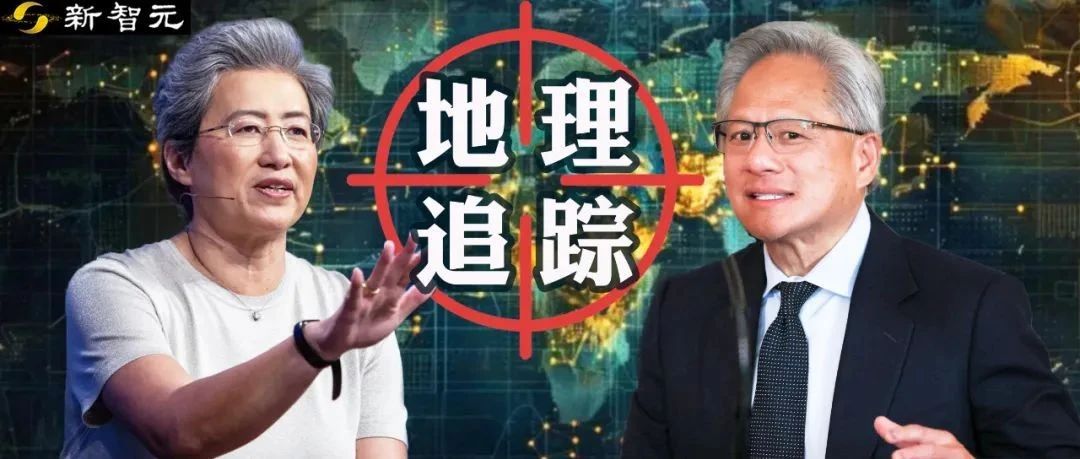
5090将被秘密定位?美或强制植入「地理追踪」,锁定英伟达高端GPU
是说芯语· 2025-05-15 07:20
Core Viewpoint - The article discusses a new bill proposed by U.S. Senator Tom Cotton that mandates the integration of "geolocation tracking" technology in high-end GPUs and AI chips produced by companies like NVIDIA and AMD to prevent unauthorized access by foreign entities [2][4][7]. Group 1: Bill Details - The bill targets high-performance AI processors and gaming graphics cards, requiring manufacturers to embed geolocation technology in their products [4][7]. - If passed, the measures will take effect six months after the bill's approval [5]. - The primary goal of the bill is to ensure that strategic hardware is not used by unauthorized foreign entities [14]. Group 2: Implications for Manufacturers - The requirement to add geolocation tracking poses significant challenges for chip manufacturers, as it necessitates adjustments to existing designs and production processes, potentially increasing R&D costs and time [15][16]. - Manufacturers will be responsible for continuously tracking the location and usage of their products after export, with obligations to report any unauthorized transfers or tampering [19][21]. - NVIDIA has publicly stated its inability to track hardware post-sale, highlighting concerns about the feasibility of the new requirements [22]. Group 3: Regulatory Landscape - The bill sets the stage for future regulatory upgrades, including annual assessments and joint research by the Department of Commerce and the Department of Defense to explore additional protective measures [28][29]. - The evaluations will assess the latest security technology advancements applicable to export-controlled products, potentially leading to new requirements [30][31]. - The bill emphasizes the need to protect sensitive business secrets and intellectual property during the development and deployment of these technologies [32][33]. Group 4: Economic Impact - The recent export controls have already significantly impacted companies like AMD and NVIDIA, with AMD estimated to lose around $800 million in potential revenue and NVIDIA facing losses of up to $5.5 billion due to stringent restrictions on advanced chips [25].


北方华创,A股十年最强,你凭啥?
是说芯语· 2025-05-15 07:03
Core Viewpoint - North Huachuang has emerged as a leading player in the A-share semiconductor industry, achieving a remarkable profit growth from 41.87 million to 5.621 billion yuan over the past decade, marking a 134-fold increase, and surpassing SMIC to become the new "profit king" in 2024 [3][4][9]. Group 1: Company Overview - North Huachuang is recognized as a key player in China's semiconductor industry, inheriting a rich technological legacy from its predecessor companies, including the development of China's first diffusion furnace and plasma etching machine [5]. - The company has expanded its product line through acquisitions, including Akrion Systems LLC and assets from Beiguang Technology, enhancing its capabilities in high-end integrated circuit equipment [5]. - North Huachuang is the only Chinese company in the global top 10 semiconductor equipment manufacturers, ranking sixth in 2024, and is positioned as a platform-type enterprise, which is crucial for competing at the highest level globally [9][11]. Group 2: Market Opportunities - The semiconductor industry is experiencing a surge in demand driven by cloud computing, edge devices, and AI computing power, with China's chip manufacturing expected to grow by 15% in 2024 and 14% in 2025, capturing nearly one-third of global capacity [13]. - The U.S. government's restrictions on China's semiconductor industry have intensified, leading to a shift towards domestic alternatives, with significant sales from U.S. semiconductor equipment manufacturers in China expected to return to local companies [15][17]. - North Huachuang is actively expanding its market presence by entering the ion implantation equipment sector and acquiring ChipSource, which complements its existing product offerings and enhances its supply capabilities across the semiconductor manufacturing process [16].