东京烘焙职业人

Search documents
烘焙工业化高效时代来了,你的后厨准备好了吗?
东京烘焙职业人· 2025-08-07 08:33
Core Viewpoint - The current trend in bread consumption is shifting towards high hydration, long fermentation, pure ingredients, and excellent texture, moving away from the "soft bread" era of the past decade [1]. Group 1: Industry Changes - The baking market has seen a rise in high hydration breads, fruit-containing, and whole grain breads, leading to a noticeable change in dough production, making the dough "softer" in terms of higher water content and more active gluten [5]. - Traditional production logic of quick cutting and pressing is ineffective with these sensitive doughs, which require careful handling to avoid deformation and maintain production efficiency [8]. - Many factories face a core contradiction: to innovate and improve product quality, they must use more sensitive doughs, which do not support existing mechanical processes [8]. Group 2: Production Challenges - The first step in production often lies in the cutting process, where traditional mechanical cutting methods can damage the dough structure, leading to issues in subsequent processes [11]. - Traditional cutting equipment, while fast and cost-effective, can harm the dough's structure, leading to moisture loss and requiring the use of cutting oils, which contradicts the trend towards healthier, less processed products [13]. Group 3: Innovative Solutions - A new direction is emerging with flexible cutting systems that respect the properties of the dough, such as the Japanese Reine VM series, which offers a systematic solution to current factory pain points [15]. - The Reine VM series includes models VM300, VM500, and VM800, capable of precise weighing and cutting of high hydration dough without applying pressure, thus preserving gluten and gas retention [18]. - The built-in automatic weighing system minimizes interference from the dough's fermentation state, ensuring product consistency while maintaining the dough's structure [21]. Group 4: Application and Benefits - The VM series is versatile, suitable for various dough types and production methods, and can produce different shapes, making it ideal for central kitchens and small to medium-sized factories [23]. - The VM300 has a maximum output capacity of 300 kg/hour, while the VM800 can reach 800 kg/hour, simplifying the intermediate fermentation process and saving space and time [29]. - The Reine VM series serves two main customer types: small central kitchens needing quick item switching and consistency, and chain bread brands requiring high standards in taste and appearance [32]. Group 5: Market Adoption - The Reine VM series has been promoted in the market by Komei and is already in use in several boutique bread chains and central factories, with localized stability and support reducing usage barriers [33]. - Products made with the Reine VM series maintain high quality comparable to handmade items, ensuring that production efficiency does not compromise flavor [35].

【书籍专题 · 面包大全】百香果布里欧面包
东京烘焙职业人· 2025-08-07 08:33
Core Viewpoint - The article provides a detailed recipe for making Passion Fruit Brioche Bread, highlighting the ingredients, preparation steps, and baking process [2][3][5][7][8][11][14][15][19][22]. Ingredients and Preparation - The main dough consists of 180 grams of original brioche dough, with a filling of 100 grams of passion fruit jam, and powdered sugar for decoration [3]. - The preparation involves dividing the dough into 60-gram pieces, allowing it to rest for 20 minutes, and then incorporating the passion fruit filling [5][8]. Baking Process - The dough is shaped into rounds, placed in paper trays, and allowed to ferment at 28°C with 75% humidity for 50 minutes [14][15]. - After fermentation, the surface is brushed with egg wash, and the bread is baked in an oven at 200°C for the top and 180°C for the bottom for 13 minutes, followed by cooling and dusting with powdered sugar [19][22]. Monthly Highlights - The article also mentions various topics related to the baking industry, including the opening of a new bakery by Haidilao, insights from industry veterans, and trends in the baking market [25].
对话代数学家咖啡创始人戴熠:创业十年,现在理性多了
东京烘焙职业人· 2025-08-06 08:33
Core Viewpoint - The company has evolved from a rapid expansion phase to a more rational and steady growth strategy, focusing on product quality and operational efficiency in the post-pandemic environment [5][25][51]. Group 1: Company Background and Growth - Founded in 2015, the company has grown to over 160 stores with a valuation exceeding 11 billion RMB [4][26]. - The company has undergone five rounds of financing, totaling over 200 million RMB, with Tencent being the largest external investor [26]. Group 2: Product Philosophy - The primary focus is on the product itself, with consumers prioritizing quality, purchasing experience, and comfort over brand recognition [7][8]. - The company emphasizes three levels of product quality: safety, health, and taste, aiming to provide high-quality coffee at reasonable prices [10][12]. Group 3: Quality Control and R&D - A standardized process is in place for quality control, involving collaboration with suppliers and a dedicated R&D area for creative coffee development [14][19]. - The top three sources of coffee beans are Colombia, Ethiopia, and Yunnan, with Colombian beans making up nearly 40% of the total [21]. Group 4: Market Strategy and Expansion - The company is currently focused on steady growth rather than aggressive expansion, with plans to open 7-8 new stores monthly, primarily in the East China market [28][32]. - The company has shifted its expansion strategy post-pandemic, focusing on sustainable growth and careful selection of store locations [34][35]. Group 5: Franchise Development - Approximately 40% of the stores are franchises, with the company exploring franchise models to enhance growth while maintaining quality standards [43][46]. - The company aims to empower franchisees by providing them with the necessary tools and support for success [47].
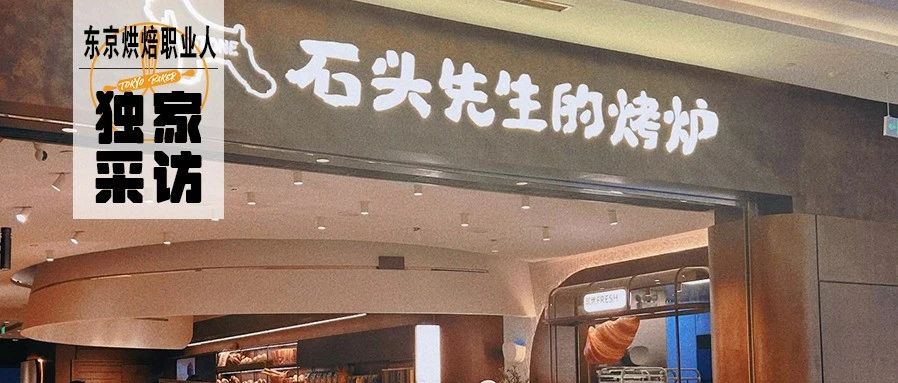
【独家专访】「石头先生的烤炉」的十年答卷:面包从未辜负热爱者
东京烘焙职业人· 2025-08-06 08:33
Core Viewpoint - The article highlights the growth and operational philosophy of "Mr. Stone's Oven," a bakery chain in Shandong, emphasizing its steady expansion, commitment to quality, and community integration without relying on celebrity endorsements or rapid scaling [3][7][27]. Group 1: Company Growth and Strategy - "Mr. Stone's Oven" has established over 60 stores in more than 20 cities over ten years, focusing on a gradual and stable expansion strategy [7][36]. - The brand aims to penetrate deeper into communities, moving from local shops to major urban centers like Beijing and Shanghai [5][7]. - The company has rejected external capital to avoid overexpansion, adhering to a philosophy of measured growth [27][35]. Group 2: Product and Supply Chain Management - The bakery utilizes a self-built central factory for low-temperature fermentation dough and homemade fillings, enhancing production efficiency and product consistency [9][10]. - The product menu is categorized into three types (A, B, C) to cater to different market segments, allowing flexibility in offerings [10][30]. - The company emphasizes a "non-industrial" approach to baking, focusing on quality ingredients sourced directly from local producers [12][14]. Group 3: Marketing and Consumer Engagement - The brand's marketing strategy prioritizes product quality over aggressive promotions, with a focus on maintaining high standards to ensure repeat purchases [15][36]. - Seasonal limited editions and carefully tested new products are introduced to keep the menu fresh and engaging for consumers [21][22]. - The company has achieved a member repurchase rate of 62%, significantly higher than the industry average, indicating strong customer loyalty [36]. Group 4: Employee Development and Corporate Culture - "Mr. Stone's Oven" invests in employee training through a structured program that allows new hires to become operational within 45 days [24][26]. - The company fosters a supportive work environment, encouraging feedback and providing unique employee benefits, such as paid gaming time [37][40]. - The management philosophy emphasizes respect for craftsmanship and a commitment to maintaining quality in all aspects of the business [41][43].
【书籍专题 · 烘焙门店热销面包与蛋糕】原味牛奶哈斯
东京烘焙职业人· 2025-08-06 08:33
Core Viewpoint - The article provides a detailed recipe for making a specific type of bread, highlighting the ingredients, preparation steps, and the final product's characteristics, emphasizing its suitability for breakfast or as a snack. Ingredients Summary - The recipe includes high-gluten flour (700g), low-gluten flour (300g), salt (20g), yeast (2g), sugar (70g), butter (80g), egg yolk (50g), milk (650g), and natural yeast starter (150g) [2]. Preparation Process Summary - The preparation involves several steps: 1. Accurately measuring dry and wet ingredients separately [3]. 2. Mixing dry ingredients in a mixer, then adding wet ingredients and natural yeast starter, followed by slow and then fast mixing until a dough forms [4]. 3. Incorporating butter after the dough reaches 70% development, then mixing until smooth and shiny [4]. 4. Allowing the dough to rise in a warm environment for about 50 minutes [4]. 5. Dividing the dough into 200g portions, shaping them, and allowing them to rest [4]. 6. Rolling the dough into a rectangular shape, then rolling it up to form a cylinder [4]. 7. A second rise occurs until the dough expands to 1.5-2 times its original size [4]. 8. Brushing the surface with egg wash and scoring it before baking at specified temperatures for 10-15 minutes [5]. Industry Insights - The article also mentions various trends and insights in the baking industry, including the opening of new bakeries and the challenges faced by existing ones, such as the closure of 100,000 bakeries and the strategies of those that remain profitable [8].
疯狂收割商场B1楼的野人先生,是第二个钟薛高吗?
东京烘焙职业人· 2025-08-05 08:33
Core Viewpoint - The ice cream industry in China is undergoing significant changes, with high-priced brands like "钟薛高" facing decline while mid-range brands like "野人先生" are experiencing growth due to shifting consumer preferences towards health and quality [5][13][21]. Market Dynamics - The ice cream market has shifted from being a luxury item to a more accessible product, with historical context showing its evolution from simple ice pops to a diverse range of offerings [6][8][9]. - The entry of foreign brands has transformed the market, leading to a competitive landscape where premium brands like Häagen-Dazs were once seen as the pinnacle of luxury [9][10]. Consumer Behavior - Recent trends indicate that consumers are becoming more price-sensitive, with a significant portion preferring ice cream priced below 15 yuan, reflecting a return to more affordable options [10][11][21]. - Health concerns are influencing consumer choices, leading to a preference for lower-sugar and healthier options, which has contributed to the decline of high-sugar ice creams [12][16]. Brand Performance - "钟薛高" has seen a decline in popularity, with its high-priced offerings failing to sustain consumer interest, while "野人先生" has capitalized on the demand for fresh, hand-crafted gelato at a more reasonable price point [13][14][20]. - "野人先生" has rapidly expanded, becoming a leading player in the gelato market with over 800 stores, focusing on fresh ingredients and innovative flavors [14][17]. Future Outlook - The ice cream industry is entering a phase where quality and price balance will be crucial, with brands needing to innovate rather than compete solely on price to avoid falling into a "low-price trap" [22][26]. - The success of brands like DQ, which have adapted their product offerings and marketing strategies, highlights the importance of continuous innovation and responsiveness to consumer preferences [24][25].
【书籍专题 · 烘焙门店热销面包与蛋糕】油脂的秘密
东京烘焙职业人· 2025-08-05 08:33
Group 1 - The article discusses the different roles of butter and shortening in bread recipes, highlighting that butter provides unique flavor while shortening contributes to a crispier texture [2][3][5] - It emphasizes the importance of using both butter and shortening in a balanced ratio to achieve a desirable flavor and texture in the final product [5] Group 2 - The article explains the optimal state of butter for use in baking, indicating that it should be softened to a specific degree, where it can be pressed slightly without losing its shape [7] - It provides a method to check the softness of butter, ensuring it is neither too hard nor too soft for effective mixing with dough [7] Group 3 - The article advises against using fully melted butter in dough, as it loses its plasticity and can negatively affect the dough's consistency due to moisture separation [9] - It explains that the ideal state for butter in dough mixing is when it is soft but not completely melted, allowing it to blend well with the gluten structure [9]
把法棍拉下神坛?!这事得从恰巴塔诞生说起......
东京烘焙职业人· 2025-08-05 08:33
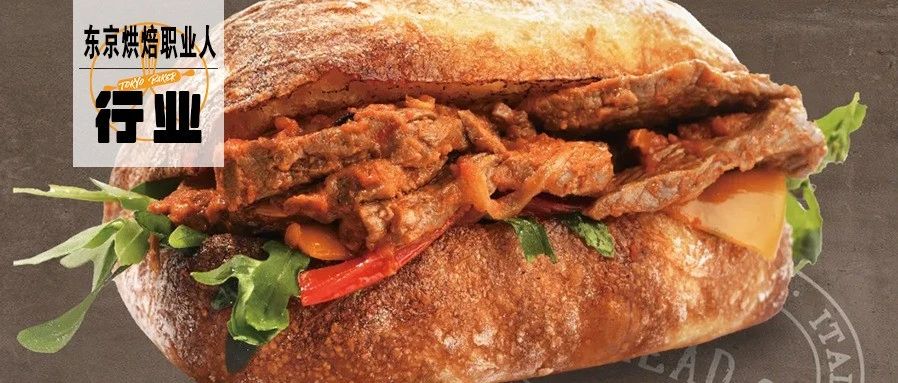
Core Viewpoint - The article discusses the history and global rise of Ciabatta bread, created in Italy in 1982 as a response to the popularity of French baguettes, highlighting its unique characteristics and the marketing efforts that contributed to its international success [1][2][4]. Group 1: Origin and Creation - Ciabatta was invented in 1982 in the northeastern Italian city of Adria as a counter to the dominance of French baguettes in Italy [4][8]. - Arnaldo Cavallari, a rally champion and flour mill owner, initiated the creation of Ciabatta to reclaim Italy's bread market [7][8]. - The name "Ciabatta," meaning "slipper" in Italian, reflects its unique shape and texture, which features a crispy crust and a moist, airy interior [10]. Group 2: Global Expansion - Ciabatta's global success is attributed to health trends and Cavallari's marketing efforts, as he personally taught local bakers how to make Ciabatta across Italy [12][14]. - The bread first entered the UK market in 1985 through a partnership with Marks & Spencer, and later in 1987, it was introduced to the US as a high-end artisan bread [16][18]. - The 1990s saw Ciabatta become synonymous with Panini sandwiches, further popularized by marketing campaigns and events like the Milan Expo [18][20]. Group 3: Modern Developments - In the 2010s, Ciabatta gained traction in China, particularly in urban areas, as health-conscious consumers favored its high hydration and simple ingredients [27][29]. - The introduction of frozen Ciabatta products made it more accessible, with brands like La Famiglia achieving significant market share in Australia [25]. - The article emphasizes that Ciabatta's evolution reflects broader trends in modern dining and the global awakening of bread consciousness [40].
【书籍专题 · 烘焙门店热销面包与蛋糕】提拉米苏蛋糕
东京烘焙职业人· 2025-08-04 08:33
本食谱选自《 烘焙门店热销面包与蛋糕 》 提拉米苏杯子蛋糕 咖啡蛋糕配方: | 全蛋-300克 | 糖粉-275克 | 蛋糕乳化剂-10克 | | --- | --- | --- | | 盐-2.5克 | 低筋面粉-125克 | 泡打粉-1克 | | 56%黑巧-100克 | 速溶咖啡粉-20克 | 黄油(化开)-175克 | 小贴士: 1.在制作之前将黄油和巧克力混合,隔水化开,备用。 制作过程: 1.将全蛋、糖粉、蛋糕乳化剂混合乳化:加入盐、低面粉、泡打粉,搅拌均匀。 2.加入化开的黑巧克力和黄油混合物、速溶咖啡粉,混合拌匀,备用。 提拉米苏蛋糕配方: | 奶油奶酪-300克 | 糖粉-65克 | 全蛋-10克 | | --- | --- | --- | | 泡打粉-2.5克 | 低筋面粉-10克 | | 制作过程: 1.将奶油奶酪和糖粉搅拌混合至光滑状态,加入全蛋、低筋面粉、泡打粉,混合均匀成芝士蛋糕面糊,备用。 2.将芝士面糊倒入杯子蛋糕的右边部分至1/3 的高度,将咖啡蛋糕的面糊倒入左边部分至1/3 的高度。 3.蒸7分钟后出炉,将咖啡蛋糕面糊倒在芝士蛋糕的上面至 2/3 的高度,另半边倒入芝士蛋糕 ...

你的面包我的面包好像都一样...同质化市场下如何破局?
东京烘焙职业人· 2025-08-04 08:33
Core Viewpoint - The baking market is facing severe homogenization competition, leading to increased costs in product development and rapid saturation of popular products, resulting in price wars among bakeries [2][3]. Group 1: Market Challenges - The primary challenge for bakeries is the intense homogenization of products, which leads to a lack of innovation and increased competition on price [2][5]. - Many brand owners acknowledge the issue of market homogenization and seek effective strategies to break through this challenge [5][6]. Group 2: Product vs. Commodity - There is a distinction between products and commodities; consumers do not just seek products but solutions to their needs [10][11]. - The transaction value of a product is not solely determined by its inherent qualities but also by the overall consumer experience, including service and ambiance [12][13]. Group 3: Strategies for Differentiation - Successful brands achieve profitability through product differentiation, which can be achieved via pricing strategies, marketing, and unique consumer experiences [15][16]. - Pricing differentiation can involve creating a series of price points to capture different market segments and enhance brand recall [18]. - Marketing strategies can desensitize consumers to price, using low-cost items to attract customers and guide them to higher-value products [19]. Group 4: Channel Differentiation - Emerging brands utilize various channels to reach consumers, including media platforms, transaction platforms, and private traffic channels [23][24]. - Media platforms help shape brand image and communicate how products meet consumer needs, while transaction platforms expand reach and enhance credibility through user-generated content [28][31]. Group 5: Scene Differentiation - Creating compelling purchasing scenarios is essential for encouraging consumer spending, with brands telling stories through their products, services, and environments [34][35]. - Successful brands engage in emotional communication with consumers, addressing their deeper needs and concerns beyond just the product itself [36].