FBeauty未来迹

Search documents
林小海变革奏效,上海家化净利润暴涨149%
FBeauty未来迹· 2025-10-27 14:20
Core Viewpoint - Shanghai Jahwa's Q3 2025 performance report shows significant growth in revenue and profit, driven by strategic focus on core brands and online channels [3][4][37] Financial Performance - For the first three quarters of 2025, the company reported revenue of 4.961 billion yuan, a year-on-year increase of 10.8% [3][4] - Net profit reached 405 million yuan, up 149.1% year-on-year, while the net profit excluding non-recurring items was 231 million yuan, reflecting a 92.4% increase [3][4] Product Performance - The beauty segment saw a remarkable 2.7 times year-on-year growth in all-channel revenue, with online sales in domestic business increasing by 1.7 times [3] - Three major billion-yuan products emerged as key growth drivers: Liushen mosquito repellent egg, Yuze second-generation barrier repair cream, and Baicaojis new Seven White mud mask [5][9] Brand Strategy - The company implemented a "four focus" strategy: focusing on core brands, brand building, online channels, and efficiency improvement, leading to a positive brand-driven growth cycle [3][14][37] - Significant brand renovations occurred under this strategy, including the rebranding of Yuze and the introduction of new products targeting younger demographics [14][19][17] Competitive Advantages - Shanghai Jahwa's core competitive advantages include rich brand assets, supply chain advantages, and strong R&D capabilities [29][30] - The company has invested 1.3 billion yuan in R&D in the first nine months of 2025, a 25% increase year-on-year, with cumulative R&D investment nearing 900 million yuan over six years [33][36] Market Position - The company's brands, including Liushen, Yuze, Baicaojie, and others, have shown double-digit growth in transaction volume and value, with some brands experiencing triple-digit growth [27][30]



深度 | 植物愈伤组织,为何今年突然爆火?
FBeauty未来迹· 2025-10-24 11:17
Core Viewpoint - The article highlights the emergence of "plant callus" as a key focus in the cosmetics industry, driven by technological advancements in plant tissue culture, which allows for sustainable and controlled production of rare plant extracts [3][5][16]. Group 1: Industry Trends - Since 2025, plant callus has rapidly become a focal point in the cosmetics sector, with multiple new raw materials being registered, including extracts from high-altitude snow lotus and night-blooming cereus [5][6]. - The registration of plant callus extracts is seen as a significant innovation in raw materials, reflecting a shift towards "green manufacturing" in the beauty industry [4][14]. Group 2: Technological Advancements - Plant callus technology enables the controlled production of active plant ingredients, overcoming challenges associated with traditional extraction methods, such as batch variability and sustainability issues [4][14]. - The technology allows for the regeneration of endangered plants, providing a sustainable alternative to wild harvesting [4][27]. Group 3: Market Dynamics - Major brands like Gu Yu and Shui Yang have successfully registered plant callus extracts, indicating a growing acceptance and investment in this technology within the industry [7][9]. - Collaborations between brands and innovative companies are increasing, as seen with Huaxi Kou and Wei Ming Shi Guang, which have developed anti-aging products using plant callus extracts [9][10]. Group 4: Production and Supply Chain - The plant callus technology allows for year-round, stable production of high-quality, uncontaminated raw materials, addressing the supply chain issues faced by traditional plant sourcing [14][27]. - The ability to produce plant extracts in a controlled environment mitigates risks associated with climate and seasonal variations, ensuring a consistent supply for brands [14][29]. Group 5: Future Directions - The article suggests that the future of plant callus technology lies in its integration with AI and synthetic biology, which could optimize cultivation conditions and enhance production capabilities [32]. - The shift towards sustainable practices in the beauty industry aligns with consumer expectations for environmentally friendly products, positioning plant callus technology as a key player in this transformation [32][33].

深度丨PDRN爆火,线粒体抗衰为何仍未迎来“井喷期”?
FBeauty未来迹· 2025-10-23 14:36
Core Viewpoint - The article discusses the emerging focus on mitochondrial function in anti-aging skincare, highlighting the importance of mitochondria as the "energy factory" of cells and their role in skin health and aging. Despite the potential, the market for mitochondrial-targeted beauty products has not yet reached a peak due to challenges in consumer understanding and scientific communication [3][34]. Group 1: Mitochondrial Function and Aging - Mitochondria are responsible for producing 95% of cellular energy (ATP) and are crucial for skin cell activities. Dysfunction in mitochondrial function is recognized as one of the nine hallmarks of aging [5][8]. - Mitochondrial dysfunction leads to increased production of reactive oxygen species (ROS), which can cause oxidative stress and damage to mitochondrial DNA (mtDNA), ultimately contributing to cellular aging and apoptosis [9][11]. - Aging cells tend to accumulate damaged mitochondria due to reduced autophagic activity, leading to further ROS production and skin issues [11][12]. Group 2: Industry Research and Development - Major beauty companies like L'Oréal, Estée Lauder, and Proya are investing in research related to mitochondrial function and aging, exploring various approaches to enhance mitochondrial efficiency and promote cellular energy production [12][13]. - The beauty industry is focusing on four main strategies: improving mitochondrial production capacity, promoting mitochondrial biogenesis, regulating mitochondrial autophagy, and protecting mitochondria from oxidative stress [13][14]. Group 3: Key Ingredients and Products - PDRN has emerged as a popular ingredient in anti-aging products, with 3,894 brands utilizing it in 16,901 products. PDRN can induce mitochondrial biogenesis and repair damaged mitochondria [21][22]. - Other notable ingredients include Sirtuins, which regulate mitochondrial metabolism, and Urolithin A, recognized for promoting mitochondrial autophagy [20][25]. - Brands are also leveraging established ingredients like niacinamide, which supports mitochondrial energy production by increasing NAD+ levels [25][28]. Group 4: Market Challenges and Future Directions - The mitochondrial anti-aging market is still in its early stages, facing challenges in consumer education and scientific communication. The complexity of mitochondrial science makes it difficult for consumers to grasp its relevance to skincare [34][36]. - There is potential for expansion beyond skincare into areas like hair care and oral beauty, with research indicating that mitochondrial function impacts hair growth and health [28][29]. - The article suggests that as scientific understanding and product development continue to evolve, mitochondrial anti-aging could become a significant focus for beauty companies [30][38].

欧莱雅北亚重回增长轨道,收购阿玛尼是关键下一步
FBeauty未来迹· 2025-10-22 12:35
Core Insights - L'Oréal demonstrated resilience in a turbulent market with a 3.4% year-on-year sales growth to €32.807 billion (approximately ¥271.261 billion) in the first nine months of 2025, with Q3 growth accelerating to 4.9% [2] - The recovery in core markets, particularly in China and the USA, was highlighted, with North Asia achieving positive growth for the first time in two years [2][13] - Strong performance was noted across product categories, with hair care and fragrance leading the way, while makeup rebounded significantly [2][5] - E-commerce channels continued to show double-digit growth, reinforcing L'Oréal's competitive advantage in online sales [2] Financial Performance - Overall sales for the first nine months of 2025 reached €32.807 billion, with a reported growth of 3.4% [12] - By division, Professional Products led with a 7.4% comparable growth, followed by Consumer Products at 3.1%, Luxe at 2.2%, and Dermatological Beauty at 3.7% [12] - Regionally, Europe maintained a steady growth of 3.6%, while emerging markets like SAPMENA-SSA and Latin America saw significant growth rates of 11.0% and 8.2%, respectively [12][13] Market Dynamics - The North Asia region, particularly China, showed a strong recovery with a low single-digit growth in the first nine months and a mid-single-digit growth in Q3, driven by high-end cosmetics and innovative product launches [13][16] - L'Oréal's strategic focus on localized product development for Chinese consumers has been pivotal, with several brands launching tailored products [16][18] Strategic Initiatives - L'Oréal is transitioning from a brand manager to an "ecosystem builder," acquiring new brands and securing beauty and fragrance licenses from luxury brands [19][20] - The company has made significant organizational changes, focusing on talent development and key market strategies, with numerous leadership appointments reflecting a commitment to emerging markets [25][26] Product Innovation - Key product launches in 2025 included high-concentration skincare products tailored for the Chinese market, showcasing L'Oréal's commitment to innovation and local consumer preferences [16][17] - The introduction of new brands and products is part of L'Oréal's strategy to enhance its brand portfolio and meet diverse consumer needs [20][24]
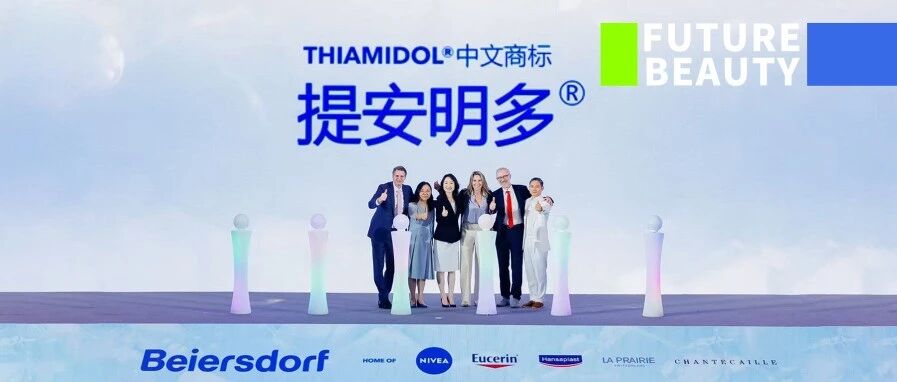
当提安明多®630商标落地,“德国精度”在此刻形成闭环
FBeauty未来迹· 2025-10-22 12:35
Core Viewpoint - Bayer's new product, Thiamidol 630, represents a significant milestone in the integration of global research and local market needs, showcasing a model of innovation that combines "German precision" with "Shanghai speed" [3][4][24]. Group 1: Product Development and Market Integration - Thiamidol 630 is the second new whitening ingredient approved in China and the first to receive approval after the implementation of the Cosmetics Supervision and Administration Regulations in 2021, marking a significant achievement in localizing global innovations [5][24]. - The product's development process, referred to internally as the "211 project," took nine years and reflects Bayer's commitment to thorough research and development [5][11]. - The unveiling of the Chinese trademark for Thiamidol 630 signifies Bayer's deepening integration into the Chinese market and its role as a key node in the company's global research network [5][11][23]. Group 2: Research and Innovation Strategy - Bayer's strategy emphasizes a dual approach of "global innovation + local insight," which drives the company's research and development efforts in China [18][21]. - The company has established a comprehensive research framework that includes basic research, clinical validation, and market transformation, creating a closed-loop system that enhances product efficacy and safety [18][21][26]. - Thiamidol 630's clinical data shows significant improvements in skin conditions after 12 weeks of use, demonstrating its effectiveness and safety compared to traditional whitening agents [16][18]. Group 3: Industry Impact and Future Directions - The successful launch of Thiamidol 630 serves as a model for international brands navigating the Chinese regulatory landscape, providing a pathway for future cross-border research collaborations [26][27]. - The product's introduction is expected to shift industry standards towards more scientifically validated approaches in skincare, moving away from traditional models that rely on less effective ingredients [26][27]. - Bayer's commitment to rigorous scientific validation and consumer safety positions it as a leader in the skincare industry, reinforcing its brand strength and market presence in China [27][28].
激战的双11与静默的前三季
FBeauty未来迹· 2025-10-21 12:07
Core Insights - The 2025 Tmall Double 11 event saw significant sales growth, with 80 brands surpassing 100 million yuan in sales within the first hour, indicating a strong performance from leading brands like Proya and Estée Lauder [3][6] - The promotional strategies have evolved, extending the sales period to over 30 days, with Tmall's pre-sale starting on October 15 and lasting until November 14, marking the longest Double 11 period in history [4][28] - Despite the focus on low prices, competition in content marketing has intensified, with influencers shifting from simple sales pitches to more engaging content that resonates with consumers [4][31] Tmall Performance - Tmall remains the primary platform for brand exposure, with 80 brands achieving over 100 million yuan in sales in the first hour, reinforcing its status as a key battleground for brand performance [6][7] - The pre-sale period saw rapid sales, with Proya reaching 100 million yuan in just one minute, highlighting the platform's effectiveness in driving brand sales [6][7] Douyin Performance - Douyin has emerged as a growth engine, with small influencers contributing over 80% of sales, showcasing the platform's ability to leverage diverse content creators for sales [9][10] - The number of merchants achieving over 100 million yuan in sales through live streaming has increased significantly, indicating a shift towards building sustainable brand presence on the platform [11] Xiaohongshu Performance - Xiaohongshu has successfully created a closed loop from content to transaction, with significant engagement metrics, including over 250 million views on Double 11-related topics within 48 hours [12][13] - The platform's strategy focuses on trust and content-driven marketing, with key influencers achieving high sales volumes, demonstrating the effectiveness of their approach [12][13] Market Trends - The online beauty market has shown a modest growth of 4.8% year-on-year in the first three quarters of 2025, with a notable decline in growth momentum in the third quarter [17][18] - The beauty market is experiencing a shift towards larger brands with strong product and brand power, as consumers become more cautious in their spending [19][22] Category Performance - Fragrance leads the growth among beauty categories with a 17.9% increase, while oral care is the only category showing a decline, indicating a need for new growth stimuli [25][26] - The overall beauty market's performance reflects a bifurcation between slow recovery during regular sales periods and explosive growth during promotional events [32]
从中国到全球,橘宜收购Foltène丰添背后的国际化“新范式”
FBeauty未来迹· 2025-10-21 12:07
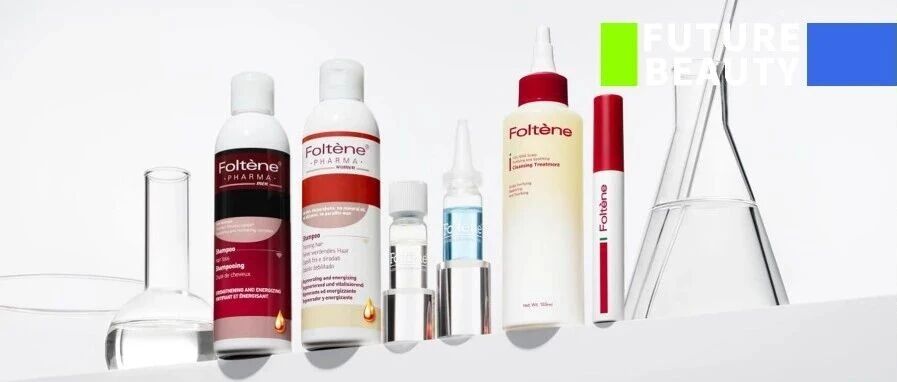
Core Viewpoint - The acquisition of Foltène by Juyi Group marks a significant step in the company's strategic expansion in the hair and scalp care sector, aiming to build a comprehensive brand matrix and enhance its global presence in the beauty industry [4][12][29]. Group 1: Acquisition Details - Juyi Group has completed the acquisition of Foltène, an Italian brand with over 80 years of experience in professional hair loss prevention [4][10]. - Foltène is recognized for its strong scientific background, utilizing patented medical formulations and GMP standards in production [6][9]. - The brand has a clear gender distinction in its product lines, addressing the different causes of hair loss in men and women [9][12]. Group 2: Market Potential - The hair loss prevention market in China is experiencing a significant upward trend, with a projected market size exceeding 600 billion yuan by 2025 [13][15]. - The demand for specialized and high-end hair care products is increasing, as consumers are more willing to invest in effective solutions [15][29]. - Juyi Group's CEO expressed confidence in the long-term potential of the hair and scalp health sector due to rising consumer awareness [13]. Group 3: Strategic Significance - The acquisition is strategically important for Juyi Group as it enhances its multi-brand strategy and fills gaps in the mid-range hair care market [17][29]. - Foltène's integration into Juyi Group's portfolio will create a "dual pillar" in the scalp care and hair loss prevention market alongside the existing brand René Furterer [17][29]. - This move reflects a broader trend among Chinese beauty companies transitioning from single-brand growth to multi-brand and global operations [29]. Group 4: Internationalization Efforts - Juyi Group's acquisition of Foltène signifies a shift towards a more mature understanding of internationalization in the beauty sector, moving beyond merely importing brands [19][29]. - The company has established a strong international presence, with operations in markets such as Singapore, Indonesia, and the Middle East, and has seen significant growth in overseas sales [28][29]. - Juyi Group's successful management of the René Furterer brand in China demonstrates its capability to operate international brands effectively [23][29].
深度|联合利华如何用科研“激活”美护DNA?
FBeauty未来迹· 2025-10-20 15:11
Core Insights - Unilever is actively expanding its presence in the Chinese beauty market, showcasing innovative products at the recent 2025 CAME event, including AHC's "salmon water glow" essence and Vaseline's upgraded "snow melting cream" series [2][5] - The company's global beauty and health segment reported sales of €13.2 billion (approximately ¥108.98 billion) last year, indicating its significant market position [3][4] - Unilever's strategic focus under new CEO Fernando Fernandez emphasizes a "shrink and focus" approach, concentrating on 30 core brands and 24 key markets, which contributed over 75% of the group's revenue in 2024 [7][25] Financial Performance - In 2024, Unilever's global revenue reached €60.8 billion, with a profit margin of 15.5%, while the beauty and health segment saw a 5.5% year-on-year increase in sales to €13.2 billion [4] - The company's operating profit margin for the beauty and health segment was 15.0%, reflecting a decline from 17.7% in 2023 [4] Product Innovation and R&D - Unilever's commitment to R&D is evident, with annual investments exceeding ¥8 billion, positioning it as a leader in the global personal care industry [16] - The introduction of Vaseline's "snow melting cream" and AHC's "water glow essence" reflects a deep understanding of consumer needs, with a focus on lightweight and effective skincare solutions [9][10] - AHC's new product line leverages advanced technology to meet consumer demand for high-quality skincare without the drawbacks of traditional treatments [11][13] Market Strategy - Unilever's unified R&D philosophy emphasizes patent technology to build competitive advantages while respecting brand heritage, allowing for distinct brand identities [14][31] - The company has developed a comprehensive AI-driven R&D framework, significantly reducing product development timelines, with 75% of projects in China completed within 6-10 months [23][29] - Unilever's marketing strategy, encapsulated in the "SASSY" framework, focuses on scientific credibility, aesthetic appeal, sensory experiences, community recognition, and a youthful spirit to resonate with consumers [31][32] Localization and Global Impact - Unilever's Shanghai R&D center plays a crucial role in global innovation, with a focus on local market insights and consumer needs, enhancing its competitive edge [27][30] - The company's ability to translate local consumer insights into global innovations positions it as a key player in the beauty industry, with a strong emphasis on long-term sustainability and consumer engagement [32][33]


欧莱雅332亿拿下开云美妆,全球美妆加速洗牌
FBeauty未来迹· 2025-10-20 15:11
Core Insights - Kering Group and L'Oréal Group announced a long-term strategic partnership in the luxury beauty and health sector, involving a total transaction value of €4 billion (approximately ¥33.25 billion) for the sale of the Creed brand and licensing of iconic brands, expected to be completed in the first half of 2026 [1][5][6] - This collaboration reflects a significant transformation in the beauty industry, where leading groups are restructuring the competitive landscape through "selling non-core assets" and "targeted acquisitions" [1][5] Partnership Details - The agreement includes three main components: L'Oréal's acquisition of the Creed brand, obtaining beauty and fragrance licenses for several Kering brands, and the establishment of a joint venture to explore business opportunities in health and longevity [5][6] - L'Oréal will receive exclusive licenses for Gucci, Bottega Veneta, and Balenciaga's beauty and fragrance lines, with immediate effect for Bottega Veneta and Balenciaga after the transaction, while Gucci's license will commence after the expiration of the current agreement with Coty [5][6] Strategic Focus - Kering's CEO Luca de Meo emphasized the aim to focus on core strengths in brand creativity and appeal, while allowing a professional partner to manage the beauty business and explore new health avenues [7][10] - For L'Oréal, this partnership not only solidifies its leading position in luxury beauty but also opens growth opportunities in niche fragrances and health sectors [7][10] Industry Trends - The beauty sector is witnessing a trend of major companies divesting and restructuring to focus on core businesses and enhance profitability, as seen with Unilever and Coty [12][14][19] - The global beauty market's top rankings are shifting, with L'Oréal maintaining its lead, while Coty has dropped in rankings due to strategic evaluations and divestitures [20][21][22] Market Dynamics - The competitive landscape is intensifying, with top companies like L'Oréal recognized for their luxury beauty operational capabilities, while smaller brands face increasing pressure [22][23] - Emerging local brands, such as Proya, are also making strides in the global market, indicating a potential shift in market dynamics as larger companies focus on high-margin and differentiated products [23]


从完美日记的三重“破局”,看国货美妆如何向全球进发
FBeauty未来迹· 2025-10-20 15:11
Core Viewpoint - Chinese beauty brand Perfect Diary is not only chasing trends but is also leading them, reshaping the global beauty landscape through technology-driven innovation and cultural resonance [5]. Group 1: Technological Advancements - Perfect Diary has made significant breakthroughs in the "makeup-nourishing technology" field, with the third-generation bionic membrane technology (Biotec™) being a core driver of the brand's growth [7]. - The third-generation technology integrates five Nobel Prize-related technologies and has resulted in seven core patents, showcasing a systematic research iteration framework [7]. - The "Bionic Membrane Essence Lipstick," utilizing this technology, has sold over 6 million units globally, generating over 800 million RMB in sales, making it the top-selling lipstick brand in China [10]. Group 2: Global Recognition and Cultural Integration - Perfect Diary showcased its third-generation technology at the International Federation of Societies of Cosmetic Chemists (IFSCC) in September 2025, marking a shift from one-way technology releases to two-way academic dialogue [8]. - The brand participated in the "Paris Partners" program, gaining international recognition for its bionic membrane technology and makeup aesthetics [14]. - A collaboration with the animated IP "Nezha: Birth of the Demon Child" resulted in a beauty series that embodies the spirit of innovation and cultural identity [18][19]. Group 3: Consumer-Centric Innovations - The launch of the "Bionic Membrane™" star set, which includes a bionic membrane essence lipstick, foundation, and cream, aims to provide consumers with a comprehensive makeup-nourishing solution [21]. - An immersive exhibition titled "Change Scene Without Changing Makeup" was held to demonstrate the practical effects of the star set in daily life, showcasing the modernized expression of Eastern beauty aesthetics [23]. - Perfect Diary has established itself as a trendsetter by releasing the first "makeup-nourishing" research report in 2024 and collaborating with "ELLE" to publish insights on global beauty trends in 2025 [23]. Group 4: Industry Impact and Future Outlook - The brand's approach combines technological strength, cultural resonance, and standardized systems to build industry authority, reflecting the broader narrative of Chinese beauty brands moving towards globalization [24]. - The transformation from "Made in China" to "Created by China" signifies a pivotal moment for Chinese beauty brands, gaining global visibility and respect [24].