经济观察报

Search documents
为什么税收增速跟不上GDP增速?
经济观察报· 2025-07-04 14:41
Core Viewpoint - The narrowing decline in tax revenue indicates a stabilizing Chinese economy, but the divergence between GDP and tax revenue continues to widen, with a projected gap of -8.4% in 2024 and -8.9% in Q1 2025 without significant tax cuts [1][2]. Tax Revenue Trends - In the first five months of 2025, national tax revenue reached 79,156 billion yuan, a decline of 1.6%, with the drop narrowing by 0.5 percentage points compared to the previous months [2]. - Different tax categories showed varied performance: domestic VAT, consumption tax, and personal income tax increased year-on-year, while import VAT, tariffs, and corporate income tax decreased [2]. Economic Factors Influencing Tax Revenue - The divergence between tax revenue and GDP growth is attributed to multiple factors, including macroeconomic price influences and structural industry changes [3]. - The GDP data reflects real growth excluding price effects, while tax revenue includes price changes, leading to discrepancies, especially in a low inflation environment [5]. PPI Impact - The Producer Price Index (PPI) has a significant effect on tax revenue, with a negative PPI contributing to lower nominal GDP growth and affecting tax bases for VAT and corporate income tax [7][9]. - In May, PPI fell by 0.4% month-on-month and 3.3% year-on-year, impacting tax revenue from value-added and corporate income taxes due to lower product prices [9][10]. Corporate Income Tax Trends - Corporate income tax revenue declined by 2.5% year-on-year in the first five months of 2025, with a projected annual decrease of 0.5% for 2024, primarily due to shrinking corporate profits [11]. - Factors contributing to profit contraction include PPI pressure, slowing demand, and the impact of tax incentives on taxable profits [12][13]. Structural Changes in Industries - Tax revenue is highly concentrated in a few industries, such as manufacturing and real estate, which are currently undergoing adjustments, affecting overall tax contributions [15]. - The transition from traditional fuel vehicles to electric vehicles is altering the tax base, as many new energy vehicle companies are not yet profitable, leading to reduced corporate income tax contributions [15]. Personal Income Tax Recovery - Personal income tax revenue increased by 8.2% year-on-year in the first five months of 2025, driven by economic recovery, improved tax administration, and increased income from financial market activities [18][19]. - The growth in personal income tax is supported by the rebound in service industries and contributions from flexible employment and emerging professions [19].


折叠屏供应链“等待苹果”
经济观察报· 2025-07-04 11:51
Core Viewpoint - The entry of Apple into the foldable smartphone market in 2026 is expected to redefine the rules, value distribution, and the overall shape of the category, creating significant anticipation among supply chain companies [1][4]. Group 1: Market Dynamics - The domestic foldable smartphone market has recently become active, with major releases from brands like Honor, Vivo, and Samsung, leading to a surge in related A-share stocks [2]. - The anticipation of Apple's entry has contributed to a rally in the consumer electronics sector, with companies like Lens Technology and Luxshare Precision seeing significant stock price increases [2]. - Analysts predict that Apple will begin mass production of its foldable iPhone in late 2026, with initial shipments expected to be in the millions [3]. Group 2: Current Market Challenges - The foldable smartphone market is currently experiencing a bottleneck, with many brands adopting a conservative approach and reducing their product lines [6]. - User growth has plateaued due to inherent issues such as creases, quality, price, and lower specifications compared to traditional smartphones, leading to a trend of users returning to standard devices after initial trials [6][9]. - Global data indicates a slowdown in foldable smartphone shipments, with a mere 9% year-on-year growth expected in Q1 2025, contrasting sharply with previous explosive growth rates [7]. Group 3: High-End Market Trends - Despite the overall smartphone market stagnating, high-end smartphones priced above 5000 yuan are seeing stable growth, with projections indicating a significant increase in sales [7]. - The penetration rate of foldable smartphones is expected to rise from 2.5% in 2023 to 4.2% in 2024, indicating a gradual acceptance in the high-end segment [8]. Group 4: Anticipation of Apple's Entry - Industry insiders believe that Apple's entry could lead to a significant increase in foldable smartphone sales, with 2026 being a pivotal year for the market [4][10]. - Apple's strategy of waiting for technology and supply chains to mature before entering the market is seen as a prudent approach, allowing it to leverage existing supply chain capabilities for better cost and quality management [12][13]. Group 5: Technical Challenges and Innovations - The high technical barriers in the foldable smartphone supply chain, particularly in precision manufacturing, new materials, and display technology, pose significant challenges [13][14]. - The cost structure of foldable smartphones is heavily influenced by the high-value components such as flexible screens and complex hinge mechanisms, which are critical to their functionality [14][15]. - Chinese supply chain companies are actively working to overcome these challenges, with advancements in materials and manufacturing processes being reported [15]. Group 6: User Experience and Market Expectations - The industry is shifting focus from merely producing foldable devices to ensuring they provide a satisfactory user experience, as many current models are perceived as "beautiful but impractical" [19][20]. - Apple's potential to enhance user experience through software optimization and ecosystem integration is viewed as a key factor that could drive the success of foldable smartphones [20][21]. - The need for a collaborative development model between brands and suppliers is emphasized, as the complexity of foldable technology requires joint efforts in research and development [22][23]. Group 7: Future Market Predictions - The entry of Apple is anticipated to either revolutionize the foldable smartphone market or solidify existing high-end market dynamics, depending on how well it addresses current hardware challenges [24]. - There are differing opinions on the future evolution of foldable smartphones, with some experts predicting new form factors like triple-fold or rollable designs, while others believe the focus will remain on optimizing existing shapes [25].


中年再就业
经济观察报· 2025-07-04 11:30
Core Viewpoint - The article highlights the experiences of middle-aged individuals, Wang Yong and Wang Jin, who faced job loss and successfully transitioned into new careers, showcasing resilience and adaptability in challenging circumstances [1][3]. Group 1: Wang Yong's Experience - Wang Yong, a 45-year-old real estate professional, was laid off due to the industry's downturn, which saw significant job cuts and project halts [2][5]. - After being laid off, Wang Yong initially struggled with feelings of inadequacy and anxiety about finding new employment, especially given his age and the shrinking job market [8][9]. - Through networking and leveraging his professional connections, Wang Yong secured a position as a department head in a city investment company, demonstrating the importance of maintaining industry relationships [22][28]. Group 2: Wang Jin's Journey - Wang Jin left her seven-year career in finance to pursue a role in health product sales, finding greater satisfaction in her new path despite initial struggles with mental health and personal challenges [10][32]. - After experiencing severe postpartum depression and a divorce, Wang Jin moved to a quieter environment, which aided her recovery and allowed her to explore new opportunities [15][13]. - Despite setbacks in her initial attempts at entrepreneurship, Wang Jin's resilience led her to discover a passion for sales in the health sector, indicating the significance of aligning career choices with personal interests [18][34]. Group 3: Broader Implications - The experiences of both individuals reflect a broader trend of middle-aged professionals navigating career transitions amid economic challenges, emphasizing the need for adaptability and continuous learning [35]. - The article suggests that many companies are facing talent shortages, indicating potential opportunities for skilled individuals to re-enter the workforce [35].

新能源品牌半年销量战绩:中高端表现分化,20万以下市场增长明显
经济观察报· 2025-07-04 10:22
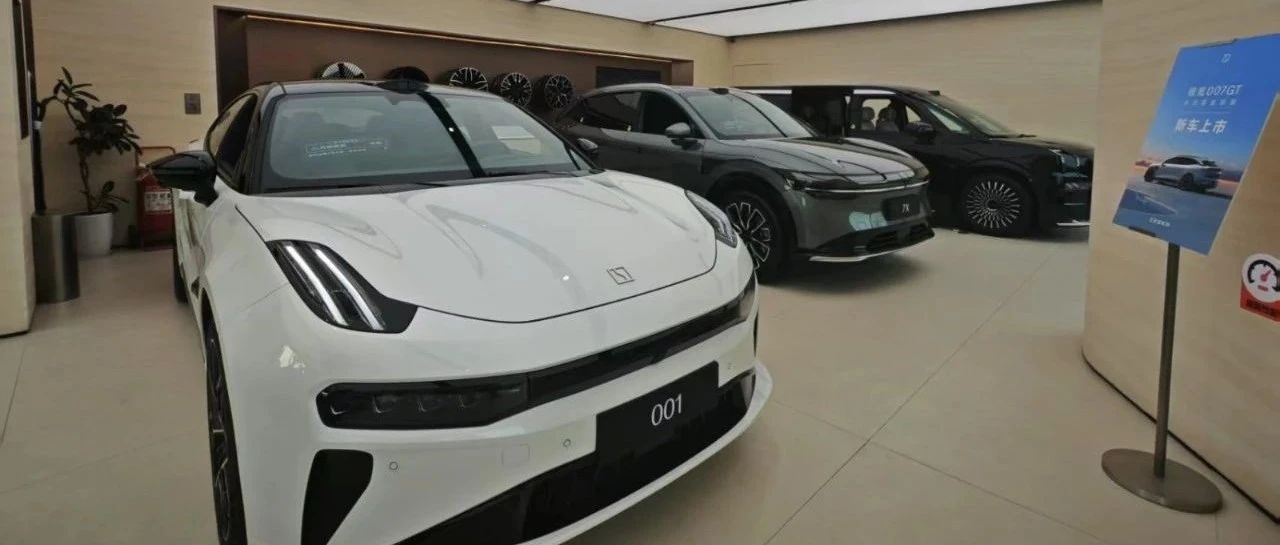
Core Viewpoint - The article highlights the divergent sales trends among various automotive brands in China, particularly focusing on the performance of brands based on their average selling prices, with lower-priced brands experiencing significant growth while higher-end brands face challenges [2][11]. Group 1: High-End Brands Performance - In the high-end segment (average price above 300,000 yuan), AITO's total deliveries in June reached 44,700 units, a year-on-year increase of 4.45% [3]. - Li Auto delivered 36,300 vehicles in June, a decline of 24.06% year-on-year, with a total of 203,900 units delivered in the first half of the year, up 7.91% [3]. - NIO delivered 14,600 vehicles in June, a year-on-year increase of 17.52%, but saw a 3.03% decline in total deliveries for the first half of the year [3]. - Lantu Automotive achieved over 10,000 units in June, marking an 83% increase year-on-year, with a total of 56,100 units delivered in the first half, up 85% [4]. - The performance of other high-end brands like Equation Leopard and Tengshi also showed significant growth, with Equation Leopard's June sales up 605.3% year-on-year [6]. Group 2: Mid-Range Brands Performance - In the mid-range segment (average price between 200,000 and 300,000 yuan), Xiaomi Auto delivered over 25,000 units in June, up from over 10,000 units last year, with a total of over 150,000 units delivered in the first half [10]. - Zeekr's sales in June were 16,700 units, a year-on-year decline of 16.93%, with a total of 90,700 units delivered in the first half, up 3.27% [8]. - Avita's June deliveries reached 10,000 units, reflecting a 117% year-on-year increase [10]. Group 3: Low-End Brands Performance - In the low-end segment (average price below 200,000 yuan), Leap Motor delivered 48,000 units in June, a year-on-year increase of over 138%, with a total of 221,700 units delivered in the first half, up 155.68% [11]. - Xiaopeng Motors delivered 34,600 units in June, a year-on-year increase of 224%, with a total of 197,200 units delivered in the first half, up 279% [11]. - Deep Blue Automotive achieved deliveries of 29,900 units in June, a 79% increase year-on-year, with a total of 143,200 units delivered in the first half, up 70.81% [12].


倾听尼山2025|郑长忠:现代家庭传承文化并非对传统简单复刻
经济观察报· 2025-07-04 10:22
这个世界如何才能做到各美其美、美美与共,不同的文明如何相处和互鉴,人类才能拥有更好 的未来?结合本次论坛的主题和各项分议题,经济观察报采访了来自不同国家和地区的学者与 专家,以下是来自他(她)们的观察、思考和期望。 复旦大学政党建设与国家发展研究中心主任、教授郑长忠,长期深耕家庭形态与社会发展研究领 域,他凭借深厚的学术积淀与敏锐的现实洞察力,从政治学、社会学等多元视角剖析家庭与国家、 从2010年9月创立至今,尼山论坛汇集全球专家学者,汇聚世界文明智慧,共同为解决人类社 会普遍存在的问题、为人类文明的未来发展贡献智慧,正日益成为世界了解中国的重要窗口、 文明交流互鉴的重要平台、凝聚人类文明共识的重要纽带。 当下,全球政治冲突频发、各国之间经贸壁垒陡增,不同文明之间的对话显得尤为迫切。 本届尼山论坛的主题是"各美其美·美美与共——文明间关系与全球现代化",并设置了"文明的 起源与未来发展""儒家文化的世界意义和时代价值""齐鲁文化与世界文明""在全球现代化进 程中成人之美""文明视野下的家庭意义与社会发展""人工智能发展与人类文明走向"等多项分 议题。 编者按 2025年7月9日至10日,第十一届尼山世界文明 ...

顾家重塑顾家
经济观察报· 2025-07-04 10:22
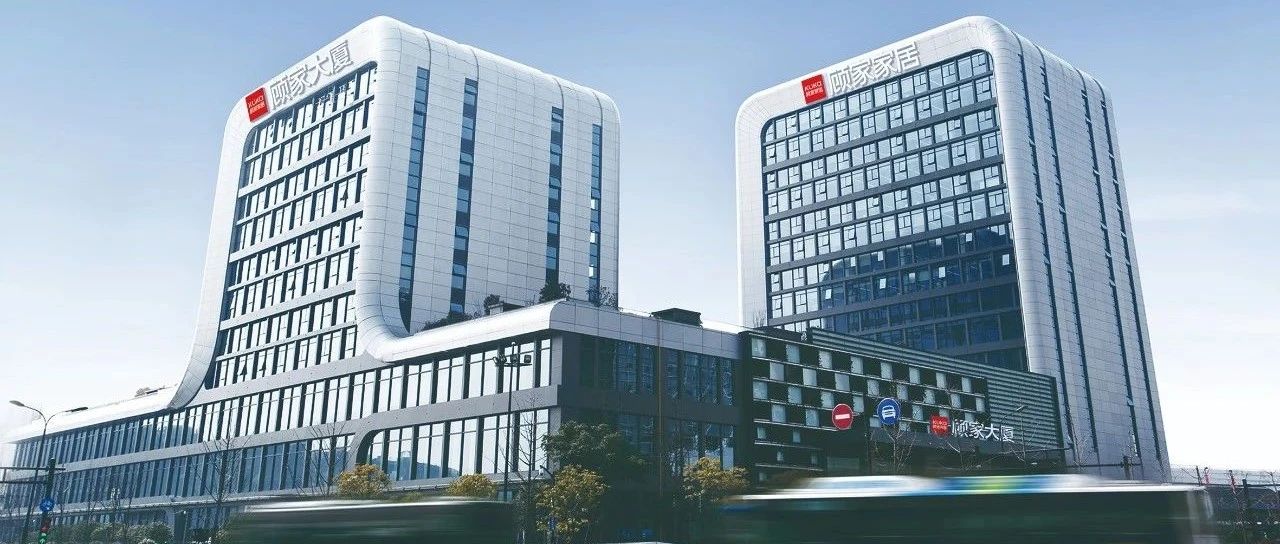
Core Viewpoint - The article emphasizes that Kuka Home is transforming from a real estate supplier to a lifestyle leader, focusing on user value and retail transformation to drive sustainable growth [1][7]. Group 1: Historical Context and Market Dynamics - Kuka Home originated from a small furniture company established in the 1990s, which has now become a leading player in the home furnishing industry [2]. - The home furnishing market in China has seen a significant decline, with new home sales dropping by 40% compared to peak levels, leading to a cautious consumer approach towards home purchases [2][3]. - The top five home furnishing companies in China hold less than 15% market share, indicating a fragmented market with structural opportunities for growth [3]. Group 2: User-Centric Approach and Business Transformation - Kuka Home is shifting its focus to user value, aiming to redefine its role from a real estate supplier to a lifestyle leader, emphasizing long-term value creation [7][8]. - The company is undergoing a transformation that includes digital capabilities enhancement and a new business paradigm centered around user insights [4][8]. - Kuka Home's strategy involves a comprehensive capability building and organizational change to align with user needs, including digital marketing, product design, and supply chain management [8][9]. Group 3: Product Innovation and Market Adaptation - Kuka Home has successfully transitioned from fixed sofas to functional sofas, overcoming significant industry barriers and establishing a unique technological advantage in the functional sofa category [12][15]. - The company has invested heavily in R&D, drawing inspiration from the automotive industry to innovate its product offerings [14][15]. - The growth of functional sofas has been promising, with continuous investment expected to enhance future development prospects [16]. Group 4: Integrated Value Chain and User Experience - Kuka Home is implementing a value chain integration strategy to enhance user experience across different product lines, focusing on holistic home solutions [24][25]. - The company aims to provide deep service through its integrated approach, enhancing customer relationships and overall user value [29][30]. - The establishment of a comprehensive infrastructure, including AI design platforms and efficient delivery systems, is crucial for maintaining high service quality [31][33]. Group 5: Retail Transformation and Operational Efficiency - Kuka Home is transitioning from a wholesale model to a retail-oriented approach, emphasizing end-user sales performance as a key metric [39][50]. - The company has developed several foundational systems to support its retail transformation, including a user marketing system and a retail distribution system [41][43]. - The integration of data-driven decision-making processes is expected to enhance operational efficiency and improve customer engagement [48][49]. Group 6: Global Expansion and Strategic Partnerships - In 2024, Kuka Home's revenue from domestic and international markets was 9.4 billion and 8.4 billion respectively, with international revenue showing an 11% increase [53]. - The company has established production bases in Vietnam, Mexico, and the United States, aiming to leverage local manufacturing capabilities for global expansion [55][56]. - Kuka Home is shifting from OEM/ODM to OBM strategies, targeting higher-end markets and enhancing brand influence in emerging markets [58][59]. Group 7: Governance and Long-Term Strategy - The governance structure of Kuka Home allows for significant autonomy for the management team to drive transformation, with a focus on strategic clarity and long-term goals [60][63]. - The company is committed to a long-term investment strategy in infrastructure and technology, which may not yield immediate profits but is essential for industry restructuring [63][64]. - Kuka Home's approach emphasizes user demand as a guiding principle for its strategic decisions, aiming to build a sustainable and resilient business model [66].

对话顾家家居高管团队:重新定义家居存量时代
经济观察报· 2025-07-04 10:22
Core Viewpoint - The future sustainable growth of the home furnishing industry must focus on creating long-term value centered around users, moving away from short-term strategies like expanding product categories and aggressive promotions [1][11]. Group 1: Industry Context - The home furnishing industry is undergoing significant changes due to the deep restructuring of the real estate sector, which has heavily impacted related industries [2]. - The industry has transitioned from a "parasitic" model reliant on real estate to a more independent approach, especially as new housing transactions have plummeted [8][9]. Group 2: Company Strategy - Gujia Home (603816.SH) is positioned as a stable player in the home furnishing sector, with consistent revenue growth and a solid cash flow, indicating potential for transformative changes [3]. - The company is moving away from traditional wholesale models to a retail transformation that directly addresses user value, which involves a comprehensive restructuring of its dealer and supplier systems [3][15]. Group 3: Market Dynamics - The home furnishing industry is characterized by a fragmented market with increasing competition and a shift in consumer demand towards more personalized and diverse needs [9][10]. - The past reliance on promotional strategies is no longer effective; understanding and addressing the real needs of consumers has become crucial [9][10]. Group 4: Consumer Behavior - Recent consumer trends indicate a slowdown in transactions, with buyers seeking better quality products at lower prices, reflecting a shift in purchasing behavior [34]. - The increase in product factory prices over the past two years suggests an improvement in supply quality, despite a decrease in overall demand [35]. Group 5: Retail Transformation - Gujia's retail transformation has been ongoing for seven years, focusing on building a user-centered approach rather than a factory-centered one [15][46]. - The company is implementing a digital platform, iKUKA, to enhance retail operations and improve efficiency by connecting directly with consumers [48]. Group 6: Strategic Focus - Gujia aims to redefine itself from merely selling furniture to becoming a brand that leads lifestyle choices, emphasizing a gradual approach from single products to comprehensive lifestyle solutions [19][20]. - The company is focusing on three strategic categories: sofas, mattresses, and customization, which are expected to drive significant revenue growth [26][27]. Group 7: International Expansion - Gujia's overseas business is projected to contribute nearly half of its revenue by 2024, with a focus on developing markets in Southeast Asia and Central Asia [55]. - The company is adopting a focused approach to international expansion, ensuring that resources are aligned to support marketing and sales efforts in strategic countries [56][57]. Group 8: Long-term Value Creation - The company emphasizes the importance of strategic assets and contributions that create long-term value, rather than short-term financial metrics [60][62]. - Gujia's management is committed to maintaining a balance between immediate business performance and long-term capability building, ensuring that strategic initiatives are not compromised during challenging times [63][64].

风波中的可复美:囤货积压、达人离场
经济观察报· 2025-07-03 10:52
Core Viewpoint - The article discusses the significant decline in sales of the collagen product "可复美胶原棒2.0" from 巨子生物 (Juzi Biological) due to quality concerns raised by external parties, leading to a 60% to 70% drop in orders for individual distributors like 李吉 [1][5][11]. Group 1: Sales Performance and Market Impact - Sales of 可复美胶原棒2.0 have plummeted, with 李吉 reporting that he could sell 200 boxes a day before the controversy, but now only a few boxes per week [1][5][11]. - The product's sales during the critical "6·18" shopping festival saw a decline, marking the first drop in rankings for 可复美 in three years [7][19]. - The overall GMV for 可复美 during "6·18" was significantly lower than in previous years, with sales post-May 24 contributing only 29.2% of the total [18][19]. Group 2: Company Background and Financials - 巨子生物's revenue from 可复美 in 2024 is projected to be 45.4 billion yuan, accounting for 82% of the company's total revenue [3]. - The company has maintained a strong growth trajectory, with a compound annual growth rate of 52.8% in revenue from 2022 to 2024 [23]. - Despite the recent challenges, the management has stated that they will maintain their performance targets for 2025 [8][22]. Group 3: Market Reactions and Future Outlook - The controversy has led to a reduction in the number of influencers promoting 可复美, with a 32% decrease in the number of key opinion leaders during "6·18" compared to previous years [16]. - 李吉 and other distributors are currently in a wait-and-see mode, monitoring the situation and considering diversifying their product offerings [29]. - 巨子生物's stock has experienced volatility, with significant share buybacks by its major shareholder following the price drop [29][30].

25亿元买机器人企业 海尔意在重构工业互联网版图?
经济观察报· 2025-07-03 10:52
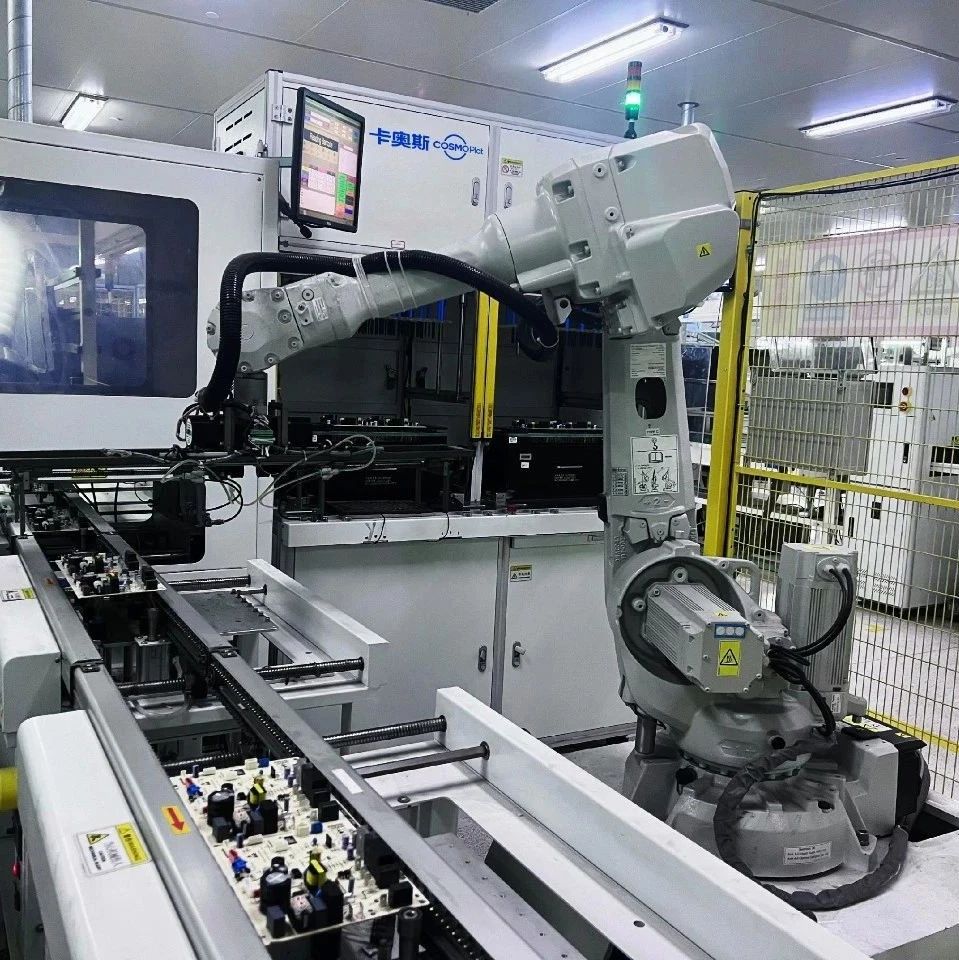
Core Viewpoint - The acquisition of Shanghai New Times Electric Co., Ltd. by Haier for over 2.5 billion yuan is aimed at enhancing Haier's hardware capabilities within the context of building the COSMOPlat industrial internet ecosystem [2][5]. Group 1: Acquisition Rationale - Haier's strategic investment in New Times is part of its transition from a home appliance manufacturer to an industrial ecosystem builder, focusing on industrial automation and domestic substitution strategies [3][5]. - New Times has significant technological expertise in industrial automation hardware, which will complement Haier's existing software capabilities on the COSMOPlat platform [3][6]. - The acquisition is expected to help both companies break industry barriers and reshape the competitive landscape of the industrial internet sector through a differentiated approach of hardware integration and software ecosystem collaboration [3][10]. Group 2: Financial Context - New Times has faced financial challenges, reporting cumulative losses exceeding 1.7 billion yuan over the past three years, with revenues of 3.097 billion yuan, 3.387 billion yuan, and 3.357 billion yuan from 2022 to 2024 [12][14]. - The acquisition provides New Times with much-needed financial support and access to Haier's global market channels and international R&D resources [10][12]. Group 3: Integration Strategy - Haier plans to integrate New Times through three main dimensions: strategic positioning, supply chain collaboration, and technological fusion [12][14]. - The initial focus will be on redefining New Times as an "industrial automation solution service provider" and implementing Haier's "user-centric" management model to enhance operational efficiency [14][15]. - Haier aims to leverage its procurement and manufacturing advantages to optimize New Times' cost structure and improve operational efficiency [15]. Group 4: Industry Context - The Chinese industrial internet market is projected to reach 1.48625 trillion yuan by 2026, indicating a significant growth opportunity for companies like Haier and New Times [8]. - The acquisition aligns with Haier's broader strategy to establish a digital economy ecosystem, emphasizing the importance of integrating artificial intelligence and robotics into various applications [20][22]. - Haier's dual focus on industrial and household robotics positions it competitively against other major players in the market, such as Midea and Gree, who are also pursuing differentiated strategies in the robotics sector [22][23].


李想造车十年,一位“偏执狂”的爆款逻辑与未竟之战
经济观察报· 2025-07-03 10:52
Core Viewpoint - The article highlights the entrepreneurial journey of Li Xiang, founder of Li Auto, emphasizing his philosophy of "controlling one's destiny and challenging the limits of growth" as a guiding principle throughout his career [2][36]. Group 1: Early Career and Challenges - In 1997, Li Xiang started his first venture, "显卡之家" (Graphics Card Home), showcasing remarkable insight and execution, leading to significant traffic and revenue growth [4]. - By 2000, the website was rebranded as "泡泡网" (PaoPao.com), achieving over 20 million in annual revenue and a valuation exceeding 200 million [4]. - The SARS outbreak in 2003 led to a crisis where 95% of employees resigned, prompting Li to realize the importance of team dynamics and human resource management [5][6]. Group 2: Transition to Automotive Industry - In 2004, sensing a ceiling in the IT industry, Li decided to pivot to the automotive sector, launching "汽车之家" (Autohome) in 2005, targeting novice car buyers rather than enthusiasts [6][7]. - Despite initial losses, the company faced a severe cash flow crisis during the 2008 financial crisis, leading to a critical decision to bring in external investment to maintain control and ensure survival [6][7]. Group 3: Founding of Li Auto - In 2018, amidst financial strain, Li Auto began developing the "理想ONE" (Li ONE), focusing on family-oriented features that traditional automakers overlooked [9][11]. - The decision to adopt a range-extended electric vehicle (REEV) technology was met with skepticism but was based on a deep understanding of family user needs, addressing long-distance travel concerns [12][13]. Group 4: Product Development and Innovation - Li Auto's product strategy emphasizes a "full configuration" approach, avoiding traditional optional features to enhance user experience and maintain equity [18][19]. - The company achieved significant milestones, including the launch of the world's first mass-produced vehicle with four-zone voice recognition technology [14][19]. Group 5: Recent Developments and Future Strategy - By 2024, Li Auto aims to expand its product lineup significantly, achieving over 1 million vehicle deliveries and introducing multiple new models [27]. - The company is pivoting towards AI technology, with plans to invest heavily in AI development and establish itself as a leader in the field by 2030 [29][31][33]. - Li's commitment to continuous evolution and reflection is seen as a core strength, enabling the company to adapt and thrive in a competitive landscape [37].