经济观察报

Search documents
白银逼空行情结束了?
经济观察报· 2026-01-02 04:53
Core Viewpoint - The article discusses the ongoing silver short squeeze in the context of the Federal Reserve's inclination to lower interest rates, questioning whether the Chicago Mercantile Exchange's (CME) repeated increases in silver futures margin requirements can effectively curb this trend [1][4]. Group 1: Margin Increases and Market Reactions - On December 30, 2025, CME raised the initial margin for COMEX silver futures contracts, with new margins set at $32,500 for non-high-risk and $35,750 for high-risk combinations, marking the third increase in two weeks [2]. - Following these margin hikes, COMEX silver futures prices fell to around $71 per ounce after reaching a peak of $82.67 per ounce, reflecting an 83% increase from $45 per ounce since November 2025 [3][10]. - The surge in prices was driven by speculative capital and retail investors capitalizing on extreme shortages in the London and New York silver spot markets [3][10]. Group 2: Supply Shortages and Market Dynamics - The current silver short squeeze began in October 2025, triggered by rumors of a buyer ordering 1,000 tons of silver in the London market, leading to a tightening of the silver spot market [6]. - Major banks like JPMorgan and Goldman Sachs, while involved in significant silver transactions, also held large short positions in COMEX silver futures, creating a complex dynamic of supply and demand [7]. - By late November 2025, a large bank transferred 13.4 million ounces of silver from registered to eligible inventory, signaling a growing trend among silver traders to hoard physical silver, exacerbating the supply shortage [9]. Group 3: Historical Context and Future Outlook - Historical precedents of silver short squeezes occurred between 1970-1980 and 2009-2011, where CME's margin increases and the Federal Reserve's tightening policies eventually quelled the surges [3][21]. - Current market conditions suggest that without a combination of the Federal Reserve tightening monetary policy and CME significantly raising margin requirements, the ongoing silver short squeeze may persist [21]. - As of December 2, 2025, U.S. banks had shifted to a net long position in COMEX silver futures, indicating a strategic pivot in response to tightening supply conditions [15].



保险公司干不好宠物险:医院太乱
经济观察报· 2026-01-02 04:53
快速发展背后,围绕宠物险的争议日益增多。"不是保险,是 文字游戏""一次理赔,终身拒保""理赔报销杯水车薪"等吐槽 充斥社交平台。面对单次赔付限额低、先天疾病难保障等用户 体验问题,险企却不敢"放开手脚"。 作者: 姜鑫 封图:视觉中国 "保大病、保小病、保意外,送进口驱虫药,送疫苗,覆盖全国98%的宠物医院,最高报销比例高达九成……" 在蚂蚁保的直播间,年轻的主播一边介绍产品,一边感谢为"毛孩子"投保的消费者"宝宝"们。短短半小时内,就有多位宠物主下单或体验——这是 2025年12月17日的一场宠物保险的直播。 许多年轻人在直播间为"毛孩子"购买了人生第一张宠物保单,背后是新世代宠物主将宠物视为家人后的深层焦虑——情感无价,但宠物的医药费不菲。 深夜的宠物医院里,年轻的主人对着数千元的诊断书眉头紧锁;社交平台上,"猫咪传腹治疗花了3万""狗狗髌骨手术账单"等帖子总能引发一片共鸣与 叹息。《2025年中国宠物行业白皮书(消费报告)》显示,2024年中国城镇宠物猫犬数量突破1.2亿只,"它经济"还在持续升温。在规模约3000亿元的 宠物市场中,宠物险是增长较快的板块——其保费规模从2020年的千万元级别跃升至2 ...

光伏“反内卷”成效几何 | 请回答,2026
经济观察报· 2026-01-02 04:53
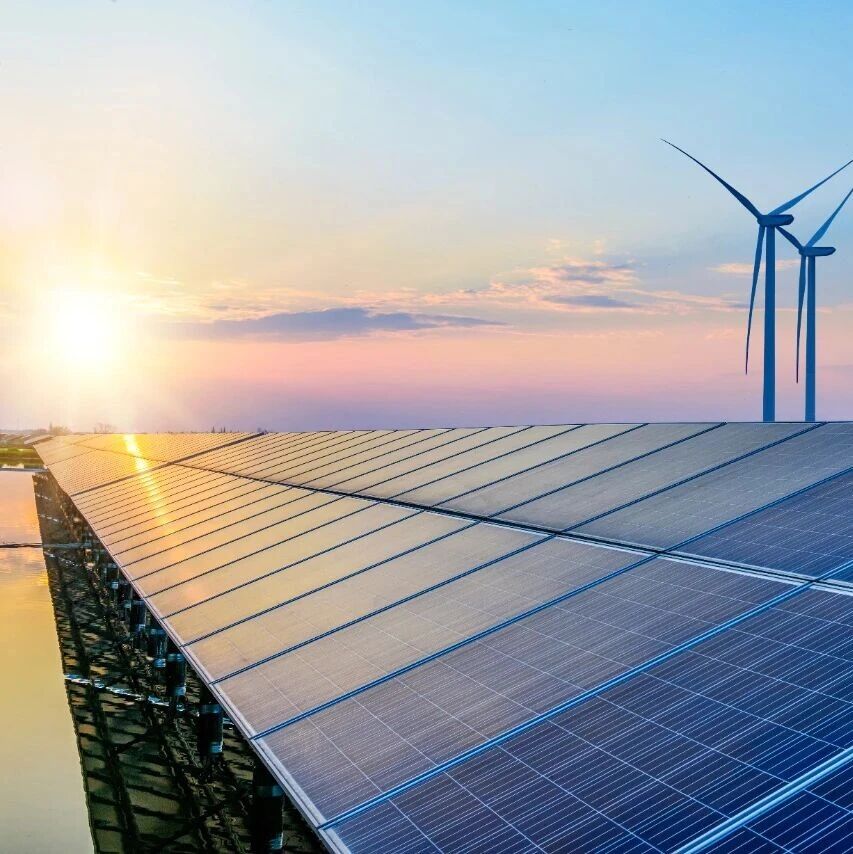
首先是2025年12月10日,光和谦成公司注册成立,这个"多晶硅产能整合收购平台"将按计划收购 硅料产能并将其关停,以实现将行业总产能保持在一定水平,进而实现硅料价格上涨的目标。 其次是光伏组件开始连续涨价。12月17号起,受大宗商品白银和硅料价格上涨以及组件厂控量减 产的影响,最下游的光伏组件价格终现回升。龙头组件厂高管明确表态,未来价格肯定会上涨。 历经两年多"内卷"的煎熬后,2025年年底光伏行业传来一系列好消息。 光伏产业一向以"降本"为傲,20多年的时间里将光伏组件每瓦成本从超过20元做到不足0.8元。但 2026年的关键词是:提价。 硅料目前已经上涨到约5.2万元/吨,但依然低于多晶硅产能整合收购计划的6.5万元/吨至7万元/ 吨。部分业内人士还期望硅料价格可以上涨至8万元/吨。 光伏产业一向以"降本"为傲,20多年的时间里将光伏组件每 瓦成本从超过20元做到不足0.8元。但2026年的关键词是: 提价。 作者: 潘俊田 封图:图虫创意 天合光能董事长高纪凡在2026年新年致辞中说,新的一年(2026年),要进一步提升"反内卷"成 效,推进行业自律,实现以需定产;深化上下游协同,提升行业整体利润… ...
磷酸铁锂厂商新年掀起涨价潮
经济观察报· 2026-01-01 08:03
Core Viewpoint - The domestic lithium iron phosphate cathode material industry is preparing for a collective action to raise processing fees starting January 1, 2026, in response to rising raw material costs and strong downstream demand [1][3][4]. Industry Response - Multiple leading cathode material producers, including Longpan Technology and Wanrun New Energy, are signaling plans to increase processing fees by 3,000 yuan per ton, reflecting a necessary adjustment after three years of price declines [3][6]. - The increase in processing fees is a strategic move to convey that cost pressures are stemming from manufacturing rather than raw material prices, which are subject to market fluctuations [4][11]. Raw Material Price Surge - As of December 31, 2025, the benchmark price for battery-grade lithium carbonate reached 120,400 yuan per ton, a significant increase from around 100,000 yuan per ton earlier in December, marking a rise of over 20% in just one month [4][9]. - The rising cost of lithium carbonate has made it imperative for cathode material producers to adjust their pricing structures to avoid losses, as the cost of lithium carbonate directly impacts production costs [6][11]. Market Demand Dynamics - There is a structural demand for high-performance lithium iron phosphate products, particularly in energy storage and high-density battery applications, which is driving the need for price adjustments [12][13]. - The demand for high-end lithium iron phosphate is expected to remain strong, with orders extending into the first quarter of 2026, indicating a shift towards premium products [13][14]. Industry Reflection and Future Outlook - The collective price increase is seen as a response to the industry's reflection on the detrimental effects of prolonged price wars, which have led to significant financial losses across the sector [11][14]. - Analysts suggest that the current price adjustments may signal a shift towards a more sustainable industry model, focusing on reasonable profit margins to support research and development [14][18]. - The ongoing negotiations between cathode material producers and downstream battery manufacturers will determine the effectiveness and sustainability of these price increases [18][19].



张勇:服装电商20年大浪淘沙,我还在|我们的四分之一世纪
经济观察报· 2026-01-01 07:08
Core Viewpoint - The article highlights the journey of Zhang Yong and his company, Xiaohan Pavilion, from humble beginnings in e-commerce to becoming a significant player in the fashion industry, emphasizing the importance of perseverance, adaptability, and customer focus in achieving success [2][3][20]. Company Development - Zhang Yong started Xiaohan Pavilion in a small room in Baoshan, Shanghai, using basic resources to sell clothes online, which has now grown to achieve annual sales of several billion yuan and employs over 800 people [2][3]. - The company is preparing for its anniversary celebration and moving to a new headquarters, reflecting its growth and commitment to providing a good working environment for employees [4]. Early Challenges - In the early days, Zhang faced significant challenges, including limited resources and the need to learn various skills, such as photography and customer service, to run the business effectively [6][7]. - The first order came from a customer in Hubei, marking the beginning of a journey filled with learning and adaptation [8]. Key Milestones - A major turning point occurred during the 2013 Double Eleven shopping festival, where Xiaohan Pavilion achieved over ten million yuan in sales in a single day, leading to a doubling of sales the following year [9]. - The company faced cash flow challenges due to rapid growth, prompting Zhang to negotiate with suppliers for better terms [9]. Supply Chain and Logistics - Zhang recognized the importance of a robust supply chain after experiencing a stock shortage, leading to the establishment of an office in Shenzhen to access better resources [9]. - The decision to use high-quality logistics services, such as SF Express, despite higher costs, resulted in improved customer satisfaction and reduced return rates [12]. Management Philosophy - Zhang's management style is characterized by a cautious yet determined approach, focusing on product quality and customer experience rather than aggressive expansion [10][20]. - The company has adopted a specialized approach to product development, allowing for faster innovation and a higher volume of new product launches [14][15]. Market Adaptation - Despite the rise of live-streaming e-commerce, Xiaohan Pavilion did not fully embrace this trend initially, focusing instead on maintaining product quality and customer relationships [19]. - The company is now expanding its presence on platforms like Douyin while continuing to strengthen its core business on Taobao [19][20]. Future Plans - Looking ahead, Xiaohan Pavilion plans to diversify its product lines by introducing men's and children's clothing, building on its established supply chain [20].

牛排“原肉整切”的文字游戏:哪有什么纯牛肉
经济观察报· 2026-01-01 06:08
Core Viewpoint - The article highlights the confusion surrounding the labeling and classification of beef steaks in the market, particularly regarding the distinction between pure beef steaks and those containing additives or made from reconstituted meat [2][10][11]. Group 1: Consumer Confusion - Consumers often believe they are purchasing pure beef steaks, but many products contain a variety of additives and may be made from reconstituted meat [2][4]. - The terms used in marketing, such as "original cut" and "whole cut," are often misleading and lack standardized definitions, leading to consumer misunderstanding [9][10]. Group 2: Product Analysis - A survey of popular beef steak products on e-commerce platforms revealed that many brands, including Daxidi and Xiaoniu Kaixi, claim to offer "original whole cut" steaks, yet their ingredient lists include multiple additives [4][5][6]. - The ingredient lists of these products often feature water, soy protein, and various food additives, raising questions about their authenticity as pure beef [5][6][12]. Group 3: Industry Standards - The current industry standard QB/T5442 defines original cut steaks and processed steaks, but many brands do not adhere to this standard, leading to potential mislabeling [10][11]. - The lack of clear definitions for terms like "synthetic steak" creates a loophole, allowing manufacturers to use misleading marketing while including additives for texture and flavor [16]. Group 4: Market Implications - The presence of low-cost reconstituted steaks marketed as original cut steaks is creating unhealthy competition in the beef steak industry, potentially harming compliant producers [16]. - Industry experts are calling for clearer definitions and standards for synthetic steaks to protect consumers and ensure fair competition among producers [16].
时隔40年的历史呼应:中国汽车开启“技术换市场”时代
经济观察报· 2026-01-01 04:26
Core Viewpoint - The article discusses the challenges and opportunities for Chinese automotive companies as they expand into international markets, particularly Europe, emphasizing the need for compliance with stringent regulations and effective brand building [1][4]. Group 1: Export Performance and Trends - In 2025, China's automotive exports are projected to reach 8 million units, driven primarily by a 62% increase in new energy vehicle exports, totaling 3.01 million units [2]. - The export landscape is shifting, with Chinese automakers aggressively targeting Europe while also expanding into emerging markets [2][6]. - The growth engine for exports is transitioning from pure electric vehicles to hybrid models, which are gaining traction in response to high tariffs on electric vehicles [6]. Group 2: Strategic Shifts and Innovations - Chinese automotive companies are increasingly focusing on local production and resource integration in overseas markets, moving from merely exporting vehicles to establishing local manufacturing capabilities [6][8]. - The trend of "collaborative globalization" is emerging, with companies like BYD and CATL establishing production facilities abroad, indicating a shift towards a more integrated global supply chain [8]. - The automotive industry is witnessing a significant transformation, with a focus on technology output and the establishment of new standards in global markets [7][8]. Group 3: Future Challenges and Compliance - By 2026, the European market will present significant compliance challenges for Chinese automotive companies, with new regulations on materials, safety, and environmental standards set to be implemented [11][12]. - The need for brand reputation management will become critical as Chinese brands enter the European market, with a focus on sustainability and service continuity [12]. - Companies are exploring innovative models to mitigate risks associated with entering the European market, including partnerships with local suppliers and research institutions [12].



新年社论|看见所有为改变而努力的人
经济观察报· 2026-01-01 04:26
我们正在亲历科技中国的突飞猛进。那些跃跃欲试,打算用智慧的头脑改变世界的人们值得被看 见,虽然很多人耗尽心力也没有等到黎明到来,不过即使失败也不妨碍他们享有自己的荣光。正是 因为拥有这样一群奇思妙想又大胆狂妄的家伙,我们才能够和一个新世界面对面。 我们从他们身上看见自己,这是我们的共同走过。此时此刻,让我们对自己和亲爱的你说一声:新 年快乐。 我们看见所有为改变而努力的人们。他们和我们一样,却可能 比我们多一些勇气和执拗。每一次打破常规的突围,每一次为 公平公正的呐喊,甚至每一次公开表达的欢喜和愤怒,都可能 让我们的世界变得更好一些。 作者: 社论 封图:图虫创意 经济观察报的2025年以年终特刊《 我们的四分之一世纪 》画上了句号。我们与曾经的新闻当事人 重逢,试着追寻高光过后的寻常。当一个个熟悉或陌生的名字重新还原成有血有肉的人,个体记忆 就汇聚成四分之一世纪的岁月交响。 我们看见在人类跑道上跌跌撞撞的机器人。我们知道,它们冲向的每一个终点都在为人类打开一段 冒险之旅。人类将在每一段旅程上重新认识自己。毫无疑问,我们将扮演忠实记录者和观察家的角 色。虽然看到的一切也许超乎想象,但是我们需要提醒自己:始终怀 ...

霸道总裁不用真人演,短剧老板们扑向漫剧
经济观察报· 2026-01-01 04:26
Core Viewpoint - The article emphasizes that the rise of "manga drama" represents a significant shift in the entertainment industry, driven by AI technology, and is seen as a new industrial revolution rather than just a trend in content consumption [1][16]. Industry Overview - The manga drama industry has rapidly evolved, with companies like 酱油文化 (Soy Sauce Culture) transitioning from short dramas to manga dramas, achieving significant revenue growth [3][6]. - In 2025, the revenue from 酱油文化's manga dramas surged from a few million to 50 million yuan in just a few months, showcasing the potential of this new format [3][6]. Production Efficiency - Manga dramas are produced using AI, which drastically reduces the production time to 10-20 days compared to 3 months for traditional short dramas, eliminating the need for a large crew [5][17]. - The cost of producing manga dramas is significantly lower, with estimates of 1,000 yuan per minute, compared to 5,000 yuan for short dramas and at least 15,000 yuan for traditional animated series [17]. Market Dynamics - The manga drama market is experiencing explosive growth, with platforms like Douyin and Kuaishou investing heavily in this format, leading to a projected market size of over 20 billion yuan by 2025 [8]. - The introduction of guaranteed revenue-sharing models by platforms has further incentivized production, with some offering up to 30,000 yuan per minute as a base fee [8]. Competitive Landscape - Key players in the manga drama space include 酱油文化, 灵矩动漫 (Lingju Animation), and other former short drama companies, all pivoting towards this new format due to declining profitability in short dramas [3][11]. - The competition is intensifying, with many companies recognizing the potential of AI-driven content creation, leading to a shift in focus from traditional short dramas to manga dramas [11][12]. Future Outlook - As AI technology continues to mature, the cost and efficiency of producing high-quality manga dramas are expected to improve, making it a more viable and profitable venture for companies [18]. - The industry is poised for further growth, with expectations that the quality of AI-generated content will enhance, leading to a more competitive landscape [18].


乡村英语教师梁焕农:见证乡村教育的剧变|我们的四分之一个世纪
经济观察报· 2025-12-31 13:00
乡村生源涌入县城变相加剧了城乡教育差距。梁焕农表示,当 时学校跨区招生、掐尖的问题并未被严格限制,加上家长也有 动力送孩子外出就读,乡村优质生源进一步流失,许多乡村学 校因招生难被迫关停、合并。近几年,跨区招生在政策上被禁 止后,此现象才得到有效制止。 作者: 田进 封图:受访者供图 编者按:2025年,经济观察报以"我们的四分之一世纪"为年终特刊主题,旨在通过数十位时代亲历者的故事,共绘一幅属于这段岁月的集体记忆图 谱。 11月28日,炙热的阳光下,八百余名学生占据了校园内几乎每一处树荫,在嬉笑吵闹中忙活着腌制食材、烤串、分饮料。风一吹,炊烟和烧烤香味弥 漫整个校园。 这是南宁市武鸣区太平镇中心学校一年一度的校园烧烤活动。在硕大的榕树、与教学楼齐平的棕榈树以及粉红紫荆花的映衬下,校园内像是正在进行一 次露营活动。 校门外,不规则分布的民房、延绵不断的橘子园以及远处如竹笋般耸立的一座座山峰,提醒着初入校园的人们,这是一座地处乡村的学校。学校距离县 城约20公里,进城的人们需要等待每半小时一趟的公交车或自驾电动车、汽车。 梁焕农说:"学校能有这样美丽的风景,浓缩了三代乡村教师的努力。" 近几年,作为中国覆盖面最 ...