经济观察报

Search documents
真维斯杨勋:在浪潮中判断,在周期里守业|我们的四分之一世纪
经济观察报· 2025-12-31 12:30
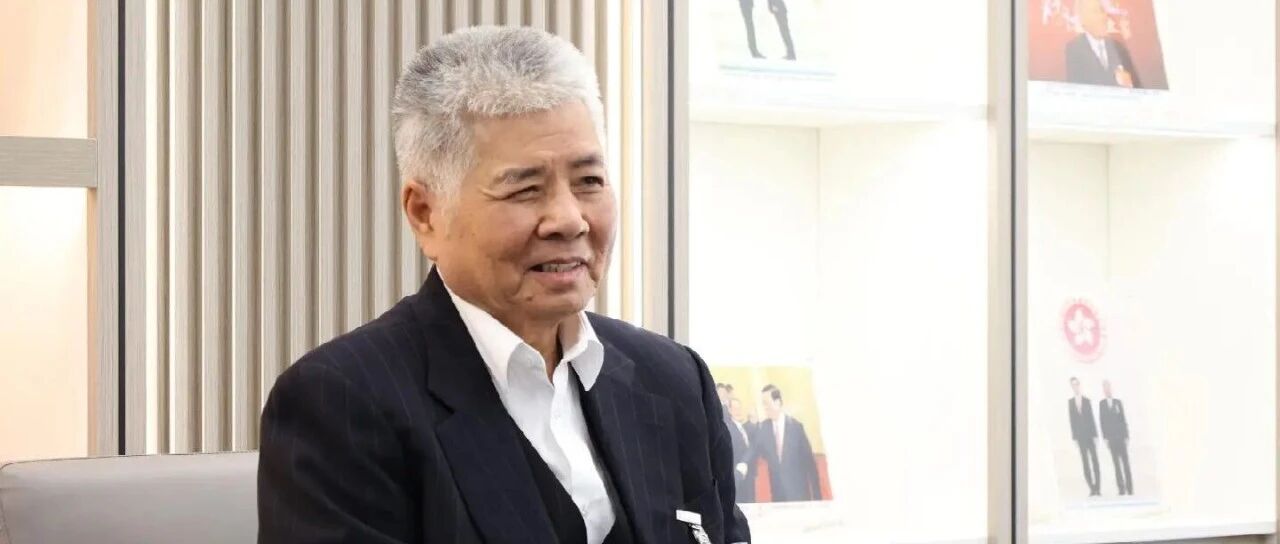
Core Viewpoint - The article reflects on the decline of the Jeanswest brand in China, highlighting the shift from physical stores to online sales over the past decade, and the nostalgia associated with the brand's earlier days [2][3]. Company History and Development - Jeanswest was acquired by Yang Xun in 1990 and introduced to mainland China, coinciding with a cultural shift where clothing became a form of self-expression for youth [8]. - The brand initially thrived by adopting an open display and try-on model, catering to young consumers, and implementing a rapid product turnover strategy [8]. - By 2013, Jeanswest had nearly 3,000 stores in mainland China, generating close to 5 billion yuan in annual sales [10]. Challenges and Strategic Shifts - The entry of fast-fashion brands like ZARA and H&M in the 2010s intensified competition, leading to inventory management issues and a significant reduction in store numbers from over 3,000 to 1,219 by 2017 [12]. - In response to declining sales, Jeanswest began closing underperforming stores and shifted focus to e-commerce, which had previously been limited to handling excess inventory [12][16]. - The company restructured its product offerings and inventory management, leading to a significant increase in online sales from 460 million yuan in 2019 to 6 billion yuan by 2024 [16]. Operational Adjustments - The brand adopted a "fast fashion" approach, allowing for rapid design and production cycles, which enabled quick responses to market trends [15]. - A multi-platform strategy was implemented, with distinct online stores targeting different consumer segments, reflecting a shift from a one-size-fits-all approach to a more tailored strategy [15]. Leadership and Management Philosophy - Yang Xun emphasizes the importance of responsibility and stability in business operations, focusing on sustainable profitability rather than aggressive expansion [19][21]. - The company maintains a rigorous performance review process, ensuring accountability and quick corrective actions to address underperformance [20]. - Yang Xun's personal experiences with poverty shape the company's ethos, driving a commitment to creating stable employment and maintaining social responsibility [21][22].

国际校校长施华:一场始于“母亲”身份的教育探索|我们的四分之一世纪
经济观察报· 2025-12-31 12:00
施华说:"我是接受中国传统教育长大的,创办青苗时,我首 先想到的是如何将中西教育融会贯通。在中国,国际教育如果 丢弃了传统教育,那只是对西方教育的简单照搬而已。青苗发 展的中心词,一定是中国。" 作者: 李静 封图:受访者供图 编者按:2025年,经济观察报以"我们的四分之一世纪"为年终特刊主题,旨在通过数十位时代亲历者的故 事,共绘一幅属于这段岁月的集体记忆图谱。 青苗国际学校(顺义天竺校区,下称"青苗")在温榆河的北侧,距离北京首都国际机场不远。校区位于棕 榈滩别墅和翠竹新村两个小区的夹角处,从外面向学校看,有两座风格迥异的建筑:一座带有巨大落地窗 的红色转角教学楼,一座质朴方正的黄色教学楼。 正值午饭时间,几名外教沿着校区的围墙走向校门,熟络地和校门口的安保人员打着招呼。寒暄过后,安 保人员一一核对了每个人的证件,随后准予入校。这所校区的师生比是1:5。由于创办时间较早、经验丰 富,青苗也被业内称为国际学校中的"黄埔军校" 作为国内首批双语幼儿园的创办者,青苗创办者施华身上有很多标签:全国民办教育协会理事、中国IB学 校协会副会长……但最让她满意的身份是"一位母亲"。 这位1994年毕业于中国青年政治学 ...

从有期徒刑10年到无罪撤诉——宝马车“盗窃案”大反转
经济观察报· 2025-12-31 11:50
Core Viewpoint - The article narrates the complex legal case of Guo Ming, who was wrongfully convicted of theft involving a BMW car owned by his sister, leading to a lengthy imprisonment and eventual exoneration after a series of legal proceedings [2][3][34]. Group 1: Case Background - Guo Ming was sentenced to 10 years in prison for allegedly stealing a BMW car belonging to his sister, which he had driven back to Beijing [2][27]. - The car was purchased by Guo Ming's sister, Guo Yuan, but was financed by Guo Ming and his wife, Li Guanjing, who later sold the car without Guo Ming's consent [8][19]. Group 2: Legal Proceedings - After serving over four years, Guo Ming's case was sent back for retrial, and he was released on bail in August 2025 [3][34]. - The prosecution's case was weakened by the lack of evidence supporting the claim that Guo Ming intended to steal the car, leading to a decision of non-prosecution in December 2025 [34]. Group 3: Financial Transactions - Guo Ming and Li Guanjing had borrowed money from Guo Yuan, which was used for the car's down payment, complicating the ownership claims [8][9]. - Li Guanjing's financial transactions with Chen Lu, who was involved in the car sale, raised questions about the legitimacy of the sale and the ownership of the vehicle [19][20]. Group 4: Family Dynamics - The case highlights the strained relationship between Guo Ming and Li Guanjing, marked by disputes over finances and the custody of their child [6][7]. - Li Guanjing's actions during the divorce proceedings, including the sale of the car and subsequent financial dealings, were pivotal in the legal conflict [26][27].

基建从业者的“黄金时代”,和政策共舞|我们的四分之一世纪
经济观察报· 2025-12-31 11:30
Core Viewpoint - The article highlights the career journey of Jiang Weidong, reflecting the evolution of infrastructure investment and financing in China over the past 25 years, showcasing the transition from government-led investment to market-oriented models like PPP [2][3]. Group 1: Career Development - Jiang Weidong's career began in 1996 with China Railway Construction Corporation, where he participated in various infrastructure projects, primarily focusing on highways [5]. - In 1999, he was seconded to China International Engineering Consulting Corporation, where he gained experience in urban rail transit projects, particularly the Shenzhen Metro [6]. - By 2004, he joined Dayue Consulting, marking a significant shift as the government encouraged private capital participation in infrastructure projects through new policies [10]. Group 2: Market Evolution - The infrastructure investment model in China has evolved from government dominance to "land finance" and then to the PPP model, reflecting changes in policy and market conditions [3][10]. - The introduction of the PPP model in 2006 with the Beijing Metro Line 4 project represented a pivotal moment in the marketization of infrastructure financing [10][11]. - The period from 2015 to 2017 was identified as the "golden three years" for the PPP industry, characterized by a surge in project opportunities and high consulting fees [20][21]. Group 3: Challenges and Changes - After 2017, the PPP market faced increased regulation, leading to the elimination of non-compliant projects, which impacted the overall industry dynamics [22][23]. - The COVID-19 pandemic further disrupted the market, although Jiang's team managed to maintain stability through a balanced project portfolio across various provinces [22]. - By 2023, new guidelines were introduced to regulate the infrastructure financing market, indicating a shift to a new phase with reduced project numbers compared to previous years [23].

程康平官宣离任 泰康“新寿险”战略将如何前行?
经济观察报· 2025-12-31 11:02
Core Viewpoint - The recent leadership change at Taikang Life Insurance may indicate a strategic optimization in response to the evolving market environment as the company approaches its 30th anniversary in 2026 [1][3]. Leadership Transition - On December 26, 2025, Taikang Life announced that Xue Jihao would take over as the interim head, replacing Cheng Kangping, who had served as general manager for nearly 10 years [2][3]. - This marks the third significant executive change within Taikang Insurance Group's subsidiaries in the past two years, highlighting a period of transition in the insurance industry [3]. Executive Background - Cheng Kangping, who has been with Taikang for 27 years, oversaw significant growth during his tenure, with total assets increasing from approximately 566 billion yuan at the end of 2016 to nearly 1.92 trillion yuan by Q3 2025 [5]. - Under Cheng's leadership, insurance revenue rose from about 118.3 billion yuan in 2017 to approximately 196.8 billion yuan by Q3 2025, and net profit grew from around 9.3 billion yuan to about 24.8 billion yuan in the same period [5][6]. Strategic Focus - Cheng was a key executor of the "New Life Insurance" strategy, which integrates life insurance with medical and elderly care services, creating a closed-loop ecosystem of "payment + service + investment" [6]. - The strategy aims to adapt to the "longevity era" and has seen stable growth in core business metrics during the 14th Five-Year Plan period [6]. Market Challenges - The insurance industry is currently facing challenges such as declining interest rates and a shift towards dividend insurance, which has impacted the productivity of personal agent channels [6]. - Taikang Life has been promoting personal pension products to enhance customer service, reflecting difficulties in expanding new individual insurance policies [6]. Financial Performance - As of mid-2025, Taikang Life remains a key revenue pillar for the Taikang Insurance Group, with net profits of approximately 15.998 billion yuan, while other subsidiaries also reported profitability [8]. - The company has been optimizing its branch network, closing over 200 branches since 2025, particularly in third and fourth-tier cities [8]. Governance and Management Structure - The management committee of Taikang Insurance Group consists of 19 members, including key executives from various subsidiaries, indicating a structured approach to governance [10]. - The group has been actively pursuing governance structure optimization and organizational changes to enhance operational efficiency since 2025 [10]. Aging Population and Elderly Care Strategy - Taikang has been expanding its elderly care services, with 43 projects across 36 cities and over 20,000 residents, positioning itself as a leader in the industry [13][14]. - The company is adapting its elderly care strategy to include community and home-based services, reflecting the competitive landscape as other major insurers also enter the market [12][14]. Occupancy Rates and Sustainability - The overall occupancy rate of Taikang's elderly care communities is approximately 58.8%, with a target of 80% occupancy for sustainable operations [14].
白银大跳水!
经济观察报· 2025-12-31 10:54
Core Viewpoint - The sudden plunge in silver prices represents not only a correction in the financial market but also creates tension across the entire supply chain from mining to end products [1][4]. Market Dynamics - On December 29, 2025, the London silver spot price surged over 6% to a historic high of $83.97 per ounce before plummeting to a low of $70.49 per ounce, resulting in a daily volatility of 17% [2][6]. - The COMEX silver futures market experienced similar volatility, with the most active March silver futures contract dropping from $82.67 per ounce to $70.22 per ounce [6]. - The volatility in silver prices has exceeded 80%, indicating a significant increase in price risk [7]. Impact on Industry - Companies in the silver supply chain, such as photovoltaic silver paste manufacturers, are feeling the pressure to lock in prices to manage production costs effectively [2][4]. - The CME's decision to raise margin requirements for silver futures has been identified as a catalyst for the market's volatility, leading to a rapid exit of speculative positions [3][21]. - The stock prices of companies in the silver sector, including mining and processing firms, have faced downward pressure as investors reassess the impact of price fluctuations on profitability [9]. Corporate Responses - Companies like Yuguang Gold Lead are evaluating the impact of price volatility on future profits, especially as their production cycles are long and current inventory costs are favorable [12][14]. - Midstream processing companies, such as Hengbang Co., are adopting strategies to mitigate risks, including negotiating fixed-price contracts and optimizing internal processes [15]. - Downstream companies in the photovoltaic sector are accelerating the development of alternative technologies to reduce reliance on silver, indicating a shift in operational strategies [17]. Long-term Considerations - The underlying structural factors supporting silver demand, such as geopolitical risks and industrial needs, remain intact despite recent price volatility [23]. - Analysts predict that the extreme fluctuations in silver prices may become a norm in the near future, necessitating a reevaluation of supply chain management and risk strategies across the industry [24].



安万:秦腔不死,它还要活得更好|我们的四分之一世纪
经济观察报· 2025-12-31 10:50
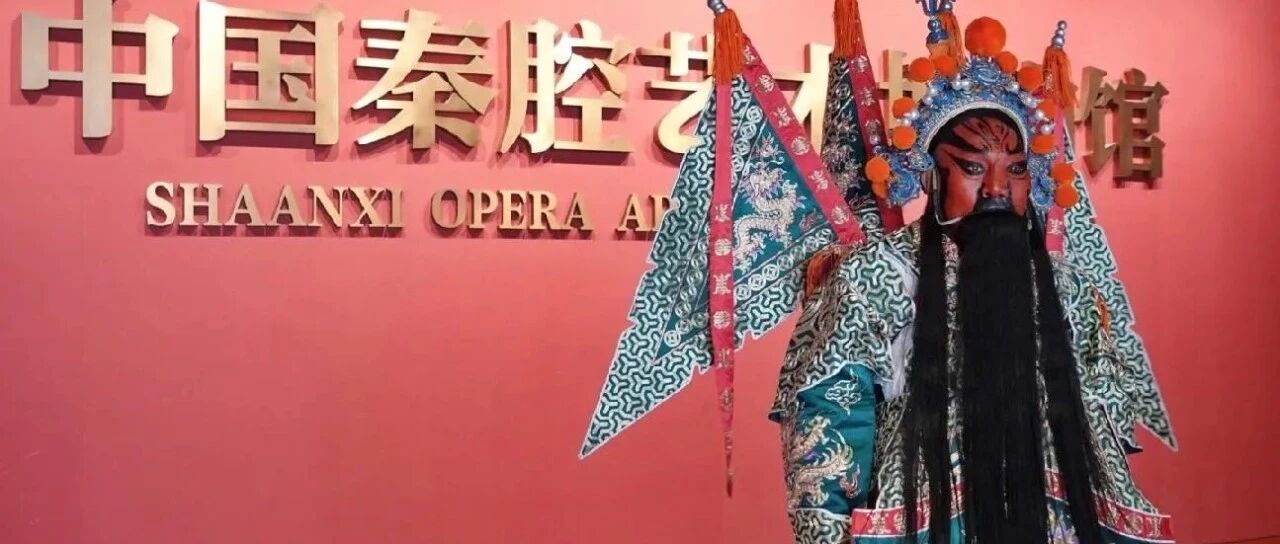
Core Viewpoint - The article highlights the journey of An Wan, a prominent figure in the Qinqiang opera, detailing his struggles with personal challenges, the establishment of his theater troupe, and his innovative approach to reviving traditional art forms while facing the pressures of newfound fame [2][6][33]. Group 1: Personal Journey and Challenges - An Wan, born in 1977, faced significant challenges from a young age due to a facial vascular tumor, which led to bullying and self-esteem issues [4][10][11]. - His passion for Qinqiang opera began at the age of nine when he performed on stage for the first time, leading him to pursue a career in the arts despite numerous obstacles [13][14]. - After an initial failed attempt to establish a theater troupe in his youth, he vowed never to return to that path, but later, with financial stability, he founded a grassroots Qinqiang theater troupe in 2024 [5][19]. Group 2: Establishment and Growth of the Theater Troupe - An Wan's theater troupe, which now consists of 206 members, has gained popularity, performing in various locations and attracting large audiences, even in challenging weather conditions [6][21]. - The troupe's performances have garnered significant attention, with a notable event in December 2024 in Xi'an, where they performed for eight consecutive days, achieving over 1.4 billion views online [23][21]. - An Wan's innovative approach includes incorporating modern elements into traditional Qinqiang performances, appealing to younger audiences and ensuring the art form's relevance [20][30]. Group 3: Financial and Operational Challenges - Despite the success, the theater faces financial pressures, with monthly expenses reaching approximately 1.5 million yuan, leading An Wan to often borrow money to meet payroll [26][19]. - The troupe's growth has also brought logistical challenges, such as securing performance venues and managing a large team during tours [24][26]. - An Wan emphasizes the importance of maintaining the troupe's artistic integrity while navigating the complexities of modern performance demands and audience expectations [32][33].
个人信用修复:警惕“免费看征信”背后的贷款中介陷阱
经济观察报· 2025-12-31 10:13
所谓"免费帮忙看征信"的人士,实则多为贷款中介或从事贷款 业务的人员。他们往往先以免费咨询的名义拉近与征信修复需 求群体的距离,随后伺机推销各类贷款产品。 作者:老盈盈 封图:图虫创意 近期,社交媒体上涌现出不少声称"免费帮忙看征信"的人士,他们频繁接收有征信修复需求的群 体发来的征信报告截图,并提供相关解答。 此类咨询需求激增的背后,是中国人民银行(下称"央行")近日发布的《关于实施一次性信用修 复政策有关安排的通知》(下称《通知》)。不少信用受损群体迫切希望通过征信修复,重新获得 贷款资质。 《通知》明确,为积极应对新冠疫情后续影响,支持信用受损但已积极履约还款的个人高效便捷重 塑信用,助力经济持续回升向好,央行决定实施一次性信用修复政策。 记者调查发现,上述所谓"免费帮忙看征信"的人士,实则多为贷款中介或从事贷款业务的人员。 他们往往先以免费咨询的名义拉近与征信修复需求群体的距离,随后伺机推销各类贷款产品。 上述"免费帮忙看征信"的人士看后告诉她,她的6笔逾期均在"1万元以内",且在2020至2025年 期间发生,并已在2026年3月底前把欠款还清,符合条件。上述人士亦提醒小林,2026年1月1日 至2 ...

比地面贵百倍,光伏企业瞄上太空
经济观察报· 2025-12-31 09:53
Core Viewpoint - The article discusses the emerging market of space photovoltaics, highlighting significant investments and developments by major companies in the sector, particularly focusing on the potential of solar energy in space applications [1][2][3]. Group 1: Market Developments - Elon Musk plans to deploy 100GW of solar AI satellites annually in space, with global photovoltaic installations expected to reach approximately 600GW by 2025 [1][2]. - Major players in the photovoltaic industry, such as JinkoSolar and Trina Solar, are exploring opportunities in space photovoltaics, indicating a growing interest in this market [2]. Group 2: Technical Advantages - Space photovoltaics utilize solar panels on satellites, benefiting from abundant sunlight in space, with average power generation being 7 to 10 times higher than on Earth [4]. - Satellites can achieve significant power outputs, with some reaching up to 100kW, necessitating advanced photovoltaic technologies [4]. Group 3: Current Technologies - Gallium arsenide (GaAs) is currently the primary material used in space photovoltaics, offering a conversion efficiency exceeding 30% due to its superior light absorption capabilities [5]. - The cost of space photovoltaic panels is significantly higher, potentially reaching 1000 RMB/W, compared to less than 1 RMB/W for ground-based solar power [5]. Group 4: Future Innovations - Perovskite solar cells are emerging as a next-generation technology, with theoretical efficiencies up to 45%, and their lightweight nature could reduce satellite launch costs significantly [7]. - Trina Solar has secured exclusive licensing agreements for perovskite technology, indicating a strategic move towards this innovative material [7]. Group 5: Challenges and Testing - The stability of perovskite materials remains a challenge, particularly in the harsh conditions of space, but initial tests have shown promising results with minimal efficiency loss [8]. - Future tests are planned to further validate the performance of perovskite components in extreme space environments [8].



流感药扎堆的时代,人们为什么首选奥司他韦
经济观察报· 2025-12-31 09:41
Core Viewpoint - Oseltamivir remains the preferred choice among various new antiviral drugs for influenza in the 2025 flu season due to its affordability, broad applicability, authoritative recommendations, and strong supply availability [1]. Group 1: Market Position and Demand - In December 2025, pediatric clinics experienced long queues of parents seeking treatment for their children, with many doctors prescribing Oseltamivir [2]. - Despite the emergence of several new antiviral drugs, Oseltamivir continues to be the most commonly used medication for influenza treatment, thanks to its solid efficacy, low price, and wide accessibility [4]. - The demand for Oseltamivir surges every winter during flu season, as families face significant financial considerations when choosing medications [8]. Group 2: Economic and Accessibility Advantages - Oseltamivir is significantly cheaper than newer antiviral drugs, with a typical box costing only a few dozen yuan, while newer drugs can cost hundreds of yuan per treatment course [9]. - The economic efficiency of Oseltamivir is particularly beneficial during influenza pandemics, as it allows for broader treatment coverage without overwhelming healthcare budgets [9]. - Oseltamivir is a staple in major hospitals and is also available in county-level hospitals and community health centers, ensuring timely access for patients across different regions [9]. Group 3: Safety and Efficacy - Since its launch in 1999, Oseltamivir has demonstrated safety and efficacy through various influenza outbreaks, making it a reliable option for vulnerable populations [11]. - Oseltamivir is suitable for a wide range of patients, including children as young as two weeks old, pregnant women, and those with underlying health conditions, which enhances its appeal as a family treatment option [12]. - The drug's long-term safety data is particularly important for high-risk groups, as it has been shown to be effective and safe for use in these populations [12]. Group 4: Guidelines and Recommendations - Multiple expert consensus guidelines in China recommend Oseltamivir as a first-line treatment for influenza, especially for high-risk groups [14]. - The latest clinical practice guidelines emphasize Oseltamivir's role as the preferred medication for severe cases, children, and pregnant women, based on substantial clinical evidence [15][16]. Group 5: Brand Trust and Market Leadership - Eastsun Pharmaceutical is the largest global producer of Oseltamivir, with its products being widely recognized and trusted by both doctors and patients [21]. - The company has invested significantly in the quality management of Oseltamivir production, ensuring that its products meet high standards and are readily available across various distribution channels [22]. - Eastsun's commitment to quality and accessibility has established "Kewai" as a household name, making it a key player in ensuring sufficient supply during flu outbreaks [22].