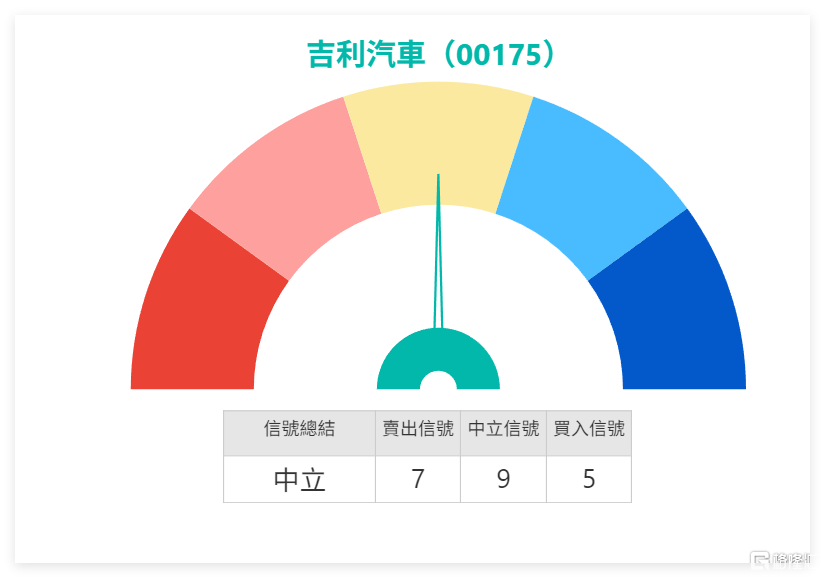
GEELY AUTO(00175)

Search documents
智能汽车产业链全景图(2025年12月版)
自动驾驶之心· 2026-01-01 03:05
Group 1: Automotive Manufacturers - Key manufacturers mentioned include Kia, Geely, Volvo, Jaguar Land Rover, and BYD [3][4][5][11][12] - Notable electric vehicle manufacturers include Rivian, VinFast, and NIO [14][11] - The article highlights the growing presence of Chinese automotive brands in the global market [11][12] Group 2: ADAS and Autonomous Driving Technology - Tier 1 suppliers for Advanced Driver Assistance Systems (ADAS) include Desay SV, Huawei, and Baidu Apollo [16][17] - High-precision positioning suppliers mentioned are Qianxun S, Beidou Star, and Huace Navigation [18][19] - Key players in the LiDAR market include Luminar, Innoviz, and Hesai Technology [21] Group 3: Vehicle Connectivity and Cloud Services - Major cloud service providers for automotive applications include AWS, Microsoft, and Huawei [31][32] - Companies involved in data integration and vehicle-to-everything (V2X) communication include Freetech and MAXIEYE [32][33] Group 4: In-Vehicle Technology and User Experience - Tier 1 suppliers for cockpit technology include Bosch, Aptiv, and Visteon [50][54] - The article discusses the importance of user interface and interaction technologies, highlighting companies like iFlytek and Tencent [61] Group 5: Electric and Hybrid Vehicle Components - Key suppliers for electric vehicle components include Bosch, AUMOVIO, and Magna [26][40] - The article emphasizes the role of battery technology and management systems in the growth of electric vehicles [40][41] Group 6: Commercial Vehicle Technologies - Companies providing ADAS for commercial vehicles include Eastsoft and ZF [48] - The article notes the increasing demand for smart logistics and fleet management solutions [48][49]





智通港股通占比异动统计|1月1日



智通财经网· 2026-01-01 00:40
Core Insights - The report highlights the changes in the Hong Kong Stock Connect holdings, indicating significant increases and decreases in ownership percentages for various companies as of December 31, 2025 [1] Group 1: Increased Holdings - Andeli Juice (02218) saw the largest increase in ownership percentage, rising by 2.35% to a total holding of 23.75% [2] - Mengniu Dairy (02319) experienced a slight increase of 0.07%, bringing its holding to 17.52% [2] - The Yingfu Fund (02800) had a minimal increase of 0.02%, resulting in a holding of 1.78% [2] - Other notable increases include Lion Group (02562) with a 3.79% rise to 49.05% and Zhejiang Shibao (01057) with a 3.55% increase to 58.76% [3] Group 2: Decreased Holdings - Country Garden (02007) faced the largest decrease, with a drop of 0.51% to a holding of 15.33% [2] - Geely Automobile (00175) saw a reduction of 0.16%, resulting in a holding of 11.37% [2] - Huaxia Hengsheng Technology (03088) experienced a minor decrease of 0.02%, leading to a holding of 20.19% [2] - Other significant decreases include Jiahe Biotechnology-B (06998) with a 1.74% drop to 0.61% and Chalco International (02068) with a 1.50% decrease to 19.44% [3] Group 3: Five-Day Changes - Over the last five trading days, Lion Group (02562) had the highest increase in ownership percentage, up by 3.79% [3] - Zhejiang Shibao (01057) and Sanhua Intelligent Control (02050) also saw significant increases of 3.55% and 3.46%, respectively [3] - Conversely, Jiahe Biotechnology-B (06998) had the largest decrease of 1.74% over the same period [3] Group 4: Twenty-Day Changes - In the last twenty days, Lion Group (02562) experienced a substantial increase of 23.92% in ownership [4] - Jihong Co., Ltd. (02603) followed with a 22.62% increase, reaching a holding of 54.86% [4] - Red Star Macalline (01528) also saw an increase of 8.47%, bringing its holding to 52.20% [4]
车圈2025:价格战没赢家,但淘汰赛已有出局者
Ge Long Hui· 2025-12-31 20:53
Core Insights - The automotive industry is transitioning from price competition to a focus on systematic and ecological strategies [3][23] - In 2025, the penetration rate of new energy vehicles (NEVs) reached a historic high, indicating a significant shift in consumer acceptance and market dynamics [5][13] - Traditional fuel vehicle manufacturers are struggling to maintain their market position against the rising dominance of domestic brands [6][14] Group 1: Market Dynamics - The price war initiated by domestic brands has continued into 2025, impacting the average profit margins across the industry [8][6] - The penetration rate of NEVs reached 62.2% in early December 2025, marking a significant milestone in the market [13] - Domestic brands are leading the charge in the NEV sector, with a penetration rate of 79.6% for new energy passenger vehicles [13] Group 2: Company Performance - Leading new energy vehicle manufacturers like Xiaopeng and Leap Motor have exceeded their annual sales targets, showcasing strong market adaptability [18][19] - Traditional brands like Geely and BYD are also performing well, with Geely's NEV sales reaching 153.4 million units, a 97% year-on-year increase [19][20] - In contrast, some joint venture brands are struggling, with Nissan and Honda experiencing significant declines in sales [20][21] Group 3: Technological Advancements - The introduction of the new battery safety standard (GB38031-2025) is expected to drive technological upgrades across the industry [11][12] - The focus on intelligent driving technology has intensified, but recent incidents have raised concerns about safety and regulatory standards [9][10] - Companies are increasingly collaborating with tech firms to enhance their smart driving capabilities, as seen with Audi and BMW partnering with Huawei [28][29] Group 4: Strategic Shifts - The competition is evolving from price wars to a comprehensive battle over ecosystem capabilities and technological integration [23][24] - Companies are adjusting their strategies to focus on product-market fit, intelligent configurations, and supply chain efficiency [21][22] - The future of the automotive industry will depend on the ability to integrate diverse technological pathways and create unique value for consumers [30]


【窩輪透視】吉利汽車窩輪61%漲幅:正股與窩輪聯動密碼
Ge Long Hui· 2025-12-31 20:53
Core Viewpoint - Geely Automobile (00175) shows strong performance with a closing price of 18.02 HKD, a daily increase of 2.97%, and a trading volume of 1.228 billion HKD, making it one of the top gainers in the sector [1] Technical Analysis - The technical indicators for Geely are currently neutral, but short-term momentum has strengthened, with a 5-day volatility of 6.9% and an RSI of 57, indicating a reasonable range [1] - The automotive sector generally experienced upward movement on December 30, with notable performance from new energy vehicle stocks. BYD (01211) closed at 97.60 HKD, up 0.51%, while Great Wall Motors (02333) closed at 14.82 HKD, up 1.09% [1] - Li Auto (02015) showed a slight decline of 0.45%, but technical indicators suggest a buy signal, while NIO (09866) and Xpeng Motors (09868) rose by 2.18% and 1.33%, respectively [1] Market Reaction - The strong performance of Geely's stock has triggered significant reactions in the warrants market, with related warrants seeing substantial gains. For instance, Morgan Stanley's bull warrant (57284) surged by 61% within two days, while UBS's bull warrant (57998) increased by 69% during the same period [3] - The logic behind this phenomenon is that when the underlying stock rises due to positive signals, the corresponding bull warrants benefit, often experiencing gains that outpace the stock itself, especially those with low premiums and high leverage [3] Investment Recommendations - For investors holding Geely-related bull warrants, it is advised to set profit-taking levels to protect gains against stock volatility. New investors are cautioned against chasing high-priced stocks that have already seen significant increases, suggesting that low-premium options present lower risk [5] - Three selected warrants are highlighted: 1. UBS Bull Warrant (22122) with a leverage of 9.4 and a strike price of 21.01 HKD, noted for its low premium and strong volatility resistance [6] 2. Societe Generale Bull Warrant (64299) with a leverage of 5.8 and a strike price of 15.5 HKD, suitable for short-term rebound investors [6] 3. HSBC Put Warrant (18540) with a leverage of 5.3 and a strike price of 14.73 HKD, recommended for investors uncertain about the stock's direction [6] Asset Overview - A table of related assets shows various warrants linked to Geely, highlighting their leverage and strike prices, indicating a range of options for different investor risk preferences [7]
国内降温、国外火热,插混出口暴涨 跳板作用凸显
Zhong Guo Qi Che Bao Wang· 2025-12-31 09:33
Core Viewpoint - The demand for plug-in hybrid vehicles (PHEVs) is declining in the domestic market but is surging in overseas markets, driven by global automotive industry transformation, changes in trade environments, and technological advancements by Chinese automakers [2][16]. Group 1: Market Performance - In November, PHEV exports reached 124,000 units, a month-on-month increase of 37.3% and a year-on-year increase of 400%, significantly outpacing pure electric vehicle (EV) growth [2]. - From January to November, PHEV exports totaled 842,000 units, a year-on-year increase of 240%, compared to less than 300,000 units for the entire previous year [2]. - In Shanghai, the export value of hybrid vehicles reached 25.72 billion yuan, a substantial increase of 174.8% [2]. Group 2: Charging Infrastructure Disparities - The development of charging infrastructure is uneven globally, creating a natural market space for PHEVs, especially in regions like Europe and Southeast Asia where fast-charging facilities are lacking [3]. - As of the end of 2024, Europe is projected to have nearly 1 million public charging stations, but this growth is insufficient to meet the demand from the increasing number of EVs [3]. - In Germany, the ratio of electric vehicles to public charging stations is approximately 16.7:1, indicating a significant shortfall in charging infrastructure [4]. Group 3: Trade Policy Impacts - Trade policies favoring PHEVs have emerged as a significant driver for their export growth, as many countries impose high tariffs on pure EVs while exempting PHEVs [6][7]. - The EU has announced a 5-year anti-subsidy tax on Chinese pure EVs, while PHEVs remain exempt due to their classification as transitional technologies [7]. - Similar favorable policies exist in markets like Brazil and Indonesia, where PHEVs benefit from lower import tariffs compared to pure EVs [7][8]. Group 4: Domestic Market Trends - The domestic PHEV market is experiencing a slowdown, with a year-on-year growth of 16.4% from January to November, compared to 41.2% for pure EVs [9][11]. - The initial demand for PHEVs driven by license plate advantages is diminishing as cities adjust their policies, leading consumers to prefer pure EVs [9]. - The improvement of charging infrastructure in urban areas has reduced the appeal of PHEVs, as consumers find pure EVs more convenient [9]. Group 5: Competitive Landscape - The domestic PHEV market has become highly competitive, with over 150 models available, leading to price wars that have reduced prices by 10% to 15% [10]. - The increase in competition has pressured profit margins for manufacturers, prompting a more rational consumer choice [10]. Group 6: Technological and Cost Advantages - Chinese automakers have developed advanced PHEV technologies, such as the series-parallel hybrid system, which enhances energy efficiency and driving experience [13][14]. - The complete supply chain for PHEVs in China allows for lower production costs compared to European counterparts, making Chinese PHEVs more competitively priced in international markets [14]. - The cost advantage is evident, with Chinese PHEV SUVs starting at approximately 36,000 euros, significantly lower than similar models from European brands [14]. Group 7: Future Outlook - The growth of PHEVs in overseas markets provides a crucial support for the global expansion of Chinese automakers, allowing them to leverage their technological and cost advantages [15][16]. - As global charging infrastructure improves and pure EV technology advances, PHEVs may gradually exit mature markets but will continue to meet demand in emerging markets [15]. - The long-term vision remains focused on pure EVs as the ultimate goal, but PHEVs will play a vital role during the global energy transition [15].



汽车及汽车零部件行业研究:汽车行业2026 年投资策略:智能提速、格局再塑与全球化持续
SINOLINK SECURITIES· 2025-12-31 09:10
Investment Rating - The report maintains a positive outlook on the automotive industry, particularly focusing on globalization, intelligence, and high-end market opportunities [5]. Core Insights - The automotive industry is experiencing intensified competition in the domestic market while witnessing significant growth in new energy vehicle (NEV) exports [2][3]. - The overall vehicle sales are projected to remain stable in 2026, with a notable increase in NEV sales driven by favorable policies and consumer demand [4][5]. - The report emphasizes the importance of high-end vehicles and intelligent driving technologies as key growth areas for automotive companies [5][14]. Summary by Sections 1. 2025 Review: Intensified Domestic Competition, High Growth in NEV Exports - Total vehicle sales in China for January to November 2025 reached 20.45 million units, a year-on-year increase of 2.0% in retail and 11.2% in wholesale [2]. - Domestic sales showed slight growth, heavily influenced by policy changes, while exports surged, particularly in the NEV segment, which saw a 19% increase year-on-year [2][19]. - The NEV penetration rate reached 40.8% in exports, with significant contributions from plug-in hybrid vehicles [19]. 2. 2026 Outlook: Stability Expected, Acceleration in Globalization and Intelligence - Retail sales of passenger vehicles are expected to reach 22.03 million units in 2026, with NEVs projected to grow by 12% year-on-year [3][4]. - The high-end vehicle segment is anticipated to perform better due to a shift in consumer preferences and the increasing market share of domestic brands [4]. - NEV exports are expected to reach 6.73 million units, with a 34% increase in NEV exports alone, driven by improved product quality and market maturity [4]. 3. Investment Strategy: Favorable Opportunities in Globalization, Intelligence, and High-End Markets - The report highlights the potential for automotive companies that excel in international markets, high-end product offerings, and advanced intelligent driving technologies [5][13]. - Companies like BYD, Geely, and Li Auto are identified as key players likely to benefit from these trends due to their strong export capabilities and innovative products [5][13]. - The report also emphasizes the importance of the AI driving sector, predicting that leading companies will leverage their technological advancements to gain competitive advantages [14][15].
物流脱碳机遇可观 龙头引领亟待扩展
Zhong Guo Fa Zhan Wang· 2025-12-31 08:03
Core Insights - The report highlights that leading cargo companies are leveraging China's advancements in renewable energy technology and infrastructure to implement logistics carbon accounting, switch to electric trucks, and adopt multimodal transport models [1][2] Group 1: Green Logistics Initiatives - 63% of evaluated companies have adopted new energy vehicles for logistics, while 41% are experimenting with clean fuels in shipping or air transport [2] - 77% of companies are focused on improving transportation efficiency, with firms like Decathlon and Geely increasing the application and range of new energy trucks [2] - Over half of the companies are also paying attention to emissions reduction in warehousing [2] Group 2: Emission Data Disclosure - More than 90% of cargo companies disclose their logistics-related carbon emissions, with 35% of companies like VF and Inditex using ISO14083 or GLEC frameworks for more accurate carbon accounting [2] - 41% of companies collect data on logistics suppliers' activities or emissions, with firms such as Puma and Lenovo encouraging suppliers to disclose climate information [2] Group 3: Recommendations for Scaling Decarbonization Efforts - The report suggests creating a supportive external environment to help leading companies scale their decarbonization pilot projects [3] - It recommends sharing best practices from leading companies to encourage more firms to adopt similar strategies [3] - Companies are advised to establish quantifiable decarbonization targets for logistics activities and incorporate carbon intensity metrics into supplier evaluations and procurement decisions [3]





吉利汽车因认股权获行使而发行合共33.6万股
Zhi Tong Cai Jing· 2025-12-31 07:20
吉利汽车(00175)发布公告,于2025年12月31日因认股权获行使而发行合共33.6万股;根据日期为2025年7 月15日的合并协议以2025年9月5日股东特别大会获批准的特别授权而发行1.58亿股代价股份。 ...
吉利汽车(00175)因认股权获行使而发行合共33.6万股
智通财经网· 2025-12-31 07:17
智通财经APP讯,吉利汽车(00175)发布公告,于2025年12月31日因认股权获行使而发行合共33.6万股; 根据日期为2025年7月15日的合并协议以2025年9月5日股东特别大会获批准的特别授权而发行1.58亿股 代价股份。 ...
李书福2026新年致辞:关键时刻 不惑不辍
Yang Shi Wang· 2025-12-31 07:01
Core Viewpoint - Geely Holding Group emphasizes its commitment to electric and intelligent transformation while reflecting on its 40-year journey and calling for collaboration and talent development to create a sustainable future [3][4][5]. Group 1: Company Development and History - Geely has evolved from manufacturing refrigerator parts to becoming a significant player in the automotive industry, overcoming numerous challenges along the way [4]. - The company pioneered the production of affordable cars in China, marking a significant milestone for private enterprises in the automotive sector [4]. - In 2007, Geely shifted its focus from low-cost competition to technology, quality, and brand development, laying the groundwork for future growth [4]. - The acquisition of Volvo in 2010 was a pivotal moment, allowing Geely to support the revitalization of a historic brand while maintaining a commitment to safety and sustainability [4]. - The launch of the "Smart Geely 2025" strategy in 2021 marked a comprehensive embrace of new energy and intelligent technologies [4]. Group 2: Current Strategies and Innovations - Geely is focusing on technological innovation, brand enhancement, globalization, and green development to strengthen its core capabilities [5][6]. - The company has made significant advancements in battery technology and AI integration, launching flagship models that embody its commitment to electric and intelligent vehicles [6]. - Geely's "天地一体化" (Heaven and Earth Integration) strategy aims to create a comprehensive mobility ecosystem, enhancing the development of smart connected vehicles [6][7]. Group 3: Globalization and ESG Initiatives - Geely is actively pursuing globalization through regional cooperation, local operations, and strategic partnerships, including collaborations in Malaysia and Brazil [7]. - The company is committed to achieving carbon neutrality by 2045, with ongoing projects in green factory construction and the launch of the world's first dual-use hydrogen-electric vessel [7]. - Geely's focus on ESG principles reflects its dedication to sustainable development and social responsibility [7]. Group 4: Future Outlook and Goals - Looking ahead to 2026, Geely aims to deepen its electric and intelligent transformation, focusing on innovation in core areas such as new energy technology and smart connectivity [9]. - The company plans to invest significantly in youth innovation and entrepreneurship, establishing a supportive environment for talent development [9][10]. - Geely recognizes the evolving competitive landscape, emphasizing the importance of a platform and ecosystem approach to remain relevant in the automotive industry [9].