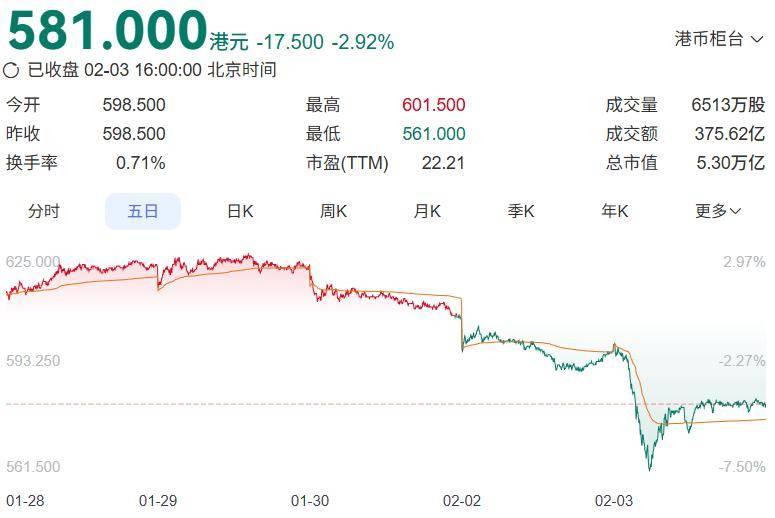
TENCENT(00700)

Search documents
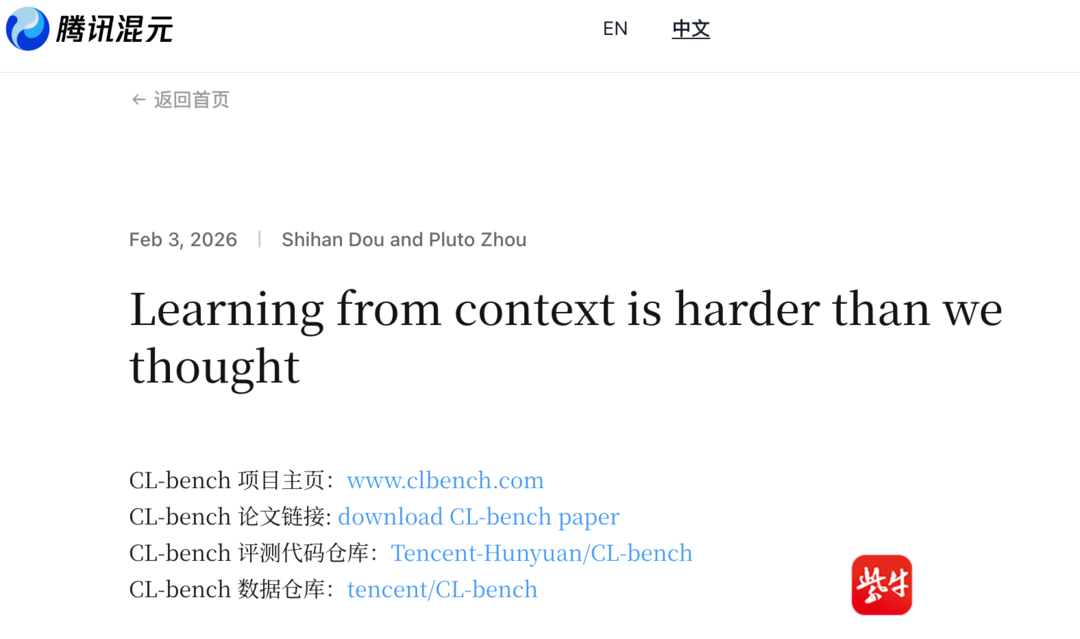
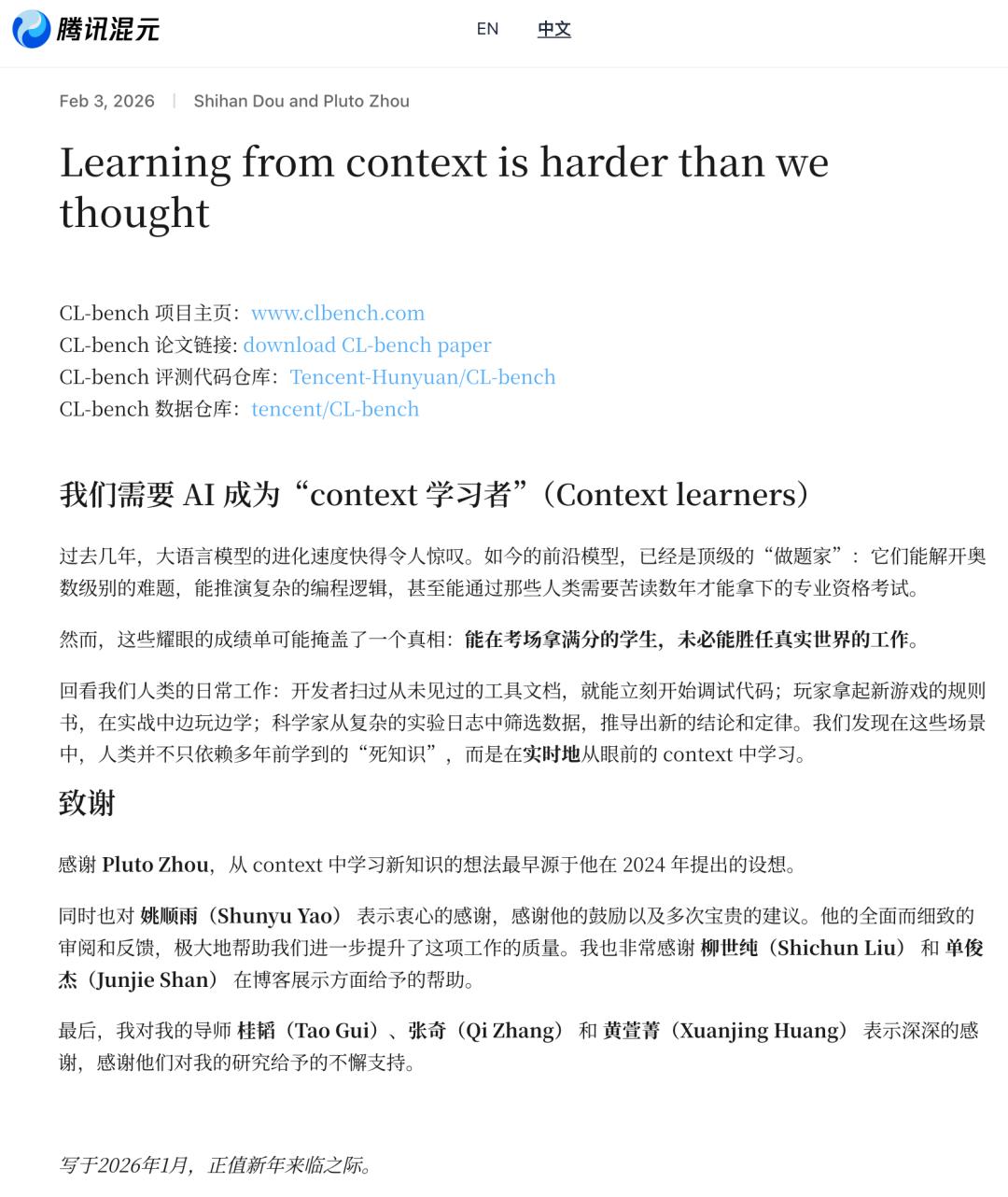
腾讯姚顺雨团队发布署名论文,让模型“上下文学习”真正走向现实
Yang Zi Wan Bao Wang· 2026-02-03 15:09
Core Insights - The article discusses the challenges faced by current language models in learning from context, highlighting that even the strongest models struggle with this capability [1][2][3] Group 1: Research Findings - Tencent's research team, in collaboration with Fudan University, emphasizes that enabling large models to learn from context is more difficult than previously thought [2][3] - The team developed CL-bench, a benchmark designed to evaluate whether language models can learn new knowledge from context and apply it correctly, consisting of 500 complex contexts, 1,899 tasks, and 31,607 validation standards [3] - The top ten language models achieved an average task resolution rate of only 17.2% on CL-bench, indicating significant shortcomings in their ability to utilize context [3] Group 2: Future Implications - The research suggests that enhancing models' context learning capabilities could shift the role of humans from being primary data providers to context providers, changing the competitive landscape in AI [3][4] - The team also notes that memory management in models may become a core theme in the development of large models by 2026, potentially leading to autonomous learning capabilities [4]


南向资金今日净买入9.52亿港元
Xin Lang Cai Jing· 2026-02-03 14:55
Group 1 - Tencent Holdings and China Mobile received net purchases of HKD 22.02 billion and HKD 4.08 billion respectively through the Hong Kong Stock Connect (Shanghai) [1] - The Tracker Fund of Hong Kong had the highest net selling amount, totaling HKD 25.58 billion [1] - Southern Hang Seng Technology and Xiaomi Group-W received net purchases of HKD 6.69 billion and HKD 3.29 billion respectively through the Hong Kong Stock Connect (Shenzhen) [1] - The Tracker Fund of Hong Kong also led in net selling on this platform, with a total of HKD 12.05 billion [1]


刚刚,腾讯姚顺雨团队首个成果发布,揭示大模型真正瓶颈
3 6 Ke· 2026-02-03 14:26
Core Insights - Tencent's Mix Yuan team has launched a new benchmark called CL-bench, aimed at evaluating the ability of large language models to learn new knowledge from context and apply it correctly [1][7][30] Group 1: Benchmark Overview - CL-bench includes 500 complex context tasks, 1899 tasks, and 31607 validation standards, focusing on the requirement for models to learn new knowledge from context that is not present in their pre-training [9][28] - The benchmark aims to bridge the gap between the static memory of models and the dynamic learning capabilities of humans, emphasizing the need for models to adapt to real-world tasks [5][7] Group 2: Model Performance - The average success rate of models on CL-bench is only 17.2%, with the best-performing model, GPT-5.1 (High), achieving a success rate of 23.7% [15][16] - The evaluation revealed that many models fail to utilize context effectively, with significant percentages of tasks being ignored or misused [17][18] Group 3: Key Findings - Ignoring or misusing context is identified as a primary reason for model failures, indicating that models often rely on static knowledge rather than adapting to new information [17] - The ability to perform inductive reasoning from experimental data is found to be more challenging than applying deductive reasoning based on provided rules [20] - The complexity of context, rather than just its length, significantly impacts the difficulty of tasks, highlighting the need for models to improve their context learning capabilities [25][30] Group 4: Future Directions - The Mix Yuan team plans to focus on enhancing models' context learning abilities and ensuring that knowledge learned from context is retained, which may shift the role of humans from data providers to context providers [30]
游戏为抢用户有多拼?春节让玩家上大街“寻宝”…
Bei Jing Shang Bao· 2026-02-03 14:14
Core Insights - The 2026 Spring Festival gaming market is witnessing intense competition with 23 new games set to launch from February 2 to 16, marking a shift from quantity to quality in the gaming industry [3][4] - Major gaming companies are enhancing holiday-specific gameplay and benefits to extend user engagement [9] Game Launches - A total of 23 new games will be released during the Spring Festival, including titles from various developers such as "Little Nightmares" by Heartfire Games and "Survival 33 Days" by 37 Interactive Entertainment [4][6] - The new games span multiple genres, including RPG, card strategy, open-world, and simulation [6] Developer Focus - The upcoming new games are primarily from mid-sized developers, while major companies like Tencent and NetEase have more titles in testing phases [8] Benefits and Promotions - Leading companies are upgrading holiday-specific benefits to enhance user retention, with Tencent's "League of Legends Mobile" and NetEase's "Nirvana in Fire" offering various in-game rewards [10][12] - The focus is on providing immersive experiences and high-value rewards to meet diverse user demands [12] Cross-Industry Collaborations - Cross-industry collaborations are becoming common, with Tencent's "Delta Action" partnering with Haidilao for special promotions [13] - These collaborations aim to create a closed loop of content, experience, and consumption, enhancing user engagement and driving sales [15][16]




新游抢滩、福利加码 游戏大厂激战春节档
Bei Jing Shang Bao· 2026-02-03 14:11
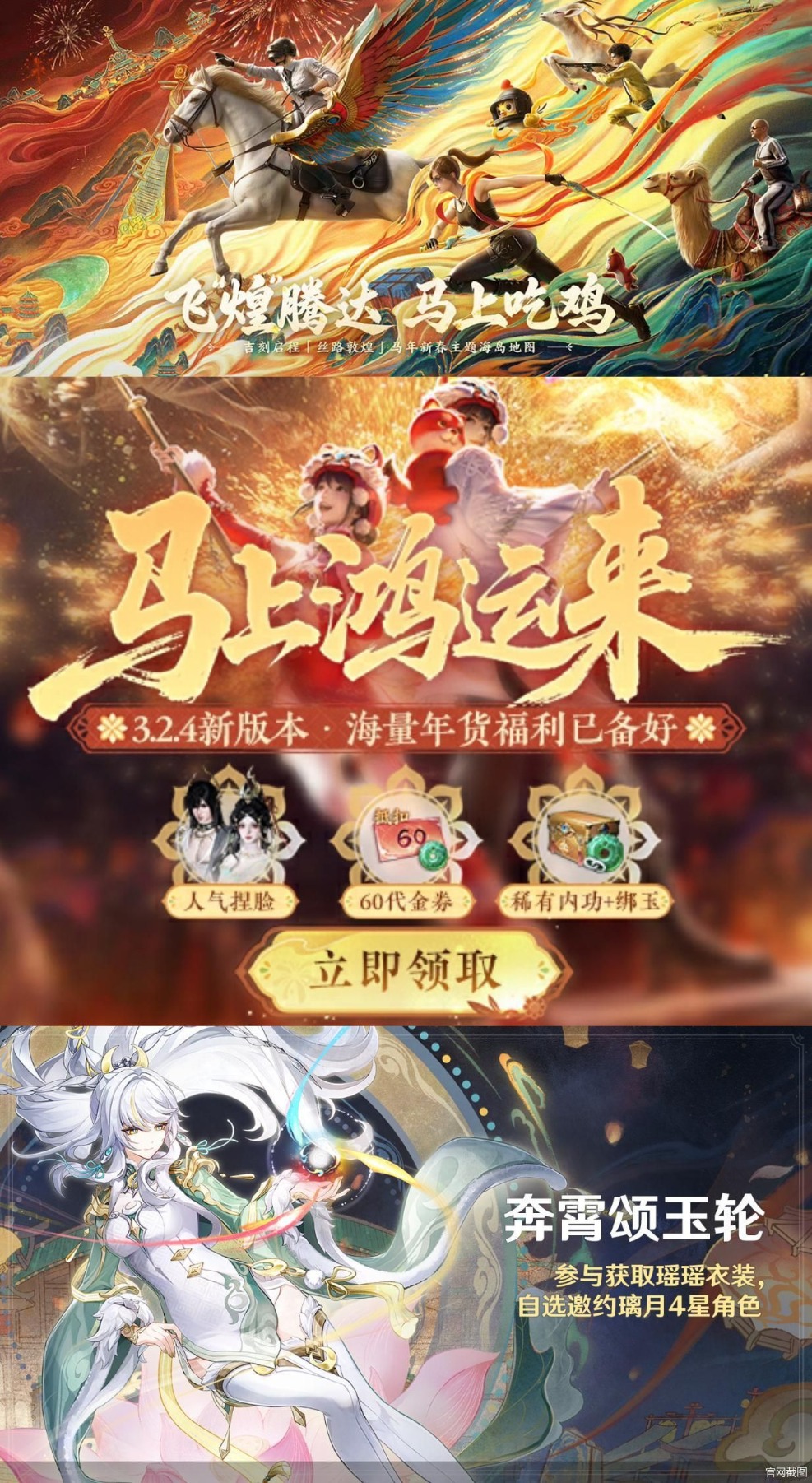
Core Viewpoint - The competition for game traffic during the 2026 Spring Festival is intensifying, with 23 new games set to launch between February 2 and 16, marking a shift from "stock game competition" to "ecological reconstruction" in the gaming industry [1][4]. Group 1: New Game Launches - A total of 23 new games will be released, including titles from various genres such as RPG, card strategy, open-world, and simulation [4]. - Notable new games include "Little Nightmares" by Heartfire Games, "Pam's Battle Diary" by Lilith Games, and "Survival 33 Days" by 37 Interactive Entertainment [4]. - Most of the new games are from small to medium-sized developers, while major companies like Tencent and NetEase have games in testing phases [4]. Group 2: Enhanced User Benefits - Major gaming companies are upgrading holiday-specific gameplay and benefits to extend user engagement [5]. - Tencent's "League of Legends Mobile" has launched a New Year celebration with significant discounts and exclusive skins, while "Peace Elite" has introduced new version experiences and themed rewards [5]. - NetEase's "Nirvana in Fire" has been offering free monthly cards and various in-game rewards since late January [5]. Group 3: Shift in User Demand - User demand is shifting towards "immersive experiences," prompting companies to provide richer content and benefits to meet diverse needs [6]. - The market competition is evolving from a focus on single product dimensions to a comprehensive ecological competition [6]. Group 4: Cross-Industry Collaborations - Cross-industry collaborations are becoming a norm, with games increasingly integrating into offline life [7]. - Tencent's "Delta Action" is partnering with Haidilao to launch themed packages and promotions during the Spring Festival [7]. - NetEase's "Egg Party" has collaborated with RT-Mart to create interactive treasure hunt activities and custom cakes, appealing to younger consumers [8]. Group 5: Consumer Engagement Strategies - The integration of game IP into physical consumption is creating a closed loop of "content + scene + consumption" [8]. - The aim of cross-industry collaborations is to attract potential user groups and stimulate consumption through both online and offline channels [8].
重磅!投资家网2025股权投资年度榜单发布
Sou Hu Cai Jing· 2026-02-03 13:56
Core Insights - In 2025, the Chinese private equity investment industry is undergoing a restructuring amidst ongoing adjustments, characterized by a recovery in fundraising volume, structural differentiation, and dominance by state-owned capital [1] Fundraising Trends - The number of newly raised funds in the private equity sector exceeded 3,500 in the first three quarters of 2025, marking an 18% year-on-year increase, primarily driven by RMB funds, which saw a 19% increase in quantity and accounted for over 99% of the total [1] - Conversely, foreign currency fund fundraising continued to decline, dropping by 55% year-on-year [1] - Regions such as Zhejiang and Jiangsu are leading in both the number and scale of newly raised funds [1] Dominance of State-Owned Capital - State-owned limited partners (LPs) have become the absolute dominant force in the private equity investment industry, with local guiding funds and state-owned capital accounting for over 50% of contributions [1] - This shift has further strengthened the position of RMB funds, driven by both policy and market choices [1] Investment Strategy Shifts - Despite the overall increase in fundraising, the concentration of large funds (those with a scale of 5 billion yuan or more) has decreased, with approximately 22 large funds raised, a 29% year-on-year decline, and a total amount of 143.8 billion yuan, down 45% year-on-year [2] - LPs are shifting their funding strategies from a focus on scale to a more refined approach, emphasizing quality over quantity [2] - The dominance of state-owned LPs is reshaping the investment strategies of venture capital (VC) and private equity (PE) firms, leading to a focus on hard technology sectors, which accounted for over 60% of investments in the first three quarters of 2025 [2] Sector Focus and Investment Phases - Investment in hard technology sectors such as semiconductors, artificial intelligence, robotics, new energy, and biomedicine is on the rise, with seed to A-round investments making up over 60% of the total [2] - The proportion of Pre-IPO investments, traditionally seen as stable, has dropped to 8% [2] Long-term Investment Outlook - The concept of "survival of the fittest" is applied to the private equity industry, emphasizing the importance of adaptability to changing environments [3] - A group of forward-looking VC/PE firms is benefiting from a recovery in domestic IPOs, with a 35% year-on-year increase in the number of IPOs supported by VC/PE firms and an average return multiple close to 4 times [3] Industry Recognition - The "Investment House Network · 2025 Private Equity Investment Annual List" has been released to recognize outstanding contributions and achievements in the private equity investment industry over the past year [4]
大厂AI权力交接:90后,集体上位
虎嗅APP· 2026-02-03 13:52
Core Viewpoint - The article discusses the generational shift in leadership within major tech companies in China, particularly in the AI sector, highlighting the rise of younger leaders who are more attuned to the rapid advancements in AI technology and the decline of older executives whose experience is becoming less relevant in this fast-evolving landscape [4][30]. Group 1: Leadership Changes in Major Tech Companies - In major tech firms like Tencent and Alibaba, younger leaders, primarily from the 90s generation, are taking charge of AI initiatives, marking a significant shift in the industry [5][6]. - Tencent has recently appointed young talents such as Yao Shunyu and Pang Tianyu, who are seen as pivotal figures in the company's AI strategy, indicating a departure from traditional leadership models [5][6]. - Alibaba's Lin Junyang, a key figure behind the Qwen model, exemplifies the trend of younger leaders driving innovation and community engagement in AI [20][21]. Group 2: The Value of Experience vs. New Approaches - The article argues that traditional experience in tech is becoming less valuable in the face of new AI paradigms, where intuition and rapid adaptation are more critical than established practices [7][12]. - The "Transformer native generation" of young leaders is characterized by their early exposure to groundbreaking AI research, allowing them to navigate the complexities of modern AI development without the constraints of outdated methodologies [8][11]. - The rapid pace of AI advancements necessitates a shift in decision-making structures within companies, as seen in Tencent's restructuring to allow younger leaders to report directly to top executives [16][18]. Group 3: The Role of Community and Open Source - The younger generation, including leaders like Lin Junyang, understands the importance of community and open-source collaboration in the AI landscape, which contrasts with the more insular approaches of previous generations [20][21]. - The success of models like Qwen is attributed to their strong community engagement, reflecting a shift in competitive strategies within the AI sector [20][21]. Group 4: ByteDance's Unique Approach - ByteDance's strategy differs from Tencent and Alibaba by integrating experienced leaders like Wu Yonghui, who brings a wealth of knowledge from Google, focusing on system-level integration rather than just innovation [22][24]. - This approach highlights ByteDance's need for cohesive integration of AI capabilities across its various platforms, contrasting with the more experimental focus of its competitors [24][25]. Group 5: The Inevitable Power Transition - The transition to younger leadership is framed as a natural evolution driven by the rapid pace of knowledge acquisition in AI, where traditional experience is overshadowed by the need for innovative thinking [27][30]. - The article emphasizes that in the AI era, the ability to adapt and understand new technologies is more crucial than accumulated experience, marking a significant shift in workplace dynamics [31][30].


AI打开2026年新春消费新空间
Xin Hua She· 2026-02-03 13:50
Group 1 - Alibaba's Qianwen App has launched a "Spring Festival Treat Plan" with an investment of 3 billion yuan, collaborating with various Alibaba ecosystem businesses to distribute cash red envelopes and offer free order opportunities [1] - The initiative aims to cultivate a habit among users to rely on AI for their needs, streamlining the consumer experience by allowing users to express their intentions to AI without switching between multiple apps [1] - Competing platforms like Tencent and Baidu have also initiated similar promotional activities, indicating a trend among internet companies to leverage AI for consumer engagement during the Spring Festival [1] Group 2 - AI technology is awakening demand in the consumer sector by providing personalized recommendations and reminders based on real-time data, enhancing the understanding of consumer needs [2] - The integration of AI in decision-making processes is exemplified by new functionalities in AI glasses, enabling users to make purchases with simple commands, showcasing the evolution of AI from intent understanding to service execution [3] - The growth of AI-related consumer electronics is projected, with a significant increase in sales expected by 2025, highlighting the potential for AI to drive new consumption trends [3] Group 3 - The surge in AI-driven consumer activities is supported by robust computing power, with Alibaba Cloud preparing for high traffic during the Spring Festival to ensure stable operations for Qianwen [4] - The demand for AI services during peak consumption periods is increasing, necessitating enhancements in AI computing capabilities to improve consumer experiences and reduce operational costs for businesses [4][5]


超40亿红包!巨头争抢AI第一入口
Guo Ji Jin Rong Bao· 2026-02-03 13:36
Core Insights - The article discusses the unprecedented cash red envelope competition among major internet companies during the Spring Festival, with a total investment exceeding 4 billion yuan [1] - This competition is seen as a pivotal moment in the transition from mobile internet to AI internet, with the potential to reshape the future internet ecosystem [1] Group 1: Company Strategies - Tencent announced a 1 billion yuan cash red envelope campaign through its Yuanbao app, aiming to leverage its social networks on WeChat and QQ [3] - Alibaba's Qianwen launched a 3 billion yuan Spring Festival initiative, emphasizing a wide range of services including Taobao, Alipay, and more [4] - ByteDance's Douyin set aside 300 million yuan for its red envelope campaign, integrating various platforms like Douyin and Volcano Engine to enhance user engagement [2][5] Group 2: User Engagement and Experience - Users can easily participate in Tencent's red envelope activity by downloading the Yuanbao app and completing tasks to earn more rewards [2] - Baidu's approach allows users to engage directly through the Baidu app without needing to download a separate AI application, streamlining the user experience [3] - Despite the initial excitement, Tencent's Yuanbao app faced service disruptions due to high traffic, highlighting the challenges of scaling during peak demand [8] Group 3: Market Impact and Future Outlook - The competition is expected to redefine the landscape of AI applications, with companies vying for user dependency on their AI assistants [1][6] - The focus is shifting from mere traffic acquisition to defining "scene entry" and embedding AI capabilities deeply into user experiences [6] - The success of these initiatives could determine which company gains significant control over digital traffic distribution in the coming decade [1]
游戏等行业增值税税率要提高?腾讯等一度大跌,专家称没有可信度
Sou Hu Cai Jing· 2026-02-03 13:28
Core Viewpoint - Recent rumors regarding an increase in value-added tax (VAT) for internet value-added services have caused significant stock price fluctuations for companies like Tencent Holdings, although these rumors have been debunked [1][3]. Group 1: Tax Policy Changes - The Ministry of Finance and the State Taxation Administration have announced that the VAT rate for internet broadband access services provided by operators like China Mobile and China Unicom will increase from 6% to 9% starting this year [3]. - Despite the rumors, the VAT rate applicable to core businesses of internet companies, including Tencent, remains unchanged at 6% according to the current regulations [3]. - Experts have confirmed that the recent announcements regarding VAT policies are aimed at ensuring legislative consistency and do not indicate any changes to the VAT rates for the gaming and financial sectors [3]. Group 2: Debunking the Rumors - Industry insiders have stated that claims of the gaming industry's VAT rate increasing from 6% to 32% are unfounded, as the maximum VAT rate in China is legally set at 13% [3]. - The spread of misinformation regarding tax rates has been addressed by experts, emphasizing that the recent policy announcements have clarified the tax rates for various industries, reinforcing the stability and certainty of the tax system [3].