
CHICMAX(02145)

Search documents
上美股份(02145.HK):业绩持续亮眼 多品牌战略稳步推进
Ge Long Hui· 2025-08-31 13:20
Core Viewpoint - The company reported a steady revenue growth in H1 2025, driven by its main brand Han Shu and the rapid growth of the sub-brand Yi Ye [1][2]. Revenue Performance - In H1 2025, the company achieved a revenue of 4.108 billion yuan, representing a year-on-year increase of 17.29% [1]. - Revenue breakdown by brand: - Han Shu: 3.344 billion yuan, up 14.27%, accounting for 81.40% of total revenue [1]. - Yi Ye: 397 million yuan, up 146.46%, accounting for 9.67% of total revenue [1]. - Hong Se Xiao Xiang: 159 million yuan, down 8.67%, accounting for 3.87% of total revenue [2]. - Yi Ye Zi: 89 million yuan, down 29.02%, accounting for 2.16% of total revenue [2]. Category Performance - Revenue by category: - Skincare: 3.424 billion yuan, up 10.15%, accounting for 83.35% of total revenue, mainly driven by Han Shu [2]. - Maternal and infant care: 557 million yuan, up 65.05%, accounting for 13.55% of total revenue, mainly driven by Yi Ye [2]. - Other categories: 127 million yuan, up 124.30%, accounting for 3.10% of total revenue [2]. Channel Performance - Revenue by channel: - Online channels: 3.809 billion yuan, up 20.09%, accounting for 92.71% of total revenue, with online self-operated sales at 3.421 billion yuan, up 24.62% [2]. - Offline channels: 269 million yuan, down 10.64%, accounting for 6.54% of total revenue [2]. - Other channels: 31 million yuan, up 1.33%, accounting for 0.74% of total revenue [2]. Profitability - The company maintained a stable gross margin of 75.52%, down 0.99 percentage points, and a net profit margin of 12.76%, up 1.30 percentage points [3]. - The increase in net profit margin is attributed to other income and gains reaching 179 million yuan, up 358% [3]. Investment Outlook - The company focuses on a multi-brand strategy, with Han Shu's brand strength expected to continue growing through category expansion and channel development [3]. - Revenue projections for 2025-2027 are 8.511 billion yuan, 10.412 billion yuan, and 12.541 billion yuan, with net profits of 1.054 billion yuan, 1.340 billion yuan, and 1.671 billion yuan respectively [3].
上美股份(02145.HK):25H1净利润同比+34.7% 多品牌矩阵贡献增量
Ge Long Hui· 2025-08-31 13:20
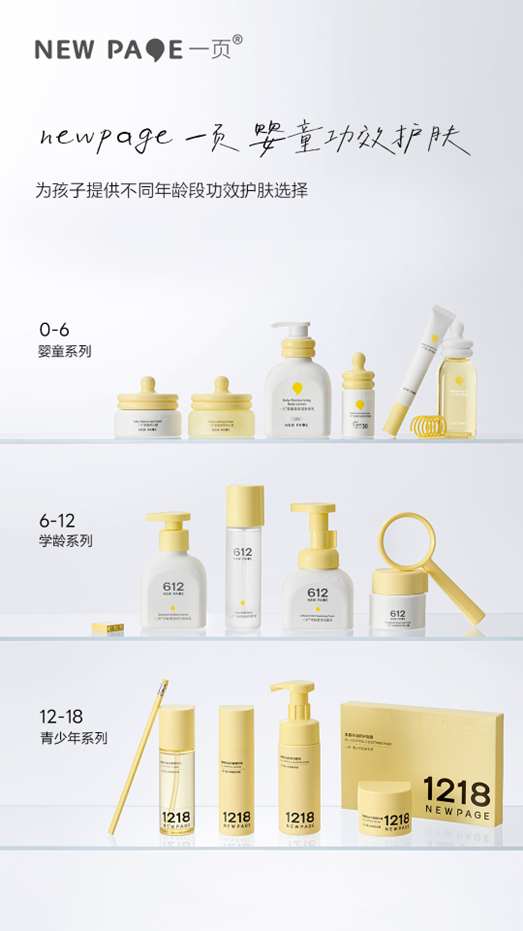
Core Viewpoint - The company reported strong performance for H1 2025, with revenue of 4.11 billion yuan, a year-on-year increase of 17.3%, and a net profit of 560 million yuan, up 34.7% year-on-year, falling within the upper range of previous forecasts [1][2]. Revenue Breakdown - The multi-brand matrix continues to grow, with online revenue increasing by 20.1% year-on-year in H1 2025. By brand, revenue for 韩束, Newpage 一页, 红色小象, 一叶子, and other brands were 3.34 billion, 400 million, 160 million, 90 million, and 120 million yuan respectively, with year-on-year changes of +14.3%, +146.5%, -8.7%, -29.0%, and +2.9% [1]. - By channel, online and offline revenues were 3.81 billion and 270 million yuan respectively, with year-on-year changes of +20.1% and -10.6% [1]. - By segment, skincare, maternal and infant care, and other categories generated revenues of 3.42 billion, 560 million, and 130 million yuan respectively, with year-on-year changes of +10.2%, +65.0%, and +124.3% [1]. Profitability Metrics - The net profit margin increased by 1.7 percentage points year-on-year to 13.5%. The gross margin for H1 2025 was 75.5%, down 1 percentage point year-on-year, while the expense ratio was 63.2%, up 0.03 percentage points [2]. Brand Performance - The main brand 韩束 showed steady growth, maintaining the top position in beauty brands on Douyin, with GMV growth of +15.5% on Douyin and +26.1% on Tmall. Star products like 红蛮腰 sold over 15 million units, and the X 肽 series generated over 200 million yuan in sales [2]. - The Newpage 一页 brand rapidly expanded, targeting skincare products for ages 0-18, with significant sales during the 618 shopping festival, achieving GMV growth of +190% on Douyin and +106% on Tmall [2]. Brand Portfolio Expansion - The company has a robust pipeline of brands across multiple segments, including a sensitive skin care brand in collaboration with 昆药集团, a high-end skincare brand 聚光白, and a high-end anti-aging brand TAZU. Additionally, it is preparing to launch IP co-branded products in maternal and infant care and new hair care and makeup brands [3]. Profit Forecast and Investment Rating - The company is expected to achieve net profits of 1.11 billion, 1.41 billion, and 1.76 billion yuan for 2025-2027, representing year-on-year growth of 42.3%, 26.5%, and 24.8% respectively. The latest closing price corresponds to PE ratios of 30, 24, and 19 times for the respective years, maintaining a "buy" rating [3].
上美股份(02145):25H1业绩表现亮眼,多品牌稳步协同发展
Hua Yuan Zheng Quan· 2025-08-31 00:04
Investment Rating - The investment rating for the company is "Buy" (maintained) [5] Core Views - The company has shown impressive performance in H1 2025, with revenue reaching 4.108 billion RMB, a year-on-year increase of 17.3%, and a net profit of 556 million RMB, up 34.7% year-on-year [8] - The multi-brand strategy is effectively driving revenue growth, with the main brand, 韩束 (Han Shu), generating 3.344 billion RMB in revenue, a 14.3% increase, and maintaining a leading position in online beauty sales [8] - The company is implementing a "Six Six Strategy" to focus on six major segments, aiming for sustainable development and expanding its business boundaries [8] - The net profit margin has improved, with a net profit margin of 13.5% in H1 2025, an increase of 1.7 percentage points year-on-year [8] - Future earnings forecasts indicate a strong growth trajectory, with expected net profits of 1.024 billion RMB in 2025, representing a 31.1% year-on-year increase [9] Financial Summary - Revenue projections for 2025 are estimated at 8.679 billion RMB, with a growth rate of 27.8% [7] - The company’s gross margin is projected to be 76.8% in 2025, reflecting a slight increase from previous years [9] - The return on equity (ROE) is expected to be 31.8% in 2025, indicating strong profitability [7]
上美股份(2145.HK):业绩表现靓丽 多品牌集团持续开枝散叶
Ge Long Hui· 2025-08-29 21:18
Core Viewpoint - The company reported strong revenue and profit growth for the first half of 2025, with a 17.3% increase in revenue and a 30.6% increase in net profit attributable to shareholders, indicating robust operational performance and market positioning [1][2]. Financial Performance - The company achieved a revenue of 4.11 billion RMB and a net profit of 520 million RMB in the first half of 2025, with an EPS of 1.32 RMB [1]. - The gross margin decreased by 1 percentage point to 75.5%, while the expense ratio remained stable at 63.2% [2]. - Inventory increased by 7.2% year-on-year to 680 million RMB, with inventory turnover days decreasing by 5 days to 249 days [2]. - Operating net cash flow grew significantly by 77.5% to 390 million RMB [2]. Brand and Product Development - The main brand, Han Shu, maintained its leading position on the Douyin platform, ranking first among beauty brands and expanding its product line with new offerings [3]. - The company is actively pursuing a multi-brand strategy, launching new brands in various categories, including skincare, maternal and infant care, and cosmetics [3]. - New brands such as An Min You for sensitive skin and a high-end anti-aging brand TAZU are in development, alongside collaborations with well-known IPs for maternal and infant products [3]. Market Strategy and Outlook - The company is expected to benefit from its multi-brand strategy, which is anticipated to inject new growth momentum and enhance operational efficiency and profit margins [4]. - Profit forecasts for 2025, 2026, and 2027 have been adjusted upward to 1.16 billion RMB, 1.47 billion RMB, and 1.83 billion RMB, respectively, reflecting confidence in the company's growth trajectory [4].
上美股份(2145.HK):25H1收入利润增长皆亮眼 为预告上限
Ge Long Hui· 2025-08-29 21:18
Core Viewpoint - The company reported strong financial performance for the first half of 2025, with revenue and net profit growth exceeding initial forecasts, indicating robust operational strength and market positioning [1]. Financial Performance - Revenue for 25H1 reached 4.108 billion yuan, representing a year-on-year increase of 17.3% [1]. - Net profit for 25H1 was 555.6 million yuan, reflecting a year-on-year growth of 34.7% [1]. - The board has proposed an interim dividend of 0.5 yuan per share [1]. Brand and Product Development - The brand 韩束 maintained its leading position in online beauty sales, achieving a 15.5% year-on-year increase in GMV on Douyin [2]. - New product launches, such as 韩束净颜清透洁面膏 and 韩束控油蓬松洗发水, ranked first in their respective categories on Douyin [2]. - The high-end maternal and infant brand newpage saw significant growth, with revenue of 397 million yuan, a year-on-year increase of 146.5% [2]. Multi-Brand Strategy - The company is expanding its multi-brand strategy to meet diverse consumer demands, with strong growth in sensitive skin care brand 安敏优 and the recent launch of the high-end anti-aging brand TAZU [3]. - The 防脱 brand 极方 achieved GMV of 10-25 million yuan since its launch in May [3]. - The company is also preparing to launch a new maternal and infant brand based on well-known IPs, such as 面包超人 and 奥特曼 [3]. Cost Management and R&D Investment - The company optimized its sales expense ratio, achieving a gross margin of 75.5%, a decrease of 1.0 percentage point year-on-year [3]. - The sales and distribution expense ratio was 56.9%, down 0.7 percentage points year-on-year, indicating improved efficiency in brand promotion and channel construction [3]. - R&D expenses accounted for 2.5% of revenue, reflecting a 0.3 percentage point increase year-on-year, with ongoing investments in innovation and patent applications [3]. Profit Forecast and Valuation - The company maintains its profit forecast, expecting net profits of 1.02 billion, 1.28 billion, and 1.56 billion yuan for 2025-2027, with corresponding EPS of 2.56, 3.22, and 3.92 yuan [3]. - The target price is set at 111.30 HKD, based on a 40x PE for 2025, reflecting confidence in the brand's performance and market strategy [3].
上美股份(02145.HK):业绩高增,冲击百亿营收,长期价值继续凸显
Ge Long Hui· 2025-08-29 10:30
Core Viewpoint - The company, Up Beauty Co., has demonstrated strong financial performance in the first half of the year, with significant year-on-year growth in both revenue and net profit, reflecting its robust market position and operational efficiency [1][7]. Financial Performance - Up Beauty Co. achieved a revenue of 4.108 billion yuan, representing a year-on-year increase of 17.3%, and a net profit of 556 million yuan, up 34.7% year-on-year, indicating a strong growth trajectory [1]. - The gross profit reached 3.12 billion yuan, with a gross margin of 75.5%, which is an increase of 1.7 percentage points from the previous period, showcasing high profitability [1]. - The earnings per share were 1.32 yuan, a 30.7% increase year-on-year, with a mid-term dividend of 0.5 yuan per share, reflecting solid cash flow and a commitment to shareholder returns [7]. Market Position and Growth Strategy - The new consumption sector in the Hong Kong stock market has become a focal point for capital, with Up Beauty Co. positioned as a leading player benefiting from the rising trend of self-care consumption and emotional value in spending [1][2]. - The company employs a multi-brand strategy that enhances market coverage and product competitiveness, with its main brand, Han Shu, achieving a revenue of 3.344 billion yuan, a 14.3% increase year-on-year [8][9]. - The brand newpage has also shown remarkable growth, with a revenue of 397 million yuan, marking a 146.5% increase year-on-year, indicating strong market penetration [9]. Research and Development - Up Beauty Co. invested over 103 million yuan in R&D, a 31.7% increase year-on-year, which constitutes 2.5% of its revenue, and holds nearly 200 patents, enhancing its innovation capabilities [13]. - The establishment of the Han Shu Translational Medicine Fund aims to strengthen the integration of research and practical application, further supporting product innovation [13]. Future Growth Potential - The company is well-positioned to benefit from the ongoing transformation in the cosmetics industry, with domestic brands capturing 55% of the market share, indicating a shift towards local products [14][15]. - Up Beauty Co. plans to launch new brands, including high-end anti-aging and makeup lines, leveraging strong partnerships and its existing R&D capabilities to meet diverse consumer needs [18][21]. - The company is also expanding its global footprint, particularly in Southeast Asia, which presents new growth opportunities [22].


上美股份(02145):业绩表现靓丽,多品牌集团持续开枝散叶
EBSCN· 2025-08-29 07:06
Investment Rating - The report maintains a "Buy" rating for the company [1] Core Views - The company has shown strong performance with a 17.3% year-on-year increase in revenue and a 30.6% increase in net profit for the first half of 2025 [4][5] - The main brand, Han Shu, continues to perform well, leading the beauty brand rankings on Douyin and expanding its product line [7][8] - The multi-brand strategy is expected to drive new growth momentum, with several potential brands in the pipeline [8] Financial Performance - For the first half of 2025, the company achieved revenue of 4.11 billion RMB and a net profit of 520 million RMB, with an EPS of 1.32 RMB [4] - Revenue growth by brand: Han Shu increased by 14.3%, while New Page saw a significant increase of 146% [5] - Online sales grew by 20.1%, while offline sales decreased by 10.6% [5] Profitability and Cost Structure - The gross margin for the first half of 2025 decreased by 1 percentage point to 75.5% [6] - Operating cash flow increased significantly by 77.5% year-on-year to 390 million RMB [6] Future Projections - The company expects to achieve net profits of 1.16 billion RMB in 2025, with a growth rate of 48.4% [9] - The projected P/E ratios for 2025 and 2026 are 29 and 23, respectively [8][9] Brand Development - The company is expanding its brand portfolio, including new skincare and baby care brands, and is collaborating with well-known IPs for product launches [8]
上美股份(02145):25H1收入利润增长皆亮眼,为预告上限
HTSC· 2025-08-29 07:05
Investment Rating - The report maintains a "Buy" rating for the company [8] Core Views - The company reported impressive revenue and profit growth for 25H1, with revenue reaching 4.108 billion yuan, a year-on-year increase of 17.3%, and net profit of 556 million yuan, up 34.7%, both nearing the upper limit of previous forecasts [1] - The board has proposed an interim dividend of 0.5 yuan per share [1] - The company is expanding its product categories, with strong growth in mid-to-high-end brands and a well-structured business model across six major segments, indicating a high growth ceiling [1] Summary by Sections Revenue and Profit Performance - For 25H1, the company achieved revenue of 4.108 billion yuan, a year-on-year increase of 17.3%, and net profit of 556 million yuan, up 34.7% [1] - The revenue and net profit growth rates are close to the upper limits of the company's prior forecasts [1] Brand and Product Development - The brand "韩束" maintained its leading position in online beauty sales, with a 15.5% year-on-year increase in GMV on Douyin [2] - The new high-end mother and baby brand "newpage" saw revenue of 397 million yuan, a remarkable year-on-year growth of 146.5% [3] - The company is actively launching new products across various categories, including skincare and makeup, to meet diverse consumer demands [4] Financial Metrics and Forecasts - The company achieved a gross margin of 75.5%, with a slight year-on-year decrease of 1.0 percentage points [5] - The report maintains profit forecasts for 2025-2027, expecting net profits of 1.02 billion, 1.28 billion, and 1.56 billion yuan respectively, with corresponding EPS of 2.56, 3.22, and 3.92 yuan [6] - The target price is set at 111.30 HKD, based on a 40x PE for 2025 [6]
上半年净利润同比增34.7%验证盈利成长含金量,上美股份按下成长“加速键”
Zhi Tong Cai Jing· 2025-08-29 04:49
Core Viewpoint - The article highlights the strong performance and growth potential of the beauty company, Shiseido Holdings (上美股份), driven by a multi-brand strategy, innovative product development, and a comprehensive sales channel approach, amidst a rising trend of young consumers prioritizing experience and value in their purchasing decisions [1][2][11]. Financial Performance - In the first half of 2025, Shiseido Holdings reported total revenue of approximately 4.108 billion RMB, a year-on-year increase of 17.3% [2] - The net profit reached about 555.6 million RMB, reflecting a 34.7% increase compared to the previous year [2] - Gross profit was approximately 3.102 billion RMB, with a year-on-year growth of 15.8%, resulting in a gross margin of 75.5%, up 1.7 percentage points from the previous period [2] - Basic earnings per share for the first half of 2025 were 1.32 RMB, a 30.7% increase year-on-year [2] Multi-Brand Strategy - The company's strong performance is attributed to its deepening multi-brand strategy, with its main brand, Han Shu (韩束), achieving revenue of approximately 3.344 billion RMB, a 14.3% increase year-on-year [3] - Han Shu's star product, the Red Waist series, sold over 15 million units, establishing itself as a national skincare staple [3] - The new brand, Newpage (一页), showed remarkable growth with revenue of 397 million RMB, a 146.5% increase year-on-year, indicating its successful entry into the baby care market [5] Sales Channel Development - Shiseido Holdings has effectively implemented a comprehensive sales channel strategy, with Han Shu ranking first in monthly GMV on Douyin in the first half of 2025 [10] - The brand has also seen significant growth across various e-commerce platforms, including Tmall, Vipshop, Pinduoduo, and Kuaishou, creating a robust sales ecosystem [10] Research and Development - The company invested over 103 million RMB in R&D in the first half of 2025, a 31.7% increase year-on-year, resulting in nearly 200 patents and several publications in global core journals [11] - The establishment of the "Han Shu Translational Medicine Fund" signifies the company's commitment to integrating academic and medical resources to enhance product innovation [12] International Expansion - Shiseido Holdings is actively pursuing international growth, particularly in Southeast Asia, aiming to elevate its brand from a "Chinese brand" to a "global brand" [13] - The company's international strategy is expected to open new growth avenues and enhance its global market presence [13]
上美股份上半年营收净利润均同比双增
Zheng Quan Ri Bao Wang· 2025-08-29 04:42
Core Insights - Shanghai Shangmei Cosmetics Co., Ltd. reported a revenue of 4.108 billion yuan for the first half of 2025, representing a year-on-year growth of 17.3% [1] - The company's gross profit reached 3.102 billion yuan, with a year-on-year increase of 15.8% [1] - Net profit for the period was 556 million yuan, showing a significant year-on-year growth of 34.7%, indicating improved profitability [1] - Basic earnings per share stood at 1.32 yuan [1] Revenue Drivers - The revenue increase was primarily driven by the steady advancement of the core business in cosmetics production and sales, with the main brand "Han Shu" making a significant contribution [1] - "Han Shu" brand achieved the highest monthly average GMV among beauty brands on Douyin, with several new products topping category rankings [1] - The brand "newpage" generated 397 million yuan in revenue during the first half of 2025, marking a substantial year-on-year increase of 146.5% [1] - The online sales of "newpage" for the first half of 2025 surpassed the total sales for the entire year of 2024 [1] R&D Investment - Research and development expenditure for the first half of 2025 reached 103 million yuan, reflecting a year-on-year growth of 31.7% [1] - The proportion of R&D investment relative to revenue increased from 2.2% in the first half of 2024 to 2.5% in the first half of 2025, indicating a further increase in investment intensity [1]