
HAIDILAO(06862)

Search documents
幼童将尿不湿扔进火锅 海底捞回应:已废弃锅具并报警
Xin Jing Bao· 2026-01-09 06:21
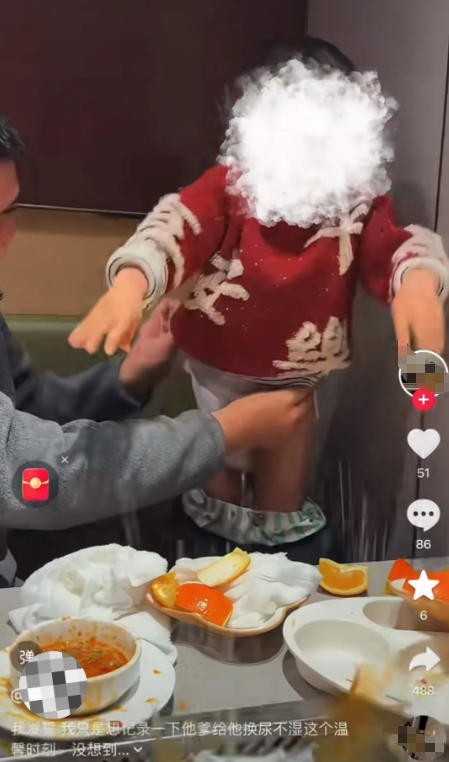
(文章来源:新京报) 对于该事件,网友纷纷表示,家长应该负起对孩子的监管责任,"这种事情还要让门店监管?家长不但 不制止居然还要拍视频。"还有网友表示,海底捞的门店设有母婴室,给孩子换尿不湿可以到母婴室 去。 此前,海底捞曾因"小便门"事件陷入舆论风波。1月8日,《人民法院报》3版刊登了海底捞"小便门"当 事人唐某及其父母的道歉声明。唐某在道歉声明中称:"我深刻认识到自己的错误行为,在此向四川新 派餐饮管理集团有限公司、上海捞派餐饮管理有限公司表示真诚的歉意。我也接受到了来自家长、学 校、公安、法院,以及网络广大消费者的批评与教育,我会吸取深刻的教训,改过自新。" 近日,有视频显示,一幼童将疑似纸尿裤扔到了火锅中。有网友称事发餐厅为一家海底捞门店。1月9 日,海底捞方面回应新京报记者表示,该事件发生于2025年12月31日,涉事门店为海底捞徐州云龙万达 广场店,一桌顾客中的两岁儿童将尿不湿扔至该桌用餐锅具内。门店已及时对锅具进行废弃处理并报 警,属地警方已依法对当日在场监护人作出相应处理。 ...

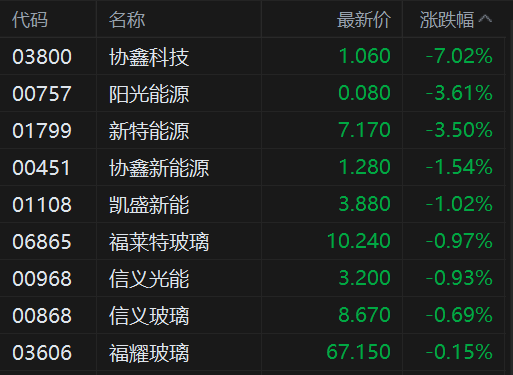
港股异动丨光伏股走低 据称市场监管总局约谈光伏龙头,禁止约定产能与价格
Ge Long Hui· 2026-01-09 03:02
Group 1 - The core viewpoint of the news is that the Hong Kong solar stocks have collectively declined due to regulatory scrutiny from the market supervision authority regarding potential monopoly risks in the solar industry [1] - GCL-Poly Energy has seen a drop of over 7%, while other companies like Sunshine Energy and Xinte Energy have also experienced declines of 3.5% [1][2] - The market supervision authority has held discussions with several key players in the solar industry, including the China Photovoltaic Industry Association and major companies, to address issues related to market manipulation and has mandated corrective actions by January 20 [1] Group 2 - The market supervision authority has prohibited the discussed companies from agreeing on production capacity, utilization rates, sales volumes, and pricing [1] - Companies are also restricted from dividing markets, production volumes, and profits through any form of investment ratio [1] - The authority has required the companies to submit written corrective measures by January 20 [1]


幼童纸尿裤扔进火锅 海底捞回应:废弃锅具并报警
Xin Lang Cai Jing· 2026-01-09 02:06
对此,海底捞方面回应称,该事件属实,于2025年12月31日发生在徐州的一家门店。 海底捞表示, 2025年12月31日,在海底捞徐州云龙万达广场店,一桌顾客中的两岁儿童将尿不湿扔至该桌用餐锅具 内,门店及时对锅具进行废弃处理并报警,属地警方已依法对当日在场监护人作出相应处理。 新浪声明:新浪网登载此文出于传递更多信息之目的,并不意味着赞同其观点或证实其描述。文章内容 仅供参考,不构成投资建议。投资者据此操作,风险自担。 责任编辑:宋雅芳 炒股就看金麒麟分析师研报,权威,专业,及时,全面,助您挖掘潜力主题机会! 1月9日上午消息,近日,一则"幼童将手中的纸尿裤扔到海底捞火锅中"视频在网上流传并引发热议。 炒股就看金麒麟分析师研报,权威,专业,及时,全面,助您挖掘潜力主题机会! 1月9日上午消息,近日,一则"幼童将手中的纸尿裤扔到海底捞火锅中"视频在网上流传并引发热议。 对此,海底捞方面回应称,该事件属实,于2025年12月31日发生在徐州的一家门店。 海底捞表示, 2025年12月31日,在海底捞徐州云龙万达广场店,一桌顾客中的两岁儿童将尿不湿扔至该桌用餐锅具 内,门店及时对锅具进行废弃处理并报警,属地警方已 ...
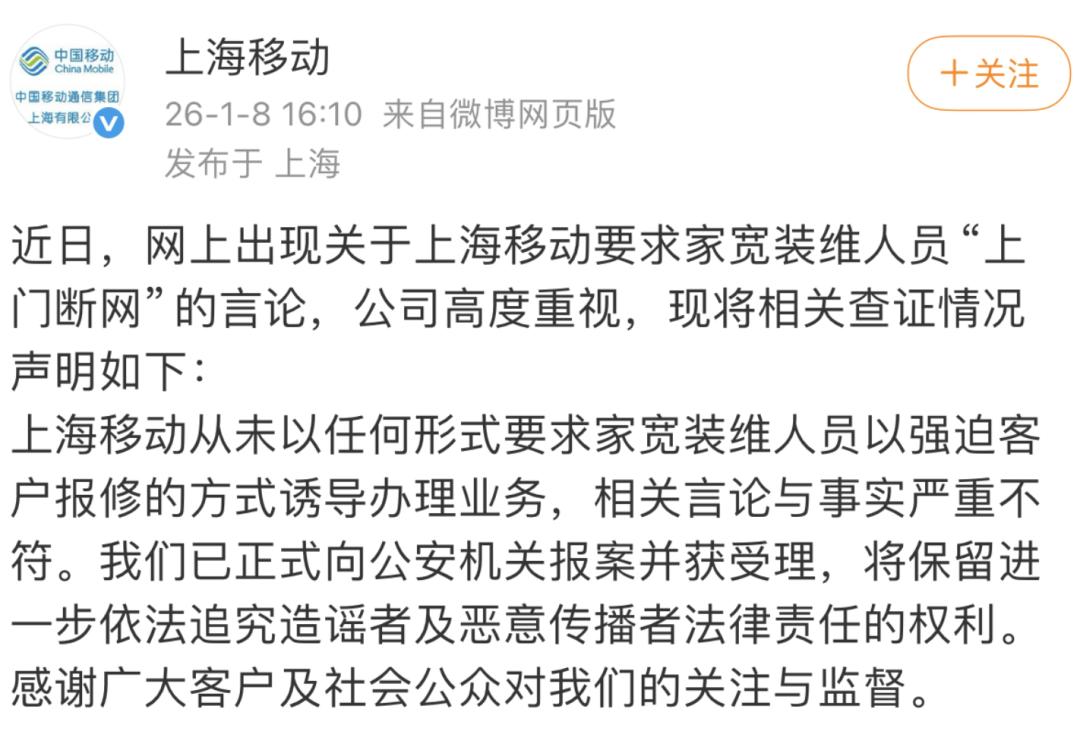
8点1氪:继“小便门”后,海底捞再曝火锅异物事件;商务部回应审查Meta收购Manus;上海移动辟谣强迫员工“上门断网”言论
36氪· 2026-01-09 00:09
Group 1 - Haidilao responded to the "diaper incident," stating that the affected pot was disposed of and the police were notified, leading to actions against the guardian present [4] - The previous "urine incident" involved two minors urinating in a hot pot, resulting in a public apology and compensation exceeding 2 million yuan [4] - The Ministry of Commerce commented on the review of Meta's acquisition of Manus, emphasizing compliance with Chinese laws for cross-border investments [5] Group 2 - China Petroleum and Chemical Corporation (Sinopec) and China Aviation Oil Group announced a restructuring approved by the State-owned Assets Supervision and Administration Commission [7] - MiniMax Group's IPO in Hong Kong attracted significant interest, with shares oversubscribed by over 70 times, raising 4.8 billion HKD [8][21] - Apple plans to launch a 200-megapixel iPhone by 2028, marking a significant upgrade from the current 48-megapixel camera [8] Group 3 - A breakthrough in cancer vaccine research was reported by a team from Peking University, introducing a new strategy for overcoming immune tolerance [9] - Xiaomi's former executive Wang Teng has established a new company focused on sleep health products [9] - Anta Sports is pursuing a bid to acquire a 29% stake in Puma, potentially becoming the largest single shareholder [16] Group 4 - Nestlé initiated a recall of potentially contaminated infant formula products across at least 50 countries due to quality issues with a supplier's oil [17] - iMoutai announced adjustments to the release schedule for various Moutai products, including limited purchase quantities for consumers [18] - The U.S. stock market showed mixed results, with major tech stocks mostly declining, while some Chinese concept stocks saw gains [18]

8点1氪丨继“小便门”后,海底捞再曝火锅异物事件;商务部回应审查Meta收购Manus;上海移动辟谣强迫员工“上门断网”言论
3 6 Ke· 2026-01-09 00:08
Group 1 - Apple plans to launch a 200-megapixel iPhone in 2028, marking a significant upgrade from the 48-megapixel camera introduced in the iPhone 14 series in 2022 [5] - A breakthrough in cancer vaccine research was published by a team from Peking University in the journal Nature, introducing a new strategy for "degradable vaccines" that shows promising results in tumor suppression [6] - Xiaomi's former executive Wang Teng has established a new company focused on sleep health products, named "Today Yixiu" [7] Group 2 - The Ministry of Commerce of China is reviewing Meta's acquisition of the AI platform Manus, emphasizing compliance with Chinese laws and regulations for foreign investments and technology exports [2] - China National Petroleum Corporation and China Aviation Oil announced a restructuring plan approved by the State-owned Assets Supervision and Administration Commission [4] - After declaring a failed restructuring, Huiyuan Group announced it would fully take over Beijing Huiyuan due to the previous investor's failure to fulfill investment agreements [8] Group 3 - JPMorgan Chase has become the new issuer of the Apple Card, replacing Goldman Sachs, with the transition expected to take up to 24 months [8] - IKEA plans to close seven stores, including one in Shanghai, as part of its strategy to adapt to changing retail environments and consumer behaviors [10][11] - Samsung Electronics expects its profits to triple in the last quarter of the previous year due to soaring demand for storage chips driven by artificial intelligence [8]
2025年第53周:食品饮料行业周度市场观察
艾瑞咨询· 2026-01-09 00:05
Group 1: Industry Trends - The condiment industry is seeing a surge in companies going public, focusing on overseas markets to combat rising costs and intense competition, with the industry expected to reach a scale of 498.1 billion yuan by 2024 [2][3] - The popularity of turmeric drinks is rising among young consumers, driven by health trends, with sales strong despite higher prices, and social media engagement showing over 13.2 million views on platforms like Xiaohongshu [4] - The food waste issue is prompting the emergence of the Upcycled Food industry, which is projected to reach a market size of 74.8 billion USD by 2029, utilizing innovative technologies to convert waste into high-value products [6][7] Group 2: Consumer Behavior - A survey indicates that 97.2% of young people have tried "light health" practices, with dietary health and fragmented exercise being the most popular methods, highlighting a shift towards more manageable health solutions [8] - The rise of health-conscious beverages, including sugar-free teas and functional drinks, is attributed to increased consumer awareness and the psychological need for immediate satisfaction in fast-paced lifestyles [10] - The trend of "punk health" in the health liquor sector is attracting younger consumers, with sales of health liquor on e-commerce platforms surging by 75.8% in the first eight months of 2025 [15] Group 3: Market Innovations - The introduction of cooking robots in restaurants is rapidly expanding, with the market expected to exceed 3.7 billion yuan by 2025, driven by AI technology and efficiency improvements [9] - The flavored water market is projected to grow from 22.1 billion USD in 2025 to 57.3 billion USD by 2035, with a compound annual growth rate of 10%, driven by health trends and innovative flavors [16] - The bottled water industry is facing intensified competition, with brands needing to diversify their product offerings and improve supply chain efficiency to maintain market share [17] Group 4: Brand Dynamics - The brand "Guozi Shule" is expanding its product line in the sugar-free tea market and has seen significant growth in its large bottle sales, indicating a strategic shift towards channel expansion [19] - "Tai Er" is undergoing a brand upgrade to focus on fresh ingredients and new dishes, responding to market changes and performance pressures, with a notable decline in revenue [20] - Danone's beverage brand "Pulse" is expected to reach nearly 7 billion yuan in revenue by 2025, with plans to expand into health drinks and face competitive pressures [21]




幼童将纸尿裤扔进锅内,海底捞最新回应:已报警,锅具处理了
Mei Ri Jing Ji Xin Wen· 2026-01-08 22:46
了来自家长、学校、公安、法院,以及网络广大消费者的批评与教 育,我会吸取深刻的教训,改过自新 长大后,我要努力成为一位对 复鲜,对国家,对社会有相当的人_作为监护人,我们对于孩子做出 的不当行为深表數量!对到决结果没有量议,今后一定引以为减,加 温对孩子的教育,引导他成长为一名行为规范的好公民、篆事强千父 班真诚道歌, 致歉人:唐某、唐父、唐母 2025年12月23日 送达仲裁文书 大同市进雨建筑劳务有限公司(被申请人):本会受理申请入山 西中万建材租赁有限公司与被申请人大同市进雨建筑劳务有限公司 之间的粗贤合同纠纷一案,现依法向被申请人公告送达(2025)同仲 款字第066号裁决书。自公告之日起30日内,被申请人大同市进面建 筑劳务有限公司到本会领取上述文书,逾期即提为送达。大同仲敌委 员会联系电话:0352-6026603. 大同仲裁委员会 据东方财经报道,记者询问海底捞官方客服,对方表示涉事门店已经报警处理,"我们这个相关事情已经报警处理,也会配合警方积极处理。涉事门店的 锅具的话也都已经处理了。"关于处理结果,对方表示:"最终的处理结果的话是以警方相关的处理结果为准。" 另据中新经纬报道,1月8日晚, ...
热议登报道歉也是一次生动的普法实践
Xin Lang Cai Jing· 2026-01-08 22:05
Core Viewpoint - The public apology and high compensation are not merely a response to public opinion but a necessary result of legal punishment, transforming moral obligations into legal ones, thus fulfilling the victims' needs for justice and impacting the social evaluation of the infringers [1][4]. Group 1: Incident Overview - In March of last year, an incident involving individuals urinating in a hot pot restaurant led to significant public attention, resulting in the administrative detention of the involved minors [2]. - In September, a court ordered the minors and their guardians to publicly apologize and compensate the restaurant for economic losses totaling 2.2 million yuan [2]. Group 2: Legal Framework - The legal basis for public apologies stems from multiple laws, including the Civil Procedure Law and the Civil Code of the People's Republic of China, which recognize public apologies as a form of civil responsibility [3]. - The court determined that the restaurant's losses, including costs for replacing and disinfecting utensils, were directly related to the infringing actions, justifying the 2.2 million yuan compensation as a reasonable loss [3]. Group 3: Public Reaction - Public sentiment towards the apology was mixed, with many expressing skepticism about its sincerity, suggesting that it was only prompted by the financial compensation [2]. - Some individuals viewed the public apology as a mere formality, questioning its effectiveness in addressing the harm caused [2]. Group 4: Legal Process of Apology - The process of executing a public apology involves preparing necessary documents and publishing the apology, which requires time and adherence to legal procedures [4]. - The legal intervention in this case serves to convert moral obligations into enforceable legal duties, addressing both tangible and intangible damages caused by the infringing actions [4]. Group 5: Legal Education - The discussion surrounding the public apology serves as a practical example of legal education, emphasizing the importance of understanding the legal weight behind such statements and fostering a culture of respect for the law [5].
谁是下任美联储主席?特朗普发声;伊朗大范围断网;两部门:督促雀巢做好乳粉召回工作;郁亮35年万科生涯落幕;海底捞回应尿不湿事件丨每经早参
Mei Ri Jing Ji Xin Wen· 2026-01-08 21:55
Group 1 - The U.S. stock market showed mixed results, with the Dow Jones rising by 0.55% and the Nasdaq falling by 0.44% [3] - Major technology stocks mostly declined, with Intel down over 3% and Nvidia down over 2% [3] - Chinese concept stocks generally rose, with the Nasdaq Golden Dragon China Index increasing by 1.09% [3] Group 2 - The U.S. initial jobless claims for the previous week were reported at 208,000, slightly below the expected 210,000 [4] - International oil prices surged, with WTI crude oil rising by 4.59% to $58.56 per barrel [4] - Gold prices also increased, with spot gold up by 0.48% to $4,477.88 per ounce [4] Group 3 - The European stock indices closed mixed, with Germany's DAX up by 0.02% and the UK's FTSE 100 down by 0.04% [5] - The Chinese government announced a restructuring between Sinopec and China Aviation Oil, which is expected to enhance industry integration and resource optimization [15] - Nestlé (China) is recalling specific batches of infant formula, with the government emphasizing the importance of consumer safety [16] Group 4 - Xiaomi plans to invest an additional 200 billion yuan in research and development over the next five years, reinforcing its commitment to technological advancement [17] - Vanke A announced the resignation of its executive vice president due to retirement, indicating potential management changes [18] - Moore Threads released an updated version of its distributed training simulation tool, enhancing its capabilities in AI model training [19] Group 5 - Huiyuan Group announced a complete takeover of Beijing Huiyuan due to the failure of a restructuring plan, raising concerns about consumer and investment confidence [21] - Shanghai Mobile denied allegations of coercing customers into service agreements, emphasizing its commitment to customer relations [23] - The National Development and Reform Commission and other departments held a meeting to regulate the competition order in the power and energy storage battery industry [9]




“2岁儿童将尿不湿扔入火锅”,海底捞回应
Xin Lang Cai Jing· 2026-01-08 15:54
近日,一则视频显示,一幼童将疑似纸尿裤扔到了火锅中。有网友称事发餐厅为一家海底捞门店。 1月8日晚,智通财经从海底捞公司官方了解到,此事件发生于2025年12月31 日,海底捞徐州云龙万达 广场店,一桌顾客中的两岁儿童,将尿不湿扔至该桌用餐锅具内。 门店及时对锅具进行废弃处理并报警,属地警方已依法对当日在场监护人作出相应处理。 本 期资深 编 辑 周玉华 智通财经2026-01-08 22:31:06 智通财经记者 郑朝渊 实习生 李斐洋 1月8日,一则幼童将纸尿裤扔至火锅中的视频引发关注。 智通财经从海底捞公司官方了解到,事件发生于2025年12月31日海底捞徐州云龙万达广场店,已对锅具 废弃处理,警方已处理监护人。 ...