HAIDILAO(06862)

Search documents
海底捞就餐免费送“黄金小马”,上海网友晒图:领到了!门店回应
Sou Hu Cai Jing· 2026-01-11 13:09
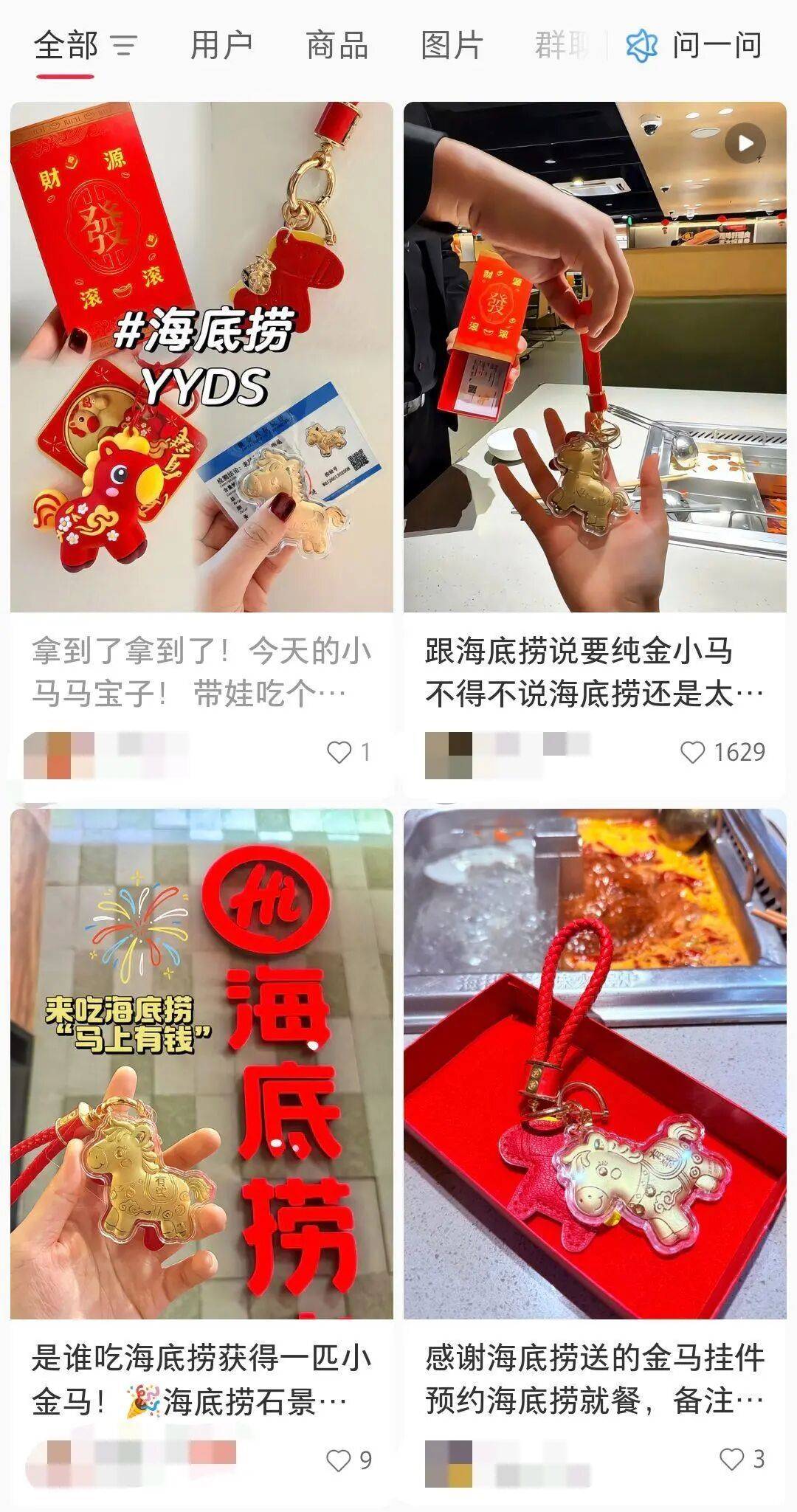
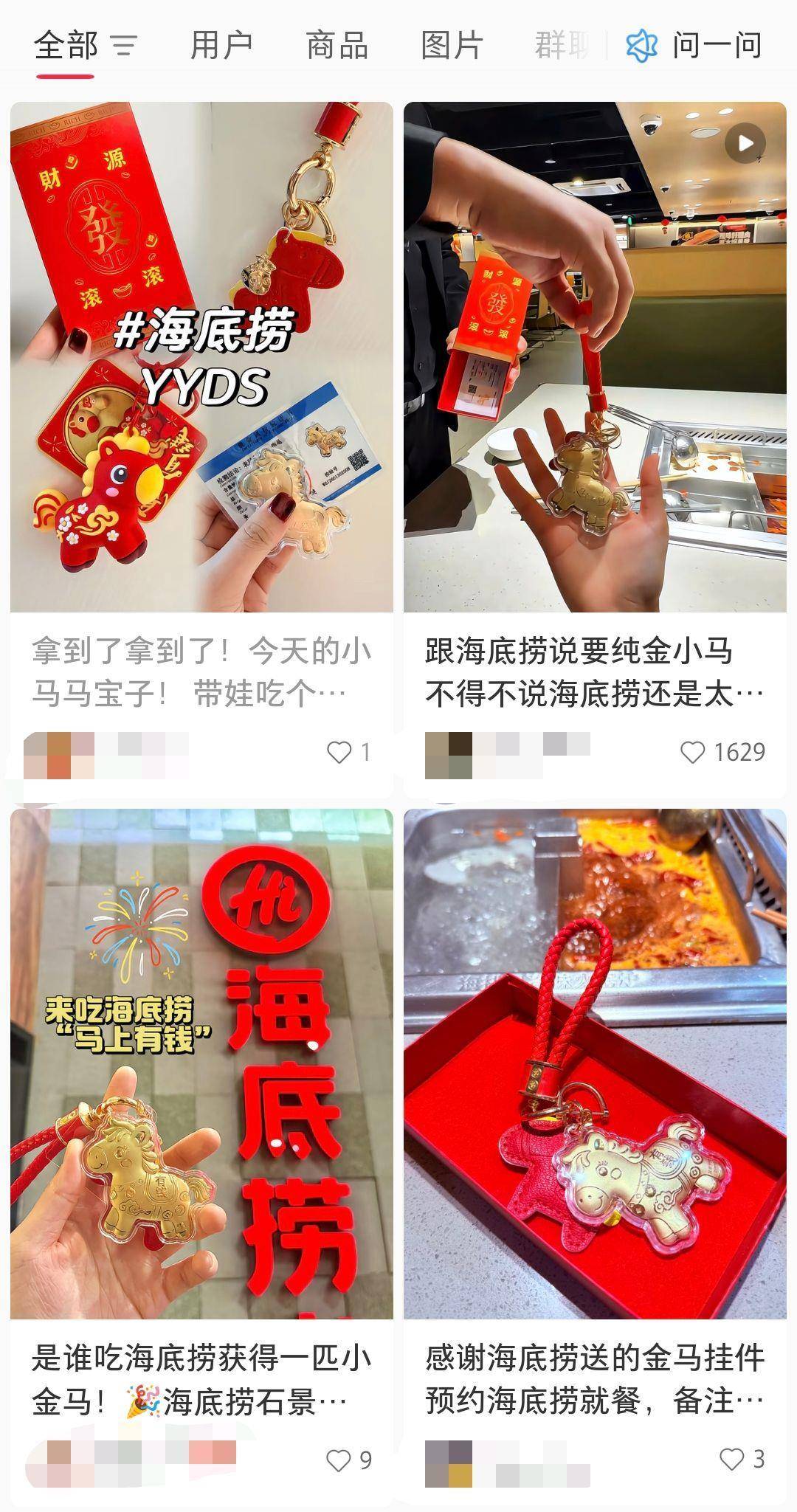
近日,多位网友发视频分享称,他们去海底捞门店就餐后免费领取了一个"黄金小马"的挂件。不少网友表示,小马看起来金灿灿的很喜庆,也想去领一 个。 网友发布的视频显示,在海底捞一家门店内,工作人员递给顾客一个小马形状的金色挂件,上面刻有"马上发财"的字样。该网友发布视频的定位信息显 示,其就餐的是上海一家海底捞门店。 此事冲上热搜并引发了不少网友讨论,有网友表示:"不管黄金含量多少,顾客进去消费后还能让门店这么宠着,谁不爱呢。""就餐时候的情绪价值也很 重要。"也有网友则认为:"对我来说不如送个菜。" 往期热点,别错过 1月11日,记者致电上述海底捞门店,工作人员表示,"它不是纯金的,是合成金属材质的。"顾客在订餐时备注相关信息可获得小马挂件,但有数量限 制,先到先得。 来源:新闻晨报、极目新闻、四川观察 编辑:赵箐芸 编审:林 萌 审签:熊 莺 双击屏幕让这条新闻"飞"得更快 ...


药房卖咖啡、火锅变市集 上海餐饮有多会"玩"
Xin Lang Cai Jing· 2026-01-11 10:59
Group 1: Company Innovations - The "氛子药局" is a new store by the 72-year-old brand, 第一医药, which combines traditional medicine with modern aesthetics, attracting a younger demographic [1] - The store features a unique design with a "day coffee, night bar" concept, transforming from a health drink space during the day to a social venue at night, while traditional medicine sales are located on the second floor [1] - The store has exceeded expectations in terms of customer traffic and sales within the first month of operation [1] Group 2: Market Trends - Young consumers are increasingly valuing experiential offerings, leading to a shift in how traditional brands like 第一医药 engage with their audience [2] - The restaurant industry in Shanghai is seeing a surge in new openings, with 498 new dining establishments launched by October last year, indicating a strong growth in the first-store economy [2] - The introduction of innovative dining experiences, such as the immersive dining experience led by a virtual chef, highlights the growing demand for unique culinary experiences among both domestic and international tourists [3][4] Group 3: Consumer Behavior - The average daily booking volume for the new restaurant concept is continuously increasing, with a significant portion of customers being international tourists [4] - The integration of cultural elements into dining experiences is enhancing the appeal of Shanghai as a culinary destination, attracting more visitors and encouraging further expansion into other cities [4]


海底捞就餐送“黄金小马” 冲上热搜,最新回应
Huan Qiu Wang· 2026-01-11 10:11
Core Viewpoint - Recently, Haidilao has launched a promotional activity where customers can receive a "golden horse" pendant after dining at certain locations, which has generated significant online discussion and interest among consumers [1][5]. Group 1: Promotional Activity - Customers dining at Haidilao can receive a small horse-shaped golden pendant inscribed with "马上发财" (meaning "prosperity is coming soon") [5]. - The promotion has been reported in various locations, including a specific store in Shanghai, and is not a nationwide campaign but rather a localized initiative [5]. Group 2: Customer Reactions - Many customers have expressed positive sentiments about the promotion, appreciating the emotional value and customer service aspect of receiving a gift during their dining experience [5]. - Some customers, however, have suggested that they would prefer receiving food items instead of the pendant [5]. Group 3: Material Information - The pendant is made of synthetic metal rather than pure gold, as confirmed by staff at the Haidilao location [5].
海底捞就餐送“黄金小马”冲上热搜,工作人员:并非纯金,是合成金属材质的
Sou Hu Cai Jing· 2026-01-11 07:51
Core Viewpoint - The recent promotional activity by Haidilao, where customers receive a "golden horse" pendant, has gained significant attention on social media, highlighting the importance of customer engagement and emotional value in dining experiences [1][5]. Group 1: Promotional Activity - Multiple customers reported receiving a small horse-shaped golden pendant with the inscription "马上发财" (which translates to "prosperity is coming") after dining at Haidilao [5]. - The promotion appears to be localized, with some stores in Beijing and Inner Mongolia participating, but it is not a nationwide campaign [5]. Group 2: Customer Reactions - The promotional item has sparked discussions among customers, with some expressing appreciation for the gesture, emphasizing the emotional value of such experiences [5]. - Conversely, some customers indicated a preference for tangible food items over promotional gifts, suggesting varied consumer expectations [5]. Group 3: Product Details - The pendant is made of synthetic metal rather than pure gold, as confirmed by staff at the Haidilao location in Shanghai [5].
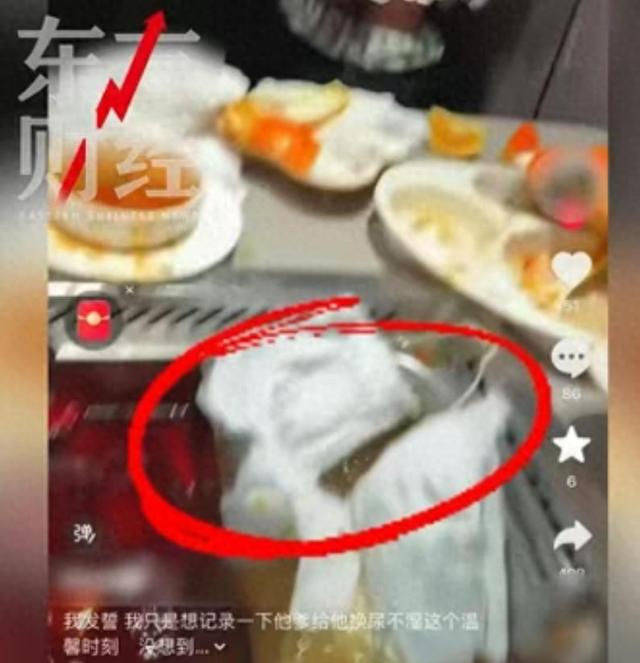
律师分析两岁儿童把尿不湿扔火锅事件:家长或将承担三个层面后果丨法律顾问在身边
Xin Lang Cai Jing· 2026-01-10 06:08
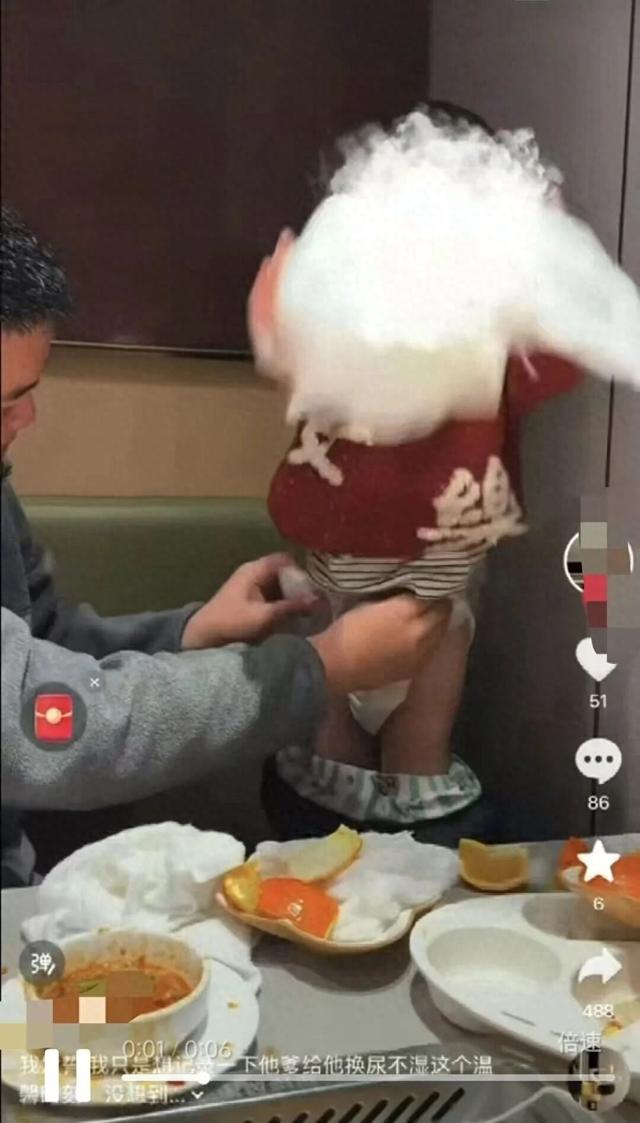
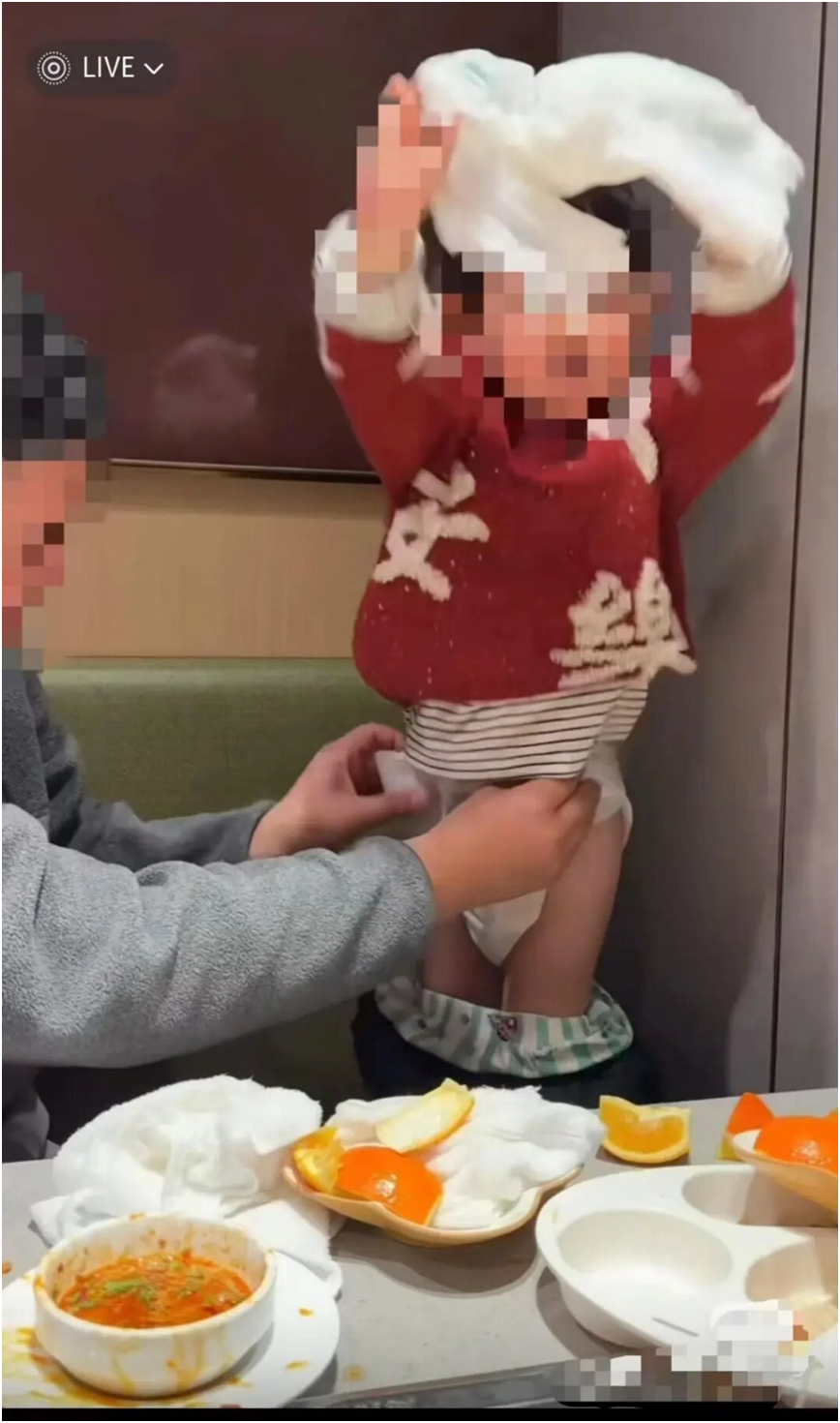
Core Viewpoint - The incident involving a child throwing a diaper into a hot pot at a Haidilao restaurant raises questions about consumer responsibility and potential legal consequences for the child's parents [3][4]. Group 1: Legal Consequences for Parents - Parents of the child may face civil liability for damages caused by the child's actions, including costs for contaminated food and equipment, as well as potential loss of business revenue [3]. - The incident could also harm the restaurant's reputation, leading to further claims under the Civil Code regarding the protection of reputation [3]. - As the child's guardians, the parents are responsible for supervising their child and may be liable for damages incurred by the restaurant [3][4]. Group 2: Administrative and Social Implications - Although the child cannot be administratively punished due to being under 14 years old, the police may require the parents to provide better supervision [4]. - The incident may lead to public criticism of the parents, impacting their personal integrity and social standing [4][5]. Group 3: Business Response and Rights Protection - The restaurant should gather evidence, including surveillance footage, to document the incident and the resulting damages [4]. - The restaurant can seek compensation for damages to its property and reputation, and may initiate civil litigation if an agreement cannot be reached with the parents [4].
70后卖房造吸管,“啃下”肯德基、海底捞,如今撑得起一个IPO吗?
3 6 Ke· 2026-01-09 13:08
Core Viewpoint - Ningbo Changya New Materials Technology Co., Ltd. (Changya Co.) is attempting to re-enter the capital market with a new IPO application after previously withdrawing its application in 2024, facing significant industry changes and survival challenges [1][19]. Company Overview - Changya Co. was established on January 14, 2013, and is primarily engaged in the production of disposable food containers, including straws and boxes [2]. - The company is controlled by Ningbo Changya Asset Holding Co., which holds 49.54% of its shares [2]. - The company previously submitted an IPO application to the Shenzhen Stock Exchange in June 2023 but withdrew it in May 2024 due to changes in market conditions and operational circumstances [2]. Founder Background - The founder, Xu Jianhai, is a 70s engineer who started the company after selling his house for over 1 million yuan, initially producing plastic bags and films before pivoting to straws targeting the European and American markets [3][4][7]. Market Position and Clientele - Changya Co. has established a strong presence in the overseas market, with major clients including KFC, Burger King, and Walmart, contributing significantly to its revenue [7][9]. - From 2020 to 2022, the company's revenue grew from 512 million yuan to 919 million yuan, nearly doubling in three years, with over 95% of sales coming from international markets, particularly the U.S. [10][12]. Financial Performance - The company's revenue figures for 2020, 2021, and 2022 were 512 million yuan, 623 million yuan, and 919 million yuan, respectively, while net profits fluctuated from 73 million yuan to 125 million yuan, with a notable drop in 2021 [10][12]. - The gross profit margins were 25.89%, 17.83%, and 21.22% for the same years, indicating volatility influenced by exchange rates and raw material costs [10][12]. Challenges and Industry Trends - Changya Co. faces challenges from rising raw material prices and exchange rate fluctuations, which directly impact its gross margins [12][14]. - The global trend towards "plastic restrictions" poses a significant threat, as the company heavily relies on plastic products, with over 90% of its revenue coming from plastic food containers [14][15]. - Competitors like Fuling and Jialian Technology are advancing in biodegradable products, which could further challenge Changya Co.'s market position [16][18]. Future Outlook - The company is attempting to capitalize on the current IPO window but must navigate a changing competitive landscape and increasing environmental regulations [19]. - Without a clear strategy for product diversification and adaptation to eco-friendly materials, Changya Co. may struggle to achieve higher valuations in the future [19].
幼童与少年的海底捞事件,为何责任差别那么大?
Bei Jing Ri Bao Ke Hu Duan· 2026-01-09 11:27
Core Viewpoint - A recent incident involving a child throwing a diaper into a hot pot at a Haidilao restaurant has sparked public attention, raising questions about legal responsibility and the implications for the restaurant's reputation [5][6][10]. Group 1: Incident Details - The incident occurred on December 31, 2025, at the Haidilao restaurant in Xuzhou, where a two-year-old child threw a diaper into the dining pot, leading the restaurant to dispose of the pot and report the incident to the police [6][10]. - The restaurant is operating normally, and the police have taken action against the child's guardian present at the time [5][6]. Group 2: Legal Implications - According to legal experts, the child, being two years old, is classified as having no civil capacity under Chinese law, meaning the guardian is fully responsible for any damages caused by the child's actions [7][10]. - In contrast, a previous incident involving two 17-year-olds who urinated in a hot pot was treated differently, as they are considered to have limited civil capacity and were held accountable for their actions, resulting in a court-ordered compensation of 2.2 million yuan [6][10]. Group 3: Nature of Behavior and Responsibility - The behavior of the two-year-old is viewed as unintentional and exploratory, with the focus on the guardian's negligence in supervision [9][10]. - The actions of the 17-year-olds were deemed intentional and malicious, leading to a higher level of legal accountability and significant financial repercussions for their actions [9][10]. Group 4: Broader Context and Recommendations - This incident reflects a broader issue of uncivil behavior in public dining spaces, which is not unique to Haidilao but also seen in other major chains like McDonald's and Starbucks [11]. - Legal experts emphasize the importance of guardians fulfilling their responsibilities in public settings, advocating for clear rules and accountability mechanisms to maintain public order and protect businesses [11].
丑闻缠身、业绩承压、股东减持,海底捞的经营困局与隐忧
Xin Lang Cai Jing· 2026-01-09 10:27
Core Insights - The recent negative events have significantly impacted the brand image of Haidilao, leading to a decline in consumer trust and operational challenges [6][9][19] Group 1: Brand Trust Erosion and Operational Costs - The incidents involving public health scandals have eroded the brand premium that Haidilao relies on, while simultaneously increasing hidden operational costs [6][9] - The "urination incident" in March 2025 was a severe brand crisis, resulting in significant financial losses and a damaged reputation [7][9] - Following the "urination incident," Haidilao's stock price dropped, leading to a market value loss of over 4 billion HKD [8] Group 2: Financial Performance Decline - Haidilao's revenue for the first half of 2025 was 20.703 billion RMB, a decrease of 3.7% year-on-year, with core operating profit down 14.0% [10] - The average table turnover rate fell from 4.0 times per day in 2021 to 3.8 times in the first half of 2025, indicating operational inefficiencies [11] - The number of customers served in the first half of 2025 decreased by 4.2% year-on-year, with average spending per customer only increasing by 1.1% [13] Group 3: Shareholder Concerns and Market Sentiment - Institutional shareholders have significantly reduced their holdings, with only 5 funds remaining invested in Haidilao by the third quarter of 2025, down from 25 at the end of 2024 [15][16] - The founding team has also engaged in substantial share sell-offs, raising concerns about the company's future prospects despite claims of confidence in its long-term value [17] Group 4: Strategic Adjustments and New Initiatives - Haidilao is actively pursuing a transformation strategy, including the "Pomegranate Plan" to incubate new restaurant brands, which has already resulted in 14 new brands [17][18] - Revenue from other restaurant operations surged by 227.0% in the first half of 2025, indicating that new business ventures are beginning to contribute to overall revenue [18] - The company maintains a cash reserve of 5.871 billion RMB, providing it with strategic flexibility to navigate current challenges [19]
海底捞遭遇“尿不湿入锅”,餐企为何频繁成为不文明行为受害者?
Xin Jing Bao· 2026-01-09 10:16
近日,一则"幼童将尿不湿扔进火锅"的视频在网络引发热议。1月9日,海底捞方面回应表示,经核实, 该事件发生于2025年12月31日海底捞江苏徐州云龙万达广场店。门店在事发后已立即对相关锅具作废弃 处理,并主动报警处置。目前,警方已依法对在场监护人作出相应处理。 该事件也引起了网友热议:从"小便门"到"尿不湿事件",海底捞接连成为公共不文明行为的"受害者", 在公共就餐空间,不文明行为到底该如何监管?如何规避?对此,法律界人士认为,公共餐饮场所不文 明行为之所以屡禁不止,与违规成本过低密切相关。多数情况下,这类行为并不直接触及法律红线,企 业只能通过提醒和劝导处理。"让越界行为承担合理成本,是提升治理效果的重要方向。" 餐饮门店成不文明现象"重灾区" 公开报道显示,类似行为并非个例。近年来,从幼儿在餐区随地便溺、顾客脱鞋散发异味,到长期占 座、浪费食物、甚至拍摄不雅视频,此类事件在麦当劳、肯德基、星巴克、宜家等各类消费场所屡见不 鲜。 这些在消费场所发生的不文明现象屡禁不止,也折射出餐饮行业长期面临的困境。有餐饮从业者表示, 在各类公共场所不文明现象的热度事件中,餐饮企业往往首当其冲,却常陷入"有责无权"的治理 ...
海底捞,又“尿”了!
Xin Lang Cai Jing· 2026-01-09 08:31
Core Viewpoint - The incidents involving Hai Di Lao highlight significant issues regarding public behavior and responsibility in dining environments, emphasizing the need for both individual accountability and corporate management to maintain public civility and safety [4][11][12] Incident Overview - On December 31, 2025, a two-year-old child threw a diaper into a hot pot at Hai Di Lao's Xuzhou store, prompting immediate disposal of the pot and police involvement [2][7] - On February 24, 2025, two individuals urinated in a hot pot at the Shanghai Bund store, with one filming and sharing the act on social media, leading to widespread outrage [2][7] - On September 12, 2025, a Shanghai court ordered the individuals involved to pay Hai Di Lao 2.2 million yuan, covering damages for equipment loss, business reputation, and legal costs [2][7] Public Reaction and Commentary - The incidents have sparked discussions about the "broken windows theory," suggesting that visible disorder may encourage further misconduct in public spaces [4][9] - Hai Di Lao's founder, Zhang Yong, has emphasized the importance of service excellence in a competitive market, but food safety remains paramount for restaurant operations [4][9] Responsibility and Management - The incidents reflect a collective failure in responsibility, including parental oversight and the restaurant's management capabilities [6][11] - The presence of a designated nursing room in the restaurant underscores the negligence of guardians in managing their children's behavior [12] - The need for clear rules and consequences for inappropriate actions is highlighted, as the incidents serve as a warning for maintaining cleanliness and respect in shared dining spaces [12]