NIO(09866)

Search documents
“2025还没正式结束,2026已经露出獠牙”
3 6 Ke· 2025-12-08 02:36
Core Viewpoint - The Chinese automotive market is entering a phase of intensified competition, with industry leaders acknowledging that the battle for market share will become increasingly brutal in the coming year [3][6][10]. Industry Insights - Executives from major automotive companies express a shared sentiment that the competition in the Chinese car market is escalating, with no signs of stabilization until at least 2035 [3][6]. - The market is expected to be saturated with new products across various segments, leading to fierce competition among both established and emerging players [3][5]. - The transition to a "stock competition" era is evident, as the rapid growth phase of the Chinese automotive market has ended, giving way to a more challenging environment for many manufacturers [8][10]. Market Dynamics - The withdrawal of subsidies and tax incentives is anticipated to further exacerbate the market's cooling trend, making the first quarter of the next year particularly difficult for many companies [8][10]. - Companies like Li Auto and NIO are experiencing sales fluctuations, with NIO's delivery numbers showing a decline in November, reflecting broader market challenges [8][10]. - The competitive landscape is likely to lead to price wars, concentrating resources among leading manufacturers while pushing weaker players out of the market [10][12]. Strategic Responses - Companies are adopting various strategies to navigate the competitive landscape, with some focusing on increasing the frequency of new product launches to maintain market presence [12][14]. - Others, like Li Auto, advocate for a more measured approach, suggesting that fewer, well-timed product releases can be more effective than a rapid-fire strategy [14]. - The emphasis is on enhancing operational efficiency, precise market positioning, and customer-centric innovation to thrive in the evolving market [12][14].




AI眼镜取代不了手机,它想“干掉”传统眼镜
3 6 Ke· 2025-12-08 00:50
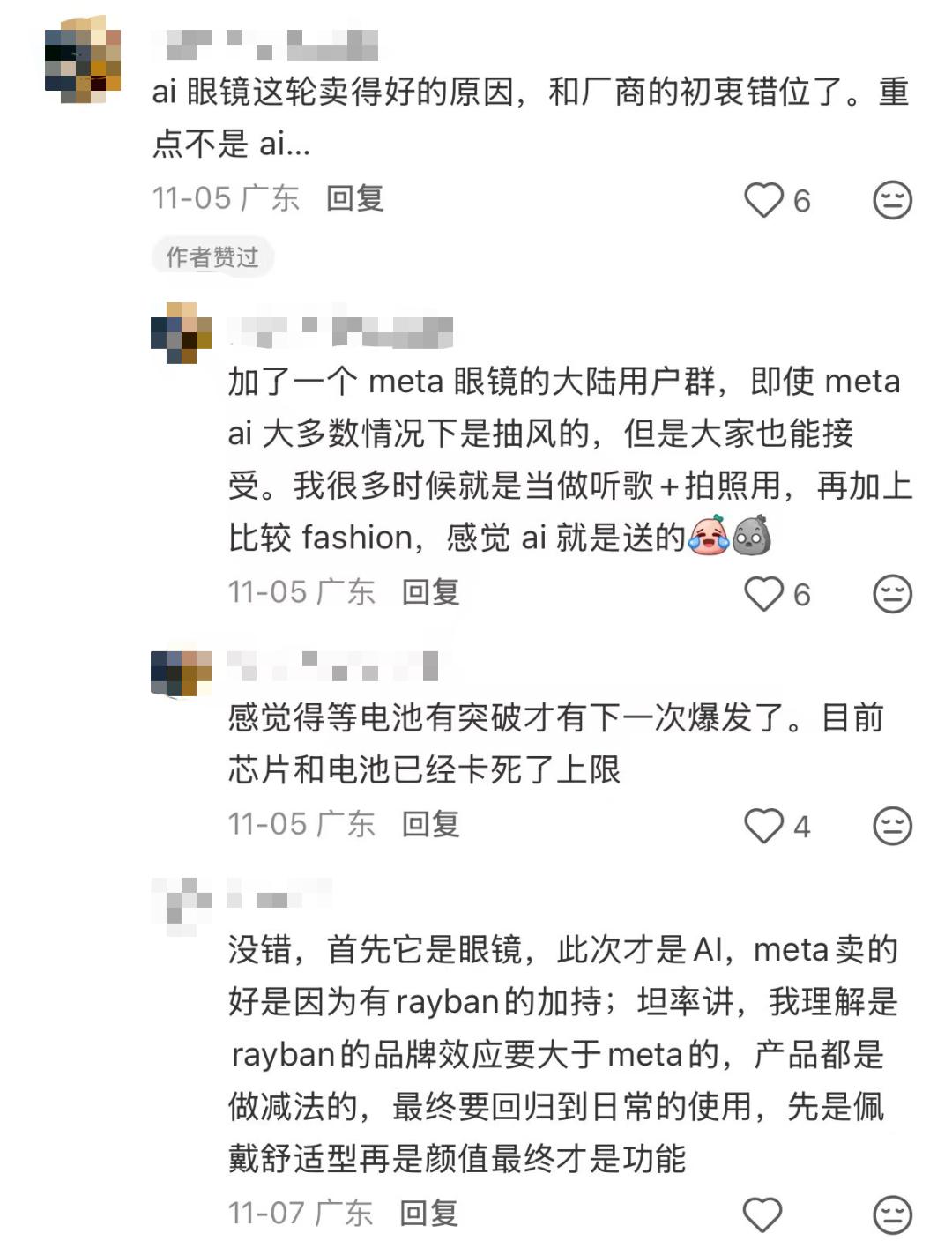
Core Insights - The current trend in AI glasses is not to replace smartphones but to replace traditional glasses with smart features. The focus is on creating high-quality eyewear that integrates AI technology [7][4]. Market Overview - In the past two months, 20 AI glasses have been launched in the Chinese market, including products from major companies like Baidu, Lenovo, and Alibaba, as well as startups like Rokid and Yingmu Technology [1]. - There are approximately 5 billion smartphone users globally, while the number of people who wear glasses is around 2 billion, indicating a significant market opportunity for AI glasses [2]. - The decision-making process for purchasing AI glasses is simplified for nearsighted individuals, as many are already spending hundreds to thousands of yuan on traditional glasses [3]. Competitive Landscape - The AI glasses market is becoming increasingly competitive, with five main categories of participants: smartphone manufacturers, internet giants, established AR glasses companies, new automotive players, and traditional eyewear brands collaborating with tech companies [4]. - IDC predicts that global shipments of smart glasses will reach 12.8 million units by 2025, with a 26% year-on-year growth, and the Chinese market alone is expected to exceed 2.75 million units, growing by 107% [4]. Product Development - The current AI glasses lack a "killer application" that makes them indispensable, which is a challenge for widespread adoption [6]. - A good pair of glasses must meet basic requirements of comfort and style, and partnerships between tech companies and traditional eyewear brands are a direct approach to achieving this [8][9]. - The weight of AI glasses is a critical factor; for instance, Ray-Ban Meta weighs 49 grams, significantly lighter than previous AR devices, while traditional prescription glasses weigh between 20-30 grams [13]. User Experience - AI glasses currently offer limited functionality, primarily focused on navigation and translation, and there is a gap between user expectations and the current capabilities of these devices [17]. - The most clear and irreplaceable function of AI glasses is hands-free recording, which is particularly useful in scenarios where users need to capture video without using their hands [19][21]. - Battery life remains a concern, with mainstream products offering 7-18 hours of usage, but improvements are being made, such as charging cases and replaceable components [17]. Future Outlook - The future of AI glasses is seen as a combination of AI and AR, aiming for a seamless integration of virtual and real-world experiences [28]. - The potential for AI glasses to become a primary interface for AI interaction is significant, with the possibility of them replacing smartphones in the long term [30]. - The market for specialized AI glasses, such as those designed for visually impaired users, represents an untapped opportunity that could address specific needs without requiring major technological breakthroughs [29].



日产N6、别克至境世家、新款蓝电E5上市!小鹏联手华为推出下一代增程发电机!多款新车登录工信部!11月车企销量公布!丨一周大事件
电动车公社· 2025-12-07 16:05
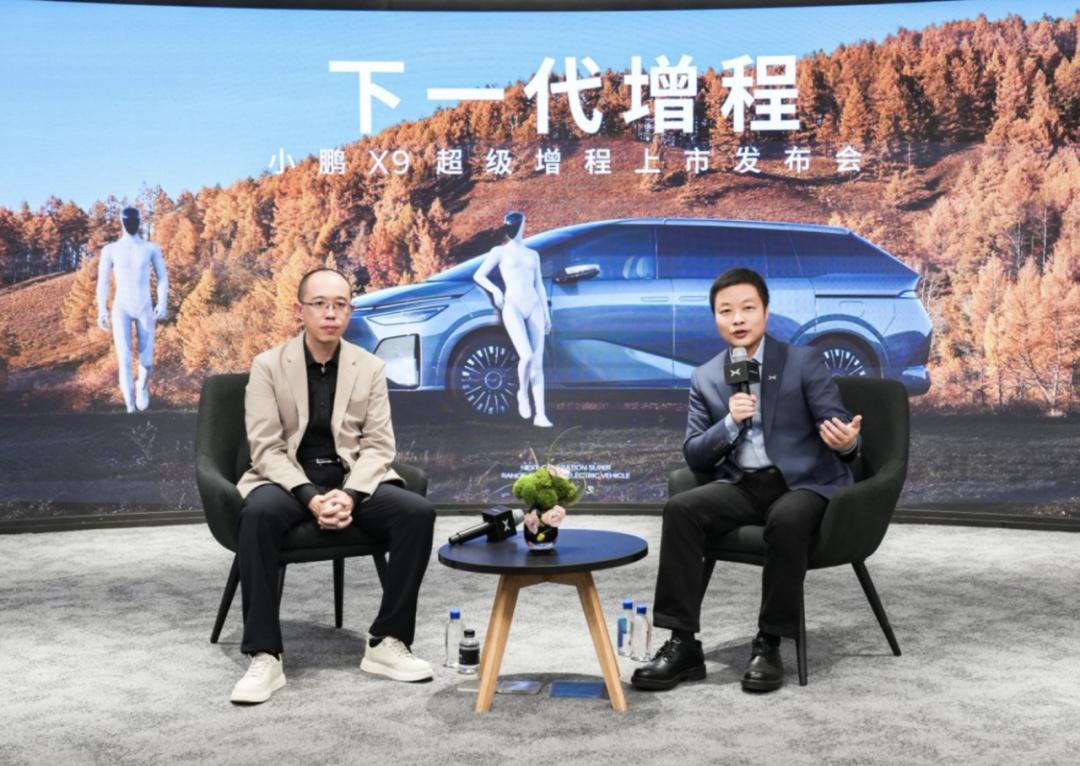
New Car Launches - Dongfeng Nissan N6 launched with a limited-time price of 91,900 to 121,900 yuan, featuring a hybrid system with a 75kW engine and a 155kW motor, offering a pure electric range of 170-180 km [1][3][9] - New Blue Energy E5 Plus launched at a limited-time price of 119,800 yuan, equipped with a 70kW engine and a 160kW motor, providing a pure electric range of 230 km [1][12][17] - Buick Zhijing Shijia launched with a price range of 439,900 to 469,900 yuan, featuring a 132kW engine and a dual-motor system, offering a pure electric range of 224 km [1][20][25] Company Dynamics - Xiaomi Auto has surpassed 500,000 cumulative deliveries, achieving its annual target ahead of schedule [1][28][29] - XPeng Motors collaborates with Huawei to launch a next-generation range extender generator with over 92% efficiency [1][32][35] - Changan Automobile is set to roll out its 30 millionth vehicle, becoming the first Chinese brand to reach this milestone [1][36][40] Sales Performance - BYD sold 474,921 passenger vehicles in November, maintaining a leading position in the new energy sector [1][71][73] - Changan Automobile's November sales reached 283,000 units, with over 125,000 in new energy vehicles [1][76][79] - SAIC-GM-Wuling achieved 118,726 new energy vehicle sales in November, marking three consecutive months of over 100,000 units sold [1][81] - Chery's new energy vehicle sales reached 116,794 units in November, continuing its growth trend [1][82][86] - Hongmeng Zhixing delivered 81,864 units in November, benefiting from increased production capacity [1][87][90] - Leap Motor delivered 70,327 units in November, showing strong market performance [1][91][92] - Great Wall Motors sold 40,113 new energy vehicles in November, reflecting a significant growth in its transition to new energy [1][95][96] - XPeng Motors delivered 36,728 units in November, with a year-to-date growth of 156% [1][98][99] - NIO delivered 36,275 units in November, with a notable increase in sales [1][100][106] - Li Auto delivered 33,181 units in November, maintaining a positive outlook despite market pressures [1][107][109] - Deep Blue Automotive delivered 33,060 units in November, with strong performance from its S05 model [1][111][113] - BAIC New Energy sold 32,328 units in November, with a significant year-on-year increase [1][114][115] - Lantu Automotive delivered 20,005 units in November, marking a strong sales milestone [1][116][118] - FAW Bestune sold 15,793 new energy vehicles in November, with a focus on young consumers [1][119][123] - Avita delivered 14,057 units in November, achieving a historical high [1][124][125] - Zhiji delivered 13,577 units in November, with a focus on expanding its product line [1][126][128] - Jishi Automotive delivered 1,452 units in November, showing steady growth in international markets [1][129][132] Industry News - A new national standard for steer-by-wire technology has been released, removing mandatory mechanical connections [2][133][135] - Global penetration of new energy vehicles is on the rise, projected to reach 25.2% by Q4 2025 [2][138][140] - South Korea's automotive exports have declined for the first time in recent years, with a forecasted drop in total exports [2][143][145]




11月新势力榜单:蔚来困于盈利,理想反弹乏力
Feng Huang Wang Cai Jing· 2025-12-07 14:03
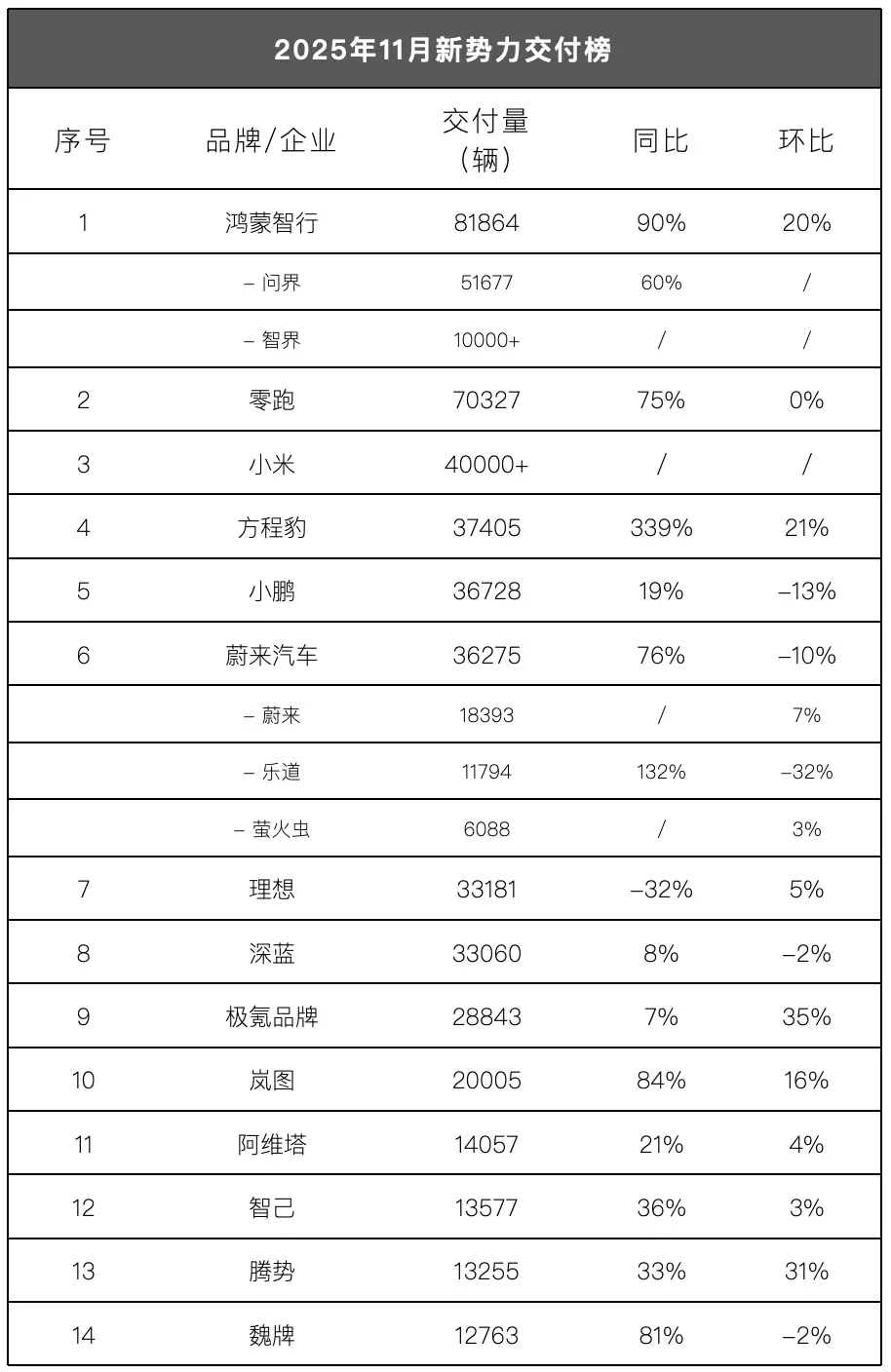
Core Insights - The delivery rankings of new car manufacturers have undergone significant changes in November, with a reshuffling of positions following the "golden September and silver October" period [1] Group 1: Delivery Rankings - Hongmeng Zhixing topped the delivery chart with 81,864 units, achieving a year-on-year growth of 90% and a month-on-month increase of 20% [2][3] - Leap Motor maintained its position as the "single brand champion" with 70,327 units delivered, marking its second consecutive month above 70,000 [4] - Xiaomi entered the top three with over 40,000 units, while BYD's Fangchengbao emerged as a dark horse with 37,405 units [5] Group 2: Competitive Landscape - In the second tier, brands like Xiaopeng (36,728 units) and NIO (36,275 units) are in close competition, with Ideal (33,181 units) and Deep Blue (33,060 units) also in the mix [5][21] - Zeekr accelerated its growth with 28,843 units, while Lantu broke the 20,000 mark for the first time [6] Group 3: Financial Performance and Market Challenges - Despite high delivery numbers, companies like Leap Motor face challenges in profitability, with a net profit of 150 million yuan in Q3, down 8% from the previous quarter [12][13] - Xiaomi's automotive division reported a 700 million yuan operating profit in Q3, making it the fastest to achieve profitability among new forces, yet its stock price has been under pressure due to negative publicity [14][15] - NIO's stock fell 20% in November after lowering its Q4 delivery guidance, indicating challenges in meeting profitability targets [24][30] Group 4: Strategic Adjustments - Xiaopeng is transitioning to a dual strategy of pure electric and range-extended vehicles, with plans to launch three new range-extended models in Q1 next year [19][20] - NIO is focusing on high-end models to improve overall gross margins, while also facing pressure to enhance profitability [22][26] - Ideal is adjusting its organizational structure and technology to address ongoing challenges, with a focus on ramping up production of its new electric model [28][30]


50款顶流车型静谧性对比,国产新能源车隔音全面领先
Sou Hu Wang· 2025-12-07 12:50
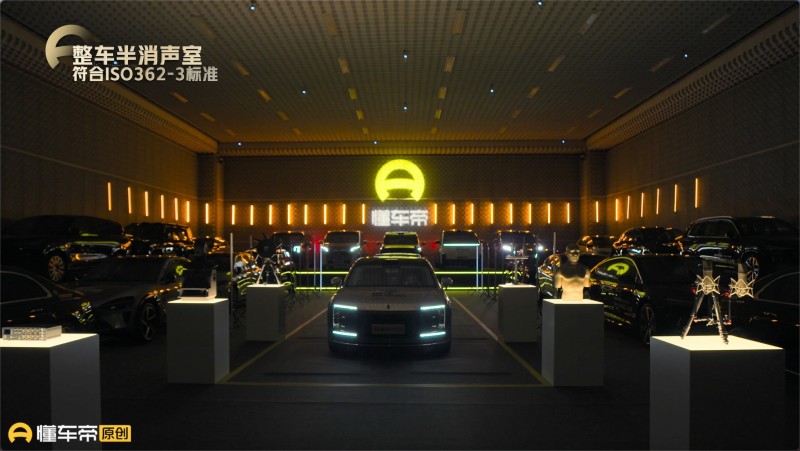
Core Insights - The article highlights the increasing importance of cabin quietness and in-car audio systems as core elements defining the comfort of the "mobile third living space" for consumers [1][6] - The launch of the "Dongche Voice Academy" by Dongche Di aims to help consumers better understand vehicle sound insulation levels and audio technology through comprehensive testing of 50 popular models [1][3] Group 1: Testing and Results - The testing involved collaboration with authoritative testing organizations and well-known music producers, focusing on various dimensions such as driving noise, static insulation, and subjective audio quality [1][3] - Results indicate that domestic electric vehicles excel in acoustic performance, with key indicators like driving noise and static insulation matching or surpassing those of foreign brands [1][3] - 80% of the five-star rated models were from domestic brands, and 90% of models with driving noise below 50 dBA were also from domestic brands, showcasing the maturity of domestic automakers in acoustic tuning [3][4] Group 2: Comparative Performance - In cross-brand comparisons, models like the Yangwang U8 and Xiaomi YU7 demonstrated outstanding performance in dynamic and static insulation, respectively, with no significant differences in acoustic experience compared to luxury brands [4][6] - Continuous investment in sound insulation materials, acoustic structure design, and proprietary algorithm development has allowed mainstream domestic brands to reach the acoustic quality of traditional luxury brands [4][7] Group 3: Consumer Insights - The study provides valuable insights for consumers regarding audio quality and quietness when purchasing new vehicles, emphasizing that price is not the sole determinant of audio performance [6][7] - The correlation between vehicle price and audio quality is not absolute, as demonstrated by the Lynk & Co 900, which offers high-quality audio performance at a lower price point [6][7] - The article suggests that the core value of in-car audio systems lies in technical adaptation and meeting consumer needs rather than merely the number of speakers or power ratings [7]
11月新势力榜单:蔚来困于盈利,理想反弹乏力
凤凰网财经· 2025-12-07 12:07
Core Viewpoint - The delivery rankings of new car manufacturers have undergone significant changes in November, with a reshuffling of positions following the "golden September and silver October" period, highlighting the competitive landscape in the electric vehicle market [4][6]. Group 1: Delivery Rankings - Hongmeng Zhixing topped the delivery chart with 81,864 vehicles delivered, a year-on-year increase of 90% and a month-on-month increase of 20%, becoming the "alliance leader" among new forces [5][10]. - Leap Motor maintained its position as the "single brand champion" with 70,327 vehicles delivered, indicating a strong competitive dynamic between the top two players [6][17]. - Xiaomi entered the third position with over 40,000 vehicles delivered, while BYD's Fangchengbao emerged as a dark horse with 37,405 vehicles, intensifying competition in the 30,000 to 40,000 vehicle range [7][19]. Group 2: Market Dynamics - The second tier of manufacturers is characterized by fierce competition, with brands like Xiaopeng and NIO facing challenges in maintaining their delivery volumes amid strategic adjustments and market pressures [24][26]. - NIO delivered 36,275 vehicles in November, a year-on-year increase of 76.3%, but faced stock price declines due to lowered fourth-quarter delivery guidance [28][29]. - Li Auto's deliveries reached 33,181 vehicles, showing signs of recovery, but the company still faces challenges in scaling production and maintaining profitability [32]. Group 3: Financial Performance and Market Sentiment - Xiaomi's automotive division reported a significant operating profit of 700 million yuan in Q3, making it the fastest profitable new force, despite facing negative market sentiment due to various controversies [20][21]. - Leap Motor's stock price fell by 9% in November, raising concerns about its ability to balance scale and profitability, especially in competitive price segments [17][18]. - The overall market sentiment reflects a growing scrutiny on profitability and sustainability, with companies needing to demonstrate not just sales growth but also healthy financial performance to meet investor expectations [36][37].

Evaluating Nio Stock's Actual Performance
The Motley Fool· 2025-12-07 12:07
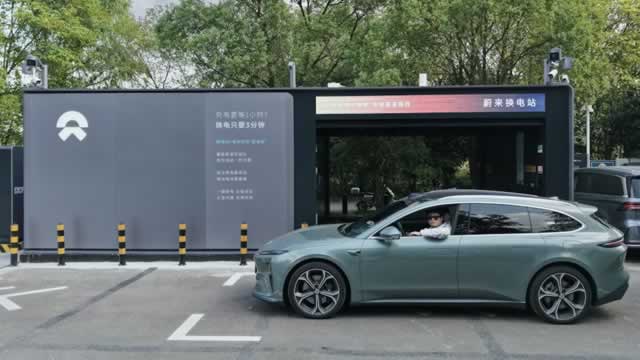
Core Viewpoint - Nio's stock has experienced significant volatility, with a notable surge of over 120% from July to October 2025, but long-term investors have faced substantial losses [1][3]. Performance Summary 1-Year Performance - Nio's shares have fluctuated greatly, initially down nearly 30% from December 1, 2024, but rebounding to a 76% increase by early October 2025. Currently, the stock is up 15.7% from a year ago, outperforming the S&P 500's 12.9% return [3][4]. 3-Year Performance - An investment made on December 1, 2022, would have resulted in a 59.4% loss, with shares down 40% even at their peak in 2025. This underperformance is stark compared to the S&P 500, which has risen 67% over the same period, leading to a 126.6 percentage point underperformance for Nio [5][4]. 5-Year Performance - For investors who purchased shares on December 1, 2020, the return has been a staggering negative 89.7%. In contrast, the S&P 500 has gained 88.1%, resulting in a 177.8 percentage point underperformance for Nio investors over five years [7][8]. Company Challenges - Nio has struggled to achieve profitability and expand its market presence both domestically and internationally, contributing to its perception as a risky and speculative investment [9].
中国拒绝被收割,全产业链通吃,记者:欧洲只剩最后一条活路
Sou Hu Cai Jing· 2025-12-07 07:44
接着,他又问:那奢侈品呢?比如LV、爱马仕?一些受访者笑了:买是买,但现在年轻人更喜欢'国潮'品牌了,高端品牌的定义已经开始发生转移,盲目崇 拜西方的时代已经过去了。他依旧不死心,继续问:那教育呢?剑桥、牛津、巴黎高师?对方淡淡地回应:论科研硬件和学术严谨性,现如今的清华北大, 甚至华东五校,在很多前沿领域已经不逊色于你们了。镀金?没必要。最终,哈丁听到了一位中国经济学家的一句实话,这句话几乎让他崩溃。那位经济学 家似乎看出哈丁的真诚,便没有隐瞒:其实,现在中国企业最想做的,不是从你们手里买东西,而是去欧洲买地建厂,把我们过剩的产能输出给你们。听到 这话,哈丁心中一沉。这简直就是降维打击!过去是西方将淘汰的产能转移给发展中国家,现在,中国要把自己的高端产能反向输出给欧洲。这不仅意味着 欧洲卖不出去东西,更意味着欧洲本土企业将面临中国企业的激烈竞争,甚至可能被卷死。 在哈丁回到欧洲后,他写了一篇报道,其中指出:除了原材料,中国几乎没有什么特别想从欧洲进口的东西了。这句话成了2025年秋天,悬在欧洲头顶的最 大威胁。 那中国为什么能如此自信,底气到底在哪?这就涉及到一个关键的词——全产业链通吃。近年来,我们经常听 ...

Nio Stock Sank Nearly 25% Last Month. Is It a Buy Now?
The Motley Fool· 2025-12-06 18:07
Core Insights - Nio's new brands are successfully driving sales, contributing to a significant increase in vehicle deliveries [3][4] - Despite strong sales performance, Nio's stock experienced a notable decline due to concerns over future market conditions and competition [6][7] Company Performance - Nio launched two new brands, Onvo and Firefly, to expand its market reach, with Firefly shipments starting in spring 2025 [3] - October marked a milestone for Nio with over 40,000 vehicles delivered, followed by a strong performance in November [4] - Year-to-date deliveries through November increased by 45.6% compared to the previous year, leading to an improved gross margin of 13.9% in Q3, up from 10.7% a year ago [6] Market Conditions - The Chinese government is reducing the EV purchase tax exemption from 10% to 5% starting in 2026, which may impact future vehicle sales [6] - Competition in the EV market is intensifying, with companies like Xiaomi rapidly increasing their deliveries, having surpassed their annual delivery goal of 350,000 units [7] Financial Position - As of September 30, Nio had approximately $5 billion in cash and equivalents, and reported positive operating cash flows for Q3 [10] - The company's market cap stands at $10 billion, with a current stock price of $5.04 [8]
中国汽车的真正考验,才刚开始
Xin Lang Cai Jing· 2025-12-06 07:04
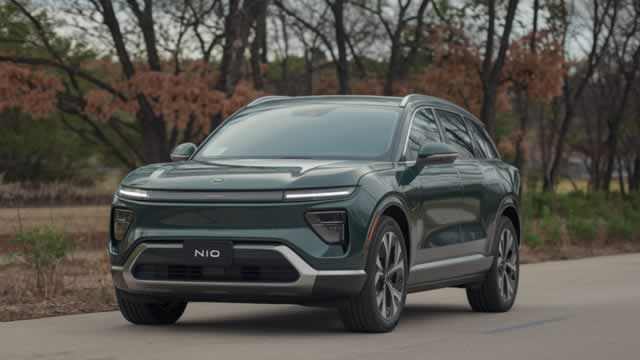
Core Viewpoint - The Chinese automotive industry is facing a significant downturn, with 2026 expected to be one of the most challenging years in its history due to declining sales and market conditions [5][37]. Group 1: Market Performance - Retail sales of passenger cars in China saw a 15% year-on-year increase earlier this year, but growth has rapidly declined since July, with October experiencing an overall negative growth [7][39]. - In November, daily retail sales averaged 4.6 million units, down 19% year-on-year in the first week, and 6.7 million units, down 9% in the second week [8][39]. - Major automakers are struggling to meet their sales targets, with only a few smaller new players achieving their goals by November [8][40]. Group 2: Industry Challenges - The automotive industry is transitioning from subsidy-driven growth to competition based on real demand and efficiency, indicating a significant shift in market dynamics [40][41]. - The impact of subsidies is diminishing, with over 50% of sales in 2025 attributed to trade-in programs, highlighting a reliance on government incentives [9][41]. - The market is experiencing a "strategic waiting" phase among consumers, leading to a decline in new orders as buyers anticipate better deals [15][48]. Group 3: Future Outlook - The expected decline in new energy vehicle purchase tax incentives in 2026 is anticipated to further exacerbate market challenges [15][47]. - The penetration rate of new energy vehicles is slowing, with a notable drop in total retail volume despite high growth rates in percentage terms [15][47]. - The industry is likely to undergo a significant restructuring, with weaker companies facing exit from the market, marking a shift from scale expansion to value competition [32][65]. Group 4: Technological Developments - The automotive sector is exploring various technological advancements, including smart driving and battery innovations, but progress varies across different areas [51][54]. - The introduction of solid-state batteries and centralized computing is underway, but widespread adoption is not expected until 2026 or later [54][55]. - The smart driving sector is experiencing a technological leap, with new models expected to enhance user trust and influence purchasing decisions in 2026 [57][60].