
BABA(09988)

Search documents
港股通净买入91.78亿港元
Zheng Quan Shi Bao Wang· 2026-01-07 14:49
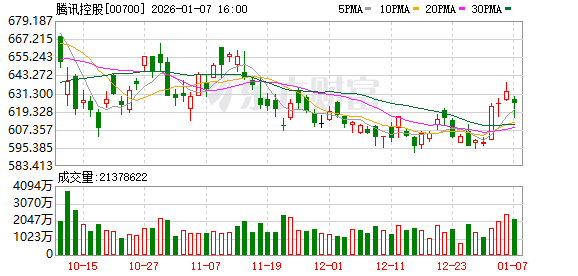
Group 1 - The Hang Seng Index fell by 0.94% on January 7, closing at 26,458.95 points, while southbound funds through the Stock Connect recorded a net buy of HKD 9.178 billion [1] - The total trading volume for the Stock Connect on January 7 was HKD 134.393 billion, with a net buy of HKD 9.178 billion [1] - In the Shanghai Stock Connect, the trading volume was HKD 80.489 billion with a net buy of HKD 3.490 billion, while in the Shenzhen Stock Connect, the trading volume was HKD 53.905 billion with a net buy of HKD 5.688 billion [1] Group 2 - In the top ten active stocks in the Shanghai Stock Connect, Alibaba-W had the highest trading volume at HKD 8.352 billion, followed by SMIC and Tencent Holdings with trading volumes of HKD 4.491 billion and HKD 3.434 billion respectively [1] - The stock with the highest net buy was the Tracker Fund of Hong Kong, with a net buy of HKD 1.465 billion, despite its closing price dropping by 0.82% [1] - The stock with the highest net sell was China Mobile, with a net sell of HKD 1.126 billion, and its closing price fell by 0.97% [1] Group 3 - In the Shenzhen Stock Connect, Alibaba-W had the highest trading volume at HKD 6.705 billion, followed by Tencent Holdings and SMIC with trading volumes of HKD 2.831 billion and HKD 1.991 billion respectively [2] - The stock with the highest net buy in the Shenzhen Stock Connect was Tencent Holdings, with a net buy of HKD 1.069 billion, while Alibaba-W had the highest net sell of HKD 0.850 billion [2] - The closing price of Alibaba-W fell by 3.25%, while Tencent Holdings dropped by 1.26% [2]
南向资金今日净买入91.78亿港元,腾讯控股净买入19.55亿港元
Zheng Quan Shi Bao Wang· 2026-01-07 14:42
Core Viewpoint - The Hang Seng Index fell by 0.94% on January 7, with southbound capital transactions totaling HKD 134.39 billion, indicating a net inflow of HKD 9.18 billion [2] Group 1: Southbound Capital Transactions - Total southbound capital transactions amounted to HKD 134.39 billion, with buy transactions at HKD 71.79 billion and sell transactions at HKD 62.61 billion, resulting in a net buy of HKD 9.18 billion [2] - The Shenzhen Stock Connect saw total transactions of HKD 53.91 billion, with net buying of HKD 5.69 billion, while the Shanghai Stock Connect had total transactions of HKD 80.49 billion, with net buying of HKD 3.49 billion [2] Group 2: Active Stocks - Alibaba-W had the highest transaction amount among southbound stocks at HKD 15.06 billion, followed by SMIC and Tencent Holdings with HKD 6.48 billion and HKD 6.27 billion respectively [2][4] - Tencent Holdings recorded a net buy of HKD 1.96 billion, while Xiaomi Group-W had a net buy of HKD 1.63 billion, and the Yingfu Fund saw a net buy of HKD 1.47 billion [2][3] - China Mobile experienced the highest net sell at HKD 1.13 billion, with its stock price declining by 0.97% [2][4] Group 3: Continuous Net Buying - Four stocks received continuous net buying from southbound capital for more than three days, with Xiaomi Group-W leading at five days, followed by Alibaba-W at four days, and China Life at three days [3] - The total net buying amounts during this period were HKD 3.61 billion for Xiaomi Group-W, HKD 2.12 billion for Alibaba-W, and HKD 1.25 billion for China Life [3]



看上微盟私域流量 淘宝闪购要下哪盘棋
Bei Jing Shang Bao· 2026-01-07 13:24
Core Insights - Taobao Flash Sale has formed a strategic partnership with Weimob to enhance capabilities in instant retail, digital marketing, and technological innovation [1] - The collaboration aims to integrate resources and improve operational efficiency for merchants, allowing Weimob's merchants to access Taobao Flash Sale's platform [2] Group 1: Partnership Details - Weimob's merchants can efficiently connect to Taobao Flash Sale, enabling integrated local retail operations [2] - Weimob has 59,000 merchants using its SaaS products, covering various sectors, with 1,227 brand merchants utilizing its smart retail solutions [2] - The partnership allows Taobao Flash Sale to tap into Weimob's private traffic, particularly in non-food service sectors, enhancing competition with Meituan [2] Group 2: Business Impact - Weimob can leverage Taobao Flash Sale's traffic to enhance its SaaS service acquisition capabilities, despite a 6.1% year-on-year decline in its smart retail revenue [3] - The collaboration opens new opportunities for merchants to access both public and private traffic, potentially increasing sales and customer engagement [4] - Weimob's integration with Taobao Flash Sale can provide operational services to enhance the latter's instant retail ecosystem [5] Group 3: Market Trends - The e-commerce sector is shifting from extensive growth to refined operations, focusing on high-value user engagement and customer lifetime value [8] - The partnership reflects a broader trend in the industry where companies are prioritizing digital upgrades and collaborative operations to enhance customer acquisition and retention [8] - The competition landscape is evolving, with a shift from price-based strategies to value-driven approaches that emphasize digital transformation and integrated service offerings [6][8]
复盘高德扫街榜100天
乱翻书· 2026-01-07 12:45
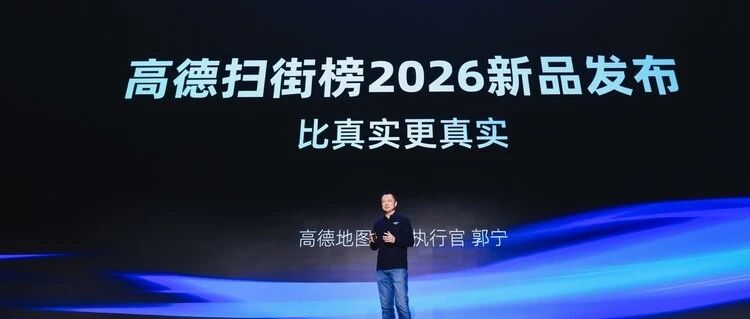
Core Viewpoint - Gaode has launched the "Gaode Street Ranking 2026" with three major upgrades, including the world's first "Flying Street View," a dynamic seasonal service ranking, and new social features for friends and personal rankings [1] User Growth and Engagement - In just 100 days since its launch, the Gaode Street Ranking has achieved a user base of over 660 million, contributing to a monthly active user increase of 46 million, bringing the total to 996 million, nearing the 1 billion mark [3] - The platform has attracted 860,000 new merchants, with order volume increasing by over 330% and revenue rising by over 270% [3] Unique Positioning in Local and Travel Scenarios - Gaode's unique positioning is highlighted by its ability to cater to both local users and travelers, with a focus on simplifying decision-making in unfamiliar locations [5] - The platform addresses the need for quick and efficient decision-making for users in unfamiliar cities, providing structured rankings that help users make informed choices without extensive reading [5][6] Trust and Credibility in Local Services - Gaode aims to tackle the trust crisis in local services, as evidenced by rising complaints about false advertising and increasing marketing costs for small businesses [11] - The Gaode Street Ranking leverages behavioral data to differentiate between "tourist navigation" and "local repurchase," ensuring that only genuinely popular local establishments are highlighted [6][8] Innovative Ranking Mechanism - The ranking system is based on "foot votes," which rely on actual user behaviors rather than subjective ratings, making it less susceptible to manipulation [15] - Gaode's data-driven approach includes metrics such as the distance users are willing to travel, frequency of visits, and the diversity of the customer base [15] Social Features and Personalization - The introduction of social features allows users to see friends' check-ins and create personalized lists, enhancing the trust factor through social connections [16][21] - Gaode is also launching a "Detective Creator Program" to engage users in sharing their favorite spots, further enriching the platform's content [21] Comprehensive Service Offerings - Gaode has expanded its rankings beyond dining to include various categories such as hotels, attractions, and seasonal activities, with over 6,553 dynamic rankings available [26][27] - The platform's AI capabilities allow for real-time updates based on seasonal and weather changes, catering to a wide range of user interests [26] Commitment to Transparency - Gaode has committed to keeping the Street Ranking free from commercialization, ensuring that rankings are based on genuine user choices rather than paid promotions [28][29] Advanced Technology Integration - The introduction of "Flying Street View" aims to enhance user trust by providing a realistic view of locations, addressing concerns about the authenticity of online ratings [30][33] - This feature allows users to explore areas from an aerial perspective and even enter establishments virtually, improving the overall user experience [30][33] Vision for the Future - Gaode's long-term goal is to establish a credit system for offline services, similar to how Alipay functions for online transactions, by using real behavioral data to replace manipulated review systems [36][37]
当Token成为“北极星指标”,AI云市场可能忽略了什么?
3 6 Ke· 2026-01-07 11:15
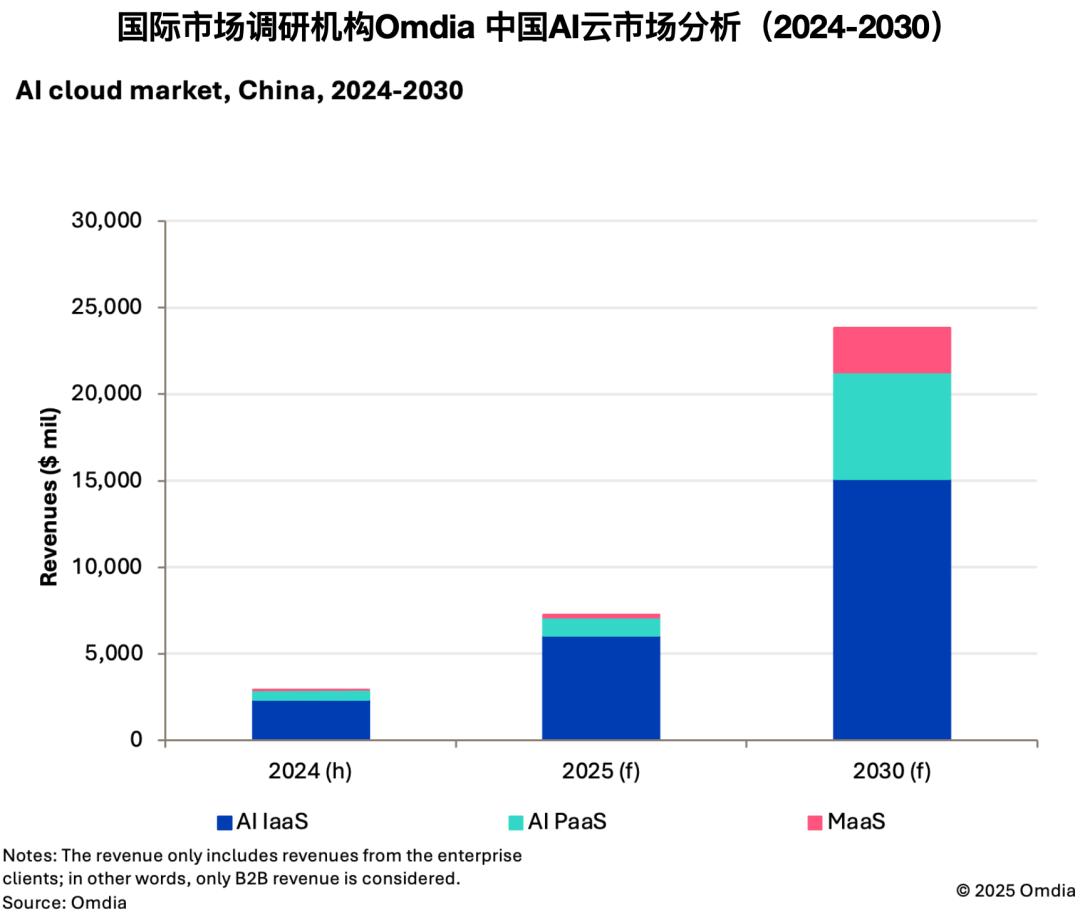
Core Insights - The AI cloud market is increasingly recognizing the importance of Token consumption as a key performance indicator, often referred to as the "North Star metric" for guiding strategic direction [2][3][4] - The rapid growth of Token consumption in China reflects the swift expansion of AI applications, with daily Token consumption projected to reach 30 trillion by mid-2025, up from 1 trillion at the beginning of 2024 [1][7] Token Consumption and Market Dynamics - Token is becoming a crucial metric for cloud service providers, with major companies like Amazon AWS and Alibaba Cloud actively expanding their MaaS (Model as a Service) offerings [6][10] - Despite the rapid growth in Token consumption, it currently represents a small fraction of overall cloud revenue, indicating that the Token market alone cannot sustain the growth of the broader cloud market [4][10] - The AI cloud market is projected to grow significantly, with estimates suggesting it will reach $72 billion by 2025 and $268 billion by 2030, although the MaaS segment will still only account for about 9% of the total by 2030 [7][11] Challenges and Limitations - There are significant blind spots in current Token consumption statistics, as they primarily rely on public cloud API data and do not fully capture private deployments or other AI computing scenarios [4][14] - The decision-making process for enterprises regarding AI cloud services often does not prioritize Token consumption as a core metric, focusing instead on business value and cost reduction [26][27] Future Outlook - The potential for Token revenue growth varies among cloud providers, with some optimistic forecasts suggesting that certain companies could see Token income rise to between 4 billion and 7 billion in the next 1-2 years [11][12] - The complexity of AI cloud services means that a singular focus on Token consumption may obscure other critical factors influencing market dynamics and enterprise adoption [19][22][29] - The long-term success of AI cloud services will depend on their ability to integrate seamlessly into business processes and deliver measurable value, rather than merely focusing on Token consumption metrics [30][31]
AI进入“拼爹”的时代
3 6 Ke· 2026-01-07 11:10
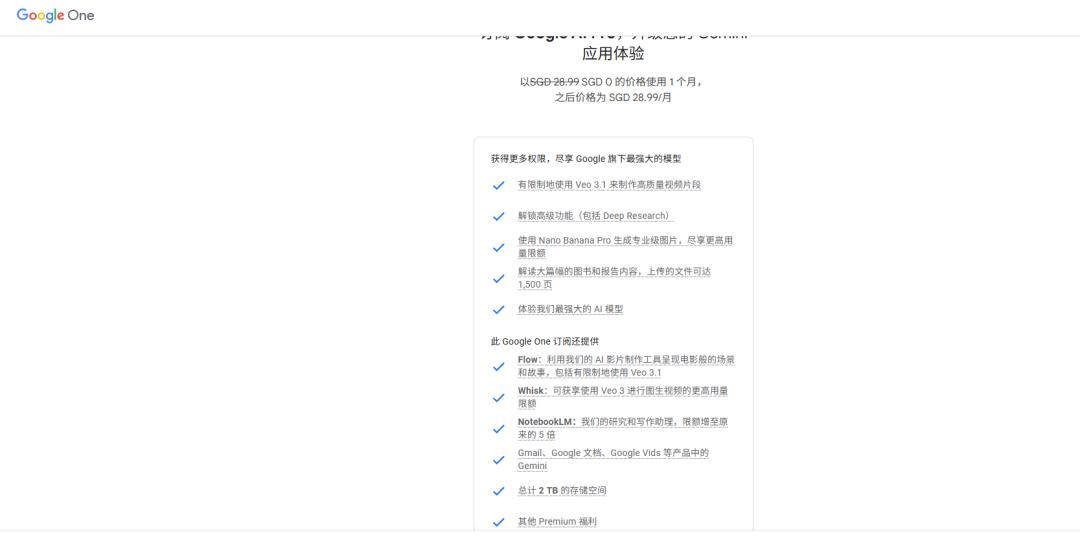
Core Insights - The AI industry is increasingly resembling a "game of power," where major tech giants dominate the landscape, making it difficult for smaller companies to compete effectively [1][3][5]. Group 1: Industry Dynamics - Major players like Google, Microsoft, Meta, ByteDance, Tencent, and Alibaba are heavily influencing the AI market, leveraging their vast resources to outpace smaller competitors [3][4][7]. - Google's Gemini has rapidly caught up to and surpassed OpenAI's ChatGPT in performance and user engagement, highlighting the competitive pressure faced by smaller firms [4][6]. - The dominance of large companies creates a challenging environment for startups, as they struggle to replicate the ecosystem advantages provided by these giants [8][10]. Group 2: Resource Dependency - The success of AI applications is heavily reliant on the backing of large corporations, which provide essential resources and ecosystem integration that smaller companies cannot match [7][10]. - Startups like Manus and Kimi face significant hurdles in gaining user traction and functionality without the support of major tech firms [11][12]. - The integration of AI into widely used applications, such as Google's embedding of Gemini into Android and Microsoft’s integration of AI into Office, creates a competitive edge that is hard for smaller players to overcome [8][10]. Group 3: Monetization Challenges - Monetization strategies in the AI sector are heavily influenced by the size and resources of the company, with larger firms able to bundle services and create attractive offers for customers [14][15]. - Smaller companies often struggle to monetize their technologies effectively, as they lack the ecosystem and customer base that larger firms possess [12][19]. - The pricing of AI services is constrained by user expectations and industry standards, making it difficult for startups to charge premium prices [19][21]. Group 4: Acquisition Trends - The trend of larger companies acquiring smaller AI firms is becoming more prevalent, as seen with Meta's acquisitions of Scale and Manus, which can provide these startups with the necessary resources and market access [22][23]. - Acquired companies can leverage the infrastructure and user base of their parent companies, significantly enhancing their operational capabilities [23][24]. - However, some companies, like OpenAI, prefer to maintain independence and aspire to become major players in their own right, despite the challenges posed by larger competitors [25][26].



智通港股通活跃成交|1月7日





智通财经网· 2026-01-07 11:04
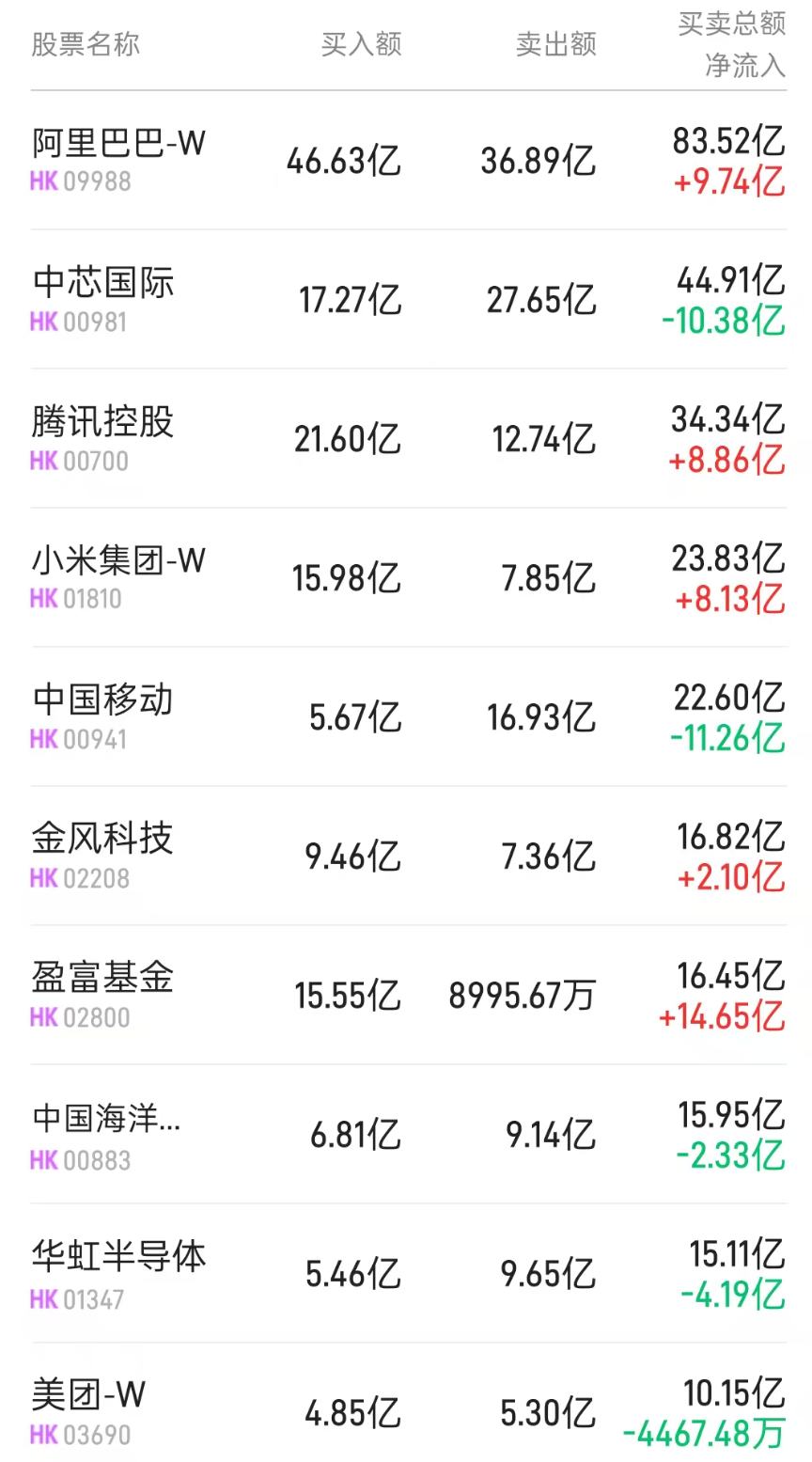
Core Insights - On January 7, 2026, Alibaba-W (09988), SMIC (00981), and Tencent Holdings (00700) were the top three stocks by trading volume in the Southbound Stock Connect, with trading amounts of 83.52 billion, 44.91 billion, and 34.34 billion respectively [1] - In the Southbound Stock Connect for the Shenzhen-Hong Kong Stock Connect, Alibaba-W (09988), Tencent Holdings (00700), and SMIC (00981) also ranked as the top three, with trading amounts of 67.05 billion, 28.31 billion, and 19.91 billion respectively [1] Southbound Stock Connect (Shanghai-Hong Kong) - The top active stocks included: - Alibaba-W (09988): Trading amount of 83.52 billion, net buying of +9.74 billion - SMIC (00981): Trading amount of 44.91 billion, net selling of -10.38 billion - Tencent Holdings (00700): Trading amount of 34.34 billion, net buying of +8.86 billion - Xiaomi Group-W (01810): Trading amount of 23.83 billion, net buying of +8.13 billion - China Mobile (00941): Trading amount of 22.60 billion, net selling of -11.26 billion [2] Southbound Stock Connect (Shenzhen-Hong Kong) - The top active stocks included: - Alibaba-W (09988): Trading amount of 67.05 billion, net selling of -8.50 billion - Tencent Holdings (00700): Trading amount of 28.31 billion, net buying of +10.69 billion - SMIC (00981): Trading amount of 19.91 billion, net selling of -3.20 million - Xiaomi Group-W (01810): Trading amount of 16.55 billion, net buying of +8.19 billion - Meituan-W (03690): Trading amount of 13.07 billion, net buying of +4.48 billion [2]
阿里巴巴(09988) - 截至2025年12月31日止月份之股份发行人的证券变动月报表
2026-01-07 10:30
股份發行人及根據《上市規則》第十九B章上市的香港預託證券發行人的證券變動月報表 截至月份: 2025年12月31日 狀態: 新提交 致:香港交易及結算所有限公司 公司名稱: 阿里巴巴集團控股有限公司 呈交日期: 2026年1月7日 I. 法定/註冊股本變動 | 1. 股份分類 | 普通股 | | 股份類別 | 不適用 | | | 於香港聯交所上市 (註1) | | 是 | | | --- | --- | --- | --- | --- | --- | --- | --- | --- | --- | --- | | 證券代號 (如上市) | 09988 | | 說明 | | | | | | | | | 多櫃檯證券代號 | 89988 | RMB | 說明 | | | | | | | | | | | | 法定/註冊股份數目 | | | 面值 | | | 法定/註冊股本 | | | 上月底結存 | | | | 32,000,000,000 | USD | | 0.000003125 | USD | | 100,000 | | 增加 / 減少 (-) | | | | 0 | | | | USD | | 0 | | 本 ...
北水动向|北水成交净买入91.78亿 北水加仓科网股及港股ETF 抢筹腾讯(00700)超19亿港元
智通财经网· 2026-01-07 10:04
Group 1 - The Hong Kong stock market saw a net inflow of 9.178 billion HKD from northbound trading on January 7, with the Shanghai-Hong Kong Stock Connect contributing 3.49 billion HKD and the Shenzhen-Hong Kong Stock Connect contributing 5.688 billion HKD [1] - The most bought stocks included Tencent (00700), Xiaomi Group-W (01810), and the Tracker Fund of Hong Kong (02800), while the most sold stocks were China Mobile (00941), SMIC (00981), and CNOOC (00883) [1][2] - Alibaba-W (09988) recorded a net inflow of 9.74 billion HKD, while SMIC (00981) experienced a net outflow of 10.38 billion HKD [2] Group 2 - Tencent (00700) received a net inflow of 8.86 billion HKD, while Xiaomi Group-W (01810) saw a net inflow of 8.13 billion HKD [2] - The report from Citigroup highlighted three key themes for the mainland internet industry by 2026: growth in recurring revenue from cloud infrastructure, competition among major internet companies for AI chatbot user traffic, and deployment of proprietary AI agents by vertical companies [4] - Xiaomi Group-W (01810) was notably bought with a net inflow of 16.32 billion HKD, as the CEO announced plans for the new generation of the Xiaomi SU7 to be launched in April [5] Group 3 - The Tracker Fund of Hong Kong (02800) and Hang Seng China Enterprises (02828) received net inflows of 14.65 billion HKD and 9.12 billion HKD, respectively [5] - Goldman Sachs maintained an "overweight" rating on Chinese A-shares and H-shares, citing attractive risk-reward ratios amid low investor positioning [5] - Goldwind Technology (02208) received a net inflow of 2.1 billion HKD, with potential positive catalysts linked to its stake in Blue Arrow Aerospace [6] Group 4 - China Life (02628) saw a net inflow of 4.16 billion HKD, while China Mobile (00941) and SMIC (00981) faced net outflows of 11.26 billion HKD and 10.7 billion HKD, respectively [7]
港股收盘 | 恒指收跌0.94% 科网股全天承压 医药、镍业股等走强
Zhi Tong Cai Jing· 2026-01-07 09:03
Market Overview - The Hong Kong stock market experienced a downward trend, with the Hang Seng Index closing down 0.94% at 26,458.95 points and a total turnover of HKD 2,761.34 million [1] - The Hang Seng China Enterprises Index fell by 1.14% to 9,138.75 points, while the Hang Seng Tech Index decreased by 1.49% to 5,738.52 points [1] - Zheshang International noted that the fundamentals of the Hong Kong market remain weak, with a decline in the funding environment, while Goldman Sachs maintains an "overweight" rating on Chinese A-shares and H-shares, citing attractive risk-reward ratios [1] Blue Chip Performance - WuXi Biologics (02269) led blue-chip stocks, rising 5.92% to HKD 36.12, contributing 11.87 points to the Hang Seng Index [2] - Other notable blue-chip performers included Innovent Biologics (01801) up 5.38% and WuXi AppTec (02359) up 4.91%, while Alibaba (09988) fell 3.25%, dragging the index down by 65.17 points [2] Sector Highlights Pharmaceutical Sector - The pharmaceutical sector continued its upward trend, with notable gains from Rongchang Biologics (09995) up 12.93% and Tigermed (03347) up 8.88% [3] - The National Medical Products Administration reported that 76 innovative drugs are expected to be approved by 2025, significantly surpassing the 48 approved in 2024, with a total transaction value exceeding USD 130 billion [4] Nickel Sector - Nickel stocks showed strong performance, with Xinjiang Xinxin Mining (03833) rising 12.28% and Zhongwei New Materials (02579) up 10% [4] - Nickel prices surged over 20% in the past two weeks, driven by supply constraints from Indonesia, which plans to reduce nickel mining quotas by 2026 [4] Paper Sector - Paper stocks saw significant gains, with Nine Dragons Paper (02689) up 8.97% and Lee & Man Paper (02314) up 6.92% [5] - Several paper companies announced price increases, indicating a reduction in production pressure and a more favorable market environment [5] Coal Sector - Coal stocks generally rose, with Shougang Resources (00639) up 5.98% and China Qinfa (00866) up 5.92% [6] - The Dalian Commodity Exchange saw a surge in coal futures, and analysts expect improvements in supply-demand dynamics for the coal industry [6] Optical Communication Sector - Optical communication stocks rebounded, with Yangtze Optical Fibre (06869) rising 6.75% [6] - The sector was buoyed by strong performances in the U.S. market, particularly from Lumentum and Coherent [7] Notable Stocks - Yadea Group (01585) announced a profit increase, leading to a 4.63% rise in its stock price [8] - Jinli Permanent Magnet (300748) was active, rising 3.65% amid news of potential export restrictions on rare earth materials to Japan [9] - Jitu Express (01519) reached a new high, with a 3.39% increase, reporting significant growth in package volume [10] - GF Securities (01776) faced pressure, dropping 4.09% after announcing a share placement and convertible bond issuance to raise funds for international business development [11]