
POP MART(09992)

Search documents
港股持续走强,新消费概念股反弹,泡泡玛特领涨
Mei Ri Jing Ji Xin Wen· 2026-01-06 02:13
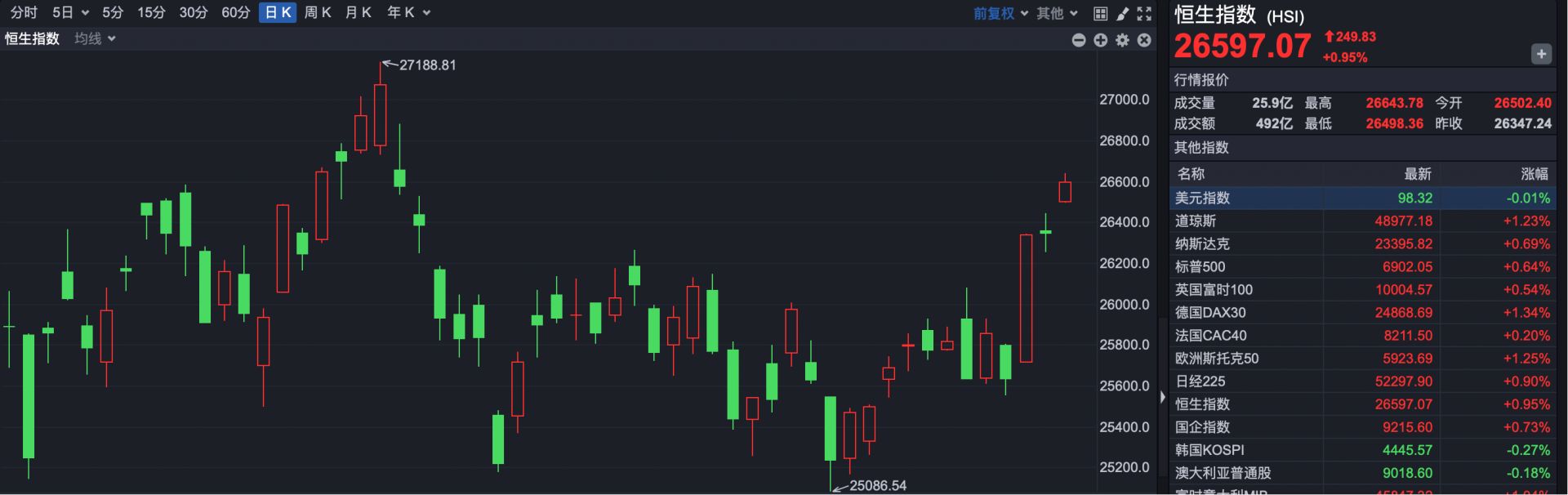
Group 1 - The Hong Kong stock market is showing strength, with various indices opening higher, including the Hang Seng Index which opened at 26,502.40 points, up 155.16 points, a rise of 0.59% [1] - The Hang Seng Tech Index opened at 5,787.01 points, increasing by 45.38 points, a rise of 0.79% [3] - New consumption concept stocks are rebounding, with Pop Mart (HK09992) leading the gains, rising over 5% in early trading and accumulating over 9% since the beginning of the year [5] Group 2 - According to浦银国际, Pop Mart, as a leader in the global trendy toy industry, has a solid fundamental and high certainty for long-term growth, with its current stock price at a 15x PE ratio indicating high value [7] - The short-selling volume has decreased, suggesting improving market sentiment due to recovering short-term sales data and positive news, such as Sony's plans for a Labubu movie [7] -浦银国际 maintains a "Buy" rating for Pop Mart, setting a target price of 286.9 HKD for 2026, anticipating significant recovery potential in stock price and valuation [7] Group 3 - The technology sector is seeing more stocks rise than fall, with notable increases in companies like NetEase and Kuaishou, both up over 3%, while Alibaba has seen a decline of over 1% [7] - The electric power equipment sector opened high, with Yihua Tong rising over 4%, and lithium battery stocks are active, with Tianqi Lithium rising over 3% [7] - Dongwu Securities reports that the Hong Kong stock market is attractive for medium to long-term allocation, expecting continued inflow of southbound funds, particularly into insurance and fixed income [7]

智通港股沽空统计|1月6日
智通财经网· 2026-01-06 00:28
Group 1 - The top short-selling ratios are led by China Resources Beer (100.00%), BYD Company (100.00%), and Xiaomi Group (75.49%) [1][2] - The highest short-selling amounts are recorded for Ping An Insurance (2.081 billion), Alibaba (1.871 billion), and Xiaomi Group (1.624 billion) [1][2] - The highest deviation values are for BYD Company (43.54%), CIFI Holdings (39.74%), and Xiaomi Group (34.28%) [1][2] Group 2 - The top short-selling amounts table shows Ping An Insurance at 2.081 billion, Alibaba at 1.871 billion, and Xiaomi Group at 1.624 billion [2] - The top short-selling ratios table lists China Resources Beer and BYD Company both at 100.00%, followed by Xiaomi Group at 75.49% [2] - The top short-selling deviation values table highlights BYD Company with a deviation of 43.54%, followed by CIFI Holdings at 39.74% and Xiaomi Group at 34.28% [2]





地方债发行大幕开启,OPEC+将维持石油产量稳定 | 财经日日评
吴晓波频道· 2026-01-06 00:21
Group 1: Local Government Bonds - Shandong Province issued 723.81 billion yuan in local government bonds, marking the first issuance in the country for the year [2] - The issuance included 467.72 billion yuan in new special bonds and 256.09 billion yuan in refinancing special bonds, focusing on investment in new projects [2] - The Ministry of Finance established a dedicated Debt Management Department to enhance government debt management, which was previously fragmented [2][3] Group 2: Pharmaceutical Industry - In 2025, China approved 76 innovative drugs, significantly surpassing the 48 approved in 2024, with domestic drugs accounting for 85.5% of the total [4] - The total value of authorized transactions for innovative drugs exceeded 130 billion USD, with over 150 transactions, setting a new record [4] - The Chinese pharmaceutical industry has seen substantial growth, particularly in innovative drugs, supported by reforms in drug approval processes and enhanced intellectual property protections [5] Group 3: Automotive Industry - Six major listed car manufacturers reported their 2025 sales, with BYD leading at 4.6024 million units, a 7.73% increase, followed by SAIC and Geely [6] - The growth in sales was driven primarily by the expansion of electric vehicles, with BYD's electric vehicle sales surpassing Tesla for the first time [6][7] - The competitive landscape in the automotive market is intensifying, with companies focusing on optimizing product structures and expanding overseas [7] Group 4: Oil Market - OPEC+ decided to maintain stable oil production levels, postponing planned increases due to ongoing geopolitical tensions [8] - Despite Venezuela's significant oil reserves, production remains low due to insufficient investment, limiting its impact on global supply [8][9] - The global oil market faces challenges in stabilizing prices amid concerns of overproduction and geopolitical factors [9] Group 5: Stock Market Performance - In 2025, 385 Hong Kong stocks saw over 100% growth, with 14 stocks increasing more than tenfold, indicating a strong market performance [14] - The increase in "red stocks" reflects a growing willingness to assign long-term value to internet giants and a high enthusiasm for growth sectors [15] - The A-share market opened positively in 2026, with significant gains across various sectors, particularly in insurance and AI applications [16][17] Group 6: Consumer Products - Prices for certain LABUBU products in the second-hand market have dropped significantly, indicating a shift in supply and demand dynamics [10][11] - The price decline is attributed to increased production by the company, which aims to balance consumer demand with product scarcity [11] Group 7: Technology and AI - Samsung plans to double the number of mobile devices equipped with Google's Gemini AI system, aiming to regain market share in the smartphone sector [12][13] - The integration of AI into various products, including home appliances, highlights a trend towards combining hardware and software solutions [13]






从市场“万元户”到“原价任买”,Labubu二手价格暴跌
Chang Sha Wan Bao· 2026-01-05 12:52
长沙晚报全媒体记者 贾凯清 实习生 王子昕 "去年我花3800元收的Labubu草莓脆饼隐藏款,现在闲鱼上全新未拆的标价才1600多元!"资深潮玩爱好 者小杨苦笑着展示手机上的交易记录,"感觉自己像个被套牢的股民。" 与小杨有相似经历的潮玩爱好者不在少数。曾经风光无限的潮玩市场,特别是Labubu系列,正经历着 一场剧烈的价值重估。 "我手里有5个Labubu的隐藏款,都是高峰期收的,现在算下来亏了将近一万元。"从事设计工作的潮玩 收藏者李先生告诉记者,他的展示柜里面整齐排列着各种造型的Labubu玩偶,"当时觉得这些肯定会升 值,没想到跌得这么狠。" "才短短半年时间,Labubu就降价了,幸亏当时没'入股'!"看着二手交易平台上降价出售的Labubu玩 偶,潮玩爱好者小文感慨道。 曾几何时,泡泡玛特生产的Labubu系列产品被视为潮玩市场"硬通货",其限量款在二级市场一度被炒至 数千元甚至上万元,成为不少投资者眼中的"理财产品"。然而,短短半年时间,这个被热捧的潮玩IP价 格便"跌下神坛",部分产品跌幅超过80%,市场价格逐渐回归理性。 从"理财产品"回归"普通消费品",Labubu降价的背后有哪些因素? ...
港股收评:脑机接口概念火爆!科技股分化,快手飙涨11%
Ge Long Hui· 2026-01-05 08:47
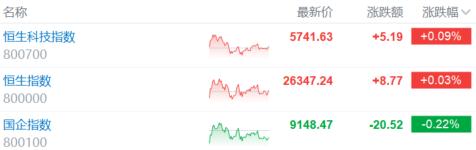
Market Overview - The Hong Kong stock market showed a narrow range of fluctuations on January 5, with the Hang Seng Index slightly up by 0.03%, the Hang Seng China Enterprises Index down by 0.22%, and the Hang Seng Tech Index up by 0.09% [1][2]. Sector Performance - Large tech stocks exhibited mixed performance, with Kuaishou surging by over 11%, while other notable stocks like Bilibili and Alibaba also saw gains of over 5% and 2%, respectively. Conversely, stocks like NetEase and Xiaomi fell by over 2% [2][4]. - The biotechnology sector was active, with companies like Rongchang Bio and Kelun-Bothai rising over 7%, and other firms like Fuhong Hanlin and Tigermed increasing by over 6% [7]. - The insurance sector saw strong gains, with China Pacific Insurance up over 6% and New China Life Insurance up over 5%. Analysts highlighted five key trends in the life insurance industry for 2026, including rapid growth in new business and a shift in customer demographics [8]. - The automotive sector faced declines, with Great Wall Motors dropping over 6% and NIO nearly 6%. Despite some brands achieving record sales in 2025, only a few met their annual sales targets [10]. Notable Stock Movements - Kuaishou's stock price reached 73.60 HKD, reflecting an increase of 11.09% with a market cap of 317.91 billion HKD [5]. - Nanjing Panda Electronics surged by nearly 40%, while Micron Brain Science and Brainhole Technology rose by nearly 20% and over 17%, respectively, following news of Neuralink's plans for large-scale production of brain-computer interface devices [6][4]. - The "three oil giants" saw significant declines, with China Petroleum and China National Offshore Oil Corporation both dropping over 3% due to geopolitical tensions and OPEC+ decisions [9]. Capital Flows - Southbound funds recorded a net inflow of 18.723 billion HKD, with the Shanghai-Hong Kong Stock Connect contributing 9.809 billion HKD and the Shenzhen-Hong Kong Stock Connect contributing 8.914 billion HKD [12]. Future Outlook - Goldman Sachs recommends overweighting Chinese stocks, predicting a 15% to 20% annual increase in the Chinese stock market for 2026 and 2027. Guosen Securities also sees potential in the market driven by a weaker US dollar and improved domestic liquidity in the spring of 2026 [15].
泡泡玛特(09992) - 截至二零二五年十二月三十一日止月份之股份发行人的证券变动月报表
2026-01-05 08:36
股份發行人及根據《上市規則》第十九B章上市的香港預託證券發行人的證券變動月報表 截至月份: 2025年12月31日 狀態: 新提交 致:香港交易及結算所有限公司 公司名稱: 泡泡瑪特國際集團有限公司 呈交日期: 2026年1月5日 I. 法定/註冊股本變動 | 1. 股份分類 | 普通股 | 股份類別 | 不適用 | | 於香港聯交所上市 (註1) | | 是 | | | --- | --- | --- | --- | --- | --- | --- | --- | --- | | 證券代號 (如上市) | 09992 | 說明 | | | | | | | | | | 法定/註冊股份數目 | | | 面值 | | 法定/註冊股本 | | | 上月底結存 | | | 5,000,000,000 | USD | | 0.0001 USD | | 500,000 | | 增加 / 減少 (-) | | | 0 | | | USD | | 0 | | 本月底結存 | | | 5,000,000,000 | USD | | 0.0001 USD | | 500,000 | 本月底法定/註冊股本總額: USD 500,0 ...
北京门店Labubu大规模补货,当天就售罄?资深玩家透露…
Bei Jing Shang Bao· 2026-01-05 06:49
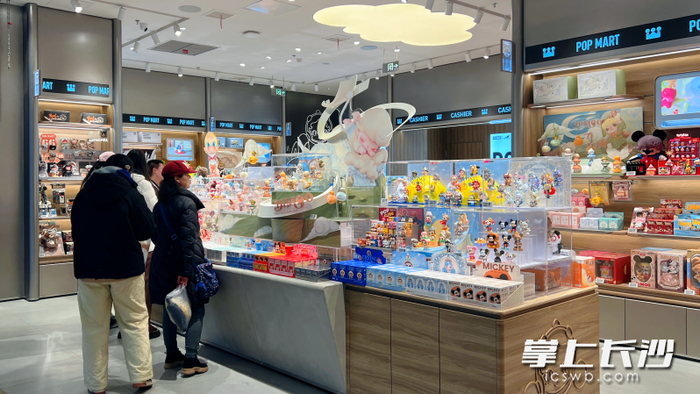
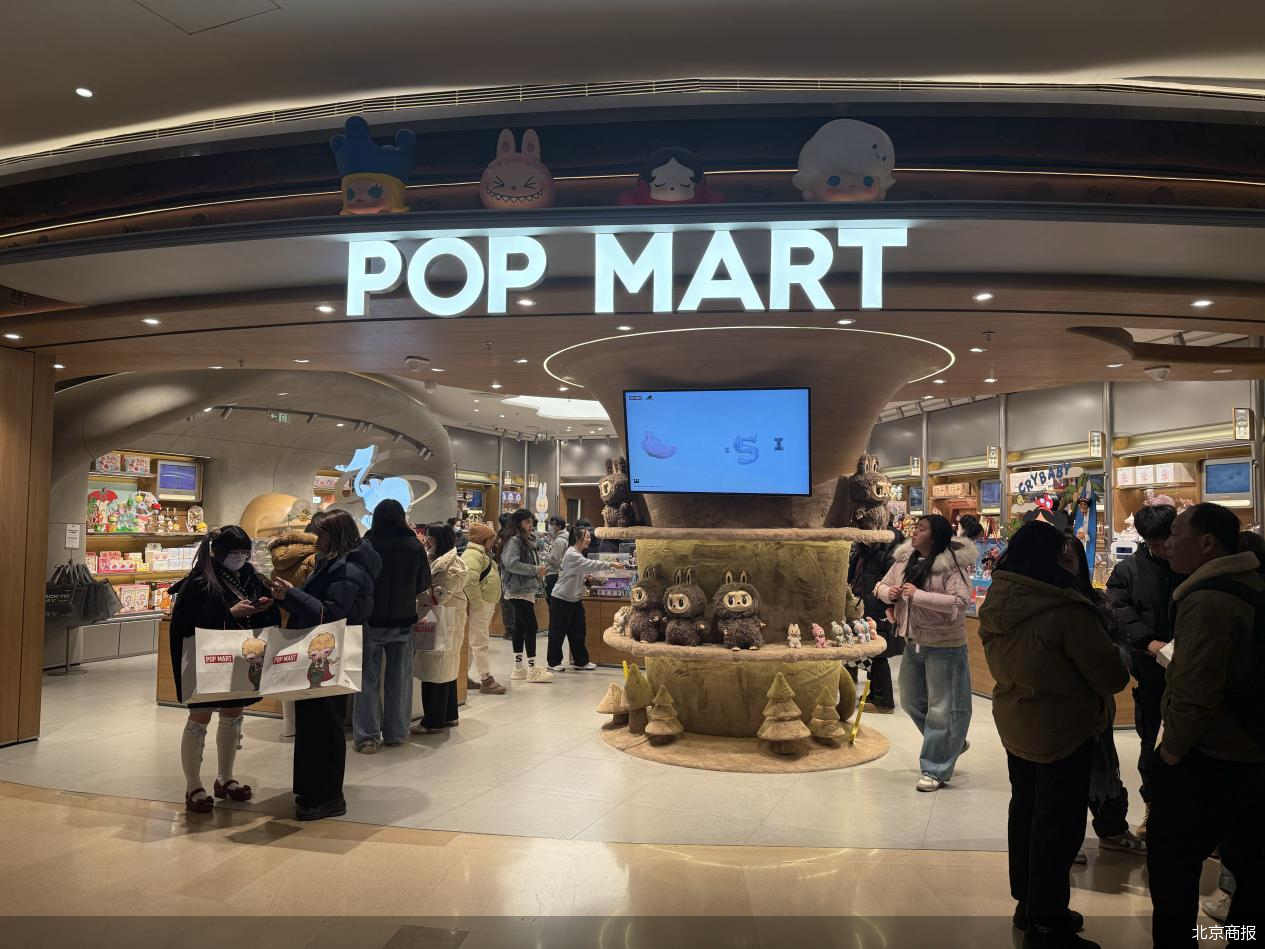
Core Viewpoint - Labubu has significantly increased its restocking efforts, leading to improved availability of products, although some popular items remain out of stock both online and offline [1][2]. Group 1: Restocking Efforts - Labubu's restocking frequency has noticeably increased, with notifications of new arrivals frequently appearing in store communities [1][2]. - During the New Year period, a large-scale restocking was conducted by Pop Mart, resulting in consumers successfully purchasing the Labubu heart password series [2]. - Despite the increased restocking, certain Labubu series products, such as the front high-energy series and heart password series, remain sold out in both physical and online stores [1][2]. Group 2: Consumer Demand and Market Dynamics - Consumer enthusiasm for purchasing older Labubu products remains high, indicating a persistent demand gap between supply and demand [2]. - The transition from online-only purchases to allowing in-store purchases reflects a shift in sales strategy, aimed at improving consumer access to products [2]. - The secondary market prices for Labubu products have significantly adjusted downward, indicating that the brand is regaining pricing power and moving towards a healthier market environment [3].
Labubu全面开放购买?线下门店一“布”难求、线上短暂放量
Bei Jing Shang Bao· 2026-01-05 05:38
Core Viewpoint - The Labubu series products from Pop Mart are still experiencing stock shortages in popular shopping areas like Sanlitun and He Shenghui, despite improved availability compared to previous times [1][3]. Group 1: Product Availability - Many Labubu products, particularly the "Frontline High Energy" and "Heart Code" series, remain out of stock in both physical and online stores, indicating a persistent demand-supply gap [3][4]. - A significant restock occurred during the New Year period, but products sold out quickly, highlighting the ongoing high consumer interest [3][4]. Group 2: Consumer Behavior - Consumers are increasingly utilizing fan communities to receive real-time restock notifications, which enhances their chances of purchasing desired items [3]. - The purchasing enthusiasm for older Labubu products remains strong, suggesting that demand continues to outpace supply [4]. Group 3: Market Dynamics - The recent changes in restocking frequency and sales rules reflect a strategic shift by Pop Mart to combat scalpers and stabilize the secondary market, which had seen inflated prices due to high demand [4]. - Since June, Pop Mart has implemented large-scale restocking efforts aimed at curbing scalper activities and promoting a healthier market environment, which has led to a noticeable decrease in secondary market prices [4].
泡泡玛特午后涨超3% 公司计划明年初完成加拿大东西两岸核心城市布局
Xin Lang Cai Jing· 2026-01-05 05:17
Core Viewpoint - Pop Mart (09992) has officially opened its first store in Canada, marking a significant step in its expansion into the North American market [1][5]. Group 1: Store Opening and Market Response - The new store is located in Richmond Center, Vancouver, and features popular IP products such as THE MONSTERS, MOLLY, SKULLPANDA, and DIMOO, attracting considerable consumer interest [1][5]. - The opening generated a buying frenzy, with queues extending to nearby stores within just two days [1][5]. - Pop Mart's Americas business representative noted that there has been substantial demand from Canadian consumers on social media and e-commerce platforms prior to the store opening [1][5]. Group 2: Expansion Plans - Pop Mart currently operates over 60 physical stores in the United States [1][5]. - The company plans to open additional stores in Vancouver by early 2026 and will also enter the Toronto market, completing its presence in key cities on both coasts of Canada [1][5].
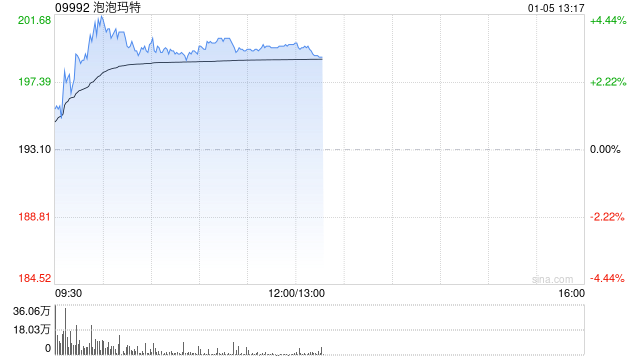
港股异动 泡泡玛特(09992)盘中涨超4% 公司海外版图再扩张 计划明年初完成加拿大东西两岸核心城市布局
Jin Rong Jie· 2026-01-05 05:04
Core Viewpoint - Pop Mart (09992) has opened its first store in Canada, marking a significant step in its expansion into the North American market, with strong consumer interest observed during the opening period [1] Group 1: Company Expansion - Pop Mart's first Canadian store is located in Richmond, Vancouver, and features popular IP products such as THE MONSTERS, MOLLY, SKULLPANDA, and DIMOO, attracting considerable consumer attention [1] - The store experienced a buying frenzy within two days of opening, with queues extending to nearby stores, indicating strong demand [1] - The company plans to open additional stores in Canada, including a new location in Vancouver by early 2026 and its first store in Toronto, aiming to establish a presence in key cities on both coasts [1] Group 2: Market Performance - Following the news of the store opening, Pop Mart's stock price increased by over 4% during trading, closing at 199.5 HKD, with a trading volume of 1.294 billion HKD [1]