Tsingtao Brewery(600600)

Search documents
小摩减持青岛啤酒股份(00168)约28.59万股 每股作价约54.17港元
Zhi Tong Cai Jing· 2025-10-24 11:57
智通财经APP获悉,香港联交所最新资料显示,10月21日,小摩减持青岛啤酒股份(00168)28.5885万 股,每股作价为54.1681港元,总金额约1548.58万元港元。减持后最新持股数目约为3909.66万股,持股 比例为5.96%。 (原标题:小摩减持青岛啤酒股份(00168)约28.59万股 每股作价约54.17港元) ...
小摩减持青岛啤酒股份约28.59万股 每股作价约54.17港元
Zhi Tong Cai Jing· 2025-10-24 11:53
香港联交所最新资料显示,10月21日,小摩减持青岛啤酒(600600)股份(00168)28.5885万股,每股作 价为54.1681港元,总金额约1548.58万元港元。减持后最新持股数目约为3909.66万股,持股比例为 5.96%。 ...
行业调整接近尾声 机构看好酒类行业底部配置机会(附概念股)
Zhi Tong Cai Jing· 2025-10-24 00:39
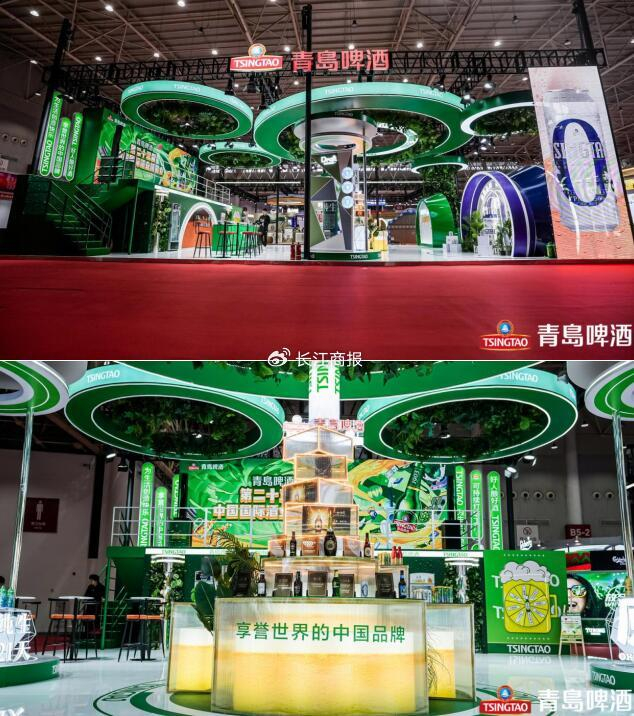
Group 1: Industry Overview - The overall sales in the industry are expected to decline by over 20%, with a gradual improvement month-on-month and a narrowing decline in the festive season of Mid-Autumn and National Day, estimated at around 20% [1] - Business banquets are performing weakly, while mass consumption and wedding banquets are relatively resilient, with a smaller decline in Q3; high-end gifting shows improvement before the holidays [1] - Major liquor companies are adopting a more pragmatic approach, accelerating adjustments to reduce channel pressure, cutting investment, and enhancing operational efficiency [1] Group 2: Company Performance - Leading liquor companies like Moutai and Wuliangye have achieved over 80% collection progress, while regional companies are generally around 70%, with pressure on mid-tier liquor companies [1] - Wuliangye has held dealer meetings in multiple locations, emphasizing strict checks on market price disruptions and announcing increased subsidy policies for different-sized dealers [1] - The report from Citic Securities indicates that the bottom of the industry fundamentals is expected to appear in Q3 2025, with Q3 of this year being the most challenging period for sales, prices, and market confidence [2] Group 3: Market Trends - Huachuang Securities highlights the importance of bottom catalysts in the liquor sector, with traditional consumption entering a bottom accumulation phase, and seasonal catalysts expected to drive valuation recovery [3] - The launch of the new flagship product "Dazhen" by Zhenjiu Lidu has achieved a collection of 370 million yuan, with over 2,800 alliance merchants signed [4] - In the beer sector, the acquisition of 53% of Xianpi Fulu's shares by Mixue Ice City marks its expansion into the alcoholic beverage market, with the financial performance to be consolidated into the group’s reports [5]

以啤酒文化为核心打造超级IP
Qi Lu Wan Bao· 2025-10-23 09:15
Core Insights - The conference on urban cultural tourism brand construction in Qingdao emphasized the integration of digital technology and cultural creativity as key drivers for brand development in the tourism industry [1][2]. Group 1: Industry Transformation - The tourism industry is undergoing a fundamental shift from a focus on "scale expansion" to a new development phase centered on "innovation leadership" [1]. - Emerging trends such as immersive experiences, urban micro-vacations, and content IP are rapidly gaining traction due to upgraded consumer demands and deep technological integration [1]. Group 2: Qingdao's Brand Development Strategy - A systematic plan to create a super IP centered around Qingdao's beer culture was proposed, highlighting its significance as a cultural symbol and its potential for emotional connection [2]. - The introduction of a "beer exchange" gamified interaction model is suggested to transform historical urban spaces into engaging beer culture experience areas [2]. - The strategy includes extending the "beer + homestay" and "beer + cultural and sports commerce" chains, aiming to build a nationwide fresh beer delivery network [2]. Group 3: Cultural Engagement and Community Involvement - A nationwide co-creation initiative is recommended to harness the creative power of citizens and tourists, positioning beer as a medium to convey Qingdao's urban spirit of "openness, fashion, and joy" [2]. - The brand narrative should be collaboratively developed to ensure the city IP resonates deeply with the public [2]. Group 4: Future Directions - The construction of tourism brands in the new era should follow the cognitive logic of "being seen, being remembered, being desired, and being recommended," transitioning from one-way resource display to two-way experiential resonance [3].
山东青岛积极开展标准化资助奖励
Zhong Guo Zhi Liang Xin Wen Wang· 2025-10-23 05:03
Core Points - Qingdao City has allocated 12.95 million yuan for 78 standardization projects in 2024, supporting 44 enterprises and institutions [1] - The projects include the development of international, national, and industry standards, with significant contributions from leading companies in various sectors [1][2] - The city aims to enhance its standardization efforts to support high-quality development in innovative industries [1][3] Group 1: Standardization Projects - 78 standardization projects received funding, including 2 international standards, 26 national standards, and 17 industry standards [1] - Key companies involved in international standard development include Haier Group, Haier Cloud, CRRC Qingdao Sifang, and Hisense Group [1][2] - The city has seen a 25% annual growth in the number of national standards led or participated in by local enterprises since 2021 [3] Group 2: Emerging and Advantageous Industries - In emerging industries, Hisense Vision Technology and Qingdao Spry Energy Technology are leading the development of national standards [2] - In advantageous industries, Haier Group and Qingdao Beer Co. are involved in international and national standard development for home appliances and beverages [2] - Qingdao Port Group is also contributing to national standards in automation and smart green port technologies [2] Group 3: Future Standards and Financial Support - Qingdao City is pursuing breakthroughs in future industries with new national standards being developed by companies like CETC Si Yi Technology [2] - Since 2021, the city has provided 70.98 million yuan in financial support for 2,148 standardization projects, significantly boosting participation [3] - The local government plans to continue promoting standardization as a key driver for innovation and economic development [3]



以创意与技术赋能文旅融合发展,专家解析青岛文旅品牌升级路径
Qi Lu Wan Bao Wang· 2025-10-22 12:20
Core Insights - The conference on urban cultural tourism brand construction highlighted the integration of digital technology and cultural creativity as key drivers for brand development in the tourism industry [1][3] - The shift in industry competition logic from scale expansion to innovation-led growth is emphasized, with new market segments like immersive experiences and content IP emerging [3][4] Group 1: Industry Trends - The tourism industry is undergoing a fundamental transformation, moving towards a new development phase centered on innovation [3] - There is a rising demand for immersive experiences, particularly among the new middle class, which is reshaping the construction and communication of cultural tourism brands [3][4] Group 2: Strategic Recommendations for Qingdao - A systematic plan to create a super IP centered around Qingdao's beer culture is proposed, leveraging its significance as a cultural symbol and its emotional connection potential [3][4] - The introduction of a "beer exchange" interactive model is suggested to enhance visitor engagement through digital means, transforming historical spaces into participatory cultural experiences [3][4] Group 3: Industry Integration and Digitalization - The proposal includes extending the beer culture into various sectors such as "beer + homestay" and "beer + sports and commerce," aiming to build a nationwide fresh beer delivery network [4] - A digital supply chain system is recommended to facilitate easy access to Qingdao's fresh beer for consumers across the country, enhancing brand connection [4] Group 4: Cultural Communication and Community Engagement - A nationwide co-creation initiative is advocated to harness the creative power of citizens and tourists, positioning beer as a medium to convey Qingdao's urban spirit of openness, fashion, and joy [4] - The importance of collaborative storytelling in brand building is highlighted, suggesting that a brand's narrative should be co-authored by the community to resonate deeply [4] Group 5: Future Directions for Brand Building - The construction of cultural tourism brands should follow a cognitive logic of being seen, remembered, desired, and recommended, transitioning from one-way resource display to two-way experiential resonance [4] - Emphasis is placed on leveraging digital technology to creatively transform urban life scenarios into tourism resources, exploring new avenues such as national trend culture and immersive experiences [4]

食品饮料行业2025年三季报前瞻:白酒加速出清,大众逐渐改善
Huachuang Securities· 2025-10-22 00:46
Investment Rating - The report maintains a recommendation for the liquor sector, indicating a bottoming out phase with potential for recovery in the future [2]. Core Insights - The liquor industry is experiencing a significant decline in sales, with an expected drop of over 20% in overall sales volume. However, there are signs of month-on-month improvement, and the decline is narrowing [5][9]. - Major liquor companies like Moutai and Wuliangye are showing strong recovery in payment collection, with over 80% collection rates, while regional brands are performing adequately [5][9]. - The report emphasizes the importance of focusing on high-quality liquor brands that are likely to recover faster, such as Moutai and Fenjiu, while also highlighting the need to monitor companies undergoing significant changes [6][9]. Summary by Sections 1. Liquor Sector: Q3 Accelerated Decline and Bottoming Out - The liquor sector is facing a 20%+ decline in sales due to external demand shocks, with a gradual improvement expected in the coming months [5][9]. - High-end liquor brands are expected to show resilience, with Moutai projected to achieve a 3% revenue growth in Q3, while Wuliangye is expected to see a 20% revenue decline [10][11]. - The report indicates that companies are adjusting their strategies to reduce channel pressure and improve operational efficiency [9][10]. 2. Consumer Goods Sector: Overall Demand Weakness, Structural Resilience - The consumer goods sector is experiencing overall weak demand, but segments like snacks and beverages are showing higher resilience [17][24]. - The report notes that while the demand for dairy and beer remains stable, the restaurant supply chain is still under pressure [17][24]. - Raw material prices are generally declining, which may provide some cost relief to companies in the sector [24][25]. 3. Investment Recommendations: Focus on Liquor Bottoming Catalysts and Selective Consumer Goods Trends - The report suggests focusing on liquor companies that are at the bottom of their cycles, with Moutai and Fenjiu being primary recommendations [6][9]. - For consumer goods, the report highlights the potential of snack and beverage companies, recommending brands that are well-positioned to benefit from current trends [6][17].





2025万宁热浪消费季暨青岛啤酒嘉年华圆满落幕
Sou Hu Cai Jing· 2025-10-21 14:13
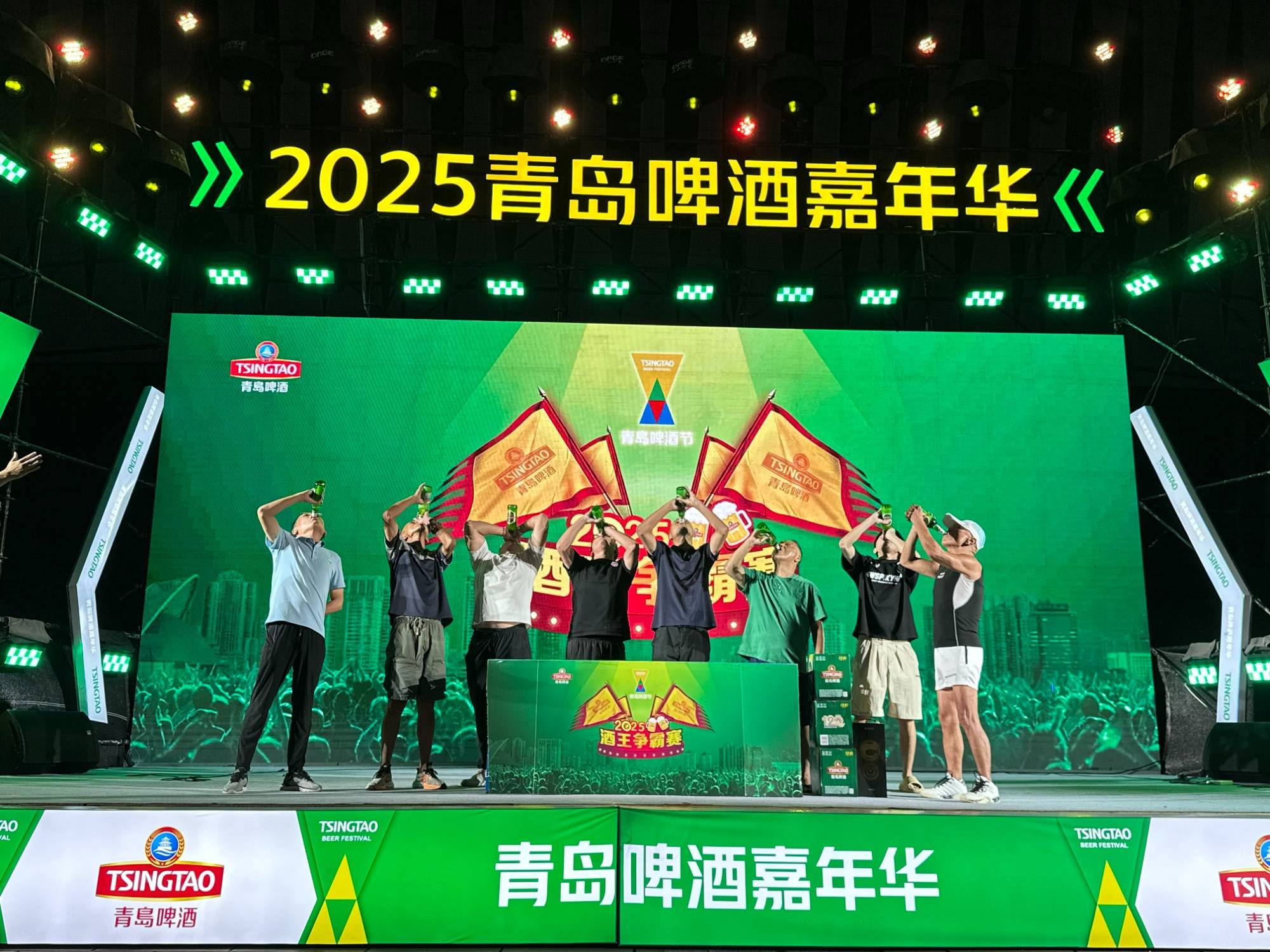
Core Insights - The event "2025 Wanning Heat Wave Consumption Season and Qingdao Beer Carnival" successfully attracted nearly 30,000 visitors over nine days, showcasing a deep integration of commerce, tourism, and culture in the night economy [1][4][6] - The carnival featured a variety of local delicacies and high-end beer products, creating an immersive consumption experience for attendees [1][4] - The event was supported by robust safety measures, with no reported safety incidents during the festivities, enhancing the overall visitor experience [3][4] Event Overview - The carnival ran from October 12 to October 20, culminating in a vibrant closing ceremony with performances and activities [1][6] - The "King of Beer" competition was a highlight, with participants engaging in fun activities, contributing to the lively atmosphere [1][3] - The event was designed to promote a diverse and integrated consumption model, linking various tourism resources and enhancing local economic activity [4][6] Safety and Community Engagement - Over 50 police and auxiliary officers were deployed to ensure safety, with measures including traffic management and public safety announcements [3][4] - The event provided community services, answering over 500 inquiries and assisting visitors, which contributed to a positive experience [3][4] Strategic Importance - The carnival exemplifies Wanning's strategy of hosting monthly events to stimulate seasonal tourism and consumption [4][6] - By leveraging the cultural influence of Qingdao Beer, the event aimed to upgrade local consumption patterns and activate broader economic activities [4][6]
青岛啤酒闪耀酒博会 金奖矩阵实力“吸睛”,多款新品“轻盈”登场
Chang Jiang Shang Bao· 2025-10-21 02:21
Core Viewpoint - The 23rd China International Wine Expo was successfully held from October 17 to 19, showcasing a variety of Qingdao Beer products and new offerings, emphasizing a health-conscious approach to beer consumption [1] Product Highlights - Qingdao Beer introduced key products aligned with modern consumer trends, particularly highlighting "Qingdao Beer Light Dry," which focuses on low calories, low sugar, and high quality to cater to health-conscious consumers [2] - The "Qingdao Beer Light Dry" contains only 29 calories per 100ml and has a sugar content as low as 0.1g, promoting a lighter drinking experience [4] - The 0.0% alcohol white beer from Qingdao Beer won a gold medal at the 2025 Beer World Cup, utilizing advanced vacuum distillation technology to maintain the original flavor while reducing alcohol content to less than 0.05% [6] Awards and Recognition - Qingdao Beer showcased a full array of products at the expo, including award-winning items such as classic 1903, pure draft, white beer, and various high-end specialty beers, all of which have received gold medals in domestic and international competitions [10] Consumer Engagement - The expo featured interactive activities that combined "wine experience" with "fun interaction," enhancing audience participation and adding joy to consumers' quality of life [12]
中国酒业如何跨越“冰与火”?这场“武汉会议”,回答时代之问!
Sou Hu Cai Jing· 2025-10-20 16:32
Core Insights - The Chinese liquor industry is at a historical crossroads, facing both challenges and opportunities due to rational consumption trends and the impact of artificial intelligence on industry logic [1] - The "World Famous Wine Value Conference" held in Wuhan addressed key industry questions regarding the redefinition of liquor value, the shift from scale expansion to value creation, and the globalization of Chinese liquor [1] Industry Trends - The global liquor industry is undergoing structural changes, with the high-end and luxury segments leading growth at a compound annual growth rate (CAGR) of 10.3%, particularly driven by the Asia-Pacific region [2] - The Chinese baijiu market is expanding steadily, with a CAGR of 2.3%, showcasing strong industry resilience and cultural roots [2] - Traditional business banquet markets are contracting, while personalized and emotionally connected consumption scenarios are rapidly emerging, emphasizing the need for liquor brands to adopt innovative strategies for differentiation [2] Consumer Behavior - The concept of rational consumption has gained consensus, with consumers prioritizing products that offer a balance of cost-effectiveness, quality, and emotional value [4] - The long-term development of world-famous liquors should focus on the values of "coexistence, empathy, and sharing," integrating industry with nature and society [4][5] Internationalization Challenges - China's baijiu currently holds only a 2.3% share in the international market, highlighting the need for the industry to overcome misconceptions and adopt successful strategies from international wine markets [7] - Recommendations for internationalization include aligning with international standards, innovating products and marketing strategies, and fostering collaboration among industry players [7] Innovation and Strategy - Leading companies are responding to industry changes through innovative practices, such as digital empowerment, cross-industry collaborations, and enhancing consumer experiences [10] - Anhui Gujing Group is leveraging digitalization to enhance traditional brewing processes and is actively promoting baijiu internationally [12] - Luzhou Laojiao is focusing on brand innovation through product diversification and cultural collaborations to connect with younger consumers [14] - Qingdao Beer is enhancing consumer engagement through innovative product offerings and efficient delivery systems [19] Future Directions - The conference outlined a clear roadmap for the future of Chinese liquor, emphasizing the importance of gratitude towards nature, commitment to quality, and deep emotional resonance with consumers [30] - The industry is encouraged to embrace the philosophy of "coexistence, empathy, and sharing" to navigate the challenges ahead and achieve sustainable growth [30]