
PING AN OF CHINA(601318)

Search documents
对《保险公司资产负债管理办法(征求意见稿)》的点评:严控久期缺口和利差风险,预计上市公司能达成相应指标
Hua Yuan Zheng Quan· 2025-12-24 09:25
Investment Rating - The investment rating for the insurance industry is "Positive" (maintained) [3][7]. Core Insights - The report discusses the release of the draft "Insurance Company Asset-Liability Management Measures" by the National Financial Regulatory Administration on December 19, 2025, aimed at enhancing asset-liability management capabilities and regulatory oversight in the insurance sector [3]. - The draft sets multiple regulatory and monitoring indicators for life and property insurance companies, including effective duration gap, comprehensive investment income coverage ratio, and reserved funds coverage ratio, which are expected to help control interest spread and duration gap risks [3][6]. - The report anticipates that listed insurance companies will find it relatively easy to meet the requirements outlined in the draft due to their established asset-liability management systems and the leniency in the calculation of the indicators [5][6]. Summary by Sections Regulatory Framework - The draft is linked to the upcoming implementation of new accounting standards in 2026, which will significantly change the asset classification methods for insurance companies [6]. - The draft includes specific regulatory requirements, such as an effective duration gap within ±5 years and a comprehensive investment income coverage ratio of no less than 100% for life insurance companies [6]. Industry Outlook - The report expresses optimism about the insurance industry, citing recent fluctuations in interest rates that may alleviate interest spread risks and the potential for good growth in new business value (NBV) for major listed companies in 2026 [7]. - Recommendations include companies like China Life, which has a strong individual insurance team, China Ping An, which is expected to see high growth in its bancassurance channel, and China Pacific Insurance, which benefits from policy support in both auto and non-auto insurance sectors [7].


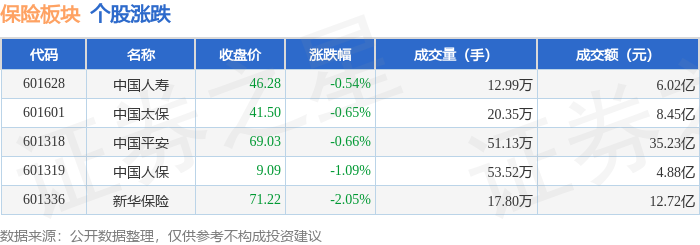
保险板块12月24日跌0.75%,新华保险领跌,主力资金净流出3.82亿元
Zheng Xing Xing Ye Ri Bao· 2025-12-24 09:10
证券之星消息,12月24日保险板块较上一交易日下跌0.75%,新华保险领跌。当日上证指数报收于 3940.95,上涨0.53%。深证成指报收于13486.42,上涨0.88%。保险板块个股涨跌见下表: | 代码 | 名称 | 主力净流入(元) | 主力净占比 游资净流入 (元) | | 游资净占比 散户净流入 (元) | | 散户净占比 | | --- | --- | --- | --- | --- | --- | --- | --- | | 601628 中国人寿 | | -3241.29万 | -5.39% | -3497.42万 | -5.81% | 6738.71万 | 11.20% | | 601319 中国人保 | | -4198.21万 | -8.61% | -272.27万 | -0.56% | 4470.49万 | 9.17% | | 601601 中国太保 | | -5793.48万 | -6.86% | 3043.07万 | 3.60% | 2750.41万 | 3.26% | | 601336 新华保险 | | -6775.42万 | -5.33% | 2695.52万 | 2.12% ...




保险不只是理赔,更是服务:中国平安“医险协同”重塑健康保障新模式
Hua Xia Shi Bao· 2025-12-24 06:28
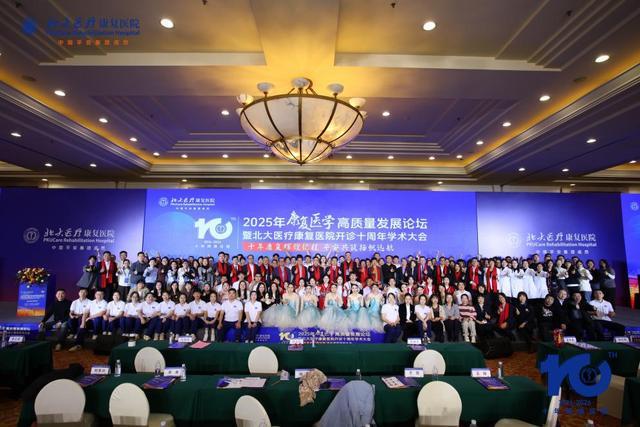
Core Viewpoint - The essence of commercial health insurance is not risk compensation but a systematic extension of health management, reflecting the core logic of the insurance industry's transformation and China's exploration of the "insurance-medical collaboration" strategy [1][3]. Group 1: Health Insurance Transformation - China Ping An is shifting from "post-claim" to "prevention, management, and rehabilitation," using insurance as a lever to initiate a health service revolution that covers the entire life cycle [3][4]. - The "Health China 2030" plan emphasizes the transition of healthcare services from a disease-centered approach to a health-centered one, creating a new historical mission for commercial health insurance [4]. - Ping An Health Insurance has proposed a dual-driven strategy of "health insurance + medical services," launching a digital health management platform in 2024 to provide continuous health support [4][6]. Group 2: Service Efficiency and Cost Savings - The "three savings" concept—saving worry, time, and money—underpins Ping An's health insurance collaboration system [5]. - The "post-hospital rehabilitation follow-up" project exemplifies professional closed-loop services, providing personalized training plans and real-time supervision for patients [6]. - Digital integration has reduced outpatient revisit frequency by 30%, and the time from accident report to hospitalization has been accelerated by 80% [6]. - Patients receiving follow-up care save an average of over 2000 yuan in medical expenses, while targeted rehabilitation interventions in auto insurance cases save an average of 22,000 yuan per case [6]. Group 3: Comprehensive Service Network - Ping An has established a vast service network through collaboration with Peking University Medical Group, including hospitals, rehabilitation centers, and health management centers across the country [7]. - Innovations such as "no companion wards" and "healthcare on wheels" are designed to meet the "three savings" goals, ensuring that insurance services are effectively implemented [7]. Group 4: Smart Rehabilitation and Long-term Care - The opening of Shenzhen Beida Rehabilitation Hospital marks a significant step in Ping An's "insurance-medical-health" ecosystem, featuring a family-oriented and intelligent rehabilitation environment [8][10]. - The hospital aims to provide seamless services by integrating medical insurance, commercial insurance, and cross-border insurance payment channels [10]. - Ping An is focusing on preventive health management, particularly for chronic diseases and the elderly, by developing specialized insurance products and integrating advanced healthcare technologies [10][11]. Group 5: Broader Vision and Commitment - Ping An's approach emphasizes that the ultimate value of insurance lies in extending life quality and safeguarding health dignity, moving beyond mere risk transfer [11]. - The company is building a comprehensive health ecosystem that encompasses prevention, diagnosis, rehabilitation, and elderly care, positioning insurance as an active health manager [11]. - The vision is to ensure that everyone can age healthily and gracefully, reflecting Ping An's commitment to the "Healthy China" strategy through the integration of finance, technology, and healthcare [11].
居家养老提质路,从“能养老”到“养好老”有多远
Xin Lang Cai Jing· 2025-12-24 04:24
Core Insights - The report highlights the rapid growth of home-based elderly care services in China, driven by the increasing elderly population and their preference for aging at home [1][9] - The "9073" model in Shanghai and the "9064" model in Beijing emphasize the importance of home care, community support, and institutional care in the elderly care ecosystem [3][11] Industry Trends - Home-based elderly care is becoming mainstream, with a collaborative model that integrates family, community, and professional services [3][12] - The ideal elderly care ecosystem is envisioned as a collaborative system where families provide emotional support, communities offer professional services, and institutions back the system [4][12] Challenges in Home Care - Key challenges include the difficulty in extending medical services to homes, leading to a disconnect between healthcare and elderly care [6][14] - There is a lack of suitable infrastructure and support for elderly-friendly living environments, which poses safety risks [15] - The current supply of home care services is limited to basic needs, with a mismatch between available services and the actual demands of the elderly [7][15] Opportunities for Market Players - The existing gaps in home care services present significant opportunities for various market players, including insurance, healthcare, and technology companies [8][16] - Companies like Ping An are developing comprehensive home care solutions, such as the "Ping An Housekeeper" service, which integrates medical, safety, and caregiving services [8][16] Market Expansion - As of now, the "Ping An Housekeeper" service has expanded to cover 100 cities, with a growth rate exceeding 33% in 2025 alone, indicating a strong market demand [9][17] - The service has already qualified nearly 240,000 clients for home care services, showcasing its effectiveness and reach [9][17]

溜索、骑马、走路:秘境峡谷中的“复古”平安查勘员
Jing Ji Guan Cha Wang· 2025-12-24 04:20
横跨怒江上的溜索,现在还有人用吗? 怒江州山区面积逾98%,天然形成"四山夹三江"的高山峡谷地貌,曾经"行路难、过江难"挡住着当地居 民出行的脚步,也阻碍了当地的经济发展。2013年,中国启动"溜索改桥"项目,怒江上的42对溜索被改 造为36座各式跨江桥梁,仅保留了数量不多的安全旅游体验溜索。硬化公路畅通县、乡、村、组,出行 难、过江难问题一去不复返。 90后小伙乔玉林,现在是平安产险云南怒江泸水市一带的理赔查勘员,在怒江傈僳族自治州出生、长 大,但从未实际感受过怒江溜索的惊险刺激。近期,因为要完成一次紧急的理赔查勘任务,"村里居民 的报案,稻田需要查勘定损。晚一点,稻田有可能就被泥石流完全覆盖了,有标的物灭失的可能 性。"他需要与时间赛跑,所以选择尝试使用旅游溜索渡江。 从溜索到爬山:守护一株稻穗 使命必达,有时能带来相互信任。 云南怒江泸水一带,人们大多数住在怒江江岸附近稍微平缓的区域。在地图上,略显狭长的这块地方, 被从北往南连绵的高耸山脉夹在中间。一侧的高黎贡山便是中国西南地区横断山脉的"七脉"之一。 偶然的泥石流,会让这些村民播种的作物在顷刻之间化作乌有。这时候,乔玉林的工作就尤为重要了, 他的及时 ...
格隆汇“金格奖”揭晓,平安好医生获评“年度卓越医疗健康企业”
Sou Hu Cai Jing· 2025-12-24 04:18
Core Viewpoint - Ping An Good Doctor has been awarded the "Annual Outstanding Healthcare Enterprise" by Gelonghui, recognizing its innovative Chinese-style Health Maintenance Organization (HMO) model and future potential in addressing challenges in the healthcare system [1] Group 1: Strategic Positioning - The company's core competitiveness stems from its strategic anchoring, positioning itself as a builder of the Chinese version of HMO, unlike many industry players focused on e-commerce or online consultations [1][2] - The business model has shifted from "post-reimbursement" to "full-cycle health management," aiming for a win-win scenario of "health preservation and cost control" through deep integration of payment and services [1][2] Group 2: Technological Empowerment - Ping An Good Doctor integrates AI deeply into its services, utilizing its self-developed medical model "Ping An Yibo Tong" to create a comprehensive "7+N+1" AI product matrix [2] - The application of AI has significantly improved the quality and efficiency of professional medical services, with the accuracy of complex disease treatment plans rising to nearly 90% and home doctor service costs decreasing by approximately 52% year-on-year [2] Group 3: Ecosystem Advantages - The company benefits from a robust ecosystem built on the Ping An Group, providing seamless services across various channels: online, hospital, home, and enterprise [3][4][5] - The extensive cooperation network includes nearly 37,000 hospitals in China and top global institutions, ensuring efficient resource matching through AI [4] - The company has provided comprehensive health management services to over 56,000 enterprises and 26 million employees, creating a low-cost customer acquisition model and high-value retention [5] Group 4: Future Growth Prospects - The award signifies market recognition of Ping An Good Doctor's Chinese-style management healthcare path, pointing towards a broader growth blueprint [6] - The company is poised to benefit from the structural growth period in the commercial health insurance market, which currently accounts for less than 3% of the healthcare payment structure in China [8] - With the "Healthy China" strategy advancing, enterprise health management is becoming a core competitive advantage, and Ping An Good Doctor has established significant first-mover and scale advantages in this area [8] Group 5: Long-term Vision - The growth narrative follows a clear logic of "internal to external, capability spillover," with the company focusing on serving internal insurance and enterprise clients while accumulating data capabilities [9] - Future plans include leveraging internal service networks and operational efficiencies to expand into external markets, potentially providing health management solutions to government healthcare systems [9][10] - The capital market is expected to reassess the company's value, given its roots in a larger and more urgent Chinese market compared to its U.S. counterparts, with a current market value of approximately 28.3 billion yuan [10] Summary - The recognition of Ping An Good Doctor as an "Annual Outstanding Healthcare Enterprise" highlights its successful exploration of a technology-driven management healthcare model [11] - The company has established a differentiated development path through a clear HMO strategy, deep AI integration, and unique ecosystem collaboration, aligning with market expectations for more efficient and accessible healthcare services [11]
护航“敢消费” 助力“愿消费”
Jin Rong Shi Bao· 2025-12-24 03:00
Group 1 - The core viewpoint of the articles highlights the insurance industry's proactive response to emerging consumer needs and risks associated with new consumption scenarios, particularly in tourism, sports, and healthcare [1][2][3][4][5][6]. Group 2 - The launch of the Hainan island's closure operation has prompted insurance companies to tailor risk protection products for new tourism activities, including yacht outings and rainforest adventures [1]. - The "Soochow Super League" has driven insurance companies to innovate comprehensive coverage products for events, ensuring safety for participants and spectators [2]. - Insurance companies are developing specialized products to address risks in new consumption areas, with a focus on tourism, sports, and entertainment, including a matrix of 35 dedicated insurance products [3]. - The insurance sector is increasingly recognized for its role in stabilizing consumer expectations and enhancing confidence through innovative products like income loss insurance and long-term care insurance [4][5]. - Insurance funds are being utilized to support consumer infrastructure, such as the successful listing of the first agricultural market REIT in China, which promotes local consumption and economic activity [6].
千万人才缺口下 居家养老服务师正走向"C位"
2 1 Shi Ji Jing Ji Bao Dao· 2025-12-24 02:02
Core Viewpoint - The emergence of the "home care service provider" profession reflects the growing demand for elderly care services in China as the country enters a deeply aging society, highlighting the need for professionalization in the industry [1] Group 1: Industry Demand and Supply Gap - The number of disabled elderly individuals in China is approximately 35 million, accounting for 11.6% of the total elderly population, and is projected to reach 46 million by 2035, creating a pressing need for professional home care services [3] - Currently, there are only 1.338 million professionals in the elderly care sector, with 597,000 working in institutions and 741,000 in community services, indicating a significant shortfall compared to the international standard of one caregiver for every three disabled elderly individuals [3][4] Group 2: Professionalization and Training Challenges - The elderly care industry has long relied on workers from laid-off and rural migrant backgrounds, who lack systematic professional training, leading to a shortage of qualified personnel [4] - Although vocational and higher education institutions have begun offering elderly care programs, issues such as small enrollment sizes and weak industry-academia connections hinder effective talent development [4] Group 3: Role and Importance of Home Care Service Providers - The role of home care service providers differs from traditional caregivers, focusing on comprehensive assessments and personalized care plans, requiring a higher level of professional knowledge [5] - The recognition of home care service providers as a new profession by the Ministry of Human Resources and Social Security is significant for establishing qualification standards and enhancing professional skills in the elderly care sector [5] Group 4: Talent Development and Industry Standards - The establishment of a comprehensive "selection-training-保障" (guarantee) chain for home care service providers is crucial for the long-term health of the industry, with some organizations already implementing effective practices [6] - Companies like China Ping An have set clear responsibilities and evaluation mechanisms for various roles in elderly care, contributing to the establishment of industry standards and improving service quality [6][7] Group 5: Industry Impact and Future Opportunities - The involvement of leading companies in setting industry standards can enhance the social recognition of home care service providers and improve their professional image [7] - The integration of resources through a "platform + talent" model can facilitate career advancement for home care service providers, transitioning them from basic care roles to higher-level positions in health management and rehabilitation [7] - The successful implementation of home care services by companies like Ping An, covering over 100 cities and serving tens of thousands of elderly clients, demonstrates the critical role of home care service providers in enhancing service quality and client trust [7]

当3亿老人开始享老 居家养老服务师转型“进行时”
2 1 Shi Ji Jing Ji Bao Dao· 2025-12-24 01:16
Core Insights - The aging population in China is rapidly increasing, with 310 million people aged 60 and above by 2024, representing 22% of the total population, and 220 million aged 65 and above, accounting for 15.6% [1] - The demand for elderly care is shifting from "survival-type" to "quality-type," necessitating a transformation in traditional elderly care services to meet diverse and specialized needs [1] - The introduction of the "Elderly Care Service Specialist" as a new profession in 2025 is expected to drive the professionalization, intelligence, and personalization of elderly care services [1] Group 1: Professionalization - The transition to "professionalization" distinguishes elderly care specialists from traditional caregivers, focusing on needs assessment, service planning, and implementation, requiring higher professional knowledge and comprehensive skills [2] - Elderly care specialists must break traditional care boundaries and develop interdisciplinary capabilities, covering the entire service chain from needs assessment to quality control [2] Group 2: Intelligent Transformation - The second upgrade direction is "intelligent transformation," where the integration of smart technology with elderly care services is reshaping the work model of elderly care specialists [3] - Specialists can utilize smart assessment systems and IoT devices to collect data on elderly individuals, enhancing service efficiency and enabling proactive care [3] Group 3: Personalization - The third upgrade direction is "personalization," addressing the diverse needs of the elderly population, including basic care and emotional support [4] - Future elderly care services will shift from standardized offerings to personalized solutions, dynamically adjusting to individual health conditions and preferences [4] Group 4: Collaborative Support - The transformation of elderly care specialists requires collaborative support in standard development, qualification recognition, and talent cultivation to ensure stability and effectiveness [5] Group 5: Standards and Qualifications - A comprehensive standard system is essential for the transformation, with national and industry standards being established to regulate service quality and safety [6] - The recognition of the "Elderly Care Service Specialist" as a new profession marks a significant step towards professional development in the elderly care sector [6] Group 6: Talent Development - Continuous improvement of the talent cultivation system is crucial, with educational institutions encouraged to offer relevant programs and training for existing workers [7] - Leading companies like Ping An are setting examples in service quality management and training, significantly impacting the industry [7] Group 7: Future Outlook - With the combined efforts of standards, talent development, policy support, and corporate empowerment, professional elderly care specialists will evolve into "health life managers," equipped to meet the quality care needs of 310 million elderly individuals [8]
“银发新职业”困境突围,居家养老服务师走向何方?
2 1 Shi Ji Jing Ji Bao Dao· 2025-12-24 01:12
Core Insights - China is entering a deep aging society, with the elderly population aged 60 and above expected to reach 310 million by 2024, accounting for 22% of the total population, and the number of disabled elderly people projected to rise from 35 million to 46 million by 2035 [1] - The current workforce in the elderly care service sector is only 1.338 million, which is less than 10% of the required number based on international standards [1] - The introduction of the "Elderly Care Service Specialist" as a new profession marks a significant step towards professionalizing the elderly care industry, aiming to alleviate the talent shortage and improve service quality [1] Industry Challenges - The elderly care service industry faces a dual gap in quantity and quality, with only 597,000 staff in care institutions and 741,000 in community services, insufficient to meet the needs of 35 million disabled elderly individuals [2] - There is a low percentage of qualified professionals, with only 248,000 having obtained relevant certifications, and a lack of advanced professionals to meet complex service demands [2] - The unclear career development path for elderly care workers is a major bottleneck, as many are viewed as manual laborers without a clear advancement system [2] Social Perception and Compensation Issues - Social biases and imbalanced compensation create barriers to attracting talent, with over 80% of current workers reporting daily work hours exceeding 10 hours and nearly 70% stating their income is barely sufficient [3] - The lack of a comprehensive training system and industry standards exacerbates the talent crisis, with educational programs being limited and practical training opportunities insufficient [3] Talent Development Initiatives - Companies like Ping An are exploring solutions by establishing a comprehensive training system for elderly care specialists, integrating selection, training, and support [4] - By 2025, Ping An aims to cover 100 cities with its home care services, having served nearly 240,000 clients, with high satisfaction rates among service providers [5] - The strict selection criteria for caregivers and ongoing training programs are essential for enhancing service quality, with significant service hours logged and high customer satisfaction reported [5][6] Standardization and Quality Assurance - The establishment of a robust standard system is crucial for retaining talent, with Ping An's home care services recently receiving a five-star rating based on comprehensive evaluation criteria [6] - The development of a clear professional standard for elderly care specialists can enhance social recognition and support industry transformation [6] Collaborative Solutions for Industry Growth - The industry requires collaboration among government, enterprises, and society to address talent shortages effectively, emphasizing the need for a standardized framework covering service provision, personnel qualifications, and quality evaluation [8] - Continuous optimization of talent supply necessitates a solid training framework, with a focus on practical skills and humanistic care [8] Enhancing the Appeal of the Profession - To make elderly care specialists an attractive profession, efforts should be made to improve economic compensation and social recognition, including policy support and positive publicity [9][10] - Establishing a standardized professional system and diverse support policies will help ensure high-quality development in the home care industry, benefiting the elderly population [10]