LBX(603883)

Search documents
都在指望内循环救经济,但现实却打了脸,老百姓可能已经拉不动内需了
Sou Hu Cai Jing· 2025-11-14 07:07
Core Insights - The article highlights a significant decline in consumer spending in China, driven by stagnant income growth, high debt levels, and increasing living costs, leading to a cautious consumer sentiment [1][3][7] Economic Indicators - In the first half of 2025, the total retail sales of consumer goods grew by only 3.2% year-on-year, a decrease of 1.5 percentage points compared to the same period in 2024 [1] - Major consumer sectors such as automobiles and home appliances experienced a slowdown, with automobile sales growing by just 1.8%, down 3.7 percentage points from the previous year, and home appliance sales declining by 2.5%, widening by 1.3 percentage points [1] - The consumer confidence index for Q2 2025 was reported at 95.3, below the neutral line of 100, marking a five-year low [5] Consumer Behavior - A survey indicated that 65% of respondents plan to reduce non-essential spending in the next six months, and 83% intend to postpone large purchases [1] - The actual growth rate of per capita disposable income for urban residents was only 2.8% in the first half of 2025, down from 5.7% in 2019, while the unemployment rate remained around 5.3% [3] Debt and Financial Pressure - The household leverage ratio reached 63.4% in Q1 2025, with some cities reporting debt-to-income ratios exceeding 3:1, indicating significant financial strain on families [3][4] - Rising costs in healthcare and education are further squeezing household budgets, with healthcare spending increasing by 8.6% year-on-year [4] Impact on Industries - The sluggish consumer spending is adversely affecting sectors such as retail, dining, and tourism, with restaurant revenues growing by only 2.5% year-on-year, significantly lower than pre-pandemic levels [7] - The vacancy rate for retail spaces in some second and third-tier cities has reached as high as 30%, indicating a challenging environment for brick-and-mortar businesses [7] Future Outlook - The article suggests that merely calling for increased domestic demand will not suffice; substantial improvements in income levels and distribution are necessary to stimulate consumer spending [8] - Long-term economic adjustments and reforms are essential to enhance consumer confidence and spending capacity, with the potential for improvement as urbanization and income distribution reforms take effect [12]


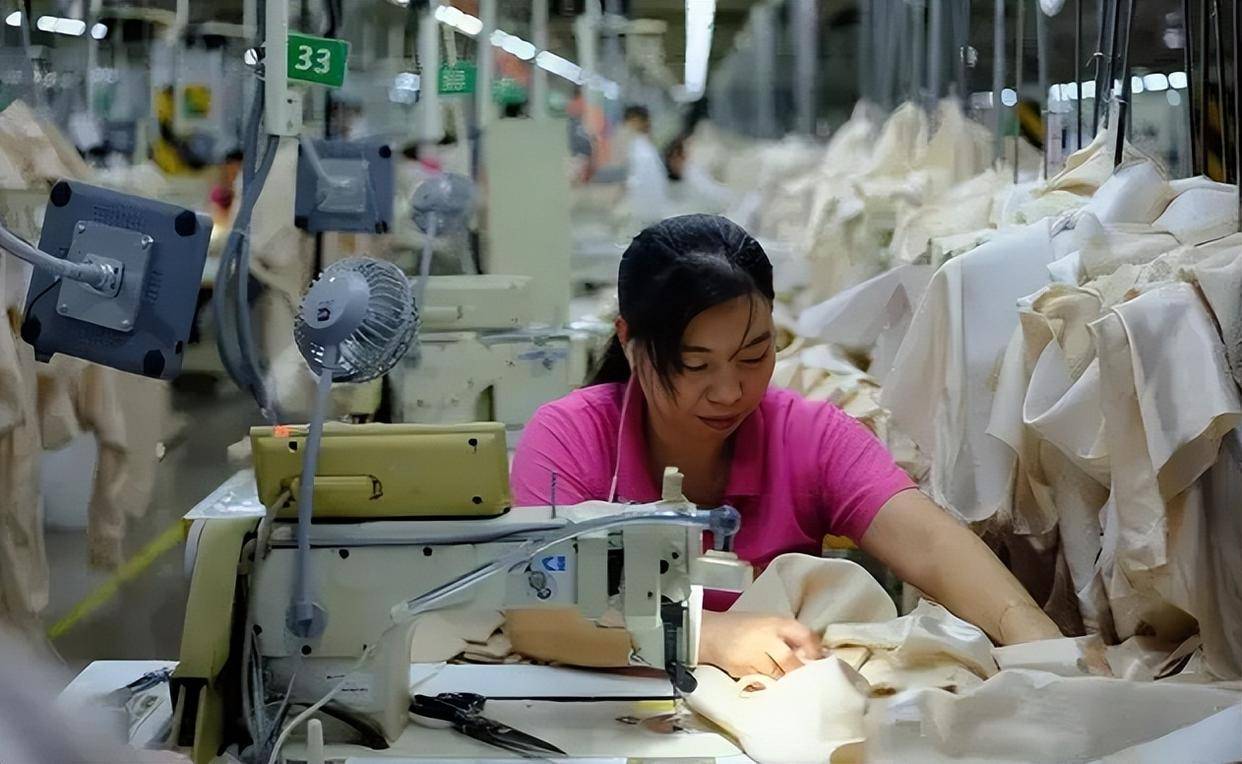
杨伟民:满足老百姓急难愁盼就是在扩消费 “十五五”时期应提高农业转移人口市民化率
Zheng Quan Shi Bao Wang· 2025-11-14 05:31
Core Insights - The "15th Five-Year Plan" emphasizes the need for an economic development model driven by domestic demand and consumption, especially in light of increasing uncertainties in the international environment [1][2] - The target for GDP growth during the "15th Five-Year Plan" period is set at an average of 4.17%, with a projected GDP total of 175 trillion yuan by 2030, requiring an increase in total supply and demand by approximately 35 trillion yuan over the next five years [1][2] Group 1: Economic Growth Drivers - The reliance on external demand for economic growth is expected to decline, making it essential to focus on expanding resident consumption to maintain reasonable economic growth [1][2] - Capital formation is anticipated to contribute more to economic growth, but it is unlikely to return to peak levels seen in the past [2] Group 2: Strategies for Expanding Consumption - A shift in development perspective is necessary, where local governments should prioritize understanding and meeting consumer demand rather than solely focusing on investment projects [2][3] - Specific targets should be set in the "15th Five-Year Plan" to improve indicators such as the resident consumption rate and the proportion of disposable income in national income [2] Group 3: Income Distribution and Urbanization - Improving the income distribution system is crucial for balancing supply and demand, with a focus on increasing the income of all citizens through actionable policies [3] - Supporting the urbanization of the nearly 300 million agricultural migrant workers is vital for creating a consumption-driven development model, with recommendations for cities to adopt metrics for integrating these populations into urban life [3]
老百姓大药房连锁股份有限公司 2025年第一次临时股东大会会议资料
Zheng Quan Ri Bao· 2025-11-11 23:14
Core Points - The company is holding its first extraordinary general meeting of shareholders on November 28, 2025, to discuss several important resolutions [20][21] - The meeting will adopt a combination of on-site and online voting methods, utilizing the Shanghai Stock Exchange's online voting system [21][20] - Key agenda items include amendments to the company's articles of association and the management rules, as well as changes in the company's registered capital [9][11][10] Meeting Details - The meeting will take place at 15:30 on November 28, 2025, at the company's headquarters in Changsha, Hunan Province [21][6] - Shareholders must register by November 24, 2025, to attend the meeting, providing necessary identification and authorization documents [2][29] - The network voting will be available from 9:15 to 15:00 on the day of the meeting [21][6] Resolutions to be Discussed - Resolution 1 involves the abolition of the supervisory board, transferring its powers to the audit committee of the board of directors [9] - Resolution 2 pertains to the amendment of the company's registered capital, which has been adjusted following the repurchase and cancellation of restricted stocks [10] - Resolutions 3 to 7 include amendments to various management rules, such as the rules for shareholder meetings and investment management [13][14][15][17][18] Voting Procedures - Shareholders can vote either in person or online, but must choose one method to avoid duplicate voting [4][23] - The voting process will require shareholders to fill out ballots clearly, as any unclear or unmarked ballots will be considered abstentions [3][4] - The results of the voting will be announced after all resolutions have been voted on [4][8] Contact Information - Shareholders can contact the company for any inquiries regarding the meeting through specified email and phone contacts [31]
老百姓大药房连锁股份有限公司关于召开2025年第一次临时股东大会的通知
Shang Hai Zheng Quan Bao· 2025-11-11 19:40
Core Viewpoint - The company, Lao Bai Xing Pharmacy Chain Co., Ltd., has announced the convening of its first extraordinary general meeting of shareholders for 2025, scheduled for November 28, 2025, at 15:30 [2][4]. Group 1: Meeting Details - The meeting will be held at the company's headquarters in Changsha, Hunan Province [2]. - Voting will be conducted through a combination of on-site and online methods, utilizing the Shanghai Stock Exchange's network voting system [2][4]. - The network voting will be available on the day of the meeting from 9:15 to 15:00 [2][6]. Group 2: Voting Procedures - Shareholders can vote via the trading system or the internet voting platform, with specific instructions for identity verification for first-time users [6][12]. - Shareholders holding multiple accounts can aggregate their voting rights across all accounts [6][8]. - Duplicate voting through different methods will be counted based on the first vote cast [7]. Group 3: Attendance and Registration - Only shareholders registered by the close of trading on the registration date are eligible to attend the meeting [9]. - Registration for attendance requires specific documentation, including identification for individual shareholders and corporate representatives [12][13]. - The registration period is set for November 24, 2025, from 9:00 to 18:00 [12]. Group 4: Additional Information - Shareholders are responsible for their own travel and accommodation expenses related to attending the meeting [14]. - Attendees are advised to arrive at least half an hour early to complete registration [15].
老百姓(603883) - 2025年第一次临时股东大会会议资料
2025-11-11 08:30
2025 年第一次临时股东大会会议资料 老百姓大药房连锁股份有限公司 2025 年第一次临时股东大会会议资料 股票代码:603883 二〇二五年十一月 1 / 13 2025 年第一次临时股东大会会议资料 目 录 2 / 13 一、会议须知 二、会议议程 三、会议议案 1、关于变更注册资本并修订《公司章程》的议案 2、关于修订《股东大会议事规则》的议案 3、关于修订《董事会议事规则》的议案 4、关于修订《关联交易管理办法》的议案 5、关于修订《对外投资管理办法》的议案 6、关于修订《募集资金管理制度》的议案 7、关于修订《对外捐赠管理制度》的议案 2025 年第一次临时股东大会会议资料 老百姓大药房连锁股份有限公司 股东大会会议须知 为维护全体股东的合法权益,确保股东大会的正常秩序和议事效率,保证大 会顺利进行,老百姓大药房连锁股份有限公司(以下简称"公司")根据中国证 券监督管理委员会《上市公司股东会规则》等文件的有关要求,制定本须知。 一、会议按照法律、法规、有关规定和《公司章程》的规定进行,请参会人 员自觉维护会议秩序,防止不当行为影响其他股东合法权益。 二、为能及时、准确地统计出席会议的股东(股东代理 ...
老百姓(603883) - 关于召开2025年第一次临时股东大会的通知
2025-11-11 08:30
证券代码:603883 证券简称:老百姓 公告编号:2025-064 老百姓大药房连锁股份有限公司 关于召开2025年第一次临时股东大会的通知 本公司董事会及全体董事保证本公告内容不存在任何虚假记载、误导性陈述 或者重大遗漏,并对其内容的真实性、准确性和完整性承担法律责任。 重要内容提示: 一、 召开会议的基本情况 (一) 股东大会类型和届次 2025年第一次临时股东大会 召开的日期时间:2025 年 11 月 28 日15 点 30 分 召开地点:湖南省长沙市开福区青竹湖路 808 号老百姓 15 楼会议室 (五) 网络投票的系统、起止日期和投票时间 股东大会召开日期:2025年11月28日 本次股东大会采用的网络投票系统:上海证券交易所股东大会网络投票 系统 采用上海证券交易所网络投票系统,通过交易系统投票平台的投票时间为股 东大会召开当日的交易时间段,即 9:15-9:25,9:30-11:30,13:00-15:00;通 过互联网投票平台的投票时间为股东大会召开当日的 9:15-15:00。 (六) 融资融券、转融通、约定购回业务账户和沪股通投资者的投票程序 涉及融资融券、转融通业务、约定购回业务相关 ...
老百姓(603883):全面启动转型变革 业绩有望稳步改善
Xin Lang Cai Jing· 2025-11-11 02:32
Core Viewpoint - On October 28, the company released its Q3 2025 earnings report, achieving revenue of 16.07 billion yuan, a year-on-year decrease of 1.0%, and a net profit attributable to shareholders of 529 million yuan, down 16.07% year-on-year. The basic earnings per share were 0.70 yuan, aligning with previous expectations. Looking ahead to Q4 2025 and 2026, the company is fully initiating a "dual-line" transformation, optimizing store layouts, enhancing procurement efficiency, and strengthening digital management to improve operational efficiency [1][2][3] Financial Performance - For the first three quarters of 2025, the company reported a revenue decline of 1.0% year-on-year, with a net profit drop of 16.07% and a non-recurring net profit decrease of 18.55%. In Q3 2025, revenue was 5.296 billion yuan, showing a slight year-on-year improvement in net profit by 2.62% [2][3] - The company plans to distribute a cash dividend of 0.14 yuan per share (before tax), totaling 106 million yuan, which accounts for 20.10% of the net profit attributable to shareholders for the first three quarters of 2025 [2] Operational Improvements - The company added 756 new stores in the first three quarters of 2025, with a net increase of 215 stores, bringing the total to 15,492. The focus remains on enhancing market presence in advantageous regions and lower-tier cities, with 90.5% of stores located in key provinces and cities [4] - The company is undergoing a "dual-line" transformation, shifting from a "transaction-based" to a "relationship-based" store model, enhancing service quality and employee training [5][6] Supply Chain and AI Integration - The company is improving procurement efficiency, with centralized procurement increasing by 3.9 percentage points to 75.2%. The self-owned brand sales ratio in self-operated stores rose by 0.9 percentage points to 22.8% [7] - AI capabilities are being strengthened across various dimensions, including technology, application scenarios, and talent development, which is expected to enhance operational efficiency and contribute to revenue growth [7] Market Strategy and Customer Engagement - The company is focusing on specialized services for chronic and severe diseases, with over 21.61 million patients registered in chronic disease management services and a total membership of 106.31 million [8] - The company is also expanding its health service offerings, integrating product, service, and scenario strategies to build a competitive edge in the market [8] Future Outlook - Looking ahead to Q4 2025 and 2026, the company is expected to continue optimizing store layouts and enhancing market share, which should lead to increased customer traffic and revenue growth. The ongoing improvements in procurement and self-owned brand ratios are anticipated to further enhance gross margins [9][10] - The company forecasts revenues of 22.71 billion yuan, 24.55 billion yuan, and 26.99 billion yuan for 2025 to 2027, with corresponding net profits of 649 million yuan, 747 million yuan, and 860 million yuan, indicating a positive growth trajectory [11]
美国家庭电费上涨,左翼参议员桑德斯致信白宫:别让老百姓为科技巨头的AI梦买单
Hua Er Jie Jian Wen· 2025-11-10 21:15
Core Viewpoint - The construction boom of data centers in the U.S. is facing scrutiny from politicians due to its significant pressure on the power grid and direct impact on consumer electricity prices, raising concerns about inflation and regulatory risks for tech companies [1][3]. Group 1: Political Response - A group of left-leaning senators, led by Senator Sanders, has urged the U.S. government to explain how it will address rising electricity prices exacerbated by data center expansion [1][2]. - The senators demand that large tech companies bear the costs associated with data center construction rather than passing them on to consumers [2]. - Concerns have been raised that local regulators may yield to the financial pressure exerted by these large companies, prompting calls for federal oversight mechanisms [2]. Group 2: Economic Impact - The 5.1% year-over-year increase in electricity prices in September has contributed to persistent inflation, becoming a significant political issue [3]. - The rising electricity costs have influenced recent electoral outcomes, aiding the Democratic Party in state elections [3]. - Activists in various regions are organizing against large tax breaks for data centers, highlighting the growing local opposition to their expansion [3]. Group 3: Energy Policy - U.S. government officials are favoring natural gas and coal for energy supply while reducing subsidies for renewable energy sources [4]. - Developers are increasingly seeking to establish independent power sources to mitigate supply chain bottlenecks and regulatory challenges associated with traditional power grids [4].
三大毒瘤不除,经济该怎么复苏?原来老百姓的钱都被吸走了
Sou Hu Cai Jing· 2025-11-10 17:52
Core Insights - The article discusses the challenges facing China's economy in 2025, highlighting three major issues that hinder economic recovery: the sluggish real estate market, high local government debt, and increasing household debt burdens [1][3][4]. Group 1: Real Estate Market - The real estate market, once a key driver of China's economy, has seen a significant decline, with national real estate development investment dropping nearly 10% year-on-year in 2024 and a continued decline of about 9.8% in the first half of 2025 [1][3]. - Since 2021, real estate investment has experienced approximately 10% negative growth for three consecutive years, which has reduced GDP growth by about 1.5 percentage points annually, with a total potential impact of up to 3 percentage points when considering related industries and consumer sentiment [3][4]. - The ongoing decline in housing prices, with some areas seeing drops of nearly 20% from 2021 peaks, has led to reduced consumer spending and a significant decrease in household wealth [3][4]. Group 2: Local Government Debt - Local government debt has reached over 47.5 trillion yuan, with hidden debts potentially increasing this figure significantly, primarily due to reliance on land transfer fees that have decreased by about 15% in 2024 [4][6]. - The financial strain on local governments has resulted in reduced public service spending, impacting education, healthcare, and social security, which further exacerbates the economic burden on households [6][9]. - The central government has initiated a debt relief plan of approximately 10 trillion yuan, but experts warn that this may not be sufficient to address the long-term debt issues [6][10]. Group 3: Household Debt Burden - As of early 2025, the ratio of household debt to GDP in China has reached about 60%, comparable to some developed countries, but with significantly lower per capita income levels [7][9]. - The growth rate of residents' disposable income has slowed, with nominal growth at only 5.3% in 2024, down from an average of 8.8% from 2015 to 2019, leading to increased financial strain on families [7][9]. - High costs of education and healthcare are further burdens on households, with some families spending substantial portions of their income on children's education, leading to a decline in overall living quality [9][10]. Group 4: Solutions and Outlook - A comprehensive approach is needed to address these issues, including stabilizing the real estate market, reforming local government financing, and improving household income through structural reforms [10][11]. - The central government has recognized the urgency of these problems and proposed measures such as increasing fiscal deficits and government investment to stimulate consumption [10][11]. - Despite these challenges, there are signs of resilience in the economy, with a GDP growth of 5.2% in the first quarter of 2025 and emerging sectors like AI and high-tech manufacturing showing strong growth potential [10][11].

合计超200亿元 高商誉悬顶上市连锁药店
Bei Jing Shang Bao· 2025-11-06 16:26
Core Viewpoint - The A-share chain pharmacy industry is experiencing a significant adjustment period, characterized by high goodwill levels due to previous aggressive expansion strategies through mergers and acquisitions. Companies are now facing challenges in balancing scale effects with operational quality [1][2]. Goodwill Accumulation - As of the end of Q3, the total goodwill of six A-share chain pharmacy companies reached 20.778 billion yuan, with an average of 3.463 billion yuan per company. The highest goodwill was recorded by Lao Bai Xing at 5.763 billion yuan, followed by Yi Feng Pharmacy at 4.772 billion yuan and Da San Lin at 3.522 billion yuan [2]. - Goodwill as a percentage of current assets is notably high, with Lao Bai Xing at 65.28% and Jian Zhi Jia exceeding 50% at 58.7%. This trend of high goodwill has persisted for several years, with Lao Bai Xing's goodwill exceeding 5 billion yuan in 2022 [2]. Performance Trends - The performance of A-share chain pharmacies has shown divergence in the first three quarters of this year. While Shuyu Pingmin has reported a revenue increase of 5.19% to 7.446 billion yuan and turned a profit of 109 million yuan, other companies like Lao Bai Xing have seen declines in net profit by 16.11% to 529 million yuan [4]. - Despite the overall decline in net profit for some companies, Lao Bai Xing showed signs of recovery in Q3 with a slight revenue increase of 0.07% [4]. Store Count Decline - Many chain pharmacy companies are experiencing a decline in the number of stores. Lao Bai Xing reported a net decrease of 240 direct stores this year, while Yi Feng Pharmacy closed 440 stores and opened only 137 [7]. - Jian Zhi Jia also closed more stores than it opened, with a net decrease of 38 stores. In contrast, Shuyu Pingmin increased its direct store count due to acquisitions, reflecting a shift in focus from quantity to quality in store management [7]. Industry Direction - As market saturation increases, the strategy of merely expanding store numbers is becoming less effective. The future direction for chain pharmacies should focus on high-quality service and enhancing customer experience to improve competitiveness [8].