
GUJING(000596)

Search documents
白酒:从周期角度看白酒的布局时点:充分考虑周期的学习效应,当下或是绝对收益起点
Hua Yuan Zheng Quan· 2025-08-28 06:26
Investment Rating - The report rates the white liquor industry as "Positive" (First Time) [1] Core Viewpoints - The current moment is seen as a potential starting point for absolute returns in the white liquor sector, considering the cyclical learning effects [4] - The white liquor industry has returned to cyclical characteristics, with fund holdings dropping to levels seen in 2017, and the food and beverage sector's overweight ratio has decreased significantly from a peak of 11% in 2019 to 3.2% [4][13] - The valuation of the white liquor sector has declined by 72% over the past four years, indicating a slow and steady adjustment process, unlike previous cycles [4][18] - Historical analysis suggests that the bottoming out of the white liquor index occurred after the 2014 Spring Festival, which is anticipated to happen again during the current cycle [5][22] Summary by Sections 1. Decline in White Liquor Holdings and Return to Cyclical Stock Characteristics - Fund holdings in the white liquor sector have decreased to 2017 levels, indicating a shift back to cyclical stock characteristics [10][13] - The overweight ratio of the food and beverage sector has significantly decreased, reflecting a gradual exit of funds focused on long-term value [4][13] 2. Review of Previous Cycle's Bottoming Characteristics - The previous cycle's bottoming process involved several stages, including a decline in dealer profitability, reduced receivables, and a subsequent recovery in real demand [4][18] - The current cycle is expected to show a similar pattern, with the learning effect potentially leading to an earlier inflection point for absolute returns [4][18] 3. Upcoming Investment Timing - The report suggests monitoring for signs of risk clearance in financial statements and early inventory reduction among dealers as indicators for potential investment opportunities [4][6] - Specific companies to watch include Luzhou Laojiao for its high dividend yield and Yingjia Gongjiu for its low valuation and inventory clearance [4][6]






低度白酒之战,早在2022年便拉开了序幕
Xin Hua Wang· 2025-08-28 02:19
Core Viewpoint - The low-alcohol fragrant liquor market is experiencing a resurgence, driven by major companies like Wuliangye, Luzhou Laojiao, and others launching new products, indicating a competitive yet collaborative environment among the "fragrant liquor" sector [1][8]. Industry Developments - The new national standard for fragrant liquor, effective from April 1, 2022, defines low-alcohol liquor as having an alcohol content between 25% and 40% [2][3]. - The introduction of this standard aims to stabilize the quality of low-alcohol fragrant liquor by setting specific physicochemical indicators for products based on their production date [3][7]. Product Launches - Wuliangye announced the launch of its 29-degree product "Wuliangye·A First Glance" in June 2023, followed by Luzhou Laojiao's 28-degree "Guojiao 1573" [9][12]. - Other companies, such as Shede and Gujing Gongjiu, are also entering the low-alcohol market with their respective products, indicating a trend among major players to diversify their offerings [9][12]. Technological Advancements - The production of low-alcohol fragrant liquor requires advanced techniques to ensure quality, including adsorption filtration, cold filtration, and molecular sieving, which help maintain flavor while reducing alcohol content [10][11]. - Companies like Wuliangye and Luzhou Laojiao have developed proprietary technologies to achieve "low but not bland" products, focusing on the balance of aroma and flavor [10][11]. Market Trends - The low-alcohol fragrant liquor segment is seen as a response to changing consumer preferences, with a need for innovation and new market scenarios as traditional high-alcohol products face challenges [7][12]. - The competitive landscape is shifting, with major brands actively promoting low-alcohol options, which may lead to increased market acceptance and sales [12].


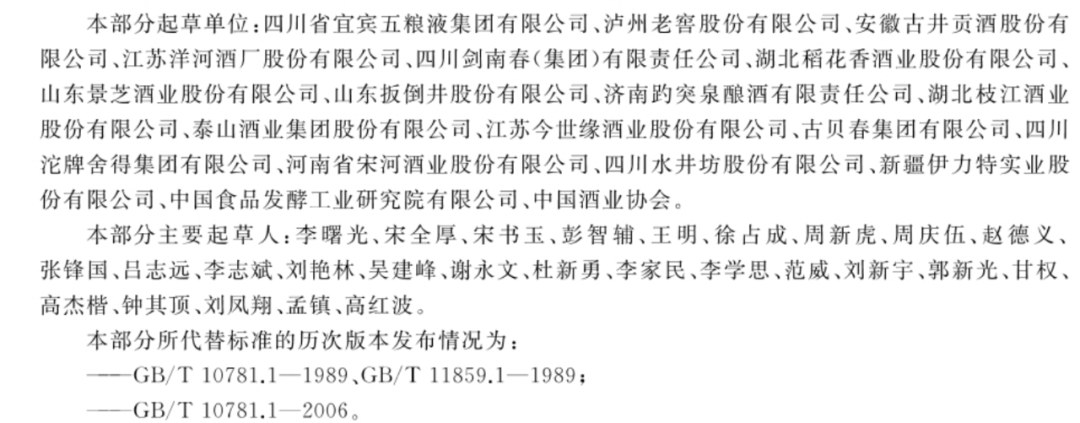
白酒市场生变,酒企纷纷“降度”
Sou Hu Cai Jing· 2025-08-27 12:48
Group 1 - Major Chinese liquor companies, including Wuliangye and Shede, announced the launch of low-alcohol products, indicating a shift in the market towards lower alcohol content [1][4] - The trend of reducing alcohol content is a response to changing consumer preferences, particularly among younger demographics who favor taste and health [4][9] - The China Alcoholic Drinks Association's report highlights a mismatch between traditional liquor offerings and the demands of younger consumers born between 1985 and 1994 [4][5] Group 2 - Companies like Luzhou Laojiao and Yanghe are actively developing low-alcohol products, with Luzhou Laojiao planning to introduce a 28-degree version of its flagship product [5][4] - The introduction of low-alcohol products is seen as a proactive measure to adapt to a market undergoing significant adjustments, with many companies experiencing declining sales [4][9] - The market for low-alcohol beverages is expanding, with various companies launching products in the range of 15 to 28 degrees [4][5] Group 3 - In addition to lowering alcohol content, liquor companies are entering the craft beer market, with Wuliangye launching its first craft beer product [7] - Young consumers are driving the craft beer market, with over 75% prioritizing unique flavor experiences [7][9] - The strategy of combining liquor and beer aims to create a synergistic ecosystem, leveraging shared distribution channels and consumer engagement [7][9] Group 4 - Despite the opportunities presented by low-alcohol and craft beer strategies, companies face challenges such as technical difficulties in producing low-alcohol beverages and regional market differences [9] - The need for effective supply chain management is critical as beer has a shorter shelf life and higher consumption frequency compared to traditional liquor [9] - The dual strategy of lowering alcohol content and entering the beer market is essential for addressing the loss of younger consumers and the competitive landscape [9]
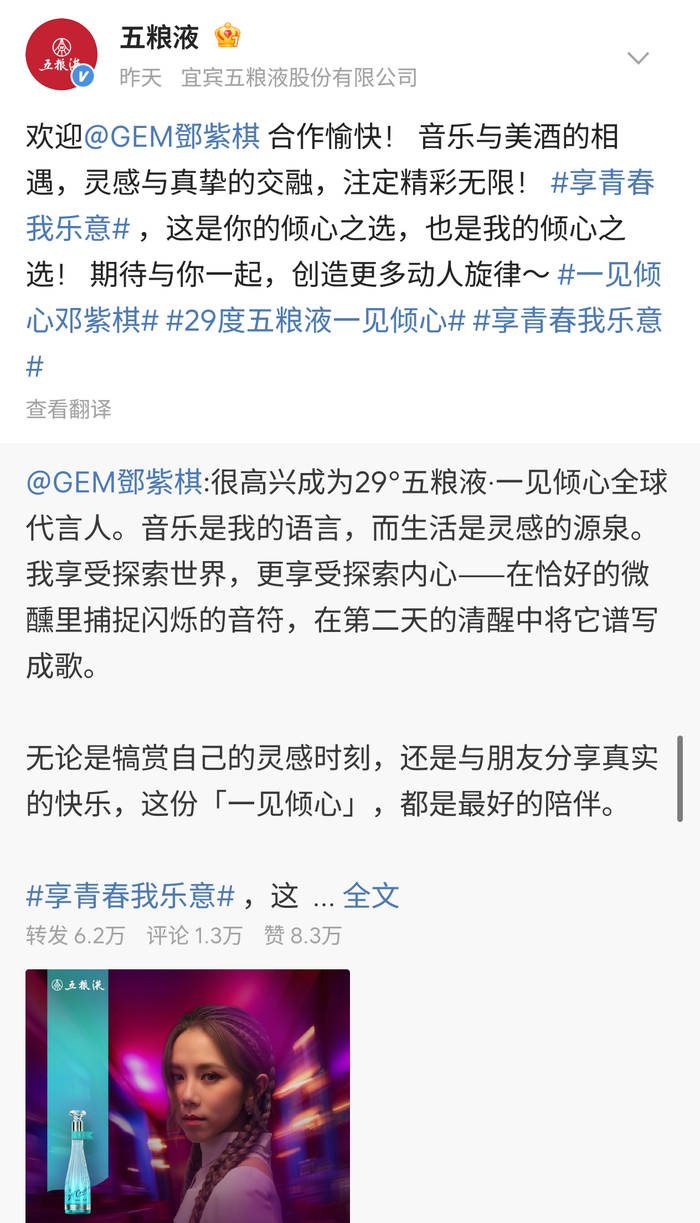
滞涨洼地!吃喝板块全线回调,食品ETF(515710)跌超2%!机构:建议关注估值修复机会
Xin Lang Ji Jin· 2025-08-27 11:53
Group 1 - The food and beverage sector experienced a significant decline on August 27, with the Food ETF (515710) dropping by 2.45% to close at 0.636 [1][2] - Notable declines were observed in liquor stocks, with Luzhou Laojiao, Gujing Gongjiu, and Shanxi Fenjiu falling over 4%, while Kweichow Moutai and Wuliangye also saw declines exceeding 2% [1][2] - The overall market sentiment indicates that despite previous gains, the liquor sector remains at a low point, with institutions suggesting that the current market conditions may present attractive opportunities for high-quality liquor stocks [1][3] Group 2 - According to institutional analysis, the current environment, characterized by policy-driven demand and favorable supply-side conditions, is expected to gradually improve the supply-demand dynamics in the liquor sector [3] - The Food ETF's price-to-earnings ratio stands at 21.35, placing it in the 10.57 percentile over the past decade, indicating a favorable long-term investment opportunity [3] - Analysts from Ping An Securities believe that the liquor sector's fundamentals are stabilizing, with upcoming festive seasons likely to boost consumption [4] Group 3 - The liquor sector has faced pressure since the implementation of the alcohol ban, but recent policy changes are expected to alleviate some of this pressure, setting the stage for a potential recovery [4] - Investment strategies suggest focusing on high-end liquor, mid-range liquor with national expansion, and local market strongholds as key areas for potential growth [4] - The Food ETF (515710) is highlighted as a core asset for investors looking to gain exposure to the food and beverage sector, with a significant portion of its holdings in leading liquor stocks [5]

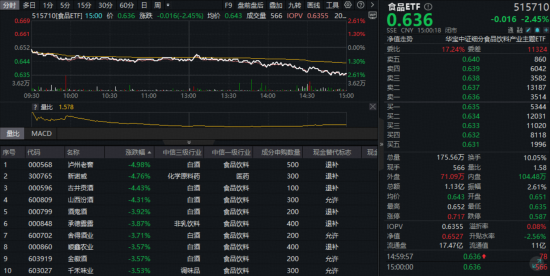
沪指跌超1.7%,超4700股下跌
2 1 Shi Ji Jing Ji Bao Dao· 2025-08-27 07:27
Market Overview - The A-share market experienced a significant decline, with the Shanghai Composite Index dropping over 1.7% and the Shenzhen Component Index falling by 1.43% [1][2] - A total of 4,761 stocks declined, while the trading volume exceeded 3 trillion yuan, an increase of 488 billion yuan compared to the previous day [1][2] Sector Performance - The financial sector led the declines, with notable drops in bank stocks such as Postal Savings Bank down over 4% and Everbright Bank down 2.78% [2][3] - Other sectors like liquor, coal, and real estate also saw significant declines, with major liquor brands like Luzhou Laojiao and Gujing Gongjiu experiencing drops of 4.97% and 4.43% respectively [4][3] Investment Trends - There has been a notable increase in the number of new A-share accounts, with 1.9636 million new accounts opened in July 2025, marking a year-on-year increase of 70.54% [7] - The active user base for securities apps reached 167 million, reflecting a 3.36% month-on-month increase and a 20.89% year-on-year increase [7] - Investors are shifting from traditional savings to equity markets, with a significant reduction in household deposits by 1.1 trillion yuan in July [8] Economic Insights - The preference for bond assets is expected to decline as the yield center decreases, leading to an increased allocation towards equity assets among domestic investors [9] - The focus on corporate earnings is rising as the A-share market enters the peak reporting season, with sectors like TMT, consumer goods, and manufacturing showing strong Q2 performance [11] Future Outlook - The liquor industry is anticipated to reach a bottom by Q3 2025, with expectations of a gradual recovery in the second half of the year [13] - The consumer sector, particularly leading companies, may benefit from foreign capital inflows, providing support to the market [13]




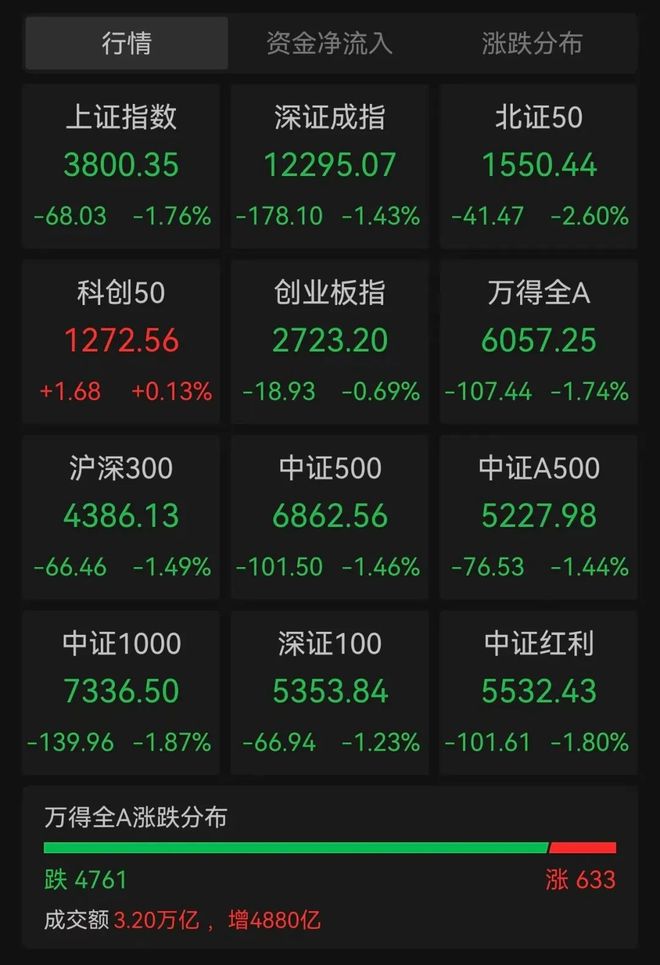
邓紫棋代言五粮液低度酒!新品白酒度数一个比一个低
Di Yi Cai Jing Zi Xun· 2025-08-27 04:44
Core Viewpoint - A "degree reduction competition" is emerging in the Chinese liquor industry, with major brands launching low-alcohol products to adapt to changing consumer preferences [2][4]. Group 1: Industry Trends - Major liquor companies, including Wuliangye and Shede, have recently introduced low-alcohol products, reflecting a shift in consumer demand [2][4]. - In the past month, four companies have announced new low-alcohol products, with alcohol content decreasing progressively [2][4]. - The trend towards lower alcohol content is seen as a response to the industry's adjustment to market changes, particularly the evolving preferences of younger consumers [4][5]. Group 2: Consumer Behavior - The rise of younger consumers, particularly those born between 1985 and 1994, is driving demand for more palatable and health-conscious alcoholic beverages [4][5]. - Traditional high-alcohol liquor has been losing appeal among younger demographics, who prefer alternatives like beer, fruit wine, and cocktails [5][6]. - A report indicates that low-alcohol liquor market size in China is expected to reach 74 billion yuan by 2025, highlighting the potential for growth in this segment [5][6]. Group 3: Production Challenges - Producing low-alcohol liquor requires advanced techniques and higher-quality ingredients, making it more costly than traditional high-alcohol products [3][4]. - Experts emphasize that maintaining the flavor profile while reducing alcohol content poses significant production challenges [3][4]. Group 4: Market Opportunities - The introduction of low-alcohol products is seen as a way to tap into new market segments and meet the diverse needs of consumers [5][6]. - Companies are encouraged to innovate not only in product offerings but also in consumer engagement strategies to effectively reach younger audiences [4][6].

邓紫棋代言五粮液低度酒!新品白酒度数一个比一个低
第一财经· 2025-08-27 04:19
Core Viewpoint - A "degree reduction competition" is emerging in the Chinese liquor industry, with major brands launching lower-alcohol products to adapt to changing consumer preferences and market dynamics [3][4]. Group 1: Industry Trends - Major liquor companies like Wuliangye and Shede are introducing lower-alcohol products, reflecting a shift in consumer demand and a response to market changes [3][4]. - In the past month, four companies have announced new low-alcohol products, with alcohol content decreasing progressively, indicating a trend towards lower alcohol offerings [3][4]. - The introduction of lower-alcohol products is accompanied by modern packaging and online sales strategies, targeting younger consumers through celebrity endorsements [3][4]. Group 2: Consumer Behavior - The rise of younger consumers, particularly those born between 1985 and 1994, is influencing the liquor market, as they prefer drinks that are more palatable and healthier [5][6]. - Traditional high-alcohol liquor is losing appeal among younger consumers, who are increasingly drawn to beer, fruit wine, and cocktails, with white liquor only accounting for 31.8% of their consumption [5][6]. - The shift in consumer preferences is prompting liquor companies to innovate and adapt their offerings to meet the diverse needs of modern consumers [5][7]. Group 3: Market Potential - The domestic low-alcohol liquor market is projected to reach 74 billion yuan by 2025, indicating significant growth potential for this segment [6]. - Lower-alcohol products are expected to complement existing sales channels and cater to social drinking occasions, potentially opening new revenue streams for companies [6][7]. - While lowering alcohol content is a key strategy, companies must also consider how to meet the evolving demands of younger consumers in various social contexts [7].

邓紫棋代言五粮液低度酒!新品白酒度数一个比一个低 试图讨好年轻人
Di Yi Cai Jing· 2025-08-27 03:29
Core Viewpoint - A "degree reduction competition" is quietly unfolding in the liquor industry, reflecting the industry's anxiety and adjustments in response to changing consumer preferences [1][3]. Industry Trends - Recently, four companies have announced the launch of low-alcohol liquor products, with alcohol content decreasing progressively, indicating a trend towards lower alcohol content in the industry [3][4]. - The introduction of low-alcohol products is accompanied by modern packaging and online sales strategies, aiming to attract consumers through celebrity endorsements [3][4]. Consumer Behavior - The shift towards low-alcohol liquor is a response to the changing preferences of younger consumers, who prioritize taste and health characteristics over traditional high-alcohol content [4][5]. - The core consumer group for liquor is undergoing a generational shift, with younger consumers showing a preference for beverages like beer, fruit wine, and cocktails, which collectively account for over 40% of consumption [5][6]. Market Potential - The low-alcohol liquor market is projected to reach a scale of 740 billion yuan by 2025, indicating significant growth potential for companies that adapt to this trend [5][6]. - Companies like Luzhou Laojiao have reported that lower-alcohol products contribute significantly to their sales, suggesting a positive market response to these offerings [5][6]. Production Challenges - Producing low-alcohol liquor presents technical challenges, requiring higher quality base and flavoring spirits, which can increase production costs [4][6]. - The industry must balance the reduction of alcohol content with maintaining the traditional flavor profile of liquor, necessitating advanced production techniques [4][6].

邓紫棋代言五粮液低度酒!新品白酒度数一个比一个低,试图讨好年轻人
Di Yi Cai Jing· 2025-08-27 03:29
Core Viewpoint - The Chinese liquor industry is experiencing a "lowering alcohol content competition," with major brands launching low-alcohol products to adapt to changing consumer preferences and market dynamics [2][4][5]. Industry Trends - Major liquor companies like Wuliangye and Shede are introducing low-alcohol products, with Wuliangye launching a 29° version and Shede set to release a 29° product soon [2][4]. - In the past month, four companies have announced new low-alcohol products, indicating a growing trend in the industry [4]. - The shift towards lower alcohol content reflects a response to the evolving preferences of younger consumers who favor lighter, more palatable beverages [5][6]. Consumer Insights - The rise of younger consumers, particularly those born between 1985 and 1994, is influencing the liquor market, as they seek drinks that are more flavorful and healthier [6]. - Traditional high-alcohol content liquors are losing appeal among younger demographics, who prefer alternatives like beer, fruit wine, and cocktails [6][7]. - The market for low-alcohol beverages is projected to reach 74 billion yuan by 2025, highlighting significant growth potential in this segment [7]. Production Challenges - Producing low-alcohol liquor presents technical challenges, requiring higher quality ingredients and more advanced production processes [5]. - Companies like Shede emphasize that lower alcohol content does not equate to lower production costs, as advanced techniques are necessary to maintain flavor [5]. Market Opportunities - The introduction of low-alcohol products is seen as a way to tap into new market segments, particularly for social drinking occasions [7]. - Liquor companies are encouraged to innovate beyond just lowering alcohol content to meet the diverse needs of modern consumers [7].
A股白酒板块回调:泸州老窖、酒鬼酒跌超3% 贵州茅台跌1.3%
Ge Long Hui· 2025-08-27 02:13
Group 1 - The A-share liquor sector has experienced a significant pullback, with Shanxi Fenjiu dropping nearly 4% [1] - Luzhou Laojiao and Jiugui Liquor both fell over 3%, while Yingjia Gongjiu, Jiansi Yuan, and Gujing Gongjiu declined more than 2% [1] - Kweichow Moutai saw a decrease of 1.3%, with other companies like *ST Yanshi and Jinhui Liquor also following the downward trend [1]


