BABA(BABA)

Search documents
AI芯片公司估值高企 阿里拟拆分平头哥
BambooWorks· 2026-01-23 09:24
Core Viewpoint - Alibaba is considering the spin-off of its semiconductor division, Pingtouge, for independent listing, aiming to join the ranks of high-valuation Chinese AI chip companies [2][3] Group 1: Spin-off Consideration - Alibaba is evaluating the feasibility of spinning off Pingtouge, which is closely related to its cloud intelligence business, to unlock shareholder value [3][5] - The spin-off plan comes nearly three years after Alibaba's previous restructuring announcement, which ultimately did not materialize [3] - The recent surge in stock prices of competitors like Biren Technology and Moore Threads, which have seen significant increases since their IPOs, is influencing Alibaba's decision [2][5] Group 2: Market Context and Valuation - The current high valuations of Chinese chip companies, with some trading at over 200 times their price-to-sales ratios, provide a favorable backdrop for Alibaba's potential spin-off [6][7] - In contrast, Nvidia's price-to-sales ratio is only 24, highlighting the disparity in valuations between Chinese and Western chip firms [6] - The expectation of substantial policy and financial support for Chinese chip companies is also a motivating factor for Alibaba's consideration [6] Group 3: Competitive Landscape - Alibaba is not alone in pursuing a spin-off; Baidu has also announced plans to spin off its Kunlun chip division, potentially raising up to $2 billion [8] - Both Pingtouge and Kunlun have begun selling chips externally, targeting major telecom operators in China, which are investing heavily in AI infrastructure [8][9] Group 4: Financial Performance - Alibaba's recent financial performance shows a year-on-year revenue growth of 5% to 248 billion yuan, with a more substantial growth of 15% when excluding certain asset sales [10] - The cloud business remains a strong growth driver, with a 34% year-on-year revenue increase, contributing approximately 16% to total revenue [11] - The potential spin-off, combined with robust growth in cloud services and instant retail, could provide further momentum for Alibaba's stock price recovery [12]


AI前线最新战报:马云再赢一局!
Sou Hu Cai Jing· 2026-01-23 08:45
近日,有消息称,阿里巴巴集团已决定,支持旗下芯片公司"平头哥"未来独立上市。 受该消息影响,阿里巴巴(BABA)美股夜盘突发大涨5%。 知情人士透露,阿里巴巴计划先将该部门重组为一家由员工部分持股的企业,随后,将考虑启动IPO,但具体时间尚不明确。 目前,阿里方面对此消息未作评论。 据了解,平头哥成立于2018年,是阿里巴巴集团的全资半导体芯片业务主体,专注自研芯片与开源生态。 网传该公司名字由马云亲自敲定,寓意着公司要像"平头哥"蜜獾般无畏攻坚。 早在2025 年 9 月,央视《新闻联播》中一帧,关于阿里平头哥自研芯片的报道画面,引发高度关注,也让外界得以一窥平头哥的实力。 报道画面显示,这款名为 PPU 的 GPU 芯片,显存为 96GB 的 HBM2e,片间互联带宽达 700GB/s,接口为 PCIe 5.0×16,功耗仅为 400W,在这些关键参 数上已完全超过英伟达 A800 和主流的国产 GPU,整体性能与英伟达 H20 相当。 据外媒报道,平头哥研发的第一代 PPU 性能可匹敌英伟达畅销的 H20,而升级版的 PPU 性能则比英伟达 A100 更强。 因性能优异稳定、性价比突出,平头哥 PPU ...

港股收盘|恒指涨0.45% 商业航天概念股活跃
Di Yi Cai Jing· 2026-01-23 08:26
Core Viewpoint - The Hang Seng Index closed at 26,749.51 points, up 0.45%, while the Hang Seng Tech Index closed at 5,798.01 points, up 0.62% [1] Group 1: Stock Performance - Gold stocks led the gains, with Zijin Mining International rising over 8% and Chifeng Jilong Gold Mining increasing over 7% [1] - Commercial aerospace concept stocks were active, with Junda Co., Ltd. surging over 51% and Asia-Pacific Satellite rising over 14% [1] - Most technology stocks saw increases, with Xiaomi Group up 2.84%, Alibaba up 2.25%, and JD Group up 0.79% [1]




传媒板块反弹,GEO权重占比超32%的传媒ETF(512980)涨超3%,大模型厂商加速争夺AI入口
Xin Lang Cai Jing· 2026-01-23 07:26
Group 1 - The AI application ecosystem is deepening, with policies enabling computing power upgrades, as Alibaba's Qianwen App integrates with various services, marking a shift from technical capabilities to user-perceived commercial applications [1] - Walmart announced the integration of Google's generative AI chatbot Gemini into its shopping process, enhancing consumer experience in product discovery and purchasing [1] - OpenAI plans to test ChatGPT advertisements in the U.S. for free and entry-level subscription users, indicating a move towards monetizing AI capabilities [1] Group 2 - Guosen Securities is optimistic about GEO (AI-generated engine optimization) reshaping the traffic and content service ecosystem, suggesting investment opportunities in the media sector driven by AI applications [2] - Douyin's giant engine reported a peak daily consumption of 30 million in the comic drama sector, with a projected market size of 22 billion yuan by 2026, reflecting high industry vitality [2] - AI technology is deeply integrated into the comic drama pipeline, significantly reducing costs and increasing efficiency, while top AI dramas enhance commercial value through copyright distribution [2] Group 3 - As of January 23, 2026, the CSI Media Index rose by 2.71%, with the Media ETF (512980) increasing by 3.39%, indicating strong market performance [3] - The Media ETF saw a significant scale increase of 60.78 million yuan in the past week, with a notable share growth of 24.6 million shares [3] - The Media ETF closely tracks the CSI Media Index, which includes major GEO concept stocks, with GEO weight exceeding 32% [3]


荣耀、倍思等超50家品牌集体签约阿里速卖通
Xin Lang Cai Jing· 2026-01-23 07:21
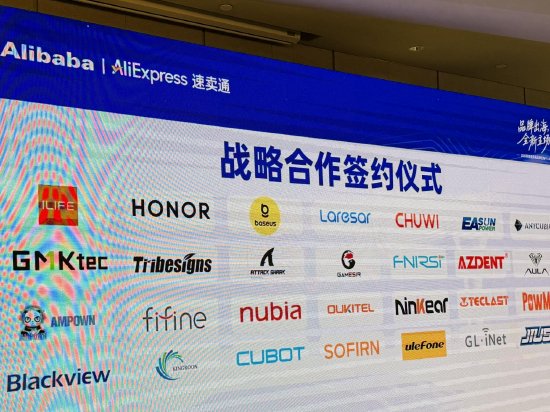
新浪科技讯 1月23日下午消息,继小米宣布将阿里速卖通AliExpress作为其品牌出海首选阵地后,近 日,包括荣耀、倍思、努比亚等超50家品牌集结深圳,集体签约速卖通"超级品牌出海计划"。 据悉,当天参与签约的品牌主要是消费电子、智能硬件、智能家电等高科技、高附加值类目,包括:游 戏手柄Top品牌GameSir、笔电Top品牌驰为、三防手机Top品牌CUBOT、亚马逊家居大卖致远科技、以 及已经在速卖通上成长为波兰国民级品牌的ILIFE等。 据悉,当天参与签约的品牌主要是消费电子、智能硬件、智能家电等高科技、高附加值类目,包括:游 戏手柄Top品牌GameSir、笔电Top品牌驰为、三防手机Top品牌CUBOT、亚马逊家居大卖致远科技、以 及已经在速卖通上成长为波兰国民级品牌的ILIFE等。 责任编辑:杨赐 责任编辑:杨赐 新浪科技讯 1月23日下午消息,继小米宣布将阿里速卖通AliExpress作为其品牌出海首选阵地后,近 日,包括荣耀、倍思、努比亚等超50家品牌集结深圳,集体签约速卖通"超级品牌出海计划"。 ...
平头哥拟分拆上市,完善国产AI算力生态,AI芯片含量高的科创芯片设计ETF易方达(589030)备受关注
Xin Lang Cai Jing· 2026-01-23 06:32
机构解读:作为阿里云AI全栈布局的核心底层支撑,平头哥拟在未来独立上市,资本化路径将加速国 产AI芯片升级迭代,带动芯片设计、代工、封测、系统集成等全链条价值释放与生态协同。同时阿里 在AI基础设施方面投入持续加码,AI芯片或成集团核心战略支点。 跟踪上证科创板芯片设计主题指数,数字芯片设计权重占比达到76.3%,有望充分受益于国产AI芯片产 业上行趋势。 事件:2026年1月22日消息,阿里集团正准备将旗下芯片制造部门(平头哥)重组为部分员工持股的独 立公司,并在未来考虑上市,具体时间待定。Bloomberg同时指出,阿里承诺投入超过530亿美元用于基 础设施与人工智能开发,芯片业务是其打造领先AI公司战略的重要组成部分。 相关产品:国产AI芯片相关度最高的ETF为科创芯片设计ETF易方达(589030) ...
香港航空开创先河,携手飞猪AI与千问App推出"一句话智惠飞"新模式
Huan Qiu Wang Zi Xun· 2026-01-23 06:30
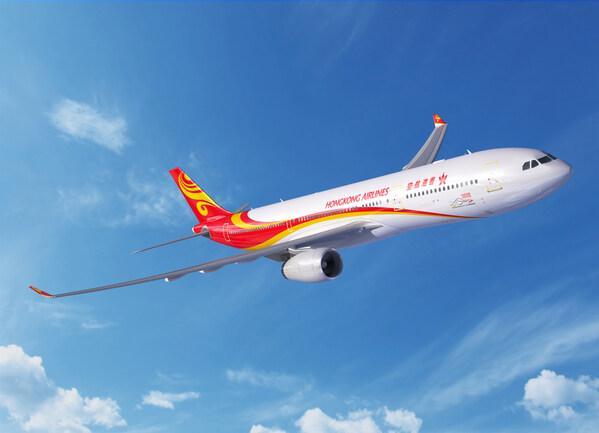
Core Insights - Hong Kong Airlines has announced a deep AI strategic partnership with Alibaba's Fliggy and Qianwen App, marking a significant step in enhancing travel booking experiences through AI technology [1][3] - The collaboration aims to simplify the ticket booking process, allowing users to make requests in natural language and receive tailored travel recommendations, thus improving user experience and reducing decision-making costs [3] Group 1: Partnership Details - Hong Kong Airlines is one of the first airlines to integrate with the "AI ticket booking" feature on Qianwen App, providing exclusive ticket benefits through Fliggy and Qianwen [1] - The partnership not only expands sales channels but also innovates travel service models, enabling users to enjoy a more convenient travel experience with just a simple request [1][3] Group 2: AI Functionality and Future Plans - Users can now request travel options using natural language, allowing AI to understand their needs and automatically filter the best options for booking [3] - Hong Kong Airlines plans to further deepen its collaboration with Fliggy AI and Qianwen App to expand "ticket+" products and lifestyle service scenarios, promoting more interactive experiences [3] - The AI capabilities may eventually integrate with mobile assistants and smart wearable devices, enabling voice-based travel planning anytime and anywhere [3] Group 3: Company Perspectives - The business head of Hong Kong Airlines emphasized the importance of AI technology in reshaping future services, aiming for smarter and more personalized offerings [3] - The product head of Fliggy AI highlighted the transition to an "AI service era," leveraging Alibaba's model and ecosystem advantages to enhance real-world AI travel experiences [3]
阿里旗下芯片公司平头哥拟独立上市,或成AI国际博弈新变量
Jing Ji Guan Cha Bao· 2026-01-23 05:13
Core Insights - Alibaba Group is planning to restructure its semiconductor design unit, T-Head, with the aim of supporting its future independent listing, which has led to a significant increase in Alibaba's stock price [2][3] - The potential spin-off of T-Head is seen as a crucial step in Alibaba's AI strategy, enhancing its competitiveness in the semiconductor sector and creating new opportunities in the context of the US-China chip rivalry [2][6] Company Overview - T-Head, established in September 2018, is Alibaba's wholly-owned semiconductor company, formed by integrating teams from acquired companies and internal resources [3] - The company has developed a comprehensive product line, including the Xuantie processors, Yitian server chips, and Hanguang AI chips, achieving large-scale production and application across various fields [3][4] Product Performance - T-Head's first-generation PPU chip is reported to match the performance of NVIDIA's popular H20, while the upgraded version surpasses the A100 [4][5] - The PPU chip has gained a strong reputation in the industry for its performance and cost-effectiveness, with significant demand evidenced by contracts with China Unicom for the supply of 16,384 computing cards [4] Strategic Implications - The independent listing of T-Head is expected to have a profound impact on China's semiconductor industry, enhancing the overall competitiveness of the domestic AI chip sector and reducing reliance on foreign technology [6] - Alibaba's long-term investment of over $53 billion in AI infrastructure development positions T-Head as a critical technological pillar for the company in the AI era [6] Market Context - The move aligns with a broader trend of Chinese tech companies, such as Baidu, pursuing independent listings for their semiconductor units amid a wave of IPOs in the AI chip sector [7] - Successful listing of T-Head could set a significant precedent for the transformation of Chinese tech enterprises, although challenges remain due to the capital-intensive nature of the chip industry and international competition [7]

电商的下一步转型,是要让好人赚钱
3 6 Ke· 2026-01-23 04:28
Core Viewpoint - The e-commerce industry in China is facing significant challenges as it transitions from a "low-price for volume" model to one focused on service growth, which is essential for survival in a competitive market [2][19]. Group 1: Current Challenges - E-commerce is experiencing three main dilemmas: traffic, supply, and trust [3][4]. - The growth logic of e-commerce, previously based on "lower prices, increased traffic, and growth," is no longer effective, with online retail growth rates declining from 14.75% in 2021 to nearly zero in 2024 [4]. - Customer acquisition costs have surged from tens of yuan to 800-1000 yuan, with some platforms exceeding four-digit costs [4]. - The excessive price wars have created a "lemon market," where quality products are pushed out, leaving only inferior goods available [5]. Group 2: Trust Issues - Trust between merchants and consumers is deteriorating, with over 60% of merchant complaints during the 2024 Double Eleven shopping festival related to "only refunds" [6]. - Merchants face operational pressures and must deal with issues like malicious refund requests and AI-generated false images, leading to a lack of confidence in the market [6][10]. Group 3: Service as a Solution - The solution to the industry's challenges lies in improving service and rebuilding connections with consumers [8]. - However, merchants are reluctant to invest in service improvements due to the existing e-commerce mechanisms that prioritize immediate results over long-term service benefits [9]. - The current financial models treat service as a cost center, making it difficult for merchants to justify service investments [9]. Group 4: Need for Structural Change - A fundamental shift in the e-commerce paradigm is necessary, moving from a focus on single transactions to fostering repeat purchases [17][18]. - The industry must address the distribution of benefits and change algorithms, models, and rules to encourage service-oriented practices [11][12]. - Initiatives like the introduction of a real experience score by Taobao and Tmall aim to link service quality directly to traffic distribution, promoting a more service-oriented ecosystem [14]. Group 5: Future Outlook - The e-commerce sector must overcome its current challenges to avoid becoming a marketplace for low-quality goods [21][22]. - A successful transition to a service-oriented model could serve as a reference for other industries facing similar structural issues [20].
异动盘点0123 | 透云生物今早放量闪崩跌超60%,黄金股反弹;稀土概念股走高,热门中概股普涨
贝塔投资智库· 2026-01-23 04:06
Group 1 - Sanhua Intelligent Control (02050) saw a decline of over 3.4% after announcing a share reduction plan involving the actual controller and several directors, with a total of up to approximately 10.2 million A-shares to be sold between February 24, 2026, and May 23, 2026 [1] - Tuo Yun Biotechnology (01332) experienced a significant drop of over 60%, nearly erasing gains since October 2022, following stock movements involving major shareholders [1] - Zhongwei New Materials (02579) increased by over 5% as the company announced securing 5-6 billion wet tons of nickel ore resources and establishing four nickel raw material industrial bases in Indonesia [1] Group 2 - InnoCare Pharma (03696) rose over 6%, reaching a new high of 62.9 HKD, after receiving FDA approval for its oral NLRP3 inhibitor ISM8969 for Parkinson's disease treatment [2] - Solar stocks surged, with Kaisa New Energy (01108) up 17.85% and other companies like Fuyao Glass (06865) and Xinyi Solar (00968) also showing significant gains, driven by a report indicating a new phase in commercial space deployment [2] - Jiangnan Buyi (03306) fell nearly 7% after announcing a placement of 14.535 million shares at a discount to the market price [2] Group 3 - Lithium stocks rose, with Ganfeng Lithium (01772) up 5.22% and Tianqi Lithium (09696) up 2.88%, following a report of a significant increase in lithium carbonate contract prices [3] - Rongchang Bio (09995) increased nearly 2% after UBS expressed a positive outlook on its collaboration with AbbVie, which includes substantial milestone payments [4] - DCH Holdings (00179) fell nearly 7% as it reported a slight decline in revenue for the nine months ending December 31, 2025 [4] Group 4 - Gold stocks rebounded, with Chifeng Jilong Gold Mining (06693) up 6.99% and others also showing gains, as spot gold prices reached a new high of over $4,960 per ounce [4] - Bitgo Holdings (BTGO.US) debuted on the US stock market, rising 2.72% as a leading cryptocurrency custody provider [5] - Rare earth stocks surged, with USA Rare Earth (USAR.US) up 17.49% after announcing partnerships to advance its Round Top project [5] Group 5 - The Nasdaq Golden Dragon China Index opened up 1.6%, with major Chinese stocks like Li Auto (LI.US) and Alibaba (BABA.US) showing gains, supported by comments from the People's Bank of China regarding potential monetary easing [6] - Abbott (ABT.US) fell 10.04% after reporting lower-than-expected sales for Q4 2025, despite a year-over-year increase in adjusted EPS [7] - Alibaba (BABA.US) rose 5.05% as it plans to list its semiconductor division, benefiting from investor interest in competing with Nvidia [7]