BMW(BMWYY)

Search documents
宝马“算账”优先
Jing Ji Guan Cha Bao· 2025-06-06 12:30
Core Viewpoint - BMW is transitioning its leadership in China from a focus on production capacity to financial efficiency and operational quality, reflecting a shift in market strategy as the high-investment phase in the Chinese automotive market concludes [1][4][5]. Group 1: Leadership Transition - Birgit B?hm-Wannenwetsch has been appointed as the new CEO of BMW Brilliance, succeeding Dr. Kai H. Dae. This change signifies a strategic shift in focus from production to financial management [1][2]. - Dr. Dae was instrumental in the previous phase of capacity expansion, overseeing the establishment of new factories and production systems in China [2][6]. - The new leadership under B?hm-Wannenwetsch indicates a need to enhance financial efficiency and operational quality rather than merely expanding production capacity [4][5]. Group 2: Market Strategy Shift - The marginal benefits of building new factories are diminishing, making it more critical to optimize existing assets [3]. - The automotive market in China is evolving, with a greater emphasis on cash flow efficiency and product lifecycle management rather than just manufacturing capabilities [4][7]. - Other foreign automakers, such as Ford and Volkswagen, are also appointing finance-oriented executives to lead their operations in China, indicating a broader trend in the industry [5][6]. Group 3: Financial Focus - B?hm-Wannenwetsch's background in financial services positions her to manage the complexities of the Chinese market, where financial tools and discount strategies are becoming essential for sales [4][5]. - The shift in focus from production to financial performance is underscored by BMW's increased ownership stake in Brilliance, which now operates as a primary profit unit within the global structure [5][6]. - The key performance indicators (KPIs) for the new leadership will revolve around stabilizing operations and ensuring that costs are recoverable, marking a departure from the previous focus on production volume [6][7].
宝马中国资本有限责任公司主体等级获“AAA”评级
Sou Hu Cai Jing· 2025-06-06 06:16
Group 1 - The core viewpoint of the article is that BMW China Capital Co., Ltd. has been assigned an "AAA" credit rating by China Chengxin International [1] - BMW China Capital is a financing service platform for the BMW Group in the Chinese market, closely linked to the Group, which provides comprehensive support [2][3] - The debt instruments of BMW China Capital are guaranteed unconditionally and irrevocably by Bayerische Motoren Werke Aktiengesellschaft (BMW AG), aligning its credit rating with that of BMW AG [2][3] Group 2 - China Chengxin International acknowledges the strong shareholder background and strategic importance of BMW China Capital within the BMW Group, highlighting its market position, scale advantages, product range, R&D capabilities, financing channels, and strong profitability [2] - The credit level of BMW China Capital is expected to remain stable over the next 12 to 18 months [4]
“宝马的发展始终与中国的发展同频共振”(见证·中国机遇) ——访宝马集团董事高乐
Ren Min Ri Bao· 2025-06-05 21:35
Core Insights - The Chinese automotive industry has achieved remarkable success due to strategic planning and top-level design over the past decades, particularly in supply chain, manufacturing, technology innovation, and brand building [1] Group 1: BMW's Strategy in China - BMW is enhancing its core competitiveness through a dual approach of independent research and strategic partnerships, with China playing a crucial role in this process [1] - The company has established the largest R&D team outside Germany in China, consisting of over 3,000 engineers and software developers, primarily composed of local talent [1] - BMW's "co-creation" strategy emphasizes deep integration with local innovation while maintaining its core technological advantages [1] Group 2: Technological Collaboration - BMW adheres to an open cooperation strategy, integrating local technological advantages to meet Chinese consumers' expectations for smart mobility [2] - The new generation of BMW models features a Chinese version of the operating system, with 70% of the source code developed and optimized in China [2] - Collaborations with Chinese tech companies, such as Alibaba and Huawei, highlight BMW's commitment to leveraging local expertise in AI and battery technology [2] Group 3: Investment and Production - The Shenyang production base is BMW's largest and most advanced globally, with cumulative investments of approximately 116 billion RMB since 2010, underscoring its strategic importance [3] - BMW's commitment to the Chinese market is reflected in its historical presence, with the first domestically produced model being the BMW 3 Series in 2003 [2] Group 4: Sustainability and Market Trends - The development of China's new energy vehicle industry aligns with BMW's strategic goals, particularly in achieving carbon neutrality [3] - Recent data indicates that the retail penetration rate of new energy passenger vehicles in China has exceeded 50% over the past three months, demonstrating the success of the country's technology openness strategy [3] Group 5: Global Cooperation - BMW supports open markets and free trade, emphasizing the need for global collaboration in the automotive industry, from raw material sourcing to technology development [4] - The company recognizes the importance of integrating global resources to achieve sustainable, intelligent, and safe automotive solutions [4]
豪车价格大幅下调,保时捷Macan 35万元起售,BBA多款车型降价超10万元
Hua Xia Shi Bao· 2025-06-05 13:03
Core Viewpoint - The significant price reductions of Porsche vehicles, particularly the Cayenne and Panamera, reflect a broader transformation in the luxury car market under the pressure of electric vehicles, challenging the long-standing price stability of traditional luxury brands [1][4]. Group 1: Price Adjustments - Porsche has implemented substantial price cuts across various models, with discounts reaching as low as 35% in regions like Shenzhen, where the 2025 Cayenne can be purchased for approximately 75 million yuan after financing [2][3]. - Other luxury brands such as Mercedes-Benz, BMW, and Audi are also adjusting their prices, with notable discounts on models like the Mercedes GLB and BMW i3, indicating a widespread trend in the luxury car market [5][6]. Group 2: Sales Performance - Porsche's sales in China have been declining since peaking at 95,700 units in 2021, dropping to 79,300 units in 2023, and projected to fall to 56,900 units in 2024, with a staggering 42% year-on-year decline in Q1 2025 [5][6]. - Other luxury brands are experiencing similar downturns, with Mercedes-Benz's sales down 10% in China and both BMW and Audi also reporting declines [6]. Group 3: Consumer Reactions - Consumer responses to Porsche's price cuts are mixed, with some viewing it as an opportunity to purchase luxury vehicles at lower prices, while others express concerns about potential impacts on brand image and product quality [3][4]. - The price adjustments may create a temporary surge in sales, but analysts suggest that this is not a sustainable long-term strategy for luxury brands [4][6]. Group 4: Market Dynamics - The luxury car market is undergoing a value system reconstruction as traditional luxury brands face competition from domestic electric vehicles that offer advanced technology and performance [4][6]. - Analysts emphasize the need for luxury brands to accelerate their electric vehicle offerings and enhance technological features to remain competitive in an evolving market landscape [6].
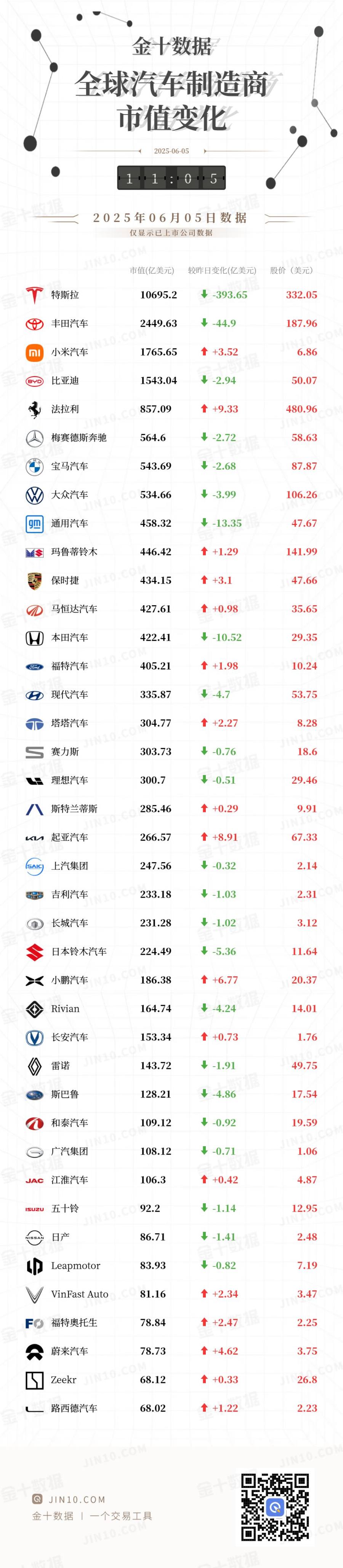
金十图示:2025年06月05日(周四)全球汽车制造商市值变化
news flash· 2025-06-05 03:12
Core Insights - The article presents the market capitalization changes of global automotive manufacturers as of June 5, 2025, highlighting significant fluctuations in values across various companies [1]. Group 1: Market Capitalization Changes - Tesla's market capitalization stands at $10,695.2 million, experiencing a decrease of $393.65 million [3]. - Toyota's market capitalization is $2,449.63 million, with a decline of $44.9 million [3]. - BYD's market capitalization is $1,543.04 million, showing a decrease of $2.94 million [3]. - General Motors has a market capitalization of $458.32 million, down by $13.35 million [4]. - Ford's market capitalization is $405.21 million, with an increase of $1.98 million [5]. Group 2: Notable Increases - Xiaomi Automotive shows a slight increase in market capitalization to $1,765.65 million, up by $3.52 million [3]. - Ferrari's market capitalization increased to $857.09 million, up by $9.33 million [3]. - Kia's market capitalization rose to $266.57 million, with an increase of $8.91 million [5]. - VinFast Auto's market capitalization is $81.16 million, increasing by $2.34 million [5]. Group 3: Other Companies - Mercedes-Benz has a market capitalization of $564.6 million, down by $2.72 million [3]. - Honda's market capitalization is $422.41 million, decreasing by $10.52 million [4]. - NISSAN's market capitalization is $86.71 million, down by $1.41 million [5].





价格降到“肉疼”、销量腰斩、员工“钱少事多”……合资车企,能否逆风翻盘?
第一财经· 2025-06-05 01:55
Core Viewpoint - The article discusses the significant challenges faced by joint venture automotive companies in China, highlighting the decline in market share and the impact of domestic electric vehicle brands on traditional players [3][20][32]. Group 1: Market Dynamics - As of 2024, joint venture automotive companies' market share in China has dropped to 35%, down from over 60% in 2020, primarily due to the rise of electric vehicles [3][4]. - The shift towards electric vehicles is expected to result in over 50% of new car sales in China being electric by 2024, which has eroded the competitive edge of traditional fuel vehicle brands [3][4]. - The decline in sales and profitability has led to significant operational challenges, including extended payment terms and workforce reductions [4][12]. Group 2: Financial Implications - The financial strain on joint venture companies has resulted in a cascading effect on their supply chains and dealership networks, with many dealers facing bankruptcy [11][12]. - By 2024, most joint venture companies have seen their sales drop by at least 50% compared to their peak years, indicating a collapse of the previous pricing structure [12][14]. Group 3: Internal Challenges - The internal culture within joint venture companies has shifted, with increased pressure on employees and a focus on strict attendance and performance metrics [15][29]. - The decision-making processes in joint ventures have been hampered by the need for consensus between foreign and local partners, which has slowed down responses to market changes [20][21]. Group 4: Strategic Responses - Some companies are beginning to adapt by consolidating operations and reducing production capacity in response to shrinking market demand [28]. - There is a growing recognition among joint venture companies of the need to align more closely with local market preferences, leading to increased local input in product development [29][30]. Group 5: Future Outlook - Despite the challenges, some joint venture companies are exploring partnerships with local electric vehicle manufacturers to enhance their competitive positioning [30][31]. - The survival of joint venture companies will depend on their ability to innovate and adapt to the rapidly changing automotive landscape in China [32].



合资车企逆风局
Di Yi Cai Jing· 2025-06-05 00:55
Group 1 - The core viewpoint of the articles highlights the significant decline of joint venture automotive companies in China, driven by the rise of domestic electric vehicle brands and changing consumer preferences [1][2][17] - Joint venture companies held over 60% market share in 2020, but this has dropped to 35% by 2024, indicating a major shift in the automotive landscape [2][21] - The decline in sales and profitability for joint venture companies has led to layoffs and operational challenges, with many companies struggling to adapt to the new market dynamics [2][8][12] Group 2 - The crisis for joint venture companies began around 2019, with a noticeable shift in financing practices as dealers sought better loan conditions from banks rather than automotive financial companies [7][8] - The pandemic exacerbated existing issues, as foreign executives were unable to gauge the rapidly changing Chinese market, leading to a lack of urgency in addressing the challenges [17][18] - The traditional decision-making structure of joint ventures, requiring consensus between foreign and local partners, has hindered their ability to respond quickly to market changes [18][19] Group 3 - The competitive landscape has shifted, with domestic brands like AITO and Li Auto gaining traction, prompting established brands to reconsider their strategies [1][27] - Joint venture companies are now exploring partnerships with local firms to leverage technology and adapt to the electric vehicle market, as seen with Audi and Toyota's recent collaborations [27][28] - The overall sentiment within the industry reflects a need for transformation, with some companies adopting a more aggressive and flexible approach to survive the current downturn [25][29]

大湾区车展小米挤满了人,奔驰挤满了车
3 6 Ke· 2025-06-03 23:44
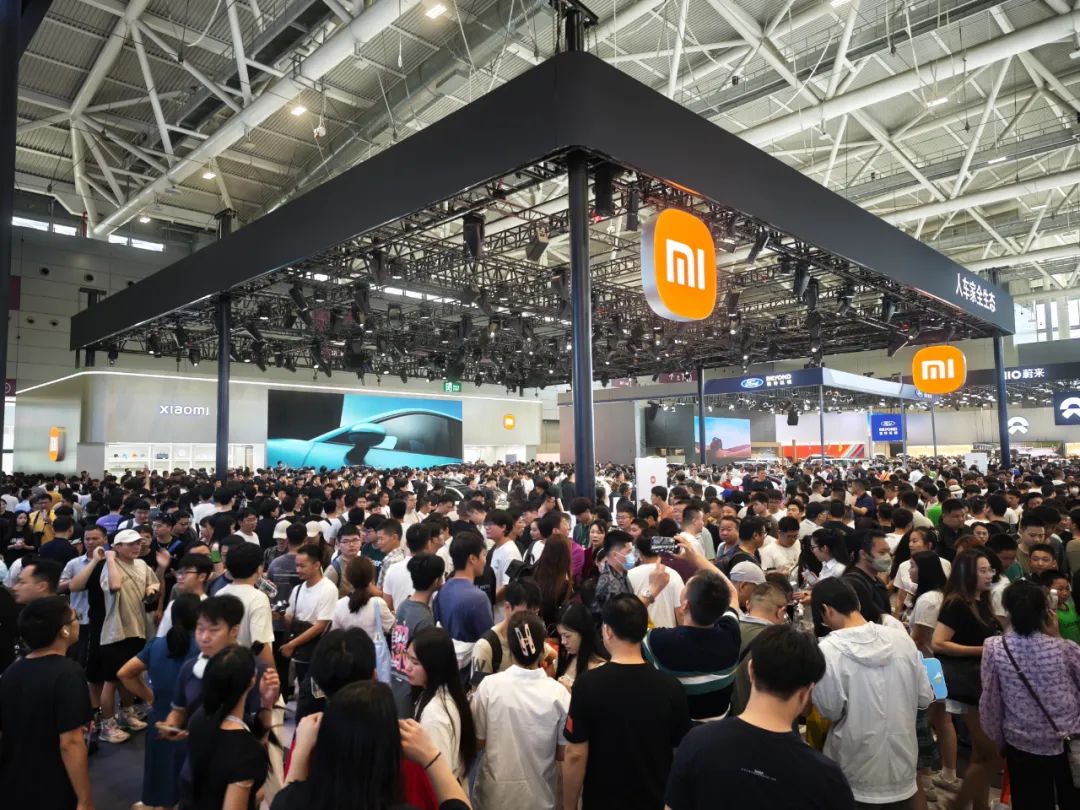
Core Insights - The 29th Guangdong-Hong Kong-Macao Greater Bay Area Auto Show was highly successful, attracting over 450,000 visitors and generating more than 4 billion yuan in pre-orders for over 16,000 new cars [1] - Despite the strong attendance, traditional automakers like Mercedes-Benz, BMW, and Audi (BBA) are facing significant sales declines, with each experiencing over a 10% drop in Q1 sales year-on-year [1] - New energy vehicle companies, particularly Xiaopeng, are showing stronger performance, with Xiaopeng's new model generating 20,000 new orders in just one week after its launch [6][7] Group 1: Industry Performance - New energy vehicle companies have achieved over 30% of their annual sales targets by May, with only Xiaopeng meeting the timeline expectations for 2025 [1] - In contrast, traditional automakers like BBA are struggling, with their sales figures declining significantly compared to the previous year [1][2] - The auto show highlighted the need for BBA to innovate in marketing strategies to compete effectively with new energy vehicle companies [6][7] Group 2: Marketing Strategies - BBA's traditional marketing tactics, such as celebrity endorsements and price reductions, are becoming less effective compared to the innovative strategies employed by new energy vehicle companies [2][6] - Xiaomi's unique approach of using limited edition bottled water to attract visitors proved to be more effective than traditional celebrity endorsements [4][6] - Xiaopeng's successful use of celebrity endorsement with Ouyang Nana significantly boosted its visibility and sales, demonstrating the importance of effective marketing in the current competitive landscape [6][7] Group 3: Product Development - Mercedes-Benz and Audi showcased their latest localized products at the auto show, while BMW struggled to present compelling new offerings beyond price cuts [7][12] - Audi's new E5 Sportback and Mercedes-Benz's long-wheelbase CLA are positioned to enhance their market presence with advanced technology and local partnerships [9][11] - BMW's new models, including the X3, are facing declining sales and significant discounts, indicating a need for a complete overhaul of their product strategy [12]


以创新车型撬动华南市场,宝马发力大湾区车展
Nan Fang Du Shi Bao· 2025-06-03 14:18
Core Insights - The 2025 Guangdong-Hong Kong-Macao Greater Bay Area Auto Show will showcase new models and technologies, featuring over a hundred global automotive brands and a thousand new vehicles, including the latest electric models from BMW [1] Group 1: BMW X3 Long Wheelbase Version - The new BMW X3 long wheelbase version features an extended wheelbase for enhanced space, intelligent interaction, and premium driving experience, achieving near 50:50 weight distribution for optimal performance [1][3] - The vehicle's maximum power has increased to 190 kW, with a peak torque improvement of 14% and a 5% reduction in fuel consumption compared to the previous generation [1] - The new electric brake system reduces brake pressure build-up time to 150 milliseconds, significantly improving braking precision and safety [1][2] Group 2: Advanced Technology and Safety Features - The new BMW X3 includes the largest head-up display in its class, providing layered information to keep the driver's focus on the road [2] - It features a new generation BMW operating system with 2.4 times the computing power of its predecessor, enabling faster responses from the BMW Intelligent Personal Assistant [2] - The vehicle is equipped with a 360° intelligent active safety system, including features like start monitoring and collision warnings, enhancing overall safety for passengers [2] Group 3: Manufacturing and Market Position - The new BMW X3's torsional rigidity has significantly improved, utilizing ultra-high-strength hot-formed steel, and the body has a corrosion resistance of up to 15 years, exceeding industry standards [3] - BMW has implemented approximately 100 AI applications in its Shenyang production base, including an innovative AI quality inspection system that analyzes stamping process images in 0.01 seconds with near 100% accuracy [3] - Since its launch in 2003, the BMW X3 has gained the trust of over 3.5 million users globally, with China being the largest single market, surpassing one million units sold [3] Group 4: Market Strategy in Southern China - The Guangdong-Hong Kong-Macao Greater Bay Area is a key market for luxury brands, and BMW has been increasing its investment in Southern China, focusing on sales network expansion and localized production [4] - BMW aims to enhance the competitiveness of its main models and solidify its market position while leveraging the M series to strengthen brand identity and promote pure driving pleasure [4]
宝马5系裸车价最低跌至26万元 实探门店:贷款购车可拿下
Xin Jing Bao· 2025-05-30 06:09
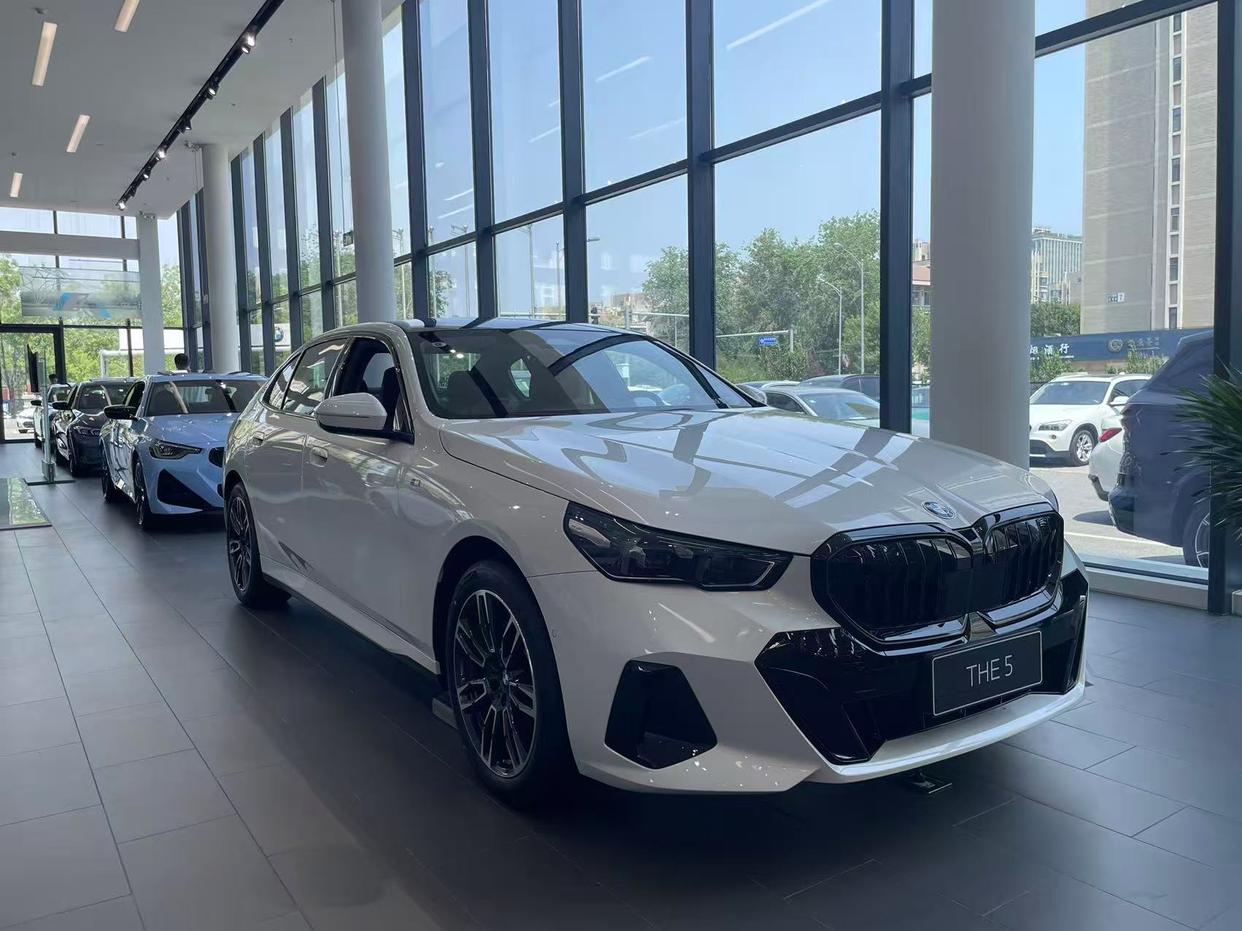
今年4月,"宝马5系跌破29万元"曾冲上热搜,才过了一个多月,曾经售价超40万元的宝马5系再次降价超2万元。 "26.3万是最低价了,但需要选择贷款购车的方案。"5月29日,北京一家宝马4S店内,销售专员对新款宝马5系给出了裸车报价。 据计算,这款2024年12月底上市的"2025款 525Li 豪华套装"5系,现在落地价仅约32.5万元。另一家北京的宝马4S店则给出了约33万元的落地价。 值得注意的是,去年7月宝马中国曾因宣布退出价格战而引发广泛关注。进入2025年,这家豪华品牌似乎也不再坚持"拒战"宣言,又打起了价格牌。 探访:终端车价26万、落地价33万 5月29日,新京报贝壳财经记者走访两家宝马在北京的4S店。其中一家4S店销售人员介绍,时值月底冲量,店内给出的是5系入门车型"2025款 525Li 豪华套 装"最优惠价格——车辆裸车价格为26.3万元,购置税约2.25万元,保险约1.4万元,验车上牌费用0.2万元,赠送贴膜、脚垫、镀膜。不过,想要享受此价 格,用户需要选择贷款方案,贷款利息约2.3万元,综合后车主提车共需支付约32.5万元。 新京报贝壳财经记者还从其他多家北京宝马4S店了解到,在满足 ...