Nissan Motor(NSANY)

Search documents
世界主流车企赴约 智慧出行和新能源科技亮相进博会
Shang Hai Zheng Quan Bao· 2025-11-05 18:41
Core Insights - The 8th China International Import Expo (CIIE) opened in Shanghai on November 5, showcasing major global automotive companies and their advancements in smart mobility and new energy technologies [1] Group 1: International Automotive Companies' Participation - Major global automotive companies, including Volkswagen, Tesla, BMW, and Nissan, have participated in all eight editions of the CIIE, indicating their commitment to the Chinese market [1] - The term "full attendance" was frequently mentioned by executives from international car manufacturers, highlighting their ongoing engagement with the Chinese market [4] Group 2: Technological Innovations and Collaborations - Tesla showcased its latest electric vehicle models, including the Cybercab, which features a fully autonomous driving system without a steering wheel or pedals, set to begin mass production in Q2 2026 [2] - Volkswagen presented its new generation of smart connected vehicles, developed in collaboration with Chinese partner XPeng Motors, emphasizing its commitment to local development [2] - BMW introduced its new generation models equipped with advanced AI capabilities and is collaborating with Chinese tech firms to enhance user experience and smart driving solutions [3] - Nissan unveiled the world's first fuel vehicle equipped with Huawei's HarmonyOS cockpit, aiming to create a "smart fuel vehicle" [3] Group 3: Commitment to the Chinese Market - Volkswagen's chairman emphasized the company's long-term investment strategy in China, aiming to strengthen local R&D capabilities and promote high-quality industry development [4] - BMW's CEO highlighted the importance of the CIIE as a platform for global companies to innovate and collaborate with Chinese partners, focusing on sustainable and high-quality development [4] - Bosch's president in China reiterated the company's commitment to integrating with China's industrial development and supporting local innovations to connect with global markets [5] Group 4: New Developments - Nissan is set to establish its first joint venture vehicle import and export company in China, marking a significant step in its strategy to enhance local operations and global outreach [6]




安世芯片缺货,车厂停产
半导体芯闻· 2025-11-05 10:30
Core Insights - Nexperia's supply shortage has led Nissan to reduce production of its popular SUV model Rogue in Japan, starting next week [2] - The production cut is approximately 900 units at Nissan's Kyushu plant, with further evaluations for the following week due to ongoing supply instability [2] - Nissan confirmed a "small-scale production adjustment" affecting hundreds of vehicles across its Kyushu and Oppama plants, emphasizing the need to monitor the situation closely [2] - The incident highlights the automotive industry's reliance on critical chips and the impact of geopolitical tensions on supply chains, testing manufacturers' adaptability [3] Industry Impact - The Rogue model was Nissan's best-selling vehicle in the U.S. last year, with annual sales nearing 246,000 units, indicating significant market reliance on this model [3] - The supply chain crisis stemming from Nexperia's situation has broader implications, as Honda has also paused production at its Mexican plant and adjusted North American production plans [2]


Nissan and Infobip Achieve 200% Increase in Engagement with AI-Driven WhatsApp Campaign
Businesswire· 2025-11-05 09:00
Core Insights - Nissan has partnered with Infobip to enhance customer engagement through an innovative agentic AI campaign [1] Company Summary - The collaboration aims to redefine how Nissan interacts with its customers by leveraging advanced cloud communication technologies [1] Industry Summary - This partnership highlights a growing trend in the automotive industry towards integrating AI and cloud solutions to improve customer experience [1]

Exclusive: Nissan to cut Rogue production in Japan over Nexperia fallout, source says
Reuters· 2025-11-05 03:06
Core Viewpoint - Nissan Motor will reduce production of its best-selling Rogue SUV in Japan due to a shortage of chips from Dutch firm Nexperia, highlighting the ongoing impact of diplomatic tensions affecting the chip supply chain [1] Group 1: Company Impact - Nissan Motor is facing production cuts for its top-selling Rogue SUV, indicating potential challenges in meeting consumer demand [1] - The production cut is set to begin next week, suggesting an immediate impact on Nissan's operations [1] Group 2: Industry Context - The chip shortage is linked to diplomatic issues involving Nexperia, reflecting broader supply chain vulnerabilities in the automotive industry [1] - This situation underscores the ongoing challenges faced by automakers in securing essential components, which may affect overall industry performance [1]
Bears are Losing Control Over Nissan Motor Co. (NSANY), Here's Why It's a 'Buy' Now
ZACKS· 2025-11-04 15:56
Core Viewpoint - Nissan Motor Co. (NSANY) has experienced a bearish trend recently, losing 8.4% over the past week, but the formation of a hammer chart pattern suggests a potential trend reversal as buying interest may be increasing [1][2]. Technical Analysis - The hammer chart pattern indicates a possible bottoming out, with selling pressure likely subsiding, which supports a bullish outlook for the stock [2][5]. - A hammer pattern forms when there is a small candle body with a long lower wick, signaling that bears may be losing control and bulls are starting to gain traction [4][5]. - This pattern can appear on various timeframes, making it relevant for both short-term and long-term investors [5]. Fundamental Analysis - There has been a notable upward trend in earnings estimate revisions for NSANY, which is a bullish indicator suggesting potential price appreciation [7]. - Over the last 30 days, the consensus EPS estimate for the current year has increased by 13.7%, indicating that analysts expect better earnings than previously predicted [8]. - NSANY currently holds a Zacks Rank of 2 (Buy), placing it in the top 20% of over 4,000 ranked stocks, which typically outperform the market [9][10].

东京车展中国元素真不少
Zhong Guo Qi Che Bao Wang· 2025-11-04 09:15
Core Insights - The 2025 Japan Mobility Show has commenced, showcasing a significant presence of both Japanese and Chinese automotive companies, highlighting advancements in electric and smart mobility technologies [2][6][12] - Notably, Nissan introduced the Dongfeng Nissan N7, a new energy vehicle developed by its Chinese team, marking a significant step in international exposure for Chinese automotive innovation [2][10] Japanese Automotive Companies - Toyota presented a range of vehicles including concept cars and the new luxury brand "Century," which aims to position itself above Lexus [3] - Honda showcased multiple new models, including the Honda 0 Saloon and the Honda 0α SUV, with plans for global release [4] - Nissan introduced several new models, including the redesigned Leaf electric vehicle and the new MPV, highlighting advancements in hybrid and electric technologies [4][5] Chinese Automotive Companies - BYD launched the Racco, a K-Car specifically designed for the Japanese market, which will be available in summer 2026, emphasizing its entry into a key segment of the Japanese automotive market [7][9] - Zeekr's 009 model was also presented, targeting high-end consumers and showcasing a differentiated strategy compared to BYD's more affordable offerings [8][9] - The presence of Chinese automotive supply chain companies at the show indicates a growing influence of Chinese technology in the global automotive sector [11][12] Market Dynamics - The introduction of BYD's Racco K-Car is expected to intensify competition in the Japanese K-Car market, traditionally dominated by Japanese manufacturers [9] - The collaboration between BYD and Aeon to establish electric vehicle sales points in Japan represents a shift in the traditional automotive sales model, potentially disrupting the established 4S dealership system [10] - The presence of Chinese companies at the show reflects a broader trend of technological exchange and collaboration between China and Japan in the automotive industry [10][12]




日本K-CAR市场还能封闭多久?
3 6 Ke· 2025-11-02 23:40
Core Insights - The article discusses the unique characteristics and cultural significance of Japan's K-CAR market, highlighting its closed nature and the strong consumer loyalty towards domestic brands [4][11][17] - The entry of foreign brands, particularly BYD with its electric K-CAR, is seen as a potential disruptor in this market, but challenges remain due to historical consumer preferences and regulatory barriers [10][15][17] Group 1: K-CAR Market Overview - The K-CAR concept has maintained consumer enthusiasm in Japan for decades, creating a distinct industrial culture that permeates various aspects of society [4][11] - Japanese automakers have established a stronghold in the K-CAR segment, with each brand creating a unique niche through their products [4][6] Group 2: Sales Performance - In 2024, Honda's N-BOX dominated the K-CAR market with sales of 206,272 units, surpassing the best-selling regular car, Toyota Corolla [6] - Suzuki's Spacia and Daihatsu's Tanto also performed well, with sales of 165,679 and 93,759 units respectively, indicating a robust competitive landscape among domestic brands [6] Group 3: Foreign Brand Challenges - Historical attempts by foreign brands like smart and Caterham to enter the K-CAR market have failed due to misalignment with local consumer preferences and regulatory standards [8][11] - The K-CAR market is characterized by a strong emphasis on practicality and affordability, making it difficult for foreign brands to succeed without a product tailored specifically for Japanese consumers [8][11] Group 4: Future Prospects - The introduction of BYD's electric K-CAR, RACCO, at the Tokyo Mobility Show introduces new competition, particularly against Nissan's Sakura, which has become the best-selling EV in Japan [10][15] - Despite the potential for disruption, the article emphasizes that foreign brands face significant hurdles in gaining acceptance in the K-CAR market due to entrenched consumer loyalty to domestic brands [15][17]

日产陷致命一击,丰田本田利润集体跳水
汽车商业评论· 2025-11-02 23:06
Core Viewpoint - Japanese automotive manufacturers are facing significant financial challenges, with Nissan predicting an operating loss of 275 billion yen (approximately 1.8 billion USD) for the fiscal year ending March 2026, marking its most severe financial crisis in over two decades [4][6]. Group 1: Nissan's Financial Outlook - Nissan has lowered its consolidated sales forecast for fiscal 2025 from 12.5 trillion yen to 11.7 trillion yen, leading to a 6.1% drop in its stock price on October 31, the largest single-day decline in nearly two months [5]. - The company is experiencing a crisis comparable to its near-bankruptcy situation in the past, exacerbated by ongoing leadership turmoil and declining profits [6]. Group 2: Toyota and Honda's Challenges - Toyota sold 5,267,216 vehicles in the past six months, achieving the highest sales record in two years, yet it faces a projected net profit decline of 44.2% to 2.66 trillion yen (approximately 170 million USD) for the current fiscal year [8][10]. - Honda's global sales fell nearly 6% in September, with a 13% decline in the Chinese market, and it anticipates a 70% drop in profits for the fiscal year ending March 2026 [11][23]. Group 3: External Pressures - The automotive industry is under pressure from tariffs, a strong yen, and supply chain disruptions, which are collectively squeezing profit margins [13]. - The U.S. tariffs on non-American manufactured vehicles and parts, initially set at 25%, have been reduced to 15%, but still pose a significant burden on Japanese manufacturers [17][20]. Group 4: Currency Impact - The appreciation of the yen is expected to reduce the annual profits of Japan's seven major automakers by approximately 1.5 trillion yen, with Toyota facing a potential loss of 745 billion yen due to currency fluctuations [30][31]. - The yen's strengthening has reversed the benefits previously gained from its depreciation, leading to a projected 31% decline in Toyota's operating profit [32]. Group 5: Supply Chain Issues - A semiconductor supply shortage, particularly related to Nexperia, is threatening production across the industry, with Nissan indicating that its chip inventory may only last until early November [36][38]. - Additionally, the reliance on rare earth materials from China has decreased significantly, impacting the production of electric vehicles [43][44]. Group 6: Strategic Responses - Japanese automakers are focusing on deepening their presence in the U.S. market and localizing supply chains to mitigate risks from tariffs and currency fluctuations [47]. - Nissan is increasing production capacity in its U.S. factories and exploring partnerships with Honda to utilize idle capacity for producing pickup trucks [48][51]. Group 7: Cost Optimization and Product Strategy - Nissan is aggressively restructuring, planning to cut 20,000 jobs and reduce its global manufacturing sites from 17 to 10 [54][56]. - Both Nissan and Honda are shifting focus towards hybrid vehicles, with Toyota reporting that hybrid models accounted for 42% of its U.S. sales in the first half of the year [61].

Q3财报汽零温和增长,看好明年汽车板块预期修复:汽车行业周报(20251027-20251102)-20251102
Huachuang Securities· 2025-11-02 12:51
Investment Rating - The report maintains a positive investment recommendation for the automotive sector, anticipating a recovery in 2025 [1][2]. Core Insights - The automotive industry experienced moderate growth in Q3, with weak performance from car manufacturers and overall mild growth in automotive parts. The report highlights potential catalysts for recovery in 2025, including better-than-expected retail sales post-Spring Festival, improved export performance, and favorable policies [1][5]. Data Tracking - In late October, the discount rate for vehicles increased by 9.6%, with a slight month-on-month rise of 0.1 percentage points. The average discount amount was 21,782 yuan, showing a month-on-month increase of 398 yuan [3][4]. - The report tracks various automotive raw material prices, noting significant changes in lithium carbonate, aluminum, copper, palladium, and rhodium prices [6][28]. Market Performance - The automotive sector saw a weekly increase of 0.69%, ranking 15th out of 29 sectors. The report details the performance of various indices, with the automotive parts sector rising by 1.13% and commercial vehicles by 4.41% [8][31]. Industry News - Key developments include the call for a phased exit of vehicle purchase tax reductions, the cessation of vehicle replacement subsidies in Shenzhen, and the launch of new models by various manufacturers [29][30].



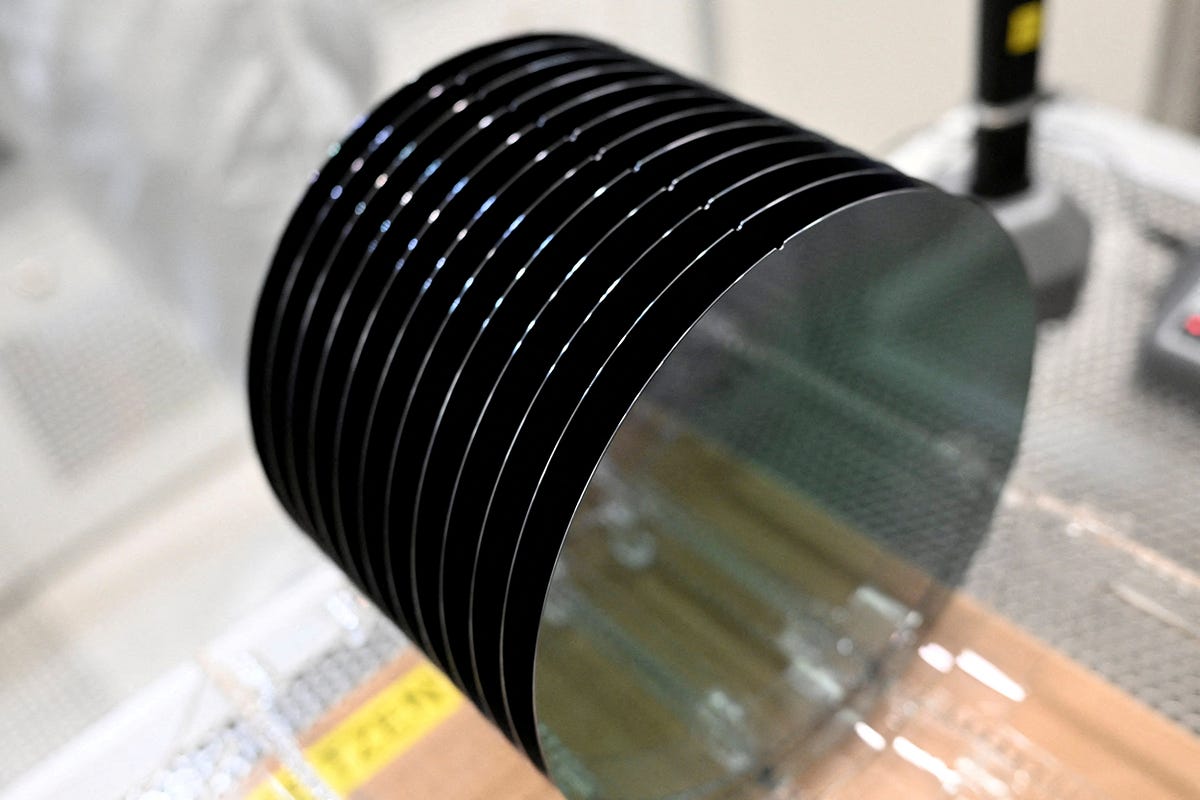
⚠️ BREAKING: Nexperia Halts Chip Shipments to China — Your New Car Delivery Could Be Delayed
Medium· 2025-11-01 04:26
Core Insights - Nexperia B.V. has suspended wafer shipments to its Chinese manufacturing facility, impacting the global automotive supply chain [1] - This decision is attributed to payment disputes and geopolitical tensions, further straining the semiconductor landscape [1] - Automakers such as Nissan Motor Co Ltd and Stellantis NV have been facing challenges due to semiconductor shortages for over two years [1] Industry Impact - The supply disruption is causing ripple effects across manufacturing operations from Detroit to Düsseldorf [2] - Companies are scrambling to understand the implications of this supply chain issue on their production capabilities [2]