Nvidia(NVDA)

Search documents
硅谷不相信忠诚,AI行业玩成NBA,科学家爽拿“转会费”
3 6 Ke· 2026-02-09 01:48
Core Insights - The loyalty of employees in Silicon Valley has diminished, with significant talent poaching events occurring among major tech companies, particularly in the AI sector [1][2] - The trend of "acqui-hire," where companies acquire others primarily for their talent rather than products, has become a common strategy among tech giants [24][27] Group 1: Talent Poaching Events - Major talent poaching incidents include Meta's $14.3 billion investment in Scale AI to acquire co-founder Alexandr Wang in June 2025, Google's $2.4 billion acquisition of Windsurf's technology and team in July 2025, and NVIDIA's $20 billion deal with Groq in December 2025 [1][2][11] - OpenAI has also been active in recruiting talent, bringing back researchers from Thinking Machines Lab and attracting former Google DeepMind employees [1][2] Group 2: Motivations for Job Changes - Employees are motivated to switch jobs for various reasons, including high salaries, access to cutting-edge resources, and the pursuit of more promising technologies and products [2][32] - The phenomenon of "active" and "passive" job changes is noted, with many researchers leaving for better opportunities or being relocated due to company acquisitions [2] Group 3: Acqui-hire Strategy - Acqui-hire has become a popular method for tech giants to quickly acquire skilled teams without facing antitrust scrutiny, allowing them to maintain a competitive edge in AI [24][27] - The case of Google's acquisition of Windsurf illustrates the potential fallout for remaining employees, who may feel abandoned when key talent is poached [27][28] Group 4: Employee Sentiment and Loyalty - Despite high salaries offered by companies like Meta, employee loyalty remains elusive, with some researchers returning to their previous employers shortly after being hired [18][20] - The culture in the tech industry is shifting, with employees increasingly concerned about long-term commitments to a single company, leading to a more fluid job market [32][35] Group 5: Domestic Talent Competition - The talent war is not limited to Silicon Valley, as domestic companies are also aggressively recruiting AI talent from top labs, indicating a global trend in talent mobility [37][39] - High salaries and rapid job changes are characteristic of the AI industry, where top talent is viewed as a strategic asset [40]







说过 ≠ 做过:英伟达否认用盗版书训练 AI,强硬要求法院驳回作家集体诉讼
Xin Lang Cai Jing· 2026-02-09 01:24
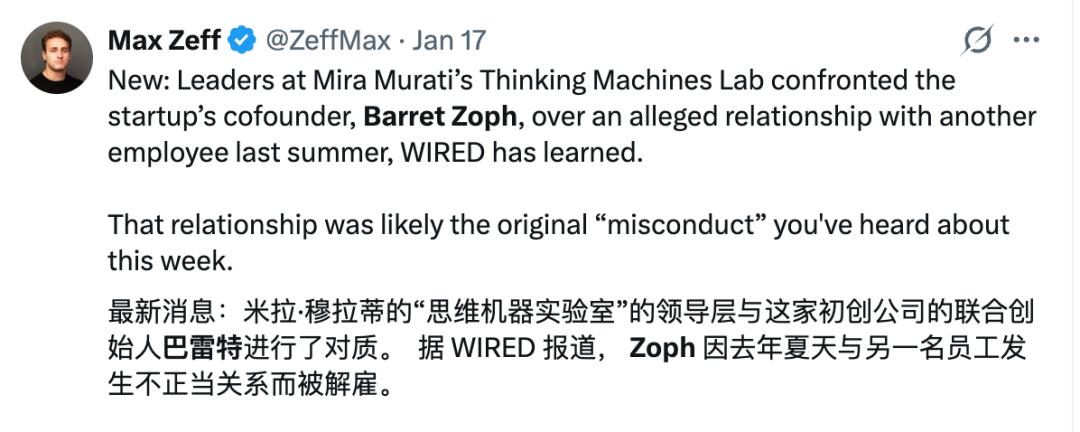
Core Viewpoint - Nvidia is facing a lawsuit for allegedly using copyrighted books to train its AI models, which the company denies, claiming the accusations are speculative and lack substantial evidence [1][2]. Group 1: Lawsuit Details - The lawsuit, titled Nazemian v Nvidia, was initiated by a group of authors in early 2024 and is currently being heard by Judge Jon Tigar in the Northern District of California [1]. - The plaintiffs allege that Nvidia's AI tools utilized copyrighted books from sources like "shadow libraries," including Anna's Archive and Books3, during the training process [1]. - Nvidia submitted a motion on January 29, 2024, to dismiss the lawsuit, arguing that the plaintiffs failed to provide concrete evidence that their works were downloaded or used for model training [2]. Group 2: Nvidia's Defense - Nvidia contends that the plaintiffs have not met the basic requirements for a copyright infringement lawsuit, as they did not specify how, when, or which models allegedly contained the copyrighted works [2]. - The company argues that discussions about potential data sources do not equate to actual usage or copyright infringement, emphasizing that the plaintiffs' claims are based on conjecture [2][3]. - Nvidia criticized the plaintiffs for relying heavily on statements based on "information and belief," which the company argues is insufficient for establishing infringement facts at the pleading stage [2]. Group 3: Additional Allegations and Responses - The revised complaint introduced new allegations regarding multiple datasets and models, including discussions about Megatron 345M, which Nvidia argues lack specific explanations on how the plaintiffs' works were used [3]. - The plaintiffs also proposed an "indirect liability" theory linking Nvidia's NeMo Megatron framework to the ability to download public datasets like The Pile, but Nvidia countered that the complaint does not allege any direct infringement by third parties, which is necessary for establishing liability [5]. - Nvidia maintains that merely providing optional tools does not automatically incur liability unless the plaintiffs can demonstrate that users actually used these tools to commit copyright infringement [5].
英伟达市值暴增3250亿美元!拟200亿投资OpenAI,CPO技术引爆硅光产业链
Jin Rong Jie· 2026-02-09 01:20
Group 1: Company Developments - Nvidia's stock price surged nearly 8%, adding $325 billion to its market value, driven by CEO Jensen Huang's assertion that substantial AI investments are reasonable and sustainable as long as AI companies can achieve profitability from these investments [1] - Nvidia is nearing a $20 billion investment agreement with OpenAI, which would create a strategic alliance to advance AI technology [1][2] - Nvidia's recent CES 2026 announcements included the launch of the NVIDIA Spectrum-X Ethernet co-packaged optical devices, further promoting the application of CPO technology in AI data centers [1][3] Group 2: Industry Trends - The demand for high-speed optical modules is expected to rise alongside the acceleration of AI data center construction, with Nvidia's CPO technology driving manufacturers to enhance their development and production of co-packaged optical products [4] - The silicon photonics industry is set to expand due to Nvidia's collaboration with Tower Semiconductor, optimizing silicon photonic chip performance to meet AI data center transmission needs [4] - The AI data center construction industry will see increased participation from more companies, focusing on high-performance computing clusters and optimizing data center infrastructure to accommodate new interconnection solutions like CPO technology [5] Group 3: Key Companies in the Supply Chain - Zhongji Xuchuang specializes in the research and manufacturing of optical module products, positioning itself to benefit from the growing demand for high-speed transmission solutions and CPO technology [6] - Tianfu Communication focuses on optical communication devices, providing essential optical components for CPO products, with plans to enhance product compatibility and transmission efficiency [7] - Shiyun Circuit has entered Nvidia's supply chain through OEM partnerships, leveraging its advanced PCB technology to meet the high specifications required for AI servers, with future business growth expected to align with Nvidia's expansion [7]
英伟达世界模型再进化,一个模型驱动所有机器人!机器人的GPT时刻真正到来
机器之心· 2026-02-09 01:18
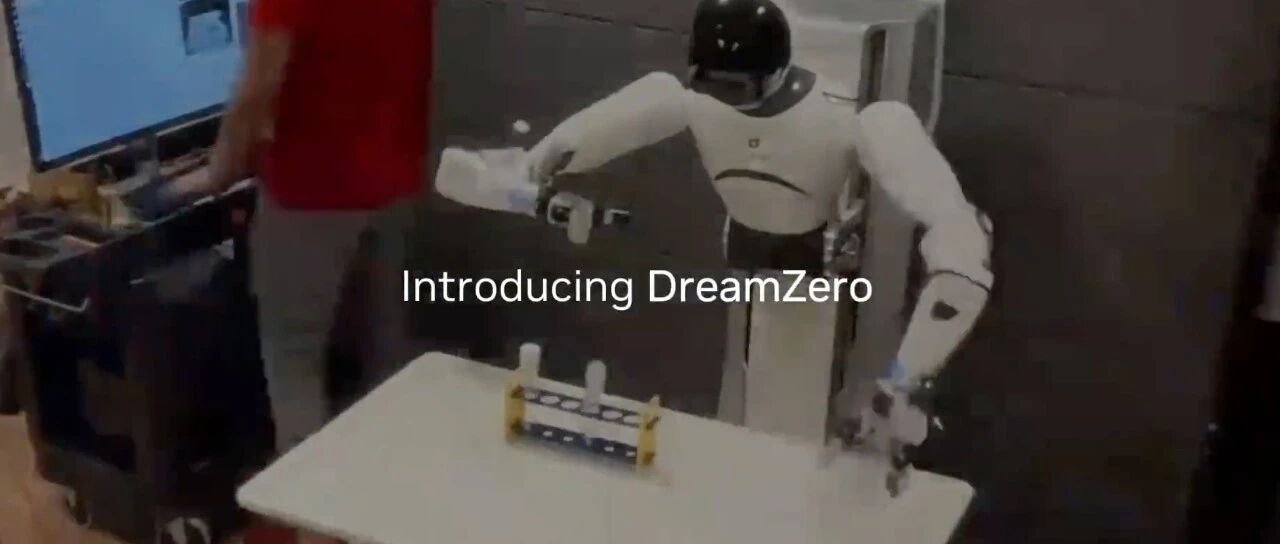
驱动具身智能进入通用领域最大的问题在哪里? 我们认为,核心问题在于 「跨具 身(cross-em bodiment)迁移」 。 当然,具身智能执行通用复杂任务的核心是一个完善的世界模型。但是,大多世界模型其实并没有我们想象的那样具备极强的泛化性和迁移能力。 简单来说,这些用在机器人或是智能汽车上的世界模型,基本都是在某个固定的硬件平台上设计训练的,大多不具备很强的泛化能力,跨具身迁移几乎靠运气。 说白了,大多数机器人今天学到的不是 「世界是如何运作的」,而是 「在这台机器该怎么动」。我们需要能学到一个真正理解物理与因果的世界模型 —— 知道 世界会怎么变、动作会带来什么后果,才能在不同身体、不同环境中迁移与泛化。 在这个问题上,作为算力的王者,深耕各类世界模型的英伟达再一次发力,构建了一个全新是世界模型,一切都是 Zero-Shot 的。 最近, 英伟达 GEAR 实验室提出 DreamZero , 一种 基于预训练视频扩散骨干网络构建 的世界动作模型(WAM) 。 这是一个拥有 140 亿参数的模型,能够让机器人仅通过简单的文本提示就完成此前从未见过的任务。 实验室负责人 Jim Fan 将其称为机器人领域 ...
两大GPU买家,摆脱英伟达
半导体行业观察· 2026-02-09 01:18
公众号记得加星标⭐️,第一时间看推送不会错过。 自人工智能热潮开始以来的三年里,有一点可以肯定的是,几乎所有大型人工智能项目都是从英伟达 的芯片开始的。 但去年,科技行业两家最强大的公司——同时也是英伟达最大的两家客户——对英伟达看似不可逾越 的业务造成了虽小但意义重大的冲击。 首先,亚马逊开始将数千个自己的人工智能芯片装入位于印第安纳州的庞大计算机数据中心网络,这 些芯片正被世界领先的人工智能公司之一 Anthropic 使用。 随后,谷歌还与Anthropic公司达成了一系列协议。三位熟悉该合作关系的人士透露,随着Anthropic 在纽约、德克萨斯州和其他地区建设多个数据中心,谷歌正在为这些设施提供芯片。这三位人士要求 匿名,因为他们未被授权讨论该交易。 多年来,众多芯片制造商一直试图与英伟达竞争,其中包括像AMD这样的老牌公司、像Cerebras这 样的初创公司以及像微软和Meta这样的科技巨头。但亚马逊和谷歌不断壮大的芯片业务才是英伟达 面临的最强劲对手。 "是的,英伟达控制着很大的市场份额,但在这个市场中,即使是很小的份额也价值数十亿美元,"数 据中心研究公司 SemiAnalysis 的分析师 ...

从“更快”到“更省”:AI下半场,TPU重构算力版图
半导体行业观察· 2026-02-09 01:18
当谷歌的大模型 Gemini 3 在2025年末以惊人的多模态处理速度和极低的延迟震撼业界 时,外界往往将目光聚焦于算法的精进。然而,真正的功臣正沉默地跳动在谷歌数据中心 的机架上——那就是他们潜研10年的 TPU (Tensor Processing Unit)。 长期以来,英伟达凭借其"通用而强大"的 GPU 统治了模型训练的黄金时代。但随着大模 型 走 进 规 模 化 应 用 爆 发 期 , 算 力 逻 辑 正 发 生 本 质 改 变 : " 训 练 为 王 " 的 旧 秩 序 正 在 瓦 解,"推理为王"的新时代已经降临。 当专用架构的极致效率突破了通用架构的冗余局限,以 TPU 为代表的 ASIC 芯片正以不 可阻挡之势,从英伟达手中接过主角的剧本,重塑全球AI算力的权力版图。 成本为王,芯片变了 这些年,在海内外厂商的共同推动下,大模型和人工智能成为了几乎人尽皆知的热词。所谓大模 型,其诞生有点像一个人的成长:先通过预训练"博览群书",在海量文本中学习语言结构和世界知 识;再通过指令微调,学会如何按人类要求组织和表达回答;接着借助基于人类反馈的强化学习, 对齐输出风格与边界,使回答更符合人类偏好; ...
HBM 4,三星率先量产
半导体行业观察· 2026-02-09 01:18
公众号记得加星标⭐️,第一时间看推送不会错过。 业内人士周日表示,三星电子将在农历新年假期后开始出货其下一代高带宽存储器 HBM4,成为首 家将这款被广泛认为是人工智能计算领域颠覆性芯片的存储器制造商。 三星计划最早于 2 月第三周开始向英伟达交付 HBM4,用于这家美国芯片巨头的下一代人工智能加 速器平台 Vera Rubin。 此举标志着三星的战略反弹。此前,三星在HBM系列产品中的竞争力曾受到质疑。凭借HBM4,三 星希望缩小与同城竞争对手SK海力士的差距,并有可能超越后者。SK海力士凭借人工智能数据中心 需求的激增,率先取得了领先优势。 一位业内人士表示:"三星率先量产了性能最高的HBM4芯片,证明了其在技术领域的领先地位已经 恢复。" "这使该公司在按照自己的方式塑造市场方面拥有明显的优势。" 预计英伟达将在下个月举行的年度开发者大会 GTC 2026 上发布搭载三星 HBM4 显存的 Vera Rubin 加速器。三星表示,出货时间是在与英伟达的产品路线图和下游系统级测试计划协调后确定的。 除了速度之外,三星在该产品背后的技术理念也值得关注。从一开始,该公司就致力于超越JEDEC制 定的标准,率先 ...
48小时万亿蒸发,高盛用Claude「杀死」人类会计,亲手埋葬软件帝国
3 6 Ke· 2026-02-09 01:08
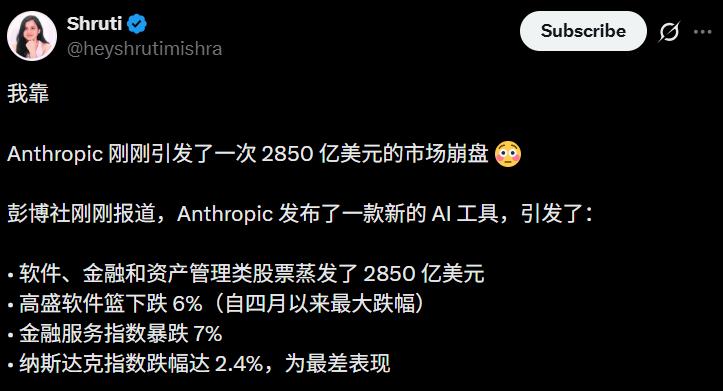
Core Insights - The software industry is experiencing a significant downturn, with major companies facing massive sell-offs and a loss of nearly $300 billion in market value, approaching a trillion dollars when including losses in Europe and Asia [6][7][8] - The panic in the market is driven by the realization that traditional software may no longer be necessary, as AI technologies are emerging that can automate tasks previously performed by software [9][12][36] - Goldman Sachs is at the forefront of this shift, utilizing AI to automate accounting processes, which raises concerns about job losses in the finance sector [13][14] Group 1: Market Impact - Major software companies like Salesforce, Adobe, and Oracle are being heavily sold off, indicating a loss of confidence in their future profitability [6][7] - The term "SaaSpocalypse" has been coined to describe the potential collapse of the SaaS business model as AI agents can perform tasks without the need for traditional software [36][39] - The market is reacting to the fear that AI could replace many entry-level positions in accounting and compliance, leading to a significant restructuring in the workforce [14][36] Group 2: AI Integration - Goldman Sachs has developed AI systems that can handle complex tasks in accounting and compliance, which traditionally required significant human labor [13][14] - OpenAI is also rapidly advancing its AI capabilities, with tools like Codex taking over substantial coding responsibilities, indicating a shift in how software development is approached [17][20] - The integration of AI into business processes is expected to create a new paradigm where software is not just a tool but an integral part of operational workflows [39][41] Group 3: Future Outlook - Experts predict that while not all software will disappear, many superficial applications will lose their value as AI becomes capable of performing their functions [38][39] - The future of software may involve a combination of robust data systems and flexible AI agents, transforming the role of humans from operators to overseers [39][41] - The current upheaval in the software industry is seen as a necessary evolution rather than an end, with potential for new opportunities and innovations to emerge [41][45]


三星HBM4挺进英伟达链 股价开盘大涨
Xin Lang Cai Jing· 2026-02-09 01:01
格隆汇2月9日|有消息称三星电子即将开始量产用于构建人工智能基础设施的HBM4存储芯片,随后该 公司股价上涨了6.4%。据韩联社报道,这家韩国科技巨头计划最早于2月的第三周向人工智能加速器领 域的领导者英伟达出货该半导体。行业人士消息称,这些HBM芯片将用于驱动这家美国公司即将推出 的Vera Rubin AI加速器。三星在高带宽内存开发方面的进展表明,它正在缩小与国内竞争对手的差距。 截至上周五收盘,三星股价今年已上涨逾30%,因为存储芯片价格上涨使该行业的所有主要参与者受 益。三星可能也受益于与数据中心建设相关的美国股市人工智能相关涨幅。四大超大规模企业计划今年 支出约6500亿美元,这推动英伟达股价在上周五上涨了近8%。 来源:格隆汇APP ...
央行连续第15个月增持黄金!三分钟看完周末发生了什么
Sou Hu Cai Jing· 2026-02-09 00:55
01 商品市场方面,本周市场波动较大。油市受地缘政治因素影响明显,美伊紧张局势升级引发市场对中东运输中断的担忧,推动油价连续上 涨,而谈判缓和后市场风险溢价有所回落。黄金市场高位震荡,正在释放投机过热压力。技术性抛售与杠杆平仓加剧市场波动,黄金ETF 连续流出,白银波动放大,市场恐慌情绪升温。 (数据来源:iFinD,日期截至2026年2月6日,指数过往业绩不预示其未来表现,投资需谨慎) 02 行业情况 | 行业名称 | 周度涨跌幅 | 30目涨跌幅 | 今年以来 | | --- | --- | --- | --- | | 食品饮料 | 4.3% | 2.1% | 4.4% | | 美容护理 | 3.7% | 4.4% | 4.1% | | 电力设备 | 2.2% | 4.0% | 6.3% | | 综合 | 2.0% | 11.5% | 12.1% | | 交通运输 | 1.9% | 0.8% | 1.5% | | 银行 | 1.7% | -4.1% | -5.1% | | 纺织服饰 | 1.3% | 7.8% | 7.3% | | 家用电器 | 1.3% | 1.0% | 0.3% | | 轻工制造 | ...