POP MART(PMRTY)

Search documents
泡泡玛特开始五折甩卖,二手平台上Labubu部分款式跌破原价
Xin Hua Ri Bao· 2025-12-29 23:19
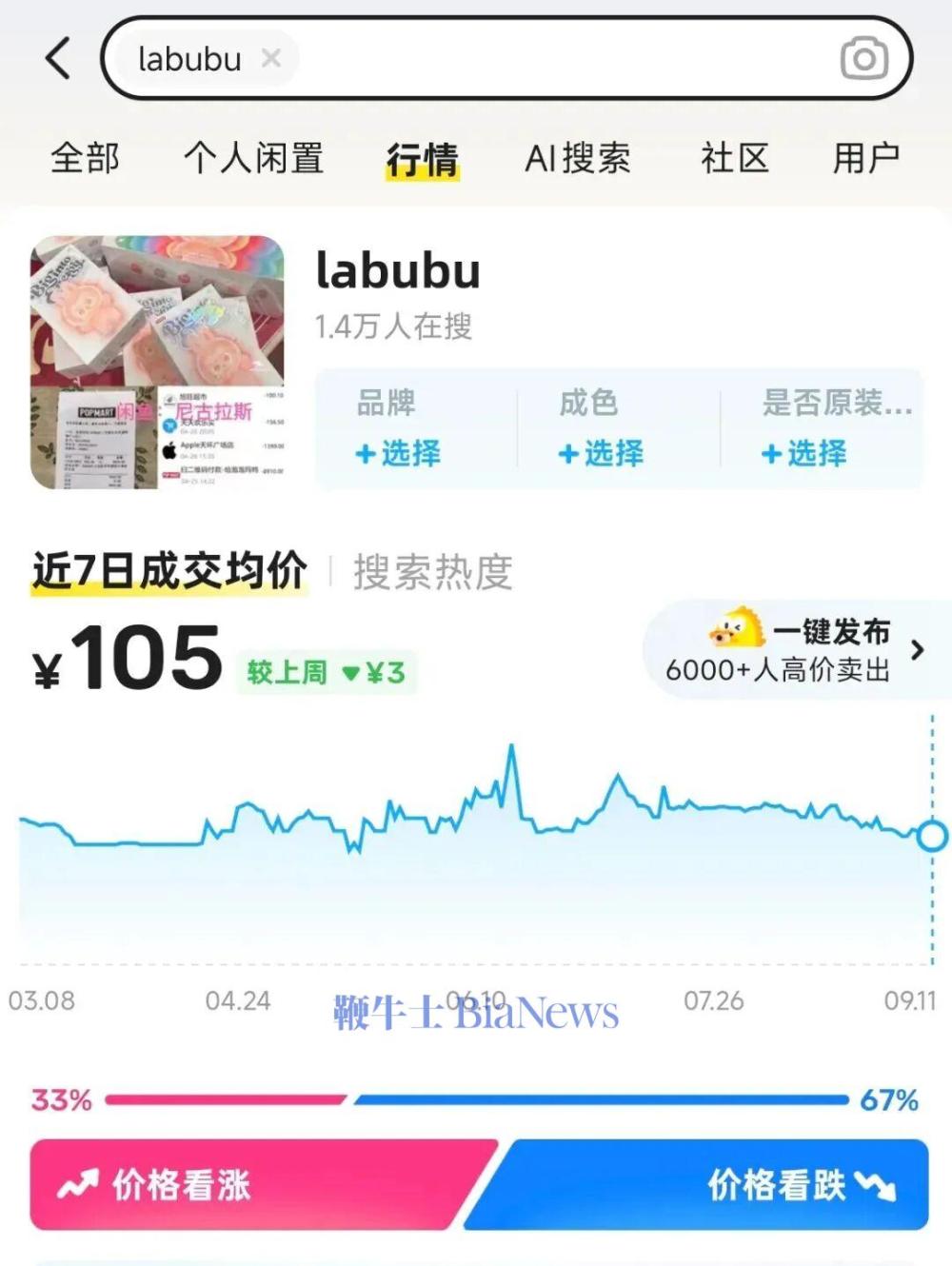
Group 1 - The average resale price of Labubu's products has significantly decreased, with the price of a box dropping from 1,478 yuan to around 632 yuan, and some single items even falling below their original price of 99 yuan to as low as 82 yuan [1][4] - The number of Labubu listings on second-hand platforms has increased, while transaction prices are simultaneously declining, indicating a shift in market dynamics [1][4] - The stock price of Pop Mart, the parent company of Labubu, has also seen a decline, dropping over 40% from a peak of 339.8 HKD to approximately 189 HKD, resulting in a market capitalization loss of over 200 billion HKD [3][7] Group 2 - The rapid change in prices has altered consumer expectations, leading to comments on social media about purchasing preferences shifting away from blind box purchases to directly buying desired items [4][6] - The decline in market confidence is evident, as the demand for new products has diminished, and the urgency to purchase has lessened, indicating a broader cooling trend in the collectible toy market [6][7]


最新“全球品牌中国线上500强”季度榜单出炉 大疆首次进入前10、泡泡玛特上升显著
Zheng Quan Ri Bao Wang· 2025-12-25 11:44
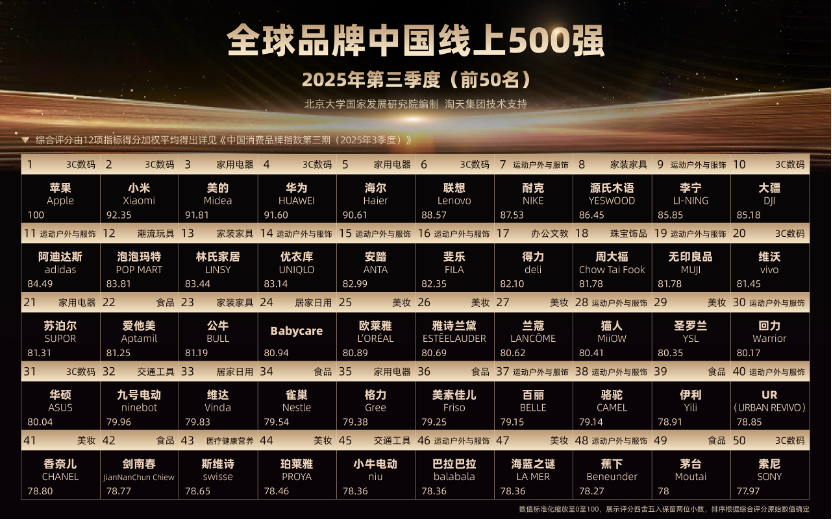
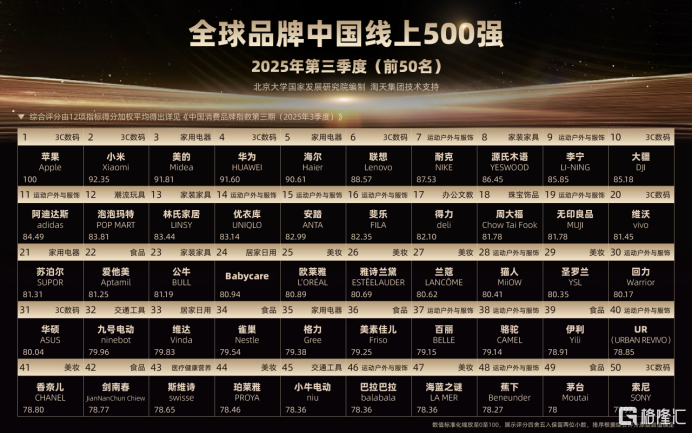
Core Insights - The latest quarterly "China Online Consumption Brand Index" (CBI) and the "Global Brand China Online Top 500" (CBI500) were released, indicating a continued rise in online consumer brand purchasing power [1][3] - The CBI for the third quarter of 2025 is reported at 62.65, reflecting a year-on-year increase of 0.92%, suggesting a growing preference for branded products among online consumers [3] Industry Performance - The CBI series indicates that industries such as women's clothing, 3C smart products, daily beauty, outdoor sports, pet supplies, men's clothing, and home furnishings have shown year-on-year growth in consumption quality [4] - The increase in consumption quality is attributed to Taobao's operational strategies, which have focused on supporting original clothing brands and improving the business environment for merchants [4] Brand Rankings - DJI entered the top ten for the first time, driven by strong performance in new product sales and brand search volume, particularly in the action camera and drone sectors [4] - Pop Mart ranked twelfth, marking a significant rise in brand influence due to its series of original IPs, despite fluctuations in the trendy toy industry [4] Consumer Trends - The CBI series aims to promote high-quality online consumption by encouraging competition based on quality and innovation rather than cost [5] - The shift towards quality competition is seen as essential for creating a positive market cycle that ultimately enhances the quality of life for consumers [5]


最新“全球品牌中国线上500强”季度榜单出炉:大疆首次进入前10、泡泡玛特上升显著
Zhong Guo Jing Ji Wang· 2025-12-25 07:19
Core Insights - The latest quarterly "China Online Consumption Brand Index" (CBI) indicates a year-on-year increase of 0.92%, reflecting a growing preference for branded products among online consumers [1] - DJI and Pop Mart have made significant strides, with DJI entering the top 10 of the "Global Brand China Online 500" list for the first time, while Pop Mart ranks 12th [1][6] Industry Trends - The CBI index shows notable growth in sectors such as women's apparel, 3C electronics, daily cosmetics, outdoor sports, pet products, men's apparel, and home furnishings, indicating a heightened consumer focus on quality and brand [4] - The women's apparel sector saw a significant increase of over 5 points in its index, suggesting rapid brand and quality upgrades driven by supportive operational strategies from platforms like Taobao [4] - The food and trendy toy sectors experienced a decline in their CBI, attributed to cyclical fluctuations and policy constraints affecting high-end liquor consumption [5] Brand Performance - The top five brands in the "Global Brand China Online 500" for Q3 are Apple, Xiaomi, Midea, Huawei, and Haier, with DJI and Pop Mart showing remarkable growth [6] - Seasonal demand and product innovation are key drivers for brand performance, with DJI leveraging new product features to enhance user experience and Pop Mart capitalizing on its original IPs [8] - The index emphasizes real consumer purchasing behavior, moving beyond traditional metrics like revenue and profit to assess brand competitiveness based on sales, pricing, search, and customer reviews [8] Strategic Insights - The CBI series aims to promote quality and innovation in online consumption, encouraging brands to compete on quality rather than just cost, which is essential for fostering a positive market cycle [9]


最新"全球品牌中国线上500强"季度榜单出炉,大疆首次进入前10、泡泡玛特上升显著
Ge Long Hui· 2025-12-25 06:54
Core Insights - The latest quarterly "China Online Consumption Brand Index" (CBI) and "Global Brand China Online Top 500" (CBI500) indicate a continued rise in consumer preference for brand goods, with the CBI reaching 62.65, a year-on-year increase of 0.92% [1] - DJI and Pop Mart have shown rapid growth, with DJI entering the top 10 of the CBI500 for the first time, and Pop Mart ranking 12th [1] Industry Trends - The CBI series indices reflect a macroeconomic trend of consumption recovery and a shift towards high-quality development, with a notable increase in the core CPI by 0.6% year-on-year in the first three quarters [1][4] - Significant growth in the CBI index was observed in sectors such as women's clothing, 3C smart products, daily beauty products, outdoor sports, pet supplies, men's clothing, and home furnishings, indicating a heightened consumer focus on quality and brand [4][5] - The women's clothing sector saw a notable increase of over 5 points in its index, driven by intensified competition and a focus on quality upgrades [4] Brand Performance - The top five brands in the CBI500 remain consistent with previous quarters: Apple, Xiaomi, Midea, Huawei, and Haier [6] - Brands like DJI and Pop Mart have improved their rankings significantly due to product innovation and seasonal demand, with DJI leveraging unique features in its products and Pop Mart capitalizing on its original IP [6][7] - New entrants in the food category, such as Guangzhou Restaurant and Crab Taotai, benefited from seasonal demand for mooncake gift boxes, while educational brands like Deli and Morning Glory also saw significant improvements [6] Consumer Behavior - The CBI500 rankings are based on real consumer purchasing behavior, utilizing 12 metrics including sales, price, search volume, and positive reviews to assess brand competitiveness [7] - The emphasis on quality and innovation is seen as a key driver for brand strength, moving away from cost-based competition towards a focus on quality, brand differentiation, and value [8]

Z世代“拒绝长大”引爆玩具狂潮!泡泡玛特净利暴涨400%,Jellycat利润翻倍
Hua Er Jie Jian Wen· 2025-12-23 13:06
Core Insights - Generation Z is driving a global toy consumption boom, significantly boosting the performance of related companies [1] - The phenomenon is termed "happy economy," where adults seek emotional comfort and nostalgic experiences through consumption [1] Group 1: Company Performance - Pop Mart's revenue for the first half of 2025 reached 138.8 billion RMB (approximately 19.3 billion USD), with net profit surging nearly 400% [2] - Jellycat's revenue grew by 66% in 2024 to 333 million GBP, up from 200 million GBP in 2023, with pre-tax profit more than doubling from 67 million GBP to 139 million GBP [2] - The Labubu toy alone contributed approximately 423 million USD to Pop Mart's global revenue in 2024 [2] Group 2: Consumer Behavior - The "Peter Pan effect" describes adults' reluctance to grow up and take on responsibilities, leading them to seek comfort in childhood nostalgia [2] - Economic and geopolitical instability, along with rising living costs, have made traditional milestones like homeownership seem unattainable for many in Generation Z [3] - The phenomenon of "doomsday consumption" has emerged, where Generation Z seeks immediate comfort through small pleasures like travel and collectible toys [3] Group 3: Community and Belonging - A prevalent sense of loneliness among Generation Z influences their consumer choices, with toy purchasing and collecting serving as a means to seek community belonging [4] - A survey indicated that 85% of British Generation Z respondents often feel lonely, highlighting the emotional aspect of their consumption [4] - Jellycat has become the fastest-growing brand in sales at Selfridges, driven by the desire of Generation Z and millennials to integrate into communities through collecting [4]
下一个泡泡玛特始终难产 | 巨潮
Xin Lang Cai Jing· 2025-12-23 04:58
Core Insights - The core of the article emphasizes the unique business model of Pop Mart, which leverages strong IP and a light asset structure to create a highly profitable commercial empire with a gross margin of 70.3% in the first half of the year and a loyal customer base of 59 million contributing over 90% of sales [1][17]. Group 1: Pop Mart's Business Model - Pop Mart's success is attributed to its strong IP and high repurchase rates, with customers making an average of 6.8 purchases per year and a repurchase rate exceeding 50%, significantly higher than luxury brands like LV [1][17]. - The emotional economy plays a crucial role in Pop Mart's rise, paralleling historical trends in Japan and the U.S. where similar consumer behaviors emerged during economic downturns [2][18]. Group 2: Competitors and Market Dynamics - Card Game (卡游) is the largest competitor to Pop Mart, reporting revenue of 10.057 billion and a net profit of 4.466 billion, with a gross margin of 68.2% [3][19]. - Despite its success, Card Game faces challenges due to its heavy reliance on IP licensing, with 73% of its revenue coming from Ultraman-related products, raising concerns about sustainability if licensing fees increase [19][20]. - 52TOYS, another competitor, has a gross margin of 68.2% and is noted for its potential to go public, but it missed critical opportunities in IP development compared to Pop Mart [5][20][22]. Group 3: Market Trends and Emotional Economy - The emotional economy is expanding beyond toys, with significant growth in pet-related products and services, reflecting changing consumer needs as birth rates decline [27][30]. - Companies like pidan and PETKIT are capitalizing on the emotional needs of pet owners, with pidan achieving sales of 830 million and a gross margin of 58% in 2024 [29][30]. - The rise of emotional value as a core competitive advantage is evident across various sectors, indicating a shift in consumer behavior towards products that fulfill emotional needs [26][32].
泡泡玛特菲律宾首店正式开业 探索新兴市场潮玩文化价值
Zhong Guo Jing Ji Wang· 2025-12-23 03:23
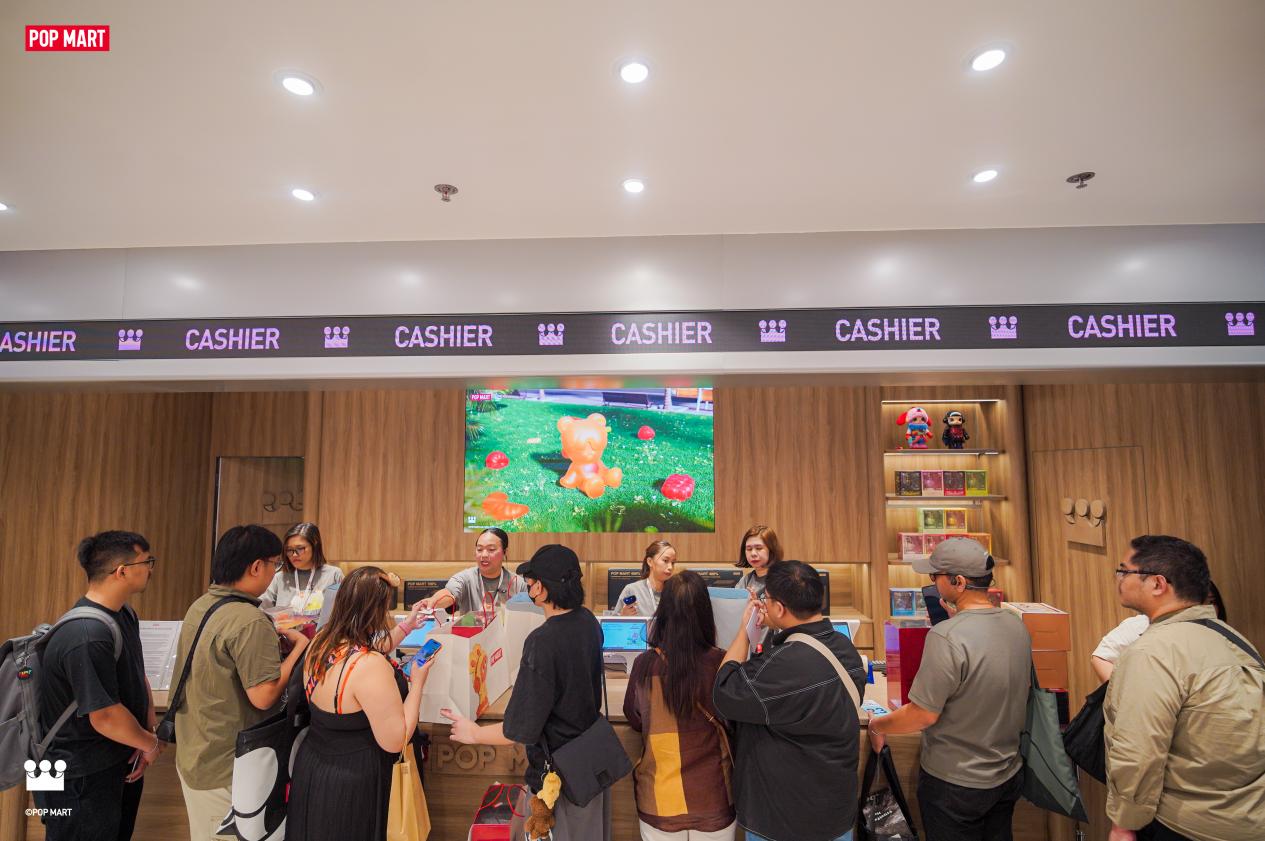
Core Insights - The opening of Pop Mart's first offline store in the Philippines marks a significant step in its localization and refined operations in the Asia-Pacific region [1][4][7] Group 1: Store Opening Details - The store is located in SM Megamall, a major shopping center in Manila, which is the seventh largest mall globally, attracting a high volume of foot traffic [4] - The store spans nearly 300 square meters and features a variety of IP products and unique design elements, creating an immersive shopping experience for local consumers [4] - A 12-meter tall themed Christmas tree, decorated with brand IP images, was installed in the mall to celebrate the peak Christmas shopping season, enhancing brand visibility and consumer engagement [4] Group 2: Market Strategy and Consumer Engagement - The company has previously conducted successful pop-up events in high-end malls in Manila, which helped build a stable consumer base and brand reputation [6] - A "Coffee Factory" themed pop-up store was recently opened in SM North Edsa, showcasing a café-style design and a range of coffee-related products, marking the largest pop-up store in the Philippines to date [6] - Pop Mart hosted an artist fan meeting for its popular IP Hirono, allowing direct interaction between the artist and fans, further deepening emotional connections with local consumers [6] Group 3: Future Outlook - Analysts view the opening of the first store in the Philippines as a crucial part of Pop Mart's strategy in the Asia-Pacific market, targeting a young, socially active demographic that embraces trendy culture [7] - The company plans to continue expanding in the Asia-Pacific region, enhancing brand influence and leveraging its IP potential to provide richer cultural experiences for consumers [7]
喜茶联名泡泡玛特星星人,新产品上市引抢购,港股消费ETF(513230)震荡攀升
Sou Hu Cai Jing· 2025-12-23 02:22
Group 1 - The Hong Kong stock market opened higher on December 23, with the Hang Seng Index rising by 0.29%, the Hang Seng Tech Index up by 0.14%, and the China Enterprises Index increasing by 0.29% [1] - The technology sector remains a long-term investment focus, with valuations having declined after previous adjustments, and is expected to rebound due to multiple favorable factors [1] - The consumer sector is anticipated to receive significant policy support, with current valuations at relatively low levels, indicating substantial medium to long-term upside potential [1] Group 2 - The launch of a new product by Heytea in collaboration with Pop Mart's IP "Starry People" saw over 100 orders within 2 minutes of release, leading to busy conditions in multiple stores in Beijing and a temporary halt on online orders [1] - After experiencing a one-sided rise in September, the Hong Kong stock market has undergone a period of adjustment since October, influenced by fluctuating overseas macro expectations [1] - Analysts suggest that the current environment presents a notable year-end trading window for the Hong Kong market, driven by continued capital inflow, recovery in profit expectations, and improvements in the macro environment [1]
泡泡玛特没变,资本先变脸了
3 6 Ke· 2025-12-23 00:33
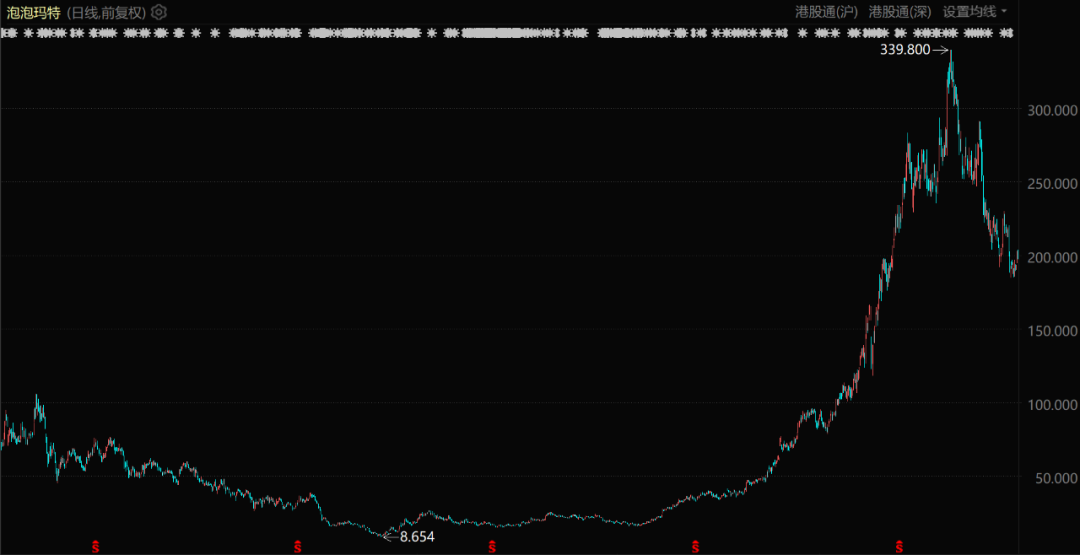
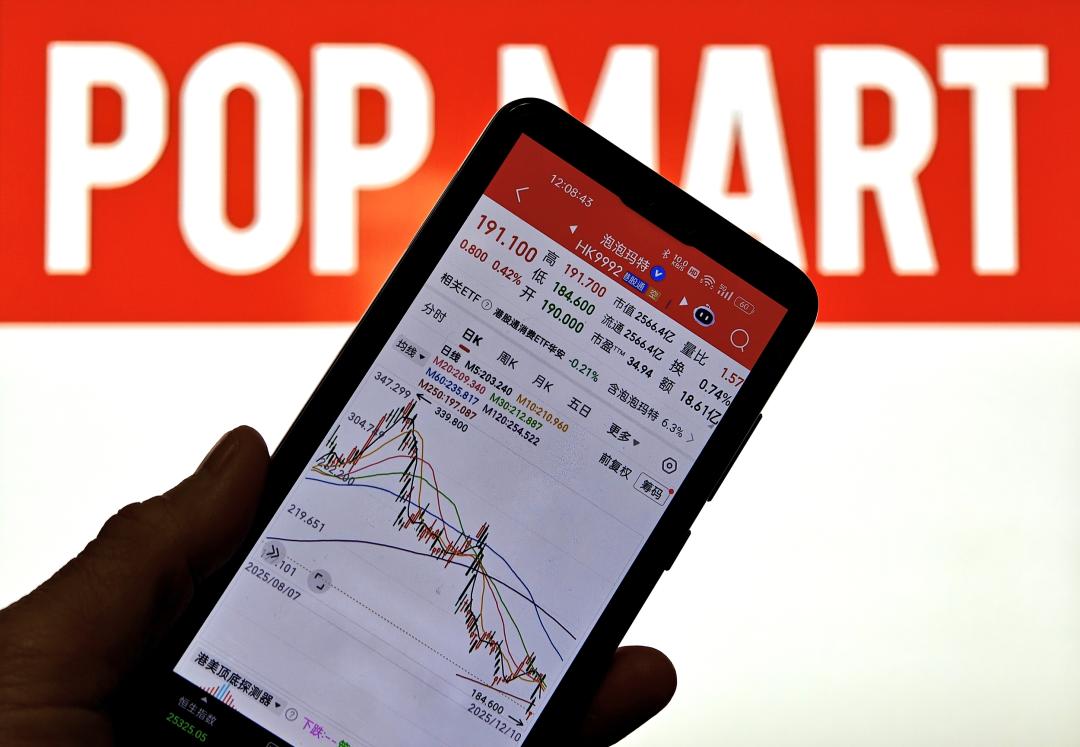
Core Viewpoint - The scarcity of Pop Mart has diminished significantly due to a substantial increase in production capacity, leading to a wave of short-selling by institutions and a collective sell-off by previously profitable investors, resulting in a market value loss of HKD 197.2 billion since the stock peaked in late August [1][4]. Group 1: Stock Performance - As of December 19, Pop Mart's stock closed at HKD 192.9, down 0.16%, with a cumulative decline of 43.23% from its historical high of HKD 339.8 four months prior, equating to a market value evaporation of HKD 197.2 billion [1][4]. - On December 22, the stock rebounded by 4.61%, reaching HKD 200, with a total market value of HKD 271 billion [1]. - The stock's volatility has been accompanied by heightened emotional and controversial discussions among investors, contrasting with the more stable declines of other companies in the same sector [1][2]. Group 2: Investor Sentiment - Following the stock's decline, discussions among investors have surged, with debates centering on whether Pop Mart represents a bubble or a rational market correction [2]. - Investors have been actively assessing foot traffic and restocking in physical stores to determine whether to buy more shares or cut losses [2]. Group 3: Company Actions - Despite the stock's downturn, Pop Mart has not issued any statements or conducted buybacks, focusing instead on operational strategies, including the appointment of LVMH's former president for Greater China to its board [4]. - On December 19, Pop Mart announced the launch of a new product series priced at 79 yuan each, marking its second price increase since 2021 [4]. Group 4: Fund Activity - Data shows that the number of public funds holding Pop Mart shares peaked at 311 in Q2, with a total of 72.3 million shares, but dropped to 197 funds and 51.7 million shares by Q3, indicating a significant sell-off of 2.06 million shares and a 28.52% decrease in holding ratio [5]. Group 5: Short Selling - As the stock price fell, short-selling activities intensified, with Pop Mart leading the home appliance and goods sector in short-selling amounts, reaching HKD 341 million and a short-selling ratio of 21.47% on December 19 [7]. Group 6: Market Dynamics - The recent stock decline is attributed to a combination of "overdrawn expectations" and "reality gaps," with analysts noting that the stock's rise was based on high expectations that are now being corrected [8]. - The stock experienced a 17.25% drop in September, with market confidence in the scarcity premium of Pop Mart's IP beginning to wane [10]. - Despite a strong Q3 earnings report, the stock continued to decline by 16.94% in October, as the market adjusted its expectations [10]. Group 7: Future Outlook - Analysts predict a slowdown in sales growth for Pop Mart, with expectations for Q4 sales growth in the U.S. to drop below 500%, down from over 1200% in Q3 [11]. - Concerns have been raised about the sustainability of Pop Mart's business model as it transitions from explosive growth to a phase of sustainable growth, with warnings about the diminishing scarcity of its products [11][12]. - The company is taking steps to address these challenges by ceasing point redemption for discounts and focusing on content production to enhance its IP [16].
雷军押注,年入超 5 亿,中年男性养不起自己的“泡泡玛特”
Sou Hu Cai Jing· 2025-12-22 13:36
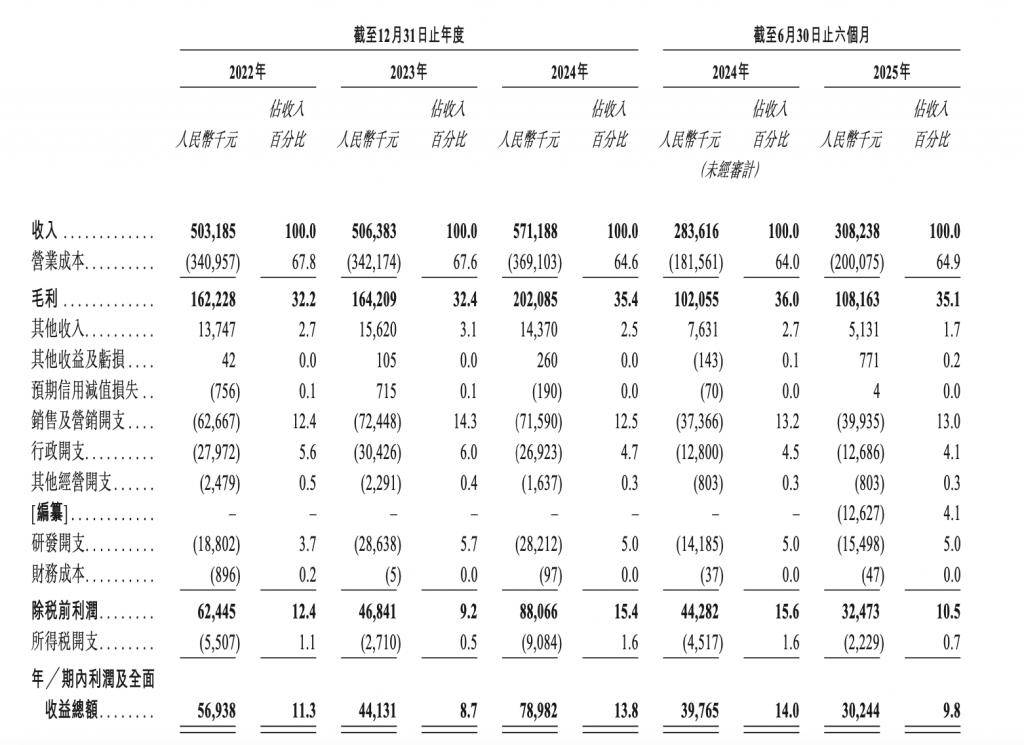
Core Viewpoint - The company Tong Shifu, known for its copper cultural products, is positioning itself as the "Bubble Mart for middle-aged men" and is preparing for an IPO to become the first publicly listed company in the copper cultural sector [1][3]. Market Position - As of 2024, Tong Shifu holds the largest market share in China's copper cultural craft product market at 35% [2]. - The market for copper cultural crafts is relatively small, with an estimated size of 1.58 billion yuan in 2024, projected to grow to 2.3 billion yuan by 2029 [20]. Financial Performance - Revenue from Tong Shifu's copper cultural products is projected to grow from 503.2 million yuan in 2022 to 571.2 million yuan in 2024, with net profits expected to increase from 56.9 million yuan to 78.98 million yuan in the same period [5][6]. - In the first half of 2025, revenue was 292 million yuan, a decrease of 11.2% year-on-year, attributed to strategic resource allocation towards new product development [5]. Product and IP Strategy - Tong Shifu has developed a comprehensive IP matrix, including self-developed and licensed IPs, with significant revenue contributions from self-developed IPs [7][9]. - The company has launched various product lines, including copper, silver, and gold cultural products, with a notable focus on appealing to younger consumers through sub-brands [17][18]. Sales Channels - The company primarily relies on online sales, with online direct sales accounting for approximately 70% of total revenue from 2022 to 2025 [10]. - Tong Shifu is expanding its offline presence, planning to open 50 new stores in major cities over the next three years [11]. Cost and Pricing - The average copper purchase price has increased from 58.6 yuan/kg in 2022 to 65.2 yuan/kg in 2025, impacting profit margins [21][22]. - The company offers a wide range of products, from low-cost items to high-end pieces, with the lowest priced item at 38 yuan and the highest at approximately 80,700 yuan [22]. Brand Perception and Challenges - Despite its growth, Tong Shifu faces challenges in attracting younger consumers compared to competitors like Bubble Mart, as its products lack the same cultural penetration and appeal [20][24]. - The company aims to enhance the cultural value of its products to establish a stronger market position and differentiate itself from competitors [23].